7 Reasons the USDA Hardiness Zone Map Is Every Gardener's Secret Weapon
Learn why the USDA Hardiness Zone Map is essential for successful gardening. Find your zone, choose the right plants, and avoid costly mistakes.
🌱 Introduction: The Secret Behind Every Thriving Garden
If you’ve ever fallen in love with a gorgeous plant at the nursery, only to watch it shrivel faster than your enthusiasm, you’re not alone. Every gardener has learned the hard way that what thrives in one backyard might flop in another.
The secret isn’t luck. It’s location.
That’s where the USDA Hardiness Zone Map comes in, a gardener’s GPS for success. Created by the United States Department of Agriculture, this map divides North America into zones based on the average annual minimum winter temperature. In plain English: it shows how cold your area gets and what plants can handle it.
👉 Before you buy another plant, check your USDA Zone with our Interactive Map, it’ll instantly show you which plants are most likely to thrive in your exact climate.
🌼 1. It Helps You Choose Plants That Actually Survive Your Winters
Every plant has a comfort zone. Literally.
When a plant label says “Hardy to Zone 6,” that means it can survive winter temperatures as low as -10°F (-23°C). Plant it in Zone 5, where it can dip colder than that, and your new shrub might not make it past February.
The USDA Hardiness Zone Map, updated in 2023 and available at USDA.gov, takes decades of temperature data and translates it into something every gardener can use: a survival guide.
If you’re in Zone 5, stick to USDA plants labeled for Zones 5 and below. If you’re lucky enough to live in Zone 9, you can grow citrus, hibiscus, and bougainvillea like a pro.
🌸 2. It Simplifies Plant Shopping (Especially Online!)
Ever browsed an online nursery and wondered if that dreamy lavender or banana plant will survive in your yard? The USDA map saves you from guessing.
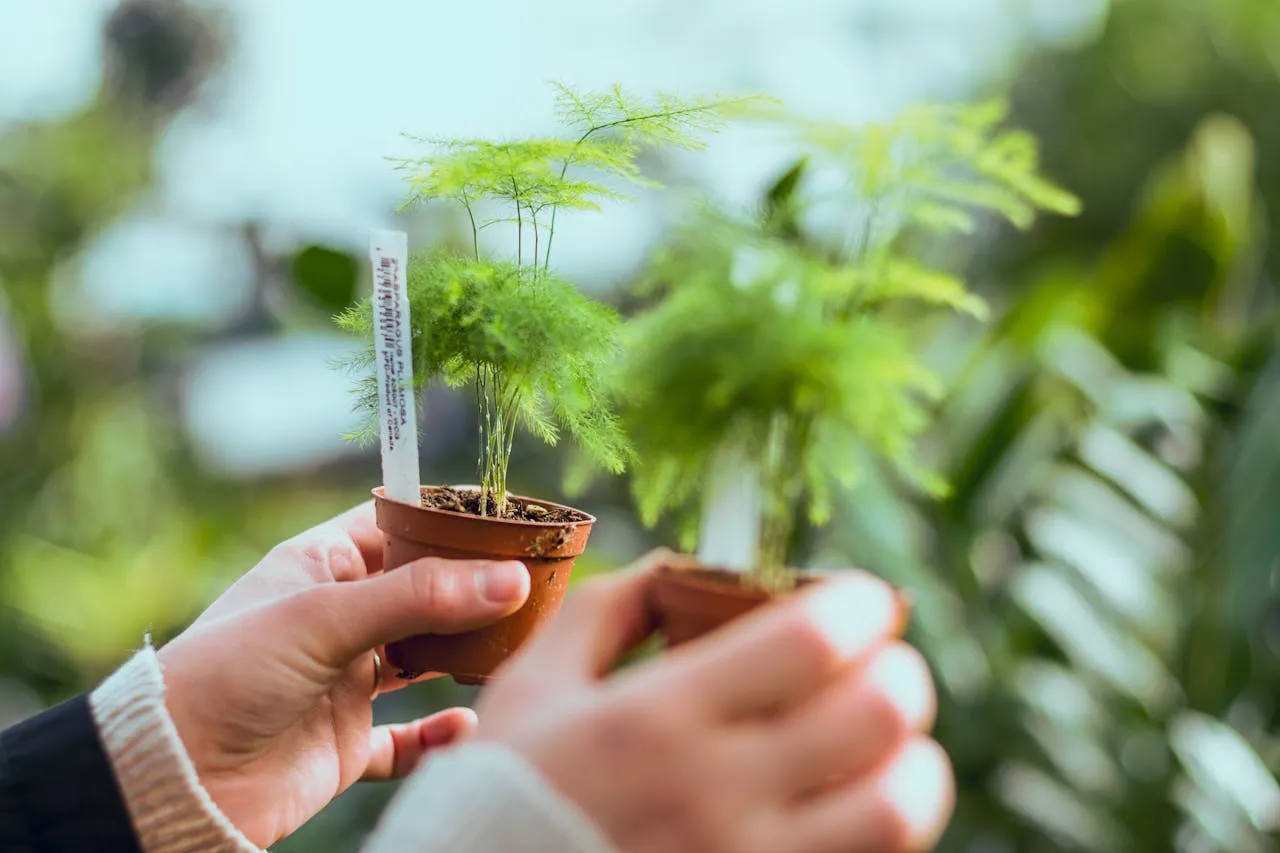
Most reputable plant sellers (like Proven Winners and Burpee) list USDA zones in every product description. Match that number to your zone, and voilà—you’ll know instantly whether your new plant will thrive or just survive.
Pro Tip: Keep your zone number in your phone’s notes or screenshot our interactive map before shopping. It’ll save you countless heartbreaks—and refunds.
🌻 3. It Makes Timing Easy — Know When to Plant and Harvest
Timing is everything in gardening. And your zone determines your last frost date, first frost date, and growing season length.
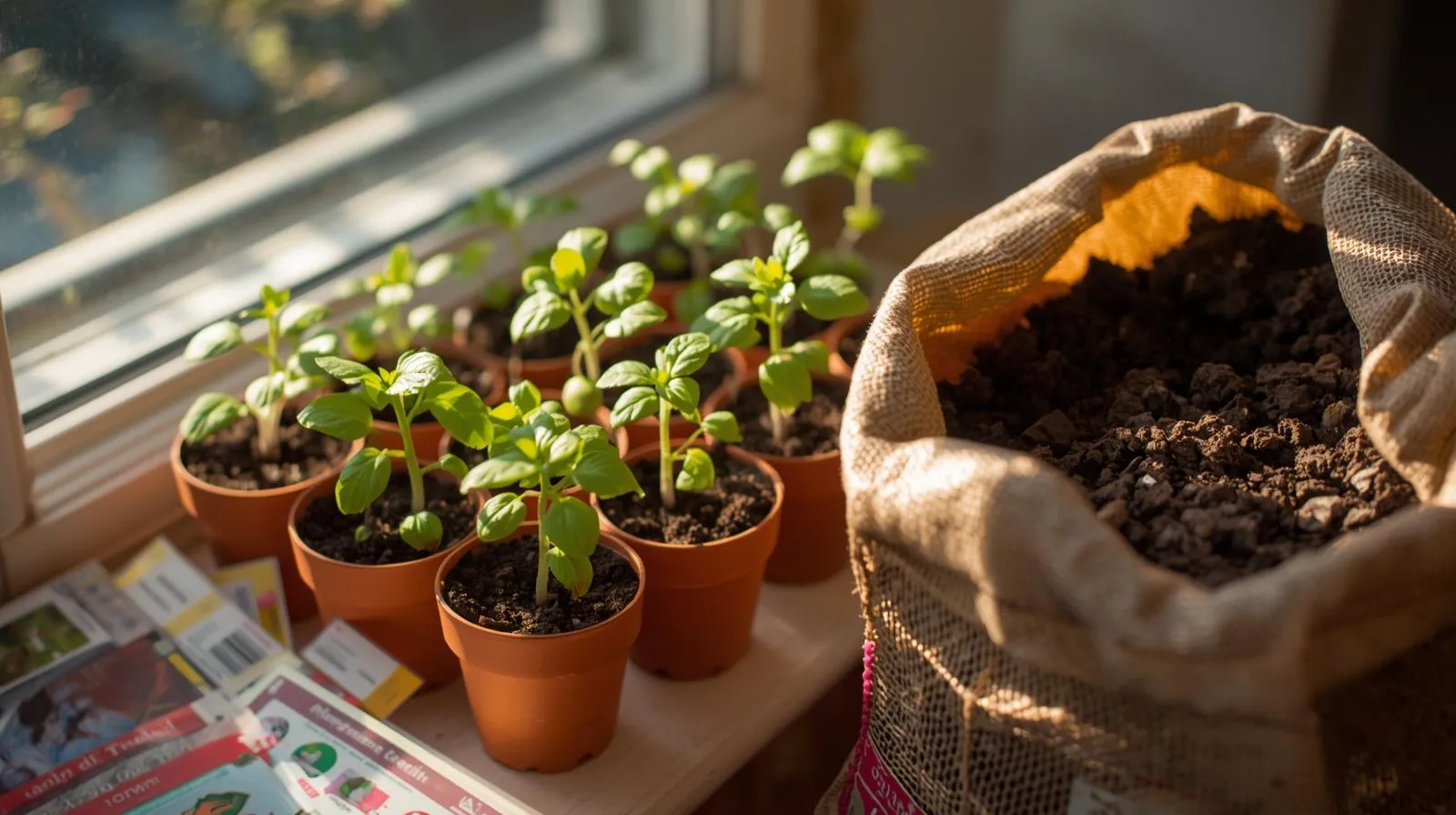
Gardeners in Zone 9 might plant tomatoes in February. But if you’re in Zone 6, you’ll need to wait until May. Plant too early, and frost will turn your seedlings into compost. Plant too late, and you’ll be racing the cold.
Use your USDA zone as a guide for when to start seeds indoors, move plants outside, or bring tender ones back in. You can find frost date charts by zone at The Old Farmer’s Almanac.
🌿 4. It Helps You Understand Microclimates in Your Yard
Here’s the fun part: even within one USDA zone, your yard can have its own mini-zones.
South-facing walls trap heat and create warm spots (great for rosemary or succulents). Shady corners under big trees can act like cooler, more humid microclimates.
The USDA map gives you the baseline—but learning your own backyard’s quirks turns you into a plant whisperer. You might be officially Zone 7, but your garden’s sunny corner could behave more like Zone 8.
🔎 Tip: Use our interactive USDA map as your reference, then jot down which areas get extra sun, wind, or shade. Over time, you’ll learn exactly where each plant feels “at home.”
🌾 5. It Guides You Toward Native and Low-Maintenance Plants
Want a low-stress garden that practically grows itself? Stick to native plants that evolved in your USDA zone. Native plants require less watering, fewer fertilizers, and rarely need pest control—they already know how to handle your local climate.
Check out the USDA’s Plants Database at plants.usda.gov for a goldmine of native species organized by region and zone. You can also cross-reference with our map to discover which ones naturally fit your area.
💡 Example: If you live in Zone 8, try coneflowers and bee balm. In Zone 4? Go for columbine or black-eyed Susan.
🌼 6. It Saves You Time and Money
Every gardener has a “graveyard corner” — that one spot filled with well-intentioned plant experiments gone wrong. Checking your USDA hardiness zone before buying reduces the number of “oops” moments dramatically.
Think of it like reading a recipe before cooking. You wouldn’t bake bread at 200°F or roast coffee beans in the freezer. Your plants deserve the same temperature awareness.
Once you start choosing plants by zone, you’ll spend less time replacing them—and more time enjoying a thriving, cohesive garden.
🌻 7. It Turns Guesswork Into a Year-Round Strategy
The USDA map isn’t just for planting—it’s for planning.
- In spring, use it to decide when to start seeds.
- In summer, use it to schedule pruning and fertilizing.
- In fall, use it to prep perennials for dormancy.
- In winter, use it to dream and plan next year’s garden, zone-appropriate style.
Gardening becomes smoother when you know what your climate can (and can’t) handle. The USDA map transforms gardening from guesswork into strategy.
🌱 Conclusion: Find Your Zone, Find Your Groove
The USDA Hardiness Zone Map is more than a colorful chart—it’s a powerful planning tool that turns frustration into growth. By knowing your zone, you can choose plants that actually want to live where you do.
So before your next plant haul, take a minute to check your USDA Zone with our Interactive Map.
You’ll save time, money, and maybe even a few tears over that poor tropical fern that just wanted a warmer home. Happy planting, and may every seed find its perfect zone! 🌼