8 Essential Tips for a Thriving Indoor Garden: Your First Steps
Start your indoor garden with these 8 essential tips. Learn how to grow fresh vegetables and herbs indoors year-round with the right setup and care.
Imagine harvesting fresh lettuce for a salad, snipping herbs for dinner, or picking a ripe tomato—all without stepping outside. An indoor garden makes this a year-round reality, giving you control over your food supply and access to the freshest possible produce, regardless of the weather.
While it might seem daunting, creating a productive indoor garden is achievable for anyone. You don’t need a greenhouse or expensive equipment, just the right knowledge. Here are 8 essential tips to get your indoor garden started.
If you’re new to gardening in general, check your USDA hardiness zone map to understand which plants thrive in your region—this knowledge helps even with indoor gardening when you eventually want to move plants outdoors seasonally.
8 Essential Tips for Your Indoor Garden
1. Choose the Right Plants for Your Space
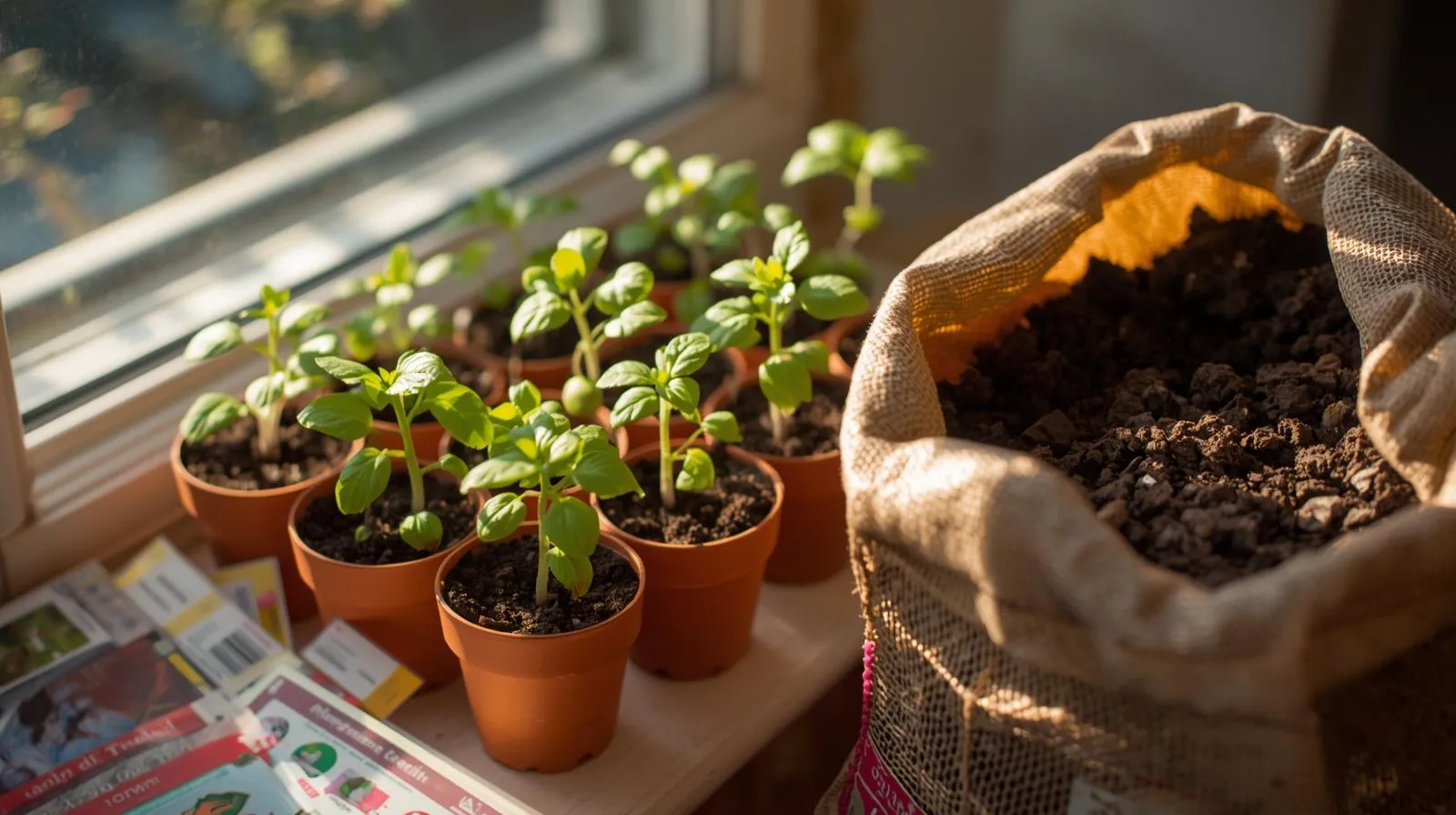
Before you buy a single seed, know that not all plants are created equal when it comes to indoor growing. Start with crops that are known to do well in containers and confined spaces.
Easy Wins: Leafy greens (lettuce, spinach, kale) and herbs are the easiest plants for beginners in an indoor garden. They grow quickly and don’t require as much light or space as fruiting plants.
Good Container Crops: If you want to grow more, look for compact or “bush” varieties. Cherry tomatoes, small peppers, and bush cucumbers are all excellent choices for an indoor garden.
What to Avoid: Skip space-hogging crops like corn, large melons, or winter squash, which require far more room than a typical indoor setup can provide.
Pro tip: For winter growing inspiration, check out our guide to vegetables you can grow in January—many of these cold-hardy crops also excel in indoor gardens.
2. Light is Everything
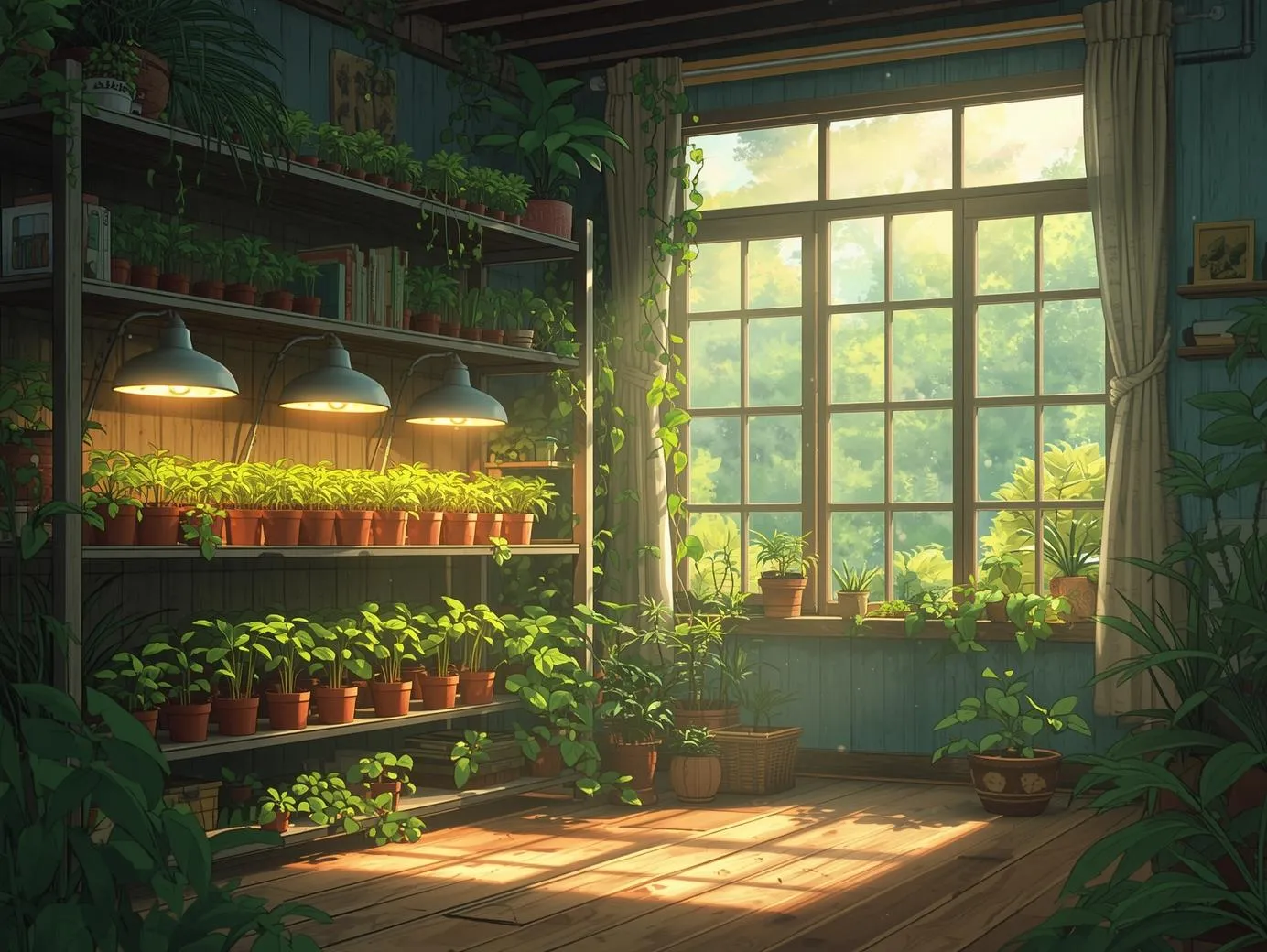
This is the golden rule of indoor garden success. Most homes do not have enough natural light to sustain fruiting vegetables. While a very sunny, south-facing window can work for some herbs and greens, most plants will need supplemental light to thrive.
The Goal: Aim for at least 12 hours of light per day for optimal growth in your indoor garden.
The Gear: You don’t need to buy pricey “grow lights.” Inexpensive shop lights work great if you use the right bulbs. Look for bulbs with a “daylight” or “full-spectrum” rating (around 5,000 to 6,500 Kelvin).
The Technique: Keep the lights as close to the plants as possible (a few inches is ideal) to prevent them from becoming thin and “leggy.” Healthy indoor garden plants will have vibrant color and thick, sturdy stems.
3. Give Roots Room to Grow
A common mistake in an indoor garden is keeping plants in containers that are too small. Cramped roots lead to a stunted plant and poor production.
Bigger Pot, Bigger Plant: While you can start seeds in small cells, be prepared to transplant them into a final container that accommodates their adult size.
DIY Drainage: Plants hate soggy feet! Ensure every container has drainage holes to prevent root rot. A simple, budget-friendly system involves drilling holes in one plastic dishpan and setting it inside a second one to catch excess water.
4. Use Quality Potting Soil
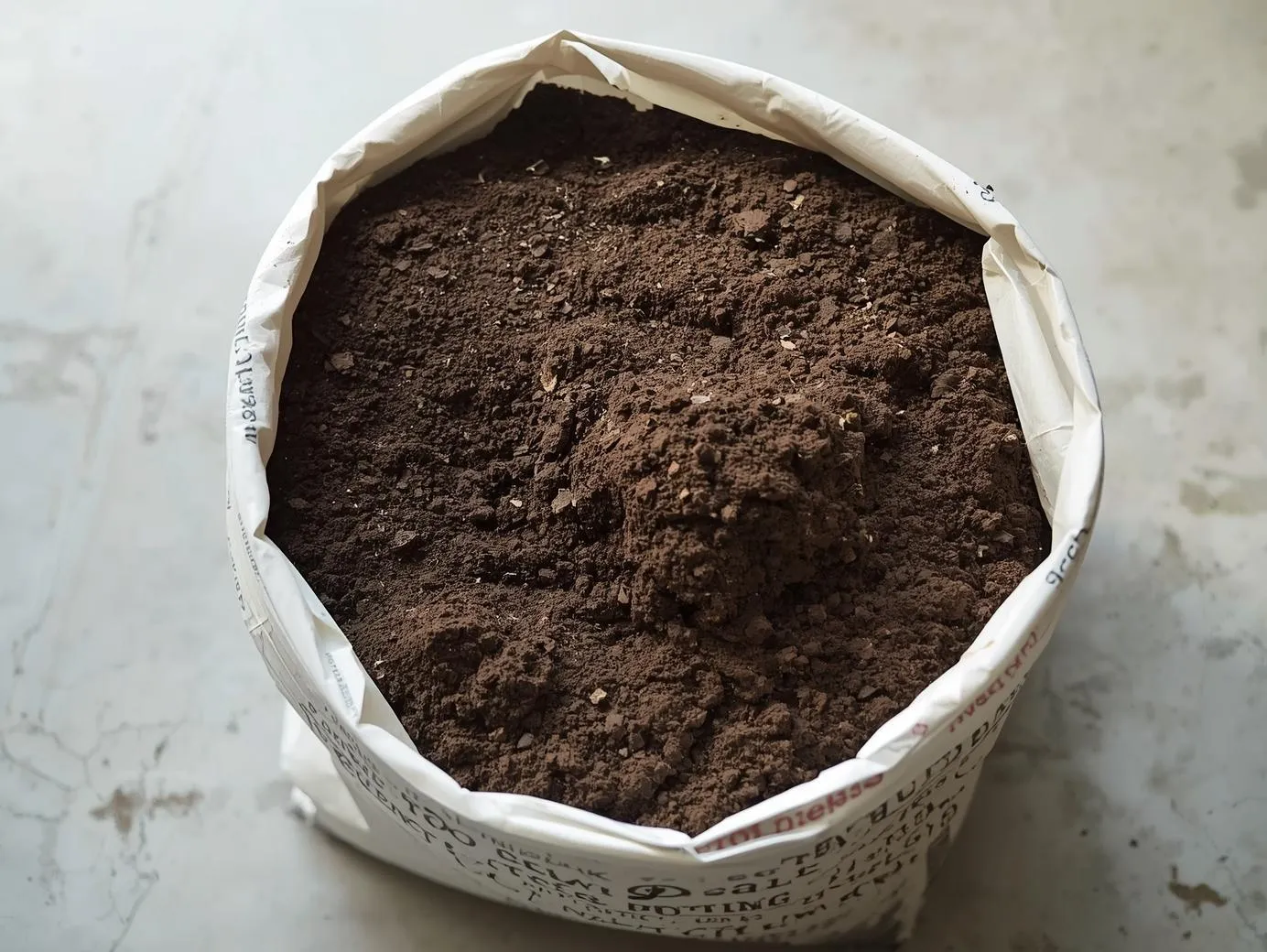
Don’t be tempted to use soil from your outdoor garden, which can contain pests, weed seeds, and is too dense for containers. A good quality potting mix is worth the investment for your indoor garden. It’s sterile, lightweight, and engineered to retain the right amount of moisture while allowing for good drainage.
Soil tip: Once your potting mix is depleted of nutrients (after a few months), learn how to properly store compost to have fresh organic matter ready to refresh your containers.
5. Create a Healthy Environment
Your indoor garden plants are sensitive to their surroundings. Replicating a gentle outdoor breeze and maintaining a stable temperature will keep them happy.
Temperature: Most greens and herbs are happy at room temperature (around 65-70°F). Heat-loving plants like peppers and tomatoes prefer it a bit warmer, especially for germination.
Airflow: Gentle air movement strengthens plant stems. You can achieve this by running a small fan on low for a few hours a day or, if temperatures permit, opening a nearby window. Just be sure to avoid cold, drafty spots.
Winter considerations: If you’re also interested in outdoor cold-weather growing, our winter indoor plants guide offers complementary strategies for maintaining greenery year-round.
6. Fertilize Regularly
Unlike an outdoor garden, your indoor garden doesn’t have a natural ecosystem to replenish nutrients. The plants are entirely dependent on you for food.
When to Feed: Some potting mixes come with a slow-release fertilizer that lasts a few months. After that, you’ll need to feed your plants regularly. A liquid organic fertilizer designed for edible plants, used every week or two, is a great option.
Why it Matters: Without consistent nutrients, your indoor garden plants will be weak and your harvests will be disappointing.
7. Harvest Smart for Continuous Production
The more you harvest (responsibly), the more your indoor garden plants will produce. For leafy greens like lettuce and spinach, use the “cut-and-come-again” method.
The Method: Once leaves are about 4 inches tall, start harvesting the outer, older leaves at the base of the plant. Never take more than one-third of the plant at a time.
The Result: The center of the plant will continue to produce new leaves, extending your indoor garden harvest from a single plant for weeks or even months.
8. Plant in Stages for a Non-Stop Harvest
Your indoor garden isn’t limited by traditional seasons, so you can plant and harvest all year. To ensure a constant supply, especially of fast-growing greens, you need to practice succession planting.
Eventually, annual plants like lettuce will “bolt” (go to seed) and stop producing tasty leaves. The trick is to have new plants ready to take their place. A good rule of thumb is to plant a new container of seeds right as your current set of plants becomes ready for its first harvest. This creates an ongoing cycle of fresh produce right at your fingertips in your indoor garden.
Succession planting tip: Understanding perennials vs. annuals helps you plan which plants need regular replanting in your indoor garden.
Getting Started with Your Indoor Garden
Ready to begin? Here’s a quick checklist for your indoor garden setup:
Essential supplies:
- Quality potting mix
- Containers with drainage holes
- Full-spectrum grow lights or shop lights
- Liquid organic fertilizer
- Small fan for air circulation
- Seeds or seedlings of easy-to-grow crops
Best beginner plants for your indoor garden:
- Lettuce - Fast growing, multiple harvests
- Kale - Hardy and nutritious
- Spinach - Quick from seed to harvest
- Cherry tomatoes - Productive in containers
- Peppers - Compact varieties work well
- Herbs (basil, parsley, cilantro) - Perfect for small spaces
The Bottom Line: Your Indoor Garden Success
Starting an indoor garden transforms your living space into a productive oasis. With the right setup—adequate lighting, proper containers, quality soil, and consistent care—you can harvest fresh vegetables and herbs year-round, regardless of outdoor weather conditions.
Remember the essentials:
- Choose plants suited for indoor growing
- Provide 12+ hours of quality light daily
- Use containers with proper drainage
- Fertilize regularly
- Practice succession planting for continuous harvests
The beauty of an indoor garden is that it’s always the right season to grow. Start small with a few pots of greens and herbs, master the basics, and gradually expand your operation. Before long, you’ll be harvesting your own fresh, organic produce without leaving your home.
Ready to take your gardening further? Explore our complete beginner’s guide section for more tips on creating your perfect indoor garden.