12 Seed-Starting Tips by USDA Zone (So You Never Miss the Perfect Planting Window)
Find out when and how to start your seeds indoors or outdoors based on your USDA zone. Get zone-specific planting tips, frost date calendars, and timing guides for perfect germination.
🌼 Introduction: Timing Is Everything in Gardening
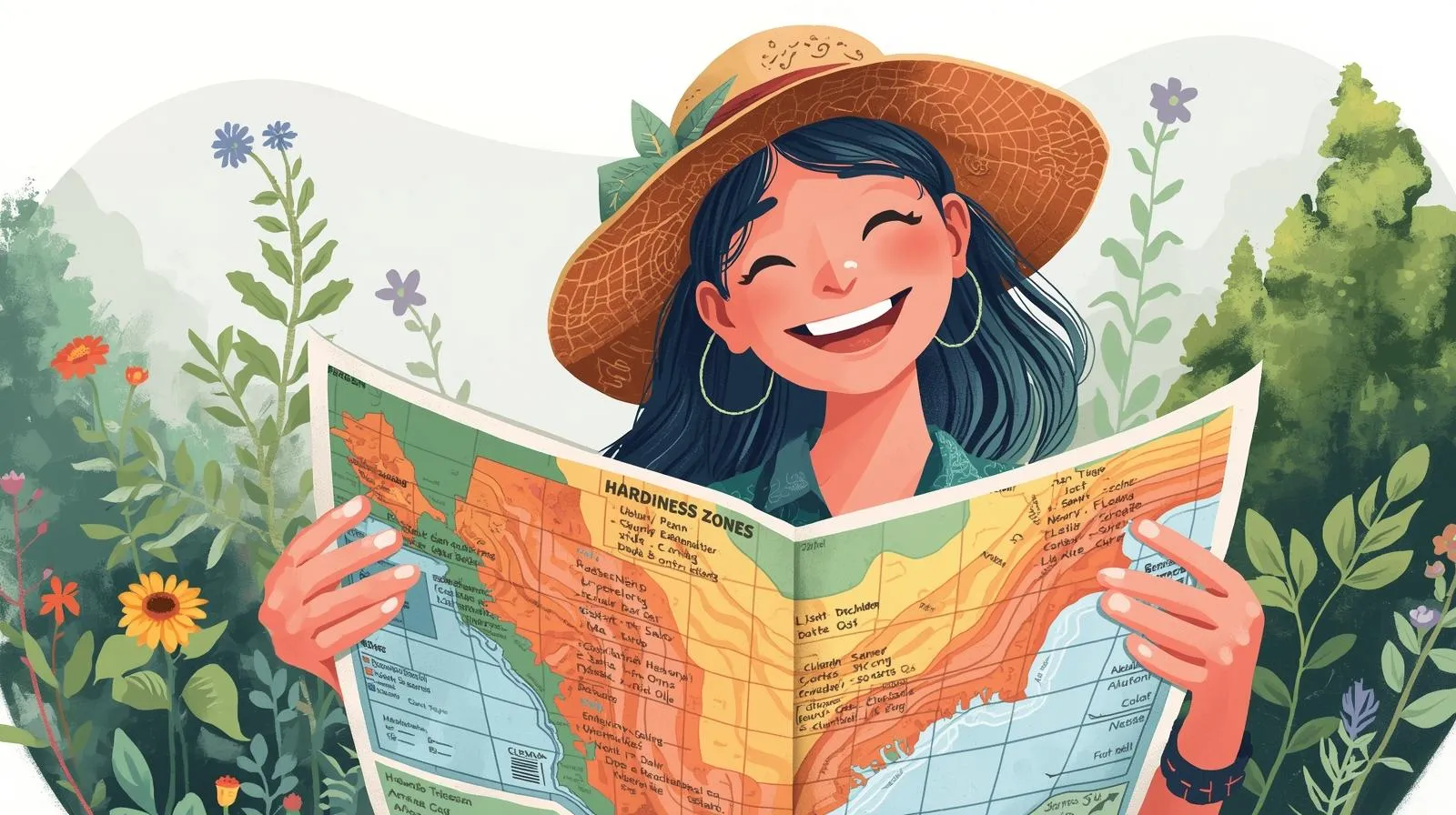
If you have ever started seeds too early, only to watch them stretch toward the window like sleepy giraffes, you know that timing matters more than fancy equipment. These seed starting tips by USDA zone keep you from guessing, help you build a reliable seed starting calendar, and keep frost from wrecking your hard work. The USDA Hardiness Zone Map divides the United States into 13 growing zones based on average annual minimum temperatures, so it tells you when to start seeds indoors, when to direct sow, and how long you have before cold weather circles back.
👉 Before diving into zone specific advice, find your exact number with our Interactive USDA Zone Map. Already know the basics of the map? Keep building that knowledge by reading 7 Reasons the USDA Hardiness Zone Map Is Every Gardener’s Secret Weapon.
🌤️ 1. Know Your Zone Before You Sow
Every successful seed start begins with one thing: knowing your USDA zone. That single piece of data delivers your average last frost date, which is the moment when freezing temps are mostly behind you. Planting before your zone’s frost date can doom tender seedlings, while waiting too long shortens your growing season.
- Zone 5 gardeners often face a last frost in mid May, so when to start seeds by zone means building a March and April indoor schedule.
- Zone 9 gardeners might transplant tomatoes in February because soil warms much earlier.
Use the USDA Hardiness Zone Map at USDA.gov plus our interactive version for a modern frost dates chart and a visually clear view of your region.
🧊 2. Learn Your Frost Dates and Mark Them on a Calendar
Once you know your zone, look up your last and first frost dates. Those numbers tell you when to start seeds indoors, when to move seedlings outside, and when to expect your fall shutdown. You can find reliable frost calendars at The Old Farmer’s Almanac, your local extension office, or right inside the zone lookup in our map. Mark them in your gardening planner so they become your seed starting calendar.
| Zone | Average Last Frost | Indoor Seed Start (Weeks Before) | Sample Crops | Notes |
|---|---|---|---|---|
| 3 | Late May | 10-12 | Brassicas, onions | Use heat mats and covers since spring soil warms slowly. |
| 6 | Late April | 8-10 | Tomatoes, herbs | When to start tomato seeds in Zone 6: mid February indoors works well. |
| 8 | Early March | 4-6 | Cucumbers, basil | Direct sow heat lovers quickly after frost passes. |
| 10 | January | 2-4 | Beans, zinnias | Focus on successive sowing and heat relief for greens. |
💡 Pro tip: Set a reminder 6 to 8 weeks before your last frost to begin indoor sowing for tomatoes, peppers, basil, and other warm season crops.
🪴 3. Start Indoors for Short Growing Seasons
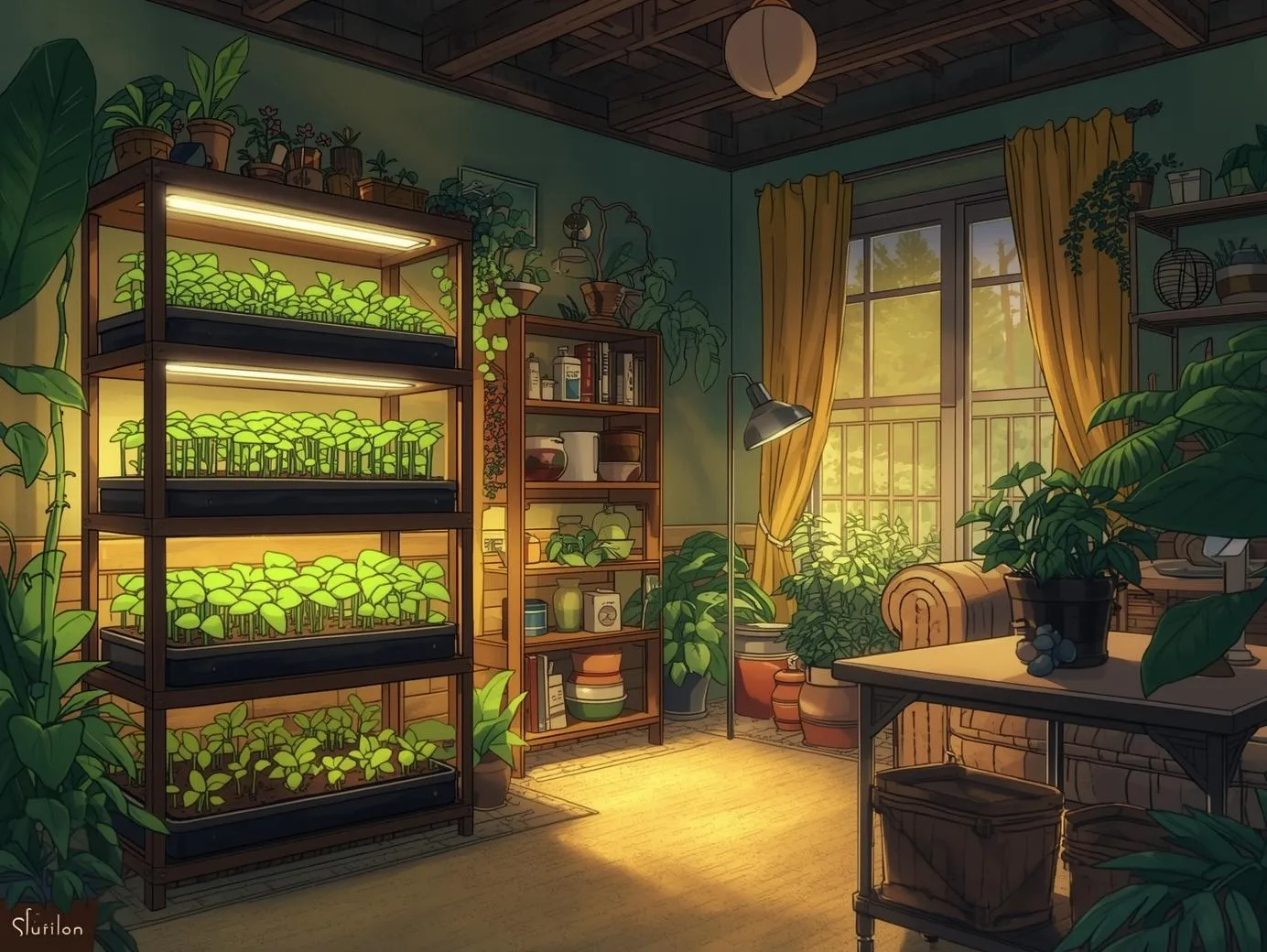
If you live in a cooler zone (1 through 6), your growing season is short, so start seeds indoors to gain precious weeks. Use trays, peat pots, soil blocks, or even rinsed yogurt cups. Place them near a sunny window or under grow lights for 12 to 16 hours per day. Keep soil near 70°F for germination, or reference the seed packet for preferred soil temperature for germination. Label every tray with the date, crop, and zone target so you can build a year over year indoor seed starting guide. That is the closest thing to a how to start seeds indoors step by step approach you need.
🌞 4. In Warm Zones, Focus on Heat Sensitive Seeds
Gardeners in Zones 8 through 10 enjoy longer seasons and warmer soil, so you can direct sow plenty of crops. Beans, sunflowers, corn, squash, and okra sprout fast when the soil is already cozy. The bigger challenge in warm zones is protecting tender greens and herbs from extreme heat.
- Start lettuce, cilantro, and parsley indoors or tuck trays into bright shade, especially if you are figuring out when to plant herbs by zone.
- Use shade cloth or plan late fall sowings for a second, cooler harvest.
- Monitor soil moisture so you are not shock treating germinating seeds with scorching heat.
📅 5. Count Back from Your Last Frost Date
Every seed packet lists how many weeks before transplanting you should start seeds indoors. Use your last frost as the anchor point, then count backward to build a when to start seeds by zone schedule.
- Note your average last frost, for example May 10 in Zone 6.
- Check the crop. Tomatoes usually need 6 to 8 weeks indoors.
- Count backward. Start them between March 10 and March 24.
No spreadsheets required (though if you love data, go wild). This simple countdown doubles as a seed starting calendar by USDA zone that works for brassicas, flowers, or herbs.
🌿 6. Use the USDA Map to Plan Succession Planting
The USDA Hardiness Zone Map is not just a frost date tool. It also helps you plan succession planting so you can squeeze in more harvests. Warmer zones (8 through 10) can drop fast growers like lettuce, radishes, or bush beans every few weeks. Cooler zones can plan at least one succession round by replanting spinach, bok choy, or baby carrots after the first harvest if soil temps cooperate.
Once you know your zone, plug it into our Interactive USDA Zone Map and plan second sowings for crops that prefer spring or fall. That approach keeps your succession planting experiment grounded in real frost data.
💧 7. Adjust Watering by Zone
Zones vary wildly in humidity and rainfall, so what is perfect in one region can drown or dry out seeds in another.
- Arid zones (8 through 10 Southwest): Keep soil consistently moist but not soggy. Use humidity domes, plastic wrap, or even a misting bottle to keep the top quarter inch from drying out.
- Humid zones (6 through 8 Southeast): Watch for mold or damping off disease. Bottom water trays, run a small fan for airflow, and scrape away algae the moment you see it.
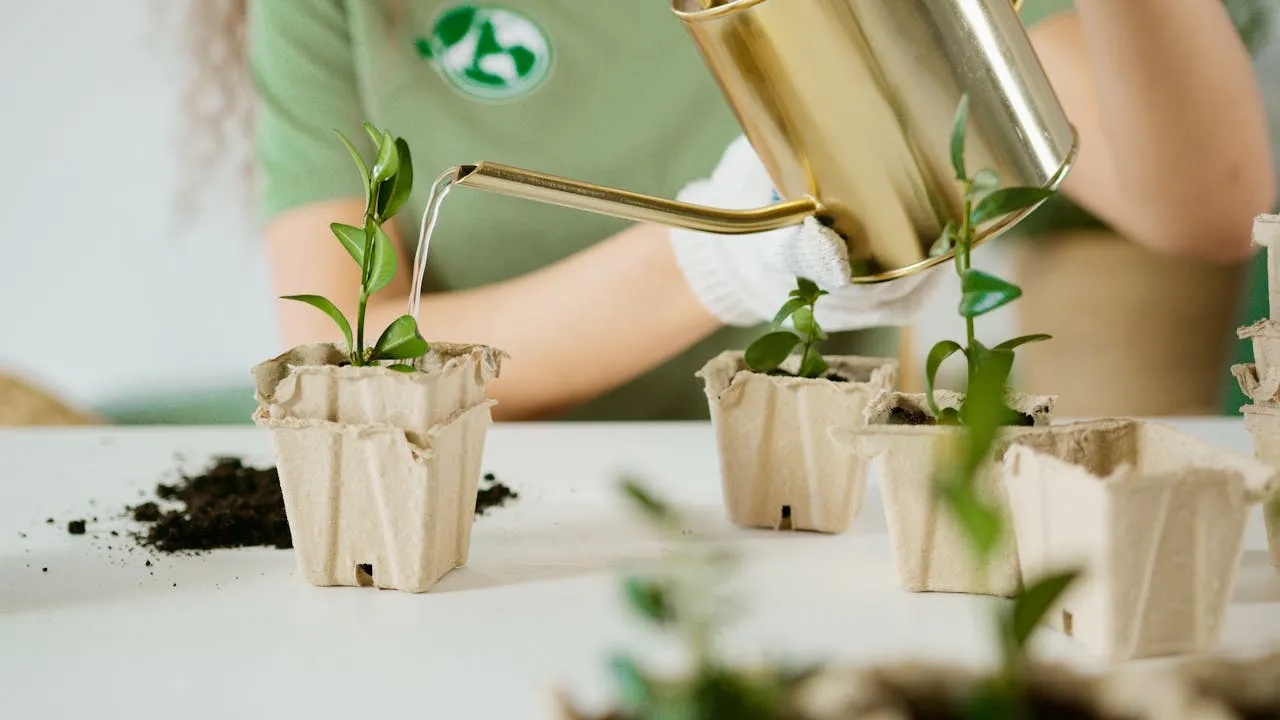
The key is balance. Seeds need moisture to crack open, but soggy soil is a fast track to rot. When in doubt, push your finger into the mix. If the top half inch is dry, water.
🌡️ 8. Match Soil Temperature to Each Seed
Soil temperature is just as critical as air temperature. Your USDA zone hints at when the soil finally warms enough for ideal germination, so pair that with a simple soil thermometer.
- Peas sprout in soils as cool as 40 to 45°F.
- Lettuce prefers 55°F.
- Tomatoes and peppers want 70 to 80°F.
- Cucumbers and squash love 75°F.
Skim the USDA Plants Database for regional germination data whenever you are unsure. Monitoring soil temperature for germination keeps you from wasting expensive seed outside its comfort zone.
🌬️ 9. Harden Off Plants at the Right Time
Hardening off means training indoor seedlings to handle outdoor light, wind, and fluctuating temps. Start about two weeks before transplanting and extend their time outside a little every day. Cool zones should start the process in mid spring, while warm zones need to do it earlier before sudden heat spikes fry tender leaves.
If you ever wondered how to harden off seedlings before transplanting, think of it like this:
- Day one: two hours in bright shade, sheltered from wind.
- Day three: four hours with a little morning sun.
- Day seven: full afternoon outdoors unless frost threatens.
- Day ten and beyond: leave plants out overnight once temps stay above 50°F.
Consistency makes seedlings sturdier so they shrug off that first storm. It truly is baby steps for plants.
🌼 10. Use Zone Friendly Seed Varieties
Not all seeds are created equal. Many catalogs list USDA zone recommendations right on the packet, making it easy to choose seed varieties by zone. Pick cultivars bred for your climate and they will deliver better flavor, fewer pest issues, and predictable harvest windows.
- Zone 5: Choose cold hardy lettuce, kale, spinach, or alpine strawberries.
- Zone 9: Lean into heat lovers like okra, eggplant, roselle, or melons.
Use the USDA Plants Database to confirm whether a new variety matches your zone, and keep notes in your journal if a type over or under performs.
🌾 11. Plan for Successive Sowing
If your zone allows it, do not plant everything on the same weekend. Stagger your sowing to spread out harvests and to keep your garden producing longer. Warm zones can plant every two or three weeks for a steady supply of salad greens, beans, and zinnias. Cooler zones can still replant fast growers like lettuce or radishes after the first harvest, especially if you tuck them under row cover.
Succession planting also protects you from a single freak hail storm wiping out every plant of the same age. Mix up planting dates and you always have a backup.
🌙 12. Keep a Zone Journal
Every yard has microclimates: sunny walls, shaded corners, windbreaks, dips that trap frost. Track those quirks in a seed starting journal so you know exactly how your property behaves inside your USDA zone. Make a quick note every time you sow seeds, jot down germination rates, record transplant dates, and clip in photos of the bed after each harvest. Over a few seasons you will learn how to start seeds indoors step by step for your specific space, and you will know how to know your frost dates without checking an app because you have accurate historical notes.
🌻 Conclusion: Start Smart, Grow Confident
The USDA Hardiness Zone Map is not just a reference. It is your growing calendar, your direct line to frost dates by USDA zone, and a personalized planting coach. Before you plant another seed, take a moment to check your location inside our Interactive USDA Zone Map. It only takes a few seconds, but it can save you weeks of frustration, keep your seed starting tips organized, and guarantee a thriving garden from the first sprout to the last fall harvest.
Happy planting, and may your seedlings always hit their perfect window.