The Ultimate Guide to Hibiscus Tea
Discover everything about hibiscus tea: health benefits, easy recipes, and growing tips. Learn how to make refreshing hibiscus tea at home.
You’ve probably seen its electric, ruby-red color in photos or at your favorite café. Hibiscus tea is a drink that’s as beautiful as it is refreshing, with a tart, cranberry-like flavor that can be enjoyed hot or cold.
But this stunning beverage is more than just a pretty drink. It’s a global tradition, packed with potential health benefits and incredibly easy to make right in your own kitchen. Whether you’re looking for a caffeine-free pick-me-up or a refreshing iced tea for a hot day, hibiscus tea is one recipe you’ll want to keep on hand.
Let’s dive into everything you need to know about hibiscus tea.
What Exactly Is Hibiscus Tea?
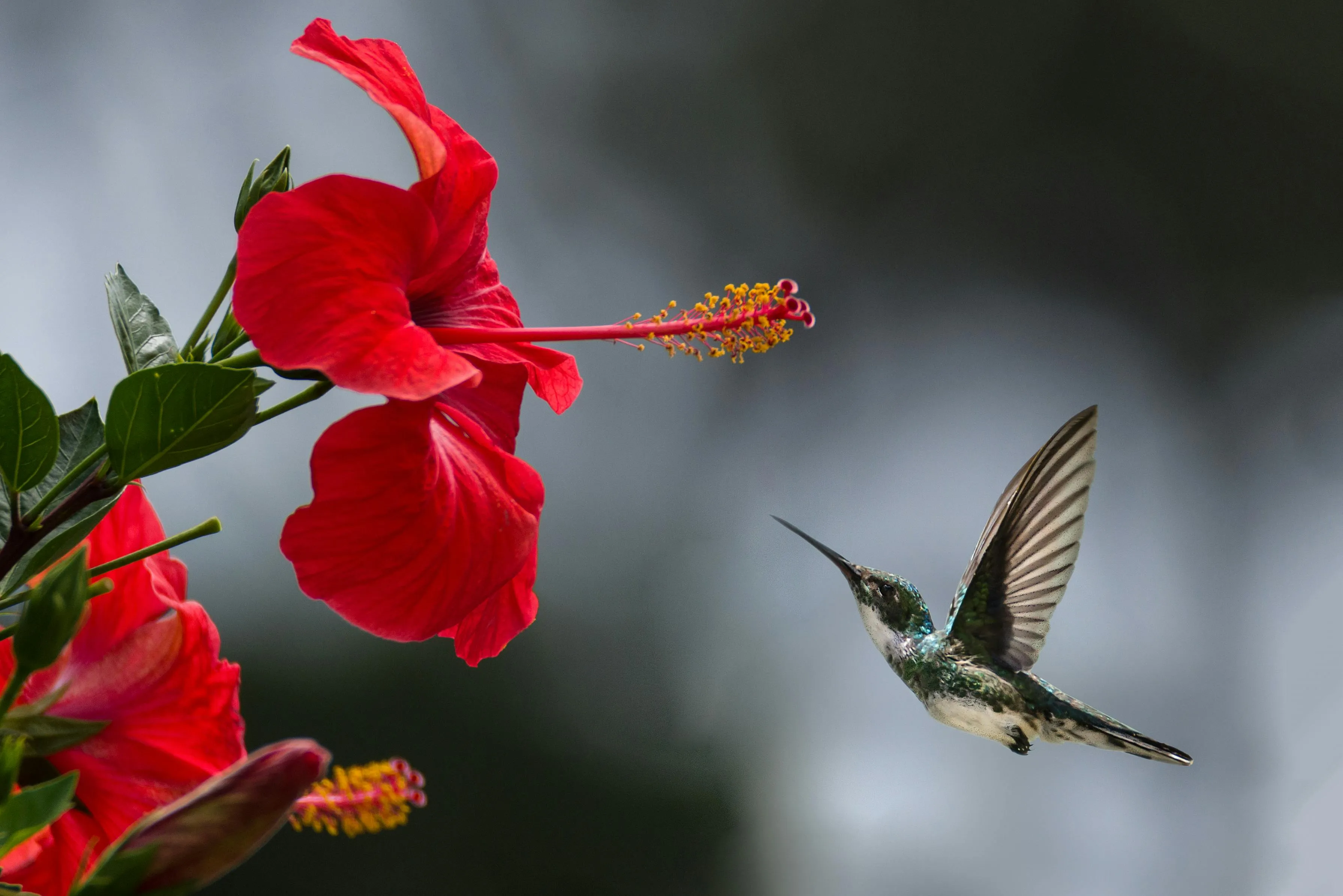
First things first: this isn’t a tea made from the common hibiscus flowers you see in garden beds. True hibiscus tea is an herbal infusion made from the dried calyces (the protective leaves around the flower) of the Hibiscus sabdariffa plant, also known as roselle.
While its scientific name is a mouthful, its common names are a trip around the world:
- Agua de Jamaica in Mexico and Central America
- Zobo or Tsobo in Nigeria
- Bissap in Senegal and West Africa
- Karkadé in Egypt and Sudan
- Sorrel in the Caribbean
No matter what you call it, the bright, tangy flavor is universally loved and serves as a base for countless delicious hibiscus tea variations.
Note: While ornamental hibiscus varieties like Hardy Hibiscus and Rose of Sharon make stunning garden plants, they’re different species and not typically used for tea.
Potential Health Benefits of Hibiscus Tea
One of the best things about hibiscus tea is that it may be as good for you as it is delicious. For centuries, it’s been used in traditional medicine, and modern science is starting to back up some of those claims.
Packed with Antioxidants
Hibiscus is loaded with powerful antioxidants like Vitamin C and polyphenols. These compounds help fight off damage from free radicals in the body, which can contribute to aging and chronic diseases.
May Support Heart Health
Several studies have suggested that hibiscus tea may help lower both systolic and diastolic blood pressure. Some research also indicates it might help reduce “bad” LDL cholesterol and triglycerides, making it a heart-friendly choice.
Could Promote Liver Health
Your liver is essential for detoxifying your body, and some studies show that hibiscus extract may help protect liver cells from damage and improve overall liver function.
Natural Source of Vitamin C
Like many edible plants, hibiscus provides valuable nutrients. If you’re interested in growing your own edible garden, check out our guide to vegetables you can grow in winter to complement your herb collection.
Disclaimer: While hibiscus tea is a healthy beverage, it’s not a substitute for medicine. If you have a health condition or are on medication, especially for high blood pressure, consult with your doctor before making it a regular part of your routine.
How to Make Hibiscus Tea: A Simple Recipe
Ready to brew your own hibiscus tea? Forget complicated instructions. This is one of the easiest and most rewarding drinks you can make. The cold-brew method is especially forgiving and perfect for a rich iced tea.
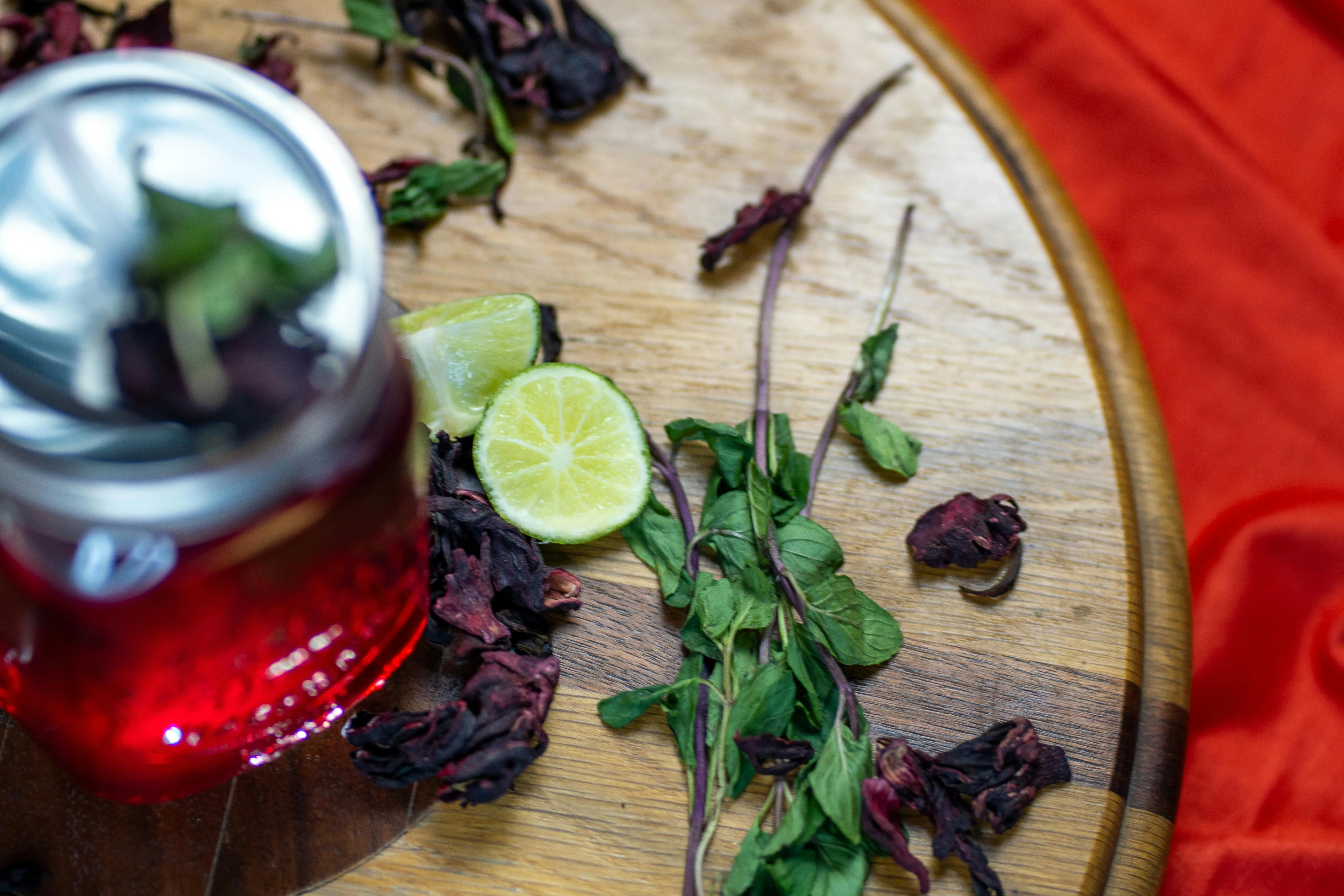
Yields: 4 cups (1 quart) Prep time: 5 minutes Steep time: 20 minutes to overnight
Ingredients
- 1/4 cup dried hibiscus flowers
- 4 cups cold, filtered water
- Optional for serving: Sweetener (honey, agave, sugar), fresh mint leaves, lime or lemon slices
Instructions
Step 1: Combine Place the 1/4 cup of dried hibiscus flowers in a 1-quart jar or pitcher. Pour the 4 cups of cold water over them.
Step 2: Steep Give it a quick stir. Cover and place in the refrigerator to steep. For a light flavor, steep for at least 20-30 minutes. For a rich, deep red color and bold flavor, let it steep for a few hours or even overnight.
Step 3: Strain Pour the hibiscus tea through a fine-mesh strainer into a clean pitcher to remove the hibiscus flowers.
Step 4: Serve Serve the hibiscus tea over ice. If you prefer it sweet, stir in your sweetener of choice until it dissolves. Garnish with a sprig of fresh mint or a squeeze of lime.
Want it hot? Simply pour 1 cup of boiling water over 1 tablespoon of dried hibiscus flowers. Let it steep for 5 minutes, strain, and enjoy your hot hibiscus tea.
Easy Ways to Customize Your Hibiscus Tea
The simple recipe above is a perfect canvas for creativity. Try these delicious variations:
The Spicy One
Add a cinnamon stick, a few whole cloves, or a few thin slices of fresh ginger to the pitcher while your hibiscus tea is steeping. These warming spices complement the tartness beautifully and create a cozy winter drink.
The Fizzy One
Make your hibiscus tea extra strong by using a little less water. Pour it over ice, filling the glass halfway, and top it off with sparkling water for a refreshing spritzer. Perfect for summer gatherings!
The Tropical One
Add a splash of pineapple juice or orange juice to your finished hibiscus tea for a fruitier, sweeter flavor. This variation pairs wonderfully with fresh mint and lime.
Growing Your Own Hibiscus for Tea
While most ornamental hibiscus flowers in garden centers aren’t the tea-making variety, you can grow Hibiscus sabdariffa (roselle) in warm climates.
Growing requirements:
- Climate: USDA Zones 8-11 (treated as annual in cooler zones)
- Sunlight: Full sun (6-8 hours daily)
- Water: Regular watering, especially during flowering
- Harvest: Pick calyces when they’re plump and red, after flowers drop
If you’re interested in growing edible plants, check out our guide to vegetables you can grow in winter or explore indoor gardening to grow fresh herbs year-round alongside your hibiscus.
For ornamental hibiscus varieties like Hardy Hibiscus and Rose of Sharon, these make stunning garden plants but aren’t typically used for tea.
The Bottom Line: Embrace the Tradition of Hibiscus Tea
Hibiscus tea is more than just a beautiful drink—it’s a flavorful, healthy beverage enjoyed across cultures worldwide. With its vibrant color, refreshing tart taste, and potential health benefits, it’s a wonderful addition to your daily routine.
Remember the essentials:
- Use dried Hibiscus sabdariffa calyces (not ornamental varieties)
- Cold-brew method: 1/4 cup flowers to 4 cups water
- Steep 20 minutes to overnight for varying intensity
- Customize with sweeteners, spices, or fruit juices
- Enjoy hot or cold year-round
Whether you call it agua de Jamaica, zobo, bissap, or simply hibiscus tea, this ruby-red elixir is one of nature’s most delightful gifts. Start with the simple recipe above, experiment with flavors, and discover why this tea has been treasured for generations.
Ready to explore more edible gardening? Check out our guide to growing passiflora fruits or browse our collection of edible plants to expand your homegrown harvest.