Wine and Roses Weigela: Complete Growing Guide for USDA Zones 4-8
Discover how to grow Wine and Roses Weigela (Weigela florida 'Alexandra'), a stunning purple-foliage shrub with pink blooms. Low-maintenance care tips, pruning guide, companion plants & landscape ideas for zones 4-8.
Scroll down to discover growing tips, care requirements, companion plants, and more
Complete Plant Information
What is Wine and Roses Weigela?
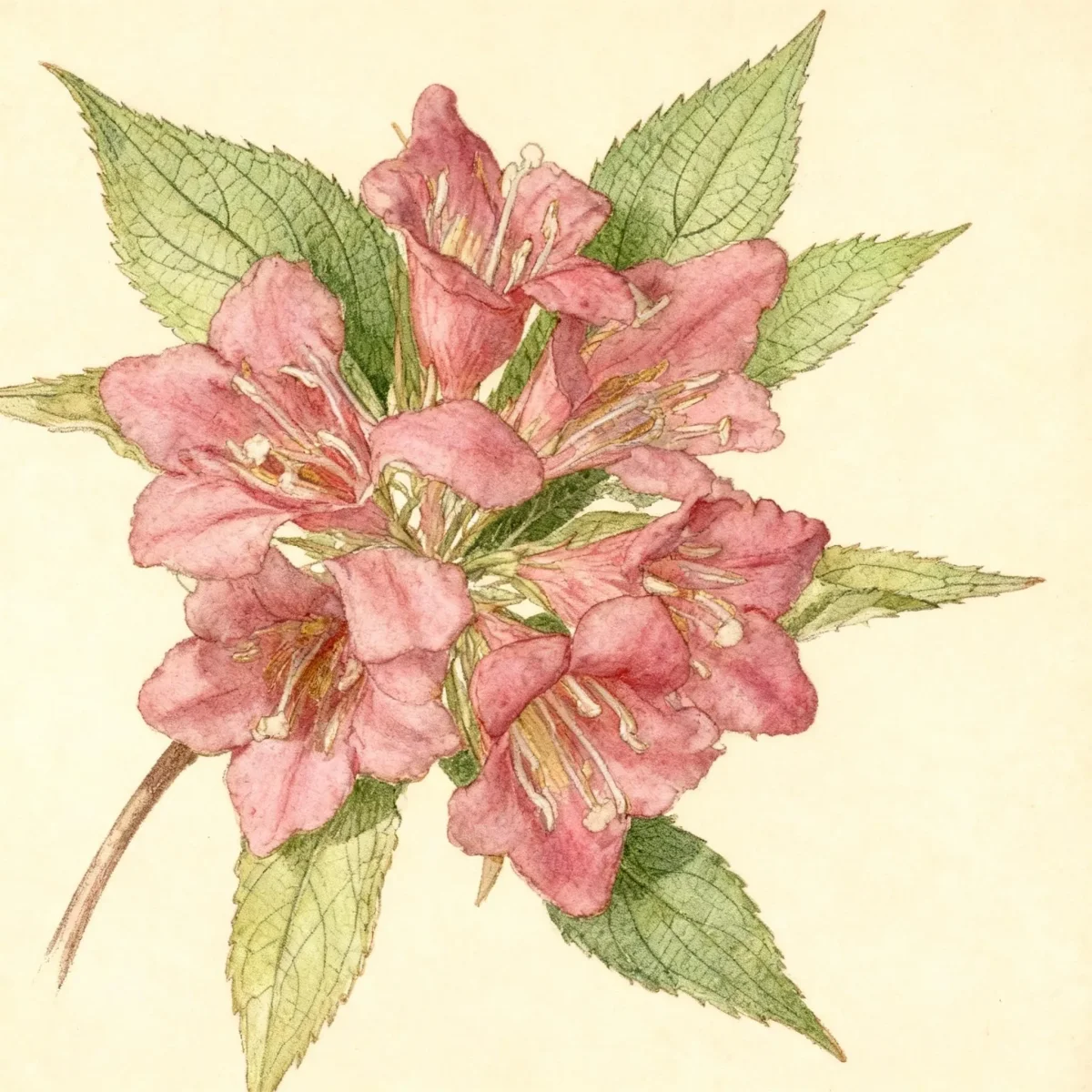
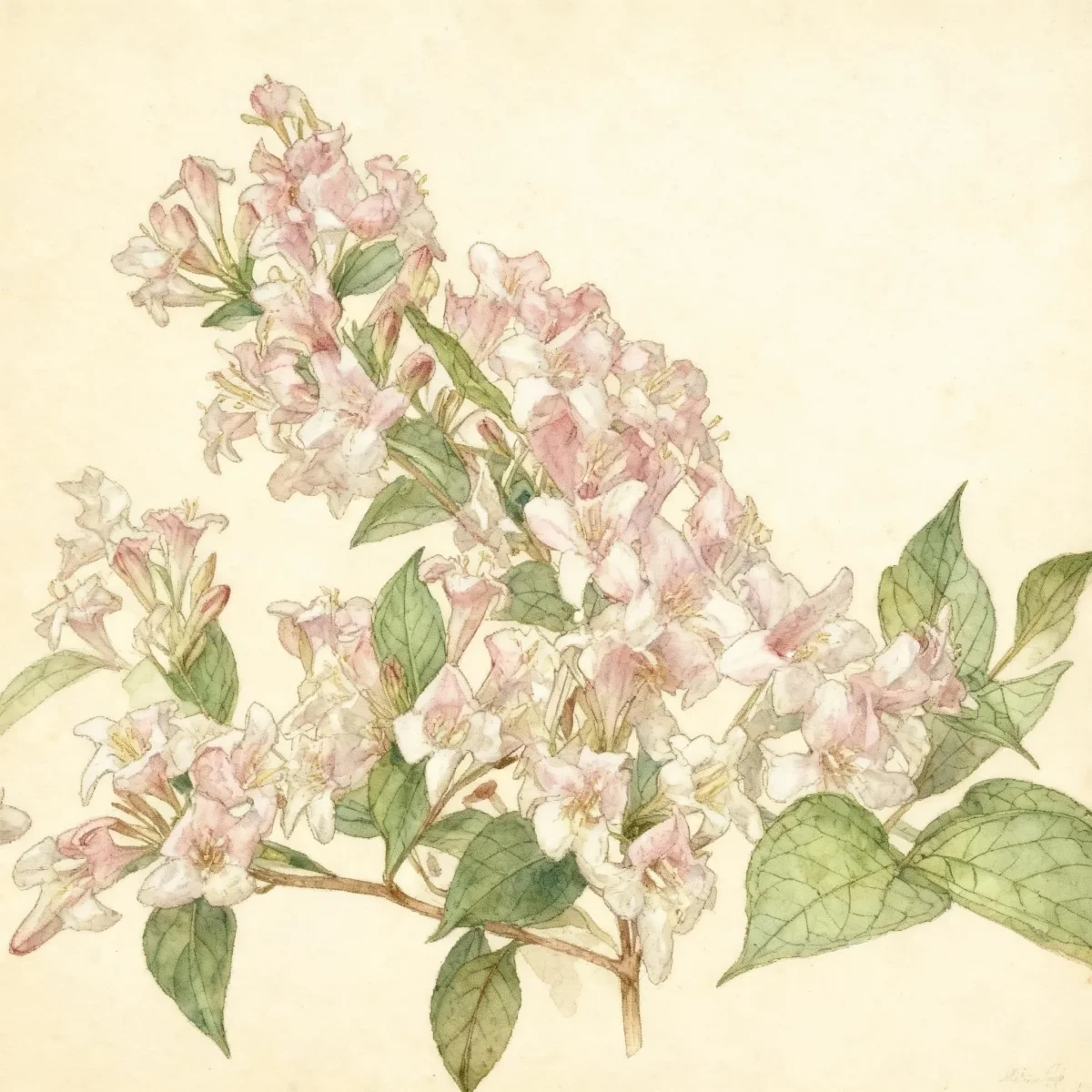
Wine and Roses Weigela (Weigela florida ‘Alexandra’) is an award-winning deciduous shrub prized for its dramatic dark purple foliage and abundant reddish-pink spring flowers. Winner of the prestigious Pennsylvania Horticultural Society Gold Medal Plant Award in 2000, this cultivar has become one of the most popular Weigela varieties for home gardens.
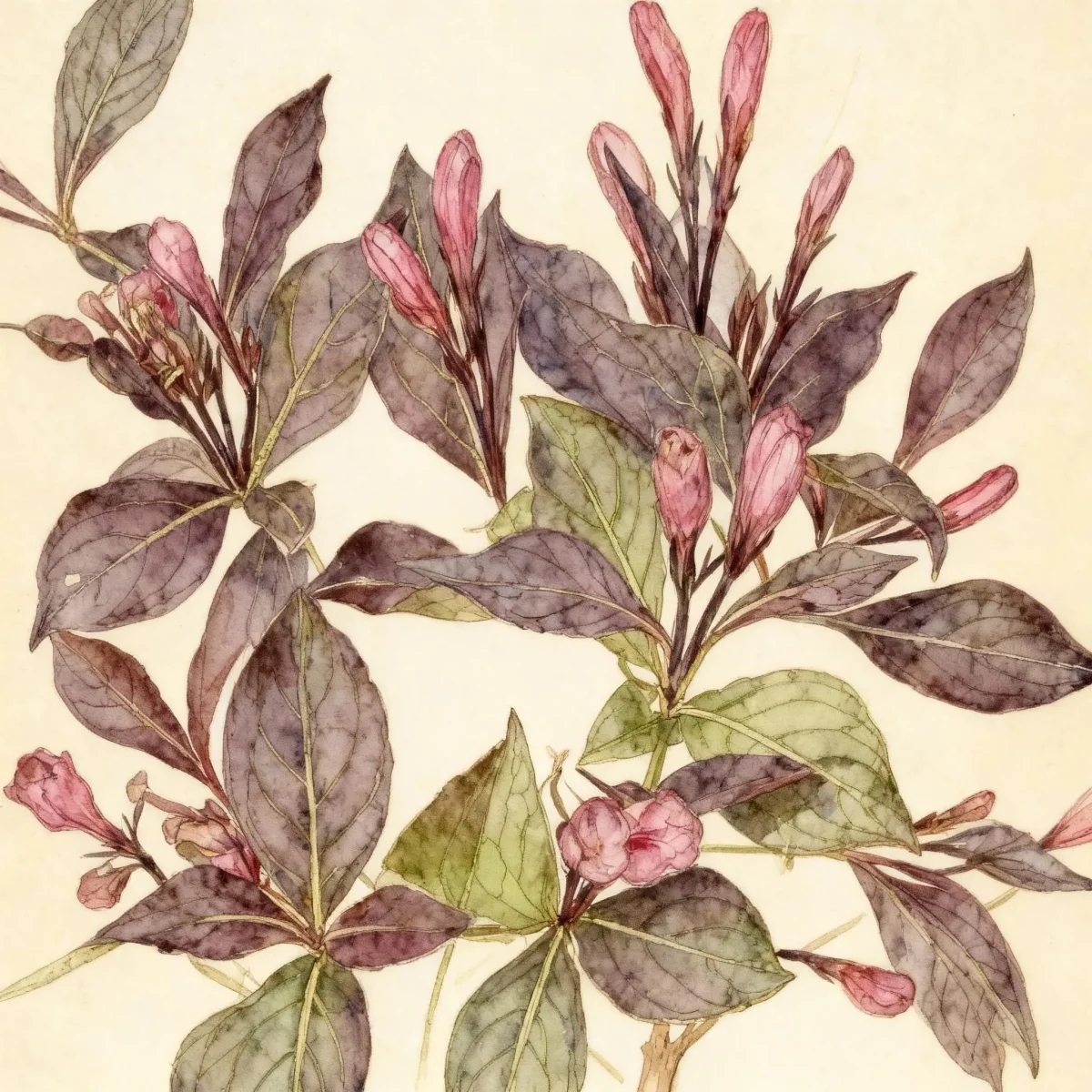
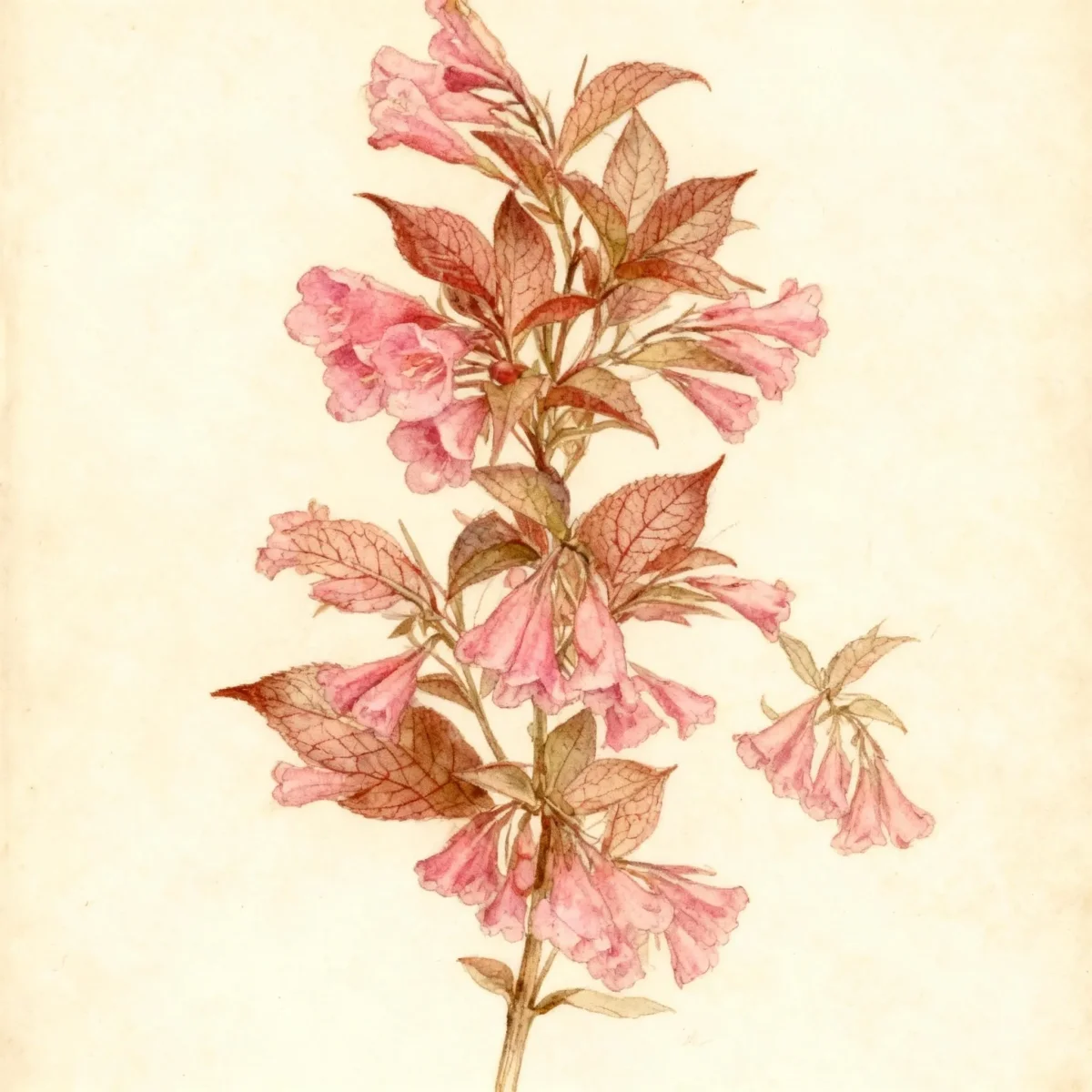
Unlike other Weigela varieties that feature green leaves, Wine and Roses maintains its stunning deep purple to near-black foliage throughout the entire growing season—from spring through fall. This creates an exceptional backdrop for the profuse display of tubular pink flowers that appear from April to June, with sporadic repeat blooms in late summer.
Native to northern China, Korea, and Japan, this improved cultivar thrives in USDA hardiness zones 4 through 8. Its compact size (4-5 feet tall and wide), low maintenance requirements, and ability to attract hummingbirds make it ideal for foundation plantings, mixed borders, and hedges. Whether you’re a beginning gardener or experienced landscaper, Wine and Roses Weigela delivers reliable year-round interest with minimal care.
Fast Facts
- Plant Family: Caprifoliaceae
- Plant Type: Deciduous shrub
- Hardiness Zones: USDA Zones 4-8
- Size at Maturity:
- Height: 4-5 ft
- Spread: 4-6 ft
- Bloom Time: April to June
- Bloom Description: Reddish pink
- Sun Exposure: Full sun
- Water Needs: Medium
- Maintenance Level: Low
How to Grow
Planting the Weigela florida ‘Alexandra’ WINE AND ROSES is best performed in the spring or fall immediately following arrival to allow roots to establish before temperature extremes. Ensure the chosen location receives full sun, though light, dappled shade is tolerated, full sun promotes the best foliage color. This Weigela adapts well to average, well-drained soils but notably tolerates clay soils, simplifying site selection.
Maintain medium moisture levels throughout the growing season, particularly while the shrub establishes its root system. Fertilization is rarely necessary if soil conditions are adequate; conversely, excessive feeding can lead to soft, floppy growth. Pruning should be performed judiciously, shaping the shrub only immediately after the peak spring flowering period concludes.
Avoid heavy pruning late in the season, as this might stimulate new growth that will be susceptible to winter damage in colder zones. Winter preparation is minimal for established plants in zones 4-8. Propagation of this cultivar is achievable through standard stem cuttings taken at the appropriate time. Maximizing sun exposure is the single most important factor for successful growth and vibrant color display in your WINE AND ROSES Weigela.
Landscape Uses
Weigela florida ‘Alexandra’ WINE AND ROSES excels as a structural element in defined garden beds, particularly along borders where its contrasting foliage can be fully appreciated. Its manageable 4 to 6-foot spread and height also make it suitable for use as a formal or informal hedge, providing excellent separation between landscape areas or softening property margins. The deep purple leaves ensure visual interest even when the shrub is not in bloom.
Consider planting Weigela in masses for a dramatic screen or interspersing single specimens near foundational plantings where they can anchor corners or break up expanses of evergreen shrubs. Though it functions well as a summer screen due to its density, its relatively compact size keeps it from overpowering smaller architectural features. This versatile shrub harmonizes well with lighter green or gold-leafed companion plants that accentuate its dark purple tones.
Flower Qualities
- Showy
Noteworthy Characteristics
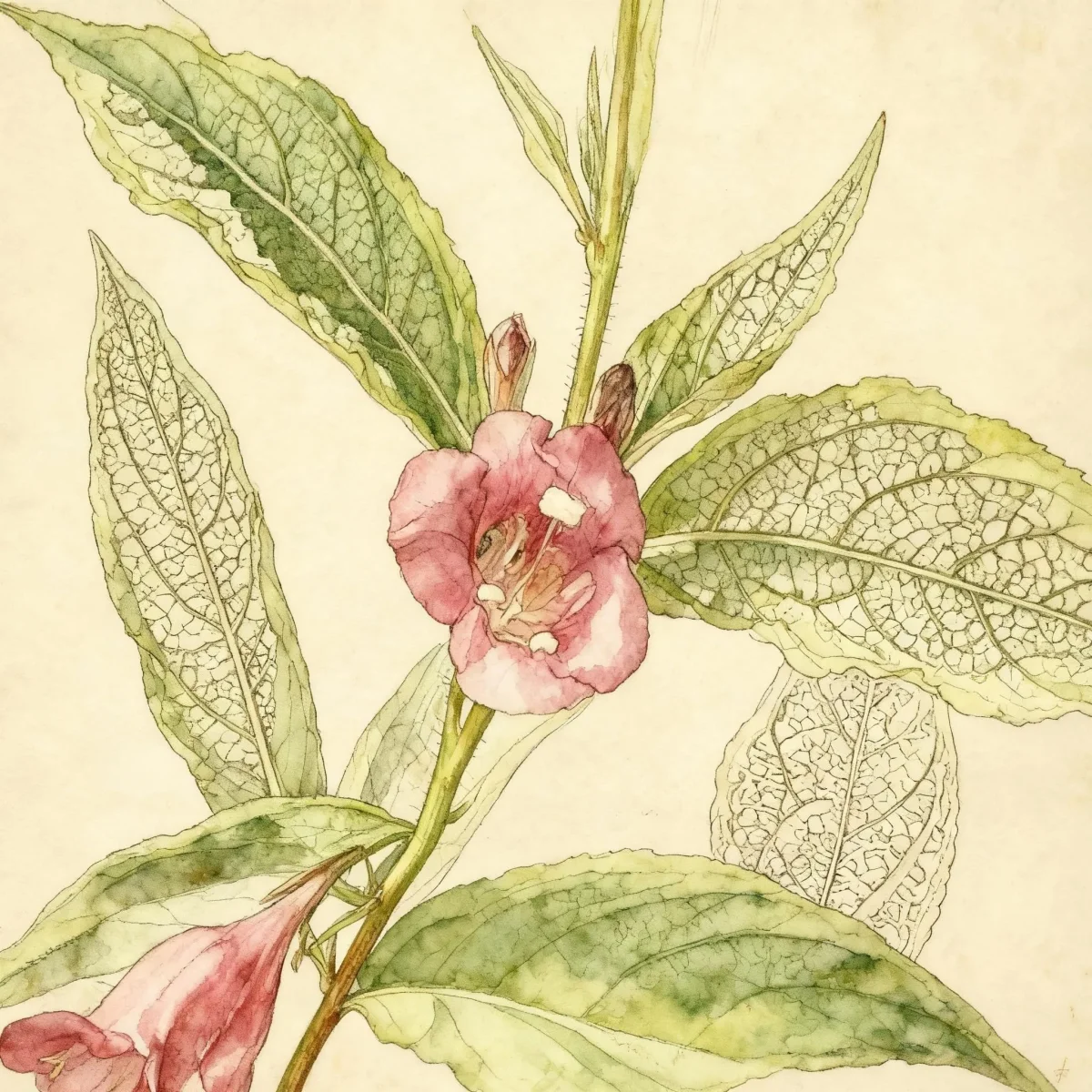
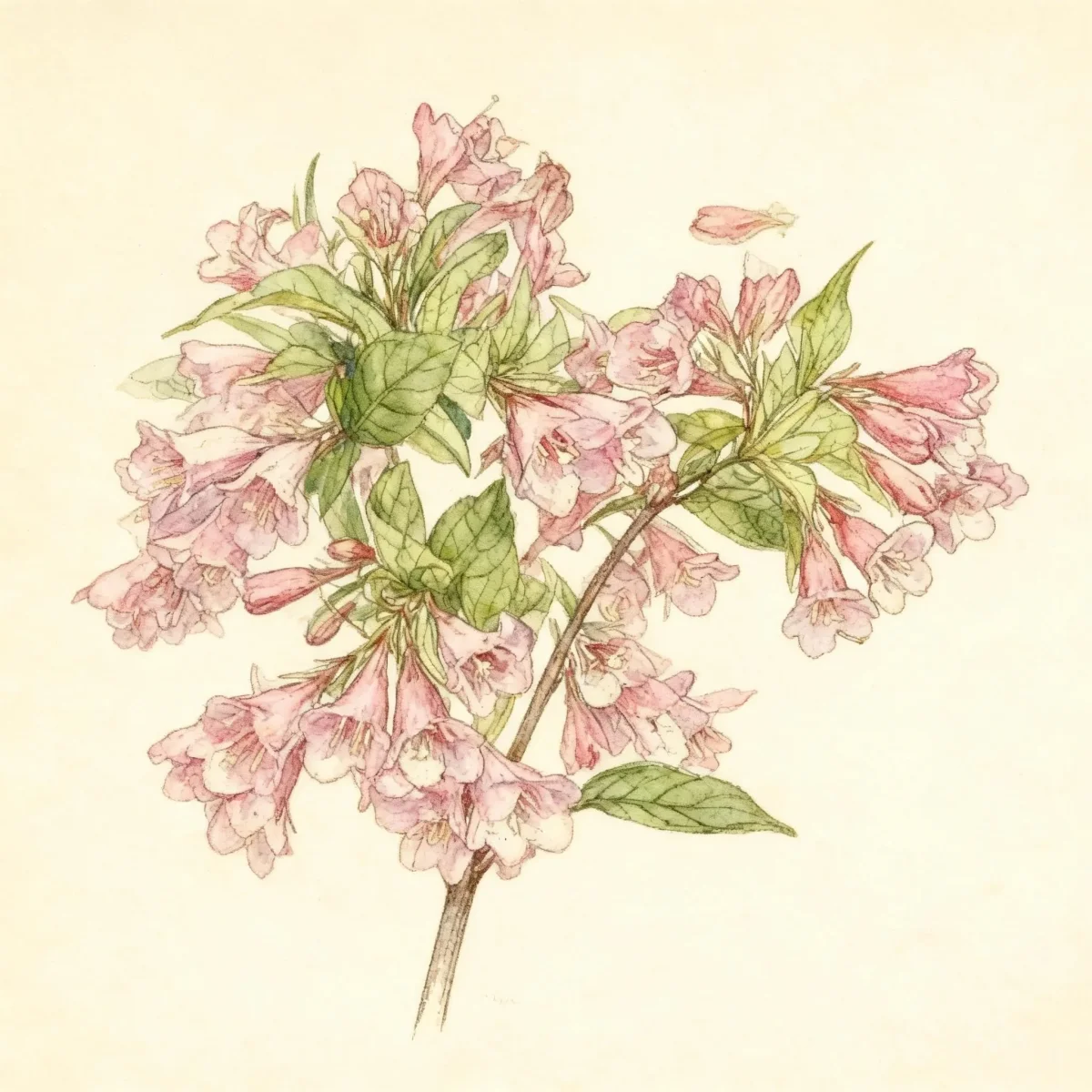
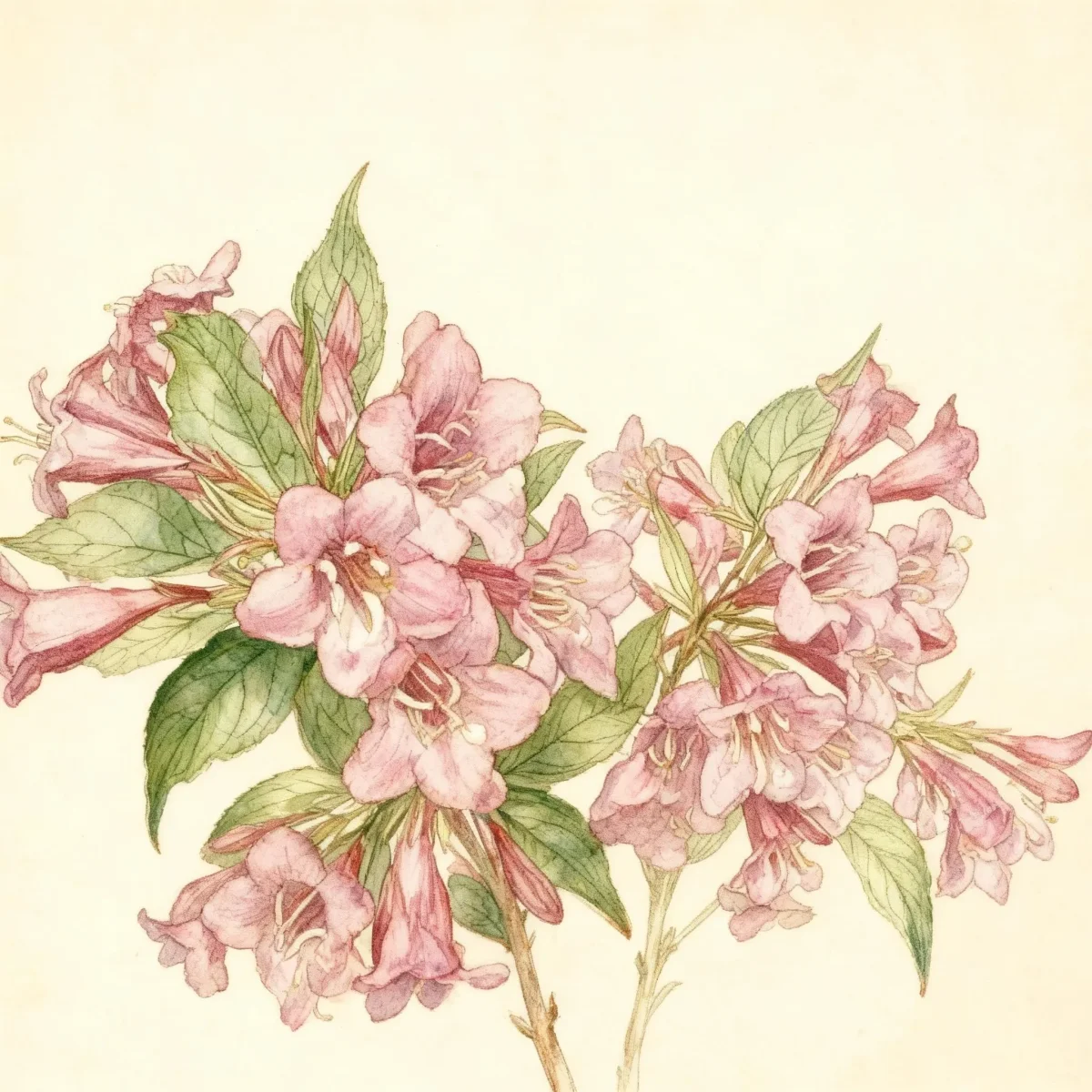
Weigela florida is native to northern China, Korea and Japan. It is a dense, rounded, deciduous shrub that typically grows to 6-10’ tall and may spread over time to as much as 12’ wide when referring to the species, though the ‘Alexandra’ cultivar is more controlled at 4-5’ tall with a slightly larger spread. Funnel-shaped, rose pink flowers (each to 1.25” long) bloom profusely in spring, with a sparse and scattered repeat bloom often occurring in mid to late summer. This specific cultivar, sold under the trade name of WINE AND ROSES, is primarily grown for its profuse reddish-pink spring flowers and its rich purple foliage, earning it the Pennsylvania Horticulture Society Gold Medal Plant Award for 2000.
Tolerances
- Clay Soil
Potential Problems
This cultivar of Weigela exhibits excellent vigor and generally faces no serious insect or disease problems under good cultural practices. Gardeners should remain vigilant for common garden pests like aphids or scale if the plant is stressed or heavily shaded, although significant infestations are rare. Proper sunlight management, as this plant requires full sun for best performance, is the primary proactive step to ensure robust health and minimize stress susceptibility.
If deer browse in your area is heavy, be aware that deer can occasionally nibble on the foliage, though it is generally listed as ‘deer resistant’. By ensuring rich, well-drained soil and adhering to the correct pruning schedule immediately post-bloom, you can virtually eliminate maintenance concerns for your Weigela florida ‘Alexandra’ WINE AND ROSES.
Frequently Asked Questions
What hardiness zones can Wine and Roses Weigela grow in?
Wine and Roses Weigela is reliably hardy in USDA Zones 4 through 8. It can tolerate winter temperatures down to -30°F (-34°C) when established, making it suitable for most temperate climates across North America.
How big does Wine and Roses Weigela get?
This shrub typically reaches a mature height of 4 to 5 feet tall with a spread of 4 to 6 feet wide. It has a compact, rounded growth habit that’s more controlled than the species, which can grow up to 10 feet tall.
When is the best time to plant Wine and Roses Weigela?
The best time to plant is in early spring or fall when temperatures are mild. This allows the root system to establish before extreme summer heat or winter cold. Avoid planting during the hottest part of summer.
How do I prune Wine and Roses Weigela?
Prune immediately after the main spring bloom (late May to early June). Since Weigela blooms on old wood, pruning later in the season will remove next year’s flower buds. Remove about one-third of the oldest stems at ground level to rejuvenate the plant and maintain good air circulation.
Why isn’t my Wine and Roses Weigela blooming?
The most common reasons for poor flowering are insufficient sunlight (needs full sun), improper pruning timing (pruning in late summer or fall removes flower buds), or excessive nitrogen fertilizer (promotes foliage over flowers). Ensure at least 6 hours of direct sun daily.
Does Wine and Roses Weigela attract pollinators?
Yes! The tubular pink flowers are highly attractive to hummingbirds and butterflies. The nectar-rich blooms provide an important food source for pollinators in spring and early summer.
Is Wine and Roses Weigela deer resistant?
Wine and Roses Weigela is generally considered deer resistant, though hungry deer may browse on it during harsh winters. In areas with high deer pressure, consider using deterrents or protective fencing, especially on young plants.
Can Wine and Roses Weigela grow in shade?
While it can tolerate partial shade, Wine and Roses Weigela performs best in full sun (6+ hours direct sunlight). In too much shade, the foliage color fades from deep purple to greenish-purple, and flowering is significantly reduced.
How fast does Wine and Roses Weigela grow?
Wine and Roses Weigela has a moderate growth rate, typically adding 12 to 24 inches per year under optimal conditions. Most plants reach their mature size within 3 to 5 years after planting.
What’s the difference between Wine and Roses and other purple Weigela varieties?
Wine and Roses was one of the first dark-foliaged Weigela cultivars introduced and remains popular for its reliable performance. Other purple varieties include ‘Midnight Wine’ (dwarf, 18-24 inches), ‘Fine Wine’ (compact, 2-3 feet), and ‘Spilled Wine’ (low-spreading). Wine and Roses offers the best balance of size, flower production, and foliage color.
Conclusion
The Weigela florida ‘Alexandra’ WINE AND ROSES is a low-effort, high-impact shrub, celebrated for its unique near-black foliage providing year-round contrast punctuated by brilliant spring flowers. Its tolerance for clay soil and low maintenance profile make it a stalwart selection for hedges, borders, and foundational plantings. Always confirm your local USDA zone compatibility before selecting this superb specimen for your garden design.
Companion Planting Strategies
When selecting companions for the dark foliage of Weigela florida ‘Alexandra’ WINE AND ROSES, focus on plants that offer bright greens, yellows, or silvers to maximize their visual impact. Consider pairing it with hostas that have chartreuse or gold leaves, such as ‘Sum and Substance’ or ‘August Moon’, which will glow beside the deep purple of the Weigela. Similarly, lighter-flowering perennials, like white or pale pink peonies or Siberian Iris, provide a stunning backdrop during the Weigela’s main blooming season.
For mid-summer interest after the main Weigela flush fades, incorporate plants that handle similar sun and moisture conditions. Ornamental grasses with fine texture and variegation, such as Japanese Forest Grass (Hakonechloa macra ‘Aureola’), can offer movement and contrast near the base of the shrub. Always maintain good air circulation around the base of the Weigela to prevent any potential humidity-related issues, ensuring companions are not planted too densely.
Seasonal Care Calendar
Early Spring (March/April): Apply a light, balanced fertilizer if desired, just as buds begin to swell. Perform any necessary cleanup of winter debris, but avoid heavy pruning now, as flower buds are set on old wood. Ensure the plant receives deep watering if spring rains have been sparse.
Late Spring/Early Summer (Post-Bloom): This is the critical time for shaping. Prune Weigela florida ‘Alexandra’ WINE AND ROSES immediately after the last flush of flowers fades to maintain its dense shape and encourage good architecture for next year. This quick shaping action prevents the plant from becoming leggy.
Summer (July/August): Monitor moisture levels closely, especially during heat waves, although established plants only require medium watering. If you notice scattered re-blooms, enjoy them, but no pruning should occur now to protect next season’s flower set. Deadheading is generally not required.
Fall (September/October): Reduce watering as temperatures cool. The foliage of the WINE AND ROSES Weigela will maintain its rich color until leaf drop. Apply a layer of mulch around the base, avoiding direct contact with the crown, to insulate roots for winter protection in the upper end of its hardiness range.