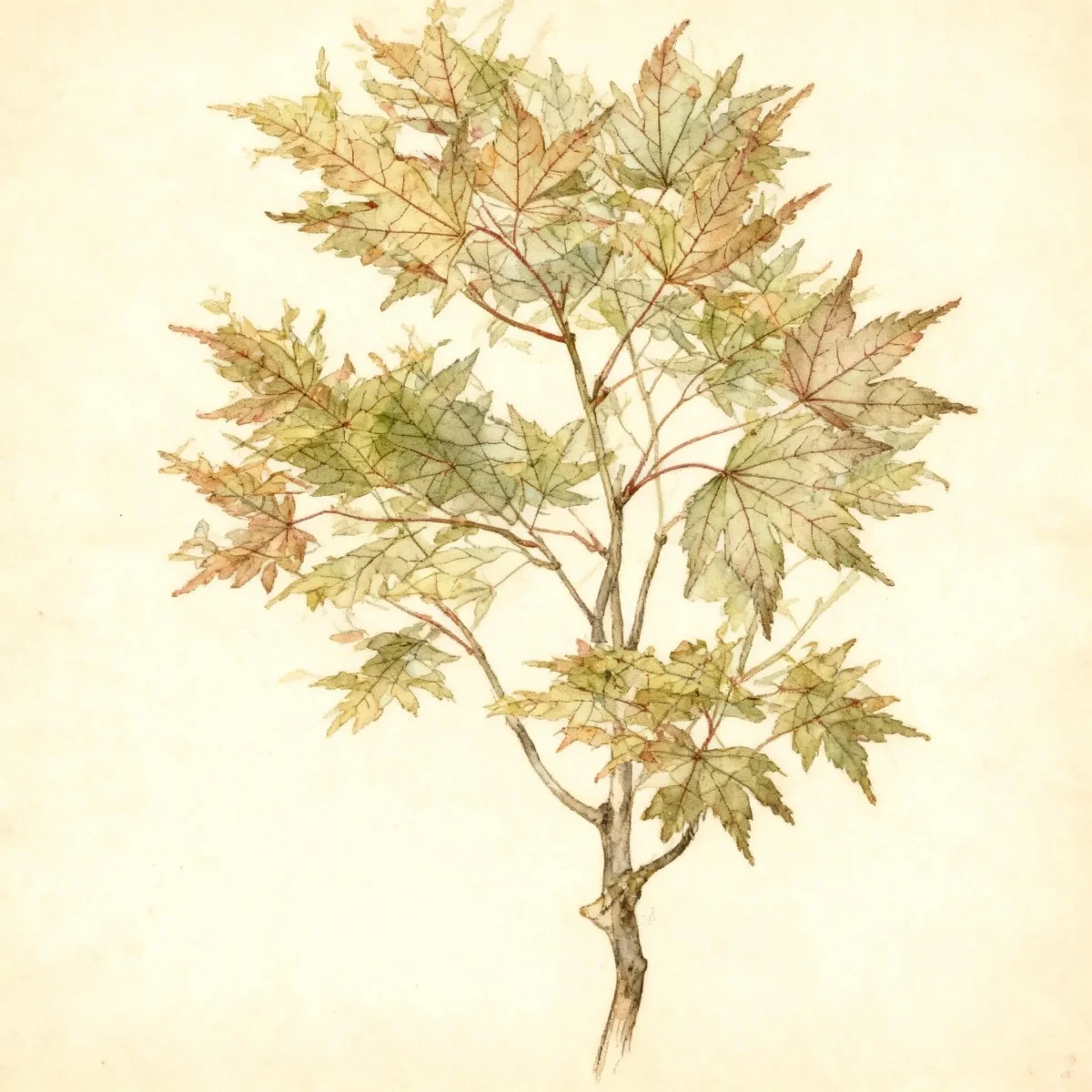
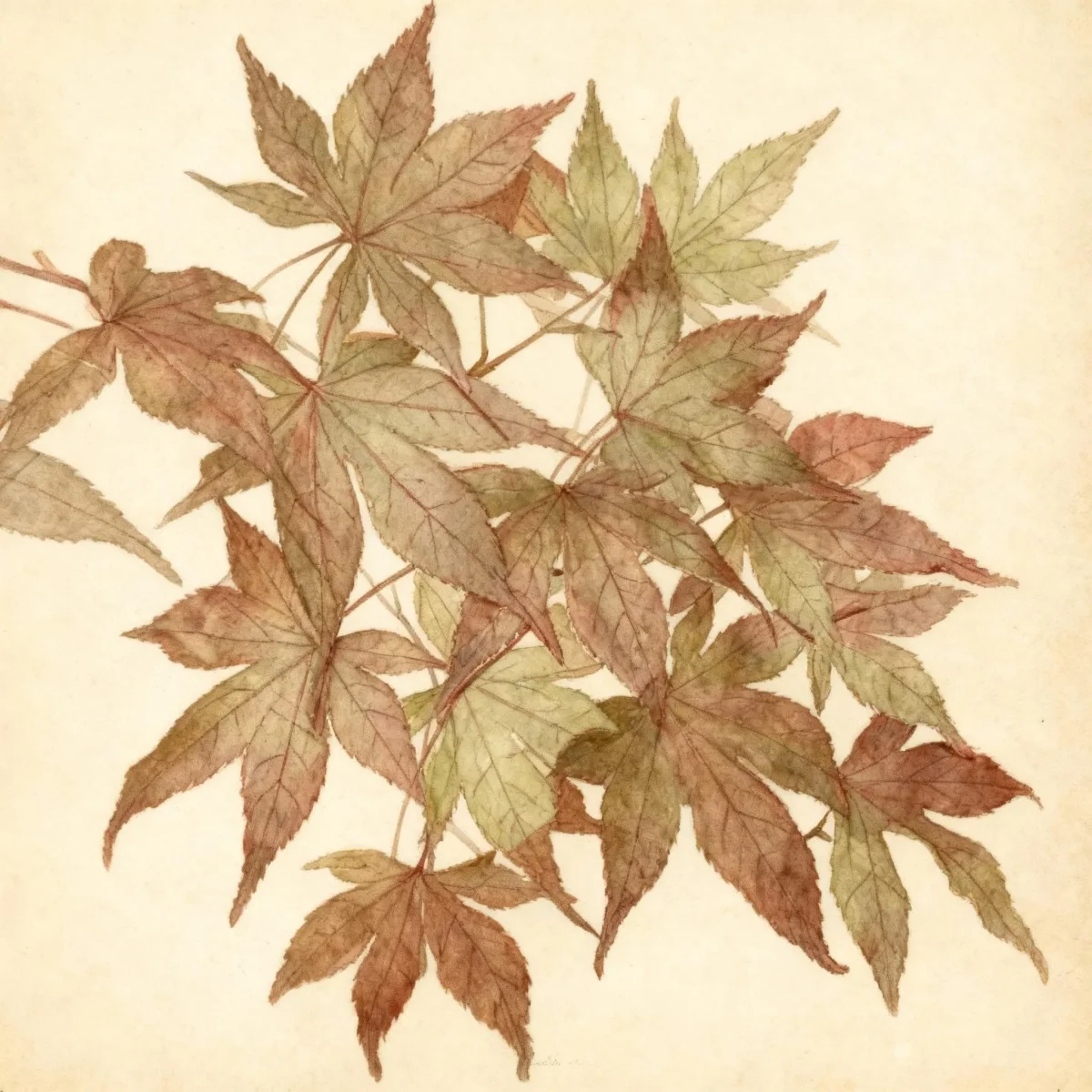
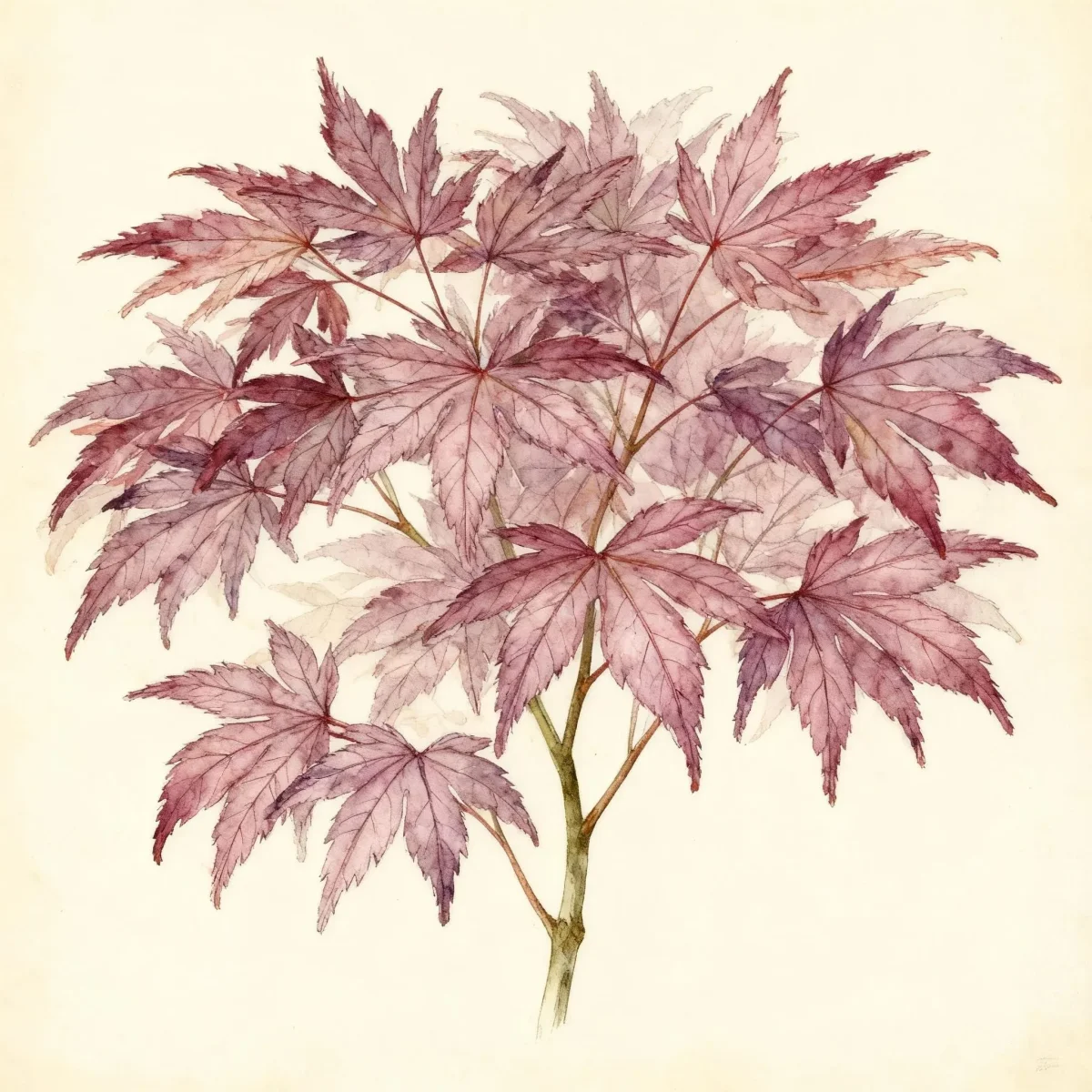
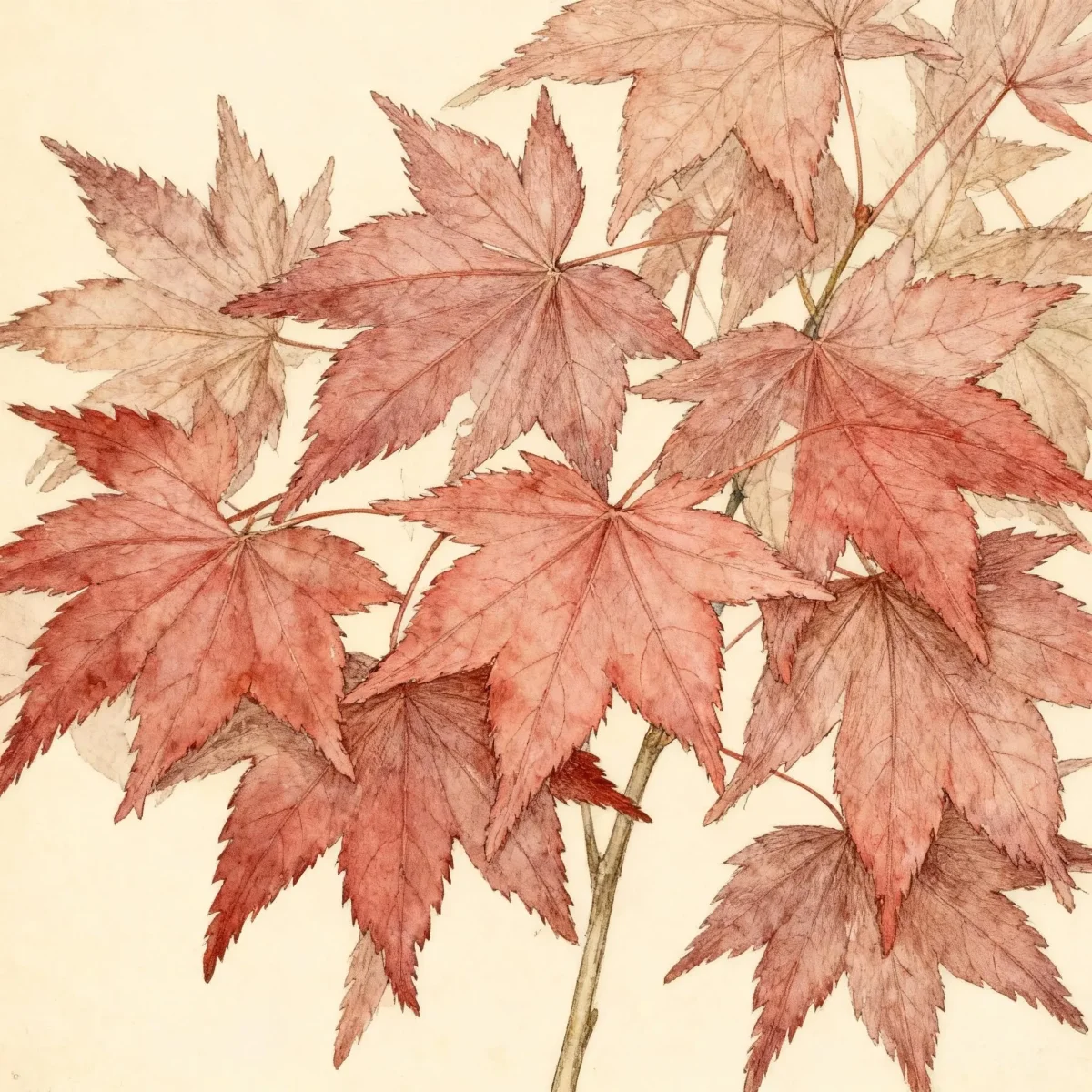
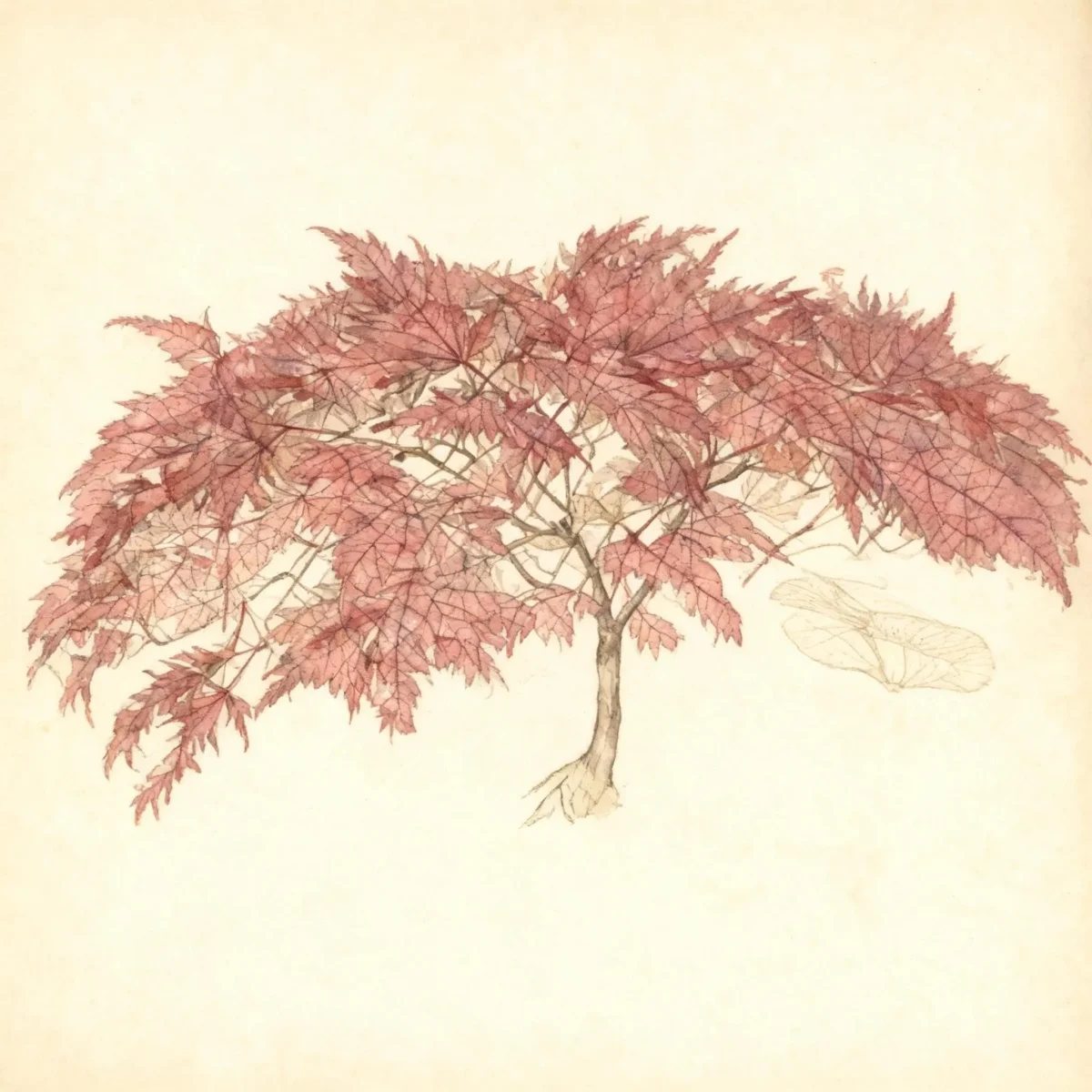
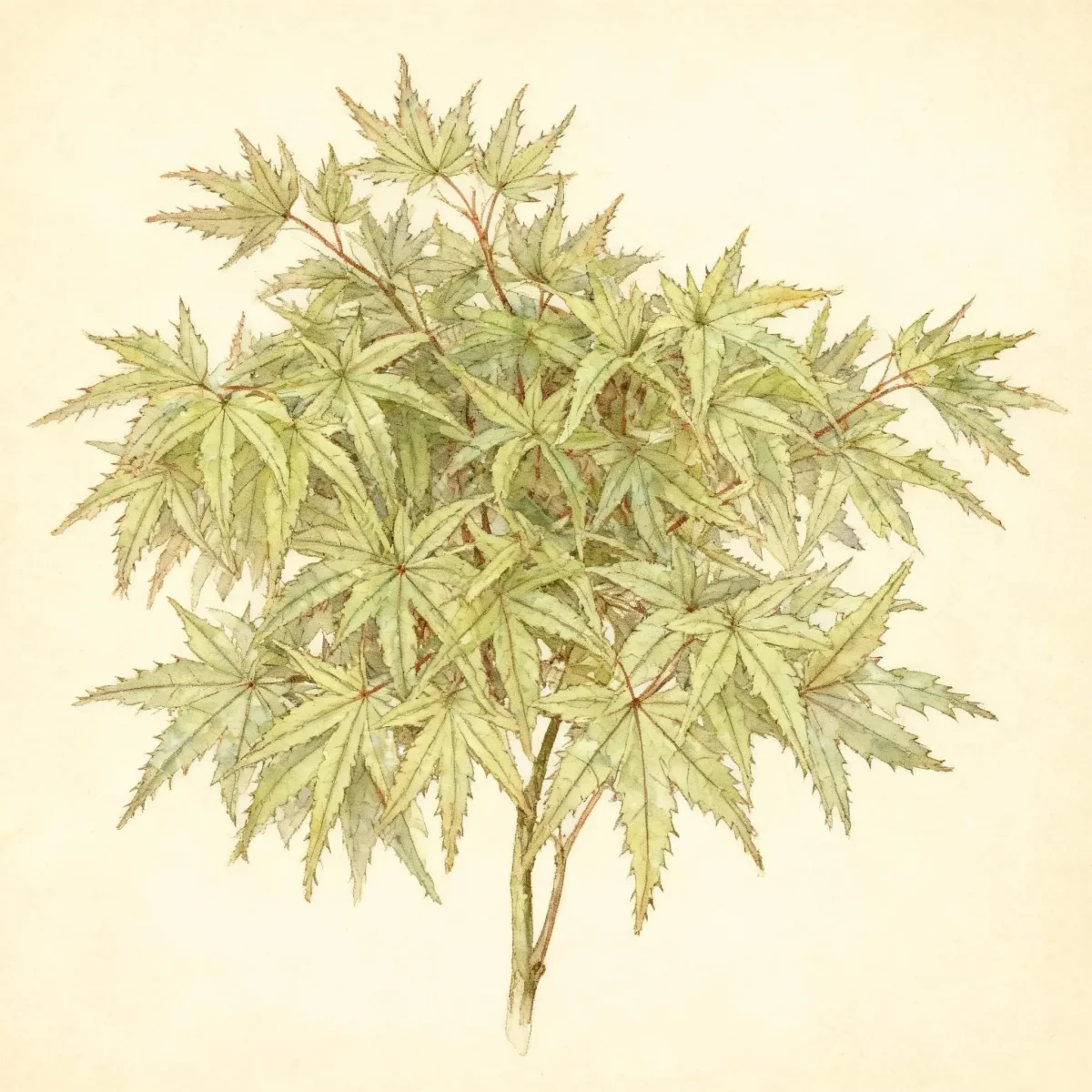
Japanese maple (Acer palmatum 'Katsura')
Acer palmatum 'Katsura' Japanese maple dazzles with chartreuse and orange-tinted spring foliage. Low maintenance deciduous shrub for zones 5-9.
Scroll down to discover growing tips, care requirements, companion plants, and more
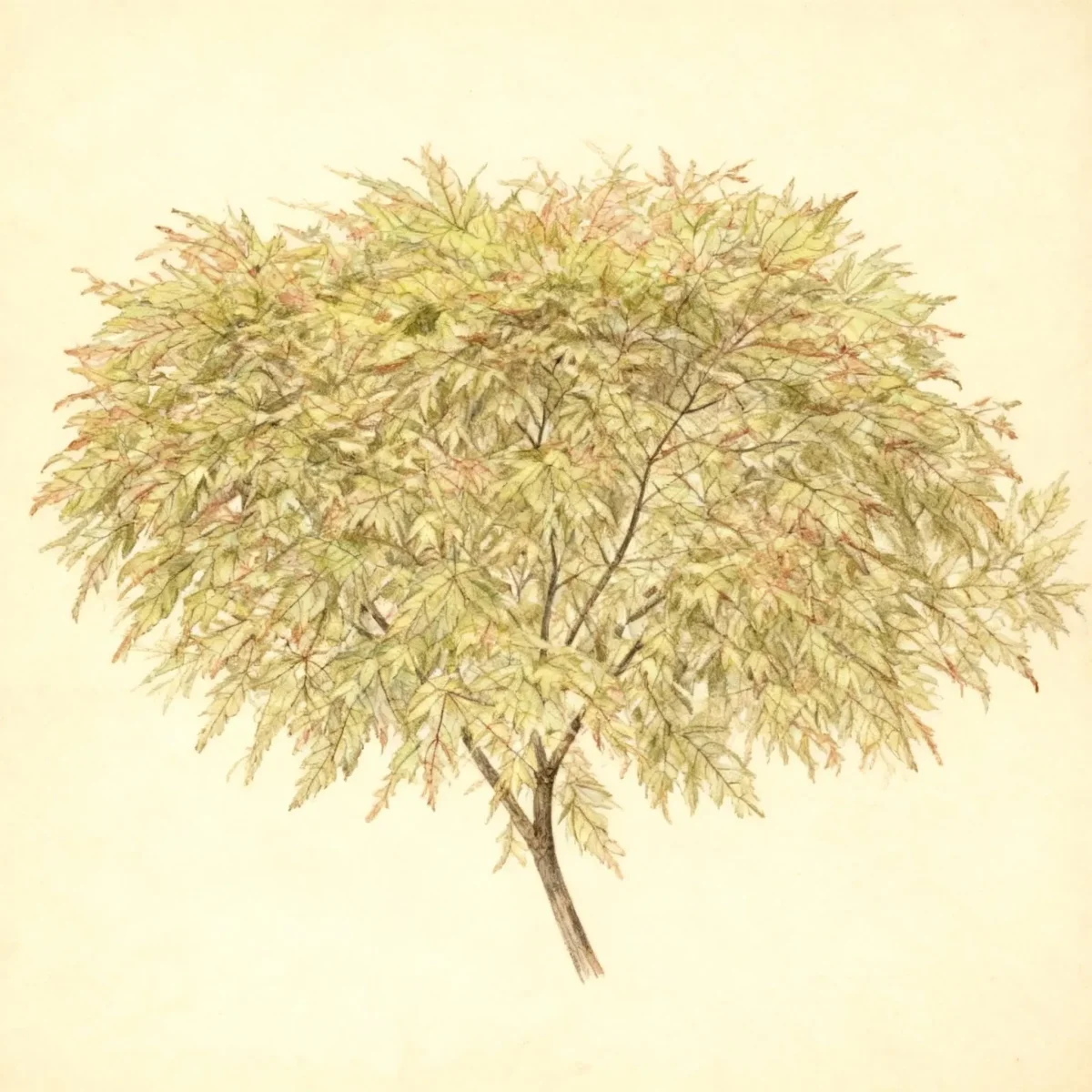
Complete Plant Information
Overview
The Acer palmatum ‘Katsura’, commonly known as the Japanese maple, is highly valued for its stunning, frequently changing foliage display. This dense, compact cultivar is especially notable for emerging small, palmate leaves that display a chartreuse color offset by dramatic orange-tinted margins in spring. As the season progresses, the foliage transitions to bright green before offering beautiful pastel shades of orange and yellow in the autumn.
Acer palmatum ‘Katsura’ offers gardeners excellent structure, typically forming a rounded shape as it matures to a modest height of 10 to 12 feet. It is prized for its low maintenance needs, making it an accessible choice for defining accent areas or providing focal points in refined landscape designs. Experienced gardeners appreciate the subtle beauty this specific Japanese maple brings to woodland margins or specimen plantings.
For optimal health, ensure this Acer palmatum ‘Katsura’ receives well-drained soil that is slightly acidic and organically rich. While tolerant of various light conditions, protecting the delicate new foliage from intense afternoon sun in warmer climates is key to maintaining its vibrant coloration throughout the growing season.
Fast Facts
- Plant Family: Sapindaceae
- Plant Type: Deciduous shrub
- Hardiness Zones: USDA Zones 5-9
- Size at Maturity:
- Height: 10-12 ft
- Spread: 10-12 ft
- Bloom Time: April
- Bloom Description: Red
- Sun Exposure: Full sun to part shade
- Water Needs: Medium
- Maintenance Level: Low
How to Grow
Planting Acer palmatum ‘Katsura’ is best achieved in spring or early fall when temperatures are moderate, allowing the root system to establish before extreme heat or cold arrives. Select a location that provides moist, organically rich, slightly acidic, and well-drained soil—sandy loams are often suitable. While it can handle full sun in cooler northern zones, protect your Japanese maple from the harsh afternoon sun in hotter regions to prevent leaf scorch.
Watering should be consistent, aiming for medium moisture; never allow the soil to dry out completely, especially during hot summers when the foliage can easily scorch. Mulching is highly recommended as it helps keep the roots cool and retains crucial soil moisture. Fertilize lightly in spring just before the leaves emerge, but avoid over-feeding.
Pruning for this Japanese maple should be kept to an absolute minimum. If shaping is necessary, perform pruning in the late fall or mid-winter. Avoid pruning in spring or summer, as this can cause significant sap bleeding from fresh cuts, potentially harming the bark tissue. Always site Acer palmatum ‘Katsura’ where it is sheltered from strong, drying winds.
Landscape Uses
Japanese maples, including the beautiful cultivar ‘Katsura’, are fundamentally grown for their unparalleled aesthetic qualities, focusing primarily on elegant form and exquisite foliage. They excel as specimen or accent plantings, drawing the eye with their seasonal shifts, particularly the striking spring emergence of the Acer palmatum ‘Katsura’. These trees fit seamlessly into woodland garden margins, providing dappled shade or acting as dramatic screens when planted in groups near property lines.
This smaller cultivar can also be successfully incorporated into large containers, allowing gardeners with limited ground space to feature its unique texture and color. Consider pairing the Japanese maple with plants that appreciate similar soil conditions, such as azaleas, rhododendrons, or fine-textured ferns, ensuring continuous visual interest throughout the year beneath its canopy.
Standout Features
Flower Qualities
- Insignificant
Noteworthy Characteristics
Acer palmatum, commonly called Japanese maple, is a deciduous shrub or small tree that typically grows to 10-25’ (infrequently to 40’) tall. It is native to Japan, Korea and China. General plant form is rounded to broad-rounded, often with low branching. Each palmate green leaf (2-5” long) has 5 or 7 but less frequently 9 pointed toothed lobes. Small reddish-purple flowers in umbels bloom in mid spring (April). The flowers are rather attractive close up, but are not particularly showy from a distance. Flowers are followed by samaras (to 3/4” long) in pairs. Samaras ripen in September-October. Fall color includes shades of yellow, red-purple and bronze. Cultivars (often grafted) are quite variable.Genus name is the Latin name for a maple tree.Specific epithet is in reference to the palmate nature of the leaves. Each leaf has several lobes (typically 5-7) that all originate from one point looking like an open hand with outstretched fingers.‘Katsura’ is a dense, compact, cultivar that is most noted for its beautiful spring foliage. Small, palmate, 5-lobed leaves (to 1” long) emerge chartreuse with orange-tinted margins in spring, mature to bright green by summer and finally turn pastel shades of orange and yellow in fall. Leaf lobes are lanceolate with slender tips and shallow-toothed margins. ‘Katsura’ typically grows in a vase-shaped form to 4-6’ tall over the first 10 years, but gradually becomes more rounded as it matures to 10-12’ tall. Small reddish flowers in spring are somewhat attractive on close inspection, but are not showy from a distance.
Tolerances
- Rabbit
- Black Walnut
Potential Problems
Japanese maples are susceptible to several fungal issues, including stem canker, leaf spots, fusarium, anthracnose, and root rots, often exacerbated by poor drainage or excessive moisture. Common insect pests include aphids, scale, borers, and root weevils, while spider mites can become troublesome during hot, dry spells. Cultivars like Acer palmatum ‘Katsura’ tend to leaf out early, making the new spring growth vulnerable to damage from late spring frosts. To mitigate disease, ensure excellent air circulation and avoid overhead watering; address pest issues early using horticultural oils or insecticidal soaps as appropriate.
Frequently Asked Questions
What hardiness zones is Japanese maple suitable for?
Acer palmatum ‘Katsura’ is best suited for USDA Hardiness Zones 5 through 9.
How large does Japanese maple grow?
This cultivar typically reaches a mature height between 10 and 12 feet, with an equal spread of 10 to 12 feet.
What sun exposure does Japanese maple need?
The ideal light requirement for Acer palmatum ‘Katsura’ is full sun to part shade. Be mindful that intense afternoon sun may cause leaf scorching in hotter climates.
When does Japanese maple bloom?
The bloom time for this plant is April, producing small red flowers that are not considered showy from a distance.
Conclusion
The Acer palmatum ‘Katsura’ is a spectacular choice, offering superior year-round visual interest anchored by its exceptionally vibrant spring and fall leaf color. This low-maintenance Japanese maple thrives when cultural requirements for moisture and soil acidity are met. Review your local growing conditions regarding hardiness zone and afternoon sun exposure before planting this exceptional specimen.
Companion Planting
When planning the area around your Acer palmatum ‘Katsura’, consider companion plants that match its preference for consistent moisture, slightly acidic soil, and protection from the harshest sun. Evergreen foundation shrubs like Rhododendrons and Azaleas often work beautifully, as they share similar cultural needs and provide winter structure that contrasts nicely with the deciduous maple.
For ground cover beneath the canopy, hostas and azaleas are excellent partners. Their broad leaves offset the fine texture of the Japanese maple leaves, and both appreciate the dappled shade that the Acer palmatum ‘Katsura’ eventually casts. Ensure adequate spacing so that neither plant competes excessively for root space or sunlight.
Seasonal Care Calendar
Spring is crucial for preparing your planting site; apply balanced fertilizer before leaf emergence and spread a fresh layer of organic mulch to conserve moisture and regulate soil temperature. Monitor new foliage closely during this period for frost damage, which may necessitate temporary light cover if late freezes are predicted.
Summer care centers on consistent moisture management. Avoid hot, dry site conditions, checking soil moisture frequently during heatwaves and watering deeply when the top inch of soil feels dry. Pruning should be strictly avoided during the growing season to prevent sap bleeding.
In autumn, enjoy the spectacular pastel leaf transition of your Acer palmatum ‘Katsura’. In late fall or early winter, after the leaves have dropped, is the proper time to perform any necessary structural pruning to maintain the tree’s natural vase shape.