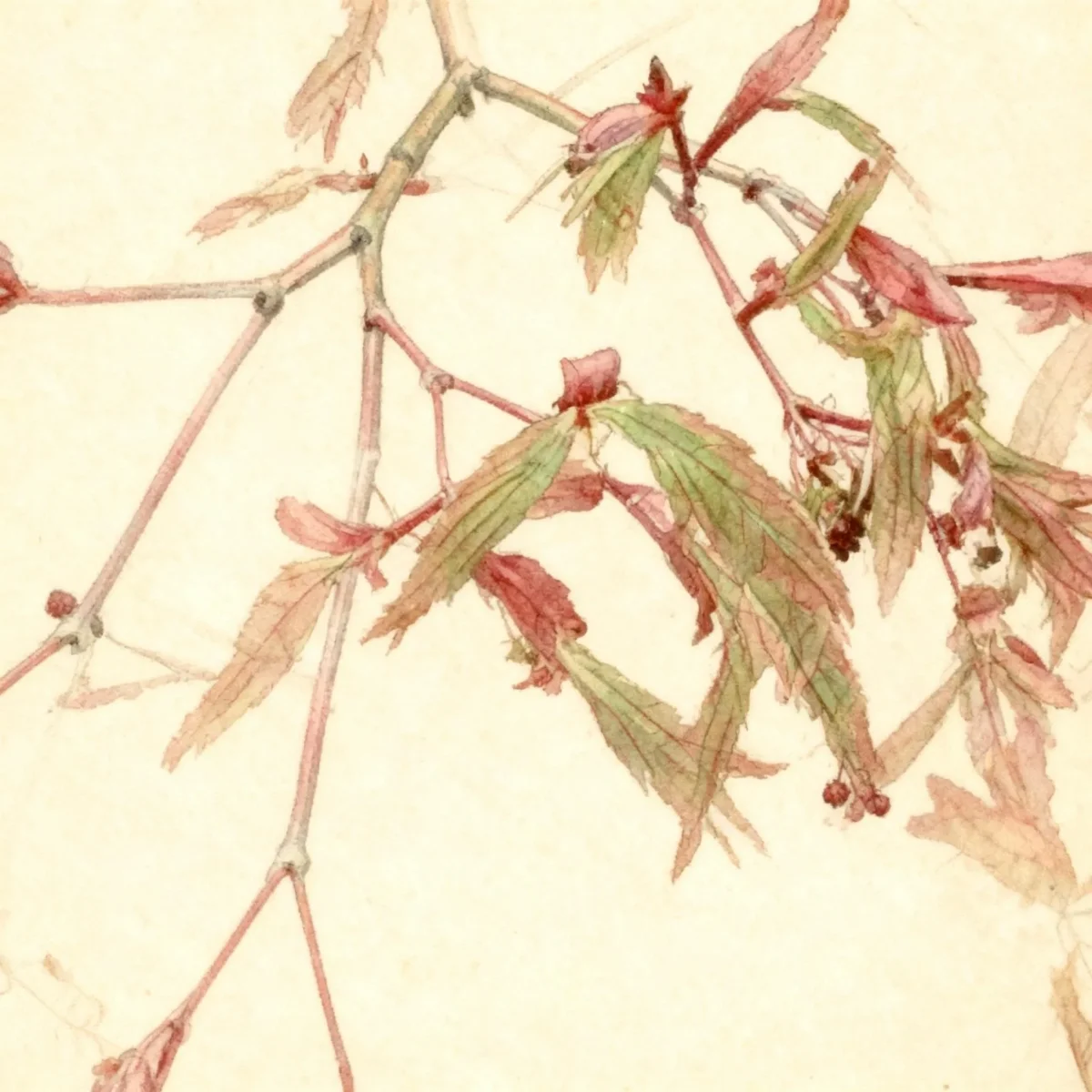
Japanese maple (Acer palmatum 'Omurayama')
Discover Acer palmatum 'Omurayama', a weeping Japanese maple growing 10-15 ft tall, prized for its cascading form and stunning red-orange fall color in zones 5-9.
Scroll down to discover growing tips, care requirements, companion plants, and more
Complete Plant Information
Overview
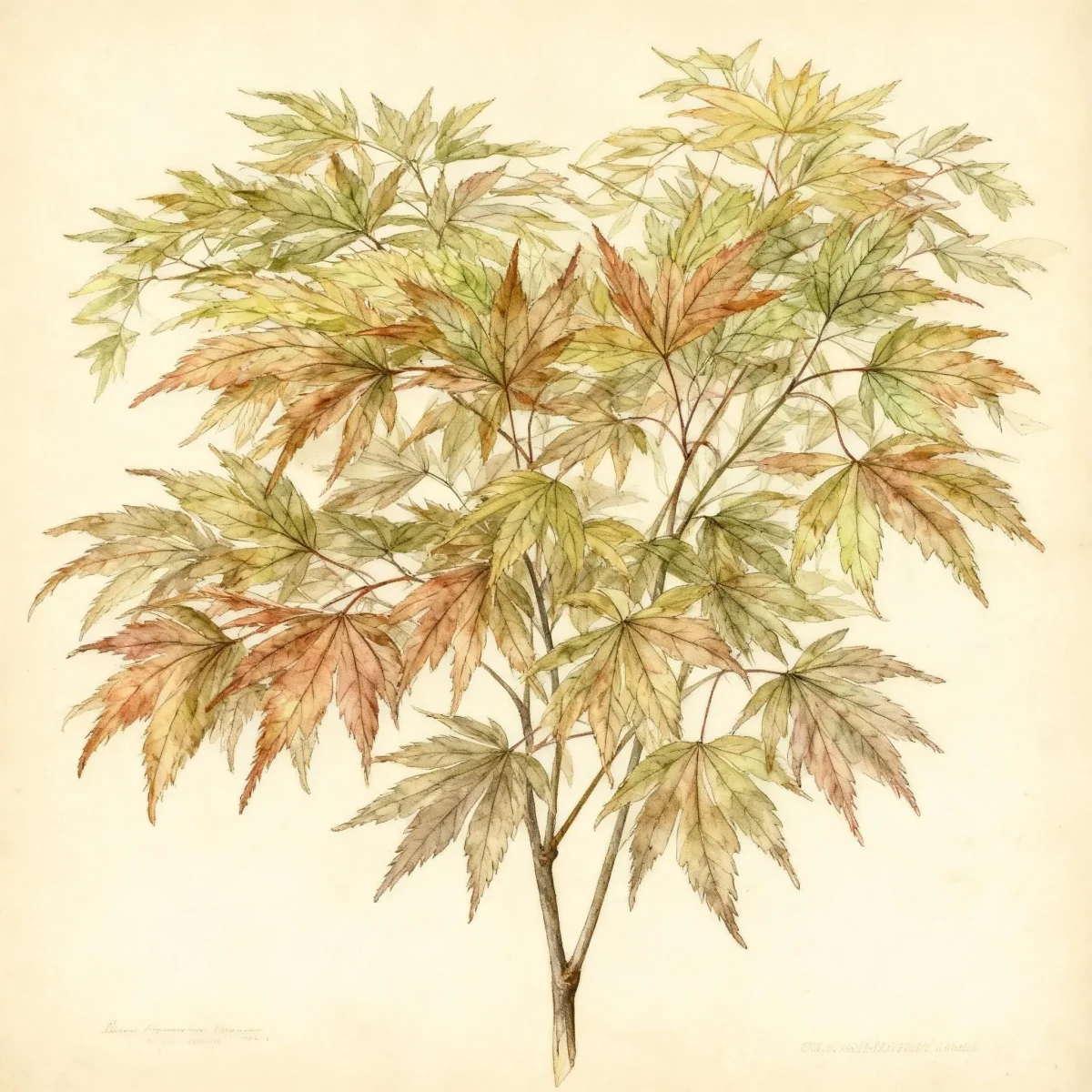
Acer palmatum ‘Omurayama’, a distinctive cultivar of the Japanese maple, is highly valued in landscaping for its elegant weeping habit and vibrant seasonal shift. Unlike the low-spreading dissectum types, this Japanese maple maintains a more upright, rounded structure, developing cascading, pendulous branch tips as it matures. Its foliage provides exceptional visual interest, emerging tinted with orange, maturing to rich green, and concluding with a brilliant display of red, orange, and gold in autumn.
This tree offers significant aesthetic impact, growing reliably to between 10 and 15 feet in height and spread within USDA hardiness zones 5 through 9. The characteristic weeping of Acer palmatum ‘Omurayama’ makes it an ideal focal point where its graceful structure can be appreciated up close. Successful cultivation relies on providing consistent moisture and protection from harsh summer sun and strong winds.
Gardeners appreciate the low maintenance requirements of this Japanese maple, though careful siting is crucial to prevent foliage scorch in hotter regions. By incorporating this cultivar, you introduce year-round structure and dynamic color changes characteristic of the finest specimen trees.
Fast Facts
- Plant Family: Sapindaceae
- Plant Type: Tree
- Hardiness Zones: USDA Zones 5-9
- Size at Maturity:
- Height: 10-15 ft
- Spread: 10-15 ft
- Bloom Time: April
- Bloom Description: Red
- Sun Exposure: Full sun to part shade
- Water Needs: Medium
- Maintenance Level: Low
How to Grow
The Acer palmatum ‘Omurayama’ thrives best when planted in moist, organically rich, and slightly acidic well-drained soils. While it handles full sun in the cooler northern reaches of its range, gardeners in southern areas (Zone 7 and higher) should provide protection, preferring part afternoon shade to prevent new foliage from scorching during hot summers. Avoid placing the Japanese maple in dry or excessively hot sites.
Consistent watering is essential, especially during establishment and in hot weather, as uneven moisture exacerbates leaf scorch. Applying mulch around the root zone is highly recommended; this simple practice retains crucial soil moisture and keeps the delicate roots cool. Furthermore, always site your Acer palmatum ‘Omurayama’ where it is shielded from strong winds, which can damage the slender, developing branches.
Fertilize in the early spring just before the leaves begin to emerge. Pruning should be kept to an absolute minimum, as this cultivar naturally forms an attractive shape. If pruning is necessary, complete the work in late fall or mid-winter. Avoid pruning in spring or summer, as doing so often causes significant sap bleeding from the cuts.
Landscape Uses
The primary allure of the Japanese maple lies in its outstanding foliage and sculptural form, making the weeping Acer palmatum ‘Omurayama’ an exceptional specimen or accent planting. Its cascading habit is beautifully highlighted when positioned near features like ponds, water gardens, or raised beds where the pendulous tips can drape attractively over the edges.
These small trees function excellently as focal points around the home perimeter or integrated into the periphery of mixed borders, providing vertical interest without overwhelming smaller garden spaces. They also serve well as excellent sun-dappled understory trees in woodland garden settings, softening the transition between dense woods and open lawn areas. For a screen effect, grouping several Japanese maples can create an elegant, semi-transparent barrier. Those dedicated to the art of miniature horticulture may also find this cultivar rewarding for bonsai training.
Standout Features
Flower Qualities
- Insignificant
Noteworthy Characteristics
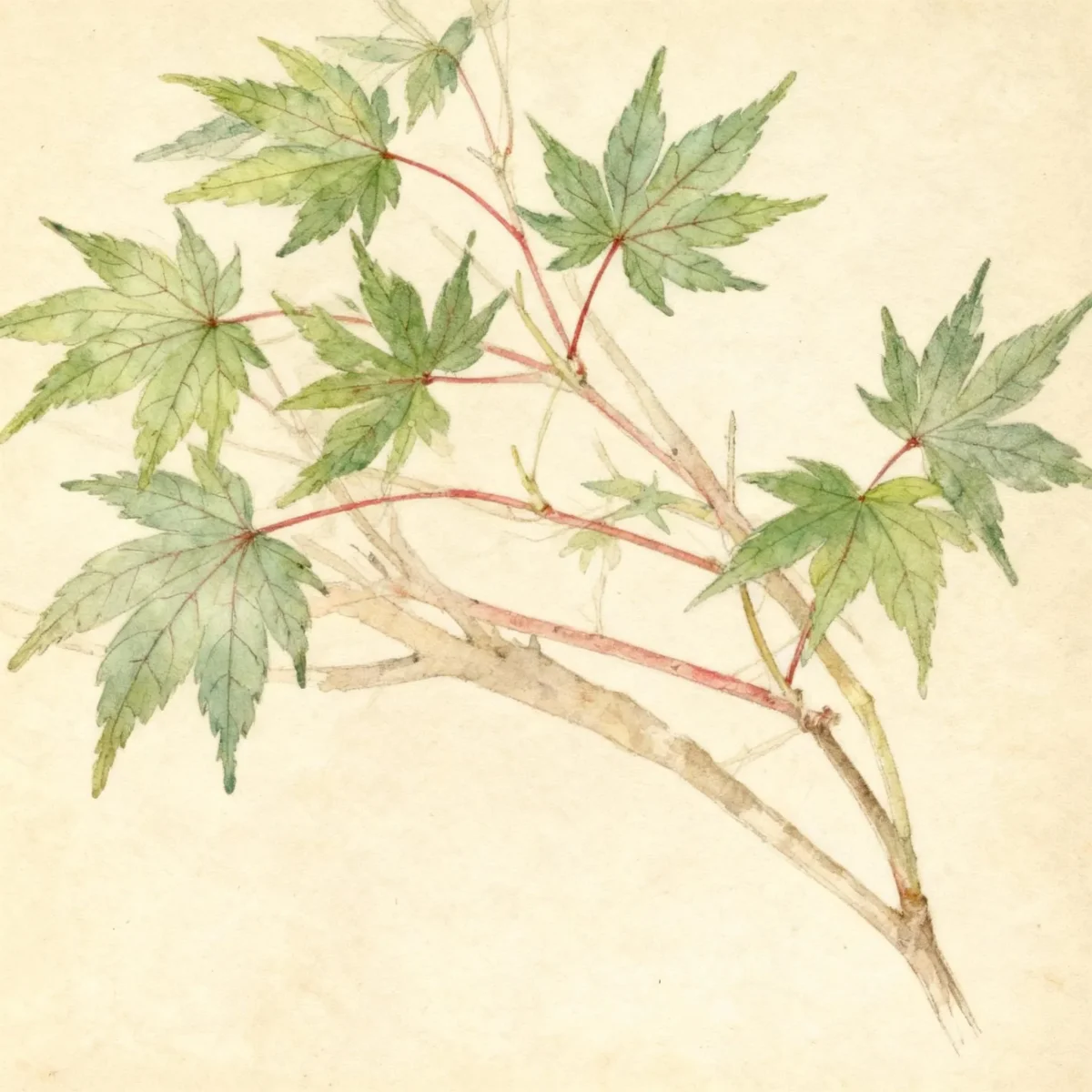
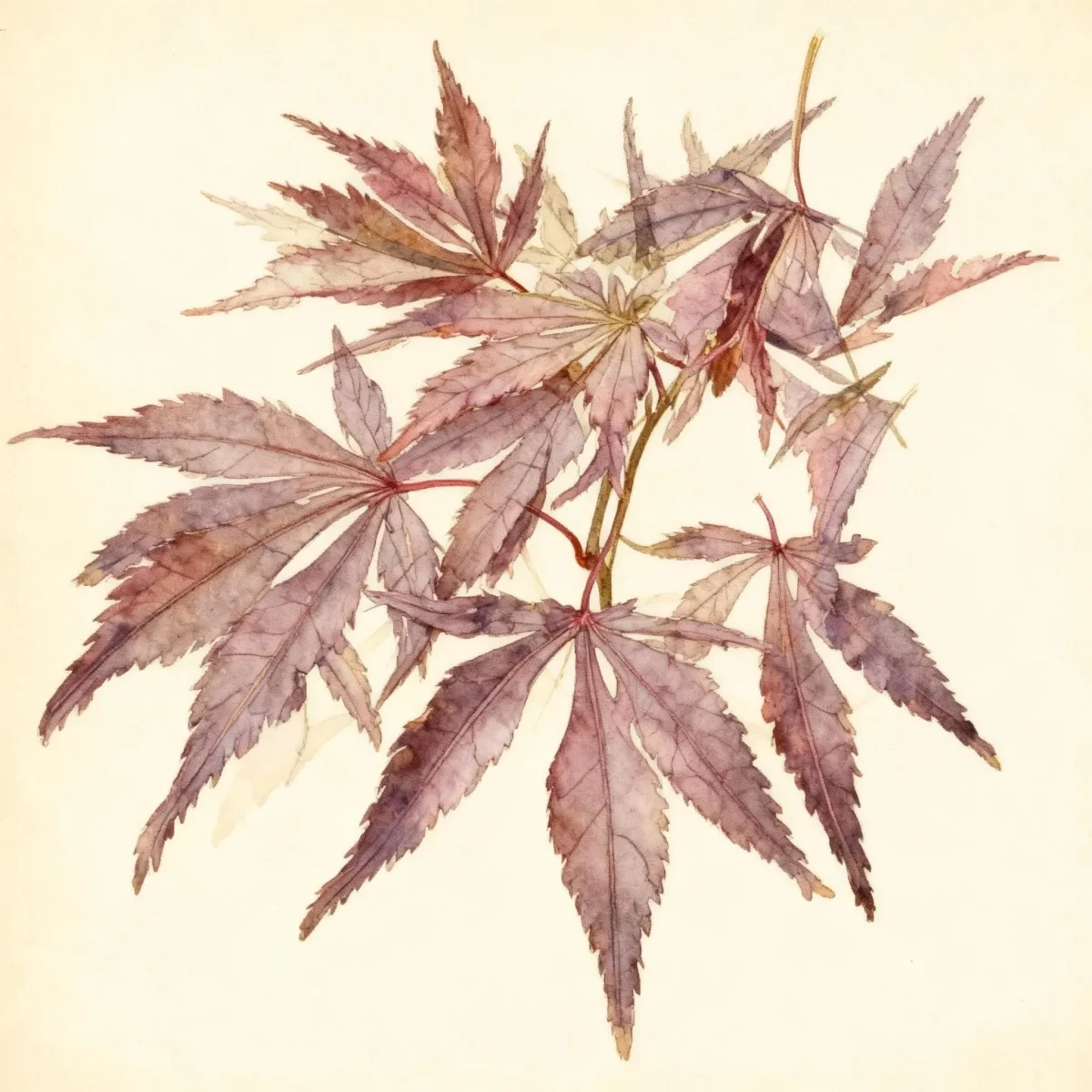
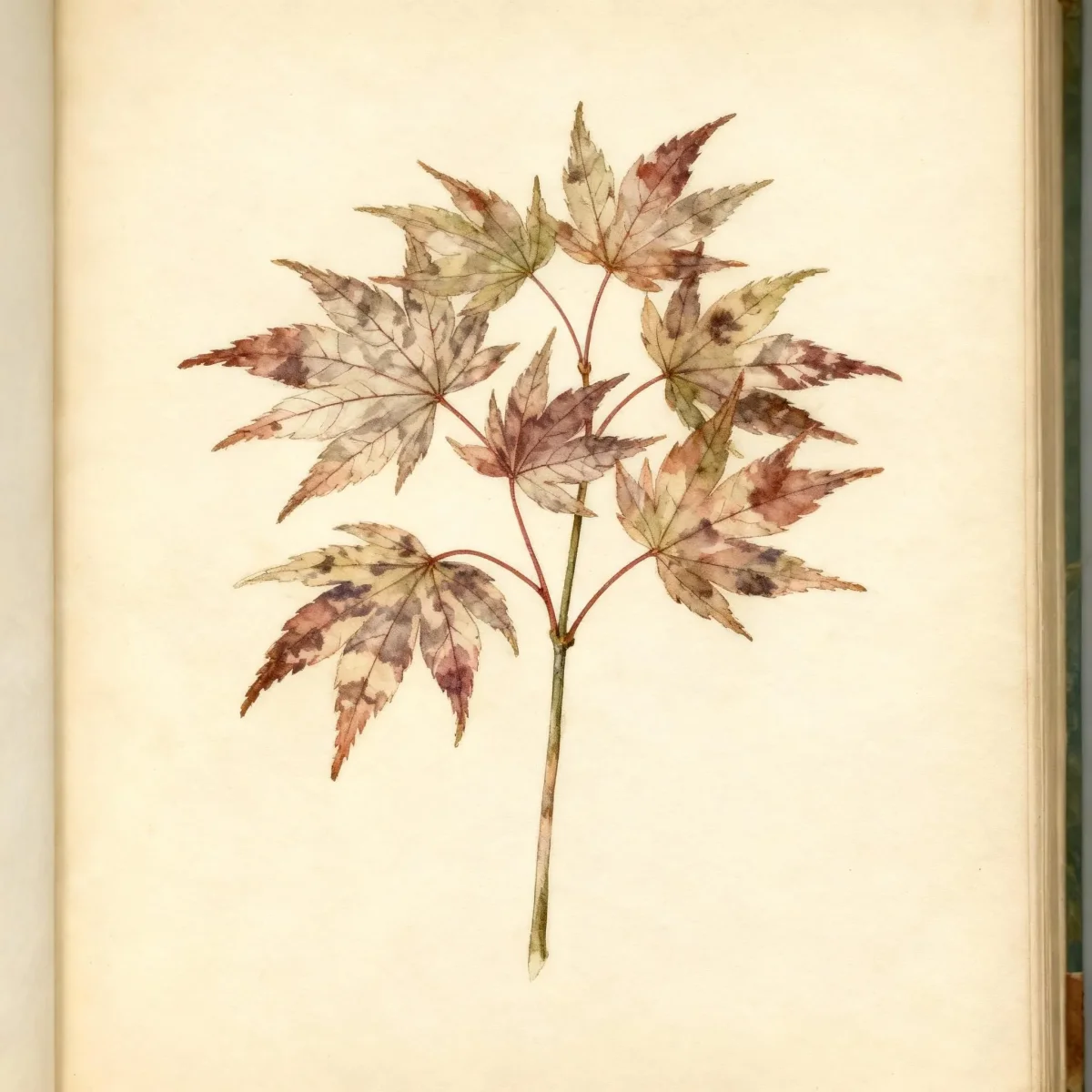
The cultivar ‘Omurayama’ is known as a weeping form of Japanese maple that deviates from the low-spreading dissectum group. It exhibits a rounded, cascading silhouette, maturing typically to 10-15 feet tall and wide, with slender branches becoming pendulous toward the tips. Its deeply cut palmate leaves transition beautifully, emerging light green with orange margins, maturing to rich green, and finally turning brilliant shades of red, orange, and gold in the fall.
Tolerances
- Rabbit
- Black Walnut
Potential Problems
While generally robust, the main cultural concern for Acer palmatum ‘Omurayama’ involves summer heat and sun exposure. If soils are insufficiently moist in hot climates, the new foliage is highly susceptible to scorching, resulting in brown, crisp leaf margins. Site selection—prioritizing afternoon shade in warmer zones and ensuring consistent deep watering—is the best preventative measure. Another cultural risk is sap bleeding; gardeners must strictly adhere to late fall or winter pruning windows to avoid stressing the tree with spring or summer cuts.
Frequently Asked Questions
What hardiness zones is Japanese maple suitable for?
Acer palmatum ‘Omurayama’ is suitable for USDA Hardiness Zones 5 through 9.
How large does Japanese maple grow?
This weeping cultivar typically matures to a height between 10 and 15 feet, with a spread ranging from 10 to 15 feet.
What sun exposure does Japanese maple need?
This Japanese maple prefers a location receiving full sun to part shade, often needing afternoon shade protection in hotter regions to prevent leaf scorch.
When does Japanese maple bloom?
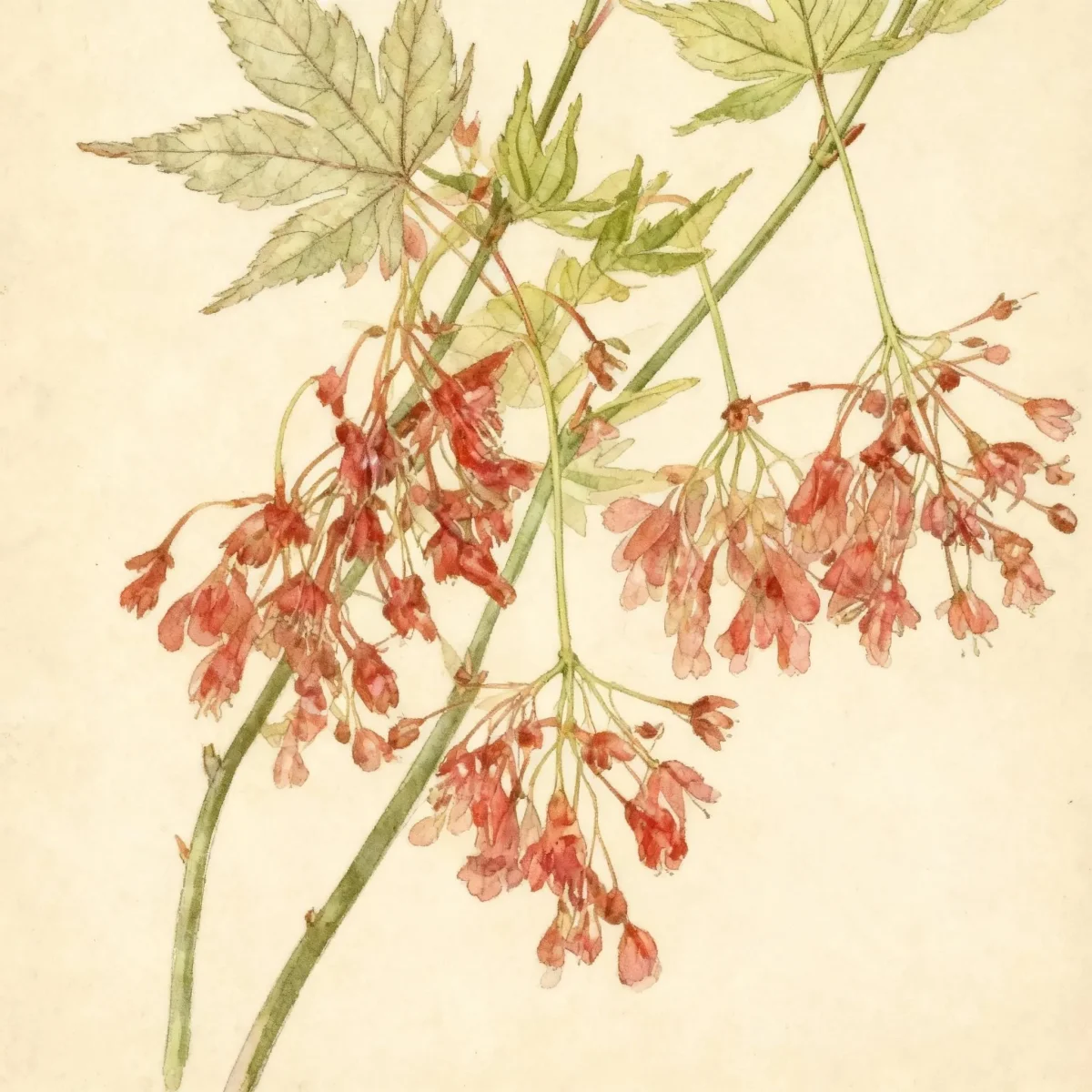
The small reddish flowers are present in April, though they are not considered a showy feature from a distance.
Conclusion
The Acer palmatum ‘Omurayama’ offers unparalleled grace and year-round visual appeal, characterized by its unique weeping structure and spectacular fall coloration. As a distinctive Japanese maple, it serves as an outstanding specimen plant requiring specific siting protection from harsh afternoon sun and wind. Before purchasing, confirm that your local conditions fit within USDA Zones 5-9 and plan for planting during optimal cool seasons.
Companion Planting
When integrating Acer palmatum ‘Omurayama’ into your landscape, select companions that share similar needs for slightly acidic, well-drained soil and protection from intense, direct afternoon sun. Good companions include shade-loving perennials such as Hostas (especially variegated varieties which contrast nicely with the fine leaf texture), Astilbe, and Japanese Forest Grass (Hakonechloa macra). For structural contrast, consider pairing this weeping tree with upright, evergreen conifers or structured shrubs that do not aggressively compete for surface moisture.
Seasonal Care Calendar
Spring is when you should apply fertilizer before the leaves fully emerge and begin monitoring soil moisture closely as temperatures rise. Summer care focuses entirely on ensuring consistent watering, especially mulch effectiveness, and watching for signs of leaf scorch, moving watering deeper during dry spells. Fall is the showcase season for the incredible red, orange, and gold leaf display of the Japanese maple; ensure cleanup is done promptly to prevent diseases next year. Winter is the optimal time for any necessary pruning, which should be done when the tree is fully dormant, avoiding the high-risk bleeding period of early spring.