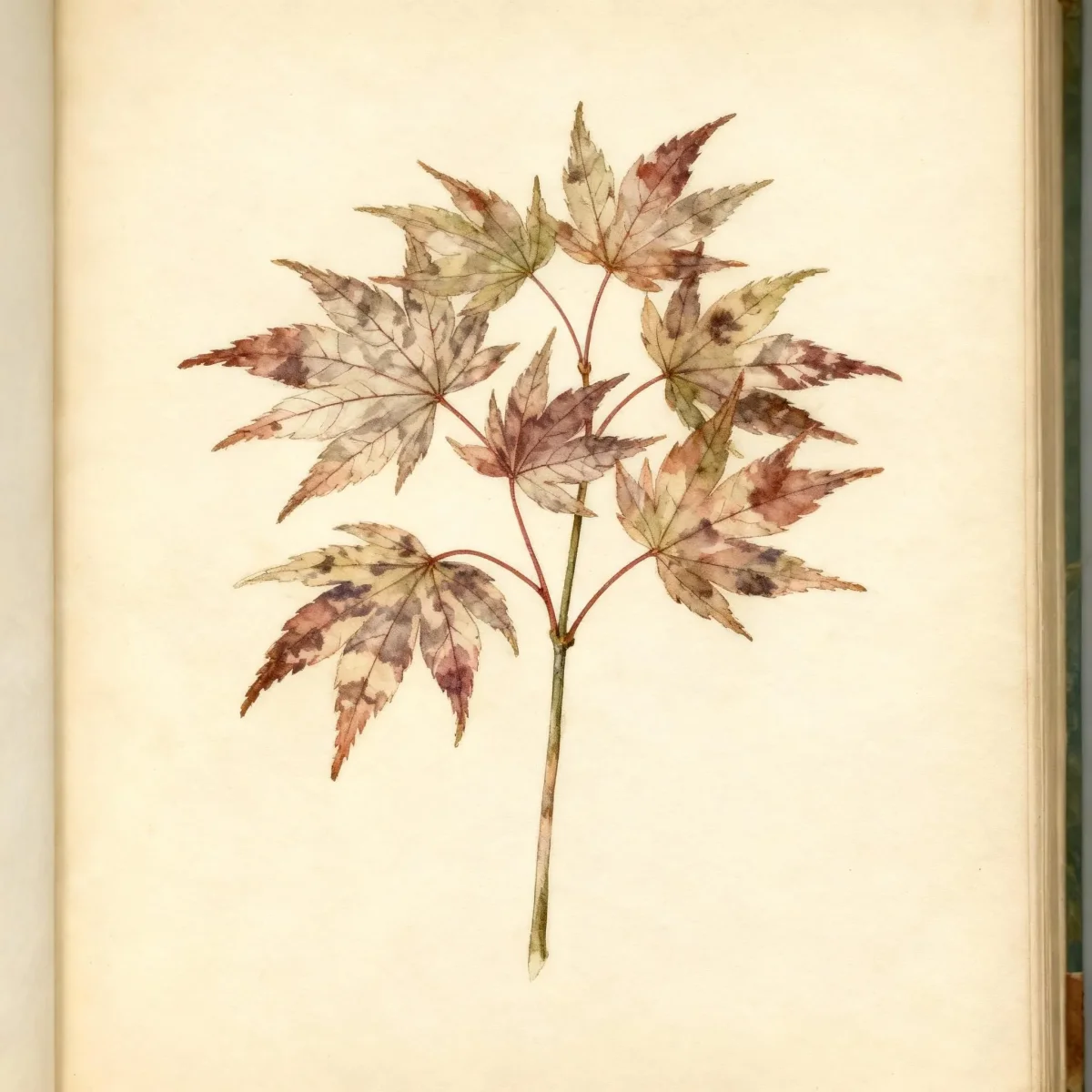
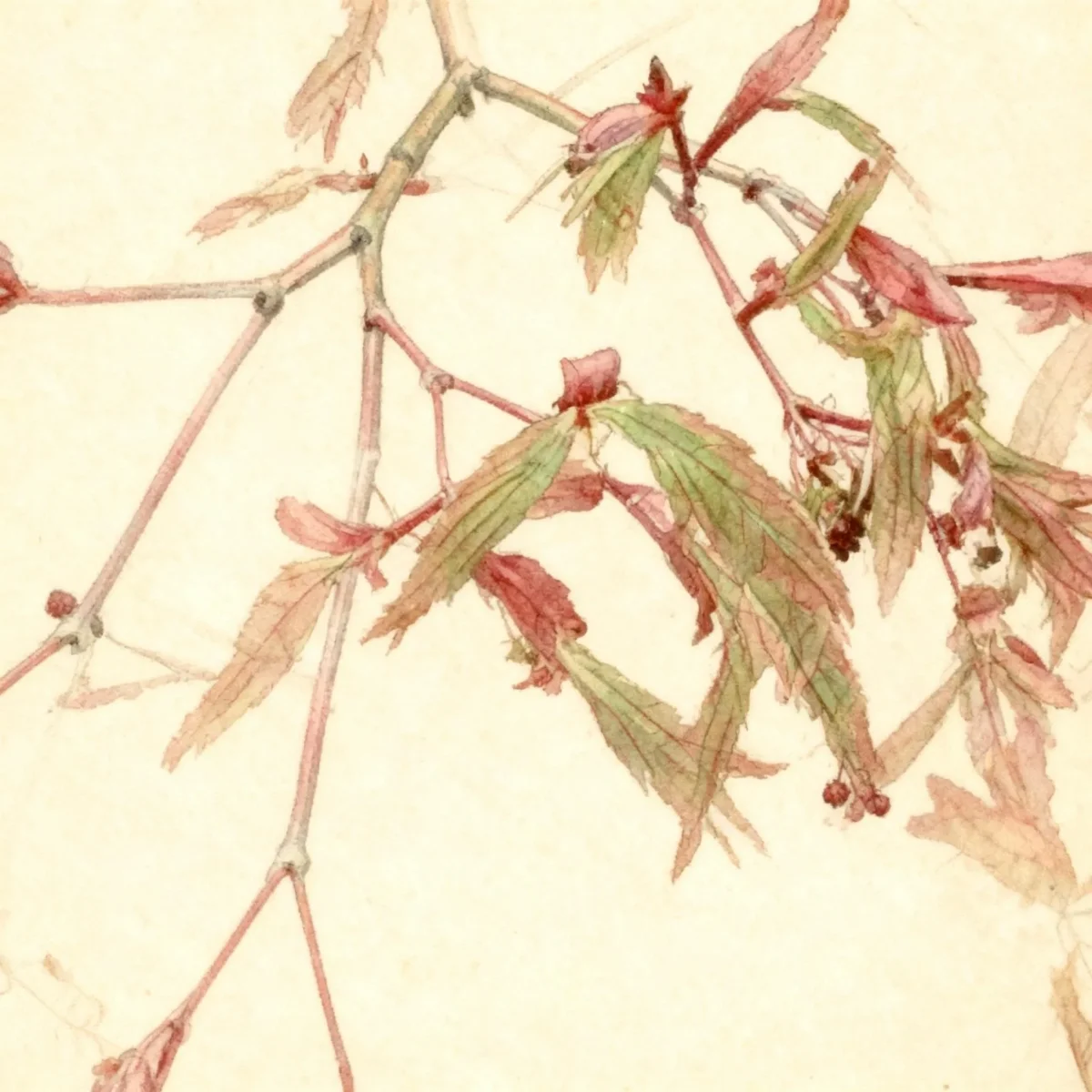
Japanese maple (Acer palmatum 'Scolopendrifolium')
Acer palmatum 'Scolodendrifolium' is a unique Japanese maple famed for deeply dissected, finger-like leaves. Low maintenance, ideal for zones 5-8 specimen planting.
Scroll down to discover growing tips, care requirements, companion plants, and more

Complete Plant Information
Overview
Acer palmatum ‘Scolopendrifolium’, commonly known as Japanese maple, offers gardeners a striking architectural element due to its highly distinctive, deeply cut foliage. This cultivar typically forms an upright, broad-rounded tree, providing delicate texture that contrasts beautifully with coarser plantings. As a popular choice among collectors, the appeal of this Japanese maple lies in its fine-leaved structure, which matures into an attractive mid-sized specimen.
This deciduous small tree thrives when provided with specific cultural conditions that mimic its native environment. While categorized as low maintenance once established, proper siting is crucial to prevent leaf scorch during hot summers. Acer palmatum ‘Scolopendrifolium’ provides year-round interest, from its subtle spring blooms to its unique leaf structure throughout the growing season.
Gardeners prize this variety for its refined silhouette and manageable size, making it an excellent focal point in smaller yards or structured garden designs. Its ability to tolerate fluctuating soil conditions, provided drainage is excellent, adds to its practical value in many modern landscapes. Ensure protection from harsh winds to preserve the delicate look of the fingerleaf maple.
Fast Facts
- Plant Family: Sapindaceae
- Plant Type: Tree
- Hardiness Zones: USDA Zones 5-8
- Size at Maturity:
- Height: 12-15 ft
- Spread: 12-15 ft
- Bloom Time: April
- Bloom Description: Reddish purple
- Sun Exposure: Full sun to part shade
- Water Needs: Medium
- Maintenance Level: Low
How to Grow
Planting Acer palmatum ‘Scolopendrifolium’ is best achieved in moist, organically rich, and slightly acidic, well-drained soils. This Japanese maple adapts well to sandy loams. While it can handle full sun in cooler northern regions, southern gardeners, especially in hot urban areas, should site it where it receives protection from hot afternoon shade to prevent new foliage from scorching.
Consistent moisture is key; soils that become overly dry stress the plant, exacerbating potential sun-scorch issues. Applying a layer of mulch around the base is highly recommended to help retain soil moisture and keep the shallow roots cool during summer heat waves. Always ensure the chosen location is sheltered from strong, whipping winds.
Fertilize in the early spring just before the leaves emerge to support new seasonal growth. Pruning should be kept to an absolute minimum for this aesthetic variety. If pruning is necessary, perform the work in late fall or mid-winter, strictly avoiding summer pruning, as cuts made during the growing season often cause significant sap bleeding.
Landscape Uses
Japanese maples are fundamentally grown to serve as dynamic specimens or focal accents within the landscape plan. Acer palmatum ‘Scolodendrifolium’’s fine texture makes it an exceptional element near structured hardscaping or where it can be viewed up close. Consider grouping several Japanese maple varieties to create layered interest in a woodland garden margin.
Due to its refined, upright shape, this cultivar functions well as a screen or backdrop in transitional border plantings. Its light, airy canopy creates dappled shade ideal beneath it for shade-tolerant groundcovers or shade-loving perennials. Plant specimens in areas where their structure can be appreciated even when deciduous.
Standout Features
Flower Qualities
- Insignificant
Noteworthy Characteristics
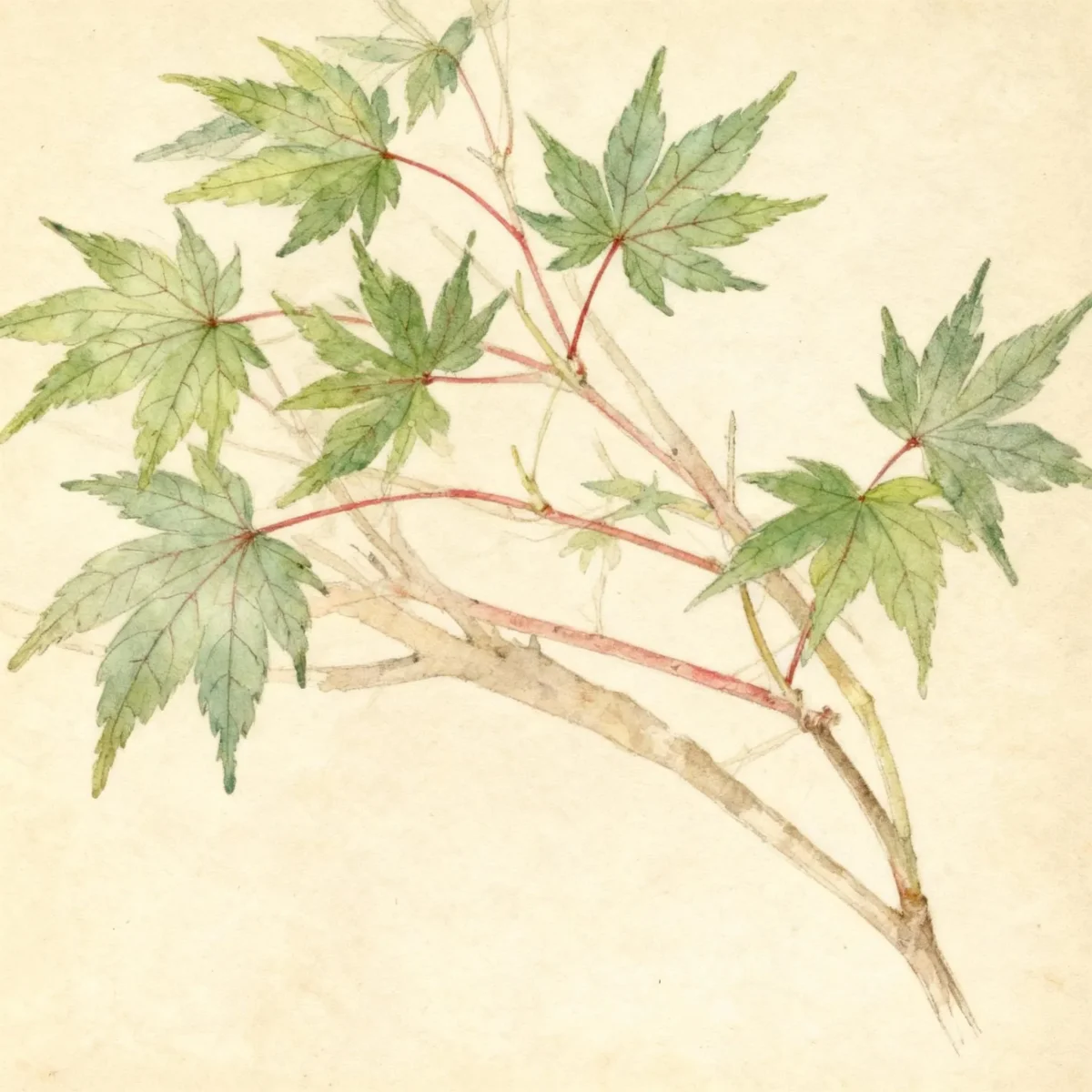
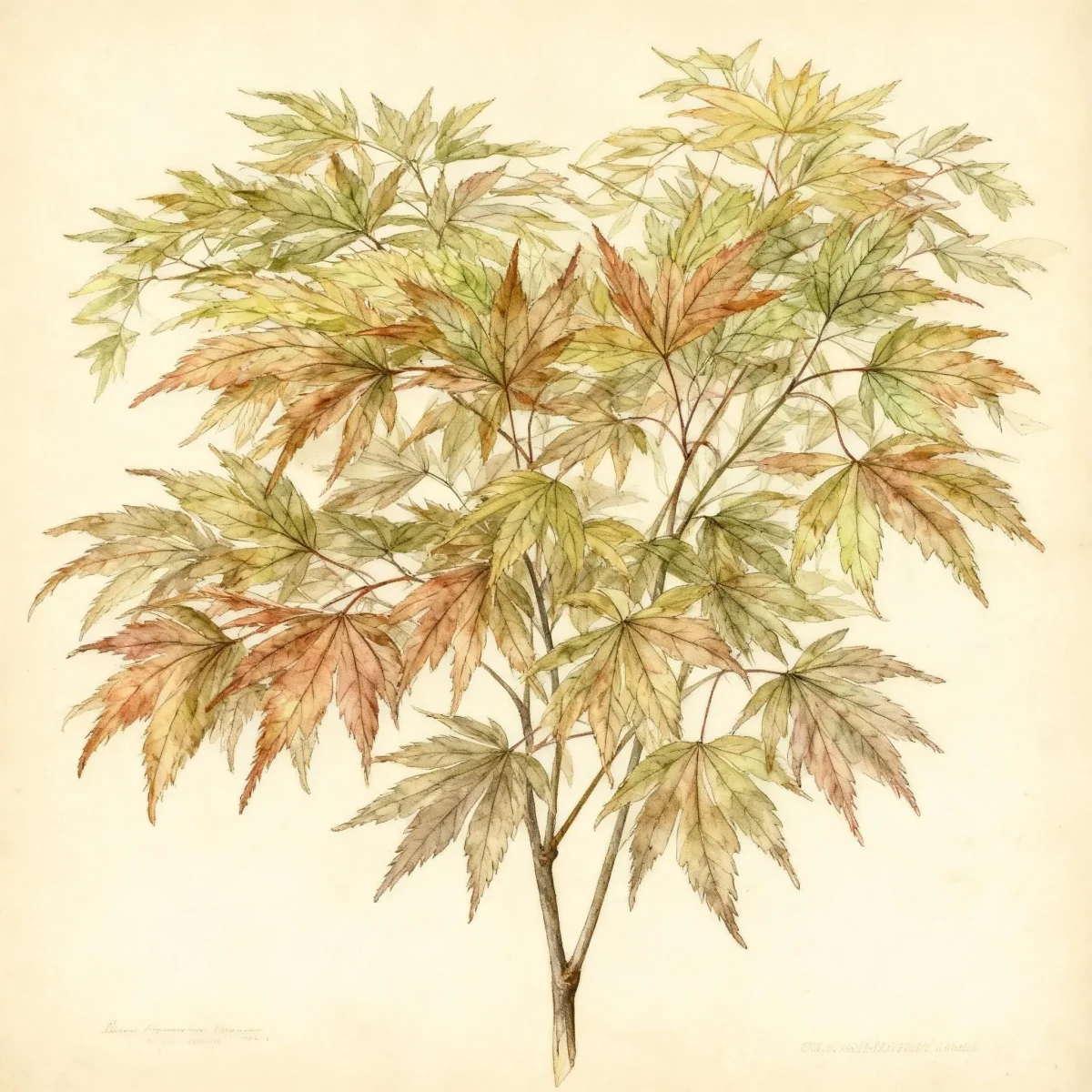
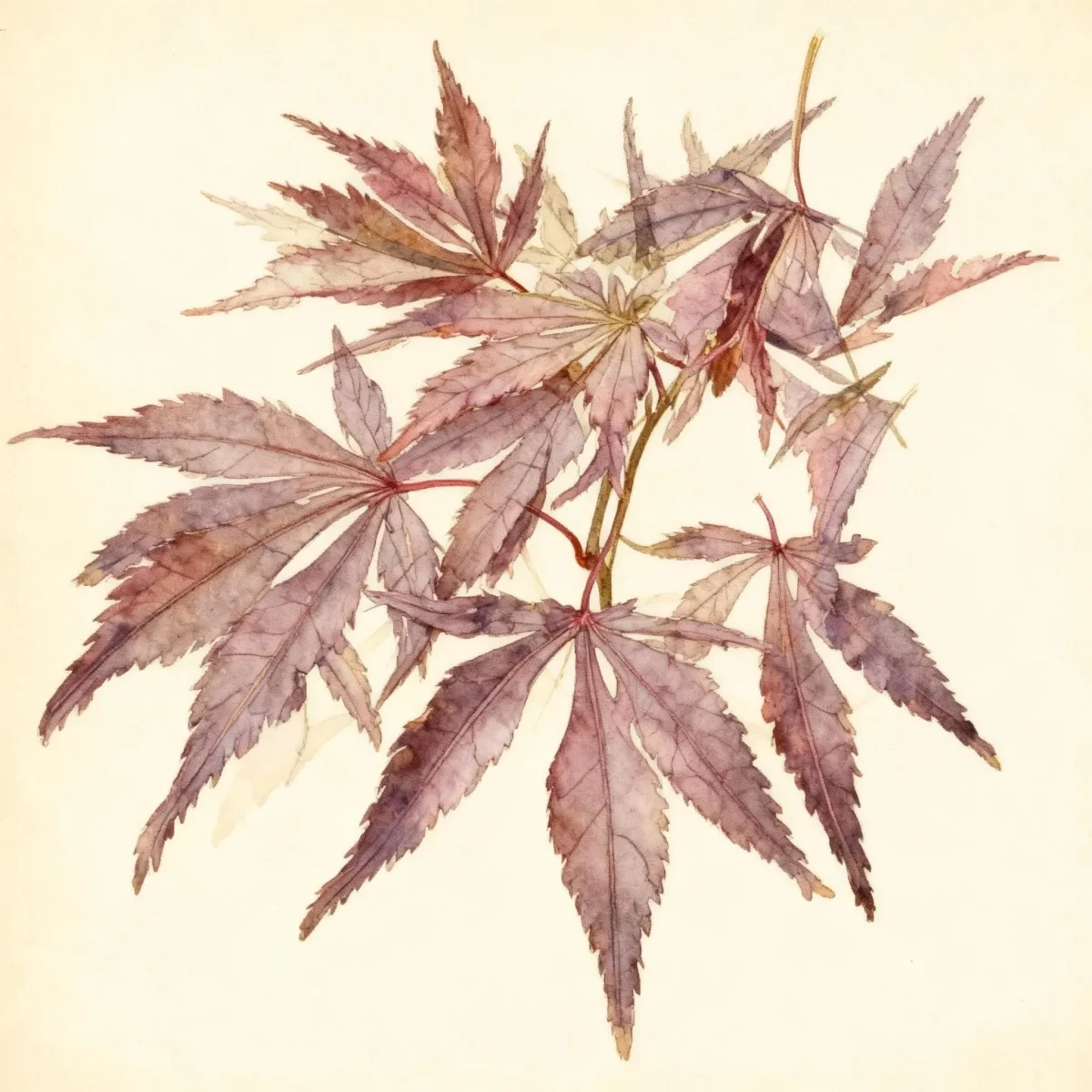
The genus name, Acer, is the Latin term for maple, and the specific epithet refers to the palmate leaf structure. Acer palmatum ‘Scolopendrifolium’ is recognized for its distinctive leaves, which are deeply divided into five extremely narrow, fingerlike lobes, giving it an airy appearance sometimes referred to as fingerleaf maple. Growing typically 12 to 15 feet tall, this upright form features medium green foliage that transitions to yellow hues in the autumn.
Tolerances
- Rabbit
- Black Walnut
Potential Problems
This Japanese maple can be susceptible to several disease issues, including stem canker, various leaf spots, anthracnose, and fatal root rots or verticillium wilt. Insects such as scale, aphids, borers, and root weevils can target the tree, while spider mites may also become troublesome, particularly during dry spells. In high pH soils, foliage may develop chlorosis (yellowing) due to nutrient lockout. To mitigate risks, ensure proper soil pH, apply preventative fungicide treatments for fungal issues, and monitor closely for pest infestations, treating early with appropriate horticultural controls.
Frequently Asked Questions
What hardiness zones is Japanese maple suitable for?
Acer palmatum ‘Scolopendrifolium’ is reliably hardy in USDA Zones 5 through 8.
How large does Japanese maple grow?
This cultivar typically reaches a mature height and spread between 12 to 15 feet.
What sun exposure does Japanese maple need?
It prefers full sun to part shade; however, afternoon shade is beneficial in the hottest parts of its range to prevent leaf scorch.
When does Japanese maple bloom?
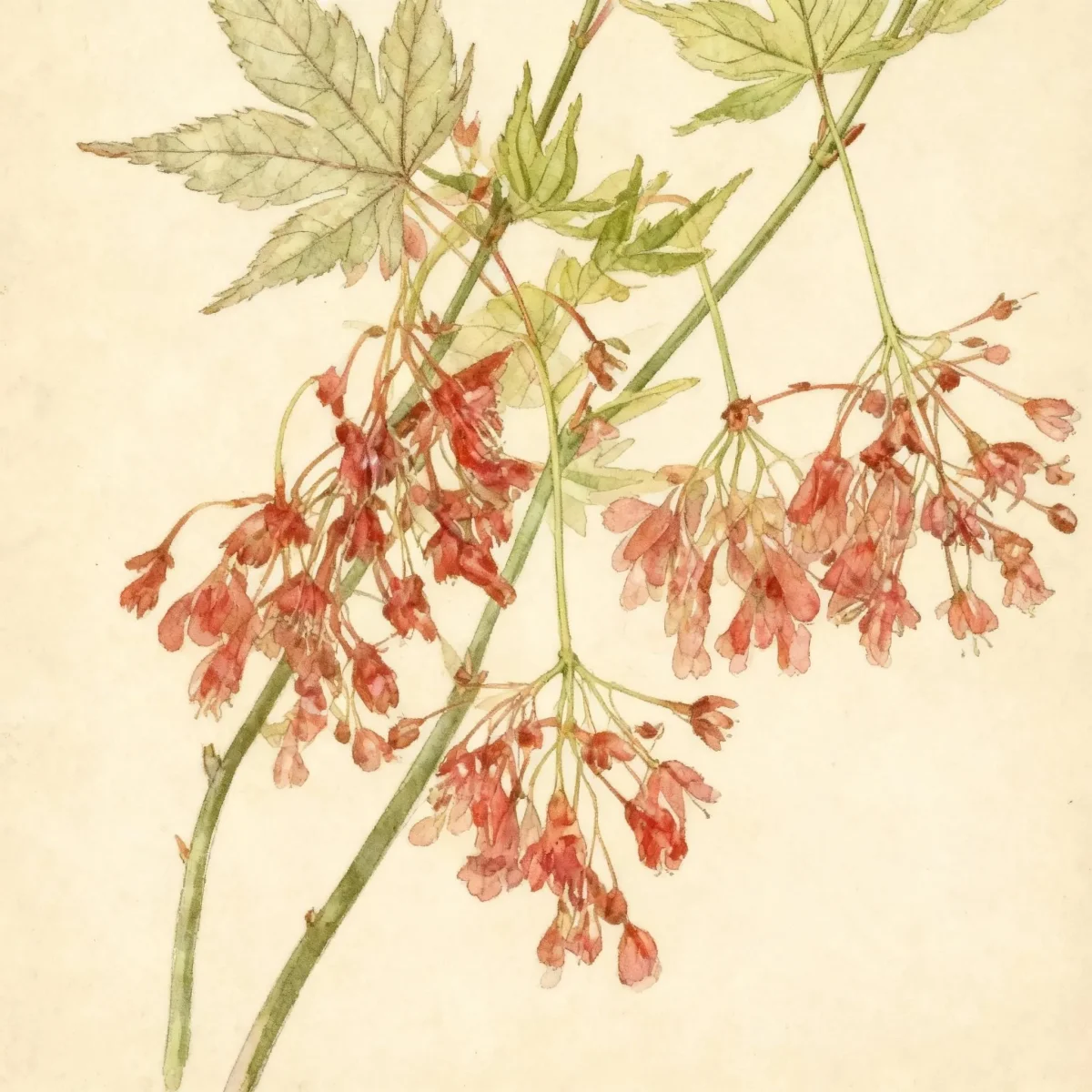
Flowering occurs in April, producing small, somewhat attractive reddish-purple blooms.
Conclusion
Acer palmatum ‘Scolodendrifolium’ brings unique, finely dissected texture to the garden, serving as a stunning specimen tree with relatively low maintenance needs. Successful cultivation of this Japanese maple relies on providing consistent moisture and afternoon shade protection in warmer climates. Before planting, confirm your location falls within USDA Zones 5-8 and plan for a well-protected site to ensure optimal health for your new Acer palmatum ‘Scolodendrifolium’.
Companion Planting
Selecting appropriate companions for your Japanese maple enhances both the health and aesthetics of the planting area. Because this variety requires medium water and well-drained, rich soil, pair it with woodland edge plants that share similar needs, such as shade-loving ferns, Astilbe, or Hosta varieties chosen for their contrasting leaf sizes. Avoid planting overly aggressive shallow-rooted plants that compete heavily for surface moisture and nutrients directly around the base of your Acer palmatum ‘Scolodendrifolium’.
Seasonal Care Calendar
Spring is the most critical time for proactive care; fertilize before leaf emergence and monitor for late spring frosts which can damage tender new foliage. Summer care centers on deep, consistent watering to prevent drought stress, which leads to leaf scorch, and applying mulch for root cooling. In fall, monitor the distinctive yellow fall color transition and plan any necessary structural pruning for late fall or early winter, after dormancy is fully established and sap flow has slowed significantly.