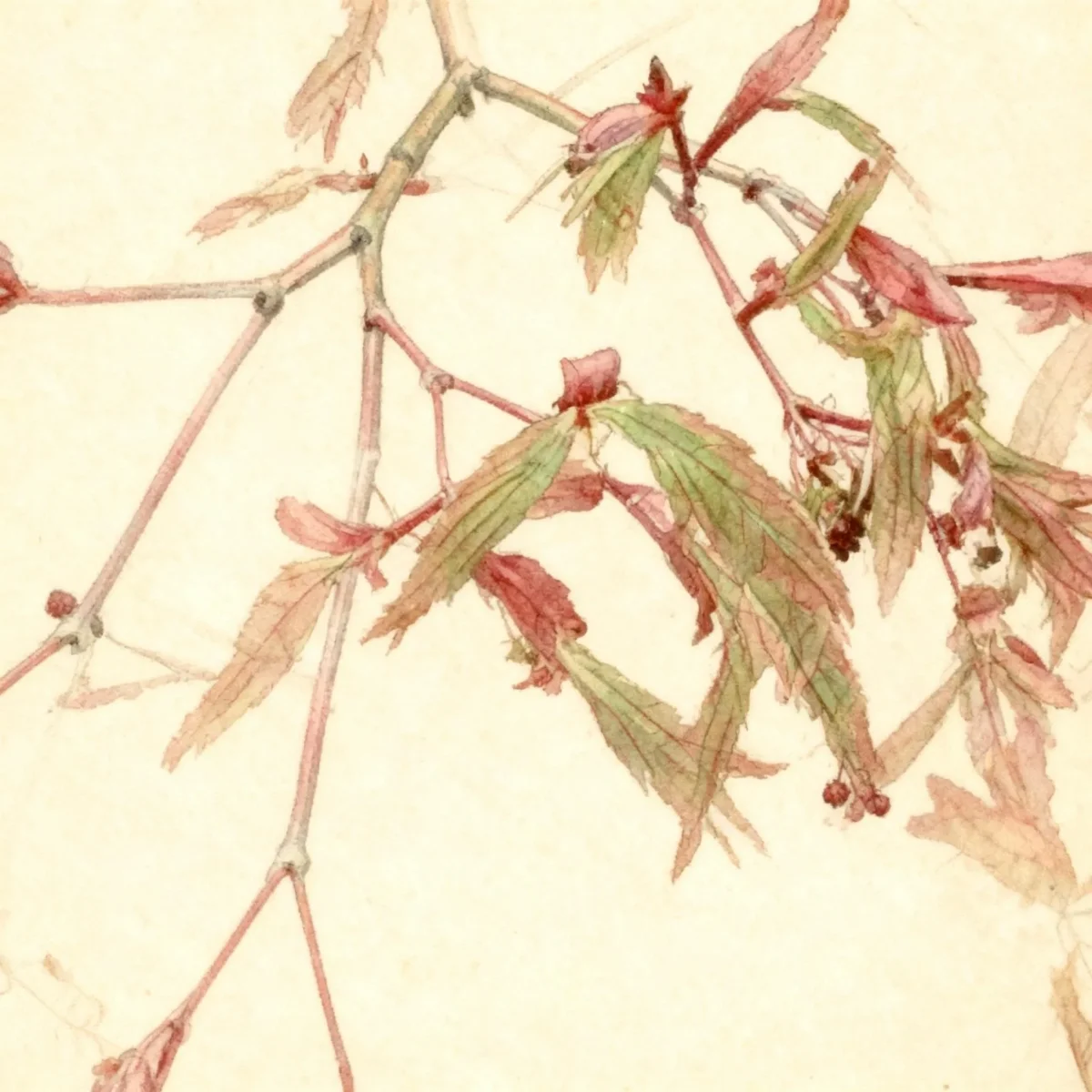
Japanese maple (Acer palmatum 'Shaina')
Discover Acer palmatum 'Shaina', a compact, tufted Japanese maple growing 4-5 ft tall with deep maroon summer color and brilliant red fall foliage.
Scroll down to discover growing tips, care requirements, companion plants, and more
Complete Plant Information
Overview
Acer palmatum ‘Shaina’, a distinct cultivar of the Japanese maple lineage, offers exceptional texture and year-round color in a manageable size. It is particularly valued for its bushy, tufted habit, making it an excellent specimen plant where space is limited or formal structure is desired. Discovered originally as a witches’ broom mutation, this variety maintains dense, dark maroon foliage throughout the summer months.
The Acer palmatum ‘Shaina’ is a sophisticated choice for gardeners seeking the dramatic fall transformations characteristic of Japanese maples, culminating in a brilliant seasonal display of bright red. While relatively low maintenance once established, it requires specific siting to protect its delicate leaves from midday scorch in hot climates. Careful placement is key to successfully growing this beautiful form of Japanese maple.
Fast Facts
- Plant Family: Sapindaceae
- Plant Type: Tree
- Hardiness Zones: USDA Zones 5-9
- Size at Maturity:
- Height: 4-5 ft
- Spread: 3-4 ft
- Bloom Time: May
- Bloom Description: Red to purple
- Sun Exposure: Full sun to part shade
- Water Needs: Medium
- Maintenance Level: Low
How to Grow
Plant your Acer palmatum ‘Shaina’ in the ideal season, typically spring or fall, ensuring it receives excellent soil drainage. This variety performs best in moist, organically rich, and slightly acidic soil conditions, thriving well even in sandy loams. While it tolerates full sun in cooler northern regions, providing some part afternoon shade is crucial in the southern limits of its range to prevent foliage scorch during hot summers.
Consistent moisture is essential for this Japanese maple; soils must be kept consistently moist, especially when the tree is newly planted or during heat waves. Mulching annually assists in retaining soil moisture and keeping the shallow root system cool. Fertilize sparingly in the spring just before the leaves fully emerge.
Site your Acer palmatum ‘Shaina’ away from strong, drying winds, as exposure can damage the developing foliage. Pruning should be minimal. If necessary, conduct pruning during the late fall or mid-winter dormant period; avoid pruning in spring or summer, as this often results in significant sap bleeding.
Landscape Uses
Japanese maples are celebrated primarily for their striking foliage structure and form, and Acer palmatum ‘Shaina’ excels as a diminutive accent piece. Its compact nature makes it perfect for use as a formal specimen near entryways or patios where its dense structure can be appreciated up close. It integrates beautifully into the periphery of borders or clustered with contrasting textures.
Consider planting the Acer palmatum ‘Shaina’ as a focal point in a woodland margin garden, utilizing dappled sunlight to enhance the deep maroon summer color. Its small size also allows it to transition effectively into larger containers, provided seasonal watering adjustments are managed diligently.
Standout Features
Flower Qualities
- Insignificant
Noteworthy Characteristics
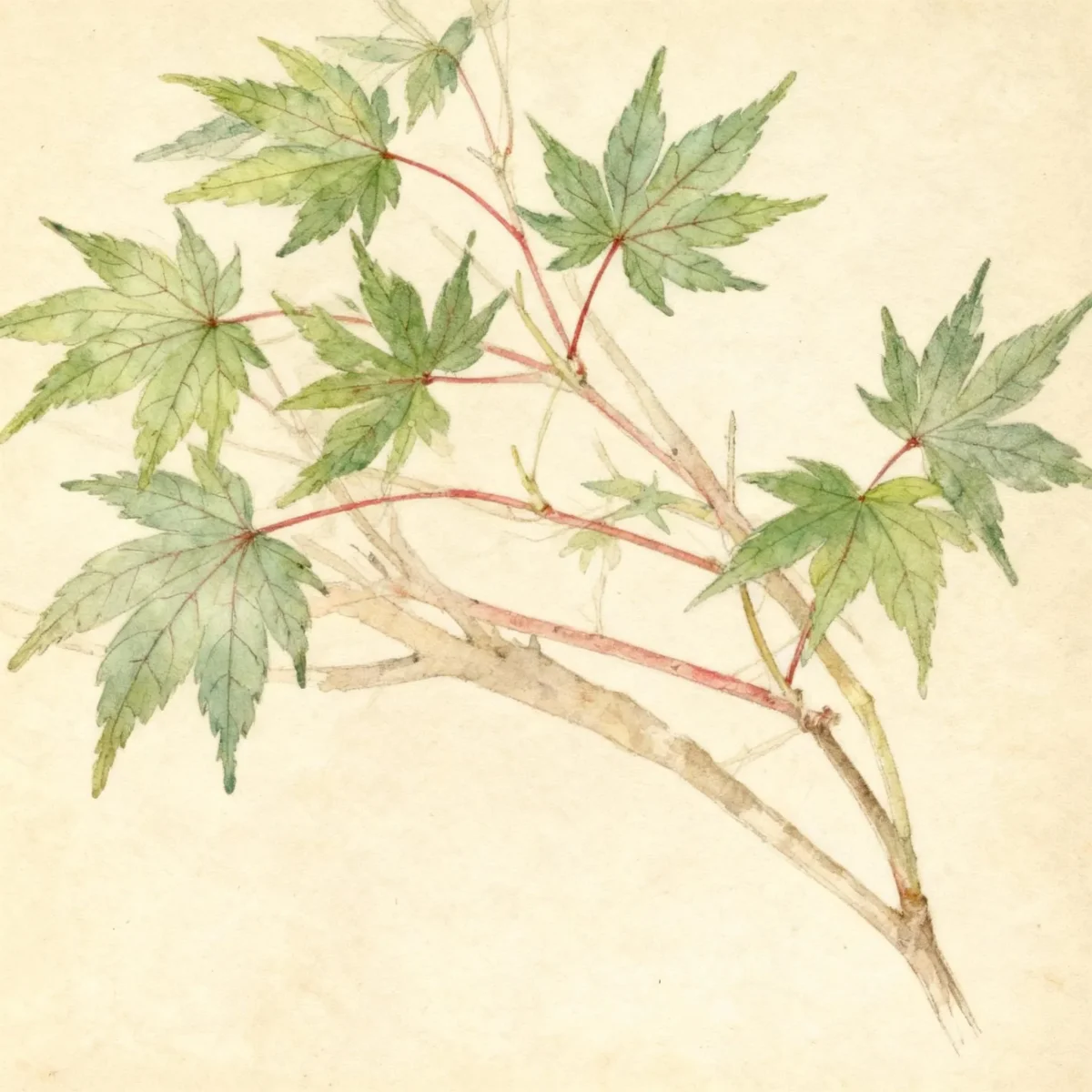
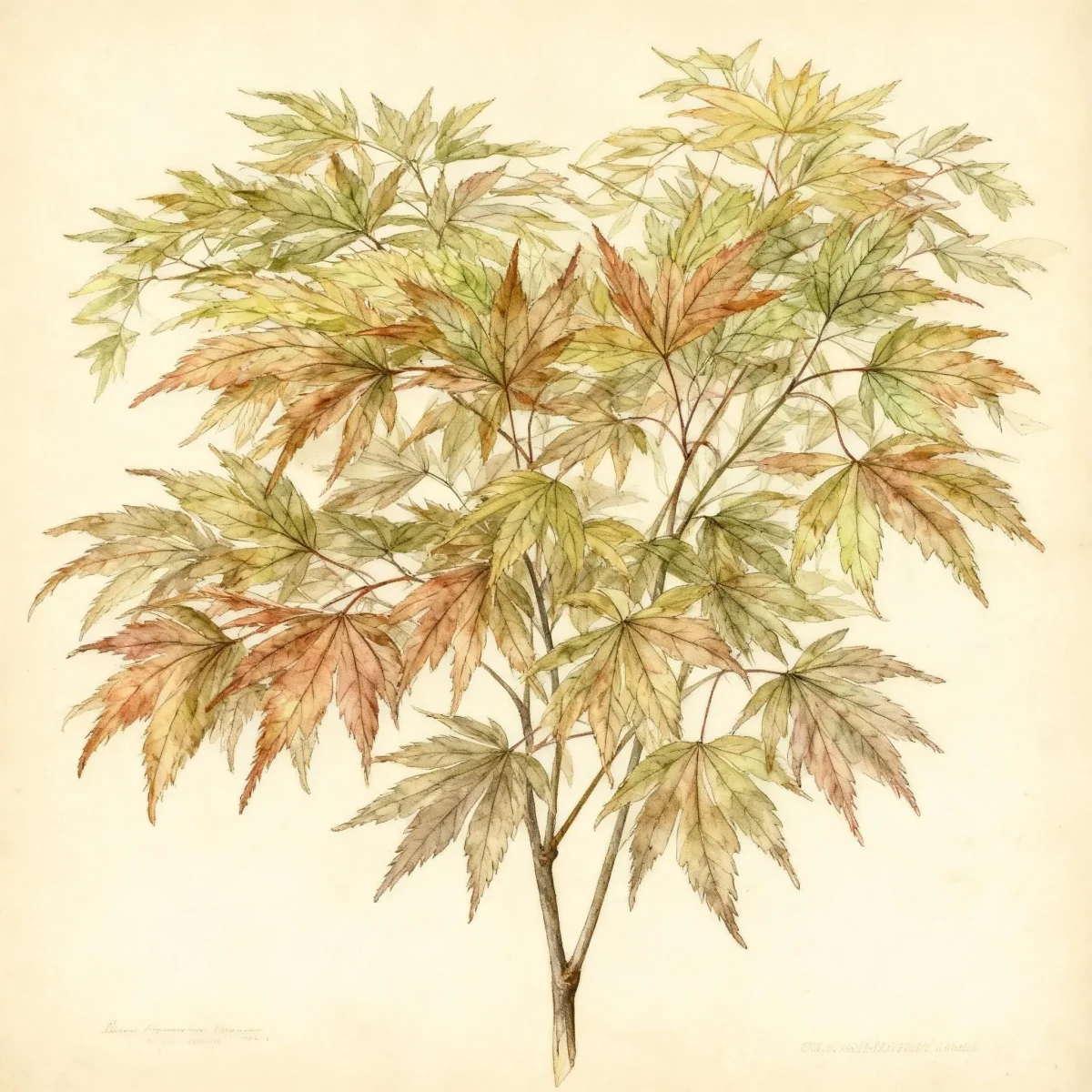
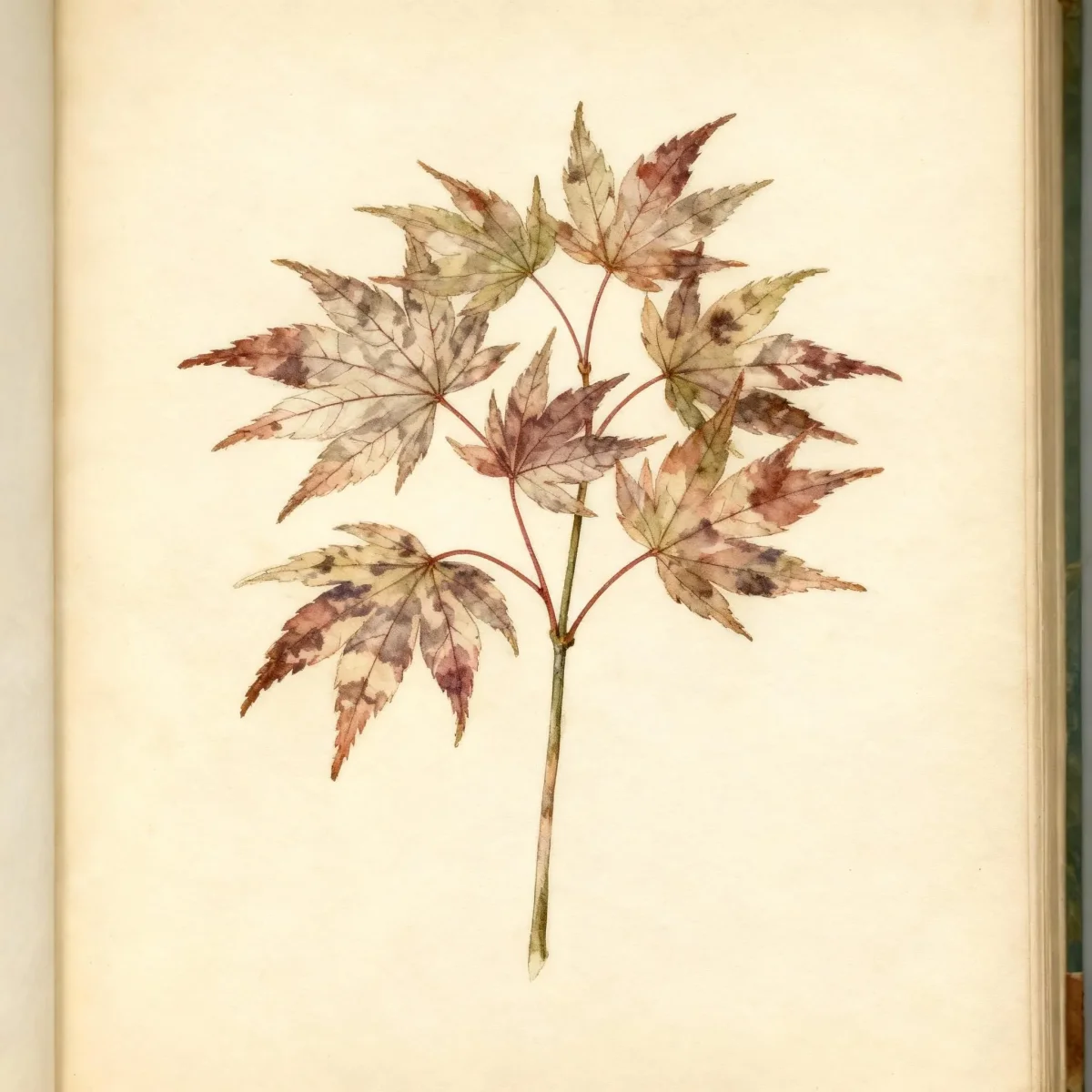
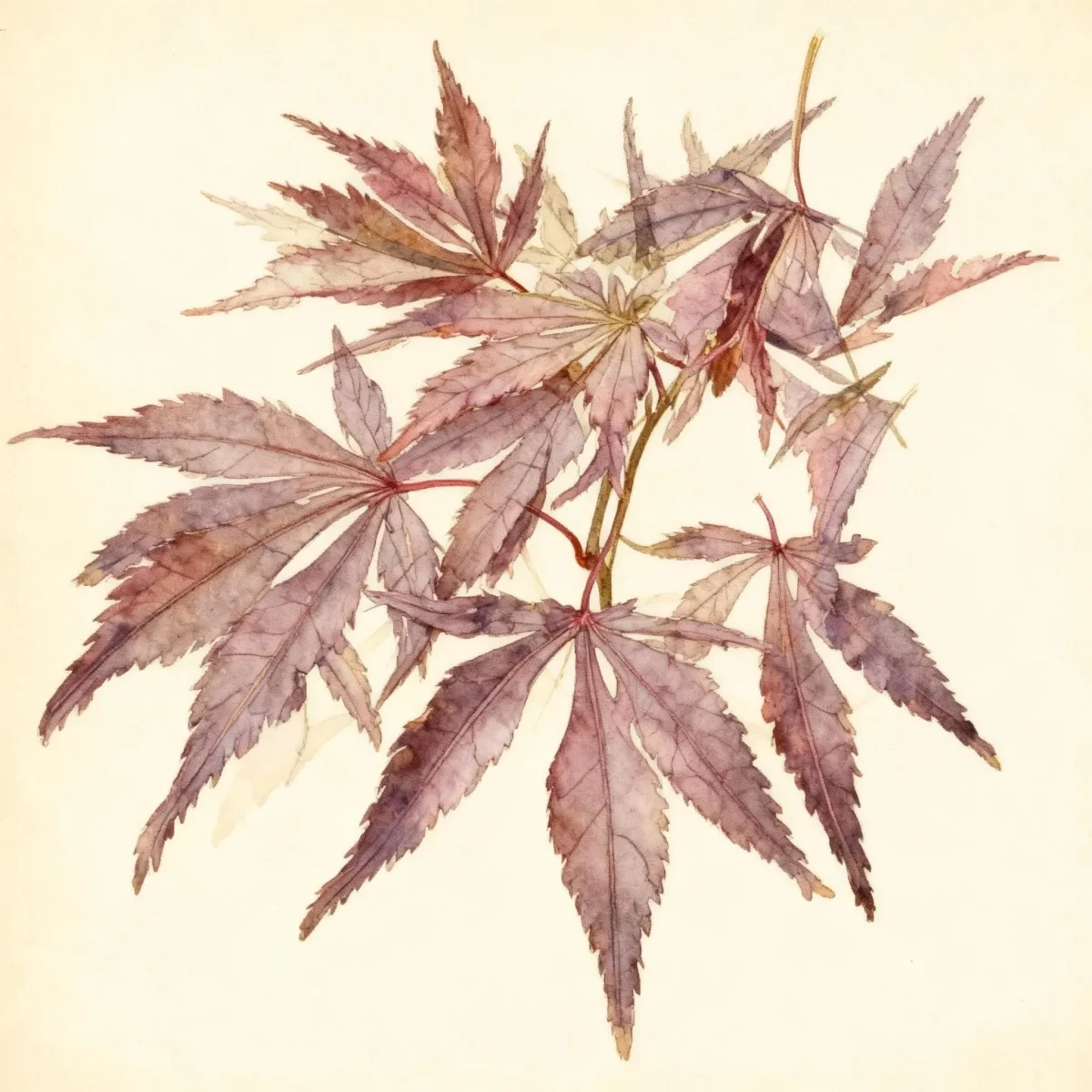
Acer palmatum, commonly called Japanese maple, is a deciduous shrub or small tree that typically grows to 10-25’ (infrequently to 40’) tall. ‘Shaina’ has a bushy, tufted habit and will grow 4-5’ tall in 8 years, making it significantly smaller than the species standard. Its non-dissected leaves clump into masses, giving it a dense, tufted appearance, which presents dark maroon foliage in summer before shifting to a brilliant red in autumn.
Tolerances
- Rabbit
- Black Walnut
Potential Problems
Be mindful of common pests and diseases that affect the Japanese maple genus. Potential insect problems include scale, aphids, borers, and root weevils, while fungal issues range from root rots to leaf spots and Verticillium wilt. Mites can also become troublesome during dry spells.
Preventative care focuses largely on proper siting and water management. To mitigate the risk of foliage scorch, ensure the plant receives afternoon shade in hotter zones and maintain consistently moist soil; heavy mulching helps significantly. Furthermore, chlorosis (yellowing leaves) can develop if the soil pH is too high, so periodic soil testing is recommended for highly alkaline sites.
Frequently Asked Questions
What hardiness zones is Japanese maple suitable for?
The Acer palmatum ‘Shaina’ is hardy in USDA Zones 5 through 9, offering reliable performance across a wide range of climates.
How large does Acer palmatum ‘Shaina’ grow?
This specific cultivar is notably compact, typically reaching a mature height between 4 and 5 feet, with a spread ranging from 3 to 4 feet.
What sun exposure does Acer palmatum ‘Shaina’ need?
This beautiful Japanese maple thrives best in locations receiving full sun to partial shade. In warmer climates, afternoon shade is strongly recommended to protect the dark maroon foliage.
When does Acer palmatum ‘Shaina’ bloom?
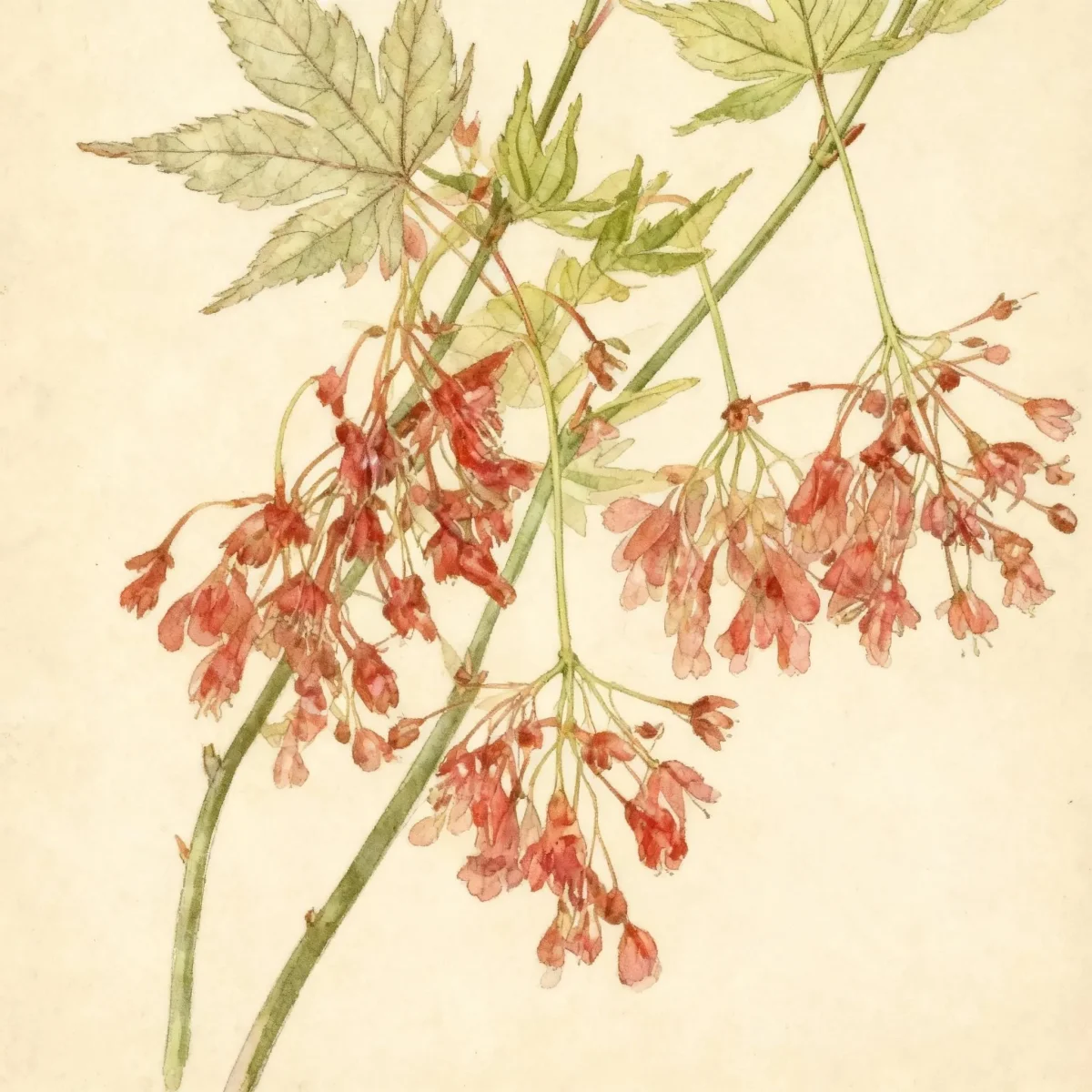
Bloom time for this plant is noted as May, producing small flowers described as red to purple in color.
Conclusion
The Acer palmatum ‘Shaina’ remains an outstanding choice for adding refined structure and exceptional summertime color to smaller gardens or foundation plantings. Its unique, dense habit and reliably attractive foliage—deep maroon evolving to brilliant red—ensure year-round interest. Before planting, confirm your site offers moist, well-drained soil and appropriate sun exposure to maximize the beauty of this treasured Japanese maple.
Design Ideas
The small, bushy stature of the Acer palmatum ‘Shaina’ lends itself perfectly to foundation plantings where larger shrubs might overwhelm the architecture. Because of its dense growth, this cultivar works well near contemporary hardscaping or rock gardens, providing a soft, yet defined, contrast. Plan massings carefully to maximize visual impact without overcrowding, allowing air circulation around the developing branches of this fine Japanese maple.
When pairing this tree, select companions that contrast in leaf texture or color without competing for its specialized soil needs. Consider anchoring it near broadleaf evergreens like Boxwood or darker groundcovers that enhance the intensity of its maroon summer leaves. Ensure any companion plants also prefer acidic, well-drained conditions to support the long-term health of your Acer palmatum ‘Shaina’.
Seasonal Care Calendar
Spring is the critical time for fertilizing your Acer palmatum ‘Shaina’ just before bud break, focusing on slow-release granular feed applied in the root zone. Monitor new foliage closely during late spring frosts, as the early leaf-out makes it susceptible to damage; protection might be necessary in cold spells. Summer care centers entirely on consistent watering, deeply and regularly, especially during dry periods, to keep the mulch cool and the roots hydrated.
Winter preparation is minimal for this hardy cultivar, but ensuring a thick layer of mulch remains undisturbed protects the sensitive roots from deep freezing. If pruning becomes necessary, wait until mid-winter when the tree is fully dormant. Late fall pruning should be avoided to minimize the risk of bleeding, a common issue when cutting maples outside of deep dormancy.