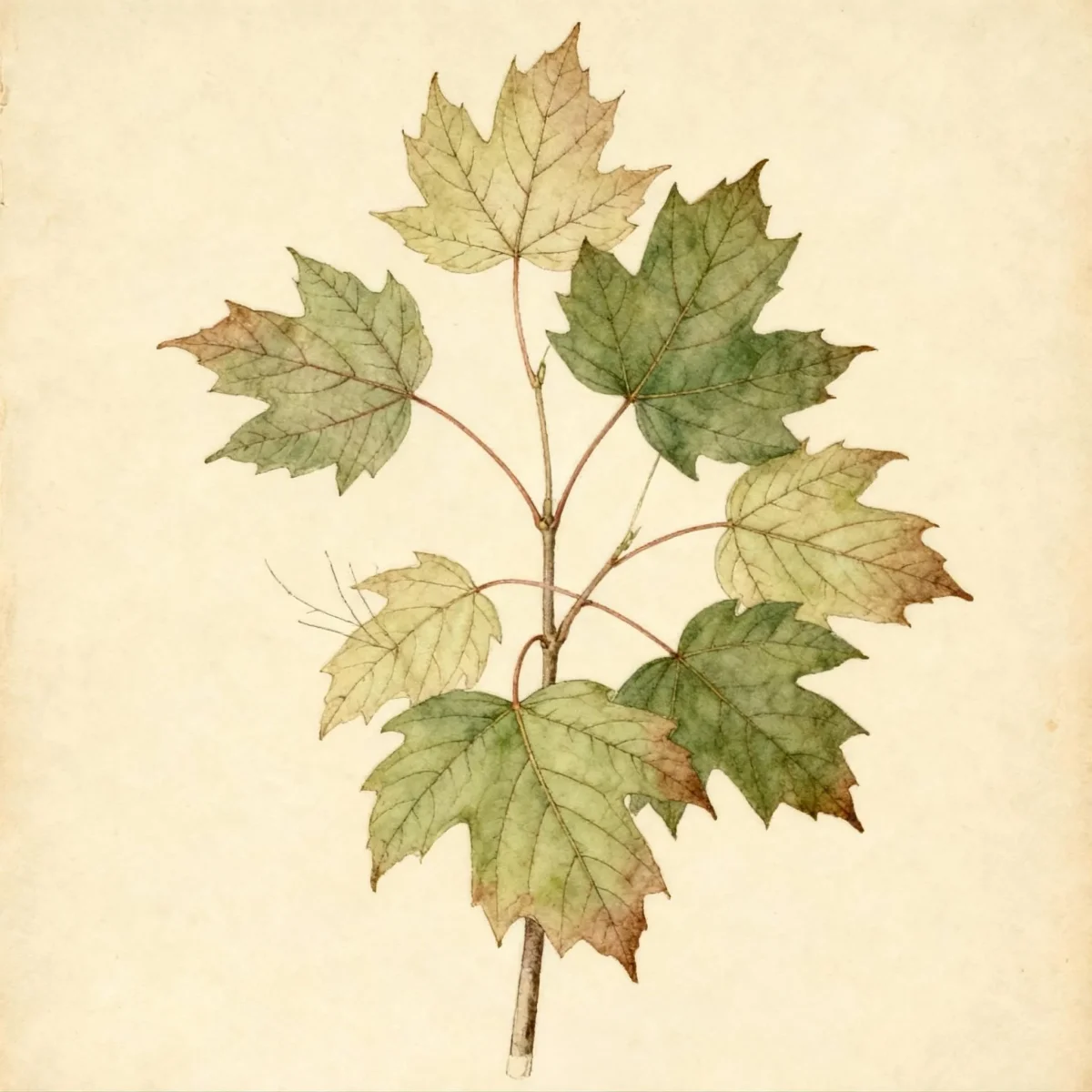
Japanese maple (Acer palmatum 'Shishigashira')
Acer palmatum 'Shishigashira' is a compact Japanese maple, prized for its crinkled green foliage and brilliant fall color, perfect for specimen planting.
Scroll down to discover growing tips, care requirements, companion plants, and more
Complete Plant Information
Overview
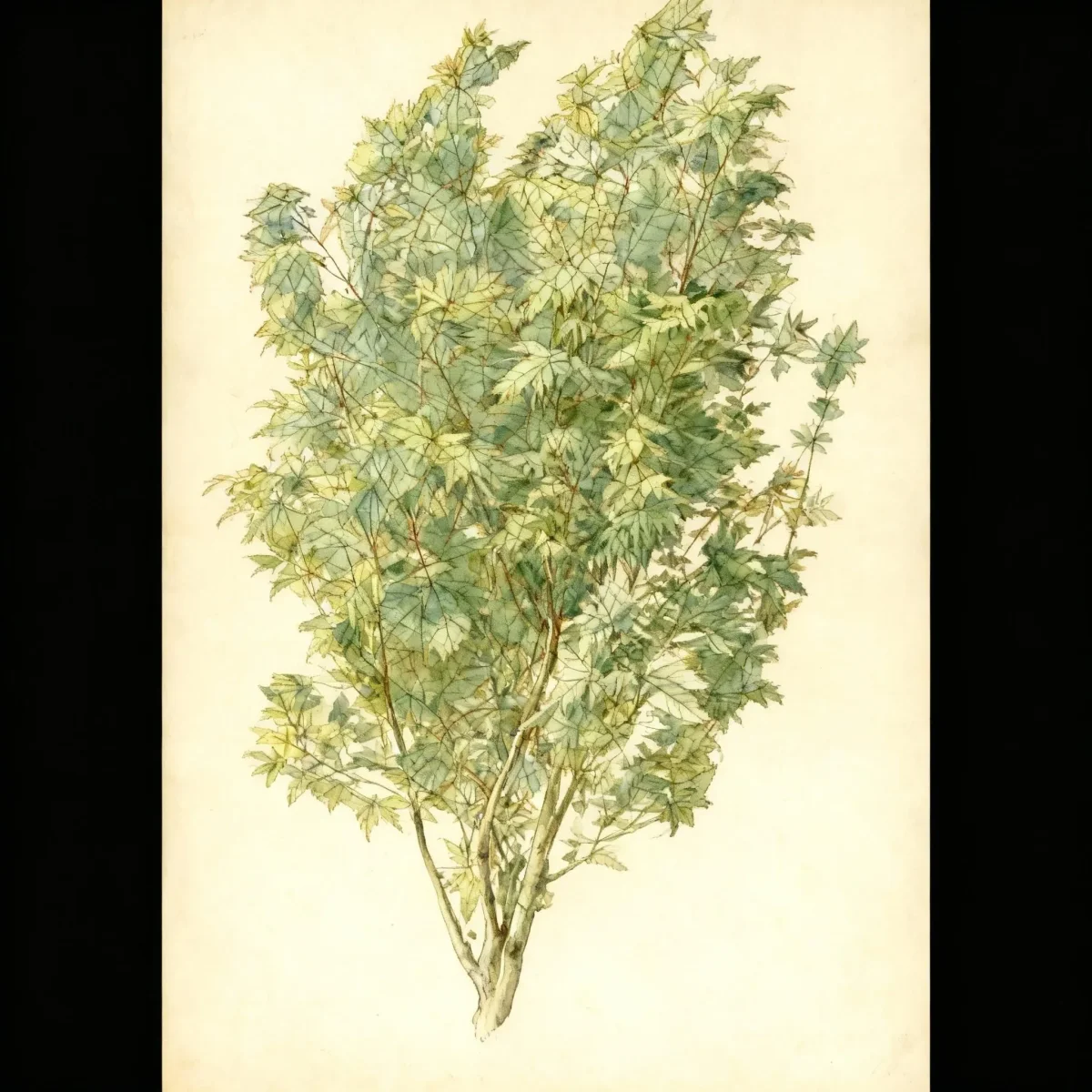
Acer palmatum ‘Shishigashira’, often called the Lion’s Head Maple, is a highly sought-after cultivar of Japanese maple appreciated for its dense, upright habit and uniquely textured leaves. This cultivar provides significant architectural interest, even when young foliage can appear somewhat sparse. It develops into a distinctive, compact specimen tree that commands attention throughout the growing season.
The appeal of this Japanese maple lies in its heavily crinkled, 5- to 7-lobed bright green leaves that emerge in tight tufts along the stems. While its spring flowers are small and reddish-purple, the foliage compensates wonderfully, turning eye-catching shades of gold and crimson as autumn approaches. Acer palmatum ‘Shishigashira’ offers incredible seasonal drama in a manageable size for smaller gardens or containers.
Growing successfully requires attention to soil moisture and protection from the harshest afternoon sun in warmer climates. As a slow-growing specimen, this Japanese maple rewards patient gardeners with consistent, structured beauty, requiring relatively low pruning intervention.
Fast Facts
- Plant Family: Sapindaceae
- Plant Type: Tree
- Hardiness Zones: USDA Zones 5-8
- Size at Maturity:
- Height: 7-15 ft
- Spread: 5-12 ft
- Bloom Time: April
- Bloom Description: Reddish-purple
- Sun Exposure: Full sun to part shade
- Water Needs: Medium
- Maintenance Level: Medium
How to Grow
Ideal planting for Acer palmatum ‘Shishigashira’ occurs when the soil is workable in the spring or early fall. This Japanese maple thrives best in moist, organically rich, slightly acidic, and consistently well-drained soils, performing well even in sandy loams. Ensure the chosen location offers protection from strong, drying winds, and avoid sites prone to intense heat.
Maintain consistent moisture, especially during hot summers, using mulch to help keep the roots cool and the soil hydrated; scorching of new foliage can occur in full sun if moisture is lacking, particularly in southern areas of its range. Fertilize in the spring just before the leaves unfurl. Pruning should be kept minimal; if necessary, restrict corrective work to late fall or mid-winter, as pruning during the growing season can lead to significant sap bleeding.
While this cultivar can handle full sun in cooler northern zones, gardeners positioning Acer palmatum ‘Shishigashira’ in warmer regions should ensure part afternoon shade is provided. Be alert for early spring foliage emergence, as new growth is highly susceptible to damage from late spring frosts.
Landscape Uses
Japanese maples are primarily cultivated for their exceptional foliage texture and refined, sculptural shape, making Acer palmatum ‘Shishigashira’ an excellent focal point. Due to its upright and relatively compact nature, it functions perfectly as a specimen or accent planting near entryways or patios where its unique crinkled leaves can be appreciated up close.
Consider grouping this Japanese maple subtly around the periphery of borders or near evergreen foundations to contrast its branching structure during winter dormancy. It also serves well as a sun-dappled understory tree, brightening woodland garden margins. Furthermore, for those interested in fine horticulture, this cultivar adapts well to bonsai culture, showcasing its dense growth pattern.
Standout Features
Flower Qualities
- Insignificant
Noteworthy Characteristics
Acer palmatum, commonly called Japanese maple, is a deciduous shrub or small tree that typically grows to 10-25’ (infrequently to 40’) tall. It is native to Japan, Korea and China. Genus name is the Latin name for a maple tree. Specific epithet is in reference to the palmate nature of the leaves. Each leaf has several lobes (typically 5-7) that all originate from one point looking like an open hand with outstretched fingers. ‘Shishigashira’ is an upright, compact, slow-growing form that typically grows to 7-15’ tall over a number of years. Palmate, 5- to 7-lobed, crinkled, bright green leaves (to 2” long) grow in tufts along the stems; foliage turns showy shades of gold and crimson in fall. The name ‘Shishigashira’ means lion’s head, lending context to its heavily textured leaves.
Tolerances
- Rabbit
- Black Walnut
Potential Problems
Like many Japanese maples, Acer palmatum ‘Shishigashira’ faces potential disease issues including stem canker, various leaf spots, fusarium, anthracnose, root rots, and the serious threat of verticillium wilt. Insect pests common to this species include scale, aphids, borers, and bagworms, while mites can also become troublesome. To mitigate these risks, ensure excellent air circulation and avoid overhead watering to reduce fungal issues. If chlorosis (yellowing) appears, test and correct high pH soils promptly.
The principal cultural challenge is managing late spring frosts, as the foliage tends to leaf out early; planting in a slightly protected location can help minimize damage to new growth. Consistent watering is critical, as drought stress increases susceptibility to pest infestations and foliage scorch during hot afternoons.
Frequently Asked Questions
What hardiness zones is Japanese maple suitable for?
Acer palmatum ‘Shishigashira’ is best suited for USDA Hardiness Zones 5 through 8.
How large does Acer palmatum ‘Shishigashira’ grow?
This specific cultivar typically reaches a mature height between 7 and 15 feet, with a corresponding spread of 5 to 12 feet.
What sun exposure does Acer palmatum ‘Shishigashira’ need?
It performs best in full sun to part shade. In hotter climates, providing afternoon shade prevents leaf scorch, especially if soil moisture is inconsistent.
When does Japanese maple bloom?
The reddish-purple flowers of the Japanese maple generally appear in April.
Conclusion
The Acer palmatum ‘Shishigashira’ remains a standout choice for gardeners seeking unique texture and reliable color in a manageable, upright form. Its crinkled foliage and brilliant fall display ensure this Japanese maple elevates any landscape design where it is sited properly. Before purchasing, confirm your local hardiness zone compatibility and plan a location protected from harsh winds and excessive summer afternoon sun.
Companion Planting
Selecting appropriate companions can enhance the visual impact and cultural success of your Acer palmatum ‘Shishigashira’. Pair this specimen with plants that appreciate similar moist, acidic, well-drained soil conditions and benefit from dappled light. Consider low-growing, shade-loving groundcovers such as Hosta, especially those with blue or variegated foliage, to contrast beautifully with the bright green spring leaves of the maple.
Other excellent companions include acid-loving shrubs like Rhododendrons and Azaleas, which share similar cultural needs and whose spring blooms offer a wonderful prelude to the Japanese maple’s summer texture. For textural contrast, consider incorporating fine-textured ferns near the base, ensuring they are not aggressive spreaders that might compete heavily for surface moisture near the maple’s roots.
Seasonal Care Calendar
Spring is the critical preparatory season for your Japanese maple. Fertilize lightly before the leaves emerge and ensure the soil is deeply watered as growth begins, paying close attention to protecting new shoots from late frosts common in April. Monitor leaf-out closely, applying mulch if necessary to stabilize soil temperature.
In the summer, focus solely on moisture management. Water deeply during dry spells to prevent the foliage from scorching or wilting, remembering that consistent moisture is key to the health of this Acer palmatum. Avoid applying synthetic fertilizers during the hottest months.
Winter care centers on protection and pruning timing. Perform any necessary pruning only in late fall or winter; never prune in spring or summer to avoid heavy sap loss. Ensure the root zone remains insulated with mulch to guard against freeze-thaw cycles, especially for younger trees.