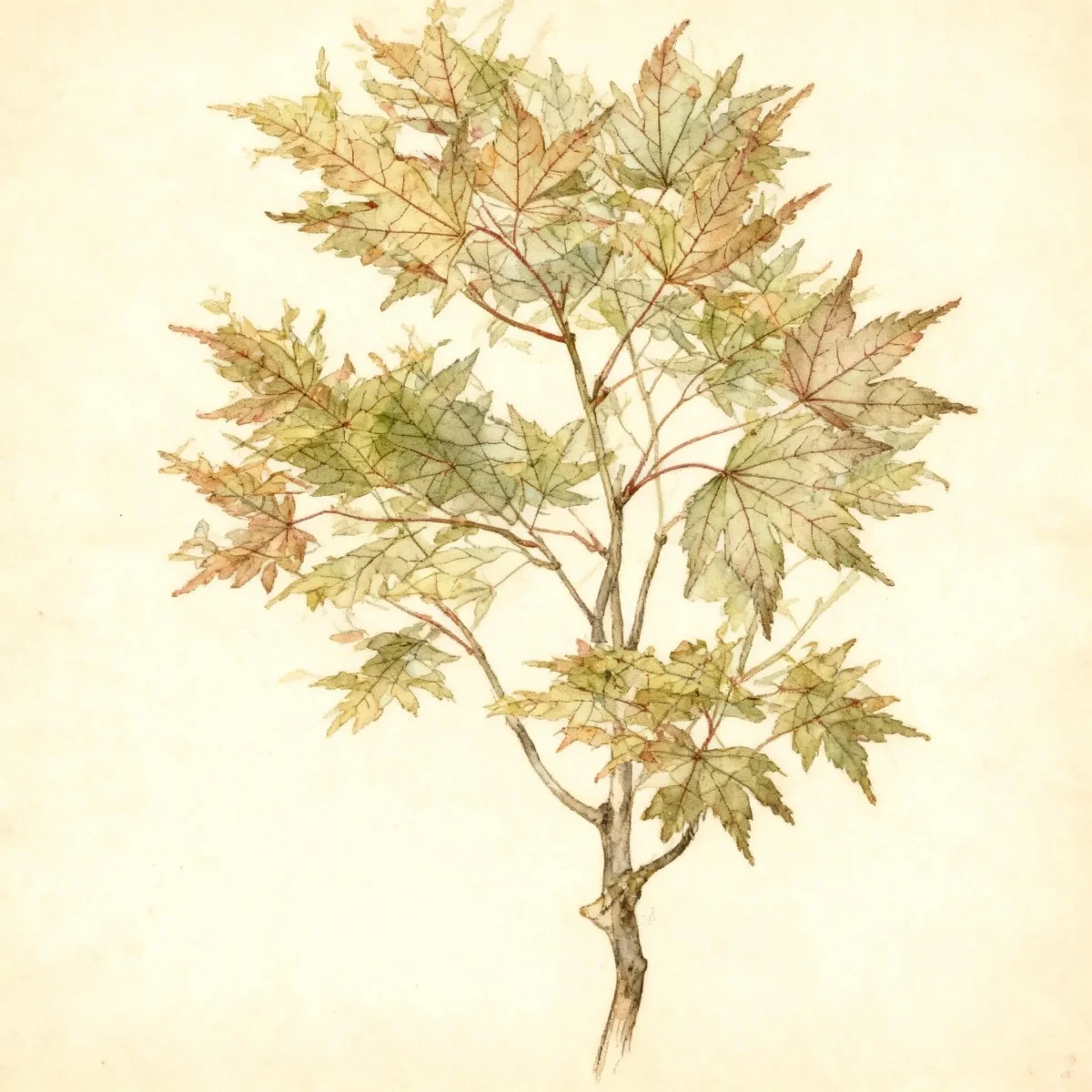
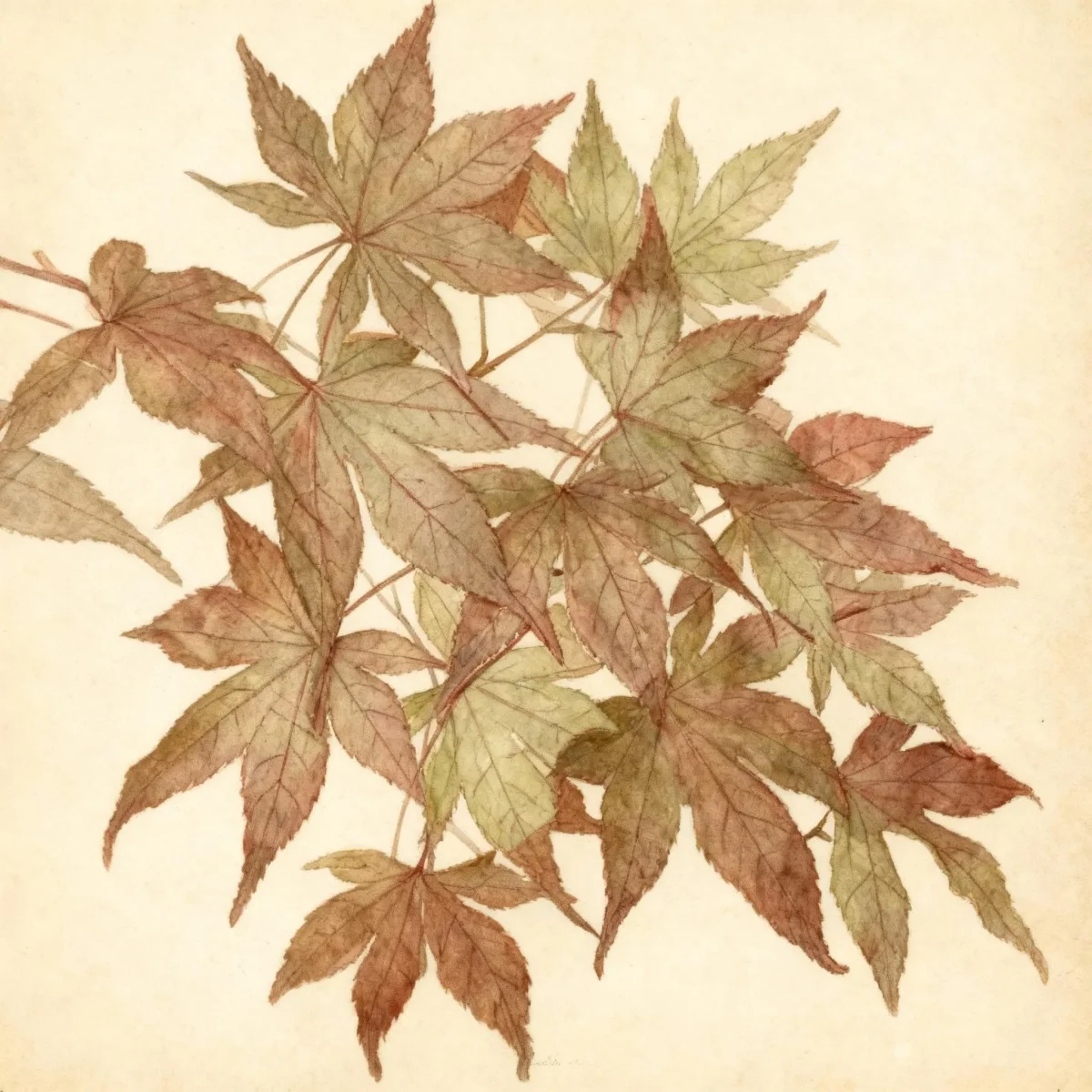
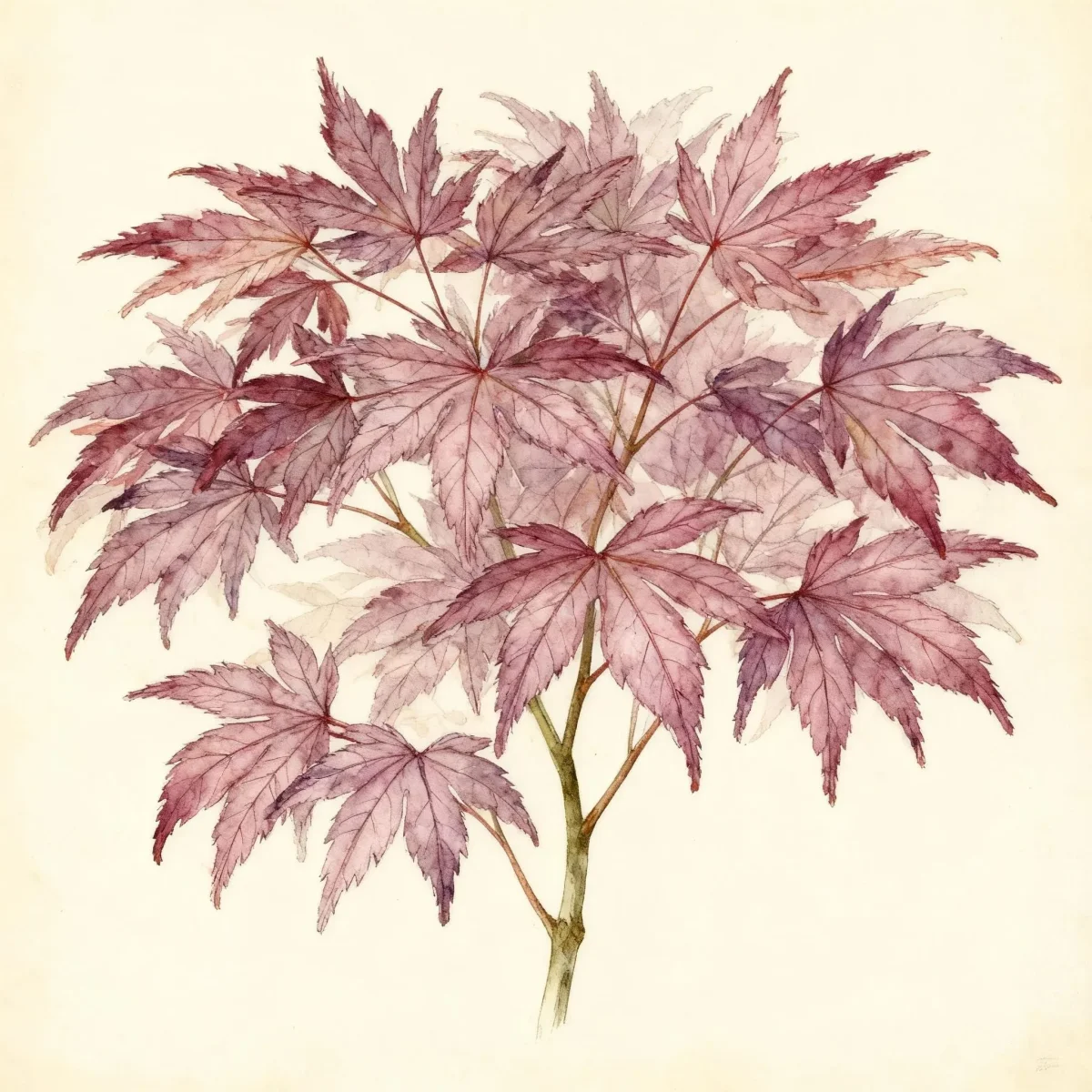
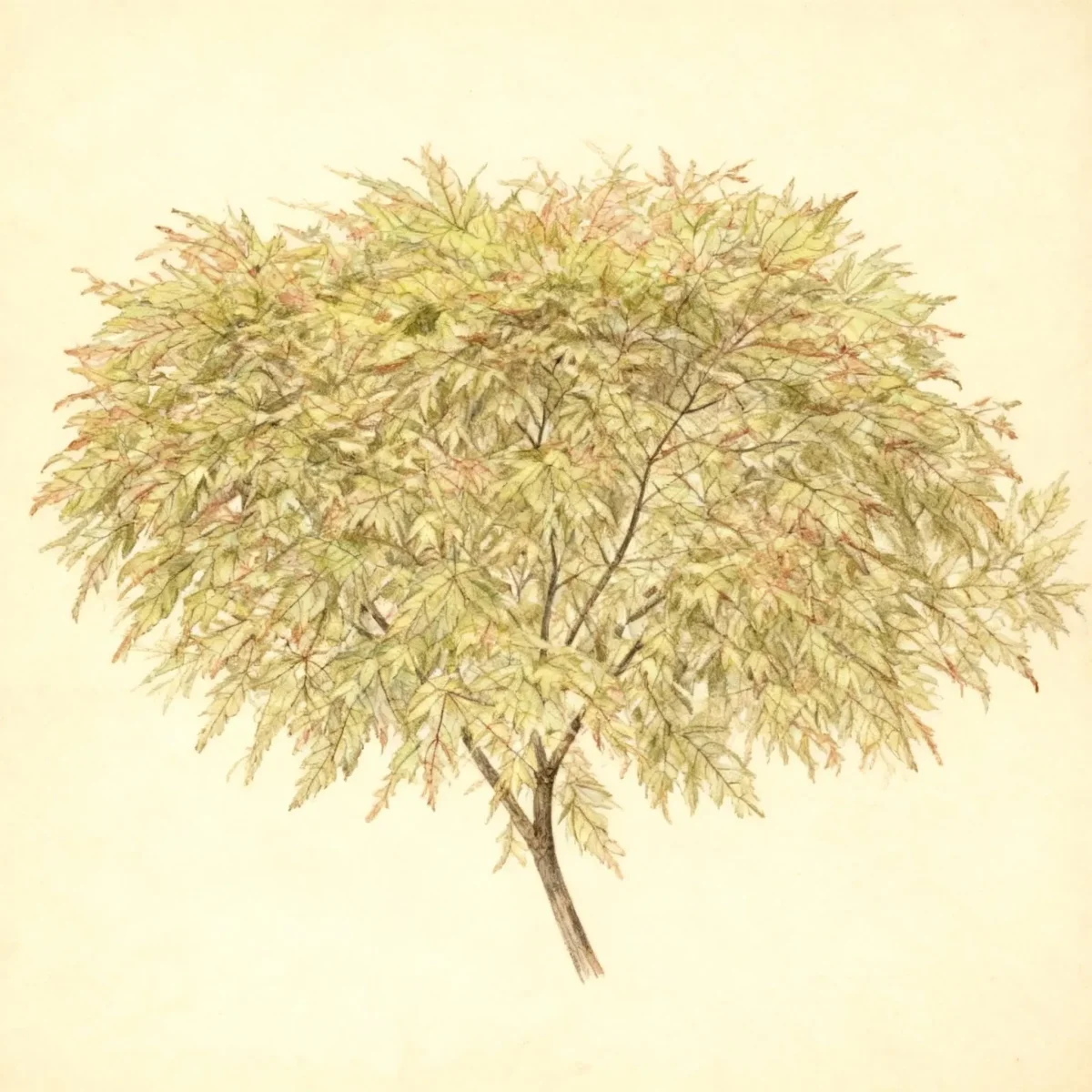
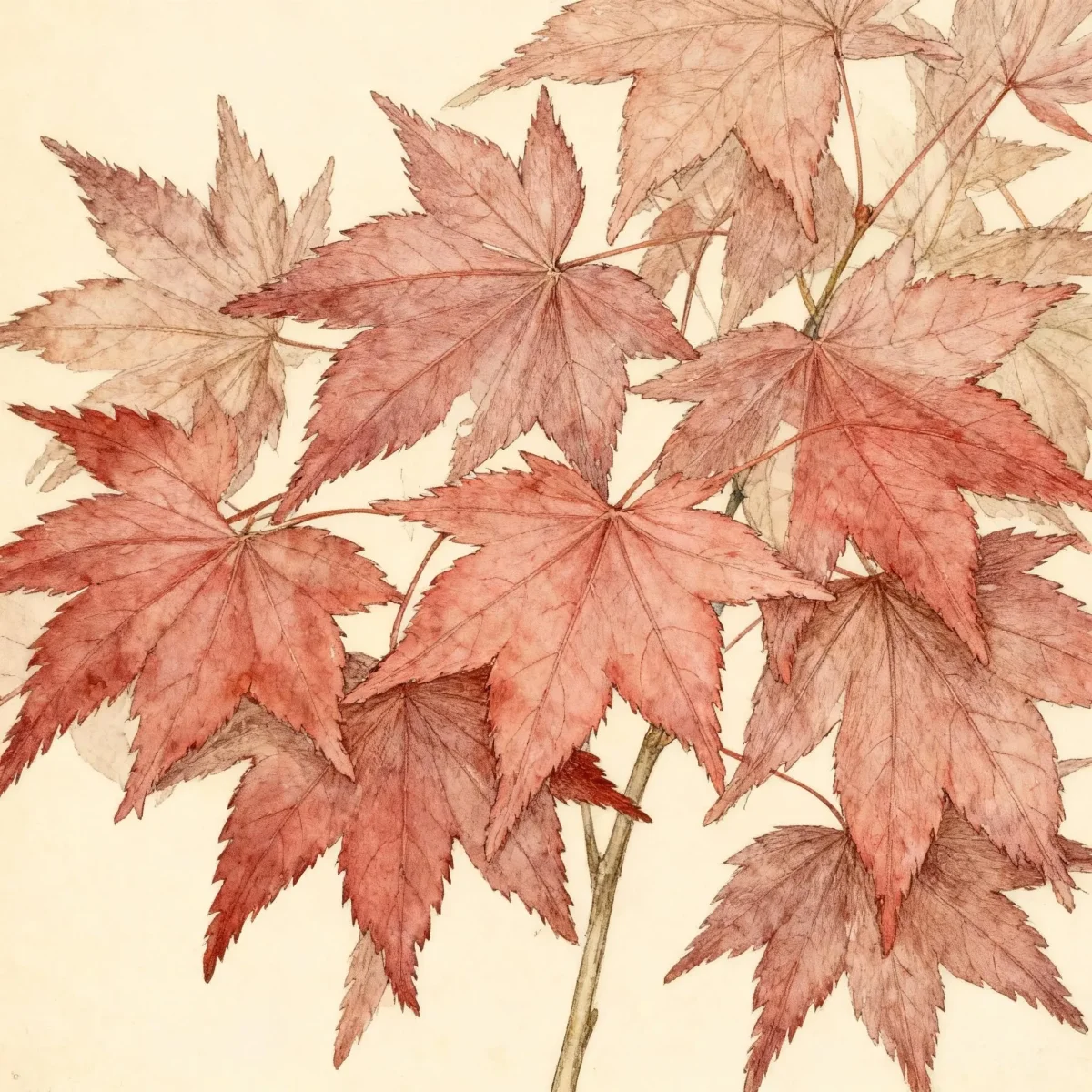
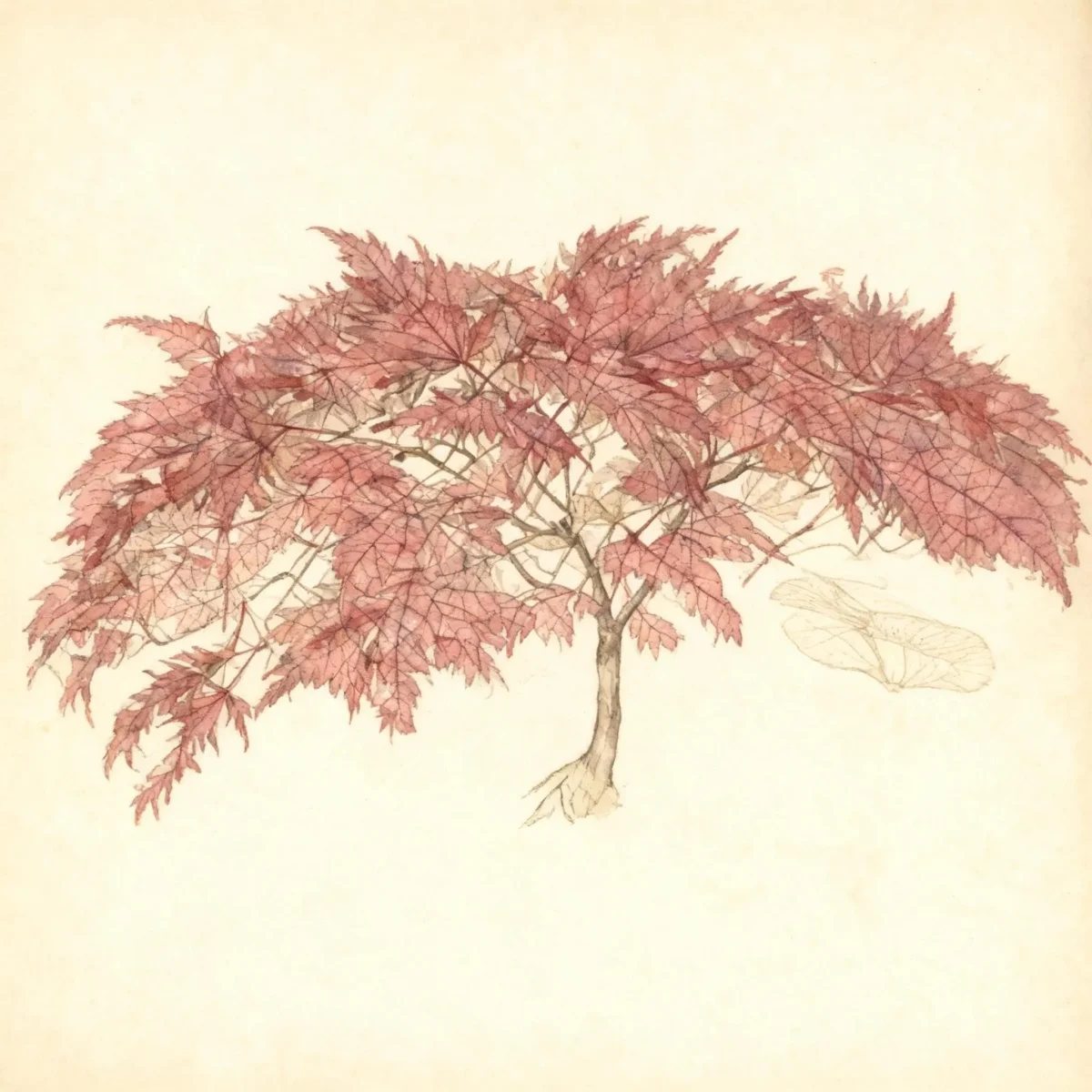
Japanese maple (Acer palmatum 'Shishio Improved')
Acer palmatum 'Shishio Improved' Japanese maple offers striking crimson spring foliage, maturing to green. Low maintenance shrub suitable for zones 5-9.
Scroll down to discover growing tips, care requirements, companion plants, and more
Complete Plant Information
Overview
Acer palmatum ‘Shishio Improved’, a stunning cultivar of the Japanese maple, provides exceptional year-round interest starting with dazzling, bright crimson red spring foliage. This multi-branched shrub reliably matures into an upright, rounded form that fits beautifully into smaller garden spaces where a large shade tree might overwhelm. Its value lies in its compact stature and dramatic seasonal color shift, making the Acer palmatum ‘Shishio Improved’ a prized specimen plant.
Gardeners prize this Japanese maple for its relatively low maintenance needs once established, requiring only attention to consistent moisture and appropriate siting. The leaves emerge a showy crimson, transition to a dependable green during the heat of summer, and finish the season with interesting red and orange fall hues. Proper placement is key to ensuring the best performance from your Acer palmatum ‘Shishio Improved’.
This cultivar maintains a manageable profile, typically reaching only 6 to 9 feet tall and wide, unlike some of its larger relatives. It offers a textural and chromatic focal point suitable for specimen planting, foundation accents, or integrated into woodland borders where dappled light is abundant.
Fast Facts
- Plant Family: Sapindaceae
- Plant Type: Deciduous shrub
- Hardiness Zones: USDA Zones 5-9
- Size at Maturity:
- Height: 6-9 ft
- Spread: 6-9 ft
- Bloom Time: April
- Bloom Description: Red
- Sun Exposure: Full sun to part shade
- Water Needs: Medium
- Maintenance Level: Low
How to Grow
Planting the Acer palmatum ‘Shishio Improved’ is best achieved in the spring or fall, allowing the roots time to establish before extreme temperatures hit. Select a location providing organically rich, slightly acidic, well-drained soil, noting that sandy loams are particularly well tolerated. While it can handle full sun in cooler northern zones, gardeners in southern ranges must provide protection from harsh afternoon sun to prevent leaf scorch, especially during hot summers.
Maintain medium water needs by ensuring the soil remains consistently moist; do not allow it to dry out completely. Apply a layer of mulch annually to help retain vital soil moisture and keep the shallow root system cool during heat waves. Fertilization should occur solely in the spring just before the leaves unfurl.
Protect this Japanese maple from strong, desiccating winds by siting it in a somewhat sheltered spot—avoid hot, dry exposures at all costs. Pruning should be kept to an absolute minimum. If structural cuts are necessary, perform them in late fall or mid-winter, as pruning during the growing season (spring or summer) often leads to significant sap bleeding.
Landscape Uses
The primary role of this Japanese maple cultivar, Acer palmatum ‘Shishio Improved’, is aesthetic impact, whether used as an accent, specimen, or focal point in a mixed border. Its manageable 6 to 9-foot size also makes it highly useful for defining the periphery of a yard or acting as a transition element between lawn areas and wooded gardens.
Because they appreciate protection from the fiercest sun, these maples function wonderfully as sun-dappled understory trees or integrated into woodland garden margins where light filters gently through taller canopy trees. Furthermore, this small cultivar is an excellent candidate for growing successfully in containers, allowing flexible placement on patios or decks where its spring color can be closely admired.
Standout Features
Flower Qualities
- Insignificant
Noteworthy Characteristics
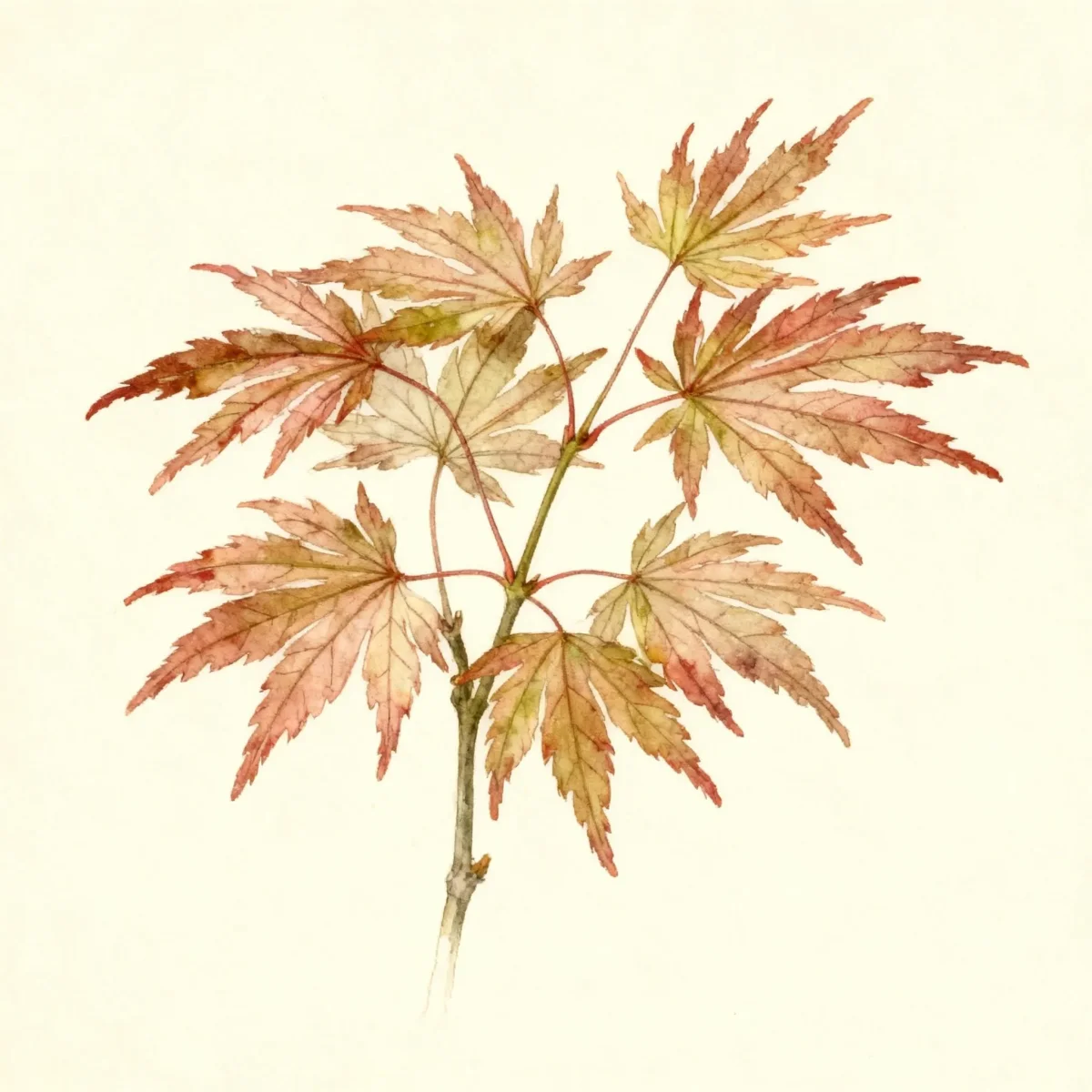
Genus name is the Latin name for a maple tree. Specific epithet is in reference to the palmate nature of the leaves. Each leaf has several lobes (typically 5-7) that all originate from one point looking like an open hand with outstretched fingers. ‘Shishio Improved’ produces excellent red spring foliage color. This Japanese maple is a multi-branched shrub that typically matures over time in an upright, rounded form to 6-9’ (less frequently to 13’) tall. Small palmate leaves (to 2” long) are divided into 5 (less frequently 7), ovate, pointed lobes with toothed margins. Leaves emerge in spring in a bright and showy crimson red and change to a quality green by summer.
Tolerances
- Rabbit
- Black Walnut
Potential Problems
This Acer palmatum cultivar faces several potential issues, primarily related to fungal diseases and environmental stress. Potential disease problems include stem canker, leaf spots, fusarium, verticillium wilt, botrytis, anthracnose, and root rots. Watch out for common insect pests such as aphids, scale, borers, bagworms, and troublesome root weevils.
Environmental care is crucial for preventing foliage damage. Because the leaves tend to emerge early in spring, they are highly susceptible to injury or burning from late spring frosts. Additionally, if planted in high pH soils, the plant may develop chlorosis, resulting in yellowing foliage due to nutrient uptake issues. Always ensure you site the Japanese maple away from hot, dry conditions and implement cultural care like mulching to mitigate stress.
Frequently Asked Questions
What hardiness zones is Japanese maple suitable for?
Acer palmatum ‘Shishio Improved’ is suitable for USDA Hardiness Zones 5 through 9.
How large does Acer palmatum ‘Shishio Improved’ grow?
This specific Japanese maple generally reaches a mature height between 6 and 9 feet, with a comparable spread of 6 to 9 feet.
What sun exposure does Japanese maple need?
This plant performs best when given full sun to part shade; protection from intense afternoon sun is recommended in hotter climates.
When does Japanese maple bloom?
The Acer palmatum ‘Shishio Improved’ produces its small, reddish flowers in April.
Conclusion
The Acer palmatum ‘Shishio Improved’ remains a standout choice for gardeners seeking low-maintenance structure paired with dramatic seasonal color shifts, particularly its brilliant spring red. Successful cultivation of this Japanese maple depends on providing moist, acidic soil and protection from harsh summer sun and wind. Before planting, verify that your growing location falls within USDA Zones 5–9 to ensure the long-term health of your new specimen.
Companion Planting
When planning a border around your Acer palmatum ‘Shishio Improved’, select companions that thrive under similar partial shade and rich, moist soil conditions. Good partners include shade-loving perennials like Hostas, particularly those with blue or variegated foliage to contrast the maple’s red young leaves. Ferns, such as Japanese Painted Ferns or Ostrich Ferns, echo the woodland feel that Japanese maples naturally evoke.
For seasonal color that complements the light green summer phase or the orange fall phase of this Japanese maple, consider using Astilbe or early-blooming Hellebores. Avoid planting aggressive surface-rooted plants too close to the maple, as they compete heavily for the shallow moisture and nutrients that Acer palmatum needs to maintain its health.
Seasonal Care Calendar
Spring preparation is vital for this Japanese maple; fertilize lightly just before bud-break and ensure mulch layers are refreshed to conserve moisture for the growing season ahead. Monitor new foliage closely after leaf-out for signs of frost damage, which may require temporary light shading in areas prone to late freezes.
Summer care focuses almost entirely on consistent watering, especially during dry spells, as the maple dislikes hot and dry sites. Check mulch depth weekly to ensure roots remain cool and moist. In the late fall or winter, this is the only appropriate time to perform any necessary pruning to maintain shape and avoid sap bleeding.