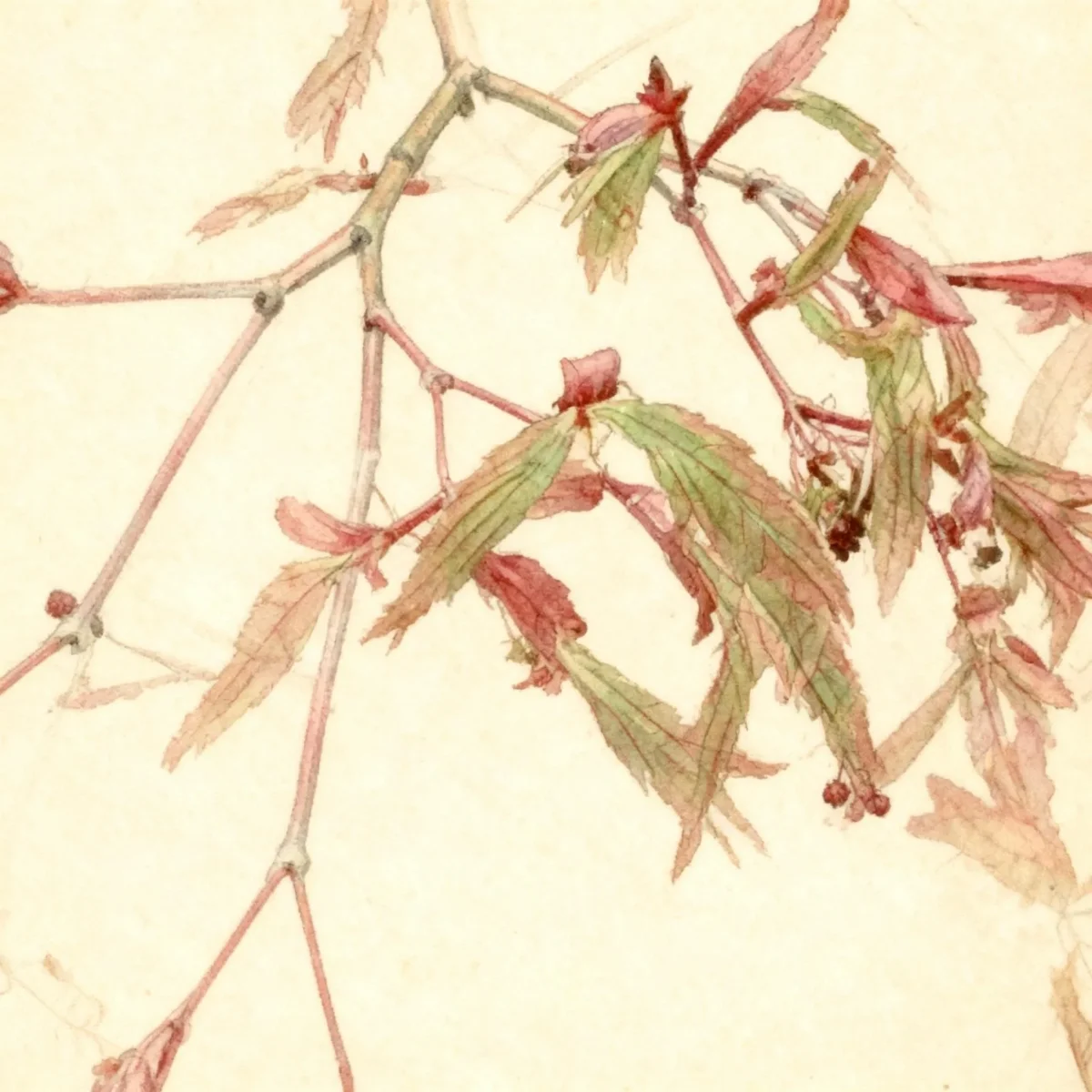
Japanese maple (Acer palmatum 'Suminagashi')
Acer palmatum 'Suminagashi' is a striking Japanese maple known for its deeply cut, wine-red foliage and low-maintenance needs.
Scroll down to discover growing tips, care requirements, companion plants, and more
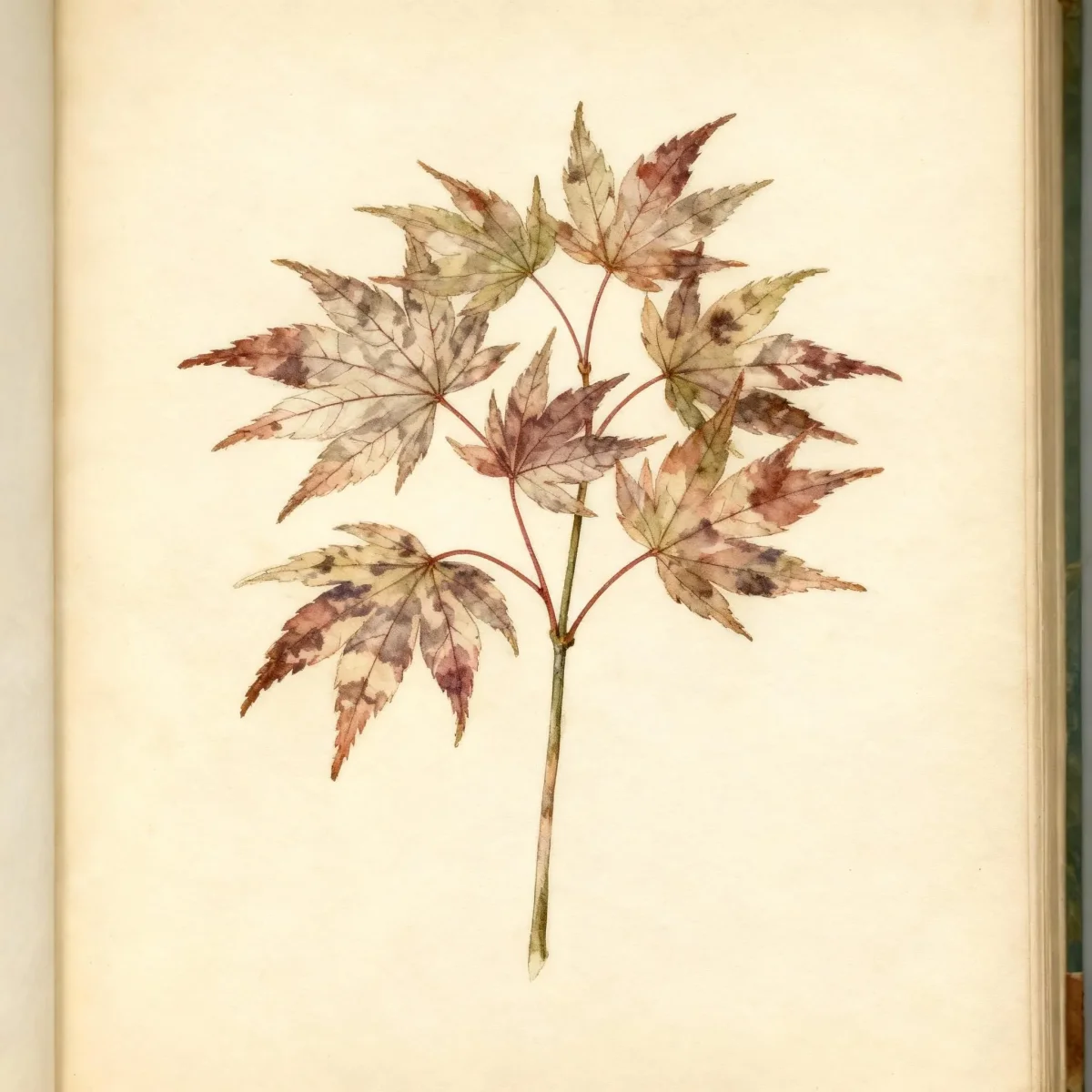
Complete Plant Information
Overview
Acer palmatum ‘Suminagashi’, a revered cultivar of the Japanese maple, offers exceptional deep coloration perfect for focal points in the garden. Its value lies primarily in its vibrant, deeply lobed foliage which emerges deep purple-red in spring, darkens to maroon by summer, and electrifies the autumn landscape with bright red tones. This cultivar typically forms a broad, vase-shaped structure that matures slowly into an elegant small tree measuring 15 to 20 feet tall. Gardeners appreciate this Japanese maple cultivar for its relatively fast growth rate compared to some other dissectum types and its low maintenance requirements once established.
The ‘Suminagashi’ offers year-round visual interest, transitioning smoothly through seasonal color shifts. Though the small, reddish spring flowers are not overly showy, they precede the dramatic leaf display. Providing adequate afternoon shade in hotter climates ensures the best foliage performance for this beautiful Acer palmatum ‘Suminagashi’.
Due to its refined form and outstanding color profile, this Japanese maple serves wonderfully as an architectural accent or specimen tree, enhancing any sophisticated garden design.
Fast Facts
- Plant Family: Sapindaceae
- Plant Type: Tree
- Hardiness Zones: USDA Zones 5-9
- Size at Maturity:
- Height: 15-20 ft
- Spread: 10-15 ft
- Bloom Time: April
- Bloom Description: Red
- Sun Exposure: Full sun to part shade
- Water Needs: Medium
- Maintenance Level: Low
How to Grow
The planting location is crucial for optimal health of Acer palmatum ‘Suminagashi’. Plant in spring or fall once the danger of severe frost has passed, selecting a position that offers moist, organically rich, and slightly acidic, well-drained soil. This Japanese maple thrives best when protected from strong winds, which can physically damage the delicate leaves and branches.
Maintain consistent moisture through regular watering, especially during hot, dry summers, as keeping soils consistently moist prevents leaf scorch. Fertilize sparingly in the early spring before the leaves emerge to support early growth. Mulching around the base is highly recommended to help retain soil moisture and preserve cool root temperatures.
Pruning should be kept to an absolute minimum; if needed, always prune in late fall to mid-winter. Avoid any cutting during spring or summer, as this can cause significant sap bleeding from the cuts. In the hotter, southern limits of its range, ensure the Acer palmatum ‘Suminagashi’ receives afternoon shade to protect the emerging foliage from scorching.
Landscape Uses
Japanese maples thrive when featured as striking specimen or accent plants where their form and color are clearly visible. The ‘Suminagashi’ cultivar works beautifully near the home foundation or at the periphery of planting borders, acting as a colorful centerpiece. Given its height and broad structure, it is also an excellent choice for providing dappled shade, functioning well as a sun-dappled understory element beneath larger canopy trees.
Consider grouping several Japanese maples together for woodland garden margins to layer textures, or plant one strategically to screen less attractive features. Their refined appearance also makes them highly valued for bonsai training, although most gardeners grow Acer palmatum ‘Suminagashi’ for its stately landscape presence.
Standout Features
Flower Qualities
- Insignificant
Noteworthy Characteristics
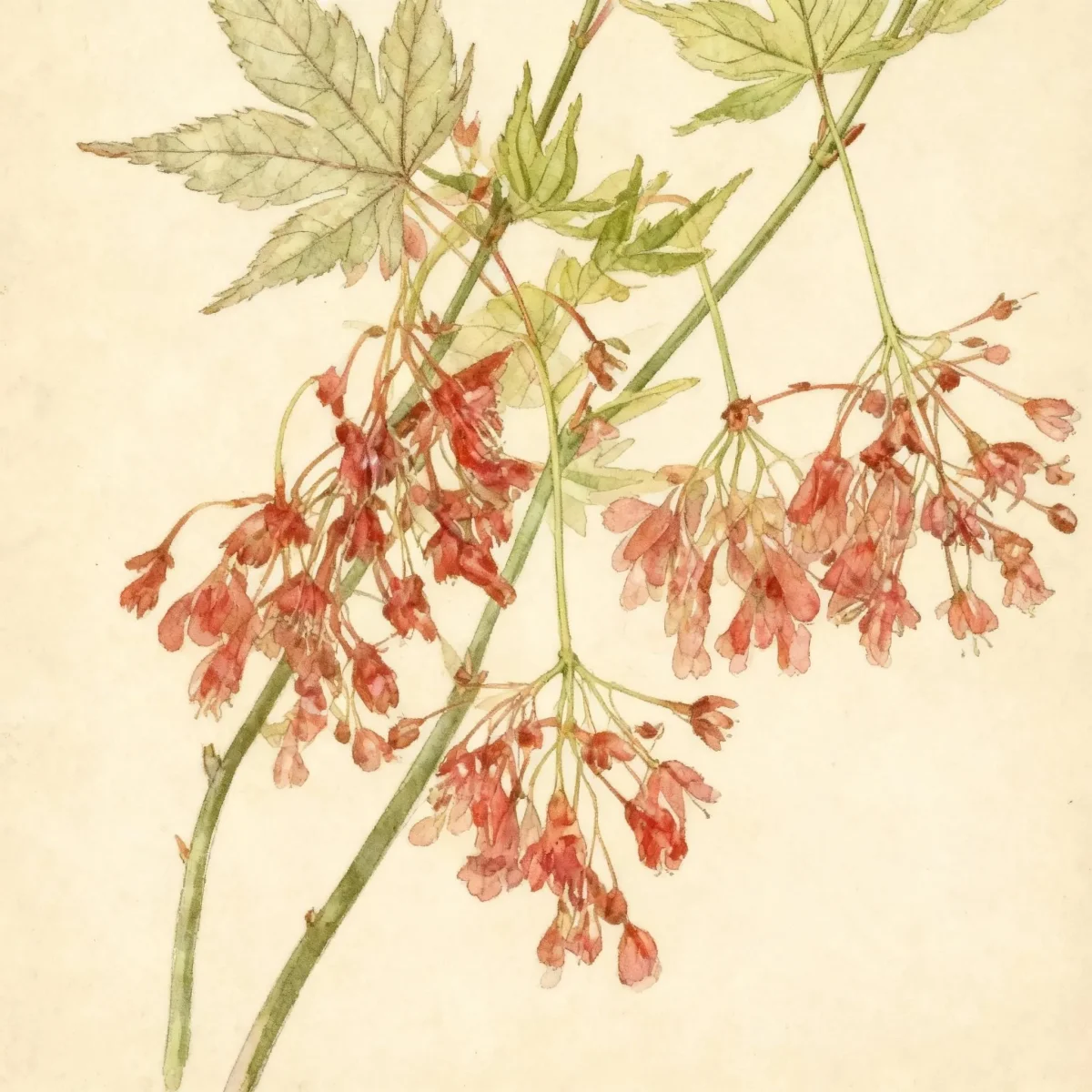
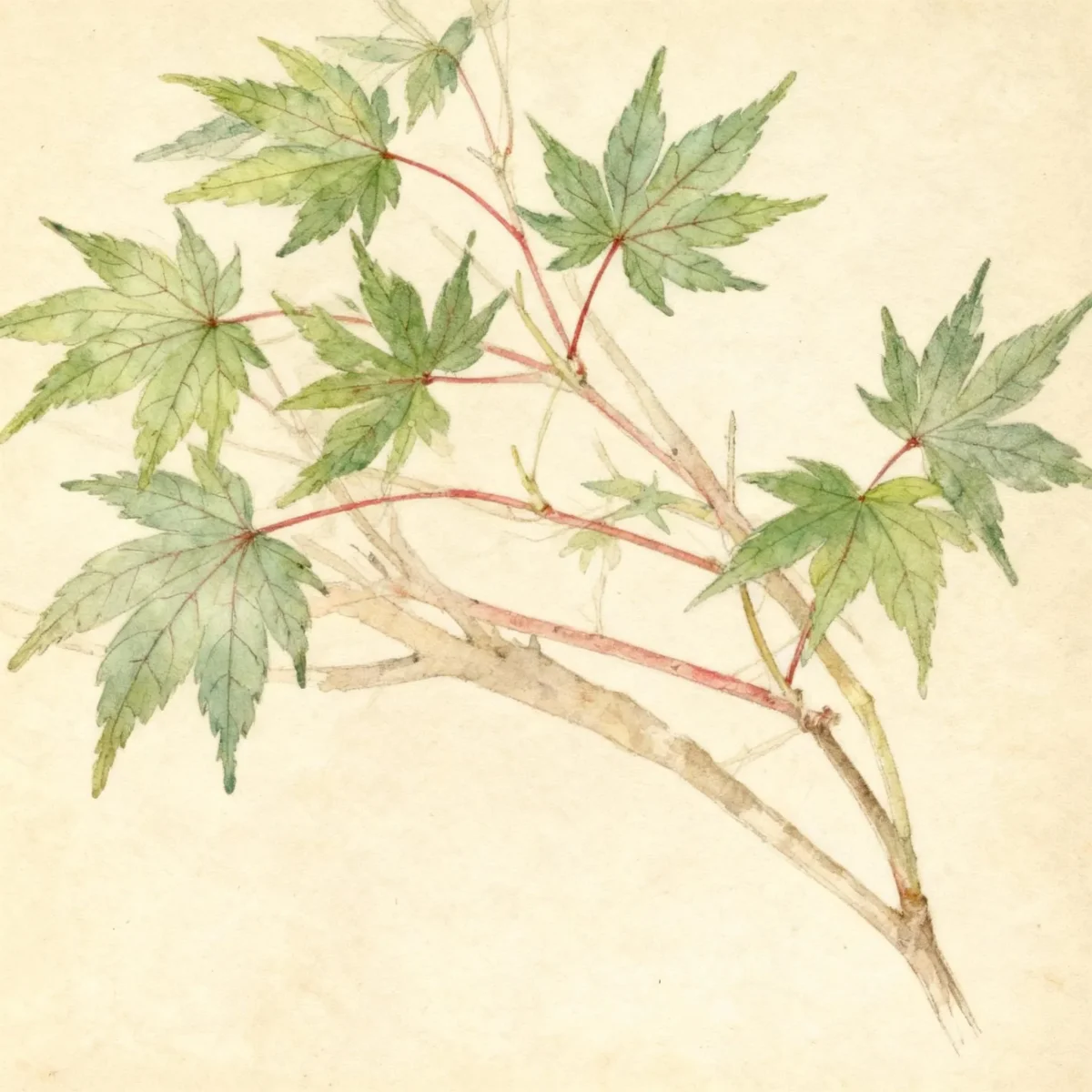
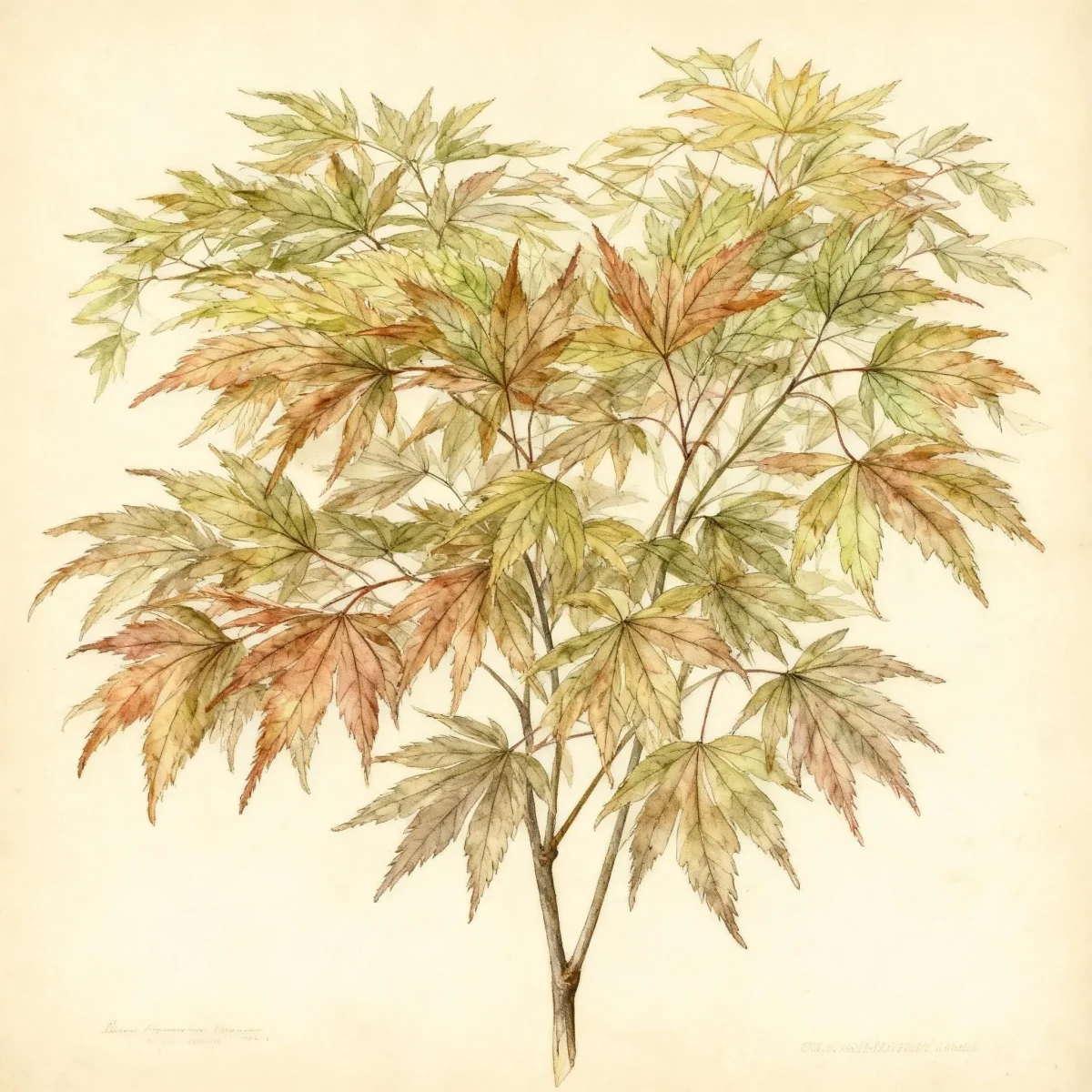
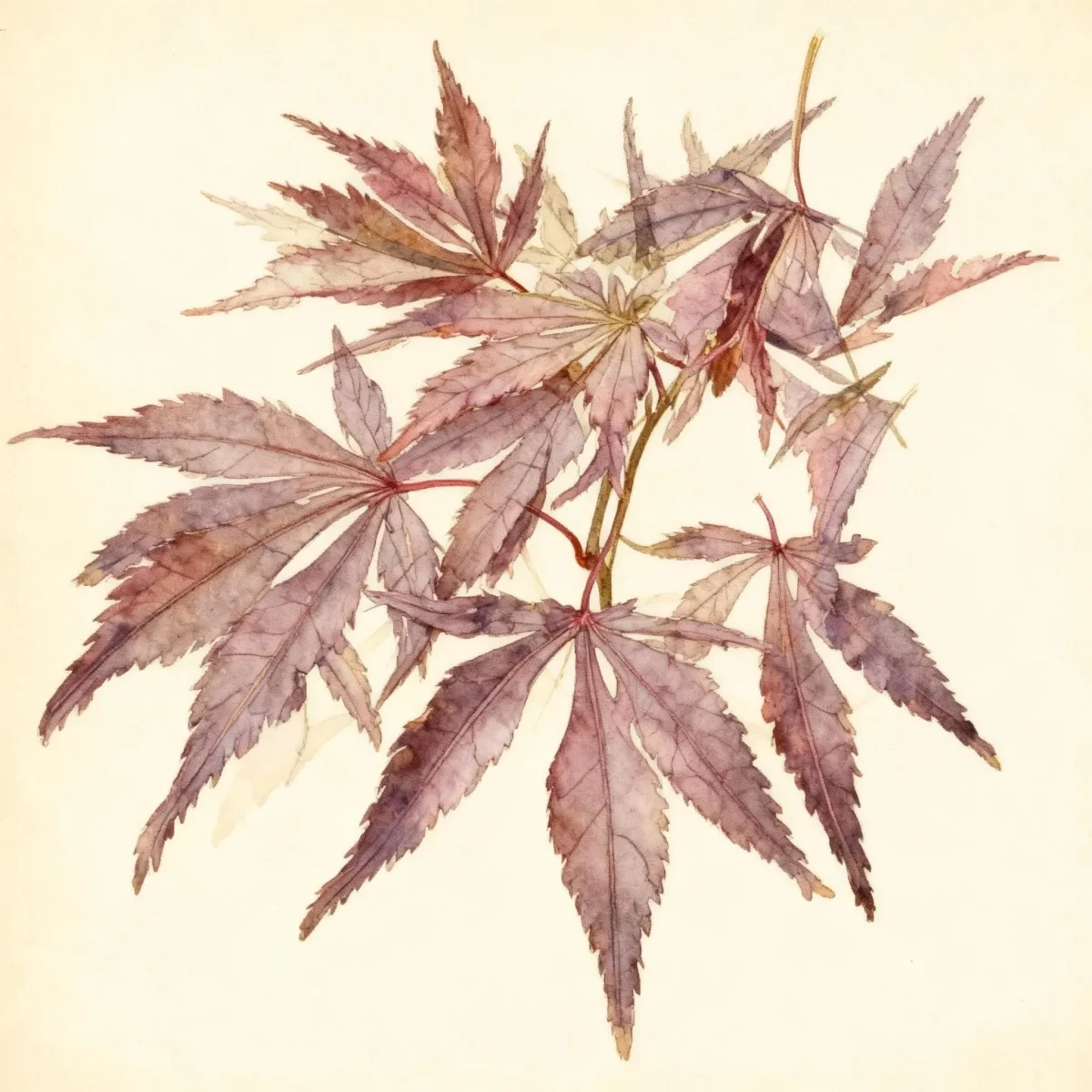
Acer palmatum, commonly called Japanese maple, is a deciduous shrub or small tree that typically grows to 10-25’ (infrequently to 40’) tall. It is native to Japan, Korea and China. General plant form is rounded to broad-rounded, often with low branching. Each palmate green leaf (2-5” long) has 5 or 7 but less frequently 9 pointed toothed lobes. Small reddish-purple flowers in umbels bloom in mid spring (April). The flowers are rather attractive close up, but are not particularly showy from a distance. Flowers are followed by samaras (to 3/4” long) in pairs. Samaras ripen in September-October. Fall color includes shades of yellow, red-purple and bronze. Cultivars (often grafted) are quite variable.Genus name is the Latin name for a maple tree.Specific epithet is in reference to the palmate nature of the leaves. Each leaf has several lobes (typically 5-7) that all originate from one point looking like an open hand with outstretched fingers.‘Suminagashi’ is a broad upright cultivar. Trees are vase-shaped when young, but gradually broaden with age. This is a fast-growing cultivar that typically grows to 8-10’ tall over the first ten years, eventually maturing to 15-20’ tall and 10-15’ wide. Branches may weep at the ends. Palmate leaves (to 4” long) are deeply cut into seven (less frequently 9) elongate-ovate lobes each having toothed margins and pointed tips. Foliage emerges purple red in spring, matures to deep maroon in summer and finally turns bright red in fall. Small reddish flowers in spring are somewhat attractive on close inspection, but are not showy from a distance.
Tolerances
- Rabbit
- Black Walnut
Potential Problems
Potential issues for this Japanese maple generally involve environmental stress or common fungal diseases. Watch for potential disease problems including stem canker, leaf spots, fusarium, verticillium wilt, botrytis, anthracnose, and root rots, which thrive in overly wet or poorly draining soil. Common insect pests include aphids, scale, borers, bagworms, and root weevils, with mites sometimes becoming troublesome during dry spells. Foliage is prone to damage from late spring frosts since the cultivar tends to leaf out early; furthermore, chlorosis (yellowing) can manifest if planted in high pH soils. Ensure proper drainage and monitor for pests to keep your Acer palmatum ‘Suminagashi’ healthy.
Frequently Asked Questions
What hardiness zones is Japanese maple suitable for?
Acer palmatum ‘Suminagashi’ is reliably hardy in USDA Zones 5 through 9.
How large does Japanese maple grow?
This cultivar typically matures to a height between 15 and 20 feet, with a spread ranging from 10 to 15 feet wide.
What sun exposure does Japanese maple need?
This tree performs best with full sun to part shade exposure; afternoon shade is vital in hotter zones to prevent leaf scorch.
When does Japanese maple bloom?
The flowers appear in April and are described as reddish.
Conclusion
The Acer palmatum ‘Suminagashi’ remains a favorite among landscape designers for its stunning, deep-toned foliage that changes color dramatically through the seasons. This low-maintenance Japanese maple offers significant aesthetic impact, making it a worthy investment for a prominent garden spot. Before planting, confirm your garden’s hardiness zone compatibility and ensure you can provide the consistent moisture and dappled shade this cultivar appreciates.
Companion Planting
When selecting companions for Acer palmatum ‘Suminagashi’, focus on plants that share similar cultural needs, particularly moist, slightly acidic soil and protection from intense, direct afternoon sun. Low-growing, shade-tolerant perennials make excellent ground covers beneath the canopy of your Japanese maple, suppressing weeds and keeping surface roots cool. Consider Hostas, Astilbes, or groundcover Ferns, all of which thrive in dappled light and appreciate the root zone protection this tree provides.
For textural contrast, use plants with fine, bright green, or variegated foliage beside the dark, deeply cut leaves of the ‘Suminagashi’. This contrast helps the maple’s color truly pop. Avoid planting overly aggressive, shallow-rooted species nearby that might compete heavily for surface moisture and nutrients required by the maple.
Seasonal Care Calendar
Spring preparation is key to a successful year for your Acer palmatum ‘Suminagashi’. In early spring, apply a layer of mulch and begin fertilizing just before the buds break to encourage strong, healthy leaf emergence. Monitor closely for late frosts, as early emerging leaves are highly susceptible to burning once they appear.
Summer care focuses entirely on hydration; ensure deep, regular watering, especially since this Japanese maple prefers consistently moist conditions. Avoid hot, exposed sites as much as possible. In late fall through mid-winter, check the tree for any stray branches that require minimal pruning; always defer pruning until the dormant season to prevent bleeding.