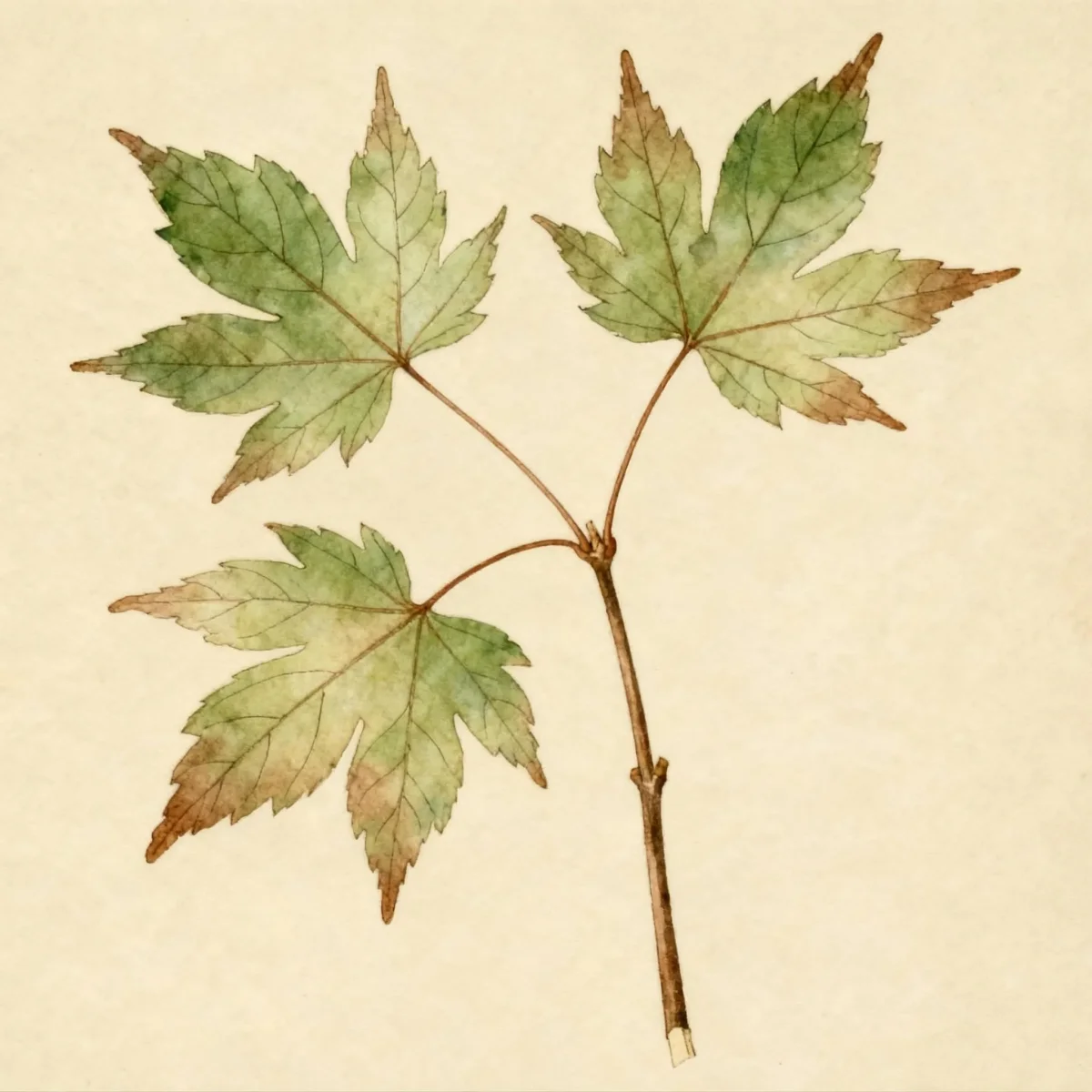
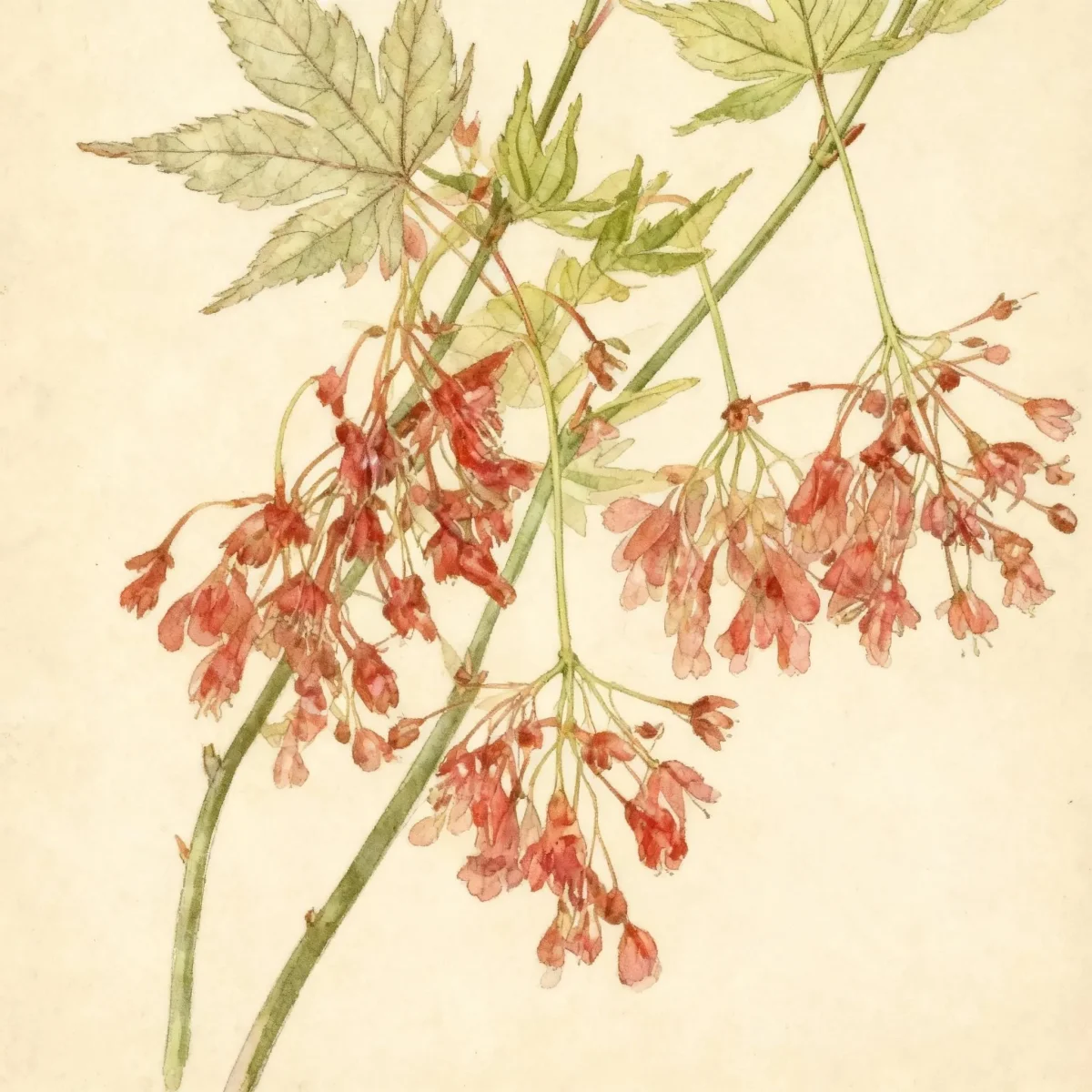
Full moon maple (Acer japonicum 'Aconitifolium')
The Full moon maple, Acer japonicum 'Aconitifolium', is a superb dwarf cultivar prized for deeply cut, fern-like foliage and stunning crimson fall color, thriving in Zones 5-7.
Scroll down to discover growing tips, care requirements, companion plants, and more
Complete Plant Information
Overview
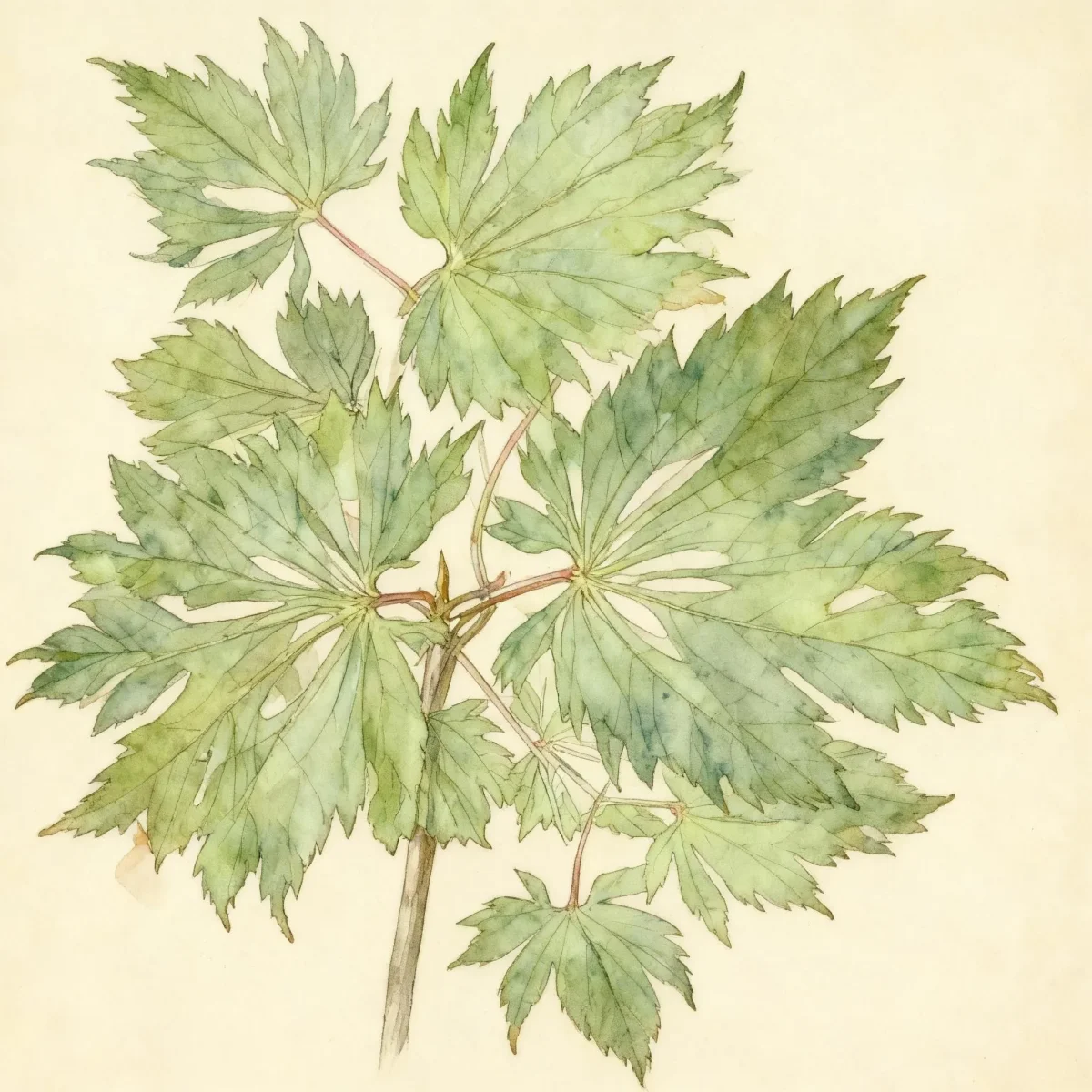
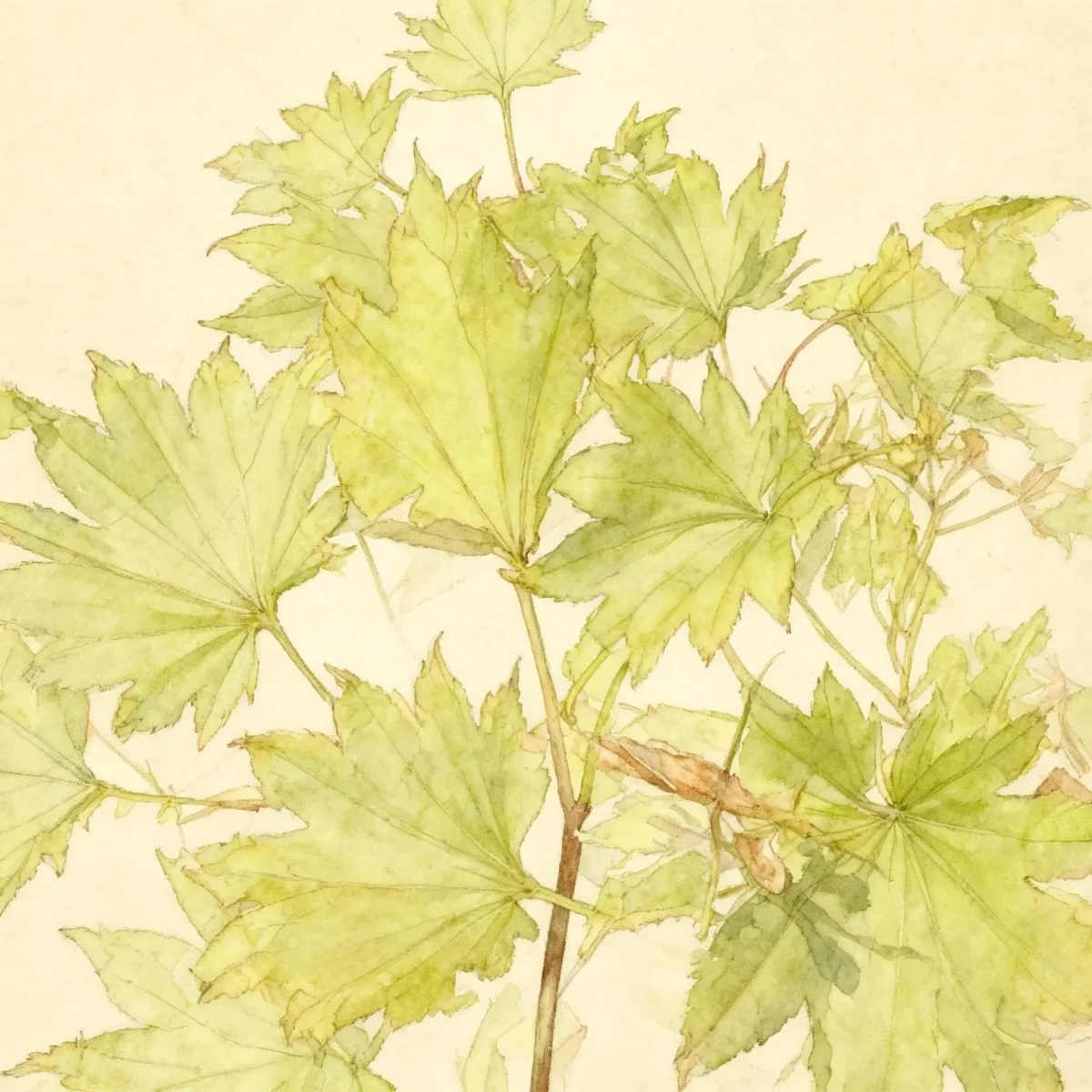
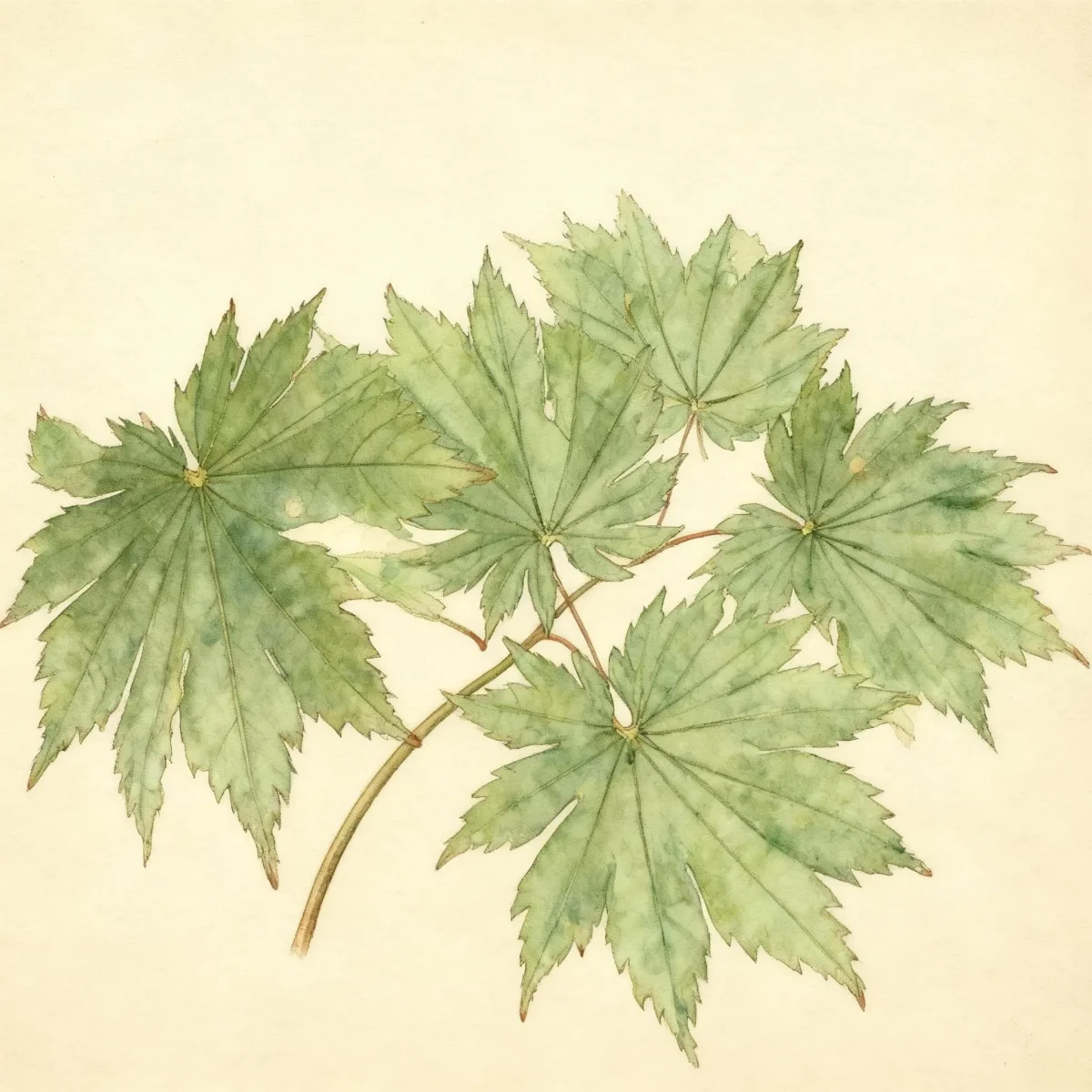
The Full moon maple, or Acer japonicum ‘Aconitifolium’, stands out in the landscape due to its deeply divided, almost fern-like leaves, which give it a delicate texture unlike many other maples. This deciduous, slow-growing cultivar typically retains a manageable size, making it an excellent choice for smaller gardens or feature locations where its intricate foliage can be fully appreciated. Its common name, Full moon maple, derives from the rounded shape of its leaves.
Native to the mountainous regions of Japan, this cultivar offers spectacular seasonal interest, transitioning from medium green in summer to brilliant crimson shades in autumn. While the species is robust, the Dwarf cultivar Acer japonicum ‘Aconitifolium’ provides all the beauty in a more compact, manageable package suitable for cultivation away from its native eastern Asian landscape.
Gardeners value this small tree for its year-round appeal, especially its elegant structure and the dramatic shift in leaf color during the fall season. With low maintenance requirements when site conditions are met, the Full moon maple establishes itself as a reliable, high-impact specimen plant.
Fast Facts
- Plant Family: Sapindaceae
- Plant Type: Tree
- Hardiness Zones: USDA Zones 5-7
- Size at Maturity:
- Height: 8-10 ft
- Spread: 8-10 ft
- Bloom Time: April
- Bloom Description: Purplish red
- Sun Exposure: Full sun to part shade
- Water Needs: Medium
- Maintenance Level: Low
How to Grow
Planting your Acer japonicum ‘Aconitifolium’ should ideally occur in spring or fall when the weather is mild. It thrives in average, medium moisture, well-drained soil. While it can tolerate full sun, gardeners should note that in hot southern summers, leaves are prone to scorching; therefore, it prefers lightly dappled shade, especially during the hottest part of the afternoon. Ensure the planting location is sheltered from strong winds, which can damage the developing branches and leaf tissue.
During the growing season, maintain consistently medium moisture levels in the soil; deep, infrequent watering is usually more beneficial than frequent shallow watering, provided drainage remains excellent. Because this cultivar prefers cool summer conditions, avoid planting it in areas that retain excessive heat. Stake young trees lightly if necessary to encourage a more upright and strong central structure as it grows slowly.
This plant generally requires low maintenance. Pruning should be minimal, focusing only on removing dead, damaged, or crossing branches during the dormant season. Be mindful that the foliage tends to emerge early in spring, making the developing leaves vulnerable to late frosts, which may require preventative measures or aesthetic acceptance of minor early blemishes.
Landscape Uses
The Full moon maple is best utilized as a focal point where its textured leaves and intense fall color can create dramatic contrast. Grown primarily as a specimen, plant the Acer japonicum ‘Aconitifolium’ near patios or entryways to capture its detailed beauty up close. It also functions wonderfully as a vigorous understory tree beneath taller, more open canopy trees, recreating the shaded woodland environment where it naturally occurs.
When integrating this maple into design schemes, pair it with plants that offer contrasting foliage textures, such as broadleaf evergreens or grasses with linear blades. Its eventual 8-10 foot spread makes it suitable for small groups or as a specimen in foundation plantings when given adequate space. Successful placement enhances patios, home perimeters, or water features, emphasizing its status as a specimen tree featuring attractive foliage.
Standout Features
Flower Qualities
- Insignificant
Noteworthy Characteristics
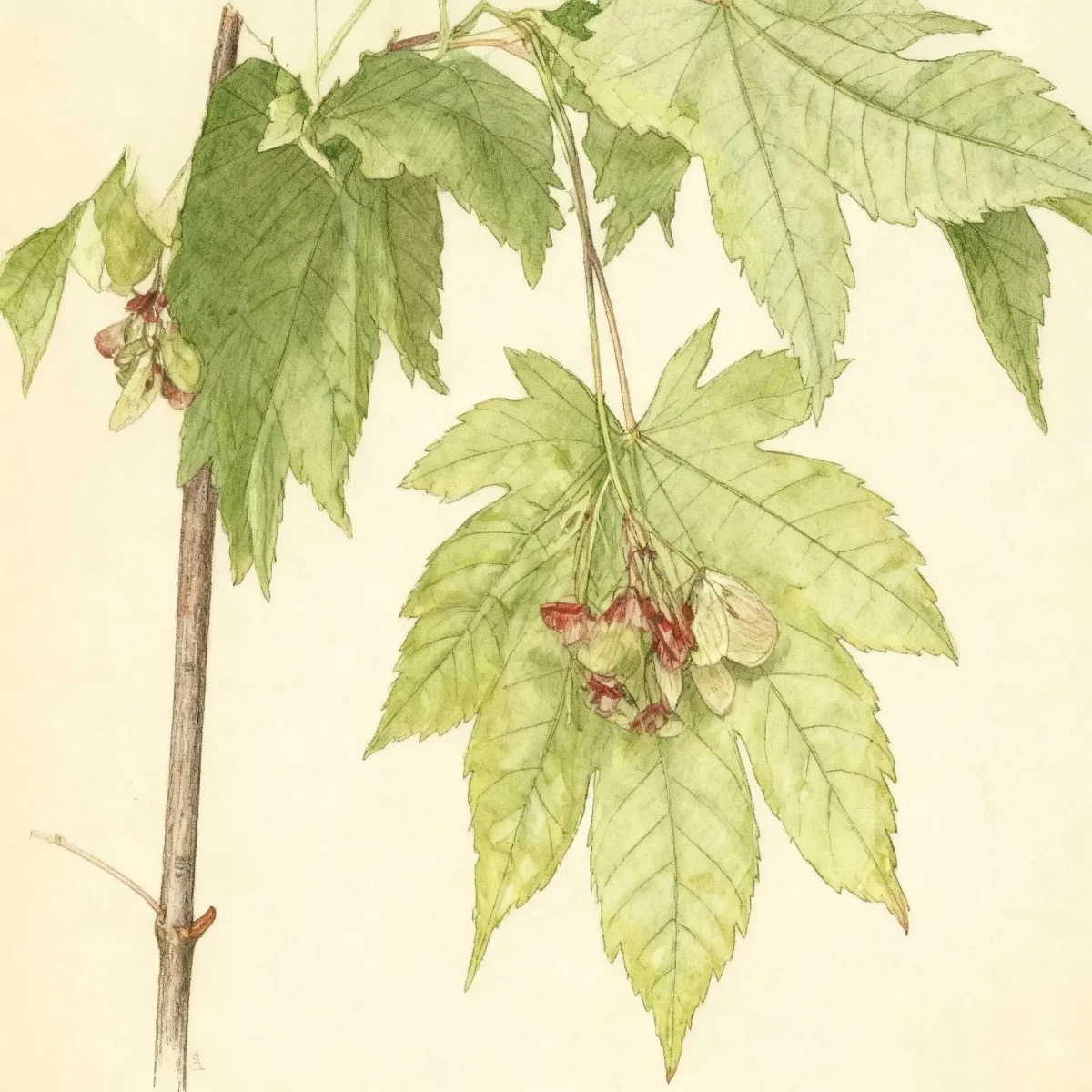
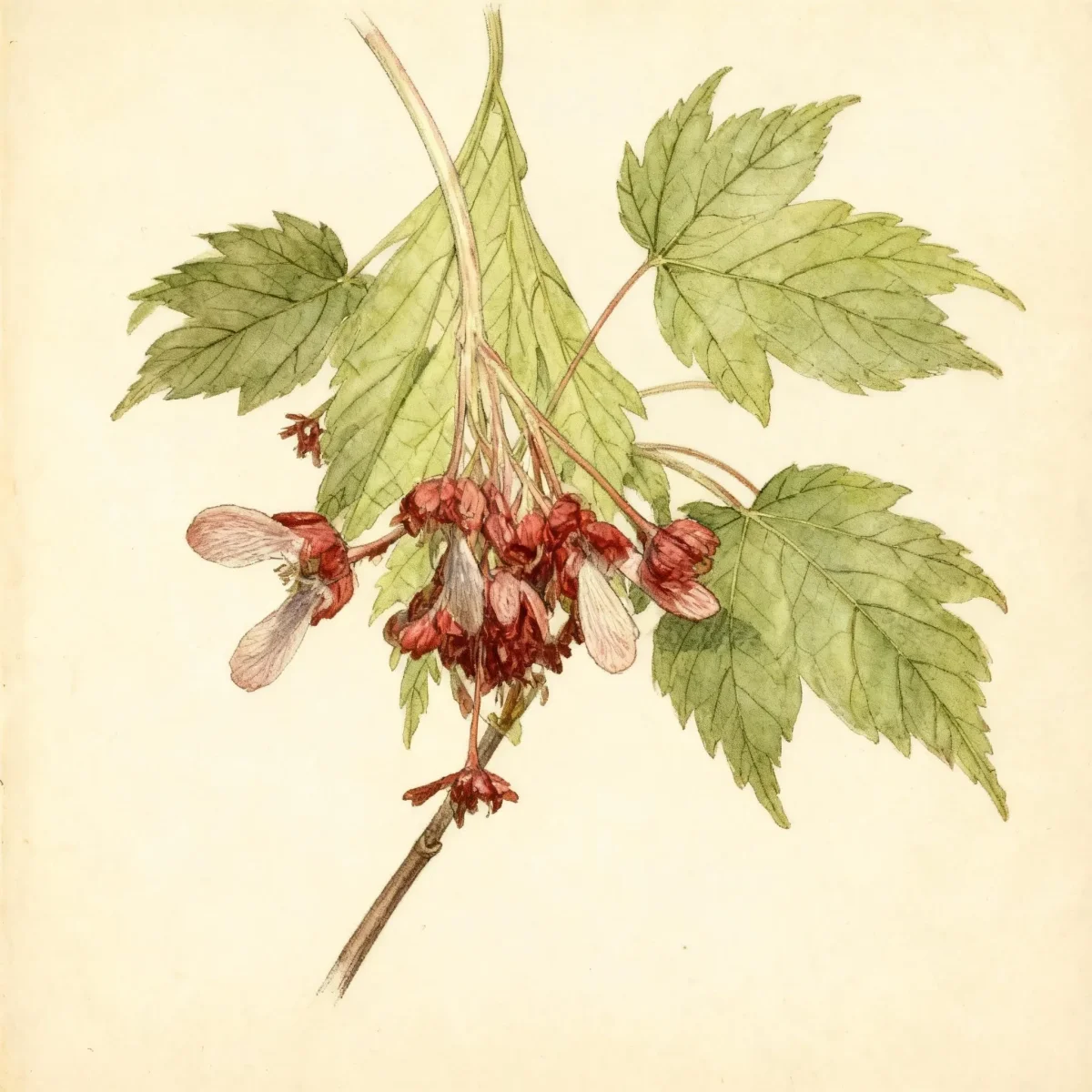
The common name, Full moon maple, refers to the rounded shape of the leaves of Acer japonicum. This specific cultivar, ‘Aconitifolium’, is recognized for its intensely divided, palmate leaves, often compared to monkshood (Aconitum), which turn a striking crimson color in the fall. This small, deciduous tree typically grows slowly to 8-10 feet tall and spreads to a similar width, often forming a mounding, multi-stemmed shape. Flowers appear in spring before the leaves unfurl, followed by winged samaras.
Tolerances
- Foliage is subject to damage from late frosts due to early leaf-out.
Potential Problems
The primary concern for Acer japonicum ‘Aconitifolium’ relates to site suitability, particularly heat and sun exposure, which can cause leaf scorch, especially in southern locations. Furthermore, its tendency to leaf out early makes it susceptible to damage from unexpected late spring frosts.
The species can be afflicted by several diseases, including Verticillium wilt, various leaf spots, root rots, anthracnose, collar rot, and stem canker. Regularly inspect your Full moon maple for fungal issues and ensure excellent drainage to mitigate rot risks. Potential insect pests include common threats like aphids, scale insects, borers, and caterpillars, alongside bothersome spider mites. Good cultural practices, such as proper siting and watering, are the best defense against most problems.
Frequently Asked Questions
What hardiness zones is Full moon maple suitable for?
The Acer japonicum ‘Aconitifolium’ performs best when planted within USDA Hardiness Zones 5 through 7.
How large does Full moon maple grow?
This dwarf cultivar typically reaches a mature height and spread between 8 and 10 feet, making it an excellent small specimen tree.
What sun exposure does Full moon maple need?
Full moon maple requires protection from intense, hot afternoon sun and is best sited in full sun to part shade conditions, benefiting greatly from lightly dappled shade.
When does Full moon maple bloom?
The purplish red flowers of the Acer japonicum ‘Aconitifolium’ emerge in early spring, around April, often before the distinctive foliage has fully developed.
Conclusion
The Acer japonicum ‘Aconitifolium’ is a highly valued, low-maintenance specimen tree, celebrated for its delicate, deeply-cut foliage and unparalleled crimson autumn display. By providing well-drained soil and protection from extreme heat and wind, you can ensure your Full moon maple thrives. Before planting, confirm that your garden falls within USDA Zones 5-7 and plan for a site that offers desirable afternoon shade protection.
Companion Planting
Selecting appropriate neighbors enhances the aesthetic and cultural success of your Full moon maple. Due to its preference for dappled shade and consistent moisture, pair it with shade-tolerant perennials that offer different textures, such as Japanese forest grass (Hakonechloa macra) or delicate ferns. Utilizing groundcovers underneath the canopy can help stabilize soil moisture, reducing stress on the shallow root system of the maple.
Consider companion plants that bloom later in the season, providing color when the maple’s flowers are past, such as Astilbe or Hosta varieties with strong variegation. Placing the Acer japonicum ‘Aconitifolium’ near muted greens or silver foliage plants will further accentuate the fine texture and eventual fiery fall color of its leaves.
Seasonal Care Calendar
Spring is a critical time for observing the new growth of your Full moon maple; watch for early frost warnings and cover the vulnerable new leaves if necessary. As summer progresses, focus heavily on consistent, deep watering, especially during dry spells, as plants prefer cool summer conditions and resent drought.
In the fall, enjoy the spectacular transition as the leaves shift to deep crimson, but avoid heavy fertilizing now, allowing the tree to prepare for dormancy. Winter care centers on site protection; ensure the tree is protected from brutal winter winds and heavy snow loads that could damage branches, especially if staking was not performed when young.