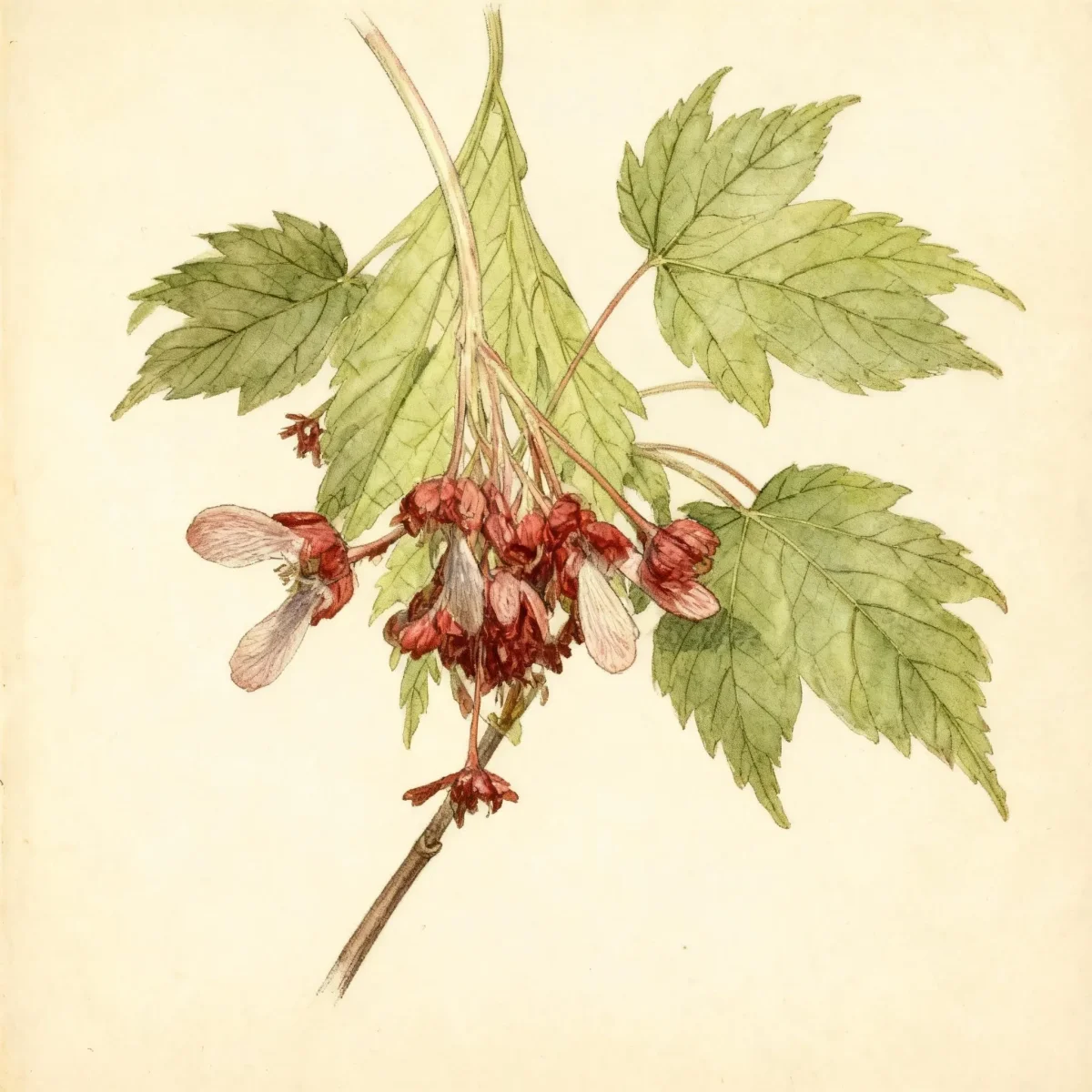
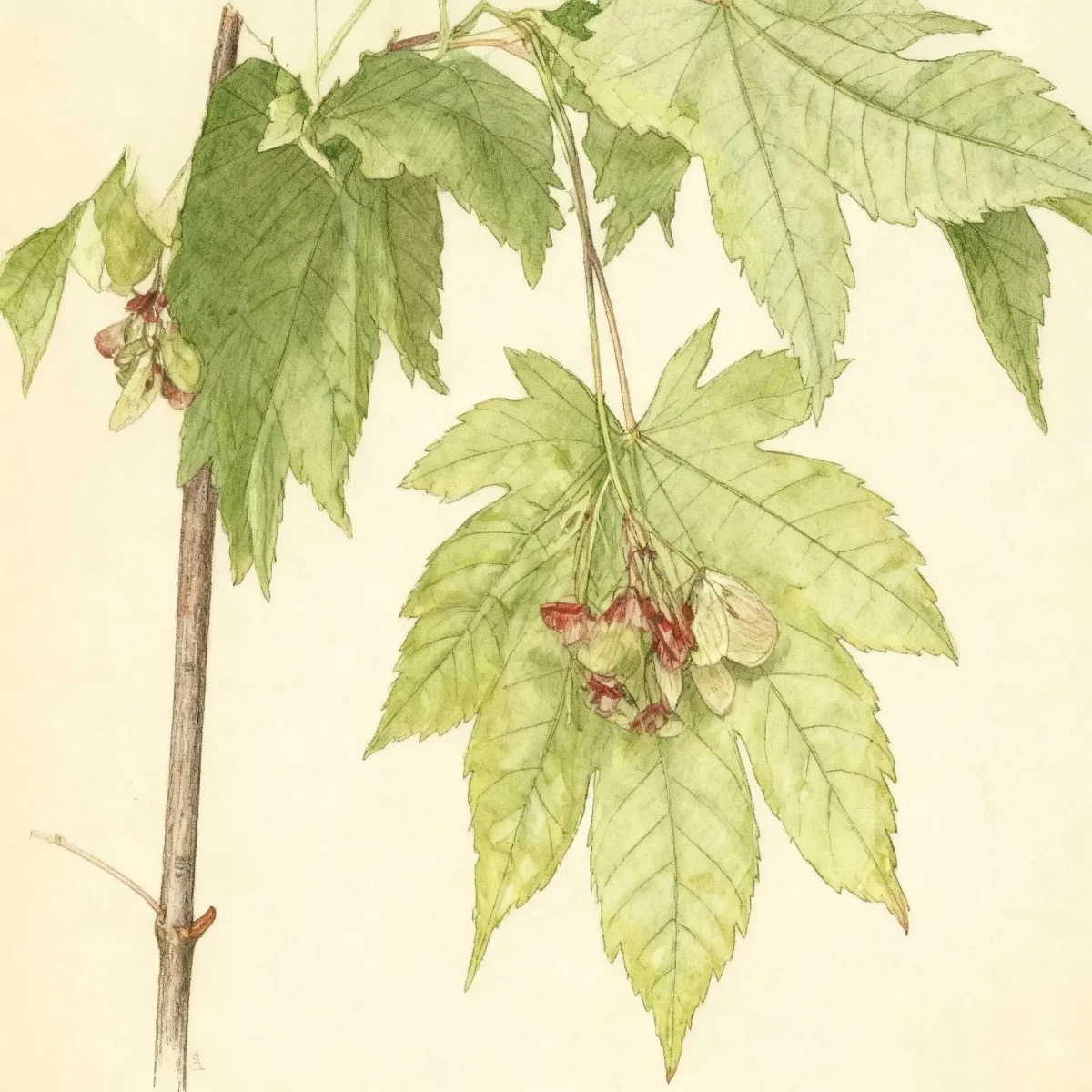
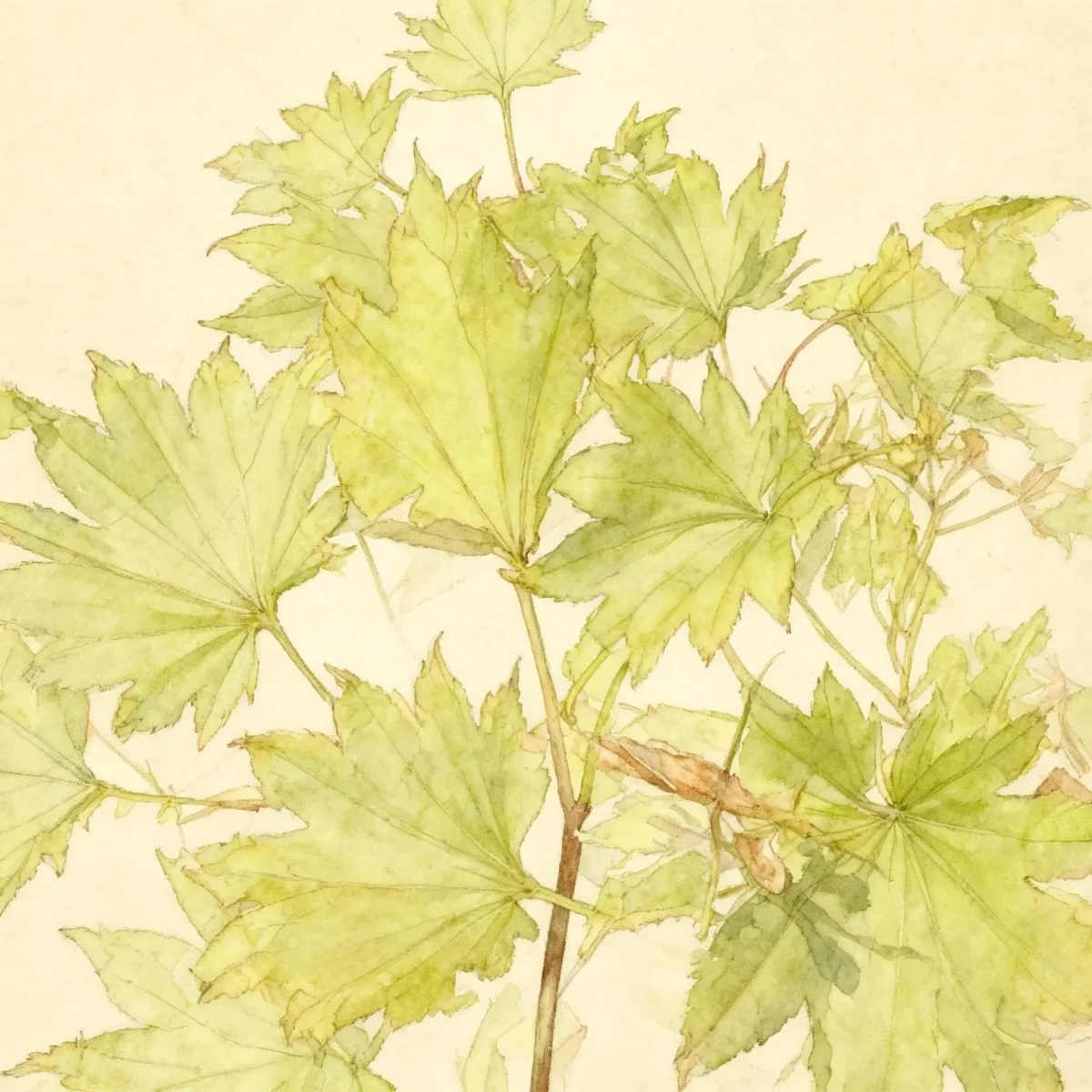
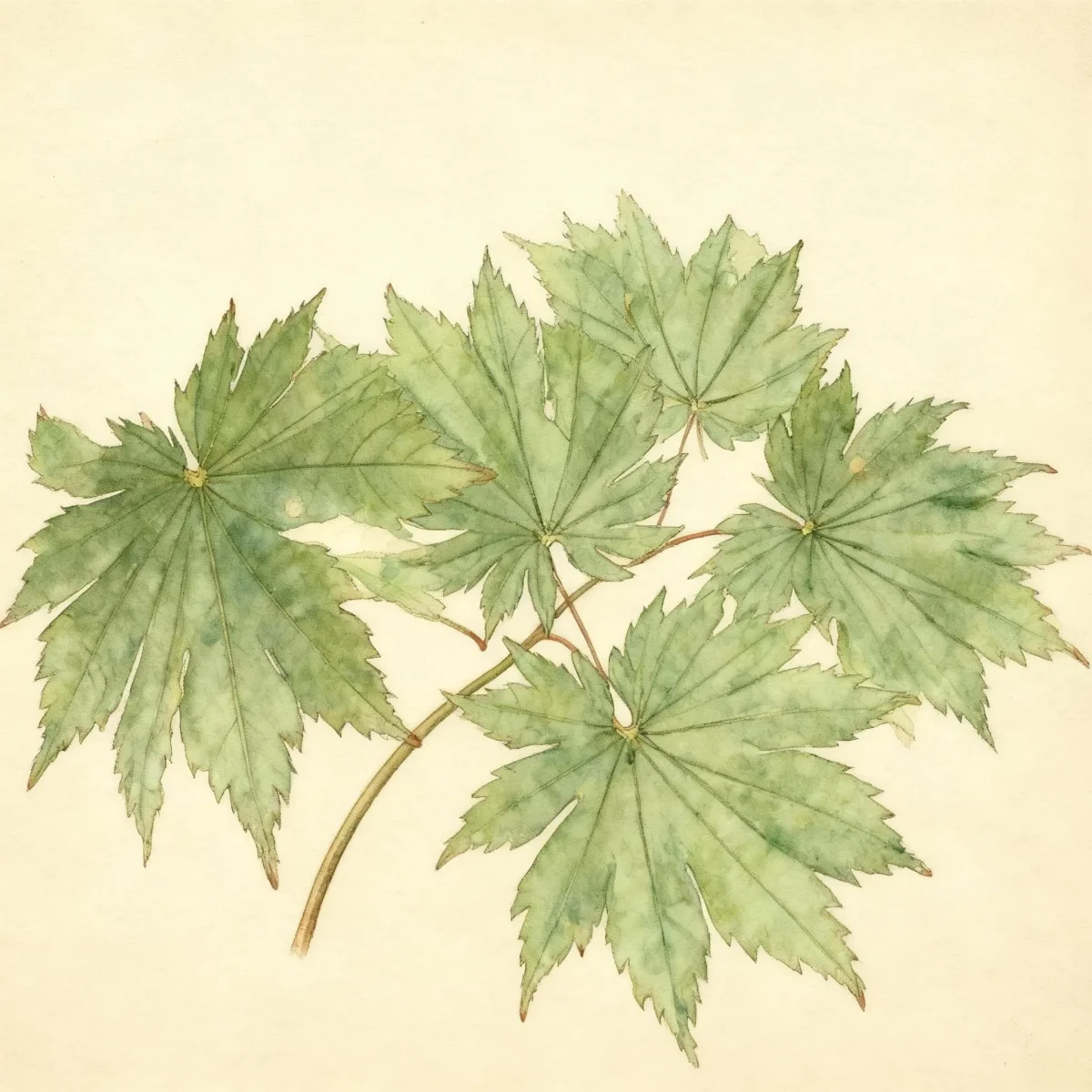
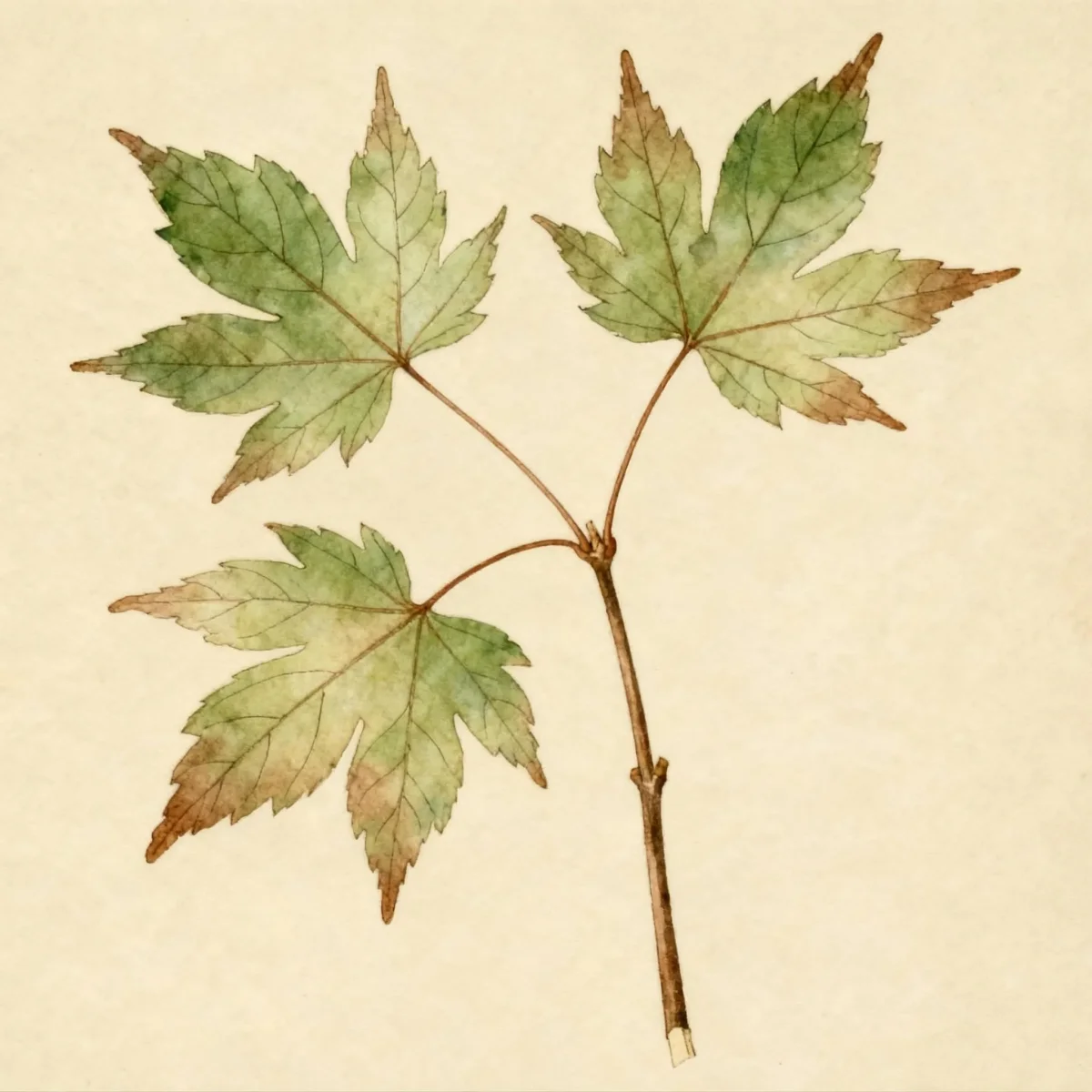
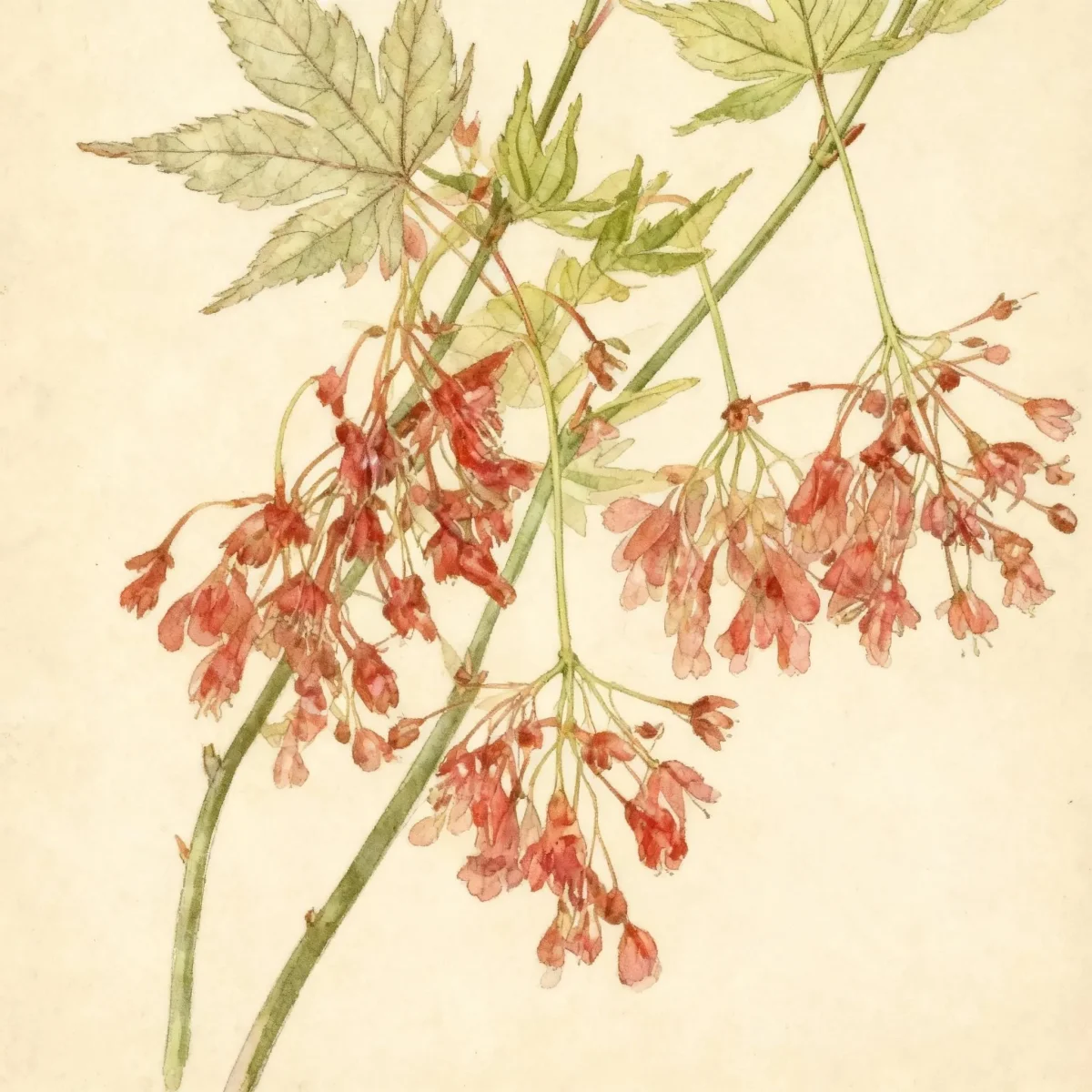
Full moon maple (Acer japonicum 'Green Cascade')
Acer japonicum 'Green Cascade' is a weeping Full moon maple prized for its finely-dissected, cascading emerald foliage and stunning fall color.
Scroll down to discover growing tips, care requirements, companion plants, and more
Complete Plant Information
Overview
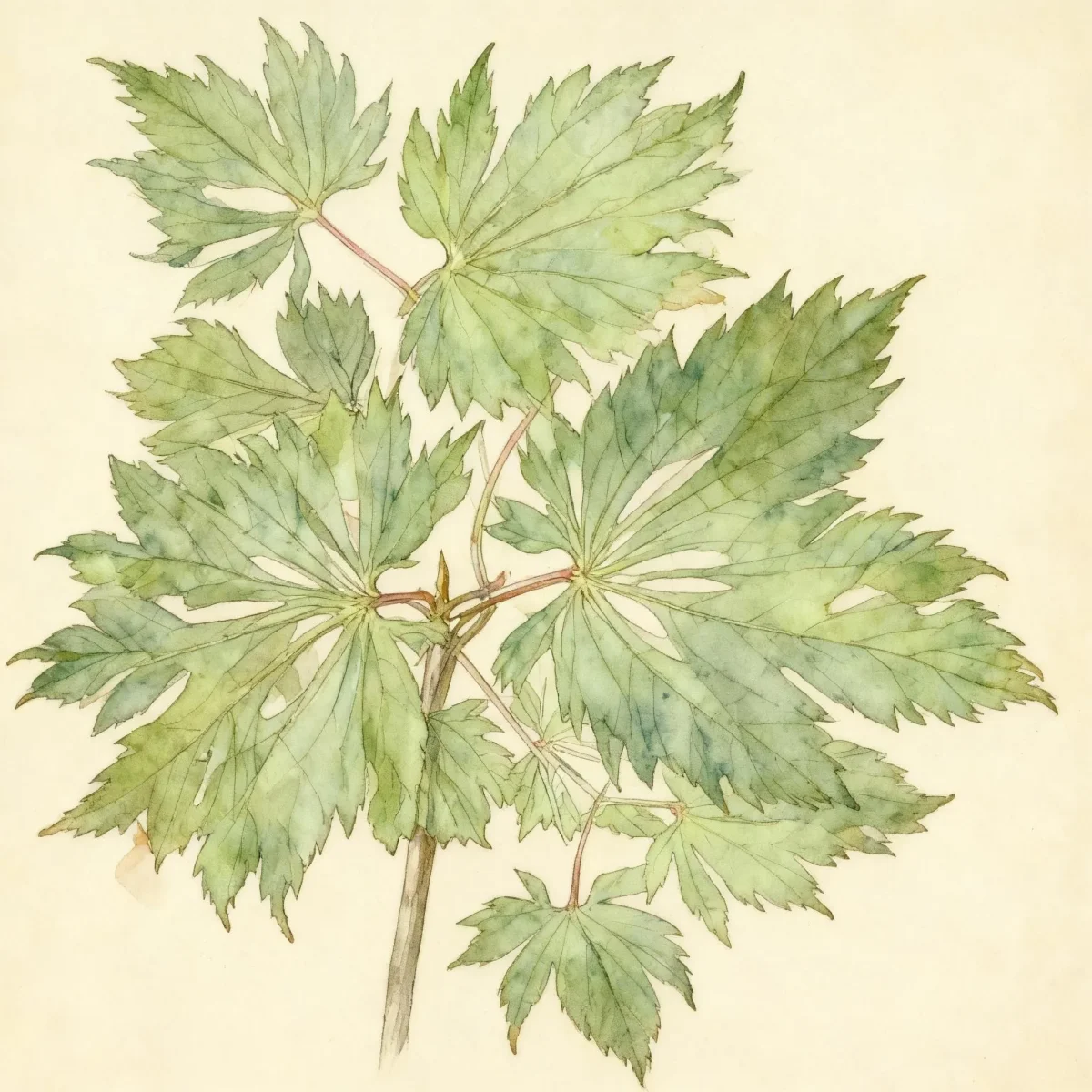
The Full moon maple, scientifically known as Acer japonicum ‘Green Cascade’, is a highly desirable specimen celebrated for its architectural beauty and delicate foliage. This cultivar forms a small, mounded, weeping tree, creating a dramatic, cascading effect that contrasts sharply with the more upright forms of other maples. Gardeners value Acer japonicum ‘Green Cascade’ particularly for its finely-dissected, emerald green leaves which transform into vibrant shades of yellow, orange, and red as autumn approaches.
Native to mountainous regions of Japan, this variety thrives in cooler climates, offering structure and texture to the landscape. While the species typically grows taller, the ‘Green Cascade’ cultivar remains relatively compact for its first decade, making it a fantastic focal point for smaller gardens or woodland settings. Its low maintenance needs further enhance its appeal as a sophisticated centerpiece.
From its early spring purplish-red flowers to its dazzling autumn display, the Acer japonicum ‘Green Cascade’ provides multi-season interest. Its unique habit ensures it captures attention year-round, acting as living sculpture in the garden when its vibrant canopy is fully displayed or gently weeping in winter.
Fast Facts
- Plant Family: Sapindaceae
- Plant Type: Tree
- Hardiness Zones: USDA Zones 5-7
- Size at Maturity:
- Height: 10-20 ft
- Spread: 15-25 ft
- Bloom Time: April
- Bloom Description: Purplish-red
- Sun Exposure: Full sun to part shade
- Water Needs: Medium
- Maintenance Level: Low
How to Grow
The Full moon maple establishes best when planted in spring or fall outside of extreme weather periods. Locate Acer japonicum ‘Green Cascade’ where it receives average, medium moisture, and well-drained soil is guaranteed. While it tolerates full sun, it strongly prefers lightly dappled shade, especially in hot southern summers where direct afternoon sun can scorch the delicate foliage.
Consistent moisture management is key; ensure the soil remains evenly moist but never waterlogged. This tree performs poorly south of USDA Zone 7, emphasizing its need for cool summer conditions. Furthermore, site your Acer japonicum ‘Green Cascade’ away from locations subject to strong winds, which can damage the branches and leaves.
If you are aiming for a more upright structure in its early years, staking young trees is recommended immediately after planting. Maintenance is generally low, though monitoring for early leaf-out is necessary, as tender young leaves are vulnerable to late spring frosts. Avoid heavy fertilization, as this can compromise its natural, slow-growing, graceful habit.
Landscape Uses
The weeping nature of the Full moon maple makes it an exceptional specimen plant perfect for anchoring a small garden area or patio design. Its cascading branches create soft lines and movement, acting as a stunning focal point near water features or entryways where its structure can be fully appreciated. Use it as a singular specimen to showcase its unique form.
For complementary planting, pair the Acer japonicum ‘Green Cascade’ with shade-loving, ground-hugging perennials that contrast with its texture, such as Japanese forest grass (Hakonechloa macra) or hostas with variegated or blue foliage. As a vigorous understory tree, it also excels planted beneath taller evergreen trees, allowing filtered sunlight to enhance its leaf color while providing necessary protection from harsh sun and wind. Its stunning fall transition further justifies its placement in prominent view.
Standout Features
Flower Qualities
- Showy
Noteworthy Characteristics
The species, Acer japonicum, is commonly called the full moon maple due to its rounded, palmate leaves that resemble a full moon. The cultivar ‘Green Cascade’ is noteworthy for being a small, mounded tree with a distinct weeping habit, often topping out smaller than unpruned species trees in its youth. It features finely-dissected emerald green leaves, up to 6 inches across, which develop superb yellow, orange, and red hues for a spectacular fall display.
Tolerances
Potential Problems
Foliage of this maple tends to emerge early in the spring, making it susceptible to damage from unexpected late frosts; site selection that moderates temperature fluctuations can help mitigate this risk. Acer japonicum ‘Green Cascade’ is susceptible to several fungal issues common to maples, including verticillium wilt, anthracnose, and various leaf spots and root rots. Proper soil drainage is crucial for preventing root rot issues.
Insect pests are generally minor but can include scale, aphids, borers, and caterpillars. Regular inspection, especially of the undersides of leaves, allows for early intervention against mites or scale insects. Maintaining good air circulation and avoiding overhead watering can reduce the incidence of fungal diseases affecting the Full moon maple.
Frequently Asked Questions
What hardiness zones is Full moon maple suitable for?
The Full moon maple (Acer japonicum ‘Green Cascade’) is typically recommended for USDA Hardiness Zones 5 through 7.
How large does Acer japonicum ‘Green Cascade’ grow?
This weeping cultivar generally reaches a height between 10 and 20 feet, with a spread ranging from 15 to 25 feet, though growth is initially slower and more mounding.
What sun exposure does Acer japonicum ‘Green Cascade’ need?
It performs best in locations receiving full sun to part shade, though dappled light is preferred to prevent leaf scorch during hot afternoons.
When does Full moon maple bloom?
The Full moon maple typically blooms in April, displaying small, pendulous corymbs of purplish-red flowers just as the leaves begin to emerge.
Conclusion
The Acer japonicum ‘Green Cascade’ offers unparalleled texture and graceful weeping form, making it a cherished addition to any refined landscape where its stunning seasonal color can be highlighted. Remember that this Full moon maple thrives with protection from hot, drying winds and demands excellent drainage. Before planting, confirm your site falls within USDA Zones 5-7 and plan for afternoon shade to ensure the lushest emerald foliage.
Companion Planting
When selecting companions for your Acer japonicum ‘Green Cascade’, focus on plants that share its need for partial shade and consistently moist, well-drained soil. Plants with contrasting leaf textures work exceptionally well beneath the weeping canopy. Consider ferns, such as Ostrich Fern (Matteuccia struthiopteris), whose upright, feathery fronds provide a vertical counterpoint to the maple’s horizontal spread.
Hostas are classic companions, especially those with blue or heavily variegated foliage, which offer color contrast during the summer months when the maple’s leaves are dark green. For spring color before the maple fully leafs out, spring bulbs like Scilla or Snowdrops are excellent choices; ensure they are dwarf varieties that do not compete heavily for nutrients once the tree enters its peak growing phase.
Seasonal Care Calendar
Spring is critical for the Full moon maple; monitor for frost after bud break and provide temporary protection if low temperatures are predicted, as new foliage is very tender. Once established, watering should remain consistent through the summer months to maintain medium moisture levels.
Fall is the time to enjoy the brilliant transition of color in the leaves of Acer japonicum ‘Green Cascade’ before they drop. In late fall or early winter, conduct any necessary structural pruning while the tree is dormant, focusing on removing crossing or dead branches. Avoid heavy summer pruning, which can stress the tree.