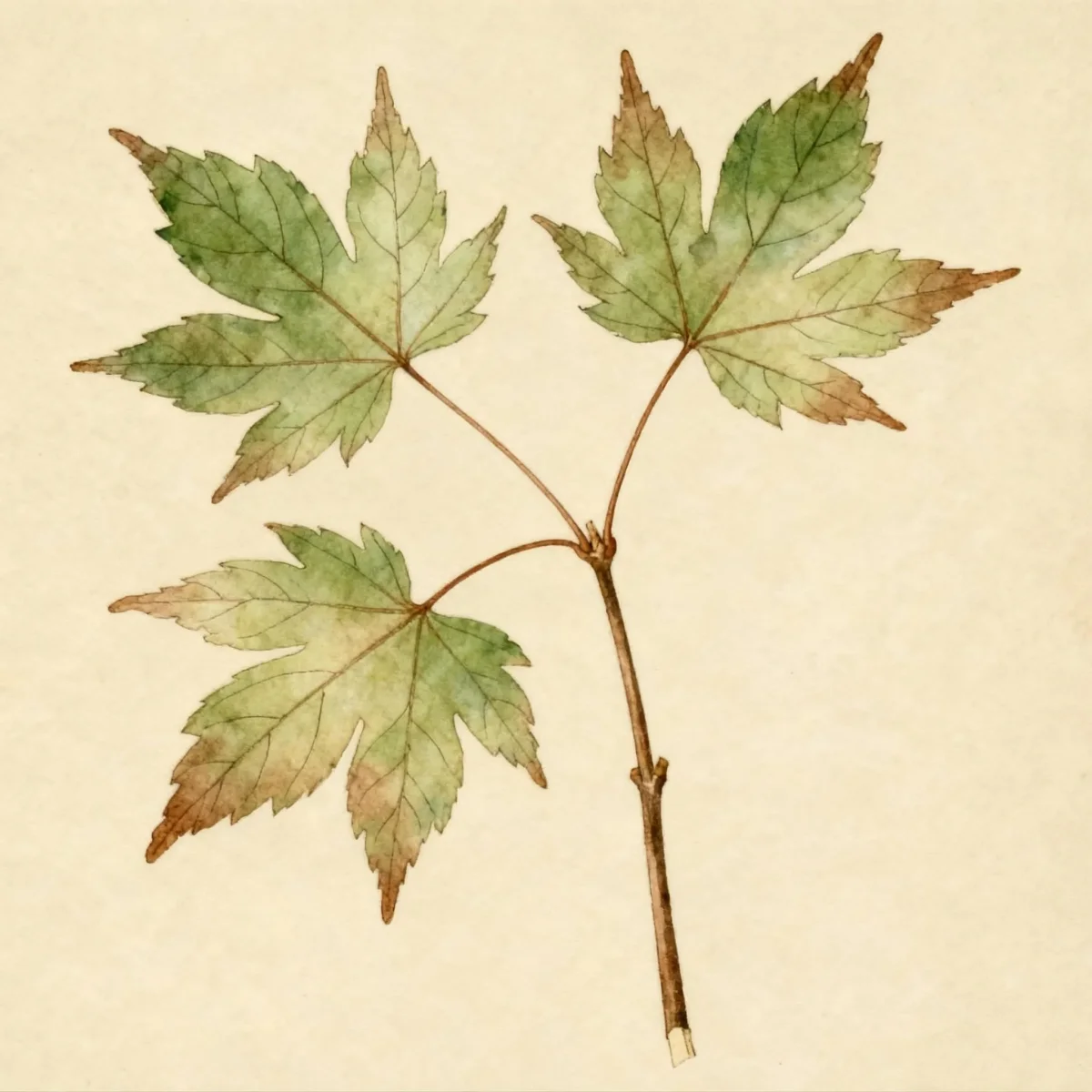
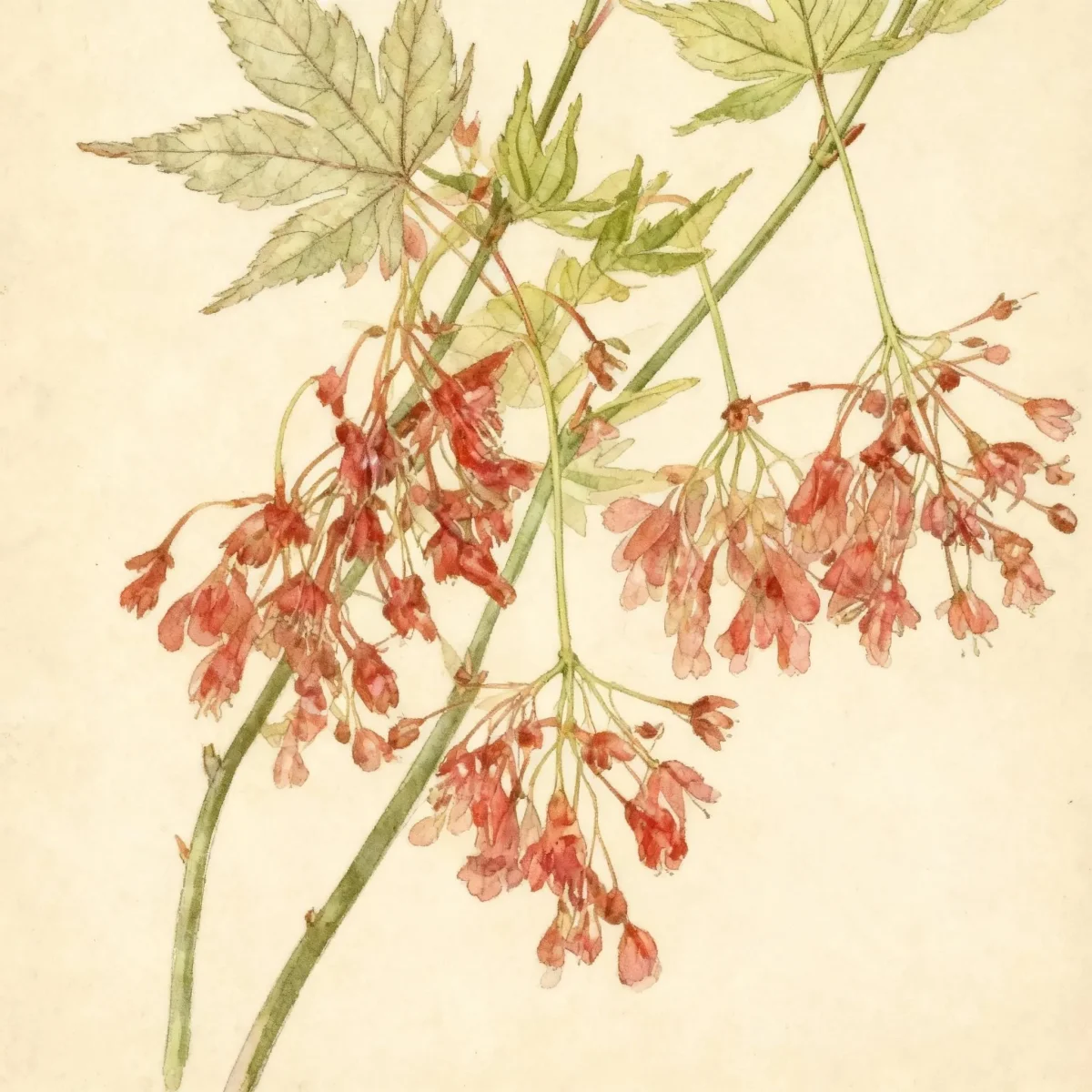
Full moon maple (Acer japonicum 'Vitifolium')
Discover the Full moon maple (Acer japonicum 'Vitifolium'), a low-maintenance tree prized for its deeply lobed, moon-like foliage and stunning fall color.
Scroll down to discover growing tips, care requirements, companion plants, and more
Complete Plant Information
Overview
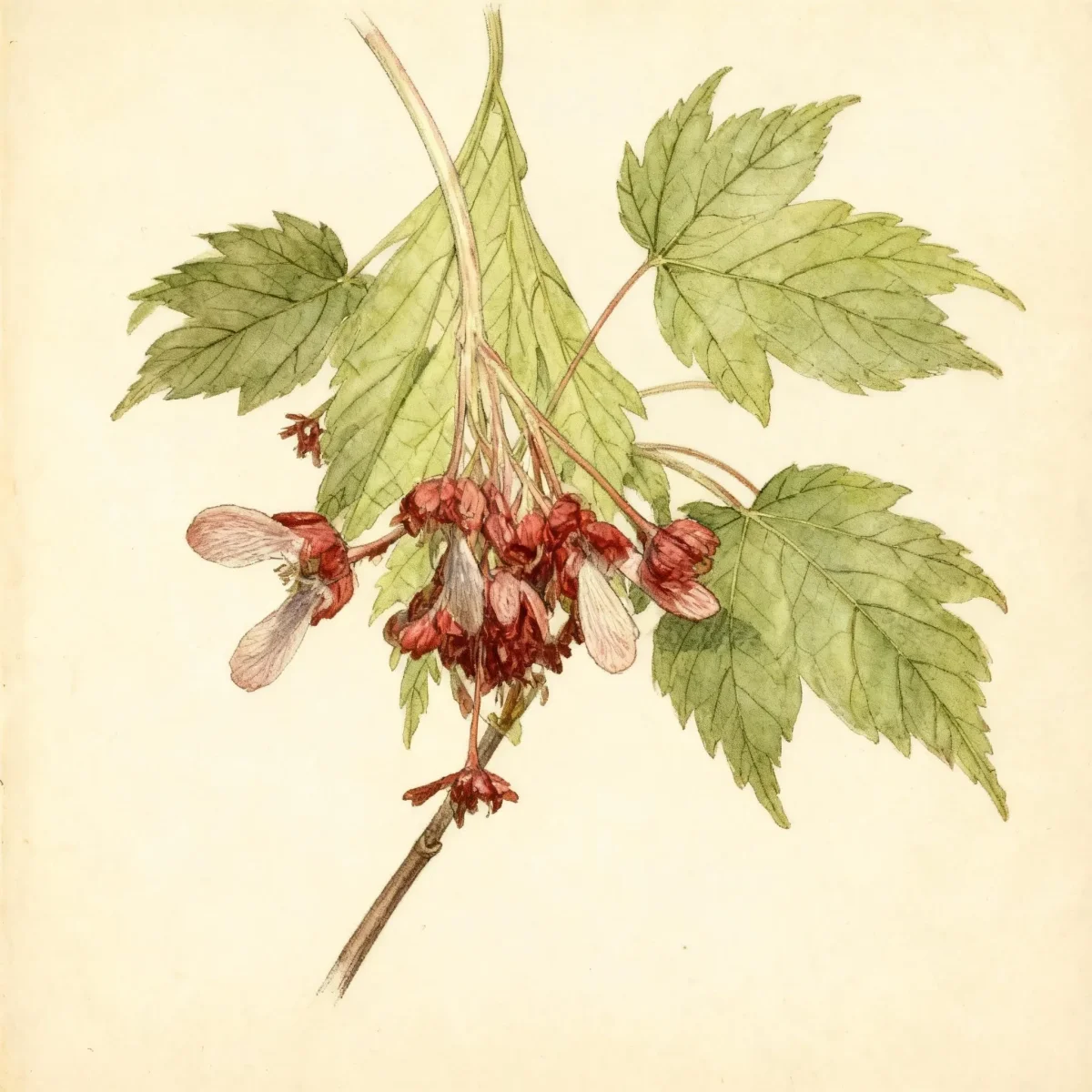
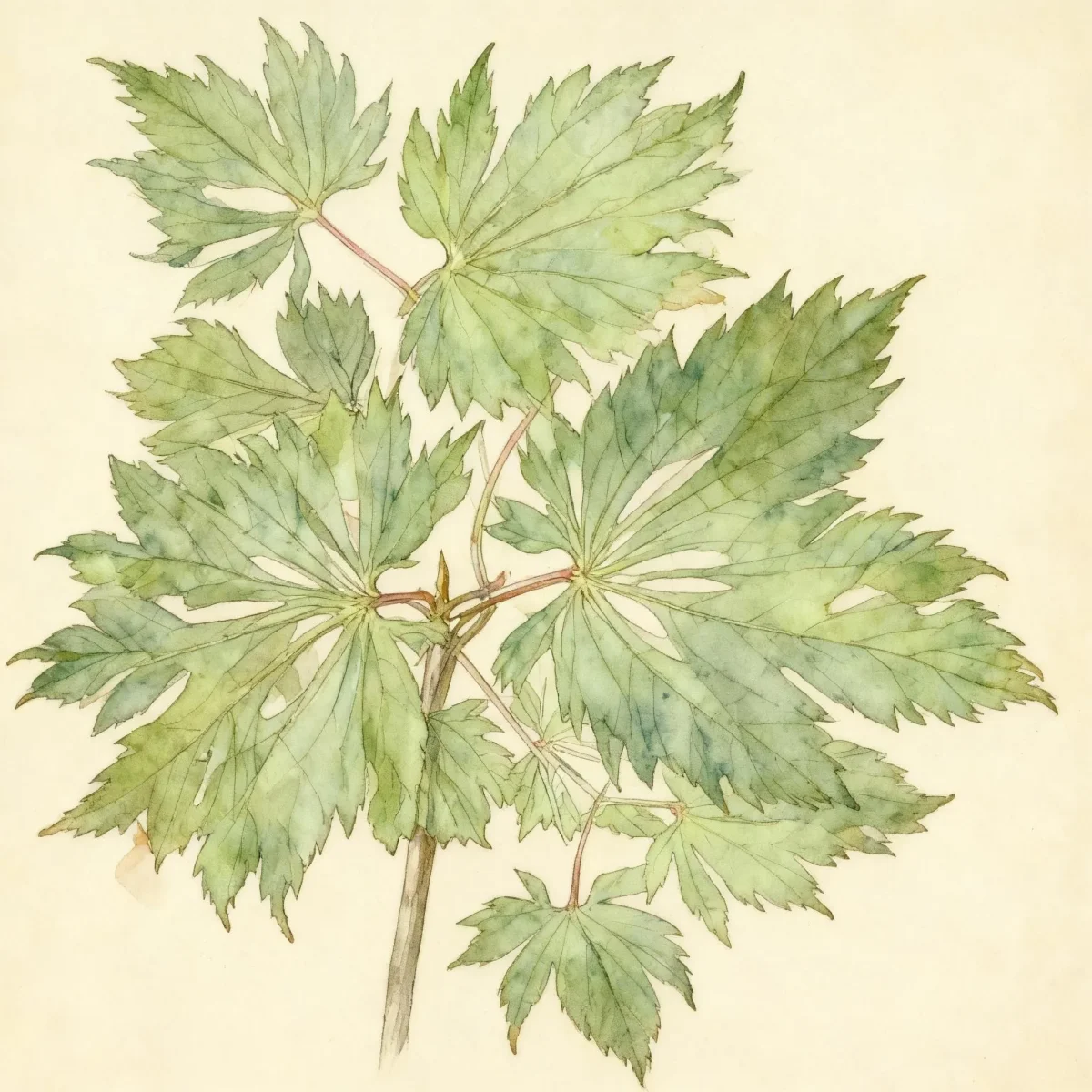
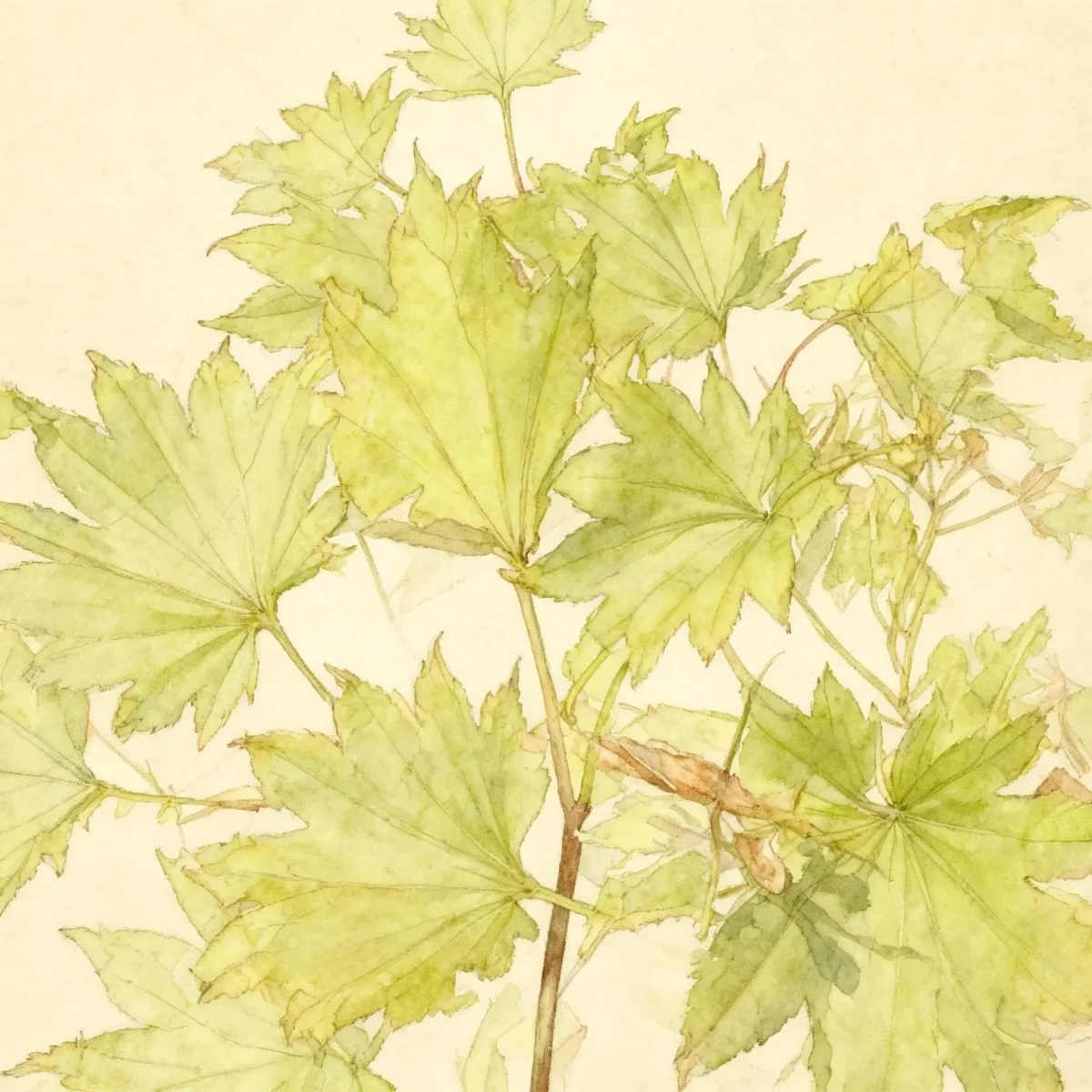
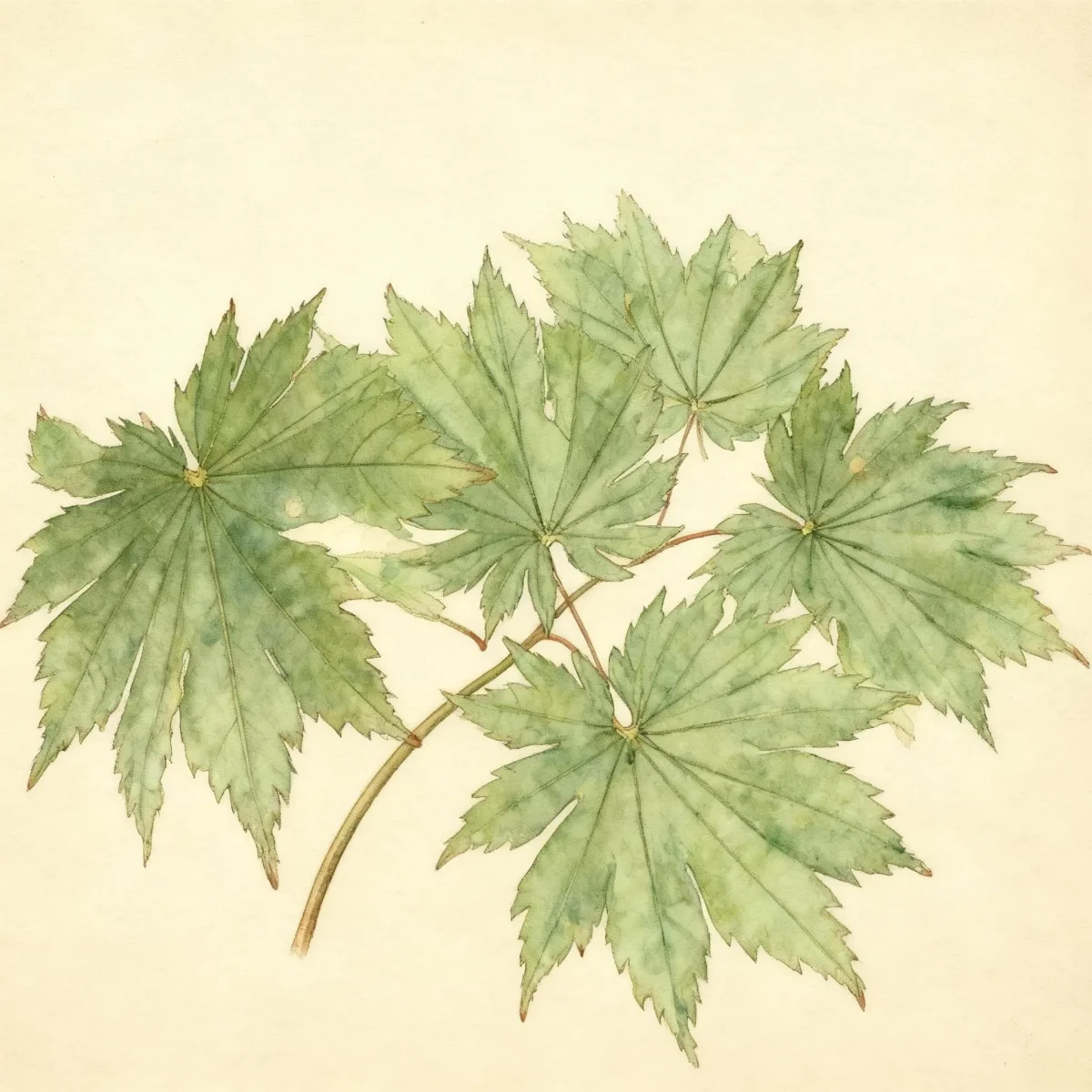
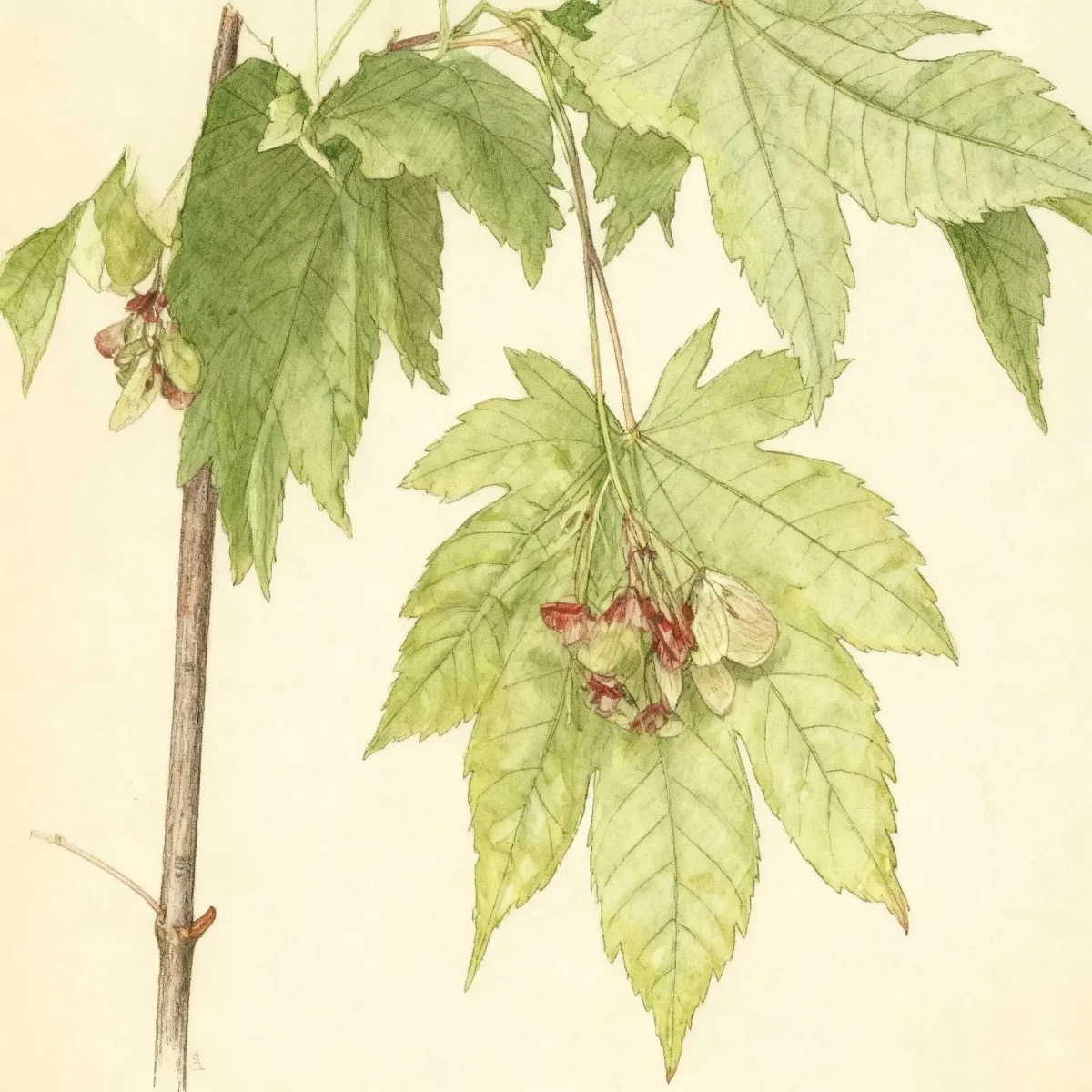
The Full moon maple, scientifically known as Acer japonicum ‘Vitifolium’, is a magnificent, spreading small tree highly valued for its distinctive aesthetic appeal throughout the growing season. Its rounded, palmate leaves, deeply divided into 7 to 11 lobes, give rise to its common name, suggesting a resemblance to a full moon. This cultivar is particularly cherished for its exceptional foliage transition, moving from bronze tones to rich green, culminating in brilliant deep purple, orange, and red fall color.
As a low-maintenance specimen, the Acer japonicum ‘Vitifolium’ offers structure and color, typically reaching 10 to 15 feet in height and spread. It is best suited for gardeners looking for an immediate focal point in a mixed border or a serene accent near patios, provided they can meet its cultural needs for protection from extreme summer heat.
This species demands specific siting; while it tolerates full sun, it thrives best with light dappled shade, especially in warmer climates, to prevent leaf scorch. For successful establishment, gardeners should focus on providing consistent moisture and excellent drainage, traits inherent to the care required for the robust Full moon maple.
Fast Facts
- Plant Family: Sapindaceae
- Plant Type: Tree
- Hardiness Zones: USDA Zones 5-7
- Size at Maturity:
- Height: 10-15 ft
- Spread: 10-15 ft
- Bloom Time: April
- Bloom Description: Purplish red
- Sun Exposure: Full sun to part shade
- Water Needs: Medium
- Maintenance Level: Low
How to Grow
Planting the Full moon maple is best accomplished in spring or early fall when the weather is mild, ensuring the tree has time to establish roots before facing temperature extremes. Select a site that provides average, well-drained soil and offers protection, ideally preferring lightly dappled shade but succeeding in full sun if kept well-watered. Be mindful that Acer japonicum ‘Vitifolium’ performs poorly south of USDA Zone 7; these regions experience summer heat that can easily scorch the attractive foliage.
Maintain consistent moisture—this is a medium water-need plant—especially through dry spells and in its initial years. While pruning needs are minimal due to its naturally attractive, spreading habit, you should site the tree away from strong winds. For aesthetic purposes or to encourage a more upright structure, young trees benefit from staking until their root systems are secure.
Be aware that the leaves of the Full moon maple tend to emerge early in spring. This early flush makes the foliage particularly vulnerable to damage from late frosts, a common concern for deciduous trees in temperate zones. Ensure the soil remains cool during hot summers; planting in an area where the roots are shaded can help mitigate heat stress.
Landscape Uses
The primary role of the Full moon maple in landscape design is as an outstanding specimen plant, drawing attention with its unique leaf shape season after season. Its manageable size (10 to 15 feet) makes the Acer japonicum ‘Vitifolium’ suitable for enhancing small yards, courtyards, or near entryways where its form can be fully appreciated. It shines as a vigorous understory tree where filtered light filters through taller canopy trees.
Consider grouping the Full moon maple in small clusters (fewer than three) to create a focal point showcasing its structural branching. When selecting companions, pair it with plants that thrive in similar medium moisture, well-drained conditions and dappled light, such as shade-loving ferns, hostas, or shade-tolerant groundcovers. The stunning fall display of the Full moon maple provides a perfect contrast to evergreen shrubs.
This tree functions beautifully near patios or outdoor living areas, providing seasonal architecture without ever becoming overly large or invasive. Its slow, intentional growth rate ensures that careful placement today will yield decades of reliable beauty for the structure of your garden.
Flower Qualities
- Showy
Noteworthy Characteristics
The Acer japonicum, commonly called Full moon maple, is a deciduous, spreading, small tree or large shrub native to mountainous regions of Japan, Manchuria, and Korea. It features rounded, palmate, medium green leaves (3-6” across) that are deeply divided into numerous acuminate, toothed lobes, turning yellow and red in the autumn. The specific cultivar, Acer japonicum ‘Vitifolium’, notes its large, shallowly lobed leaves (up to 6” across) with coarsely toothed margins, emerging bronze and maturing to green before developing excellent deep purple, orange, and red fall colors.
Tolerances
No tolerances listed.
Potential Problems
The Full moon maple is susceptible to several fungal and environmental challenges that gardeners should proactively manage. Foliage tends to leaf out very early in spring; consequently, new growth is highly susceptible to damage from unexpected late frosts, which can temporarily mar the spring display.
Fungal diseases are a concern here, including susceptibility to verticillium wilt, various leaf spots, and root and collar rots. Proper site selection—ensuring excellent drainage and avoiding overly wet soil—is the best defense against most root diseases. Inspect the tree regularly for signs of fungal infection or pest activity.
Potential insect pests that may target the Acer japonicum ‘Vitifolium’ include aphids, scale insects, borers, and caterpillars, while spider mites can appear, particularly if the plant experiences prolonged heat or stress. Maintaining plant health through appropriate watering and siting minimizes the invitation for these pests.
Frequently Asked Questions
What hardiness zones is Full moon maple suitable for?
The Full moon maple (Acer japonicum ‘Vitifolium’) is reliably hardy in USDA Zones 5 through 7.
How large does Full moon maple grow?
This cultivar typically matures to a height between 10 and 15 feet, with an equal spread of 10 to 15 feet.
What sun exposure does Full moon maple need?
The ideal requirement for Acer japonicum ‘Vitifolium’ is full sun to part shade, though it prefers lightly dappled shade to prevent leaf scorch in hot summers.
When does Full moon maple bloom?
The small, purplish-red flowers of the Full moon maple appear in early spring, typically in April, just before the leaves fully emerge.
Conclusion
The Acer japonicum ‘Vitifolium’ remains a highly rewarding choice for specimen planting, celebrated for its distinctive, moon-like foliage and outstanding transition into deep fall tones. Despite mild susceptibility to late frost damage, its low maintenance profile and manageable size make the Full moon maple an accessible gem for dedicated gardeners. Always check your local USDA zone compatibility before planning your planting this spring or fall.
Companion Planting
When selecting partners for the Full moon maple, focus on plants that share the critical need for medium moisture and well-drained soil, preferring the protection offered by high shade. Traditional Japanese garden elements like Azaleas and Rhododendrons (provided soil acidity is correct) thrive alongside maples that appreciate filtered light. Underplanting with low-growing groundcovers helps keep the shallow roots of the maple cool during warm weather.
Consider using structural elements like Japanese forest grass (Hakonechloa macra) or fine-textured ferns, such as the Japanese Painted Fern, as companions for contrast. The fine texture of these shade-lovers plays beautifully against the broader, boldly lobed leaves of the Acer japonicum ‘Vitifolium’, enhancing the overall layered effect under the canopy.
Seasonal Care Calendar
Spring care for your Full moon maple should center on vigilance against frost damage; be prepared to shield new leaves if a late freeze is predicted. Summer care demands consistent, deep watering, ensuring the soil remains damp but never waterlogged, particularly while the plant is young or during dry spells.
As autumn approaches, minimize disturbance around the root zone; fall is the time the tree puts on its most spectacular show of purple and red foliage. Winter care is typically minimal for established trees in Zones 5-7; protect young trunks from deer rubbing and ensure the location is shielded from harsh, drying winter winds that can desiccate the dormant buds.