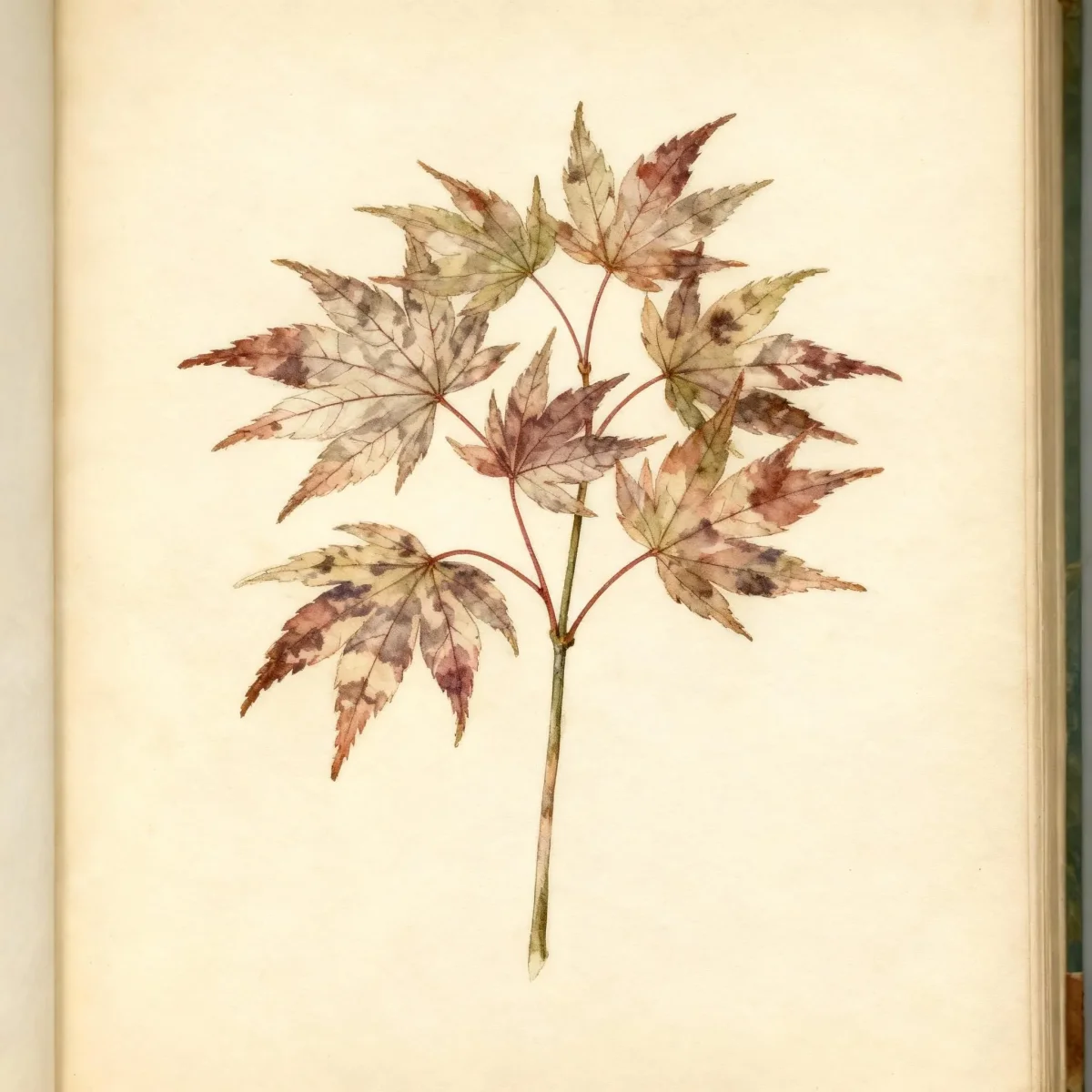
Japanese maple (Acer palmatum 'Beni-kawa')
Acer palmatum 'Beni-kawa' is a choice Japanese maple noted for its stunning coral red bark, ideal for Zones 5-9.
Scroll down to discover growing tips, care requirements, companion plants, and more
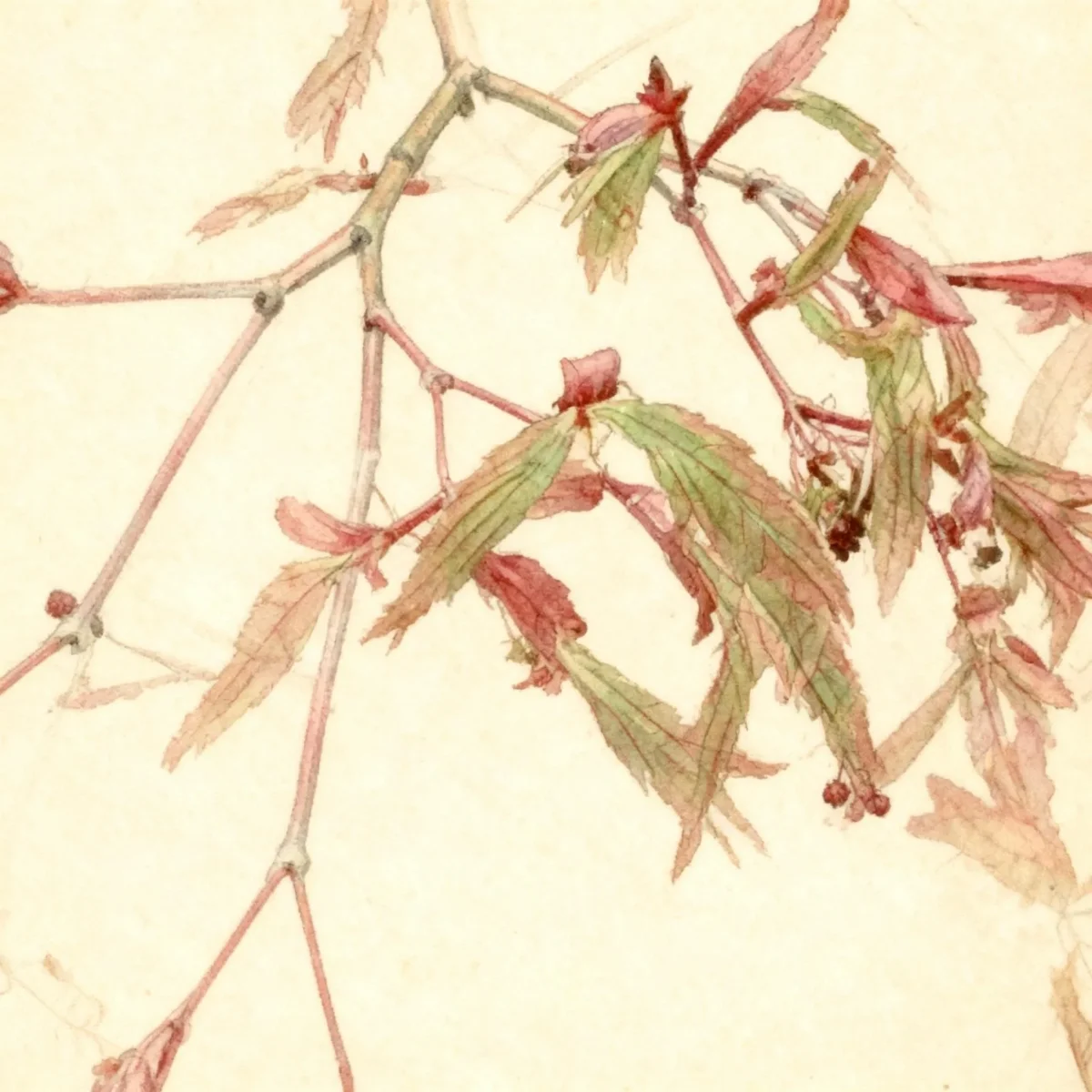
Complete Plant Information
Overview
Acer palmatum ‘Beni-kawa’, commonly known as Japanese maple, is a highly sought-after specimen tree valued primarily for its striking winter interest provided by its vibrant coral red trunk and stems. This cultivar matures into a beautiful, rounded form, offering year-round architecture to the garden landscape. While summer foliage is a pleasant soft green, the overall aesthetic of this Japanese maple is defined by its bark color, making it a superb focal point.
Gardeners appreciate Acer palmatum ‘Beni-kawa’ for its relatively compact mature size, typically reaching 12 to 15 feet tall and wide, suitable for smaller yards when compared to larger maple varieties. Its low maintenance requirements also contribute to its popularity, provided basic cultural needs—moist, acidic, well-drained soil—are met. This plant brings an elegant, refined texture to any setting.
Beyond its stunning bark, the soft green leaves of the Japanese maple turn an attractive golden yellow in the autumn, extending its season of interest. For best performance and to prevent leaf scorch, site Acer palmatum ‘Beni-kawa’ carefully, ensuring protection from harsh afternoon sun in hotter climates.
Fast Facts
- Plant Family: Sapindaceae
- Plant Type: Tree
- Hardiness Zones: USDA Zones 5-9
- Size at Maturity:
- Height: 12-15 ft
- Spread: 12-15 ft
- Bloom Time: April
- Bloom Description: Red
- Sun Exposure: Full sun to part shade
- Water Needs: Medium
- Maintenance Level: Low
How to Grow
Planting should occur when the Acer palmatum ‘Beni-kawa’ is dormant, ideally in late fall or early spring, ensuring the root ball is well-established before summer heat arrives. This Japanese maple thrives best in consistently moist, organically rich, slightly acidic, and very well-drained soils, performing well even in sandy loams. Select a site that receives full sun in northern zones but benefits significantly from afternoon shade in the southern reaches of its range to prevent foliage scorch.
Consistent moisture is key; newly planted trees require regular watering until fully established. In hot, dry summers, ensure soils remain moist, as heat stress exacerbates leaf damage. Applying a good layer of mulch helps keep the root zone cool and conserves necessary moisture. Site specimens away from areas prone to high winds which can damage vulnerable foliage.
Fertilize the Japanese maple in the spring just before the leaves emerge to support early growth. Pruning should be kept minimal; if necessary, the optimal time is late fall through mid-winter. Avoid pruning in spring or summer, as this often causes significant sap bleeding from the cuts, which detracts from the plant’s appearance.
Landscape Uses
Japanese maples are fundamentally grown as specimen or accent plants, drawing attention to their exquisite form and seasonal color shifts. Acer palmatum ‘Beni-kawa’ serves exceptionally well as a striking focal point near entryways or patios where its coral red stems can be easily appreciated throughout winter. It also functions beautifully as a component in woodland garden margins or tucked into mixed borders where it benefits from the dappled sunlight provided by taller canopy trees.
Due to its manageable size, which develops slowly into the 12-15 foot range, this cultivar is also suitable for use in large containers. When grouping, consider companions that offer strong contrasting textures or colors, such as dark green evergreens or plants with bolder leaf shapes, to enhance the delicate form of the Japanese maple. Placing this tree where it receives protection from harsh, drying winds will support the health and appearance of the Acer palmatum ‘Beni-kawa’.
Standout Features
Flower Qualities
- Insignificant
Noteworthy Characteristics
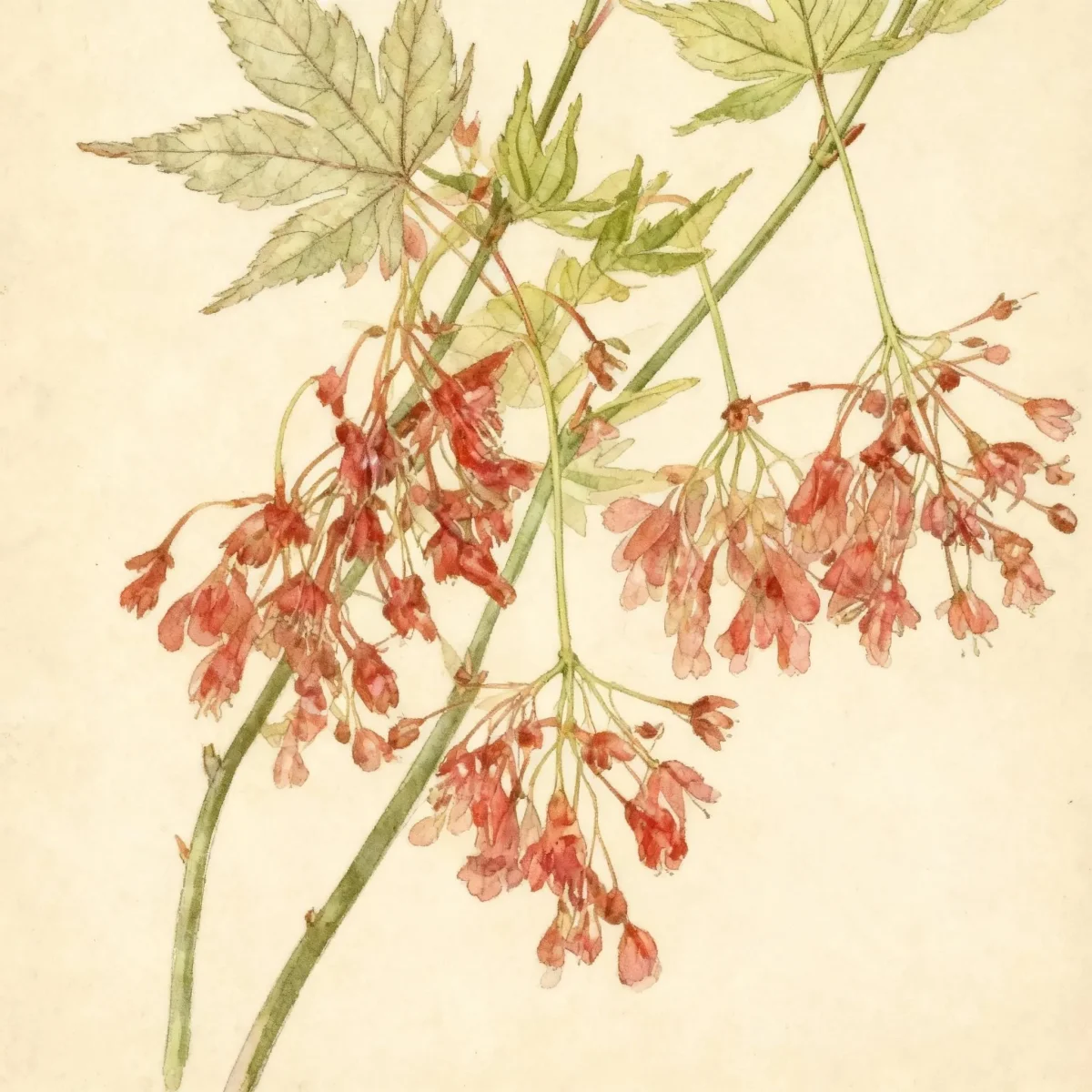
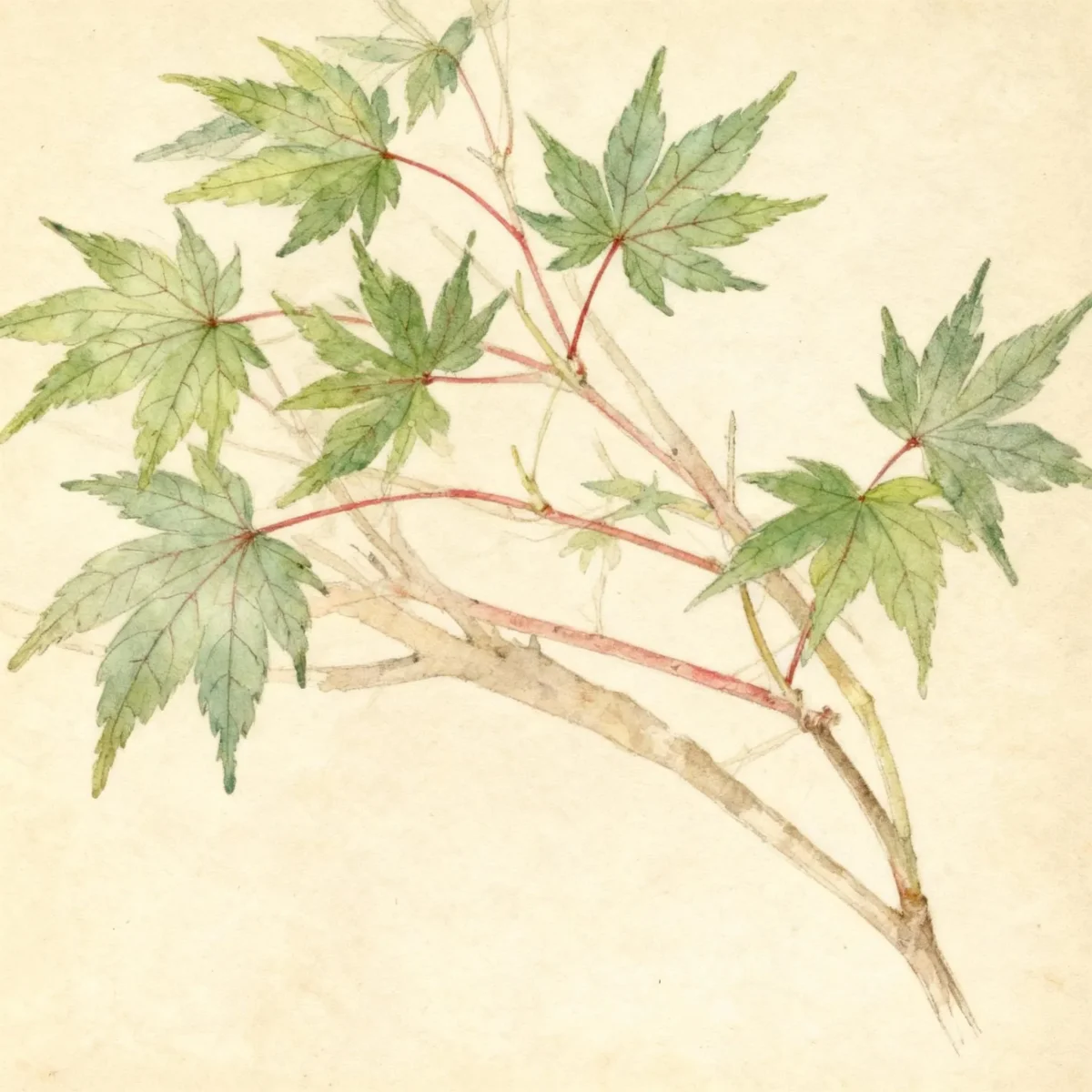
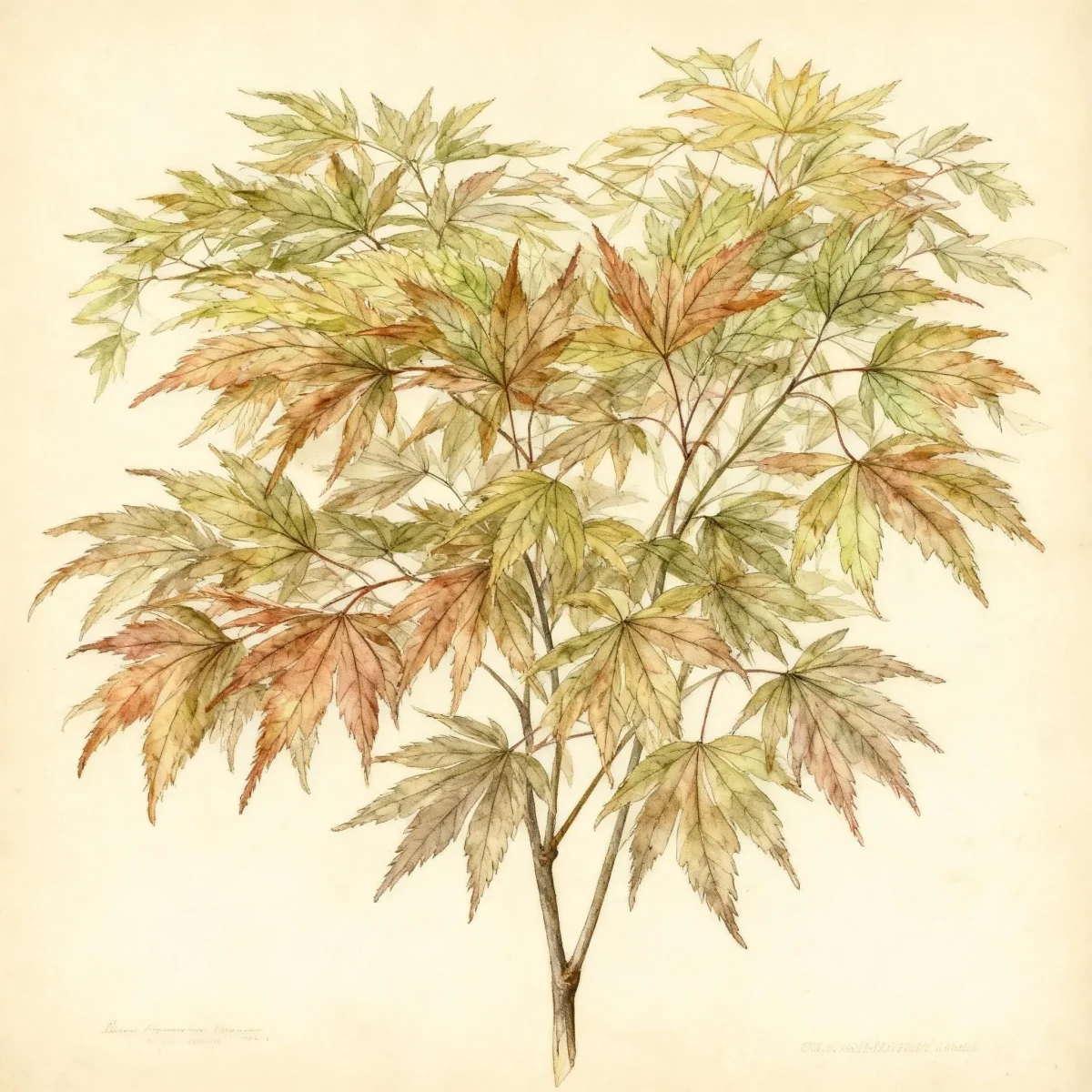
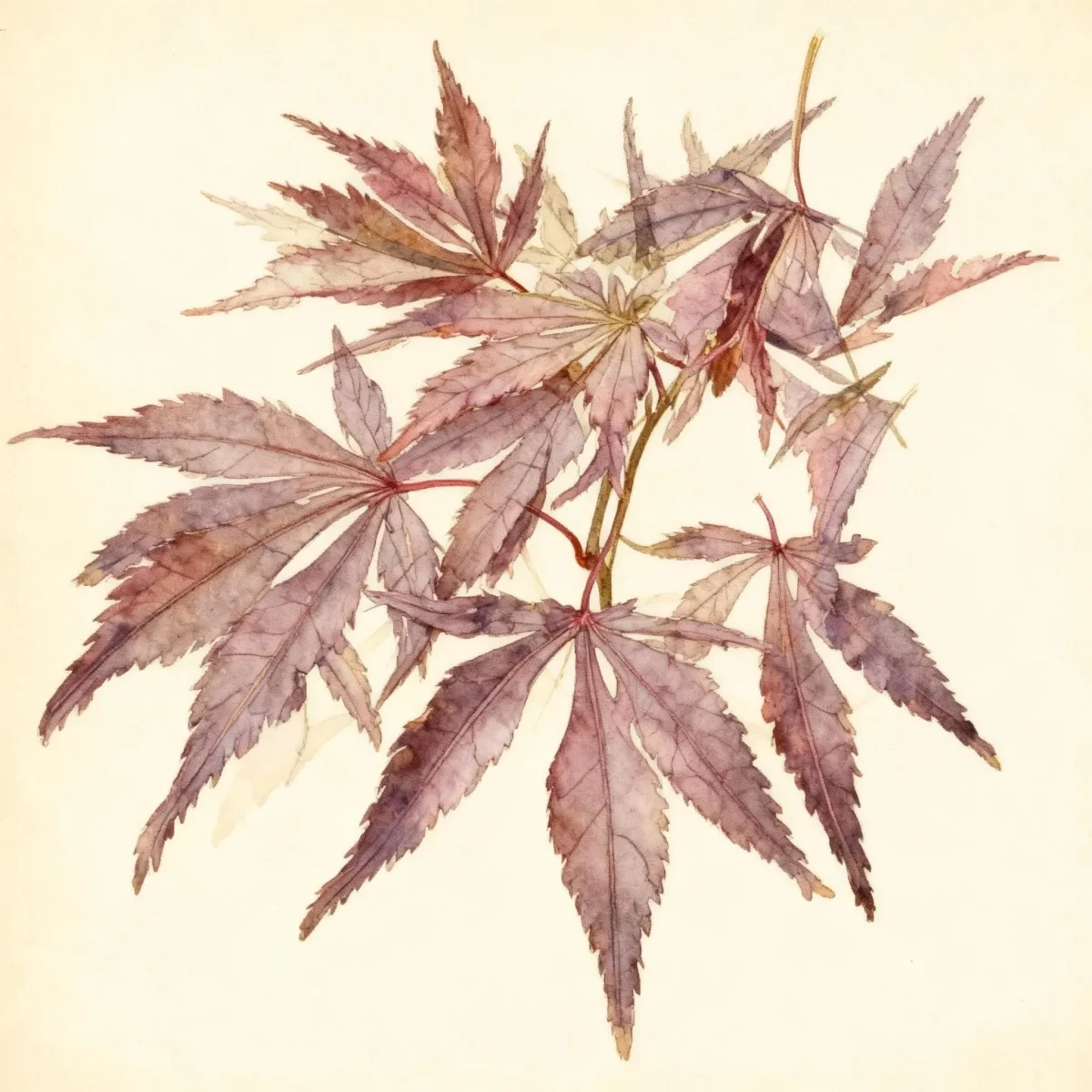
Acer palmatum, commonly called Japanese maple, is a deciduous shrub or small tree that typically grows to 10-25’ (infrequently to 40’) tall. It is native to Japan, Korea and China. General plant form is rounded to broad-rounded, often with low branching. Each palmate green leaf (2-5” long) has 5 or 7 but less frequently 9 pointed toothed lobes. Small reddish-purple flowers in umbels bloom in mid spring (April). The flowers are rather attractive close up, but are not particularly showy from a distance. Flowers are followed by samaras (to 3/4” long) in pairs. Samaras ripen in September-October. Fall color includes shades of yellow, red-purple and bronze. Cultivars (often grafted) are quite variable.Genus name is the Latin name for a maple tree.Specific epithet is in reference to the palmate nature of the leaves. Each leaf has several lobes (typically 5-7) that all originate from one point looking like an open hand with outstretched fingers.‘Beni-kawa’ is most noted for its coral red trunk and stems. It typically grows in an upright, rounded, shrubby form to 5-7’ tall over the first 10 years, but eventually matures over time to 12-15’ tall. Palmate leaves emerge soft green in spring, but turn an attractive golden yellow in fall. Leaves (to 2 1/2” long) are divided into 5-7 ovate-lanceolate, slender tipped lobes with double serrate margins. Small reddish flowers in spring are somewhat attractive on close inspection, but are not showy from a distance.
Tolerances
- Rabbit
- Black Walnut
Potential Problems
Japanese maples are susceptible to several fungal issues, including stem canker, anthracnose, root rots, and vertical wilt, often emerging due to overly wet or stressed conditions. Control fungal diseases by ensuring excellent air circulation and avoiding overhead watering. Potential insect pests include scale, aphids, and borers; regular inspection, especially examining branch crotches for scale buildup, is necessary for early intervention. Be mindful that new foliage leafs out early and can be easily damaged by late spring frosts; chlorosis (leaf yellowing) is a common sign if the growing medium pH is too high.
Frequently Asked Questions
What hardiness zones is Japanese maple suitable for?
This Japanese maple, Acer palmatum ‘Beni-kawa’, is suitable for USDA Hardiness Zones 5 through 9.
How large does Japanese maple grow?
Acer palmatum ‘Beni-kawa’ typically matures to a height and spread between 12 and 15 feet.
When does Japanese maple bloom?
The bloom time for this variety is April, producing small red flowers.
What sun exposure does Japanese maple need?
This plant performs best in locations ranging from full sun to light part shade, depending on the regional climate.
Conclusion
The Acer palmatum ‘Beni-kawa’ is an exceptional choice for gardens where year-round visual interest is desired, primarily due to its outstanding coral-red winter bark. Selecting the right placement to balance sun exposure with protection from strong winds is crucial for maintaining the health of this beautiful Japanese maple. Before planting, verify your location falls within USDA Zones 5-9 and prepare rich, well-drained soil to ensure a successful start.
Companion Planting
When choosing companions for Acer palmatum ‘Beni-kawa’, focus on plants that appreciate similar acidic soil conditions and partial shade. Hostas with variegated or dark green foliage provide an excellent textural contrast beneath the maple canopy, while rhododendrons and azaleas thrive in the same slightly acidic soil structure. For groundcover, consider using low-growing ferns or creeping thyme along the drip line to visually suppress weeds and help maintain cool, moist soil around the roots of the Japanese maple.
Design Ideas
The vivid coloration of the ‘Beni-kawa’ trunk serves as a major design asset, especially when contrasted against dark backgrounds or white winter snow. Use this cultivar as a specimen plant visible from key windows or seating areas where its structure can be admired during dormancy. In contemporary Asian-inspired landscapes, its refined form pairs well with moss-covered stones and minimalist hardscaping, elevating the overall sense of tranquility and structure provided by the Japanese maple.