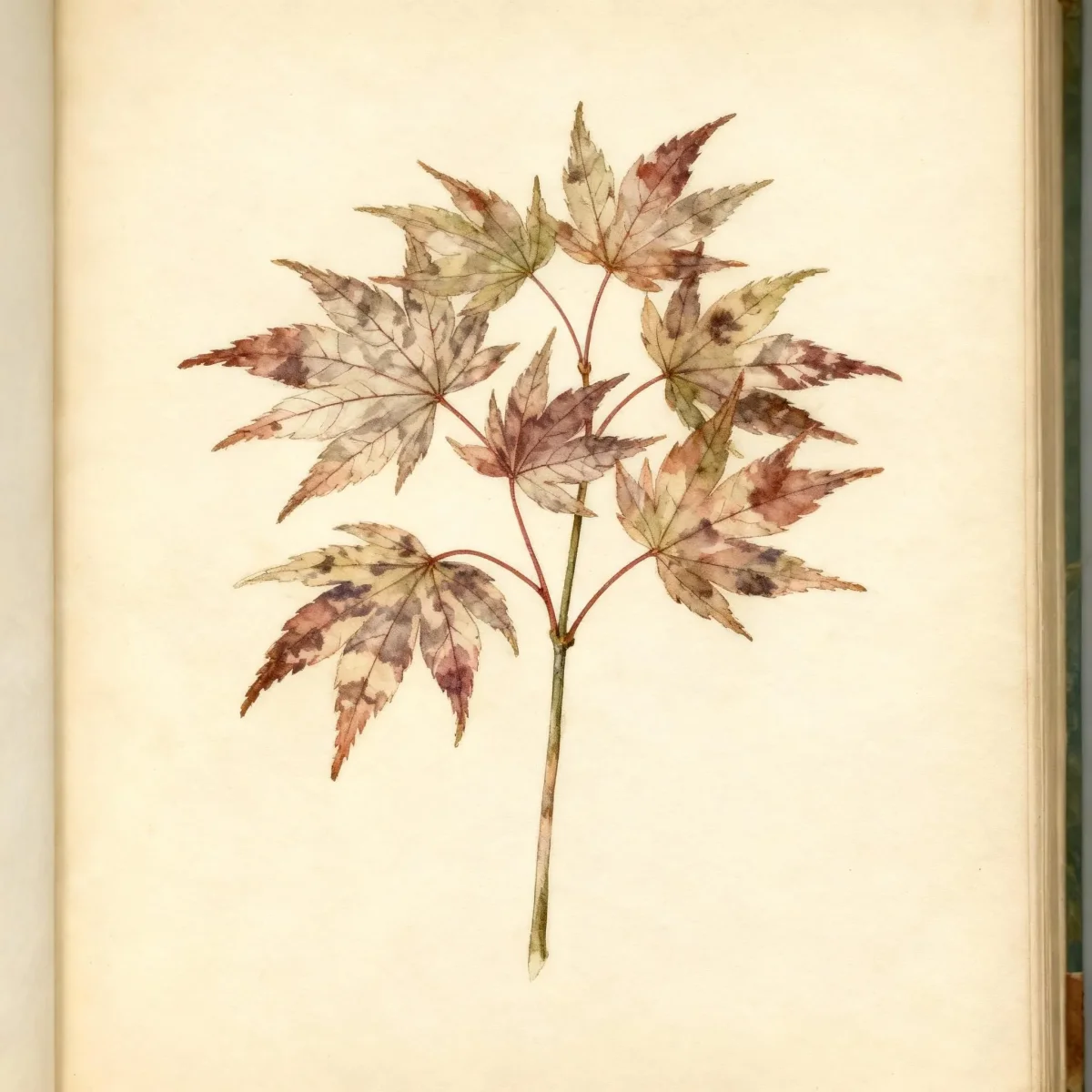
Japanese maple (Acer palmatum 'Bloodgood')
Acer palmatum 'Bloodgood' is a stunning Japanese maple celebrated for its deep reddish-purple summer foliage and crimson fall color. Grow in acidic, moist soil.
Scroll down to discover growing tips, care requirements, companion plants, and more
Complete Plant Information
Overview
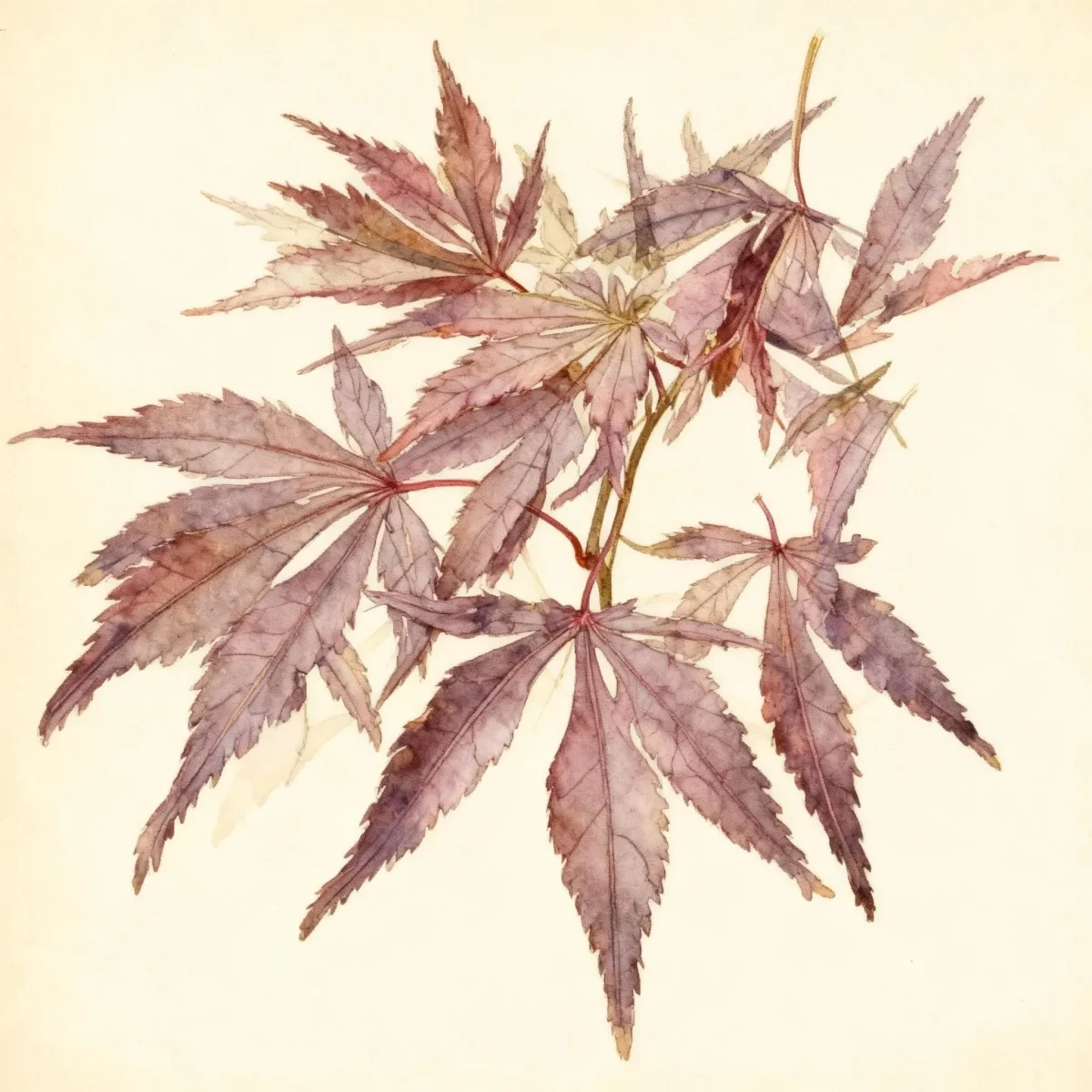
Acer palmatum ‘Bloodgood’, commonly referred to as Japanese maple, is a highly prized ornamental tree known for maintaining deep, rich reddish-purple summer foliage that contrasts beautifully with other garden plantings. This cultivar is valued for its reliability in achieving consistent color throughout the growing season, culminating in excellent crimson-red fall coloration for gardeners in compatible zones. As a non-dissected type, the structure of the 5 to 7-lobed leaves provides classic Japanese maple appeal.
This deciduous small tree typically matures between 15 and 20 feet tall and wide, forming a rounded to broad-rounded habit that suits small to medium-sized landscapes effectively. The low maintenance requirements of the Acer palmatum ‘Bloodgood’ make it an excellent focal point or specimen plant where its structural form and intense leaf color can be fully appreciated throughout its life cycle.
Gardeners should site this Japanese maple where it receives protection from harsh winds and intense, scorching afternoon sun, especially in warmer regions. Proper soil preparation, emphasizing moisture retention and acidity, is key to ensuring the deep pigment remains vibrant and healthy on every Acer palmatum ‘Bloodgood’ specimen.
Fast Facts
- Plant Family: Sapindaceae
- Plant Type: Tree
- Hardiness Zones: USDA Zones 5-8
- Size at Maturity:
- Height: 15-20 ft
- Spread: 15-20 ft
- Bloom Time: April
- Bloom Description: Red
- Sun Exposure: Full sun to part shade
- Water Needs: Medium
- Maintenance Level: Low
How to Grow
The Acer palmatum ‘Bloodgood’ thrives best when planted in slightly acidic, organically rich, well-drained soils. While it performs well in sandy loams, consistency in soil moisture is critical to prevent leaf scorch during hot summers. In the northern extent of its range (Zones 5-6), full sun exposure is often tolerated, but southern gardeners are strongly advised to site the Japanese maple where it receives afternoon shade to protect the deep foliage color.
Watering should be consistent, aiming for medium, even moisture, especially as the plant establishes itself. Applying a layer of mulch is highly recommended; this practice helps keep the root zone cool and conserves necessary soil moisture. Fertilize established specimens lightly in the spring before the leaves fully emerge.
Pruning on the Japanese maple should be minimal, as excessive cutting can be detrimental. If pruning is necessary, the ideal time is late fall to mid-winter when the tree is dormant. Avoid pruning in spring or summer, as this can cause significant sap bleeding from the cuts. Always site the tree away from locations exposed to strong, drying winds.
Landscape Uses
Japanese maples, including the deep red Acer palmatum ‘Bloodgood’, are fundamentally grown to serve as striking focal points due to their compelling foliage and refined structure. They excel when used as specimen accents near entryways or patios where their form can be observed up close, ensuring their reddish-purple summer leaves are highlighted against neutral backdrops. They also function beautifully at the periphery of borders or within woodland garden settings, provided they receive dappled or filtered overhead light.
Consider grouping several Japanese maples of varying shades or leaf forms together for dynamic texture, or using them sparingly as elegant screens between landscape zones. Their manageable size allows them to be successfully downsized through careful bonsai techniques for container culture, although they prefer being situated in the ground where their roots have space to spread.
Standout Features
Flower Qualities
- Inconspicuous
Fruit Qualities
- Showy
Noteworthy Characteristics
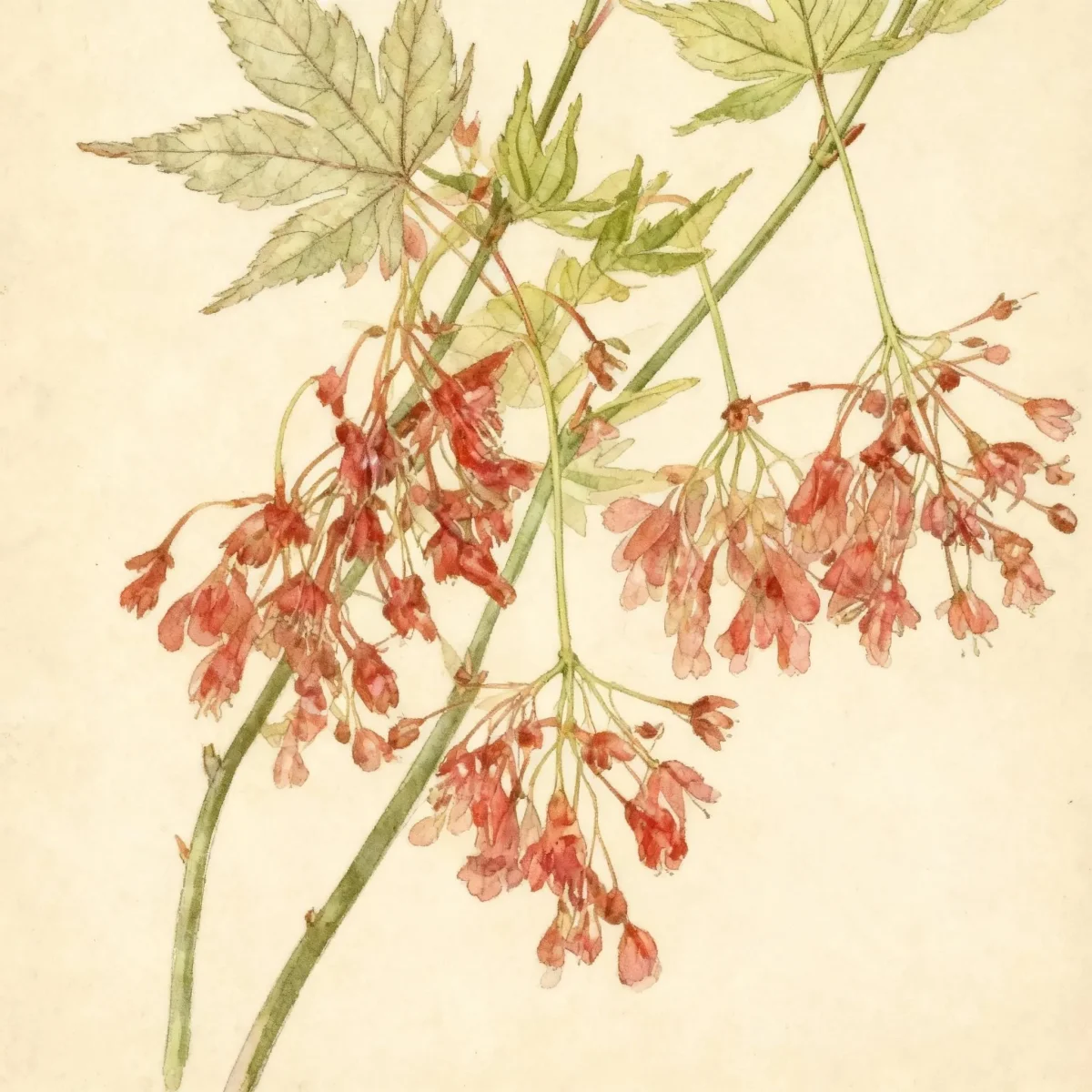
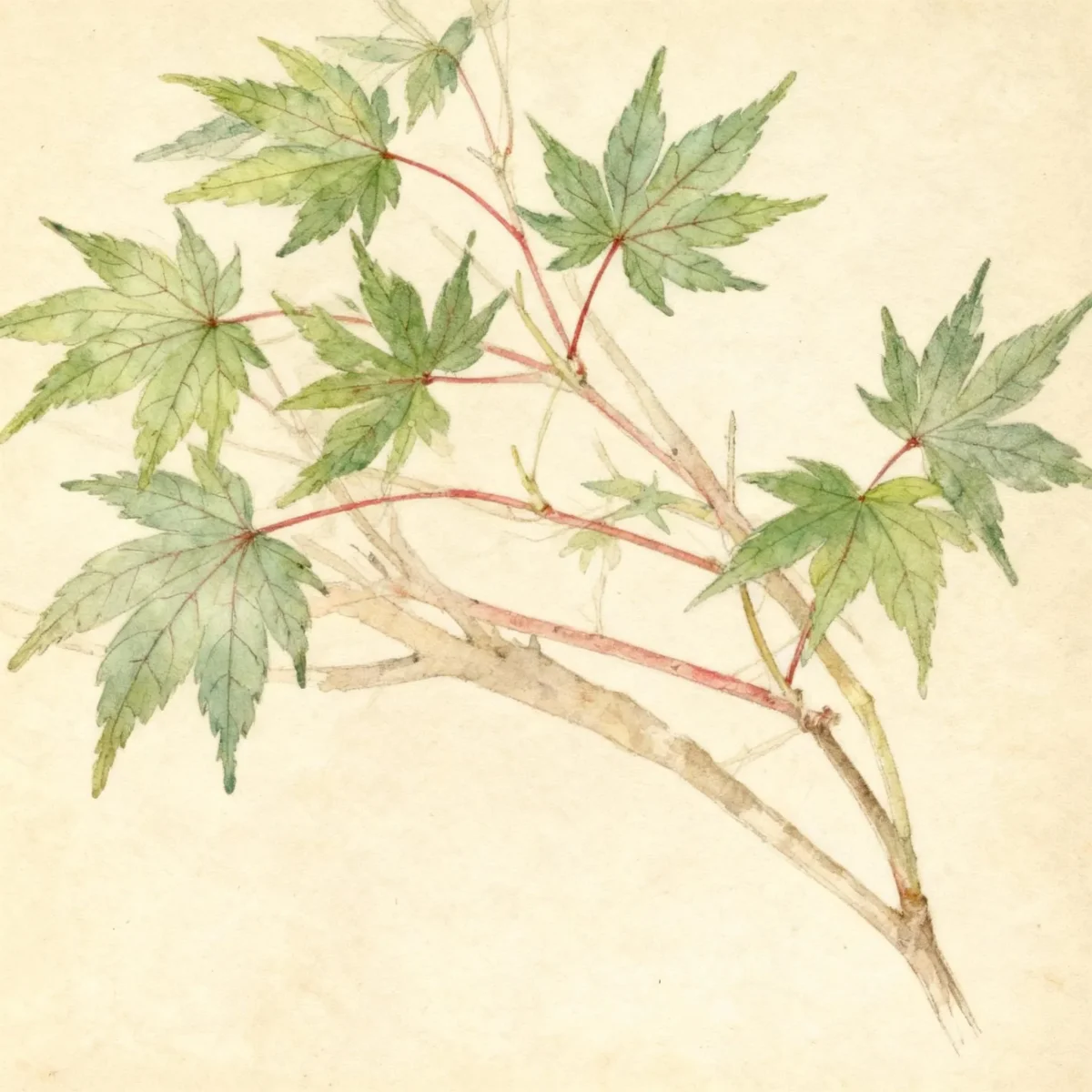
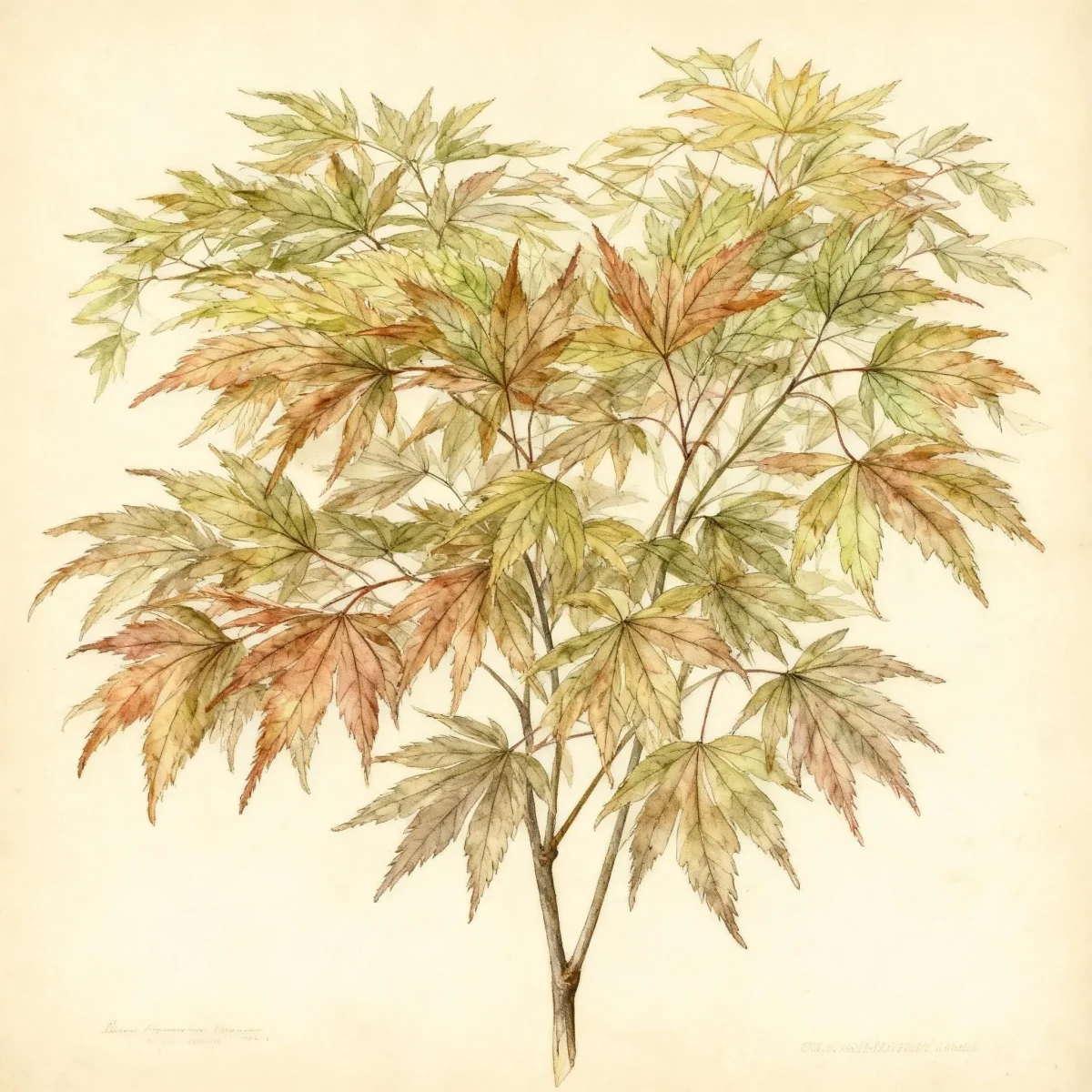
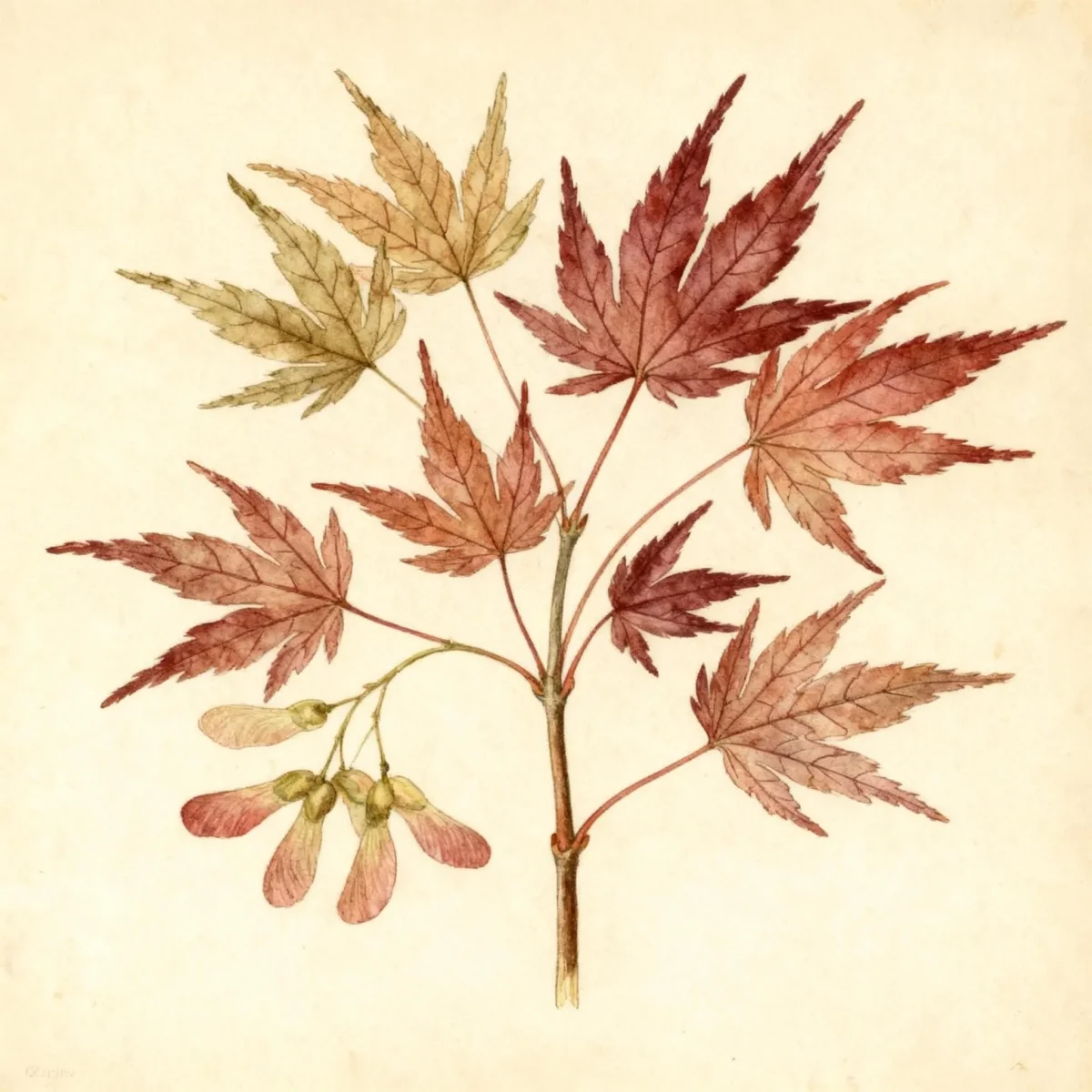
Acer palmatum, commonly called Japanese maple, is a deciduous shrub or small tree that typically grows to 10-25’ (infrequently to 40’) tall. It is native to Japan, Korea and China. General plant form is rounded to broad-rounded, often with low branching. Each palmate green leaf (2-5” long) has 5 or 7 but less frequently 9 pointed toothed lobes. Small reddish-purple flowers in umbels bloom in mid spring (April). The flowers are rather attractive close up, but are not particularly showy from a distance. Flowers are followed by samaras (to 3/4” long) in pairs. Samaras ripen in September-October. Fall color includes shades of yellow, red-purple and bronze. Cultivars (often grafted) are quite variable.Genus name is the Latin name for a maple tree.Specific epithet is in reference to the palmate nature of the leaves. Each leaf has several lobes (typically 5-7) that all originate from one point looking like an open hand with outstretched fingers.‘Bloodgood is a non-dissected type that grows into a small, rounded, deciduous tree which typically grows to 15-20’ tall and features purplish-red flowers in spring, deep reddish-purple summer foliage, red samaras in late summer to early fall and good crimson-red fall color. As with many maples, the flowers are rather attractive close up, but are not particularly showy from a distance. Palmate leaves (5-7 lobes) are 2-5” long. May also be grown as a multi-stemmed shrub.
Tolerances
- Rabbit
- Black Walnut
Potential Problems
The Acer palmatum ‘Bloodgood’ attracts several potential insect pests, including scale insects, borers, and mites, which may require monitoring and targeted treatment if infestations become severe. Fungal issues like leaf spots, anthracnose, and various root rots can develop, often exacerbated by poor drainage or overly wet conditions.
A primary cultural concern is leaf scorch, especially when this Japanese maple is exposed to intense sun coupled with insufficient moisture, leading to damaged leaf margins. Furthermore, since the foliage leafs out relatively early in spring, new growth on the Acer palmatum ‘Bloodgood’ is susceptible to damage from unexpected late spring frosts. Be aware that planting in high pH soils can induce chlorosis, leading to pale or yellowish foliage.
Frequently Asked Questions
What hardiness zones is Japanese maple suitable for?
This specific cultivar, Acer palmatum ‘Bloodgood’, is reliably hardy in USDA Zones 5 through 8.
How large does Acer palmatum ‘Bloodgood’ grow?
This vibrant Japanese maple typically matures to a manageable height and spread between 15 and 20 feet.
What sun exposure does Japanese maple need?
The Acer palmatum ‘Bloodgood’ prefers full sun to part shade, but it benefits significantly from afternoon shade when grown in the warmer southern limits of its hardiness range.
When does Japanese maple bloom?
Bloom time for this species is noted in April, displaying small flowers that are described as red.
Conclusion
The Acer palmatum ‘Bloodgood’ remains a cornerstone of refined landscaping, offering deep, reliable color from spring until its brilliant crimson autumn finale. For gardeners seeking a spectacular specimen tree with low general maintenance, this Japanese maple is an exceptional choice. Before planting your Acer palmatum ‘Bloodgood’, confirm your local climate aligns with USDA Zones 5 through 8 and plan for morning sun exposure for the best color results.
Companion Planting Ideas
When incorporating the Acer palmatum ‘Bloodgood’ into your garden design, choose companions that complement its fine texture and deep winter color, rather than competing with it. Shade-tolerant, low-growing groundcovers such as Japanese forest grass (Hakonechloa macra) or various Heuchera (Coral Bells) varieties work wonderfully beneath the canopy, often requiring similar well-drained, acidic conditions.
For vertical interest, consider pairing the Japanese maple with taller, evergreen specimens that provide necessary winter structure when the maple is dormant. Rhododendrons or Azaleas thrive alongside maples, as they share a preference for organically rich, acidic soil and can appreciate the filtered sunlight cast by the maple’s canopy in hotter areas.
Seasonal Care Calendar
Spring is the critical time for Japanese maple care; apply fertilizer just before the leaves emerge and ensure consistent watering as temperatures rise to prevent early scorch. Summer care should focus entirely on monitoring soil moisture, as consistent dampness is vital for leaf health; avoid high heat and drought stress.
In the fall, monitor the change in foliage to a handsome crimson hue, and locate the ideal spot for any future pruning; remember that pruning this Japanese maple should be reserved for the late fall or winter dormancy period to prevent heavy sap bleeding in spring. Winter preparation involves ensuring the soil is not frozen solid if you are in Zone 5, though protection from persistent, drying winter winds is beneficial across all zones where the Acer palmatum ‘Bloodgood’ is grown.