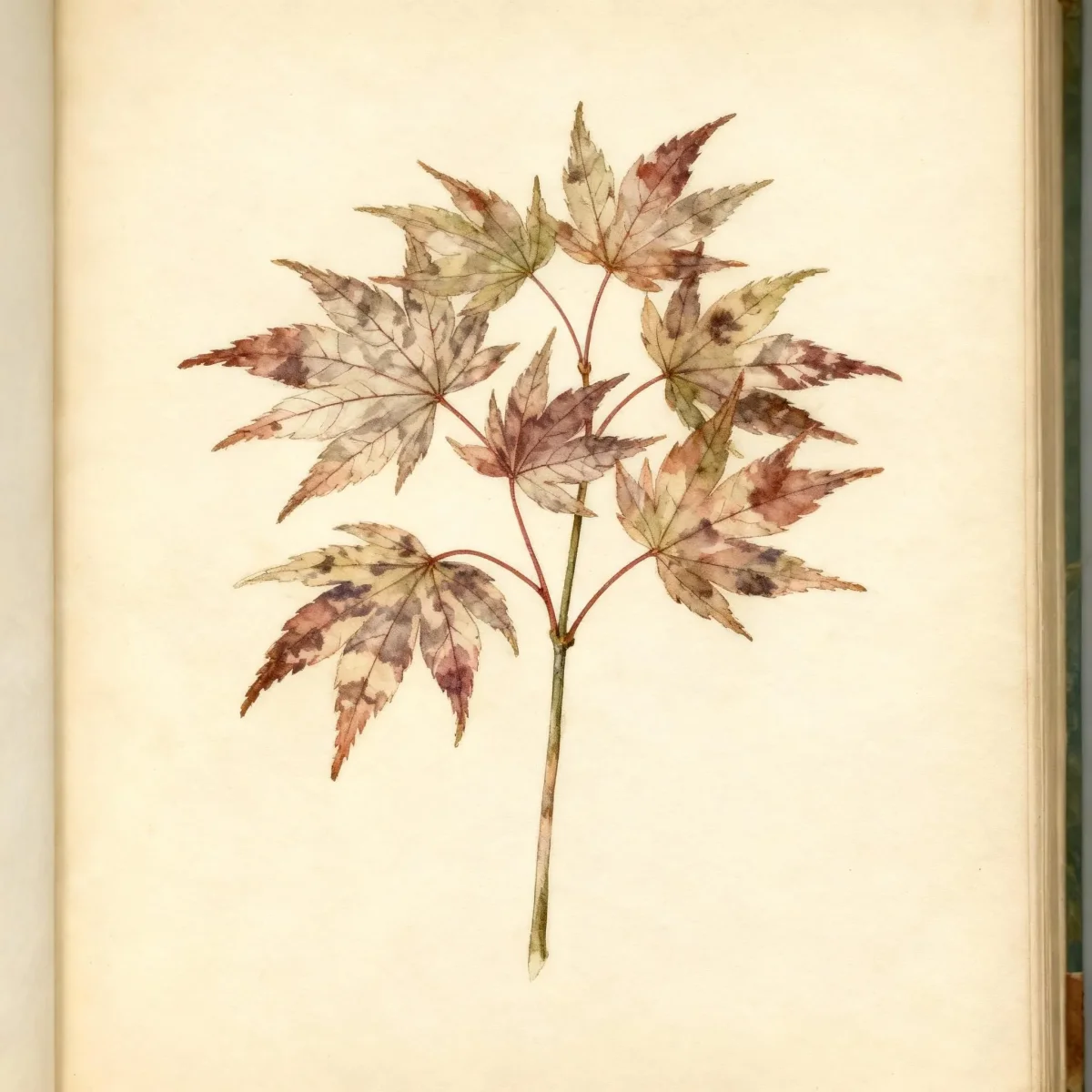
Japanese maple (Acer palmatum 'Butterfly')
Acer palmatum 'Butterfly' is a striking Japanese maple known for its variegated gray-green leaves with creamy white margins, perfect for accents.
Scroll down to discover growing tips, care requirements, companion plants, and more
Complete Plant Information
Overview
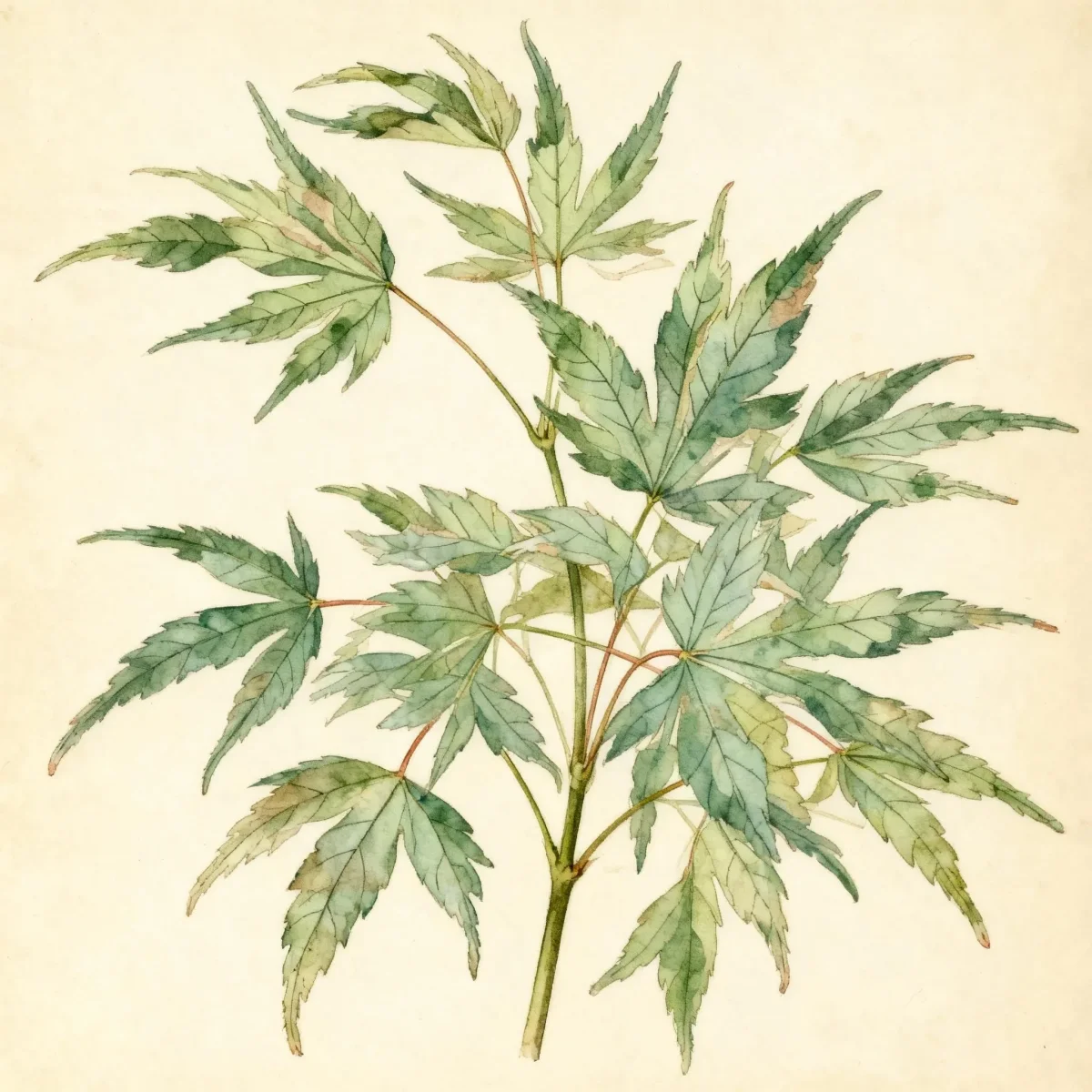
Acer palmatum ‘Butterfly’ is a highly desirable cultivar of the Japanese maple, prized for its intricate, variegated foliage that brings consistent year-round visual interest. This stunning specimen features deeply divided leaves that emerge gray-green, edged with bold, creamy white margins that often blush pink in the spring. As a compact, upright, shrubby form, the Acer palmatum ‘Butterfly’ offers the elegance of a Japanese maple without requiring vast space.
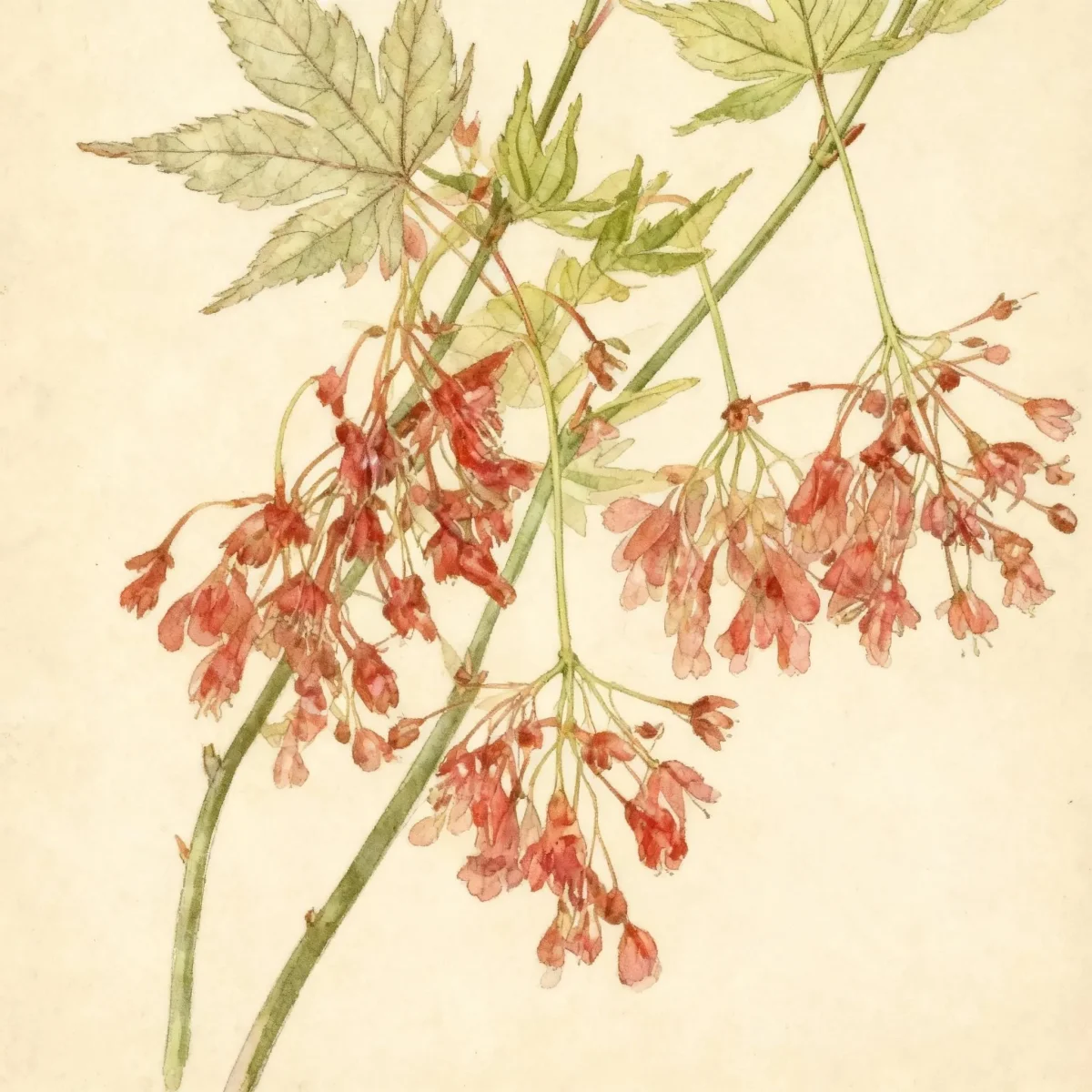
This cultivar typically reaches a manageable size, making it an excellent focal point in smaller gardens or near architectural features. While it offers modest reddish-purple flowers in spring, its true value lies in its bark, leaf structure, and eventual fall display, where the white areas often transform starkly to scarlet or magenta. Gardeners seeking a low-maintenance feature plant that stands out against deeper green backdrops will find the Acer palmatum ‘Butterfly’ fulfills that role beautifully.
Fast Facts
- Plant Family: Sapindaceae
- Plant Type: Tree
- Hardiness Zones: USDA Zones 5-8
- Size at Maturity:
- Height: 7-12 ft
- Spread: 4-8 ft
- Bloom Time: April
- Bloom Description: Reddish-purple
- Sun Exposure: Full sun to part shade
- Water Needs: Medium
- Maintenance Level: Low
How to Grow
The ideal location for planting the Acer palmatum ‘Butterfly’ mandates moist, organically rich, and slightly acidic, well-drained soil. While it can tolerate full sun in the cooler northern reaches of its hardiness range, gardeners in hotter climates should ensure it receives afternoon shade to prevent leaf scorch, especially during intense summer heat when consistent moisture is critical. Avoid hot, dry sites and always protect your Japanese maple from strong winds, which can damage the delicate foliage.
Watering should be consistent to maintain moist soil conditions; do not allow the soil to dry out completely, especially the first few seasons after planting. Mulching is highly recommended as it retains crucial soil moisture, keeps the roots cool, and discourages competition. Fertilize the Acer palmatum ‘Butterfly’ lightly in the early spring before the leaves fully emerge.
Pruning requirements are minimal for this beautiful species. If pruning is necessary, time this task for late fall or mid-winter. Avoid pruning in spring or summer entirely, as this timing often causes significant sap bleeding from the cuts on the branches.
Landscape Uses
Japanese maples like the Acer palmatum ‘Butterfly’ are fundamentally specimen trees, meaning they are best utilized where their unique form and foliage can be admired up close. They serve as powerful structural accents, grouping well near home foundations or defining the periphery of a border. Due to its moderate height, this variegated Japanese maple also functions perfectly as a sun-dappled understory tree in larger woodland gardens or woodland garden margins where filtered light will enhance the variegation.
Consider pairing this light-leaved cultivar with darker structural elements or deep green groundcovers to truly make the creamy margins pop visually. Because the Acer palmatum ‘Butterfly’ maintains an attractive shape even without pruning, it succeeds anywhere a sophisticated, relatively small focal point is desired, including near entryways or viewing patios.
Standout Features
Flower Qualities
- Insignificant
Noteworthy Characteristics
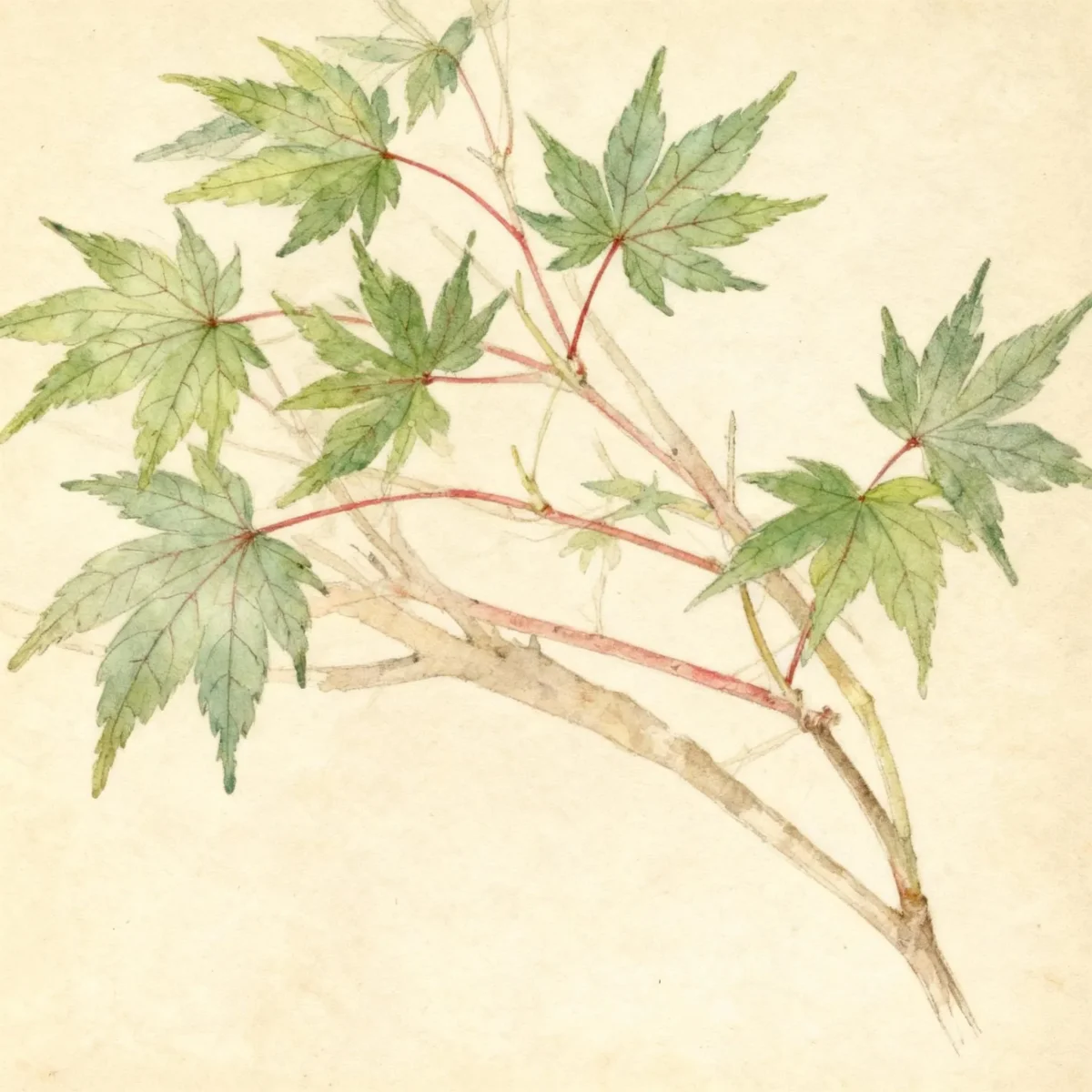
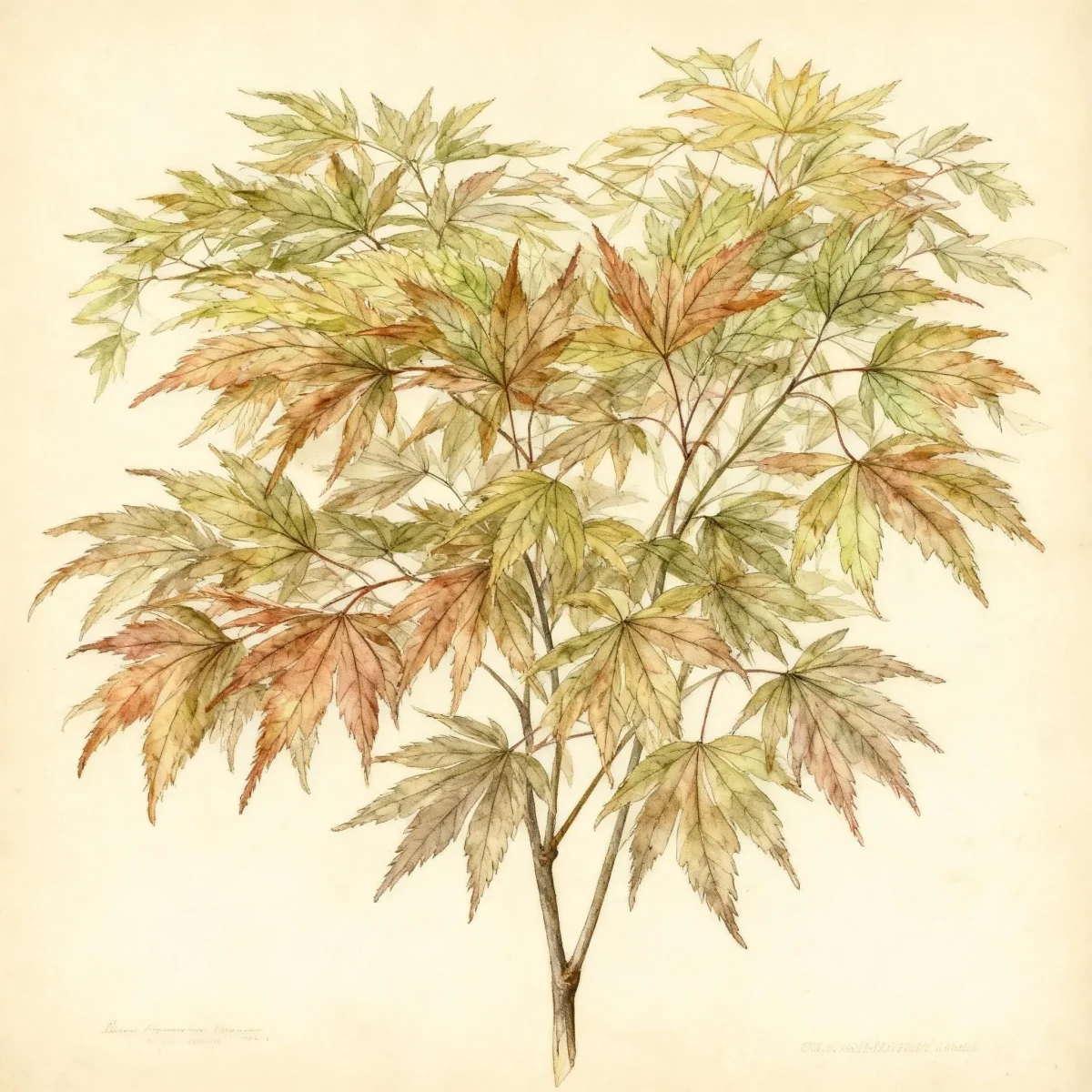
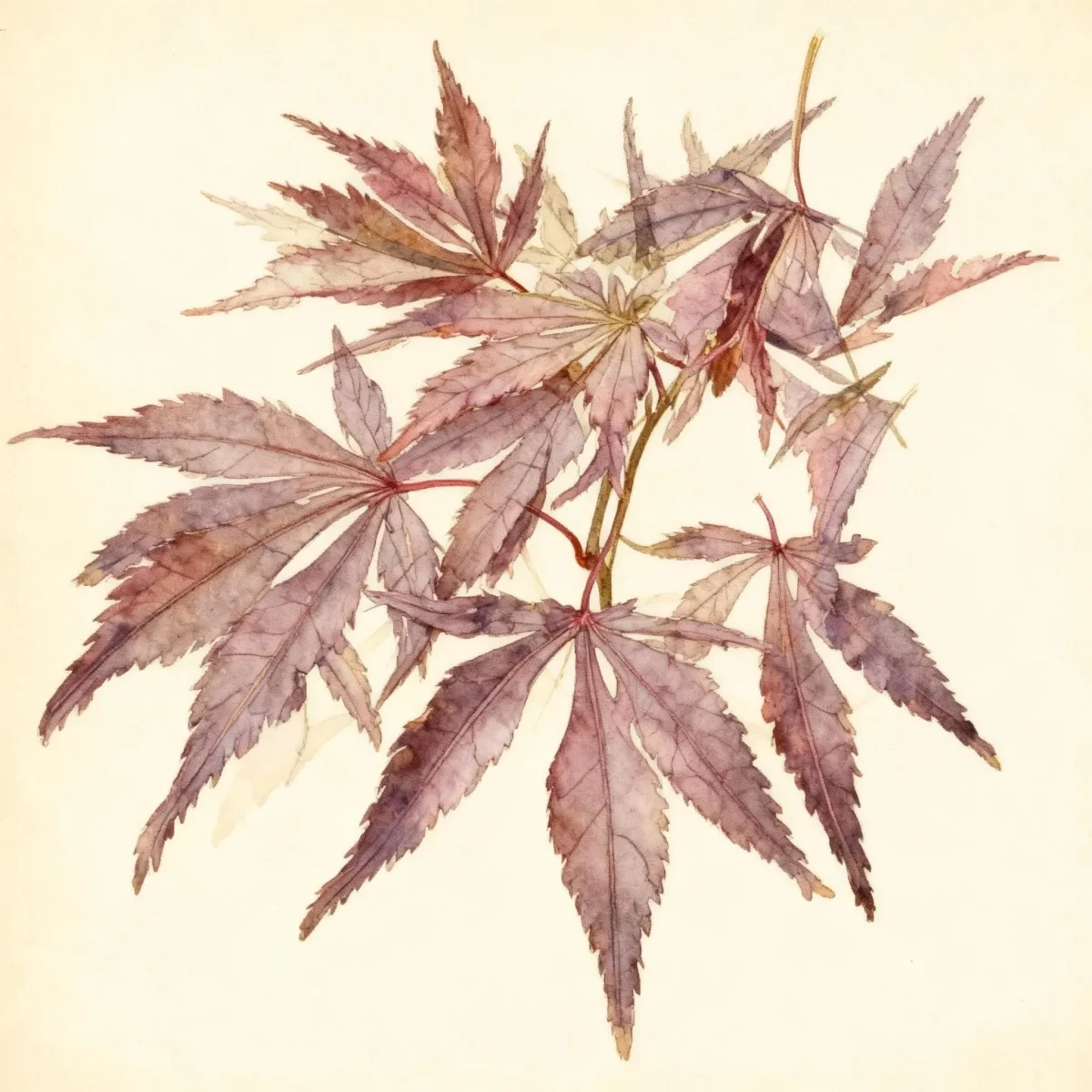
Acer palmatum, commonly called Japanese maple, is a deciduous shrub or small tree native to Japan, Korea, and China, typically possessing a rounded, broad-formed structure. The cultivar ‘Butterfly’ is distinctively upright, growing to only 7-12 feet tall, featuring palmate, deeply divided leaves (about 3 inches long). These leaves are gray-green with prominent creamy white margins, which often display pink edging in the spring, before the white areas turn brilliant scarlet to magenta in the autumn.
Tolerances
- Rabbit
- Black Walnut
Potential Problems
Potential issues for this Japanese maple generally fall into biotic and abiotic categories. Disease threats include stem canker, leaf spots, anthracnose, root rots, and the serious threat of Verticillium wilt. Gardeners should also monitor for common insect pests such as scale insects, borers, and root weevils, while mites can also prove troublesome in dry conditions.
A common cultural problem specific to variegated plants like ‘Butterfly’ is foliage scorching, particularly new spring leaves damaged by late frosts or leaf burn in hot, intense summer sun. If the plant is sited in high pH soils, chlorosis (yellowing due to nutrient lockout) can develop, requiring soil amendment.
Frequently Asked Questions
What hardiness zones is Japanese maple suitable for?
The Acer palmatum ‘Butterfly’ is typically hardy and performs best when grown in USDA Zones 5 through 8.
How large does Acer palmatum ‘Butterfly’ grow?
This specific cultivar usually matures to a height between 7 and 12 feet tall, with a spread generally ranging from 4 to 8 feet wide.
What sun exposure does Acer palmatum ‘Butterfly’ need?
The ideal requirement for this Japanese maple is full sun to part shade, though afternoon shade is vital in warmer regions to prevent leaf scorch.
When does Japanese maple bloom?
Bloom time for the modest reddish-purple flowers on Acer palmatum ‘Butterfly’ typically occurs in April.
Conclusion
The Acer palmatum ‘Butterfly’ offers exceptional value to the landscape due to its distinctive, creamy-margined variegated foliage and manageable, upright habit, securing its place as a premier Japanese maple selection. Its low maintenance level further enhances its appeal for modern gardeners seeking year-round structure and color. Before planting, confirm your garden falls within USDA Zones 5-8 and plan for a location that offers protection from harsh winds and intense afternoon sun.
Companion Planting
Selecting good companions for the Acer palmatum ‘Butterfly’ is key to highlighting its unique coloration. Because it thrives in partial shade and rich, moist soil, pair it with woodland edge plants that share similar cultural needs. Consider using dark green hostas, ferns, or broadleaf evergreens like rhododendrons or azaleas as a deep backdrop to contrast the white variegation of the Japanese maple.
When planting near the base, ensure groundcovers do not aggressively compete for moisture, especially during establishment. Low-growing, shade-tolerant perennials work well to maintain an uncluttered foreground that allows viewers to appreciate the low branching and form of the Acer palmatum ‘Butterfly’.
Seasonal Care Calendar
Spring preparation involves fertilizing just before the leaves emerge, ensuring the plant receives necessary nutrients for its vigorous new growth flush. This is also the time to monitor for late frosts that could damage the vulnerable new foliage. Summer care focuses heavily on ensuring consistent, medium water supply and applying mulch to buffer soil temperatures.
Fall is when the spectacular transformation occurs, as the white leaf margins turn shades of scarlet or magenta, offering a final show of color before leaf drop. Winter protection involves avoiding pruning unless absolutely necessary; if pruning is required, wait until late fall or mid-winter when the tree is fully dormant to minimize sap loss.