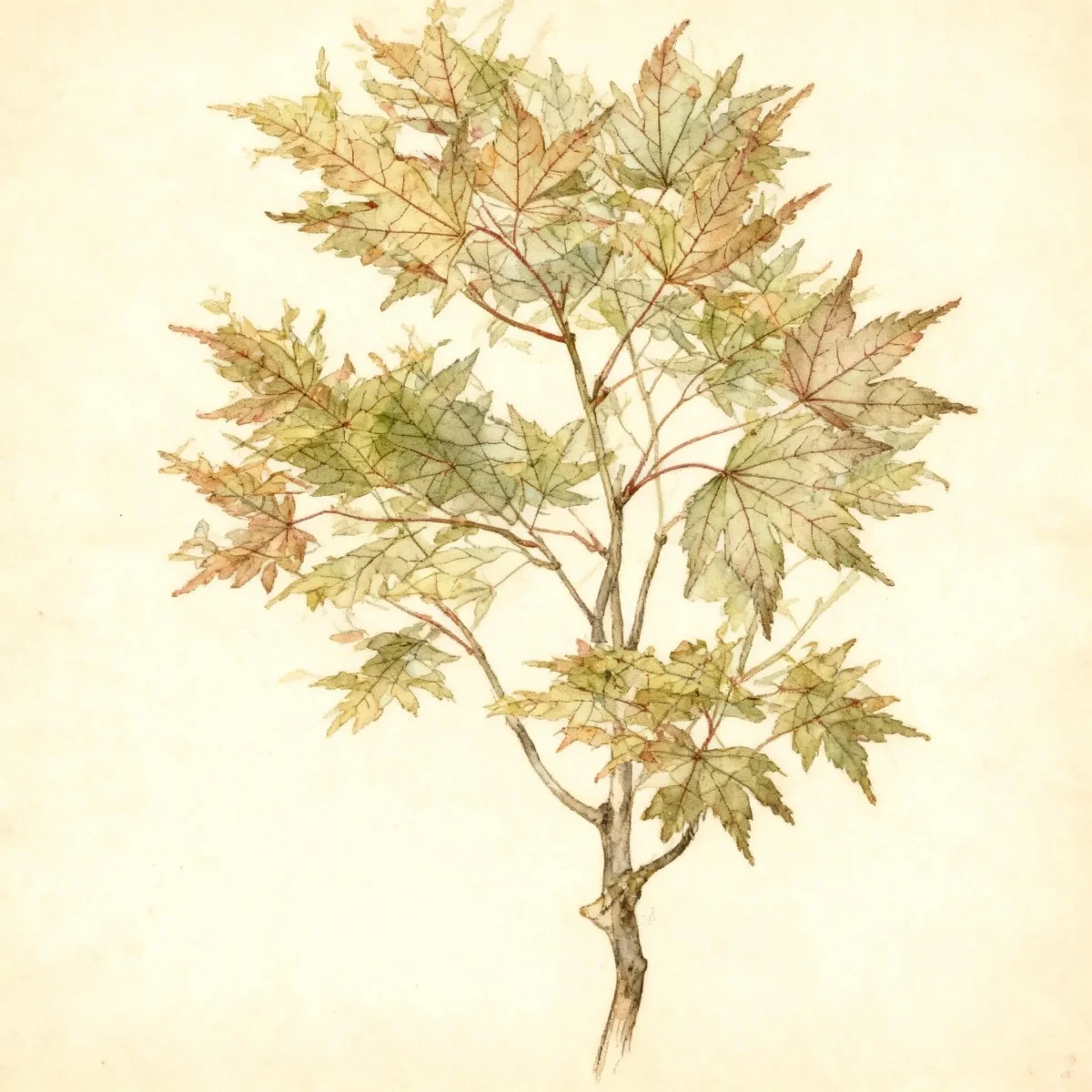
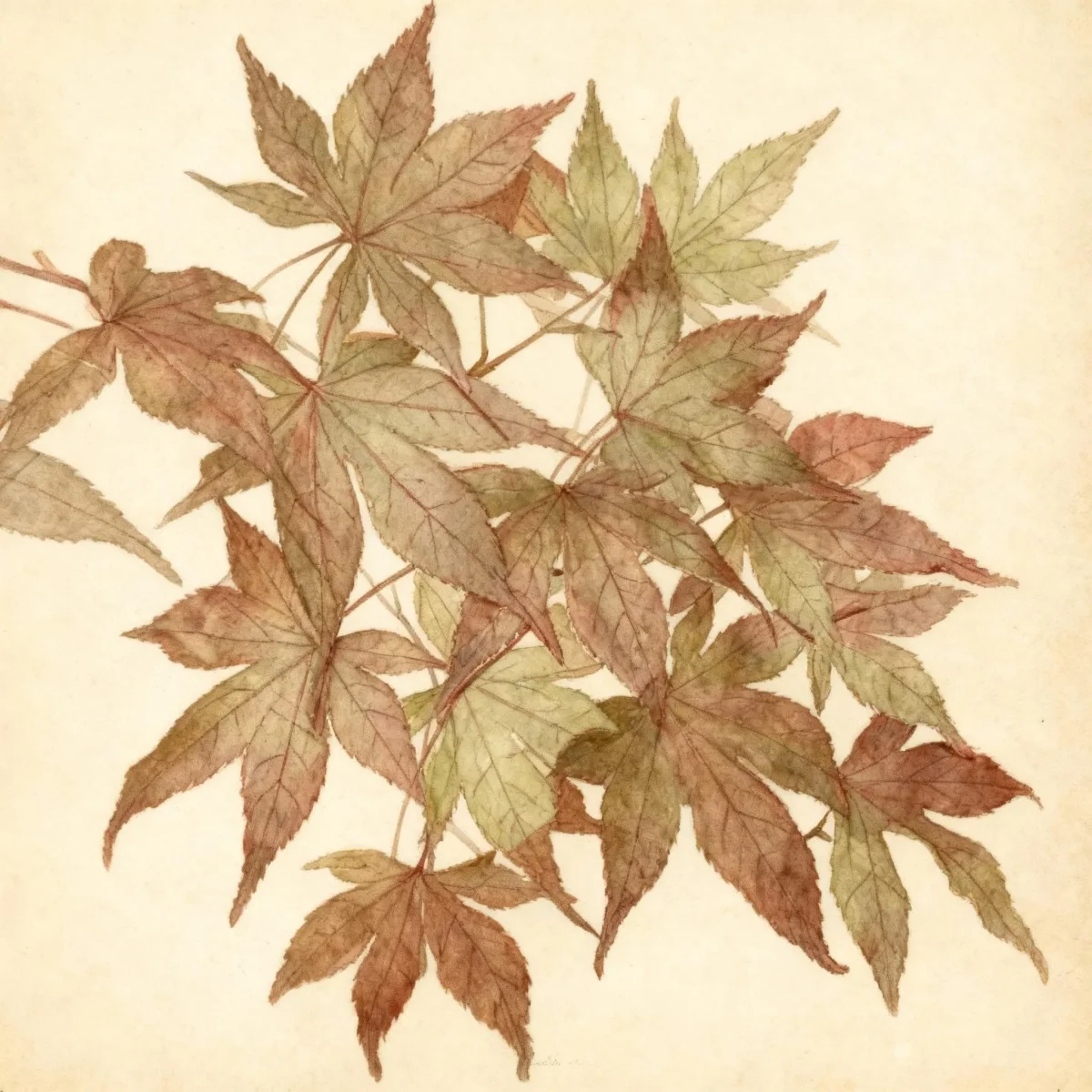
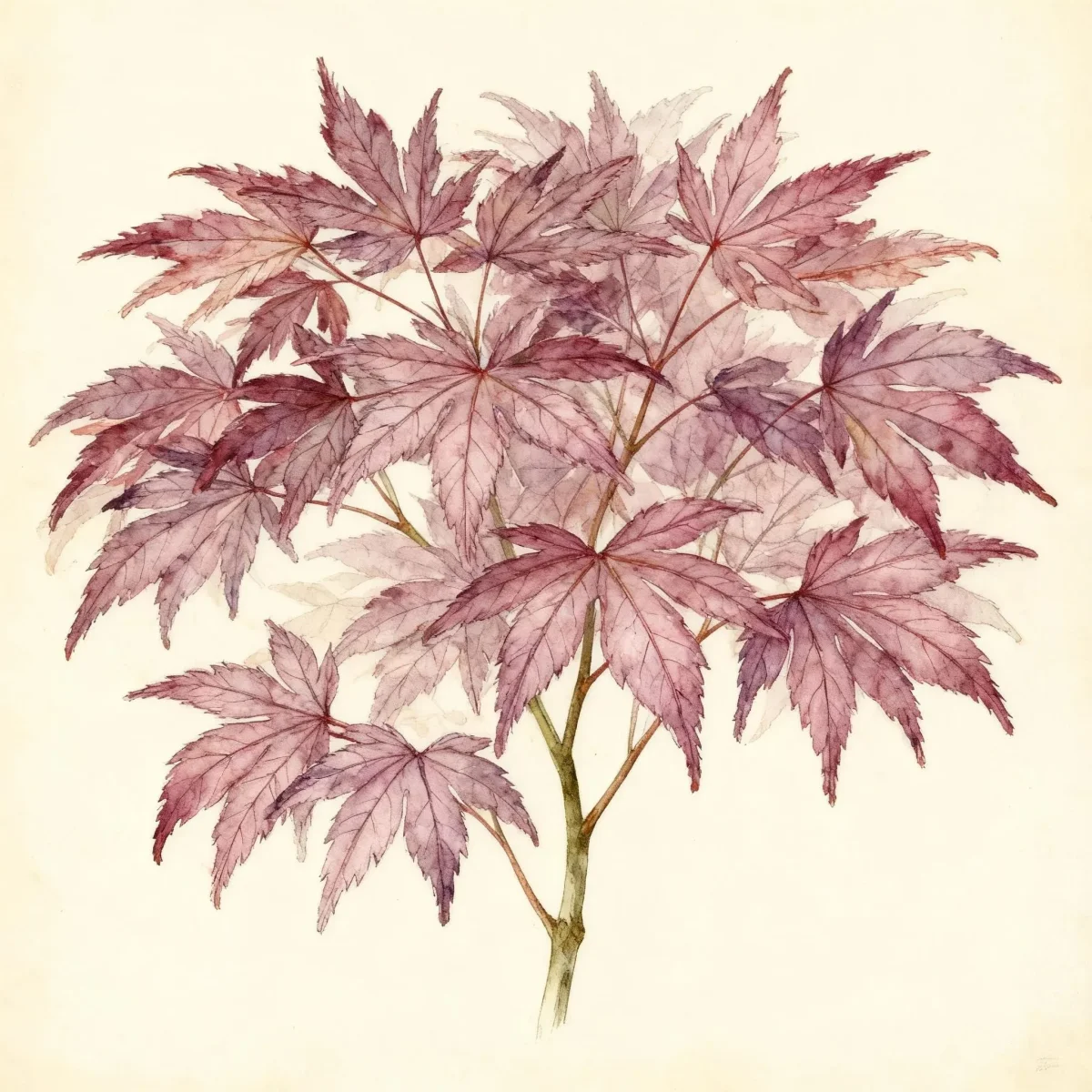
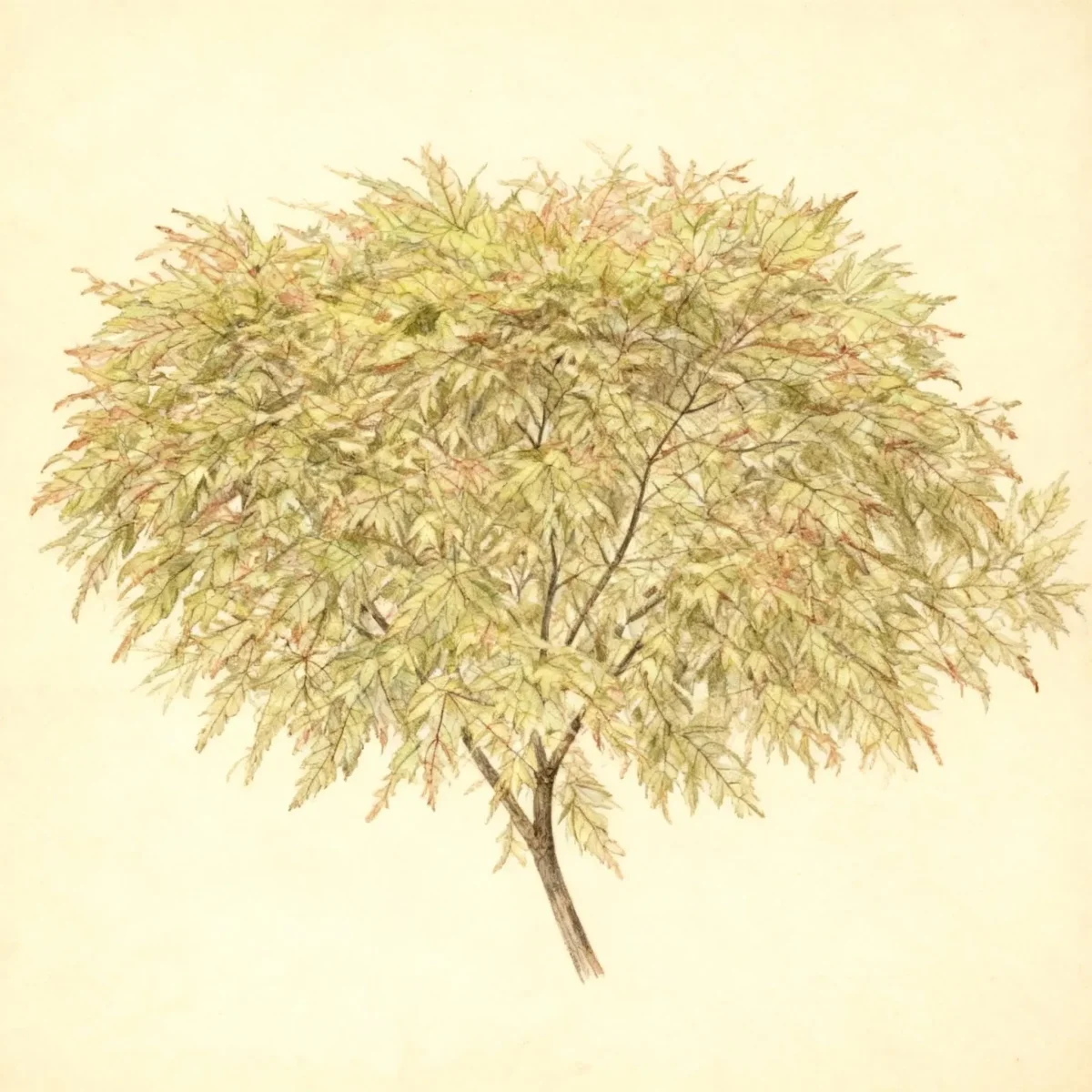
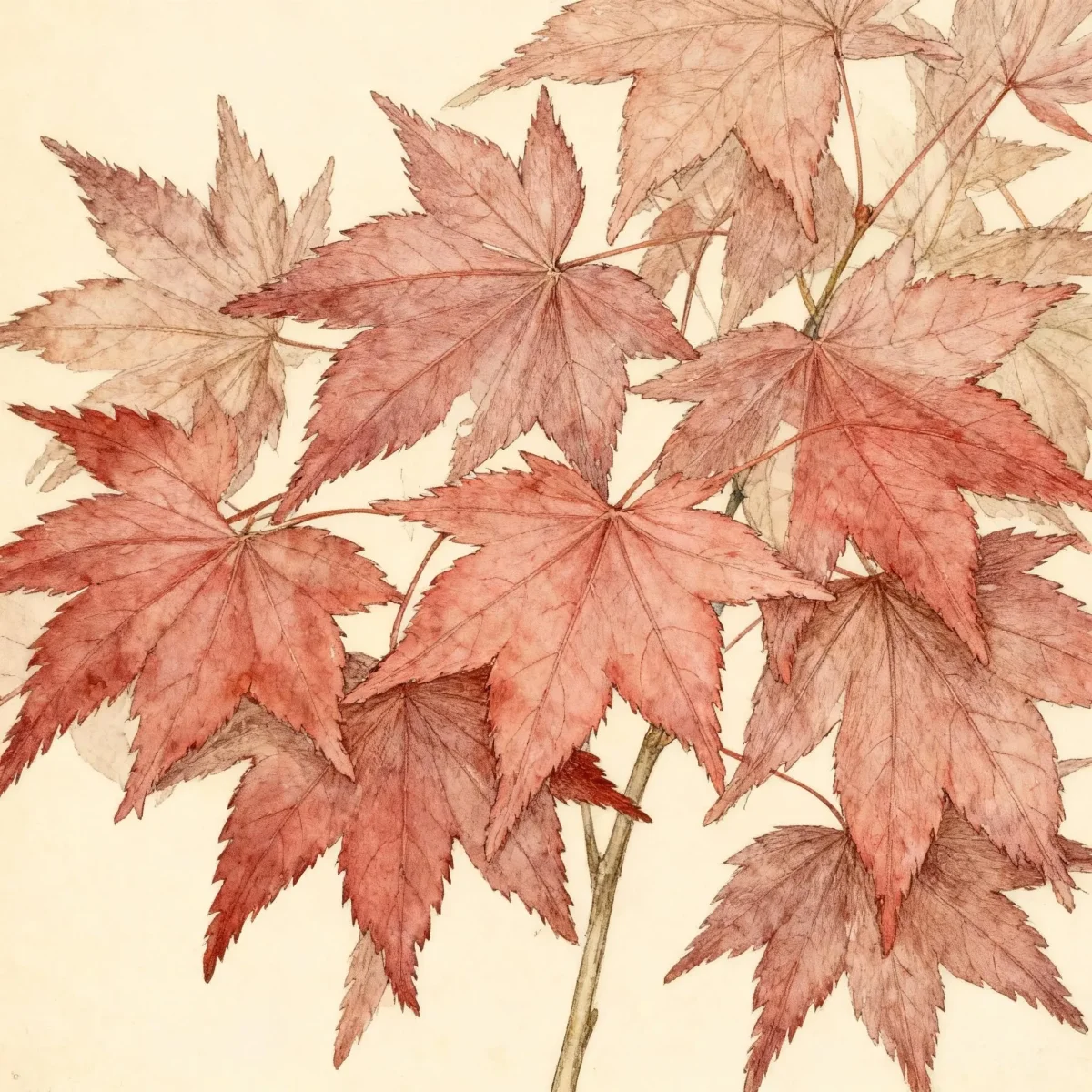
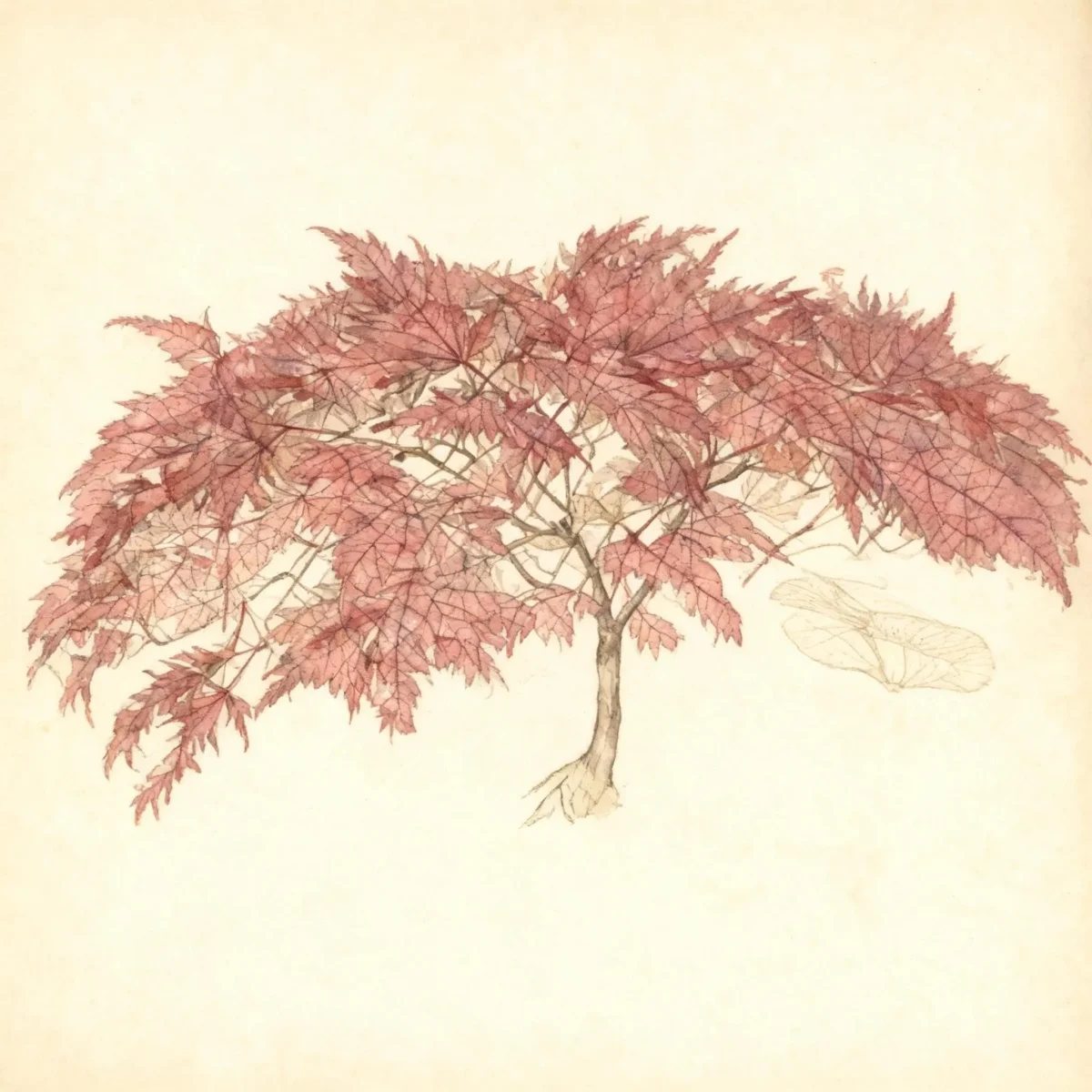
Japanese maple (Acer palmatum 'Germaine's Gyration')
Acer palmatum 'Germaine's Gyration' is a low-maintenance Japanese maple offering unique twisting branches and attractive yellow-orange-red fall color.
Scroll down to discover growing tips, care requirements, companion plants, and more
Complete Plant Information
Overview
The stunning Acer palmatum ‘Germaine’s Gyration’ is a highly sought-after cultivar of the Japanese maple, prized by gardeners for its unique architecture and seasonal interest. This selection typically matures into a spreading mound, characterized by its distinctive, twisting branches that provide excellent winter structure. Its primary appeal lies in its foliage, which emerges green but transforms into brilliant shades of yellow, orange, and red as autumn approaches.
As a smaller shrub form, the Acer palmatum ‘Germaine’s Gyration’ offers significant aesthetic value without demanding the vast space required by larger deciduous trees. It thrives with relatively low maintenance, provided its specific soil and moisture requirements are met. Gardeners appreciate this Japanese maple for accent planting, specimen interest, or adding texture to woodland margins.
It is important to site this plant thoughtfully to prevent leaf scorch during hot summers, as delicate foliage can suffer in intense afternoon sun without consistent moisture. Careful attention to cultural needs ensures the Acer palmatum ‘Germaine’s Gyration’ remains a vibrant, low-stress addition to the landscape year after year.
Fast Facts
- Plant Family: Sapindaceae
- Plant Type: Deciduous shrub
- Hardiness Zones: USDA Zones 5-8
- Size at Maturity:
- Height: 6-8 ft
- Spread: 8-12 ft
- Bloom Time: April
- Bloom Description: Reddish-purple
- Sun Exposure: Full sun to part shade
- Water Needs: Medium
- Maintenance Level: Low
How to Grow
The best foundation for planting Acer palmatum ‘Germaine’s Gyration’ involves establishing it in moist, organically rich, slightly acidic, and importantly, well-drained soil. While it tolerates sandy loams, consistency is key; ensure soils are kept consistently moist, especially during hot summers, which helps prevent scorching of the new foliage in sunny spots. Site your Japanese maple away from high winds and avoid exposing it to overly hot and dry locations.
Watering should be consistent, meeting its medium water needs throughout the growing season. Fertilize lightly in early spring just before the leaves emerge. Mulching is highly recommended as it serves the dual purpose of retaining crucial soil moisture and keeping the shallow roots cool during warming trends.
Pruning on this Japanese maple should be kept to an absolute minimum to preserve its natural form. When shaping is necessary, perform cuts in late fall or mid-winter. Avoid pruning in spring or summer entirely, as this commonly results in significant sap bleeding from the cuts.
Landscape Uses
Japanese maples are fundamentally grown for their captivating foliage and unique sculptural shapes, making the Acer palmatum ‘Germaine’s Gyration’ an excellent focal point. Its dense, mounding structure and twisting branches make it ideal for use as a specimen or accent plant near entryways or patios where its form can be appreciated up close. It functions beautifully near the periphery of borders, softening edges or providing textural contrast against evergreens.
This cultivar also works well incorporated into woodland gardens, particularly where dappled shade prevails, though closer to full sun near the northern edges of its range can enhance fall color. Because of its manageable size (6-8 ft tall and 8-12 ft wide), it can serve as an informal screen or grouped planting around the foundation of a large home. Consider pairing it with plants that appreciate similar acidic soil conditions, such as azaleas or rhododendrons, for cohesive aesthetic plantings.
Standout Features
Flower Qualities
- Insignificant
Noteworthy Characteristics
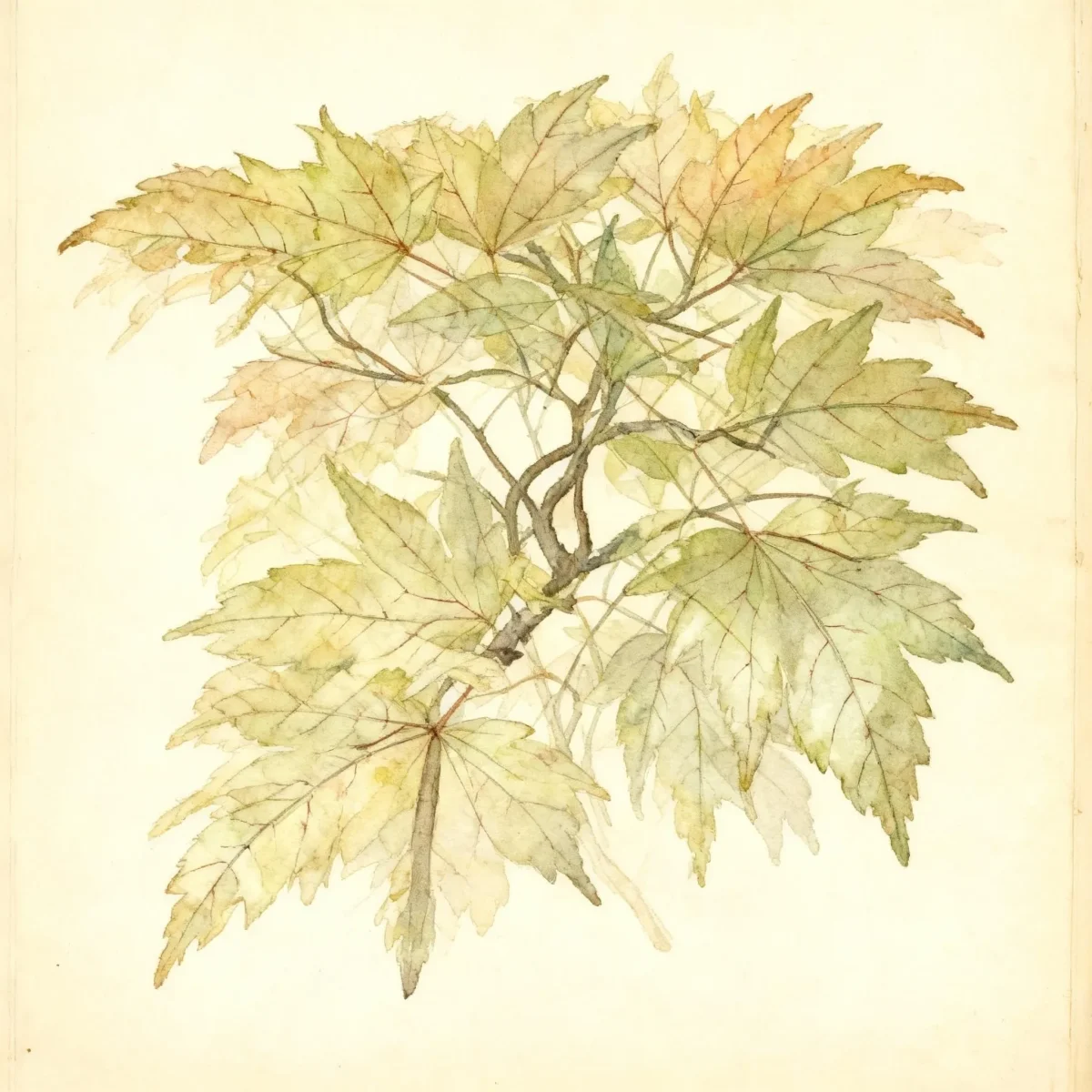
Acer palmatum, commonly called Japanese maple, is a deciduous shrub or small tree known for its variable, often palmate green leaves featuring 5 to 9 pointed lobes. The Acer palmatum ‘Germaine’s Gyration’ (dissected group) is specifically recognized as a smaller shrub form that matures into a spreading mound with twisting branches. Its palmate, dissected green leaves, lightly tinged with burgundy at the lobe tips, provide excellent texture before showcasing attractive shades of yellow, orange, and red in the fall.
Tolerances
- Rabbit
- Black Walnut
Potential Problems
This beautiful Japanese maple variety faces several potential disease issues, including stem canker, leaf spots, verticillium wilt, botrytis, anthracnose, and root rots. To mitigate these, ensure excellent air circulation (by avoiding overly tight groupings) and never allow the soil to become waterlogged, which encourages root rots.
Insect pests to watch for include common threats such as aphids, scale insects, borers, bagworms, and root weevils, with mites sometimes proving troublesome. Routine inspection, especially under the leaves, allows for early intervention using horticultural oils or targeted insecticides if infestations occur. Be prepared for early spring foliage damage, as this tree leafs out early and risks frost damage in late spring across its range; this damage is usually cosmetic.
Frequently Asked Questions
What hardiness zones is Japanese maple suitable for?
The Acer palmatum ‘Germaine’s Gyration’ is best suited for USDA Hardiness Zones 5 through 8, requiring protection or supplemental care outside this range.
How large does Acer palmatum ‘Germaine’s Gyration’ grow?
This cultivar typically reaches a mature height between 6 to 8 feet tall, spreading outward to a width of 8 to 12 feet.
What sun exposure does Japanese maple need?
This specific Japanese maple performs best in full sun to part shade across its range. In hotter climates, ensure it receives relief from the intense late afternoon summer sun.
When does Acer palmatum ‘Germaine’s Gyration’ bloom?
Flowering occurs in April, producing small, reddish-purple blooms which are subtle from a distance.
Conclusion
The Acer palmatum ‘Germaine’s Gyration’ offers gardeners a valuable asset due to its low maintenance needs, distinctive twisting structure, and brilliant autumnal performance. This unique Japanese maple brings sophistication to any planting scheme once site conditions, particularly regarding moisture and sun exposure, are correctly managed. Always confirm your microclimate aligns with USDA Zones 5-8 before planning your spring planting.
Companion Planting
When selecting companions for Acer palmatum ‘Germaine’s Gyration’, focus on plants that share its preferences for slightly acidic, moist, and organically rich soils. Bulbs like spring-flowering daffodils or snowdrops offer early texture. For summer interest beneath the canopy, consider shade-tolerant perennials such as Hostas layered beneath or ferns, which complement the finely dissected foliage texture of the Japanese maple.
Avoid plants that require heavy fertilization or lean toward alkaline soil, as these will stress the Maple. Plants with contrasting, bold leaf textures, like Brunnera or large-leaved Hydrangeas, create excellent visual pairings adjacent to the delicate leaves of this cultivar.
Seasonal Care Calendar
Early Spring (Before Leaf Out): This is the optimum time for any necessary pruning, keeping cuts minimal. Apply a slow-release fertilizer now, before active growth begins. Monitor for signs of new pest activity as the tree emerges from dormancy.
Late Spring/Early Summer: Watch the developing foliage closely for signs of scorching, particularly if planted in a sunny location. Maintain a consistent watering schedule, especially during dry spells, and ensure the mulch layer is thick enough (2-3 inches) to conserve moisture and moderate root temperature.
Fall: As the temperatures cool, enjoy the spectacular transformation of the foliage into shades of yellow, orange, and red. Rake fallen leaves gently, or allow them to decompose in place to enrich the soil structure around the base of the Acer palmatum ‘Germaine’s Gyration’.