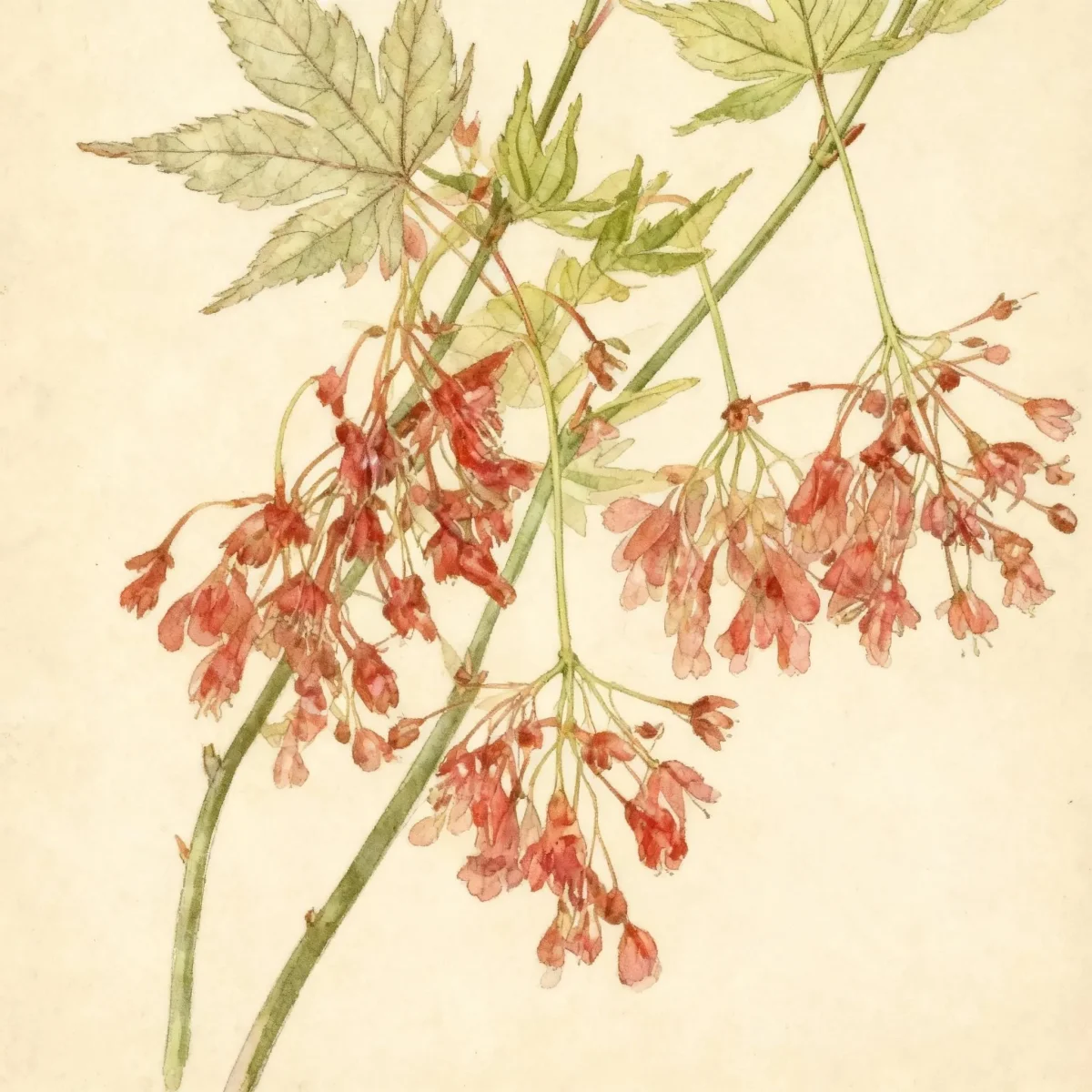
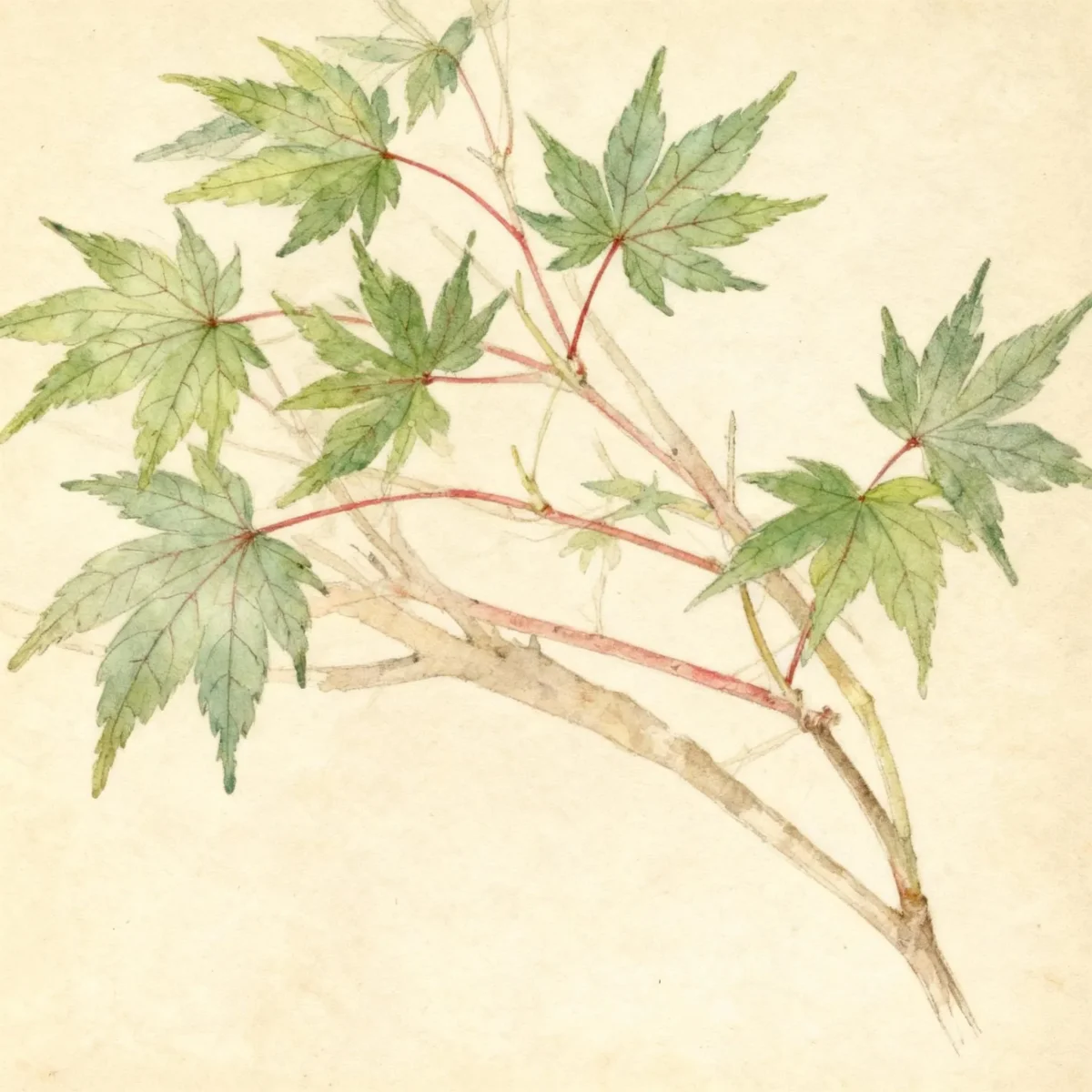
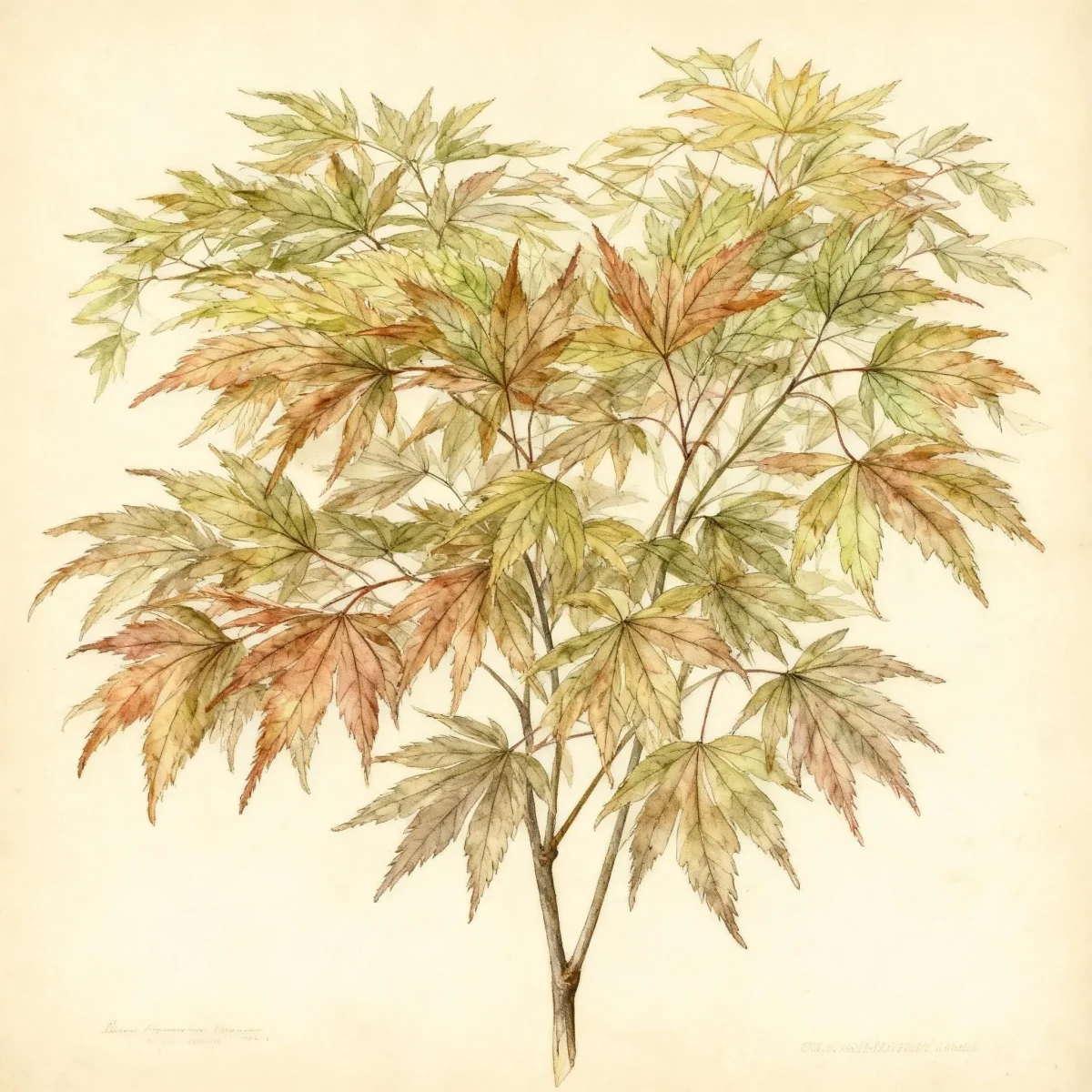
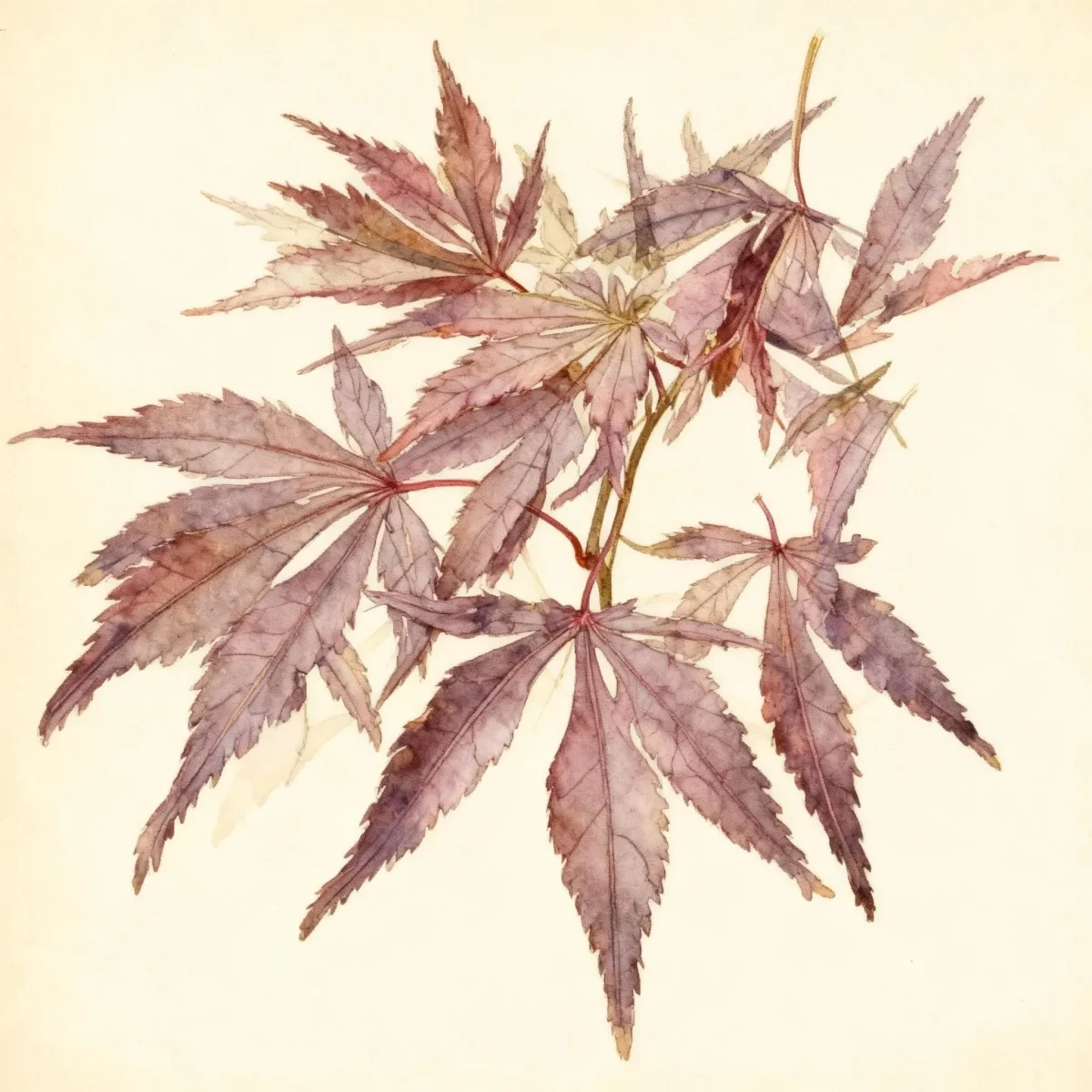
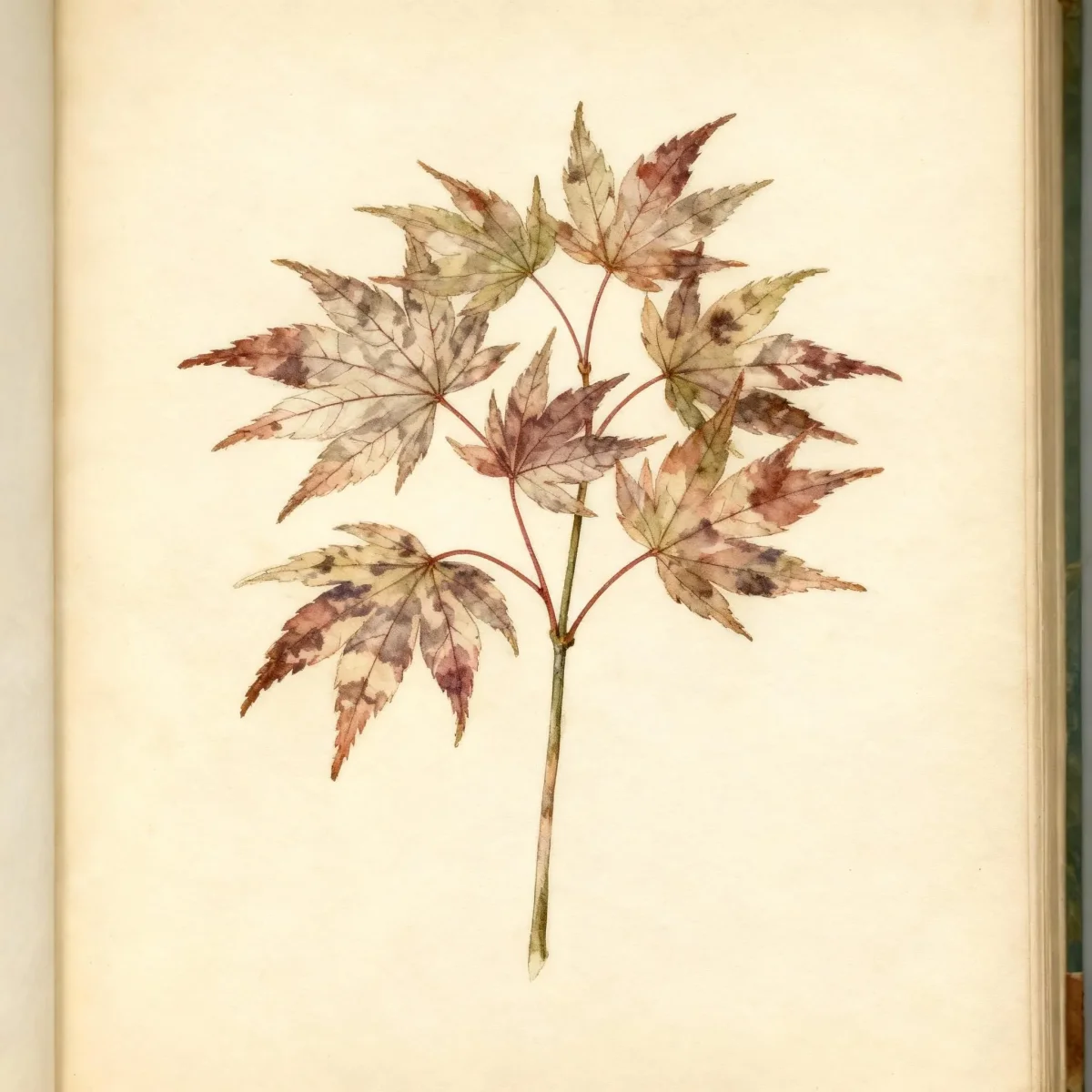
Japanese maple (Acer palmatum var. dissectum 'Tamukeyama')
Acer palmatum var. dissectum 'Tamukeyama' is a cascading Japanese maple prized for deeply cut, rich purple-red foliage that holds color well through summer.
Scroll down to discover growing tips, care requirements, companion plants, and more

Complete Plant Information
Overview
The Acer palmatum var. dissectum ‘Tamukeyama’ is a stunning, low-mounding cultivar of the Japanese maple, celebrated for its dramatic, lace-like foliage. This selection exhibits deeply cut, dissected leaves that emerge a rich purple-red, a color it diligently maintains through the heat of summer before transitioning to brighter red tones in autumn. Its naturally cascading and weeping growth habit makes the Acer palmatum var. dissectum ‘Tamukeyama’ an outstanding specimen plant.
Valued for its fine texture and manageable size, Japanese maple varieties like ‘Tamukeyama’ offer incredible visual contrast in the landscape. Growing to heights of 6 to 8 feet with a broader spread of 8 to 12 feet, this slow-growing shrub offers year-round interest, despite its insignificant spring flowers. Gardeners appreciate the low maintenance required once this laceleaf Japanese maple is established in an ideal location.
Prudent placement is key to preserving the excellent summer color of this specific Japanese maple. While adaptable, protecting the delicate foliage of Acer palmatum var. dissectum ‘Tamukeyama’ from harsh winds and intense, late-afternoon sun in hotter climates will ensure it thrives and showcases its natural, weeping form gracefully.
Fast Facts
- Plant Family: Sapindaceae
- Plant Type: Tree
- Hardiness Zones: USDA Zones 5-8
- Size at Maturity:
- Height: 6-8 ft
- Spread: 8-12 ft
- Bloom Time: April
- Bloom Description: Reddish-purple
- Sun Exposure: Full sun to part shade
- Water Needs: Medium
- Maintenance Level: Low
How to Grow
Establish your Acer palmatum var. dissectum ‘Tamukeyama’ during the dormant season, typically late fall or early spring, while the ground is workable. This Japanese maple thrives in moist, organically rich, and slightly acidic, well-drained soils, performing well even in sandy loams. While it can handle full sun in cooler regions, gardeners in the southern parts of its range should site it where it receives afternoon shade to prevent foliage scorch during hot summers.
Water needs are best met by keeping the soil consistently moist, especially during establishment and hot periods, as dryness stresses the plant. Apply a layer of mulch to help retain soil moisture and keep the upper root zone cool, protecting this sensitive cultivar from heat stress. Avoid planting your laceleaf Japanese maple in hot and dry sites where wind exposure is high.
Pruning is best kept to an absolute minimum to preserve the natural weeping shape of the Acer palmatum var. dissectum ‘Tamukeyama’. If trimming is necessary, perform the work in late fall or mid-winter after leaf drop. Avoid pruning in spring or summer, as cutting live wood during active sap flow will lead to significant and unsightly sap bleeding from the cuts.
Landscape Uses
Dissected forms of Japanese maples, including this weeping variety, are principally grown for their striking foliage texture and elegant, low-spreading silhouette. The cascading branches of Acer palmatum var. dissectum ‘Tamukeyama’ make it an exceptional specimen or accent plant near patios or entryways where its form can be fully appreciated. Grouping several around a yard allows for an airy, layered effect.
Due to its exquisite, deeply cut foliage, this cultivar excels when placed near reflective surfaces, like a pond or water garden, which doubles the visual effect of its color and shape. It also works beautifully as an understory plant, thriving in the protective, dappled shade provided beneath larger, established canopy trees. For smaller spaces, the compact nature of this Japanese maple also makes it suitable for cultivation in large containers.
Standout Features
Flower Qualities
- Insignificant
Noteworthy Characteristics
Acer palmatum, commonly called Japanese Maple, is usually a shrub or small tree whose var. dissectum forms, like ‘Tamukeyama’, are smaller, shrubby, and slower growing with cascading branches. The foliage of ‘Tamukeyama’ features deeply cut, dissected purple-red leaves up to 4 inches long, which are noted for retaining good color throughout the summer before turning brighter red in the fall. While small reddish-purple flowers appear in spring, the primary ornamental value lies in its highly refined leaf texture and weeping structure.
Tolerances
- Rabbit
- Black Walnut
Potential Problems
This Japanese maple cultivar faces several potential issues, primarily related to environmental stress and specific pathogens. Fungal diseases such as stem canker, leaf spots, anthracnose, and root rots can become problematic, often exacerbated by poor air circulation or overly wet conditions. Insect pests like aphids, scale, borers, and root weevils may also require monitoring and treatment. Environmentally, the early spring leaf-out makes the new foliage highly susceptible to damage from late spring frosts, and planting in high pH soils can quickly lead to chlorosis (yellowing) as the plant struggles to absorb iron.
To manage these issues, ensure excellent soil drainage and avoid overhead watering to minimize fungal risks. Mulch application, as noted in cultural requirements, helps stabilize soil temperature and moisture, reducing stress that invites pests. For protection against frost, consider temporary overhead cover if early budding is observed before the threat of frost has fully passed in your area.
Frequently Asked Questions
What hardiness zones is Japanese maple suitable for?
This specific laceleaf Japanese maple, Acer palmatum var. dissectum ‘Tamukeyama’, is best suited for USDA Hardiness Zones 5 through 8.
How large does Acer palmatum var. dissectum ‘Tamukeyama’ grow?
At maturity, this cultivar typically reaches a height between 6 and 8 feet tall, spreading outward to a width of 8 to 12 feet due to its weeping branching habit.
What sun exposure does Acer palmatum var. dissectum ‘Tamukeyama’ need?
This plant prefers full sun to partial shade conditions, though protection from intense afternoon heat is recommended, especially in the warmer end of its hardiness range.
When does Japanese maple bloom?
The Acer palmatum var. dissectum ‘Tamukeyama’ produces small, reddish-purple flowers during the month of April, though these blooms are generally not considered a major landscape feature.
Conclusion
The Acer palmatum var. dissectum ‘Tamukeyama’ is an exceptional choice for gardeners seeking a low-growing, high-impact specimen with fine texture. Its reliable purple-red summer foliage and elegant cascading form define its value as a prime ornamental tree. Before planting, confirm your site falls within USDA Zones 5-8 and ensure you have medium, consistent moisture available for this stunning Japanese maple.
Companion Planting
When selecting companions for your Acer palmatum var. dissectum ‘Tamukeyama’, focus on plants that share similar needs for dappled shade and consistent moisture, or those that offer textural contrast. Consider low-growing evergreen shrubs like dwarf Mugo Pines, whose rigidity contrasts beautifully with the weeping habit of the laceleaf Japanese maple. Groundcovers such as Hakone grass (Hakonechloa macra) or shade-tolerant hostas work perfectly beneath its canopy, accentuating its low-spreading shape.
Avoid placing it near aggressive surface roots or plants that demand deep, dry conditions, as this stresses the shallow, fine roots of the maple. The slightly acidic soil preference of this cultivar means pairing it with acid-loving plants like Azaleas or Rhododendrons, provided they receive similar filtered light, can create a harmonious planting scheme across texture and pH requirements.
Seasonal Care Calendar
Late Winter/Early Spring (Pruning Window): This is the optimal time to address any structural pruning needs for your Acer palmatum var. dissectum ‘Tamukeyama’. Ensure cuts are clean and minimal; remember that pruning at this time prevents excessive sap bleed compared to summer pruning. Monitor for late frost dates, as emerging foliage is vulnerable.
Summer (Moisture Management): Focus intensely on watering, especially during heat waves, ensuring deep, slow soakings rather than light sprinkling to keep roots cool. Check foliage regularly for signs of scorching; if observed, increase mulch depth or consider adding temporary shade cloth in the most intense afternoon hours in southern zones.
Fall (Color Appreciation): Enjoy the transformation as the deep summer red deepens before leaf drop. Apply a fresh, thin layer of mulch post-leaf drop to insulate the roots through the coming winter months.