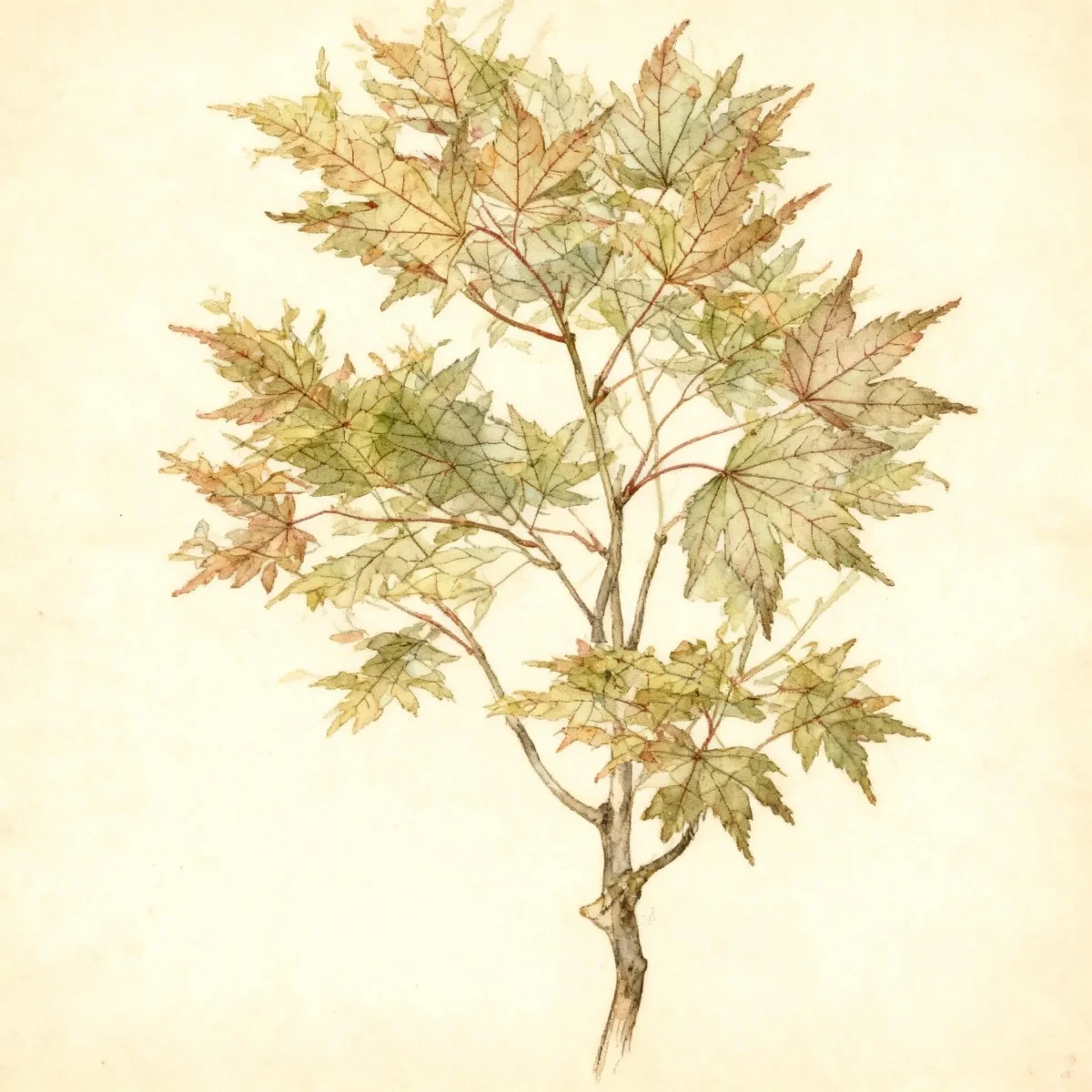
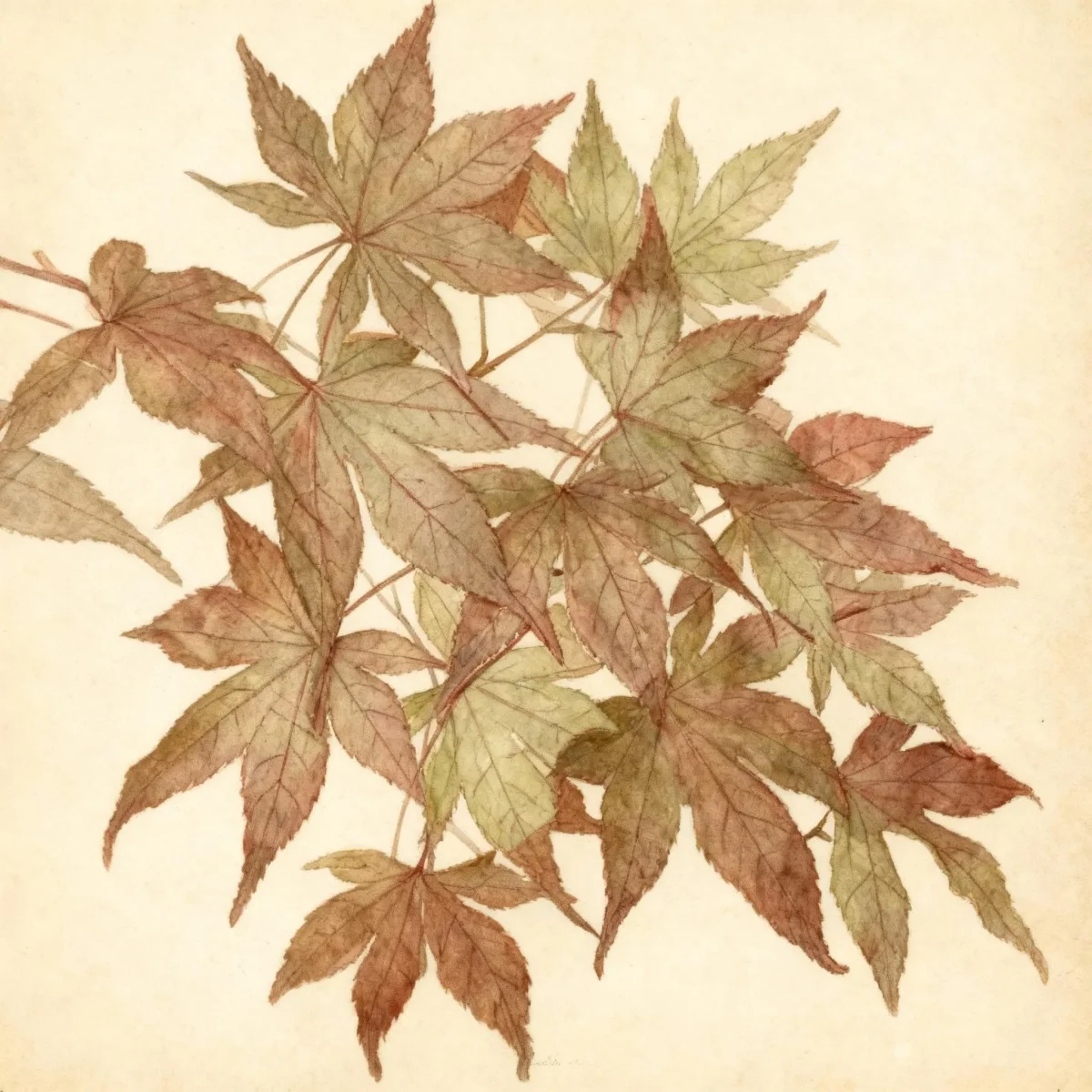
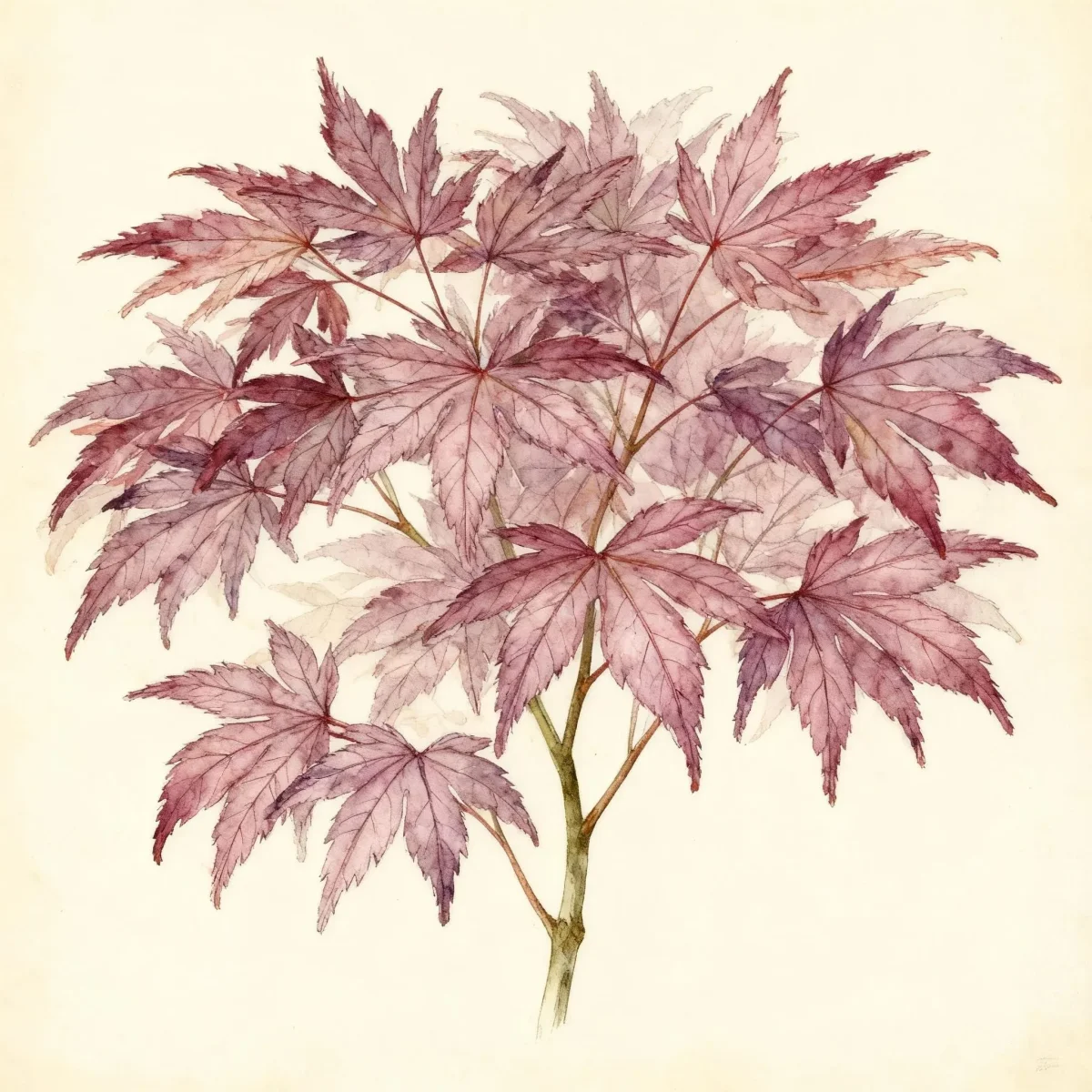
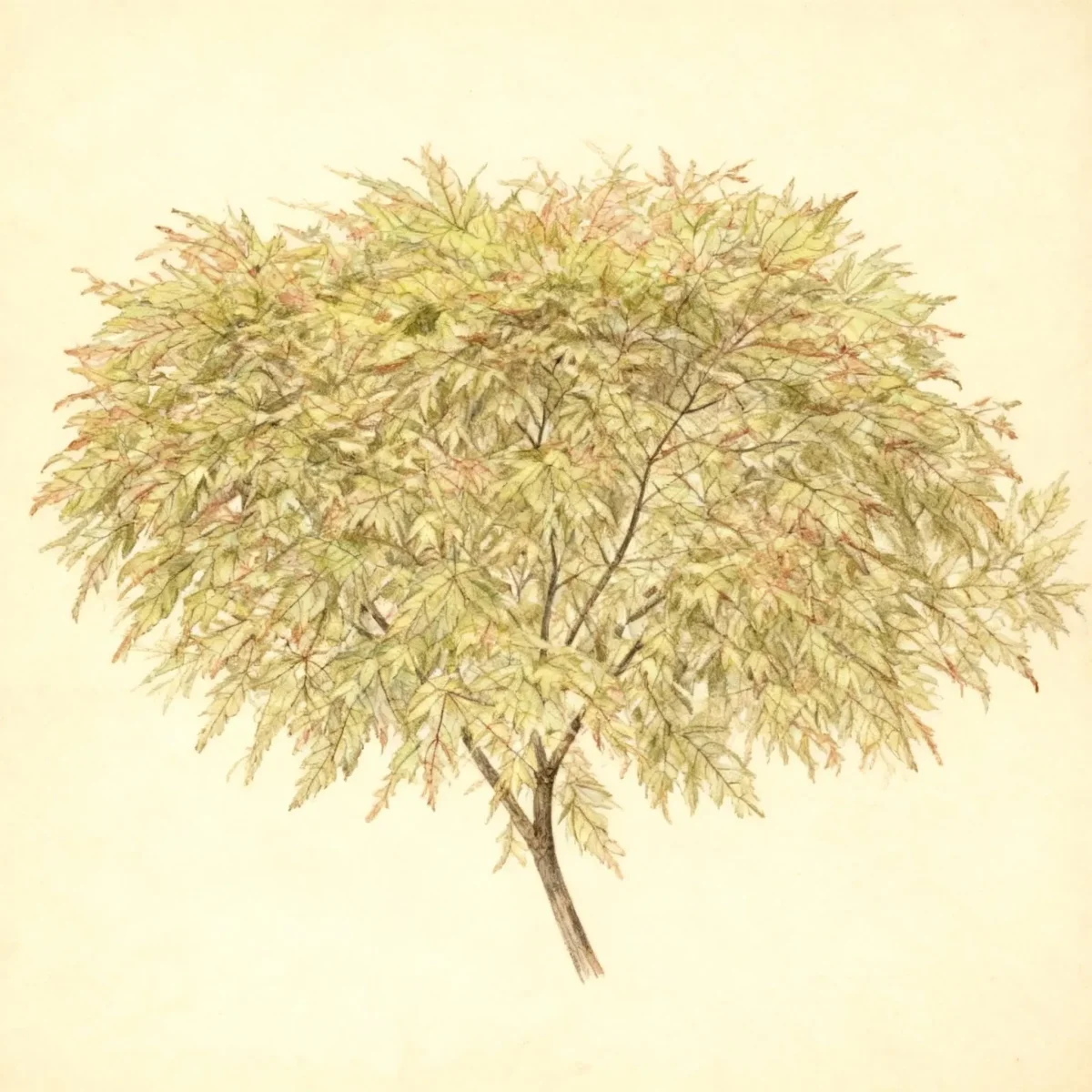
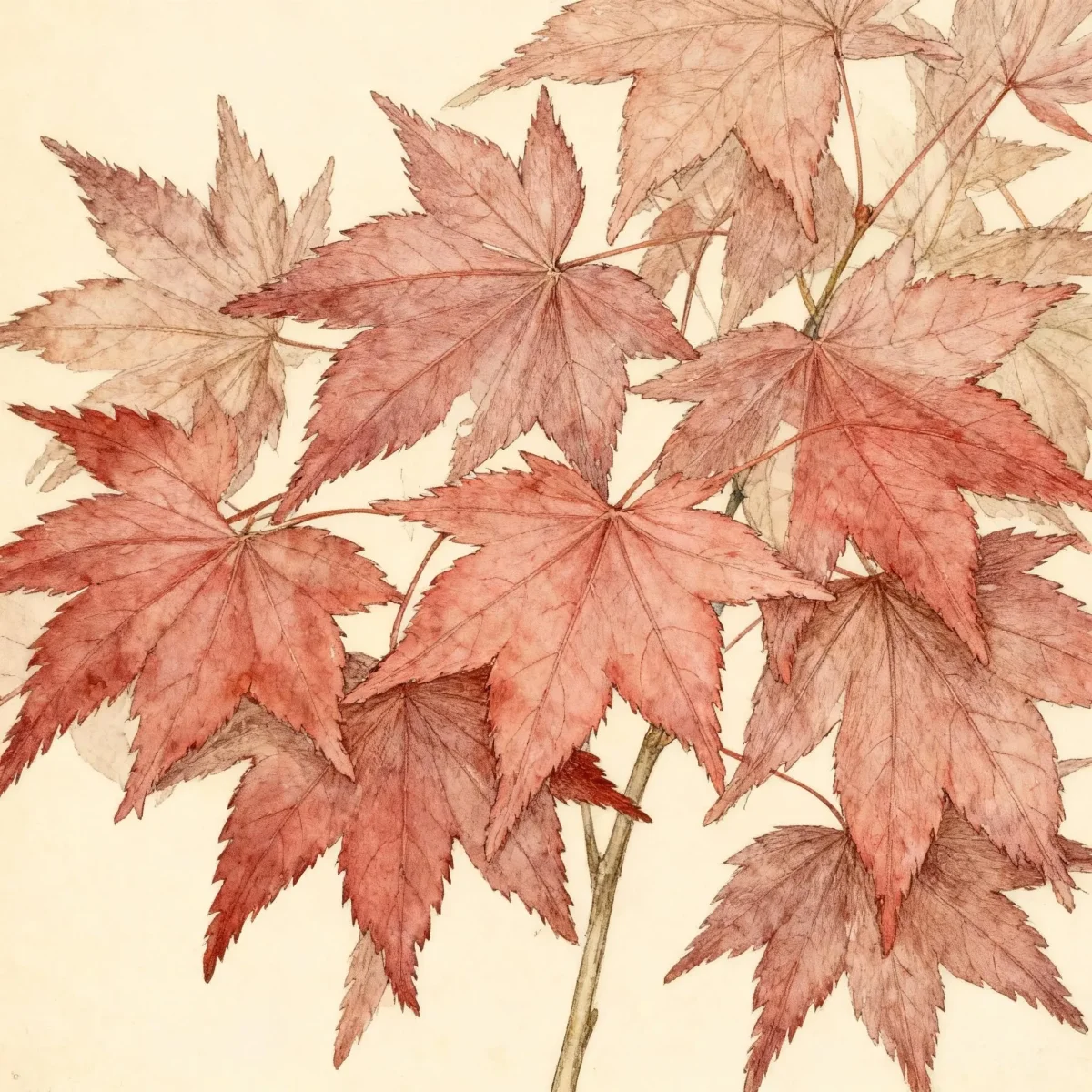
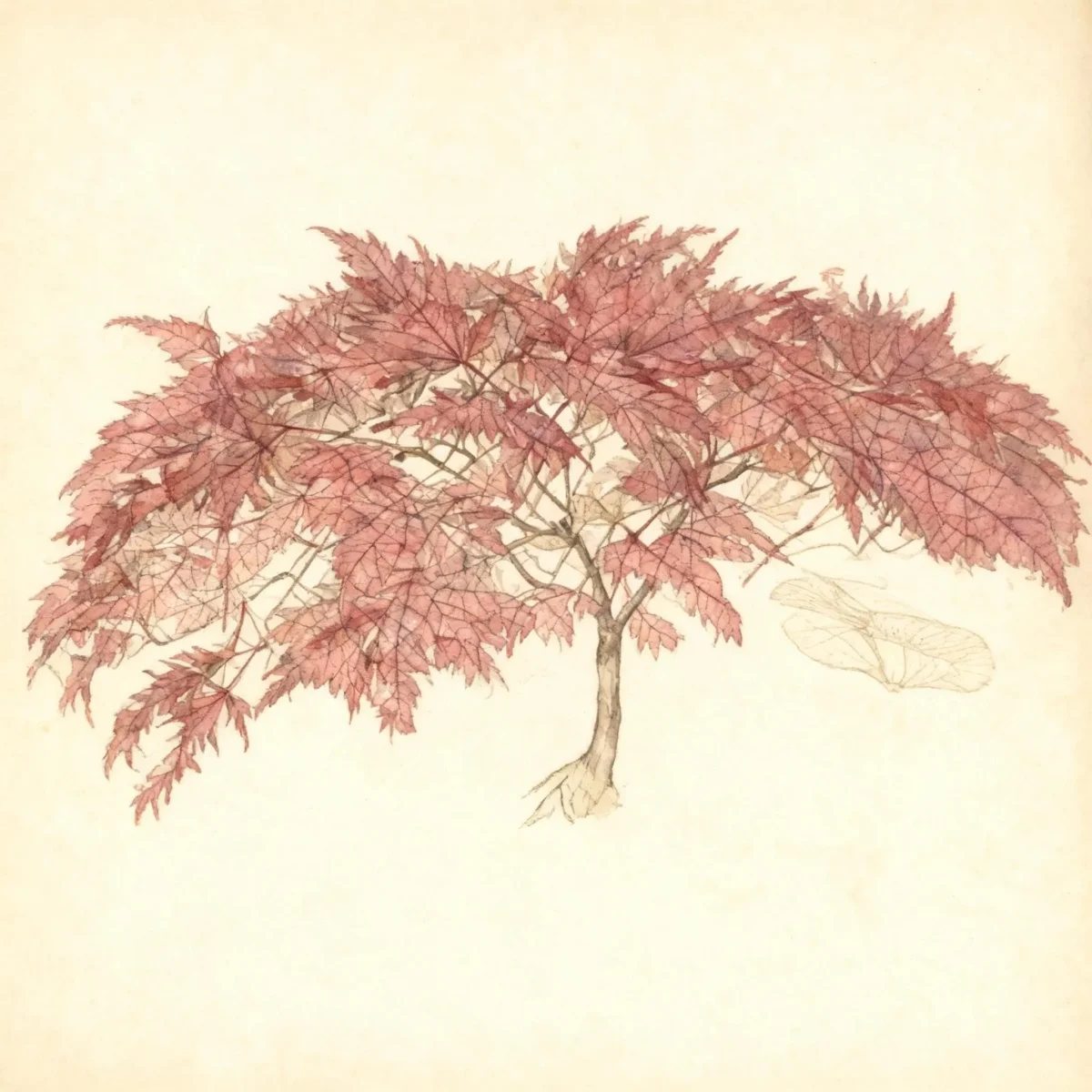
Japanese maple (Acer palmatum 'Trompenburg')
Acer palmatum 'Trompenburg' is a striking Japanese maple offering deep reddish-purple spring foliage and crimson fall color. Low maintenance.
Scroll down to discover growing tips, care requirements, companion plants, and more
Complete Plant Information
Overview
The Acer palmatum ‘Trompenburg’ is a highly valued cultivar of Japanese maple, distinguished by its unique, deeply dissected foliage that emerges a rich, dark reddish-purple in spring. This cultivar provides reliable color retention throughout the summer before transitioning into a fiery crimson display in the autumn, making it an exceptional specimen plant. As a deciduous shrub or small tree, it offers elegant structure even when dormant.
This particular variety, discovered in the Netherlands, typically matures between 15 and 25 feet tall, featuring a manageable, upright growth habit suitable for many residential gardens. The detailed, sharply-serrated lobes of its leaves, often described as looking like an open hand with deeply cut fingers, create a fine texture that contrasts beautifully with broader-leafed plants. Gardeners select the Japanese maple for its ornamental appeal, low maintenance needs once established, and its ability to serve as a year-round focal point.
To ensure the longevity and best performance of your Acer palmatum ‘Trompenburg’, site it carefully away from harsh summer sun in its hotter zones and protect it from strong whipping winds. Paying attention to soil moisture and pH will reward you with the deepest foliage color and robust health from this classic ornamental tree.
Fast Facts
- Plant Family: Sapindaceae
- Plant Type: Deciduous shrub
- Hardiness Zones: USDA Zones 5-8
- Size at Maturity:
- Height: 15-25 ft
- Spread: 10-15 ft
- Bloom Time: April
- Bloom Description: Reddish-purple
- Sun Exposure: Full sun to part shade
- Water Needs: Medium
- Maintenance Level: Low
How to Grow
Optimal planting for the Acer palmatum ‘Trompenburg’ involves moist, organically rich, and slightly acidic, well-drained soils. While this Japanese maple can handle full sun in cooler northern regions, gardeners in warmer areas should prioritize light afternoon shade to prevent leaf scorch during intense summer heat, especially if soil moisture is inconsistent. If planting in sandy loam, excellent drainage is typically achieved.
Water management is crucial for maintaining vibrant color; soils must be kept consistently moist, particularly when the tree is young or situated in full sun. Mulching around the base is highly recommended as it helps insulate the roots against heat and retains necessary soil moisture. Fertilize lightly in the spring just before the leaves emerge to support new growth.
Protect your investment by choosing a location sheltered from strong, damaging winds, and avoid planting in hot, dry pockets of the garden. Pruning should be kept to an absolute minimum. If shaping or corrective pruning is necessary, perform this task in the late fall or mid-winter. Avoid pruning in spring or summer, as this frequently irritates the plant and causes significant sap bleeding.
Landscape Uses
Japanese maples, including the dramatic Acer palmatum ‘Trompenburg’, are primarily celebrated as specimen or accent plants due to their exceptional foliage texture and color. Site this cultivar where its upright form can be fully appreciated, perhaps near an entryway or as a focal point in a mixed shrub border. It excels as a sun-dappled understory tree, providing structure beneath taller canopy trees in a woodland garden setting.
Due to its desire for protection against harsh elements, consider grouping it near structures or walls that buffer the worst of the wind. The fine, deeply cut leaves of ‘Trompenburg’ pair beautifully with plants offering contrasting broad leaves or lighter colors, such as hostas or lighter green evergreens. It is also a superb candidate for containers during its early years, allowing you to perfectly control the acidic soil conditions it prefers before transplanting into the landscape.
Standout Features
Flower Qualities
- Insignificant
Noteworthy Characteristics
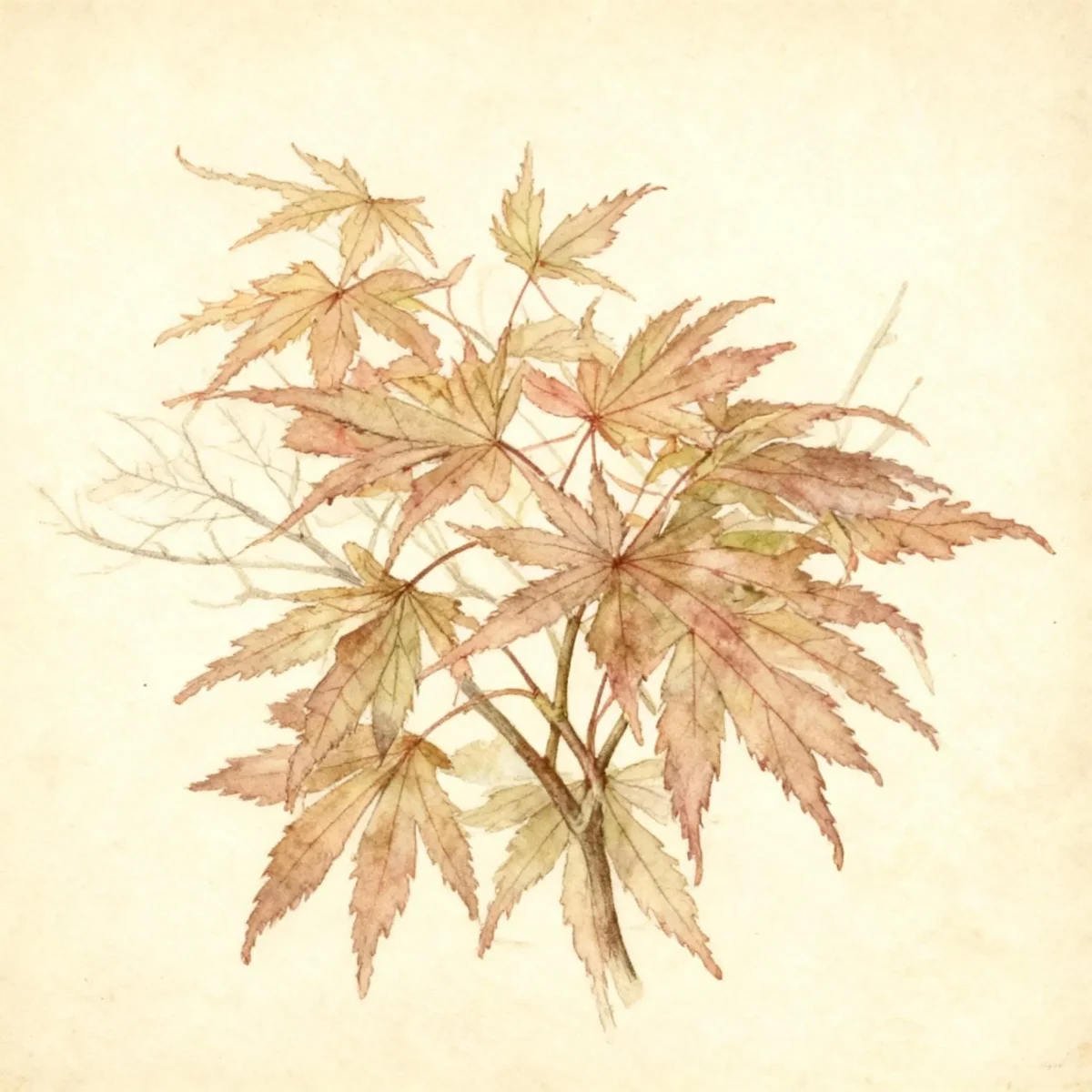
Acer palmatum, commonly called Japanese maple, is a deciduous shrub or small tree that typically grows to 10-25’ tall, native to Japan, Korea, and China with a general rounded form. ‘Trompenburg’ is noteworthy because its foliage emerges dark reddish-purple, maintains good color until late summer, and turns a showy crimson red in fall. Each palmate leaf features 7-9 long, narrow, deeply cut lobes with distinctively rolled edges, a characteristic that sets this cultivar apart from many other Japanese maples.
Tolerances
- Rabbit
- Black Walnut
Potential Problems
Potential issues for the Japanese maple center around specific environmental stresses and common tree diseases. Fungal problems like stem canker, leaf spots, anthracnose, and verticillium wilt can arise, often favored by poor air circulation or overly saturated soil. Insect pests such as aphids, scale, and troublesome mites can occasionally require management.
To mitigate disease risk, ensure excellent airflow around the canopy and avoid overhead watering that keeps foliage wet for long periods, especially in humid conditions. Chlorosis, leading to yellowing leaves or poor vigor, is a specific concern if your soil pH is too high, requiring soil amendments to shift the pH toward acidic levels. Be aware that the early leaf-out characteristic of Japanese maples makes new foliage susceptible to damage from late spring frosts.
Frequently Asked Questions
What hardiness zones is Japanese maple suitable for?
The Acer palmatum ‘Trompenburg’ thrives best when planted within USDA Hardiness Zones 5 through 8.
How large does Acer palmatum ‘Trompenburg’ grow?
This cultivar typically reaches a mature height between 15 and 25 feet, with a corresponding spread of 10 to 15 feet.
What sun exposure does Japanese maple need?
The ideal placement for Acer palmatum ‘Trompenburg’ is full sun to light part shade; avoid intense western exposures during the hottest parts of the summer.
When does Japanese maple bloom?
This striking Japanese maple produces small, reddish-purple flowers during the month of April.
Conclusion
The Acer palmatum ‘Trompenburg’ provides exceptional ornamental value through its unique, deeply lobed, dark purple foliage and brilliant crimson fall transformation, making it a low-maintenance centerpiece for any refined garden design. Successfully growing this Japanese maple depends heavily on providing consistently moist, rich, slightly acidic soil and protection from harsh winds and scorching afternoon sun. Before planting, confirm that your site falls within USDA Zones 5-8 and plan your placement to maximize its architectural beauty.
Companion Planting
Selecting appropriate companions enhances the visual impact and health of your Acer palmatum ‘Trompenburg’. Because this Japanese maple prefers dappled light and consistently moist, acidic soil, pair it with shade-tolerant perennials that appreciate similar conditions. Consider groundcovers like Tiarella (Foamflower) or rich, deep green hostas to offer a strong textural contrast against the fine-cut foliage.
For taller structure, deciduous shrubs with lighter green or variegated leaves can make the dark purple of the ‘Trompenburg’ truly pop. Rhododendrons and Azaleas thrive in the same acidic soil profile, offering spectacular spring flowers that complement the less showy blooms of the maple in April. When grouping, maintain adequate space to ensure good air circulation around both the maple and its neighbors to reduce the risk of fungal issues.
Seasonal Care Calendar
Spring is the critical time to support new growth in your Japanese maple. Fertilize just before the leaves emerge and immediately begin diligent watering, ensuring the soil remains consistently moist, especially after the ground thaws fully. Monitor new foliage closely for signs of frost damage in early spring and provide temporary protection if late frosts are forecast.
Summer care centers almost entirely on moisture management and sun protection. Apply a thick layer of organic mulch to keep the roots cool and reduce water stress during dry spells. In the hottest climates, supplemental watering applied deeply and regularly is vital to prevent leaf scorch.
In late fall through mid-winter, this is the only safe time to prune the Acer palmatum ‘Trompenburg’ if needed. Remove any crossing or damaged branches using clean tools. Avoid any disturbance around the root zone during the dormant season; simply enjoy the delicate silhouette of the branches against the winter sky.