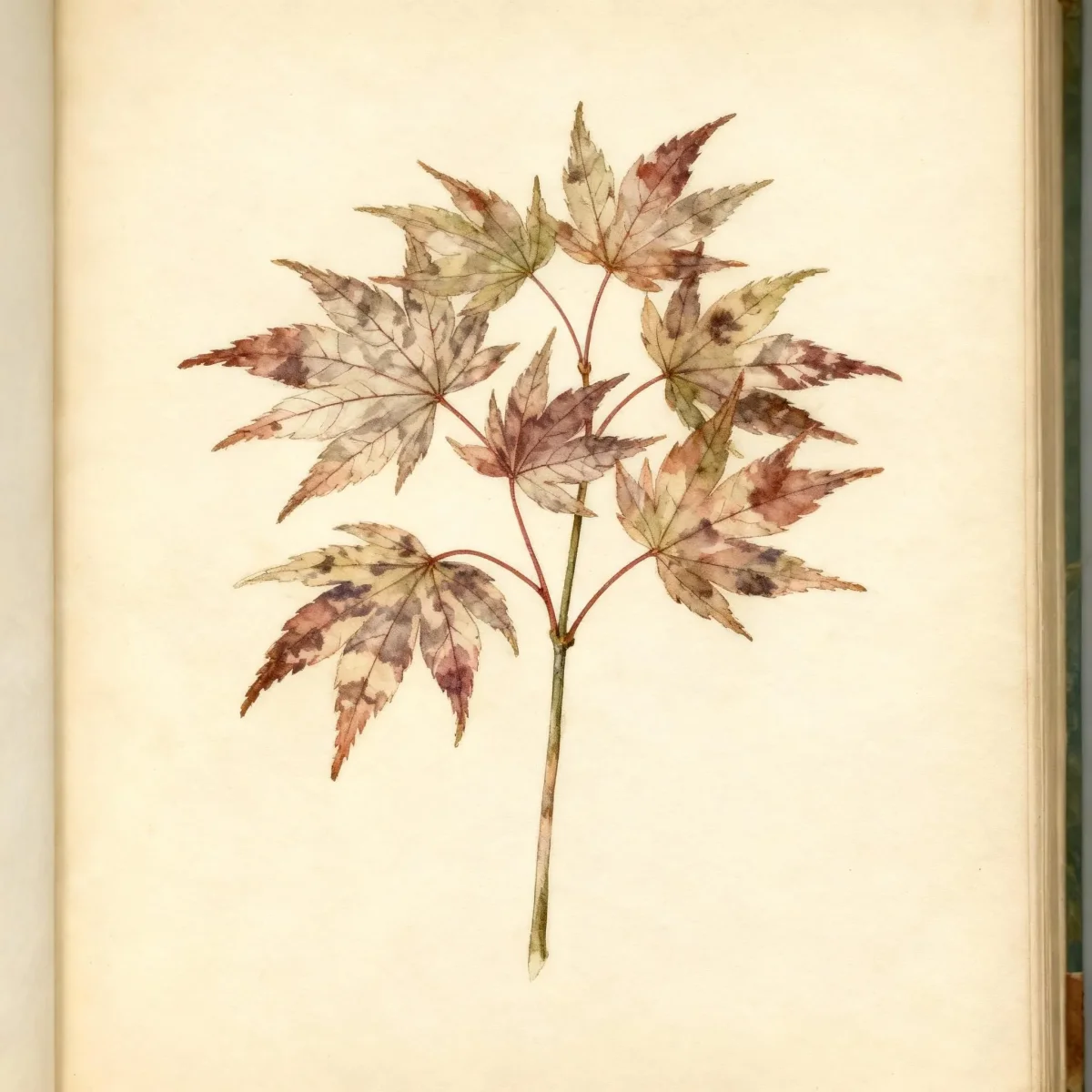
Japanese maple (Acer palmatum var. dissectum 'Dissectum Atropurpureum')
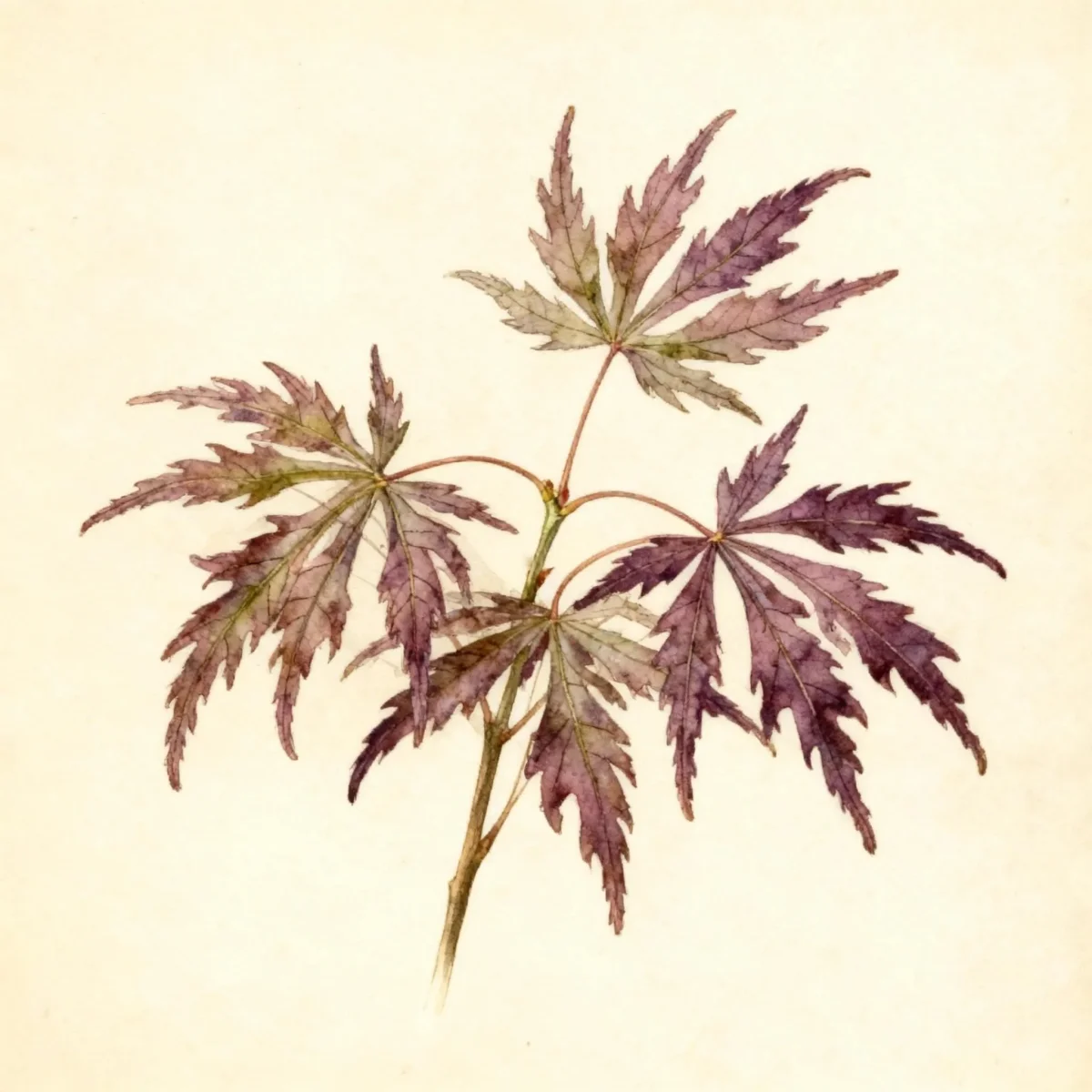
The colorful Acer palmatum var. dissectum 'Dissectum Atropurpureum' is a low-maintenance Japanese maple boasting lacy, purple-red foliage.
Scroll down to discover growing tips, care requirements, companion plants, and more
Complete Plant Information
Overview
The Acer palmatum var. dissectum ‘Dissectum Atropurpureum’, commonly known as the laceleaf Japanese maple, is highly prized for its striking, deeply dissected foliage and mounding habit. This specific cultivar offers a dramatic color display, emerging purple-red in spring and transforming into vibrant orange-red tones by autumn. As a slow-growing, broad-mounded shrub, the Acer palmatum var. Dissectum ‘Dissectum Atropurpureum’ provides year-round interest without requiring excessive pruning.
Growing to a manageable 6-8 feet tall and wide, this ornamental tree thrives where it receives protection and consistent moisture. Its fine, fern-like leaves are its main feature, making it an exceptional focal point in smaller gardens or near water features where its texture can be thoroughly appreciated. Gardeners appreciate this variety for its relatively low maintenance once established in the correct growing conditions.
Fast Facts
- Plant Family: Sapindaceae
- Plant Type: Tree
- Hardiness Zones: USDA Zones 5-8
- Size at Maturity:
- Height: 6-8 ft
- Spread: 6-8 ft
- Bloom Time: April
- Bloom Description: Red
- Sun Exposure: Full sun to part shade
- Water Needs: Medium
- Maintenance Level: Low
How to Grow
Planting your laceleaf Japanese maple is best done in spring or fall when temperatures are moderate. Ensure the selected site provides moist, organically rich, and slightly acidic, well-drained soil textures; this cultivar adapts well to sandy loams. While it tolerates full sun in cooler northern zones (Zone 5), southern gardeners, especially those in hot, humid climates, should site the tree where it receives some protection from intense mid-afternoon sun to prevent leaf scorch.
Watering is crucial, especially during establishment and in hot summers, as consistently moist soil prevents foliage scorching. Apply mulch generously to help retain soil moisture and keep surface roots cool, remembering to avoid hot and overly dry locations. Pruning should generally be kept to an absolute minimum. If necessary, undertake corrective pruning in late fall or mid-winter; pruning in spring or summer can cause significant sap bleeding from the cuts.
Landscape Uses
Dissected forms of Japanese maples are primarily selected for their stunning foliage texture and graceful, low-spreading habit. The deep cuts of the leaves on Acer palmatum var. dissectum ‘Dissectum Atropurpureum’ create a unique, lacy appearance ideal for specimen planting or as an accent near patios. Its form makes it an excellent choice for softening borders or integrating into a rock garden setting.
Consider planting this cultivar where its cascading form can drape elegantly, such as near the edge of a pond or water feature, reflecting its delicate structure. It also functions beautifully as a sun-dappled understory component beneath taller, open shade trees, though care must be taken to ensure adequate light reaches the purple-hued foliage to maintain its best color. Smaller specimens can also adapt well to containers, provided drainage and watering are meticulously managed.
Standout Features
Flower Qualities
- Insignificant
Noteworthy Characteristics
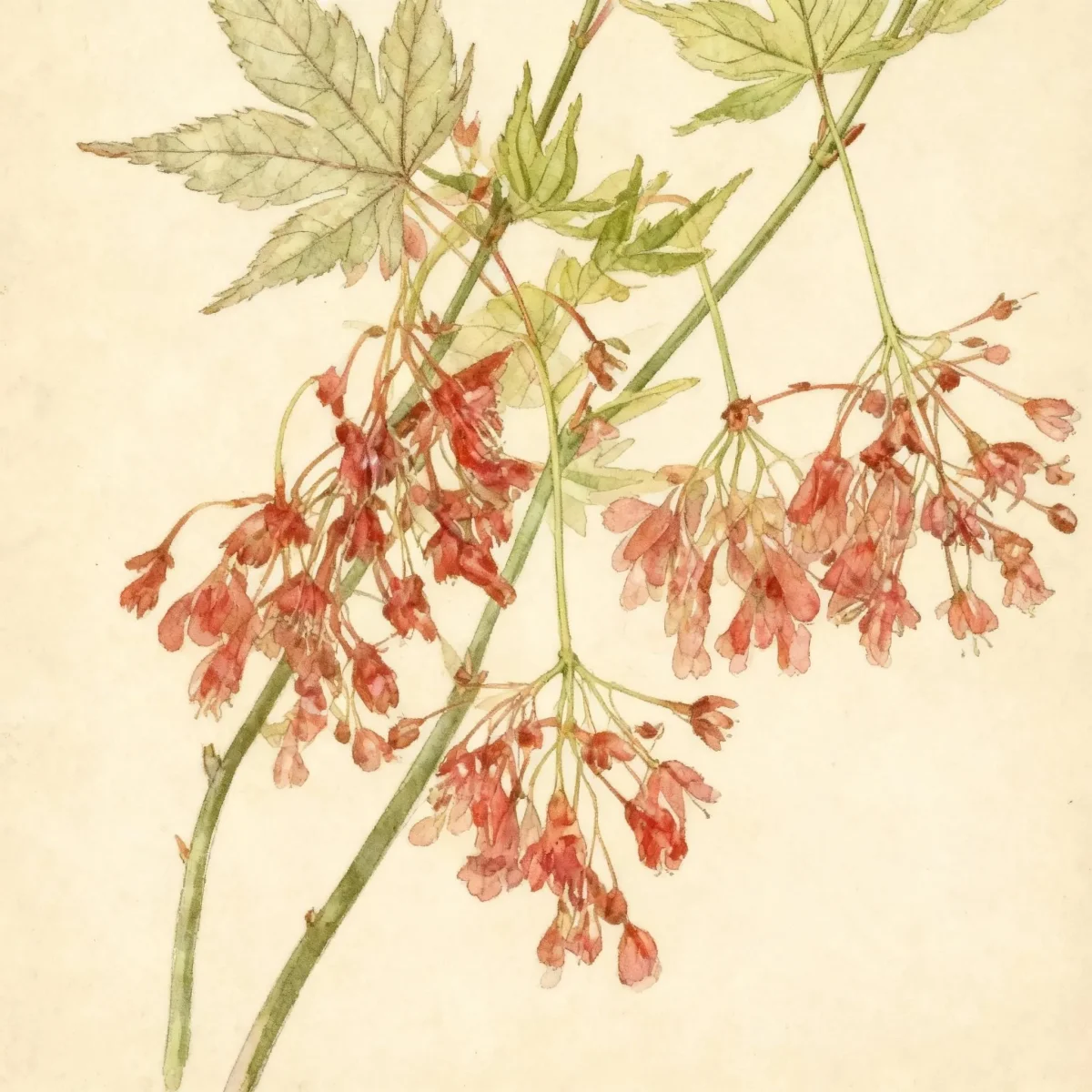
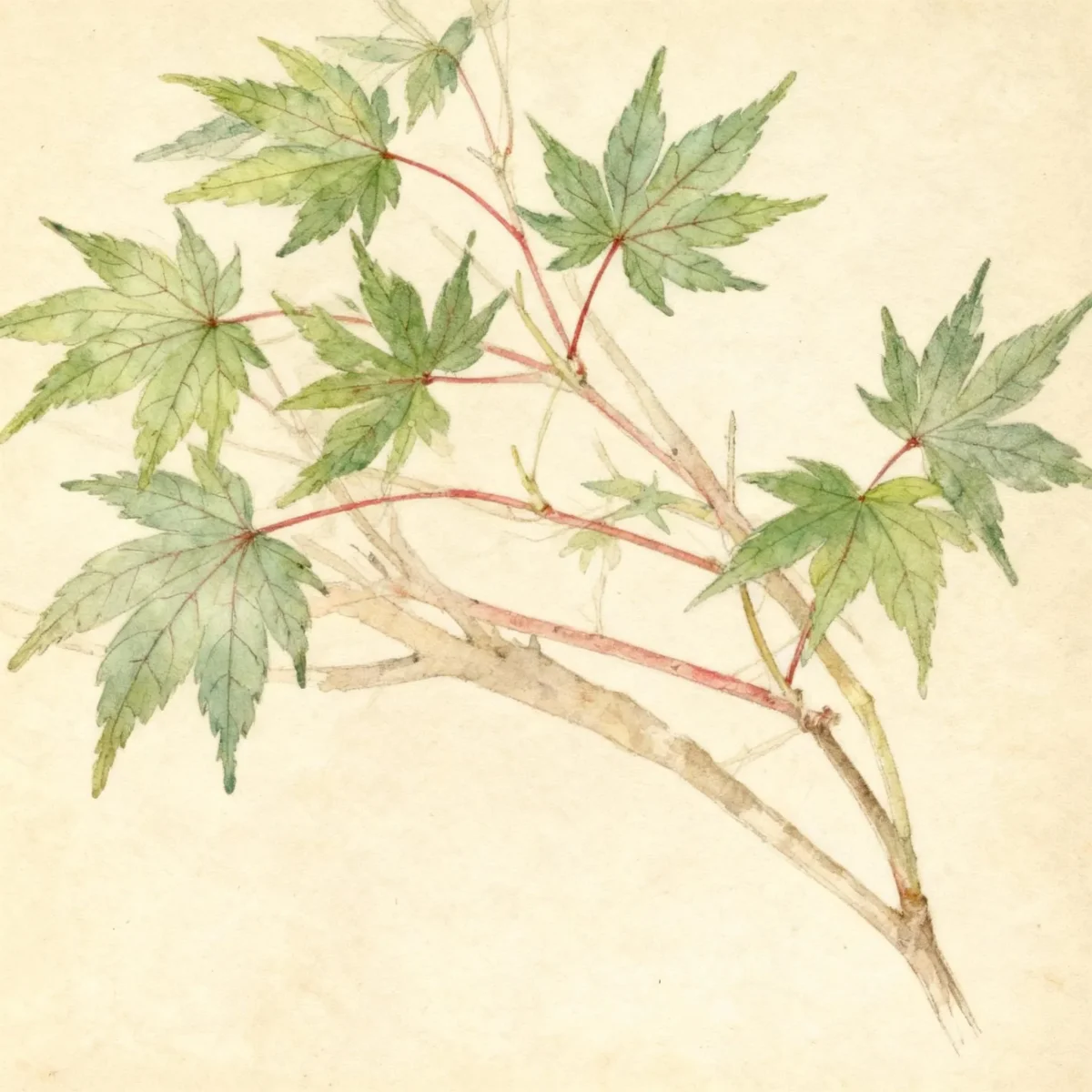
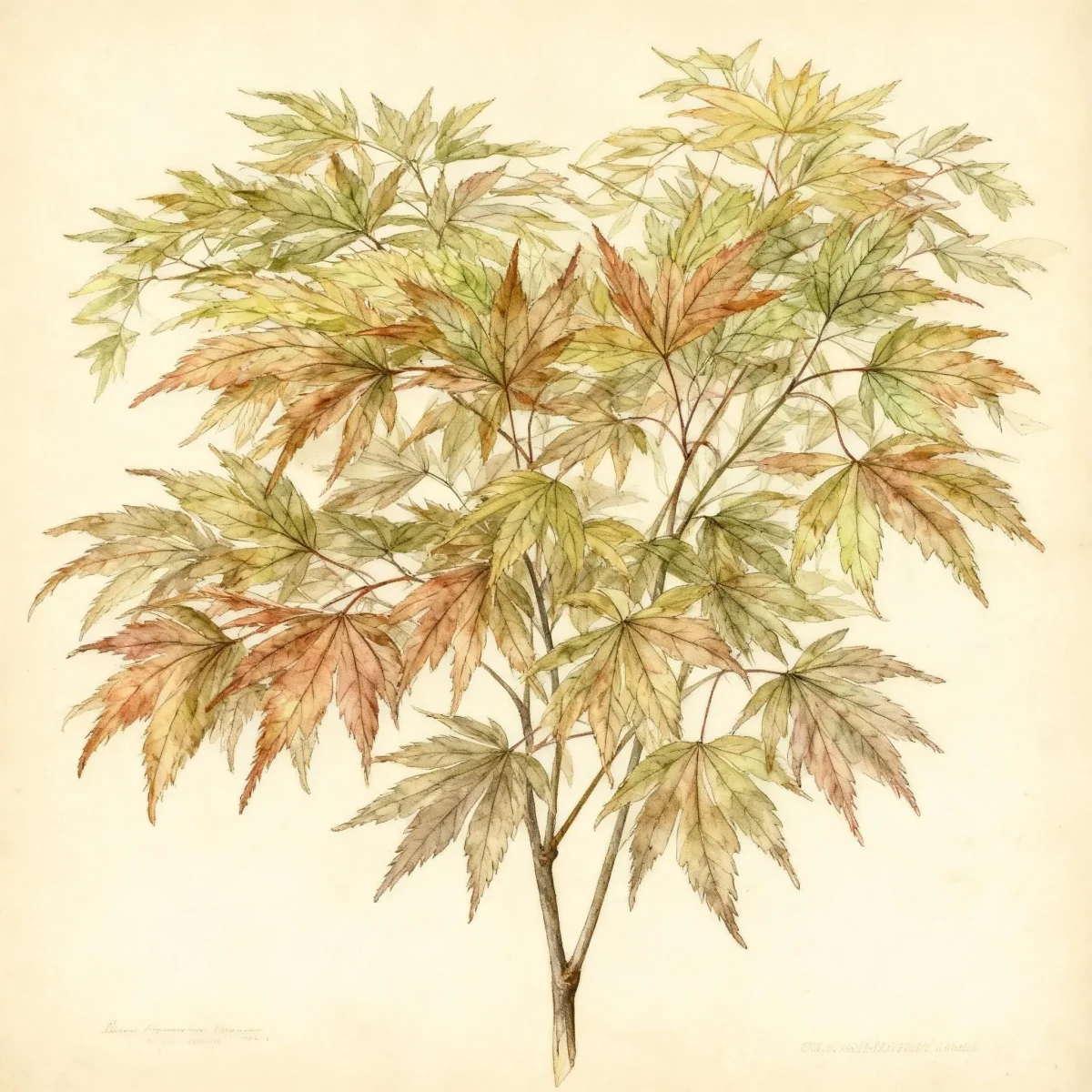
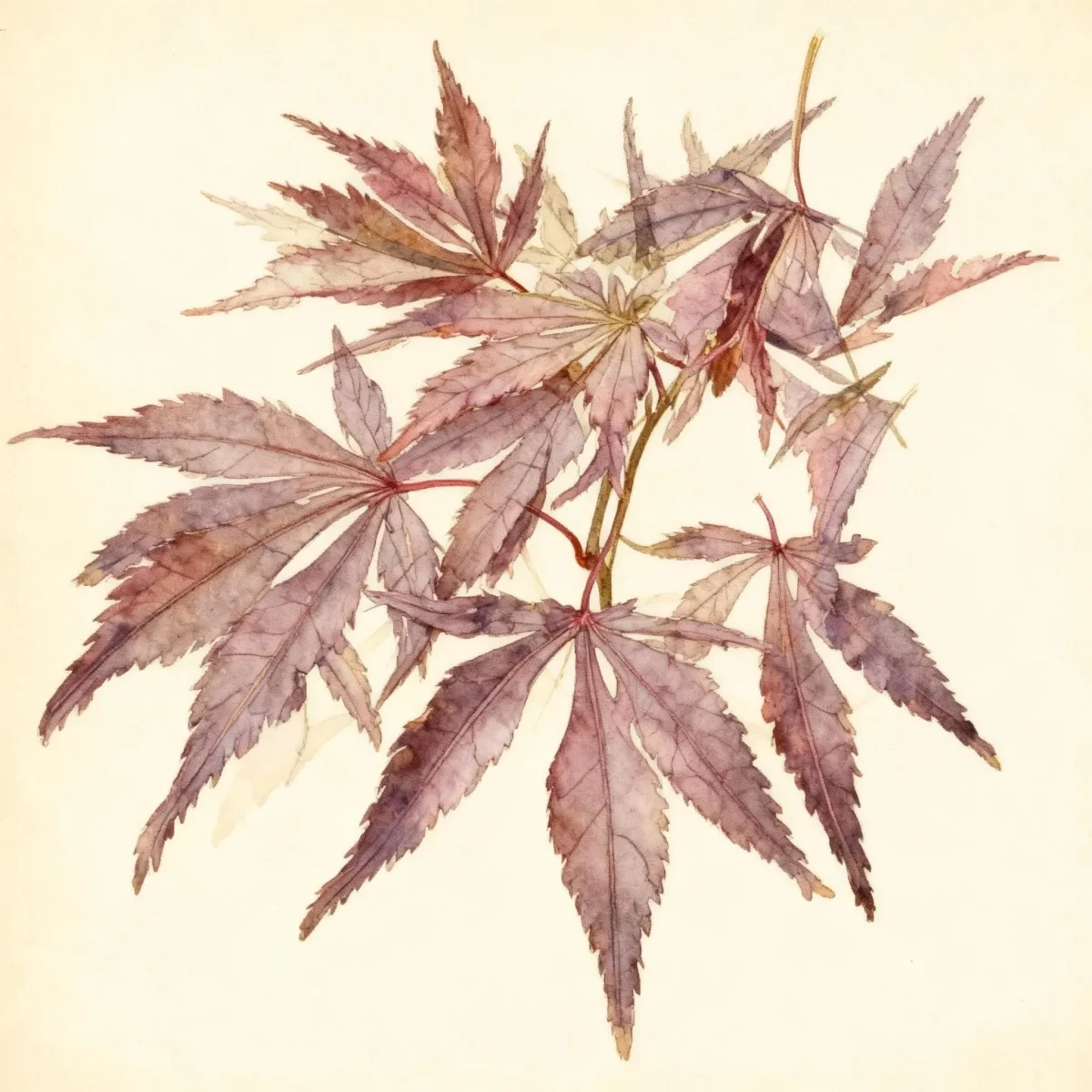
The Acer palmatum var. dissectum ‘Dissectum Atropurpureum’ is a cultivar noted for its deeply cut, ferny foliage starting purple-red in the spring before developing purple tints in summer, culminating in spectacular orange-red fall color. This variety typically matures into a broad, mounded form reaching 6-8 feet tall, maintaining the characteristic deeply incised, 7- to 11-lobed leaves of its dissectum parents. Even the small, reddish spring flowers offer a subtle detail upon close inspection, making this Japanese maple a year-round marvel.
Tolerances
- Rabbit
- Black Walnut
Potential Problems
This Japanese maple variety faces potential issues mainly related to environmental stress and opportunistic pathogens. Foliage is highly susceptible to damage from late spring frosts if the new leaves emerge too early in the season. Severe scorching can occur in hot, dry sites, emphasizing the need for consistent moisture and afternoon shade in warmer regions. Culturally, high pH soils can induce chlorosis, manifesting as yellowing leaves.
To manage pests, inspect foliage regularly for signs of aphids, scale insects, or troublesome mites, treating promptly with appropriate horticultural oils or insecticidal soaps. Fungal issues like anthracnose, leaf spots, and Verticillium wilt are more difficult to manage; prevention relies heavily on ensuring excellent air circulation and avoiding soil compaction or over-watering, which can contribute to root rots.
Frequently Asked Questions
What hardiness zones is Japanese maple suitable for?
The Acer palmatum var. dissectum ‘Dissectum Atropurpureum’ is reliably hardy in USDA Zones 5 through 8.
How large does Japanese maple grow?
This specific cultivar typically matures to a height between 6 and 8 feet, with a corresponding spread of 6 to 8 feet, maintaining a broad-mounded habit.
What sun exposure does Japanese maple need?
Optimal growth occurs in full sun to part shade; however, protection from the harshest afternoon sun is recommended in hotter parts of its range to prevent foliage scorch.
When does Japanese maple bloom?
The Acer palmatum var. dissectum ‘Dissectum Atropurpureum’ produces small red flowers during the month of April.
Conclusion
Offering exceptional texture and rich purple-red coloration, the Acer palmatum var. dissectum ‘Dissectum Atropurpureum’ remains a cornerstone specimen plant for refined landscapes. This graceful Japanese maple provides outstanding seasonal drama with minimal input required from the gardener. Before planting, confirm your site’s hardiness zone and ensure partial afternoon shade if situated in the warmer end of its range for the best performance.
Companion Planting
Selecting appropriate companions enhances the beauty and vigor of your laceleaf maple. Since Acer palmatum var. dissectum ‘Dissectum Atropurpureum’ prefers consistently moist, slightly acidic soil, pair it with acid-loving perennials that share similar light needs. Excellent companions include Azaleas and Rhododendrons, whose spring flowers complement the maple’s emerging color.
Groundcovers like Tiarella (Foamflower) or various Hosta varieties thrive in the dappled shade provided by the spreading canopy. These plants help shade the soil surface, further retaining the cool, moist conditions that the Japanese maple root system prefers. Avoid planting aggressively competitive shallow-rooted species that will compete directly for surface water.
Design Ideas for Lacy Foliage
The finely dissected leaves of the Acer palmatum var. dissectum ‘Dissectum Atropurpureum’ contrast spectacularly with plants featuring bold, solid leaves. Use this textural contrast to create visual depth in border designs. Placing it against a backdrop of broad-leaf evergreens, like dark green boxwood or holly, allows the purple-red, lacy foliage to stand out prominently.
Because this variety forms a naturally cascading, low mound, it works perfectly near retaining walls or cascading over the edge of raised beds, highlighting its unique weeping tendency. It serves as an excellent bridge between tall plantings and low borders, acting as a living focal tapestry in the garden space.