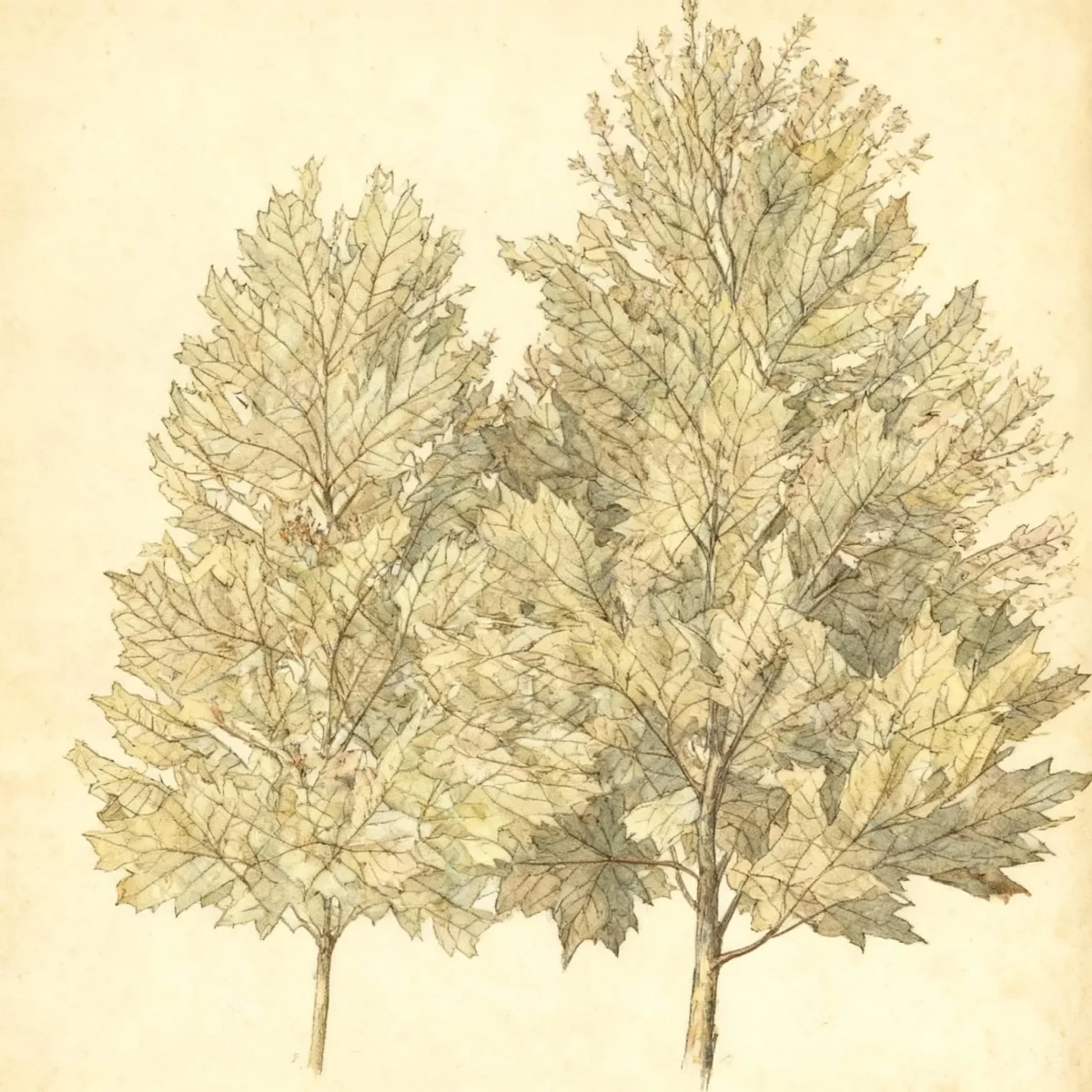
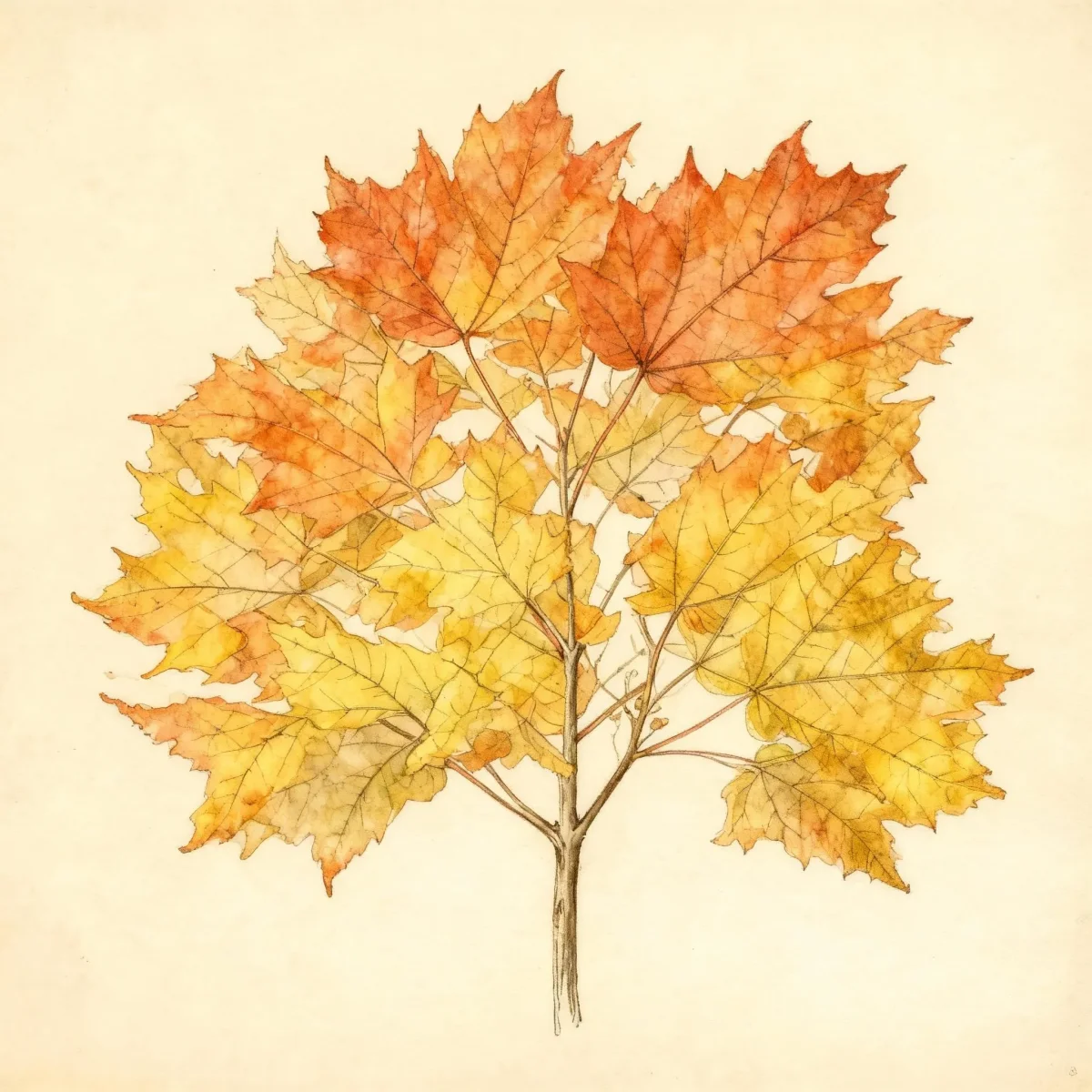
Red maple (Acer rubrum 'Northwood')
Acer rubrum 'Northwood' is a reliable Red maple cultivar perfect for shade, featuring strong color and adaptability to wet soils.
Scroll down to discover growing tips, care requirements, companion plants, and more
Complete Plant Information
Overview
The Acer rubrum ‘Northwood’, commonly known as Red maple, is a distinguished, fast-growing deciduous tree valued for its adaptability and reliable seasonal color. This cultivar, introduced by the University of Minnesota, maintains the vigorous growth habit of the species while offering consistent performance in cooler climates where superior fall foliage is desired. It serves as an excellent structural element in the landscape, providing substantial shade as it matures.
Acer rubrum ‘Northwood’ typically reaches 40 to 60 feet in height, forming a classic rounded to oval crown that matures to 25 to 40 feet wide. Its growth rate is faster than Sugar or Norway maples, making it a quicker solution for landscape planning. Gardeners appreciate the red hues present in its new growth, twigs, and flowers, culminating in strong fall coloration when conditions are cool.
Beyond aesthetics, this Red maple offers significant functional benefits. It is remarkably tolerant of various soil conditions, including wet sites and urban pollution, making Acer rubrum ‘Northwood’ invaluable for street tree plantings or rain gardens. Its preference for moist, slightly acidic soil ensures healthy growth when placed appropriately.
Fast Facts
- Plant Family: Sapindaceae
- Plant Type: Tree
- Hardiness Zones: USDA Zones 3-9
- Size at Maturity:
- Height: 40-60 ft
- Spread: 25-40 ft
- Bloom Time: March to April
- Bloom Description: Red
- Sun Exposure: Full sun to part shade
- Water Needs: Medium to wet
- Maintenance Level: Low
How to Grow
Planting Acer rubrum ‘Northwood’ is best achieved in the spring or fall when temperatures are mild, allowing the root system to establish before temperature extremes. Choose a location receiving full sun to light shade, ensuring the soil is average and permeable. While tolerant of many conditions, this Red maple thrives best in moist, slightly acidic, well-drained soils.
During establishment, maintain consistent moisture, meeting its medium to wet water needs, especially during dry spells. Once mature, this tree handles wetter soils well, fitting perfectly into rain garden designs. Fertilizer is generally unnecessary if the soil is adequate; focus instead on deep, infrequent watering during periods of drought.
Pruning should be kept to a minimum, focusing primarily on removing dead, damaged, or crossing branches, usually performed during the dormant season. Because the Acer rubrum ‘Northwood’ is very cold hardy, winter preparation is minimal in its suitable hardiness range. Be mindful of its spreading root system, which can be somewhat shallow.
Landscape Uses
The versatility of the Red maple makes Acer rubrum ‘Northwood’ an outstanding choice for large-scale planting. As a distinguished Shade Tree, it casts broad relief over lawns and gathering areas. Its tolerance for air pollution and wet soil also qualifies it as a superb Street Tree, capable of thriving in challenging urban environments where other species might fail.
For designers focusing on sustainable landscaping, its acceptance of medium to wet conditions makes it an ideal candidate for Rain Garden applications or planting near drainage areas. Use this cultivar as a specimen for lawns or parks where its seasonal display can be fully appreciated without being overshadowed by larger structures.
A key consideration when placing Acer rubrum ‘Northwood’ is its known shallow, flattened root system. Ensure adequate space from sidewalks, driveways, or foundations, as these roots have the potential to buckle hardscape elements if planted too closely.
Standout Features
Flower Qualities
- Showy
Noteworthy Characteristics
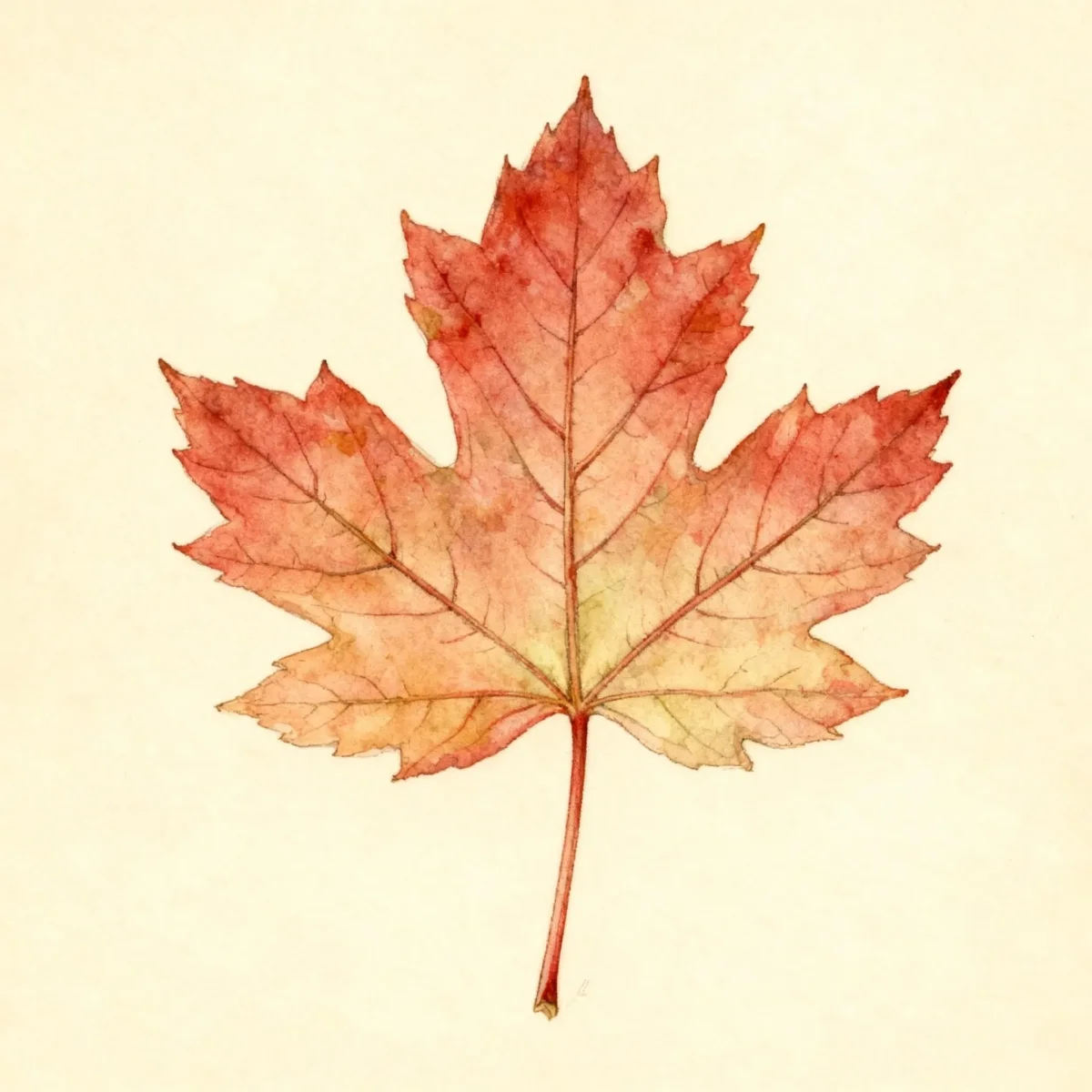
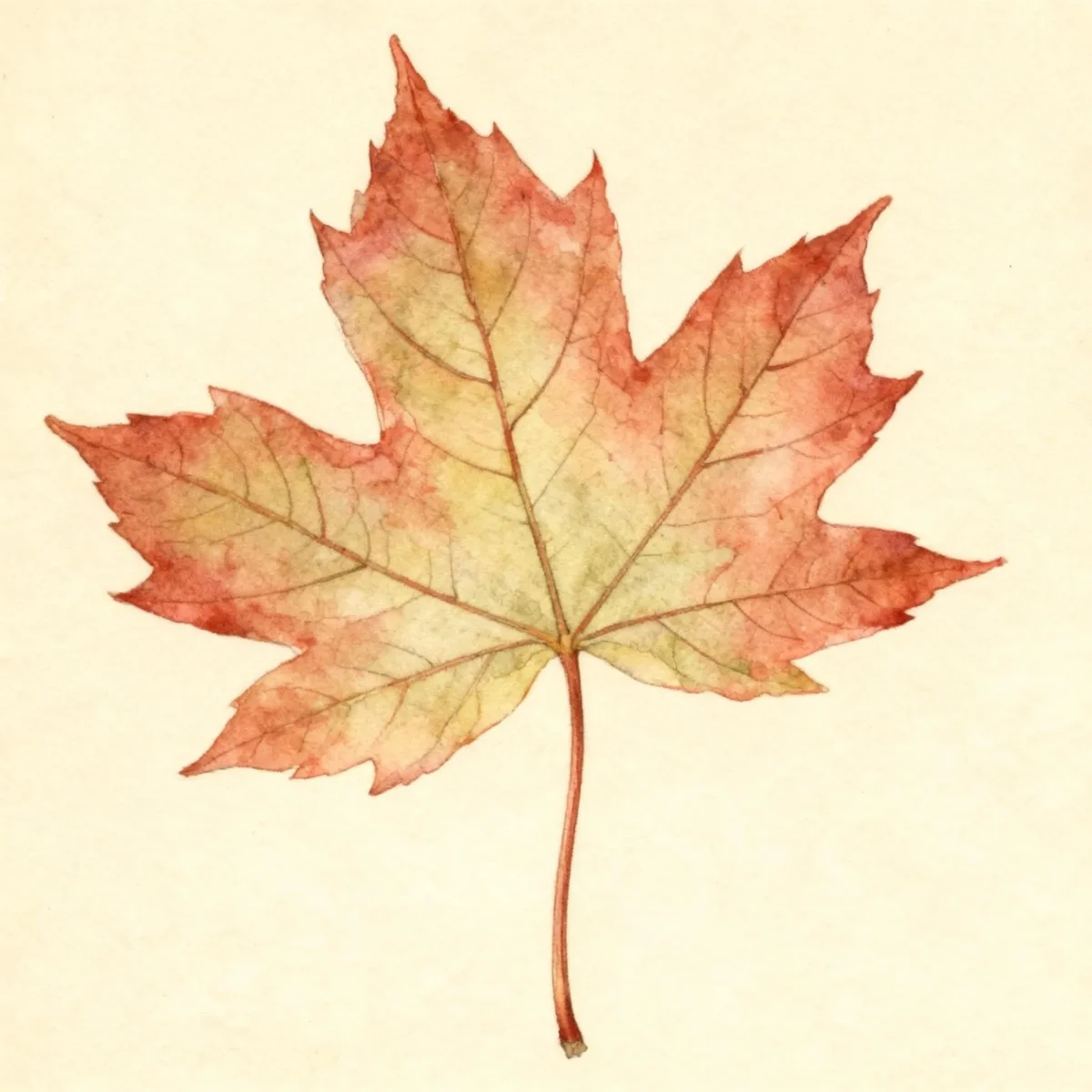
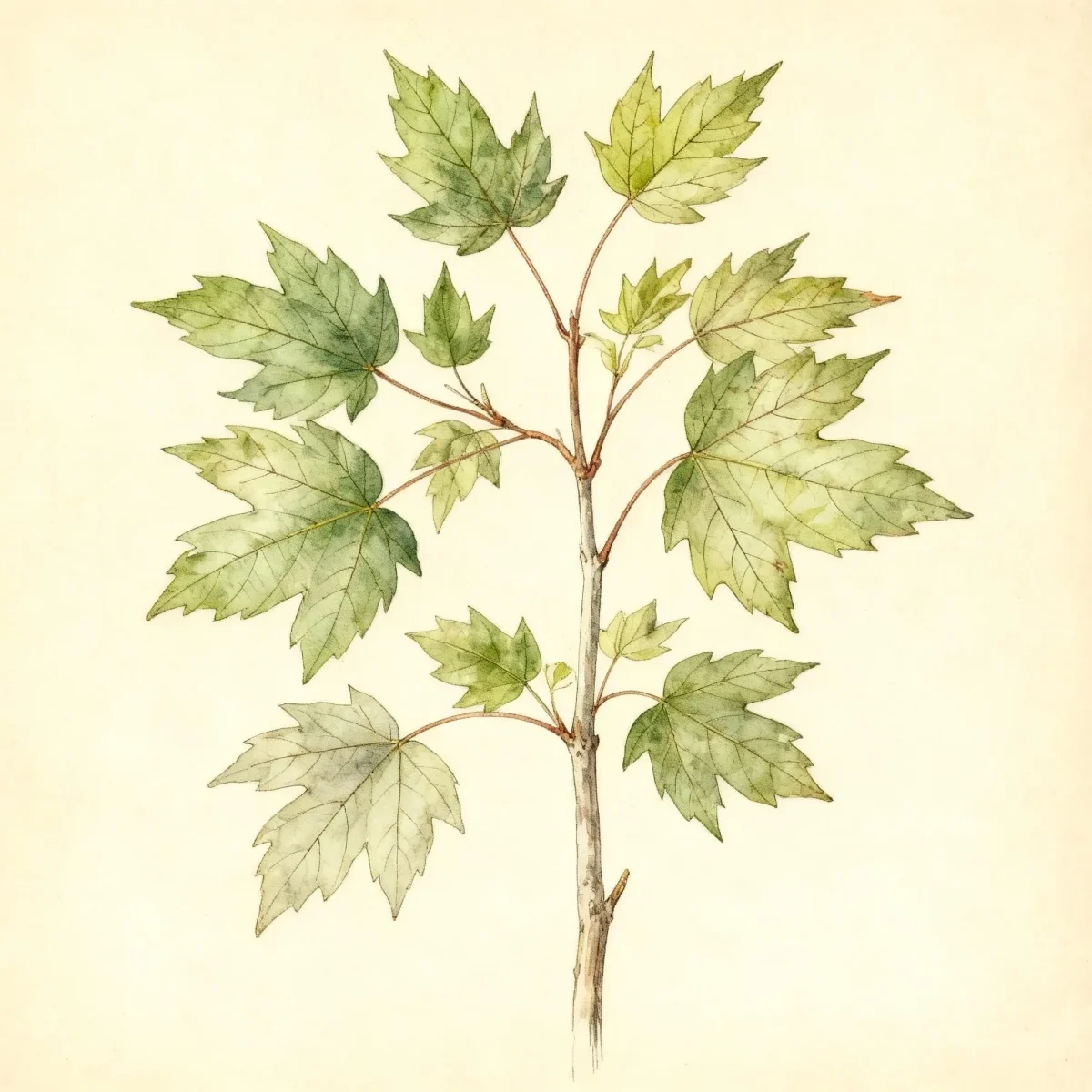
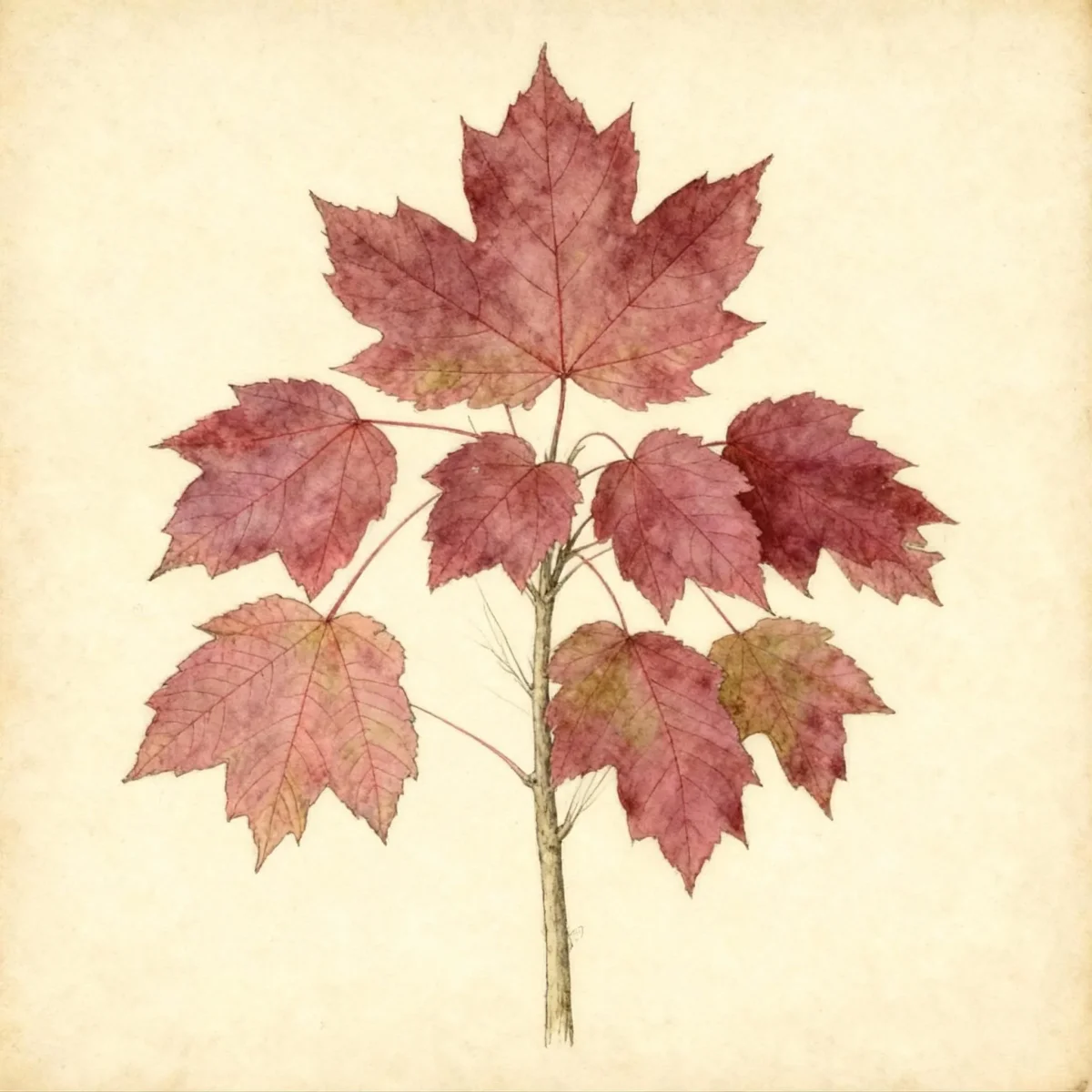
Acer rubrum, commonly called red maple, is a medium-sized, deciduous tree that is native to Eastern North America from Quebec to Minnesota south to Florida and eastern Texas. It typically grows 40-60’ tall with a rounded to oval crown. It grows faster than Norway and sugar maples, but slower than silver maple. In northern states, red maple usually occurs in wet bottomland, river flood plains and wet woods, but in Missouri it typically frequents drier, rocky upland areas. Emerging new growth leaves, leafstalks, twigs, flowers, fruit and fall color are red or tinged with red. Quality of red fall color on species plants is variable. Leaves (to 2-5” long) have 3 principal triangular lobes (sometimes 5 lobes with the two lower lobes being largely suppressed). Lobes have toothed margins and pointed tips. Leaves are medium to dark green above and gray green below. Flowers on a given tree are primarily male or female or monoecious and appear in late winter to early spring (March-April) before the leaves. Fruit is a two-winged samara. The seeds and flower buds are eaten by many species of birds. Caterpillars and other insects which feed on red maples are also a source of food for birds.Genus name is the Latin name for a maple tree.Specific epithet of rubrum meaning red is everywhere in evidence: red flowers in dense clusters in late March to early April (before the leaves appear), red fruit (initially reddish, two-winged samara), reddish stems and twigs, red buds, and, in the fall, excellent orange-red foliage color.‘Northwood’ will grow 40-60’ tall with a rounded to oval crown. Leaves are shiny green above and pale green beneath, 3-5 lobed and 3-6” across. University of Minnesota introduction. This cultivar is best grown in northern states because it needs cool weather and frost for best fall color, and will generally not produce good fall color in the deep south.
Tolerances
- Wet Soil
- Air Pollution
Potential Problems
This Red maple cultivar presents several potential issues, most related to pests and disease which impact its overall health. Watch for common arboreal threats such as aphids, leafhoppers, borers, scale, and leaf-eating caterpillars. Proactive monitoring allows for early, targeted treatment using horticultural oils or insecticidal soaps as needed.
Fungal and vascular diseases can also pose risks. Verticillium wilt is a serious concern, as it attacks the tree’s vascular system and can be fatal if not caught early. Canker, fungal leaf spot, and various root rots may also occur, often exacerbated by poor drainage or underlying stress.
In addition to biological threats, structure can be compromised by environmental stress. Wind and ice storms may cause breakage of weaker branches, necessitating prompt cleanup to prevent injury or damage to property. Pruning during the dormant season can help mitigate structural weaknesses before winter weather arrives.
Frequently Asked Questions
What hardiness zones is Red maple suitable for?
The Acer rubrum ‘Northwood’ is remarkably adaptable, thriving across USDA Zones 3 through 9.
How large does Red maple grow?
This cultivar typically reaches a mature height between 40 and 60 feet, with a spread generally ranging from 25 to 40 feet.
When does Red maple bloom?
Flowering occurs relatively early in the season, typically from March to April, displaying attractive red blooms before the leaves fully emerge.
What sun exposure does Acer rubrum ‘Northwood’ need?
Optimal growth is achieved in full sun, though this Red maple tolerates partial shade conditions well.
Conclusion
The Acer rubrum ‘Northwood’ stands out as a reliable, lower-maintenance choice capable of delivering excellent seasonal interest, particularly its red spring color. Its robust tolerance for wet soils and pollution makes this Red maple an essential native shade tree for varied tough sites. Before planting, always confirm that your site falls within the established USDA Zones 3-9 to ensure optimal fall color development.
Wildlife Benefits
As a native Eastern North American tree, the Red maple supports local ecosystems significantly. The early flowers, appearing in March and April before many other species bloom, offer a vital early nectar and pollen source for emerging beneficial insects. This early food availability is crucial for migratory birds returning to the area.
Beyond the bloom, the fruits (two-winged samaras) and the flower buds are regularly consumed by many species of birds throughout the season. Furthermore, the foliage and twigs support various insect populations, which in turn become an essential food source for breeding songbirds feeding their young.
Planting Acer rubrum ‘Northwood’ near water features or in low areas where moisture collects maximizes its resilience while enhancing habitat value. Incorporating this large tree promotes biodiversity in any park or yard setting.
Management of Shallow Roots
One significant management consideration for any planting of the Red maple, including the ‘Northwood’ variety, involves its root system. Maples, in general, develop roots that tend to stay relatively shallow, growing out horizontally near the soil surface rather than deep taproots. This characteristic is beneficial for accessing surface water but poses risks to infrastructure.
Gardeners must be diligent when planning placement near paved areas, such as walkways, patios, or driveways. A general rule of thumb suggests planting mature trees at least 15 to 20 feet away from hardscapes to minimize the risk of root heave and resulting damage over time.
If planting closer proximity is unavoidable, consider installing deep root barriers, which are vertical physical barriers placed underground to deflect root growth downward and away from the structure. Alternatively, choosing permeable paving materials near the tree can allow for surface watering without encouraging aggressive surface rooting near impermeable surfaces.