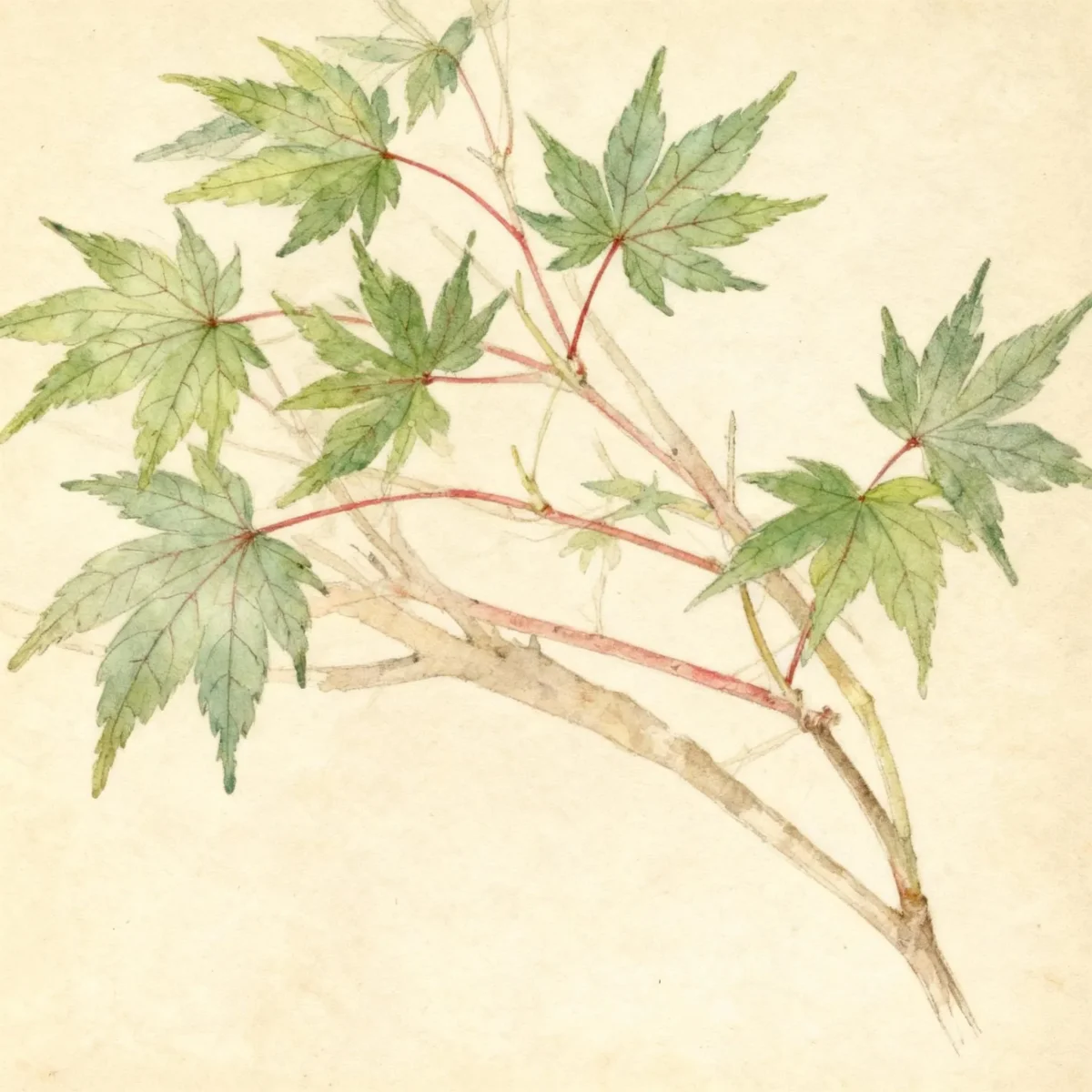
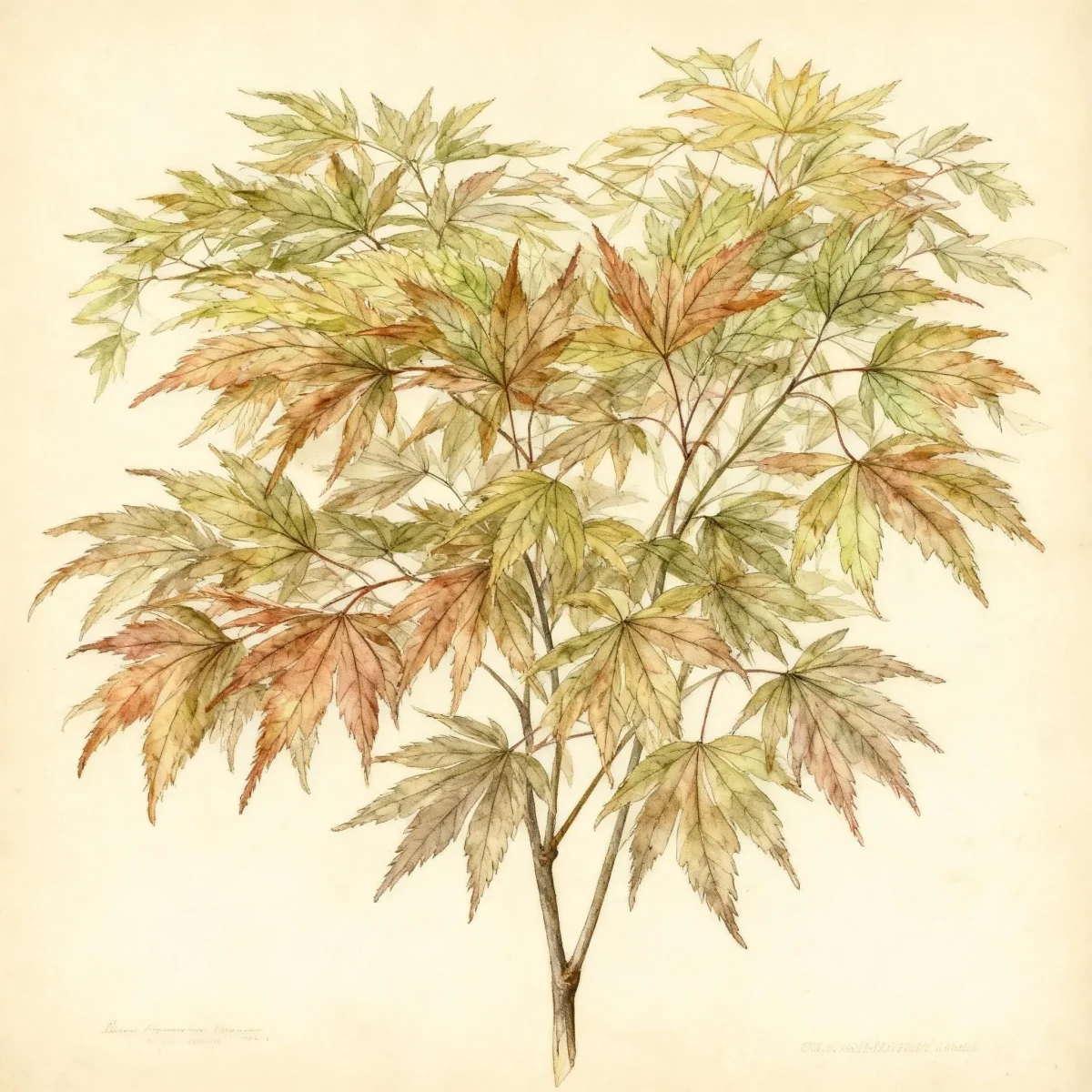
Sugar maple (Acer saccharum 'Green Mountain')
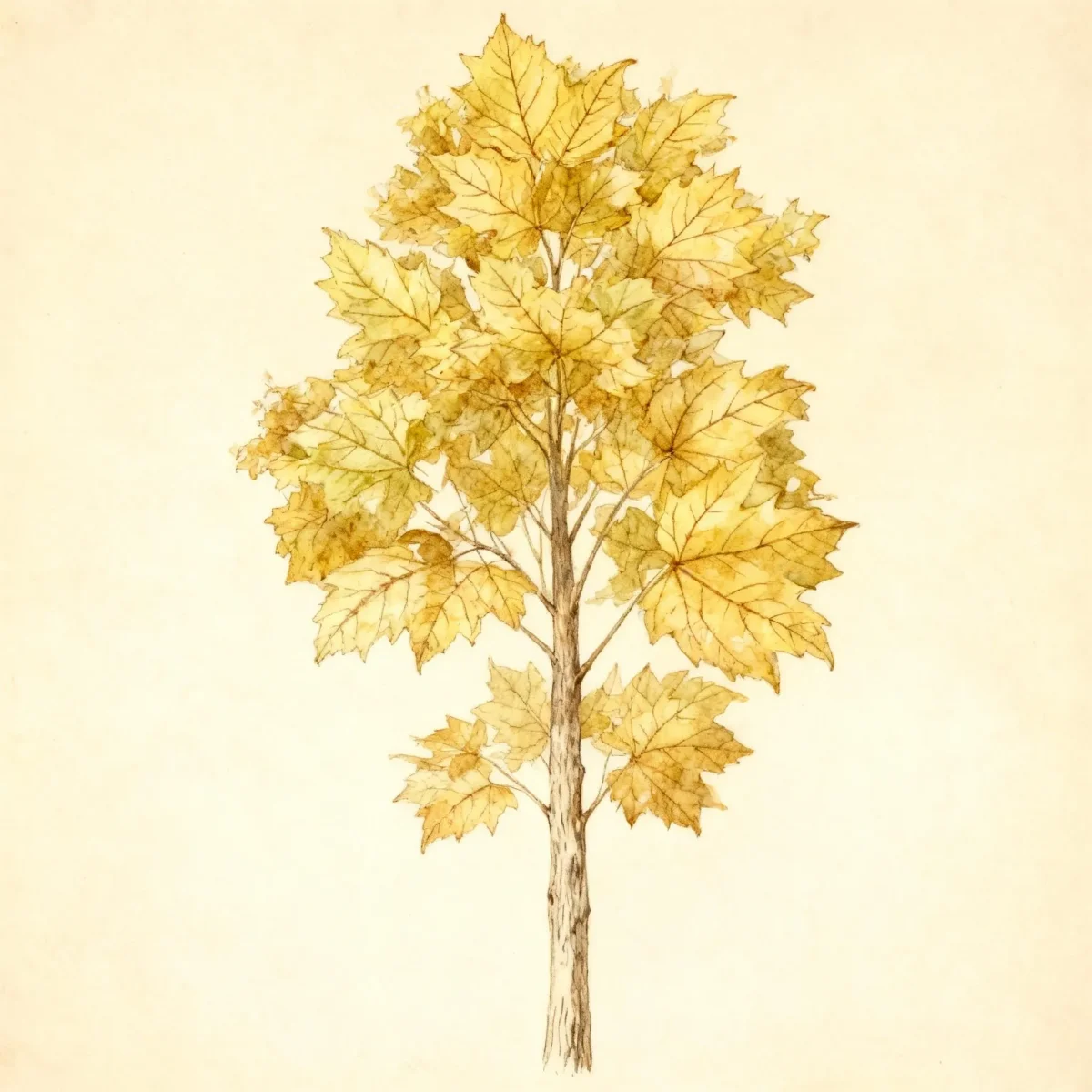
The Acer saccharum 'Green Mountain' Sugar maple is a robust, low-maintenance tree prized for its brilliant orange and scarlet fall color and strong structure.
Scroll down to discover growing tips, care requirements, companion plants, and more
Complete Plant Information
Overview
The Acer saccharum ‘Green Mountain’ cultivar offers gardeners a dependable, visually stunning addition to the landscape, known primarily for the exceptional intensity of its autumn display. This Sugar maple variety is celebrated for maintaining a strong central trunk and thick, durable branch crotches, making it structurally sound for larger landscapes or semi-urban settings. As a deciduous tree, it provides dense shade in summer before revealing its spectacular transformation to orange and scarlet hues.
Growers value the Sugar maple for its inherent longevity and its relatively low maintenance needs once established. This cultivar, in particular, exhibits improved resistance to common stressors like leaf scorch and leaf hoppers compared to the species standard. Whether used as a grand specimen or planted strategically for shade, Acer saccharum ‘Green Mountain’ delivers impressive vertical presence and seasonal interest.
Historically significant, the sap of the Sugar maple is famously tapped to produce maple syrup, linking this tree deeply to North American culture. Providing a classic, rounded crown structure, the mature size of this cultivar ensures it is perfectly suited for locations requiring substantial canopy coverage against the summer sun.
Fast Facts
- Plant Family: Sapindaceae
- Plant Type: Tree
- Hardiness Zones: USDA Zones 4-8
- Size at Maturity:
- Height: 40-60 ft
- Spread: 25-45 ft
- Bloom Time: April
- Bloom Description: Yellowish green
- Sun Exposure: Full sun to part shade
- Water Needs: Medium
- Maintenance Level: Low
How to Grow
Planting the Acer saccharum ‘Green Mountain’ is best performed in the spring or early fall while temperatures are moderate, allowing the tree to establish its crucial root system before summer heat or deep winter cold arrives. Select a site that provides full sun, though part shade is tolerated, ensuring the soil is deep, well-drained, and rich in organic matter. Proper spacing is vital; allow generous room for the mature spread of 25 to 45 feet to accommodate its broad pyramidal habit.
Watering should be consistent, particularly during the first few growing seasons after planting, matching the medium water needs. Deep, infrequent watering encourages strong root development, helping the tree withstand occasional summer dryness. Fertilization is generally unnecessary unless the soil is severely depleted; excessive nitrogen can promote weak, rapid growth. Pruning should focus on removing crossing or damaged branches, especially during the dormant season, to maintain the strong central leader characteristic of this excellent cultivar.
Be mindful of the location, as established Sugar maples prefer undisturbed soil conditions. If planting near pavement, ensure adequate turf area or structural soil is incorporated beneath sidewalks to mitigate the risk of root girdling or compaction issues common to urban settings for this species.
Landscape Uses
The Acer saccharum ‘Green Mountain’ is highly versatile, excelling as an excellent specimen tree placed prominently on a lawn or within park settings where its mature form can be fully appreciated. Its robust structure also qualifies it for use as a street tree, provided the site does not expose it frequently to high levels of road salt, pollution, or severely compacted soil, though this cultivar generally shows better toughness than some relatives.
For broader landscape impact, group plantings of several Sugar maples create an impressive seasonal transition, offering continuous, cooling shade throughout hot months. They serve beautifully as a backdrop for lower-growing deciduous shrubs or perennial borders, allowing the tree’s massive canopy to act as the vertical anchor of the design. When planning, remember the 40-to-60-foot potential height, placing it far enough from structures to avoid future conflict.
While the Sugar maple works well in generous planting pits along boulevards, for best performance, consider its use in expansive residential yards, corporate campuses, or along wide avenues away from salt spray zones, maximizing its benefit as a long-lived shade provider.
Standout Features
Flower Qualities
- Insignificant
Noteworthy Characteristics
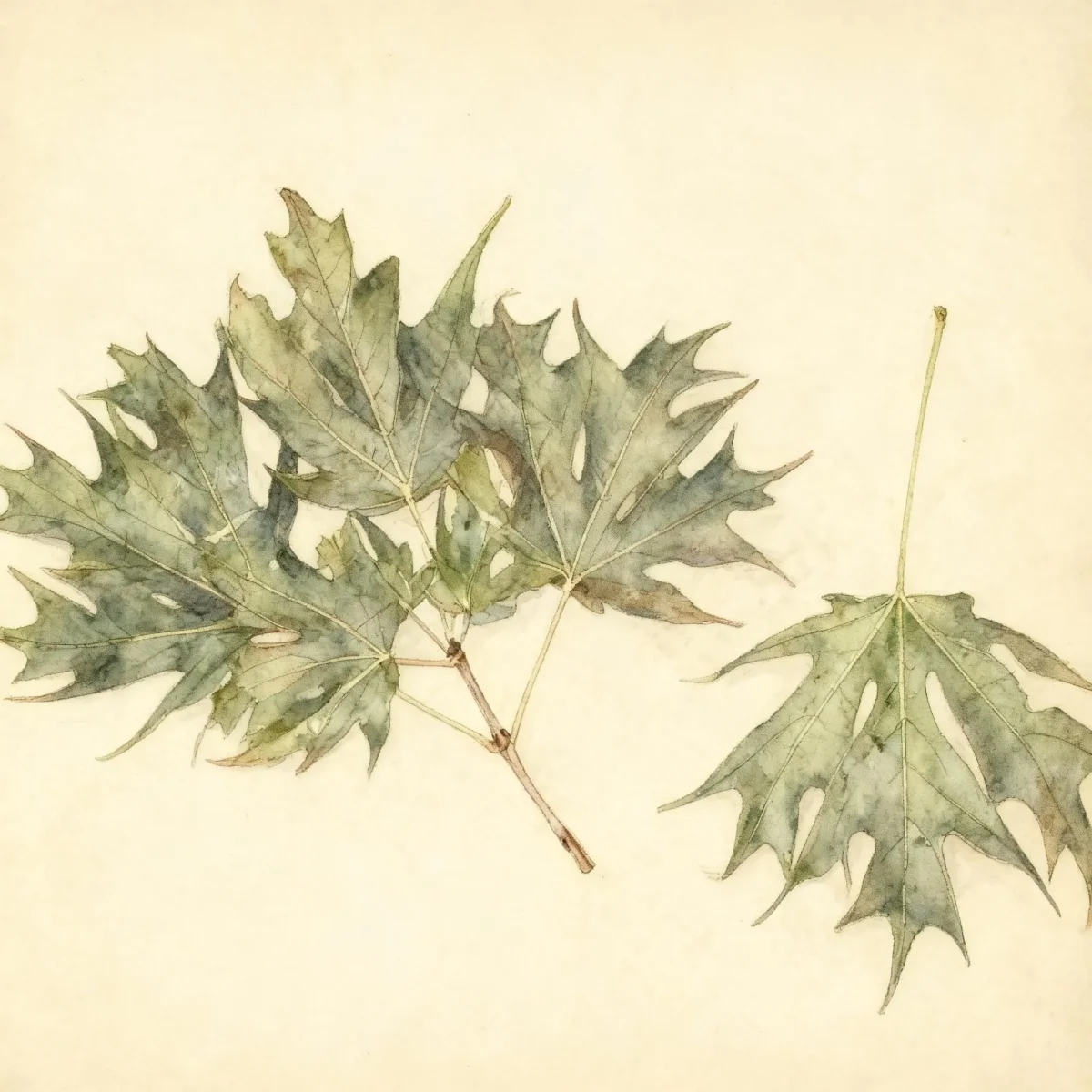
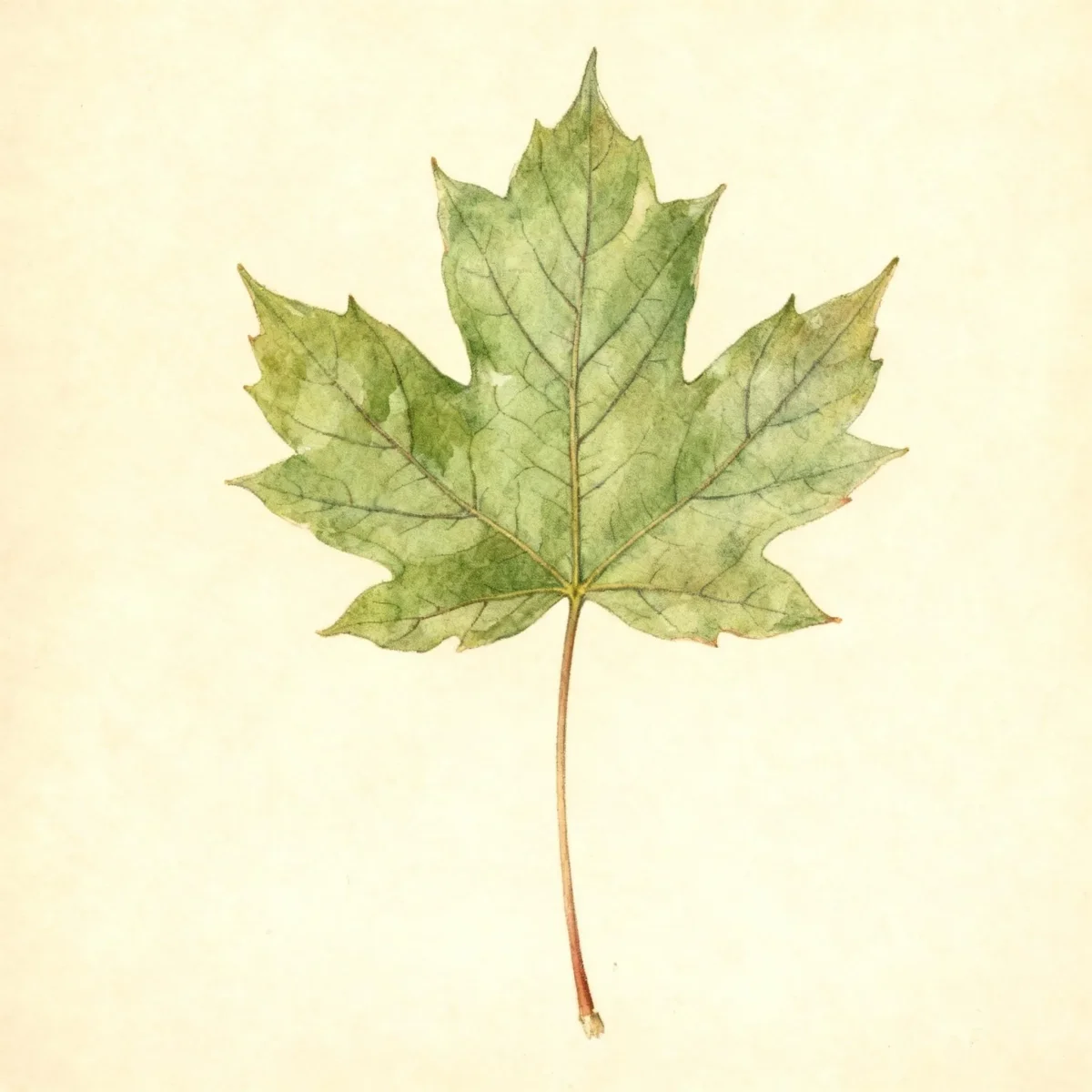
Acer saccharum commonly known as sugar maple is a deciduous, Missouri native tree which will typically grow 40’ to 80’ tall (sometimes to 100’) with a dense, rounded crown. The ‘Green Mountain’ cultivar is noted for its rapid growth rate, straight central trunk, and resistance to leaf scorch. Deeply cut, leathery, dark green leaves turn excellent shades of orange and scarlet in the fall, providing spectacular seasonal color.
Tolerances
- Susceptible to verticillium wilt, anthracnose, cankers, leaf spot and tar spot.
- Also susceptible to aphids, borers and scale.
- Leaf scorch may be a problem in drought conditions.
- Generally intolerant of road salt, soil compaction and pollution.
Potential Problems
While the Acer saccharum ‘Green Mountain’ is generally hardy, vigilance against certain pests and diseases is necessary for optimal health. Susceptibility includes fungal issues like verticillium wilt, anthracnose, cankers, and leaf spot, which often manifest under periods of high stress or poor air circulation. Inspect foliage closely, especially after heavy spring rains, looking for dark spots indicative of fungal activity.
Pest pressure mainly comes from common sucking insects, including aphids, borers, and scale insects, which can weaken the tree over time if left unchecked. If leaf scorch becomes apparent during dry spells, increase the consistency and depth of supplemental watering during drought periods.
Because this tree is frequently eyed for use along streets, gardeners must actively avoid planting it where it will be frequently exposed to de-icing salts, pollution, or heavy foot traffic that causes soil compaction, all factors to which the Sugar maple shows intolerance.
Frequently Asked Questions
What hardiness zones is Sugar maple suitable for?
The Acer saccharum ‘Green Mountain’ is suitable for USDA Hardiness Zones 4 through 8.
How large does Acer saccharum ‘Green Mountain’ grow?
This cultivar typically reaches heights between 40 and 60 feet, with a spread ranging from 25 to 45 feet at maturity.
What sun exposure does Sugar maple need?
For best performance and vibrant fall color, this tree requires full sun, though it can tolerate partial shade conditions.
When does Acer saccharum ‘Green Mountain’ bloom?
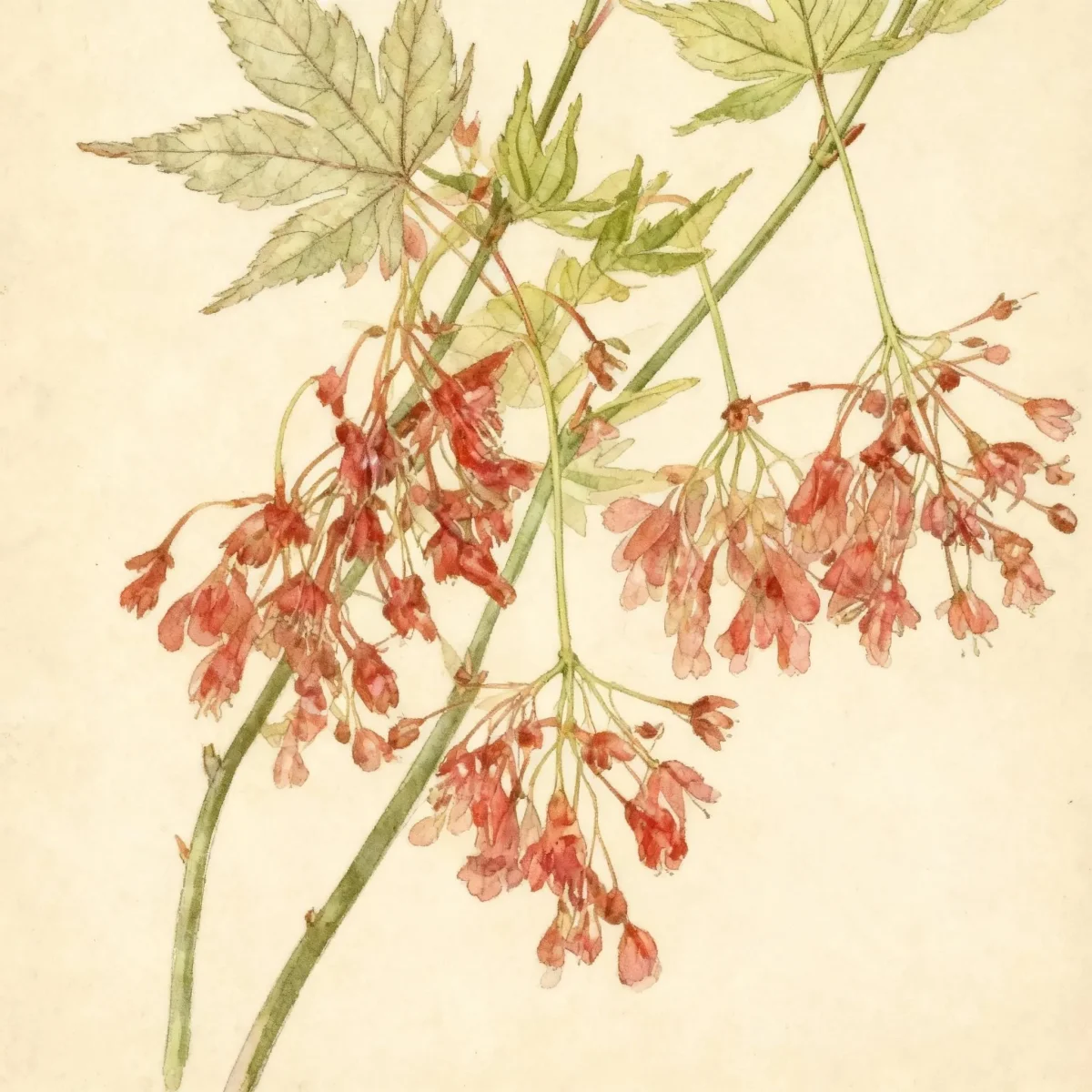
Flowering occurs in April, producing clusters of small, yellowish-green flowers before the main flush of foliage emerges.
Conclusion
The Acer saccharum ‘Green Mountain’ remains a cornerstone choice for landscape design, offering superior structural integrity and unmatched fall spectacle compared to many common shade trees. Its relatively low maintenance profile makes caring for this vibrant Sugar maple straightforward for most dedicated gardeners. Before planting, confirm your site falls within USDA Zones 4-8 and you can provide adequate space for this magnificent specimen to thrive.
Companion Planting
When selecting complementary plantings for your Acer saccharum ‘Green Mountain’, focus on species that share a preference for full to part sun and are tolerant of slightly acidic soil, which maples often prefer. Underplanting with acid-loving shrubs like Azaleas or Rhododendrons provides excellent mid-level structure and contrasting spring blooms beneath the canopy.
For groundcover beneath the wide spread of the Sugar maple, consider low-maintenance, shade-tolerant varieties. Hostas (especially larger cultivars), Astilbe, or woodland ferns create rich texture while managing root competition effectively. Avoid aggressive shallow-rooted plants that will compete directly with the maple’s critical feeder roots.
If planting near a lawn edge, ensure a distinct border, as turf grass can become stressed in the dense shade cast by a mature Sugar maple. Use mulch rings or hardscaping to define the planting area, which also helps retain soil moisture around newer plantings of the Acer saccharum ‘Green Mountain’.
Seasonal Care Calendar
Spring is the ideal time for a quick inspection of your Sugar maple for any breakage from winter storms or signs of pest activity emerging with the new leaves. If desired, apply a slow-release fertilizer early in the spring before the tree breaks dormancy to support summer vigor.
Summer care centers on irrigation management, especially during dry periods. Provide deep, slow watering every 10 to 14 days if rainfall is scarce, aiming to soak the entire root zone, which extends well beyond the canopy drip line. Avoid overhead watering late in the evening to minimize fungal risk.
Fall preparation involves raking the moderate leaf drop of the Acer saccharum ‘Green Mountain’ and assessing its spectacular color display. Do not apply herbicides or heavy fertilizers into the fall, allowing the tree to naturally prepare for winter dormancy. Winter pruning should be limited to removing only clearly dead or dangerous branches.