Bigtooth maple (Acer saccharum subsp. grandidentatum)
The Bigtooth maple (Acer saccharum subsp. grandidentatum) is a durable Western North American native, valued for its smaller, blunt-lobed leaves and respectable fall color. This low-maintenance deciduous shrub offers a rugged alternative to the classic sugar maple.
Scroll down to discover growing tips, care requirements, companion plants, and more
Complete Plant Information
Overview
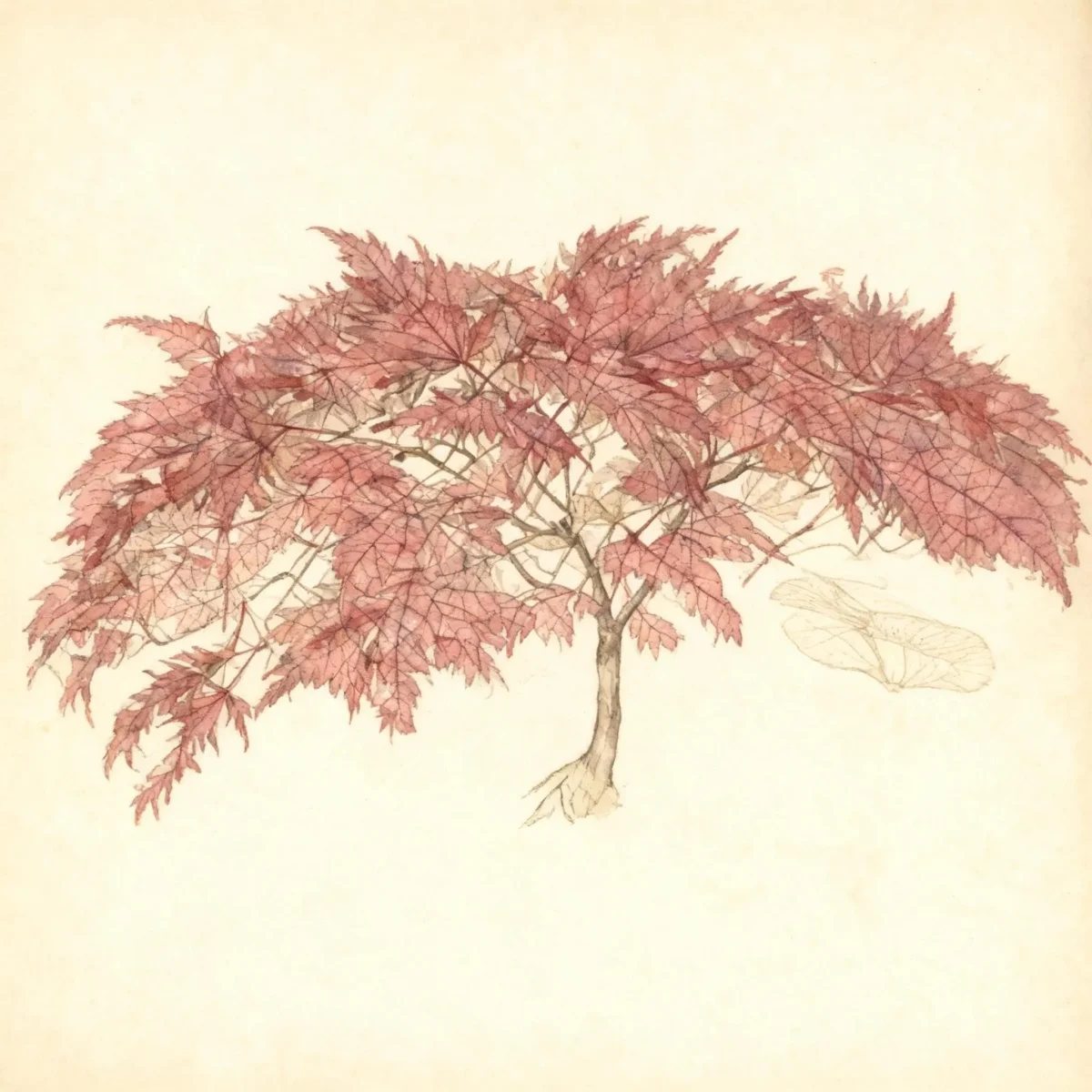
The Bigtooth maple, scientifically known as Acer saccharum subsp. grandidentatum, offers gardeners a tough, beautiful accent tree native to the arid mountains of Western North America. It serves as a significant Western counterpart to the well-known Eastern sugar maple, often presenting a shorter, bushier habit in challenging environments. Gardeners appreciate the Acer saccharum subsp. Grandidentatum for its smaller stature and leaves, which feature distinct blunt teeth, providing visual interest.
This deciduous shrub thrives where conditions might be too harsh for some other maples, exhibiting superior tolerance for heat and drought compared to its Eastern relatives. When planted correctly, it offers reliable structure and transforms beautifully in the autumn, displaying a palette ranging from rich red to bright orange and yellow. Its low maintenance needs make the Bigtooth maple an excellent choice for sustainable, high-impact landscaping across USDA Zones 5 through 8.
Fast Facts
- Plant Family: Sapindaceae
- Plant Type: Deciduous shrub
- Native Range: Western North America
- Hardiness Zones: USDA Zones 5-8
- Size at Maturity:
- Height: 20-30 ft
- Spread: 20-30 ft
- Bloom Time: April to May
- Bloom Description: Yellow-green
- Sun Exposure: Full sun to part shade
- Water Needs: Medium
- Maintenance Level: Low
How to Grow
Planting Acer saccharum subsp. grandidentatum should occur in the spring or fall while the plant is dormant, allowing it to establish roots before extreme summer heat or winter freezes. Ensure its location offers average, medium moisture, well-drained soils. While it tolerates part shade, this beautiful maple performs best when sited where it receives full sun, especially if the soil remains consistently moist.
Once established, care for your Bigtooth maple is straightforward. Water requirements are medium; seek to keep the soil consistently moist, as this species prefers wetter footing, particularly in full sun exposures. Fertilizing is rarely necessary if the soil structure is adequate. Pruning should be minimal, focusing only on removing damaged, dead, or crossing branches to maintain a natural shape.
A key consideration for the success of Acer saccharum subsp. grandidentatum is soil drainage. Even though it tolerates drier conditions than Eastern sugar maples, consistently saturated, poorly draining soil can lead to root rot. If growing in hotter, drier inland sites, ensure supplemental water is available during prolonged dry spells to maximize health and autumn color potential.
Landscape Uses
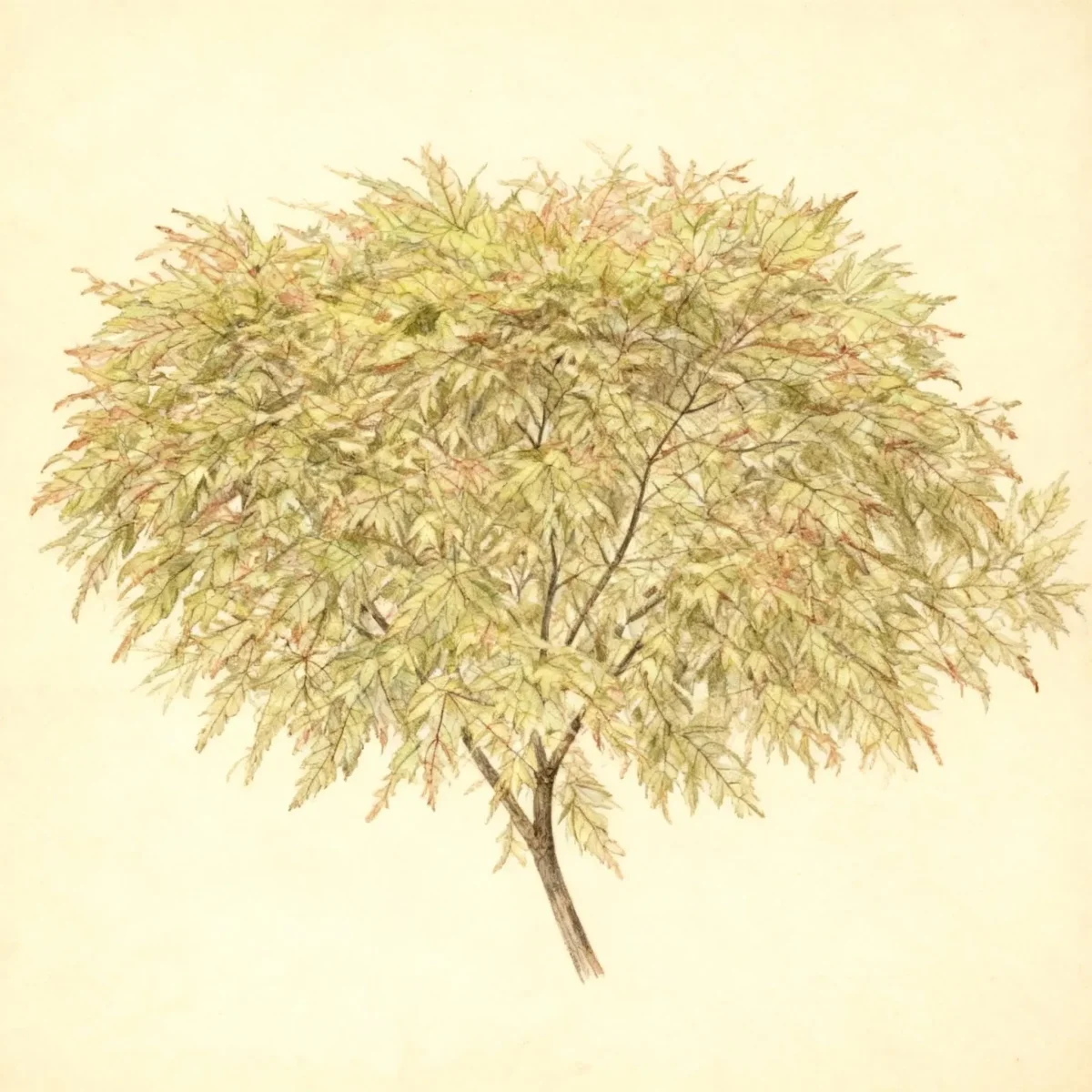
The Bigtooth maple functions excellently as a small landscape tree, perfect for spaces where a massive shade tree is simply too large. Its moderate mature size, ranging from 20 to 30 feet tall and wide, allows it to anchor smaller gardens or serve as a specimen planting near patios where one can appreciate the leaf structure. It adapts well to mixed borders, providing strong vertical contrast against lower-growing shrubs or perennials.
Consider planting the Bigtooth maple near structures where its spreading canopy can offer dappled shade without overwhelming utility lines. Its sturdy, shrub-like potential also makes it valuable for screening or establishing a naturalized edge in canyon or hillside gardens, echoing its native habitat in the Wasatch Mountains. The foliage offers reliable color transition that complements bolder flowering perennials.
Standout Features
Flower Qualities
- Insignificant
Noteworthy Characteristics
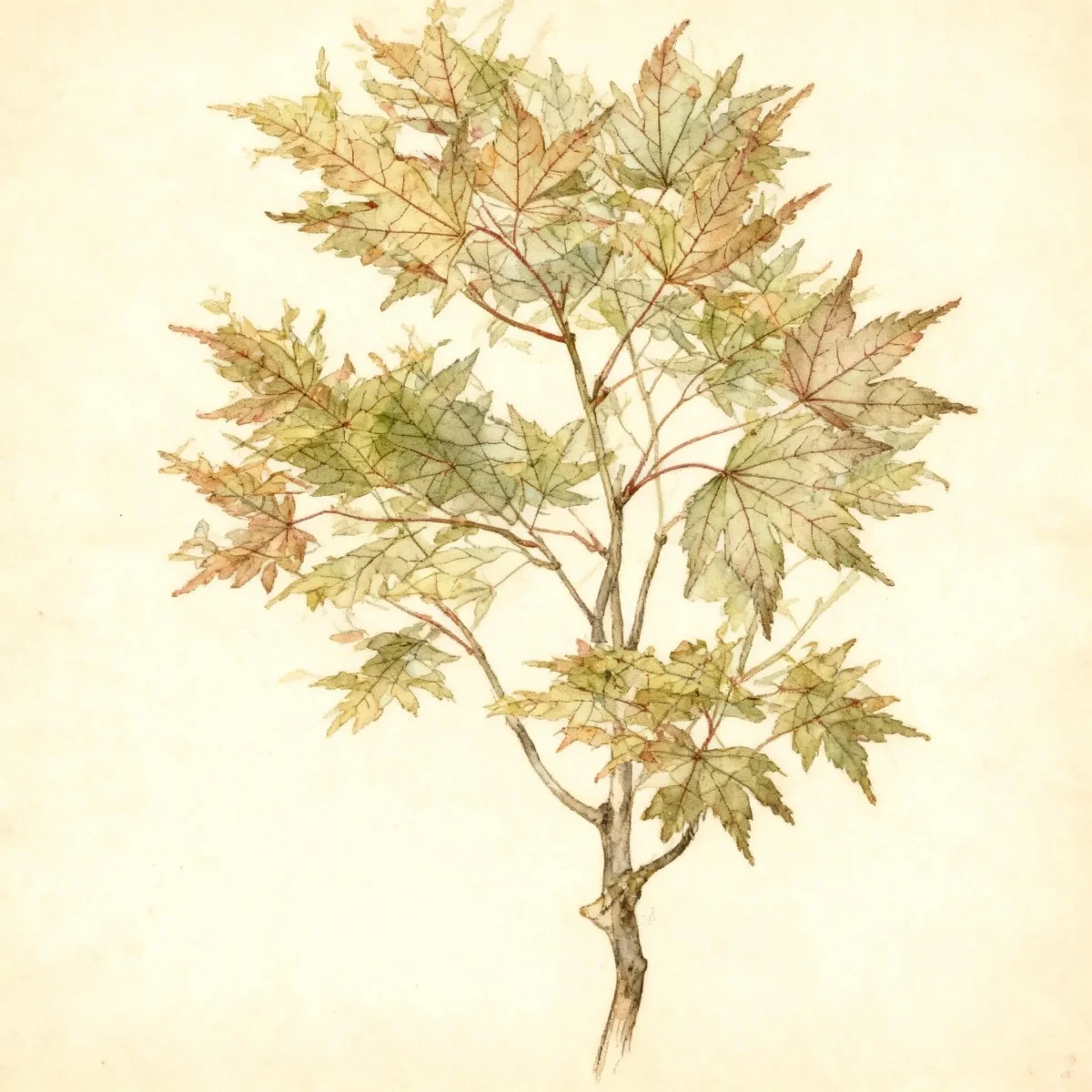
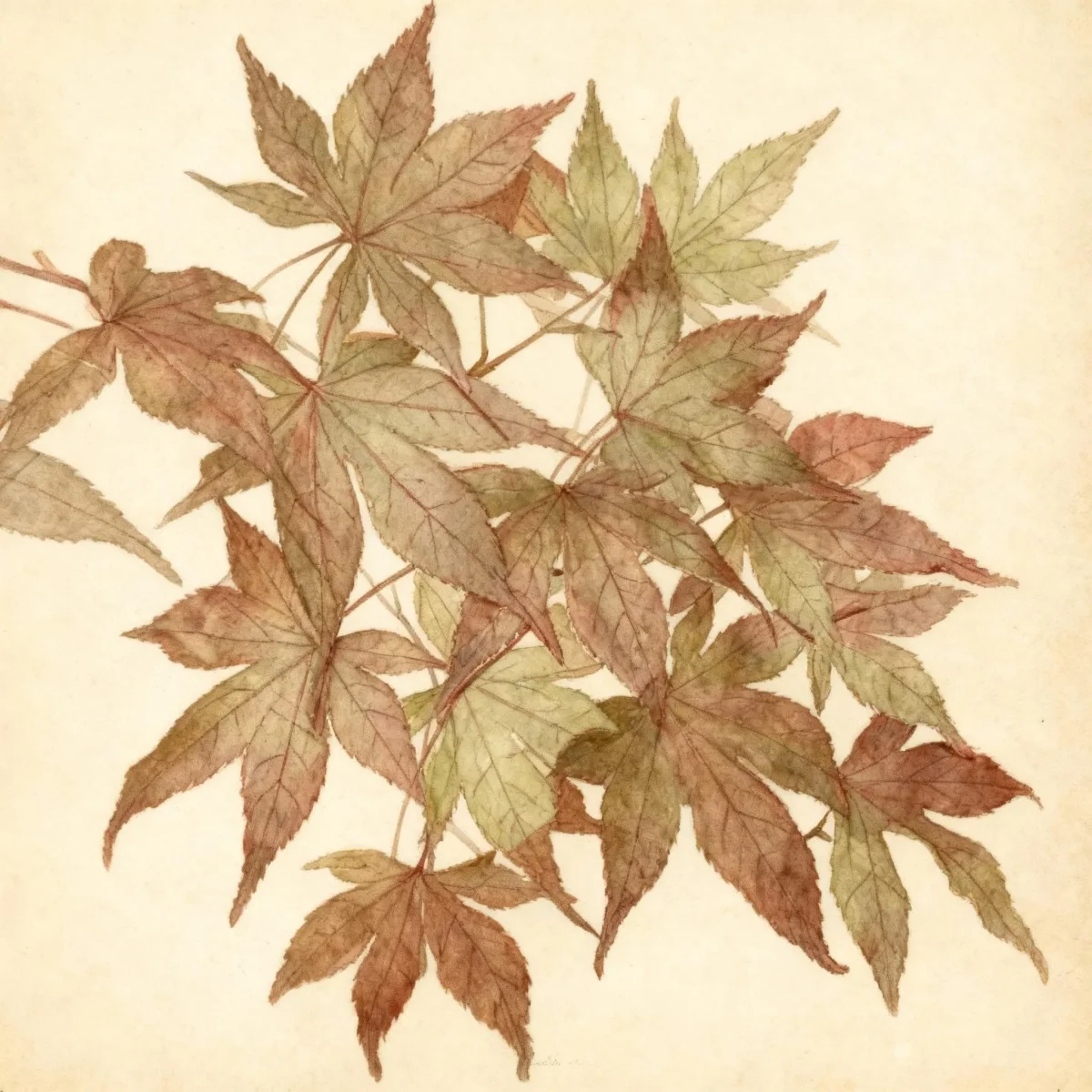
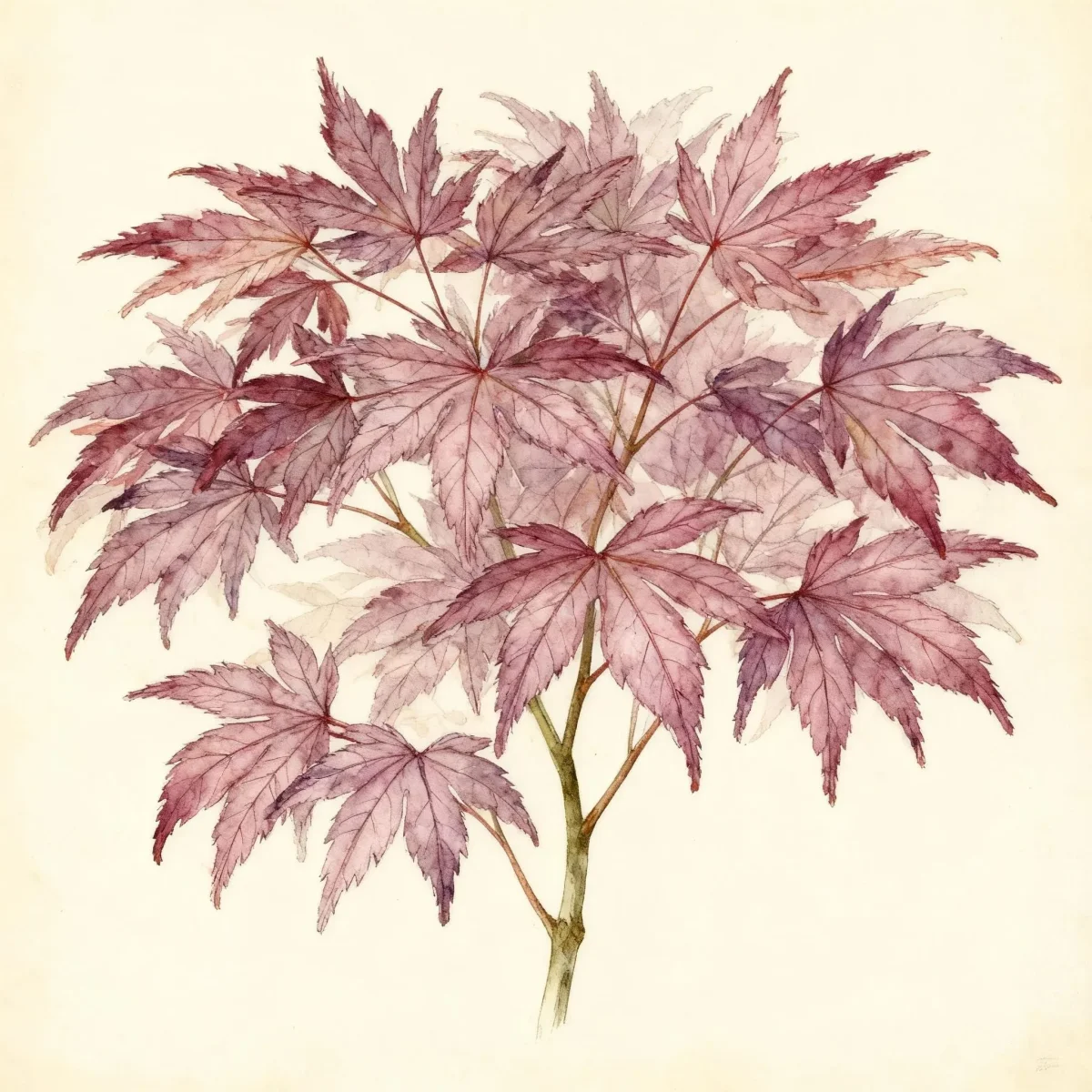
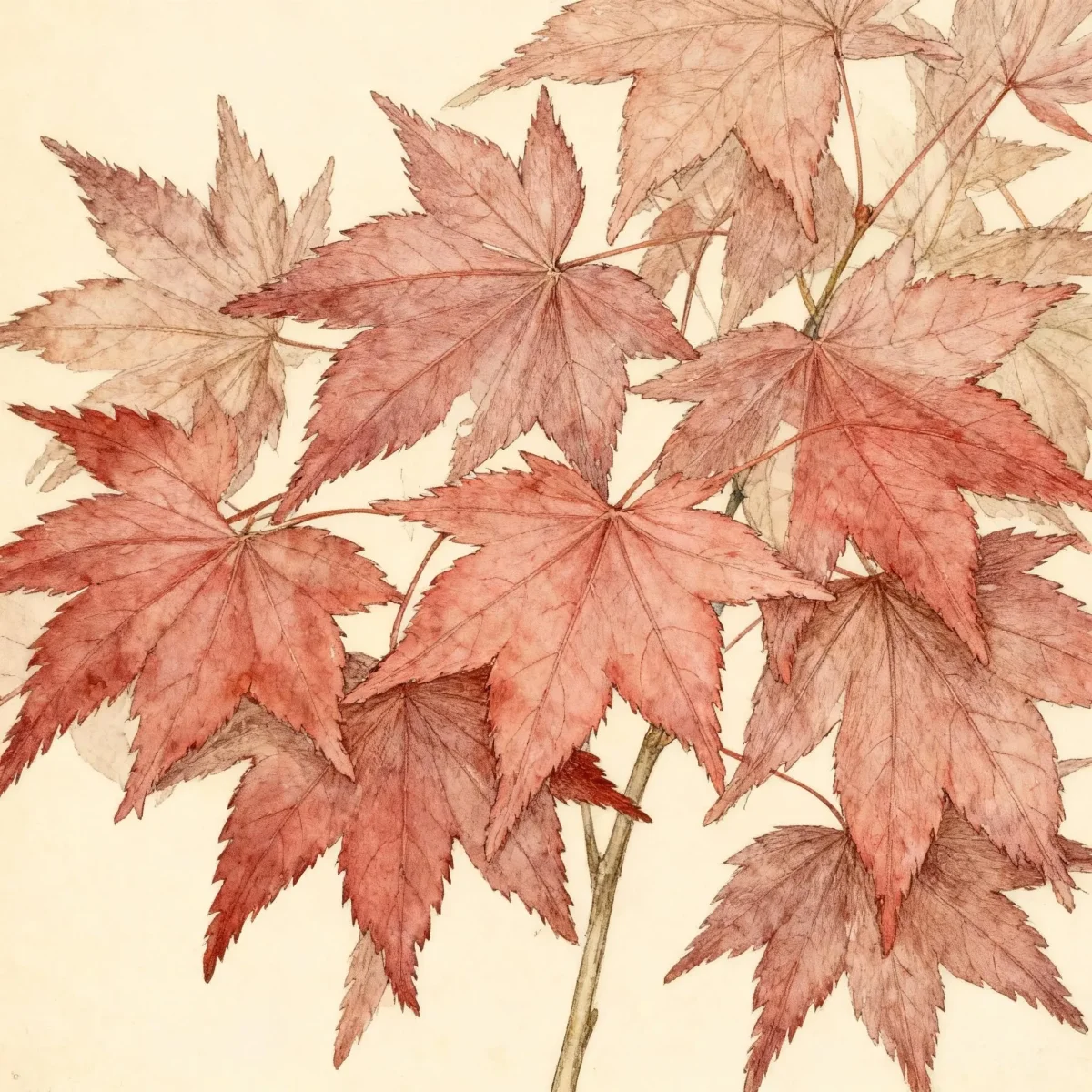
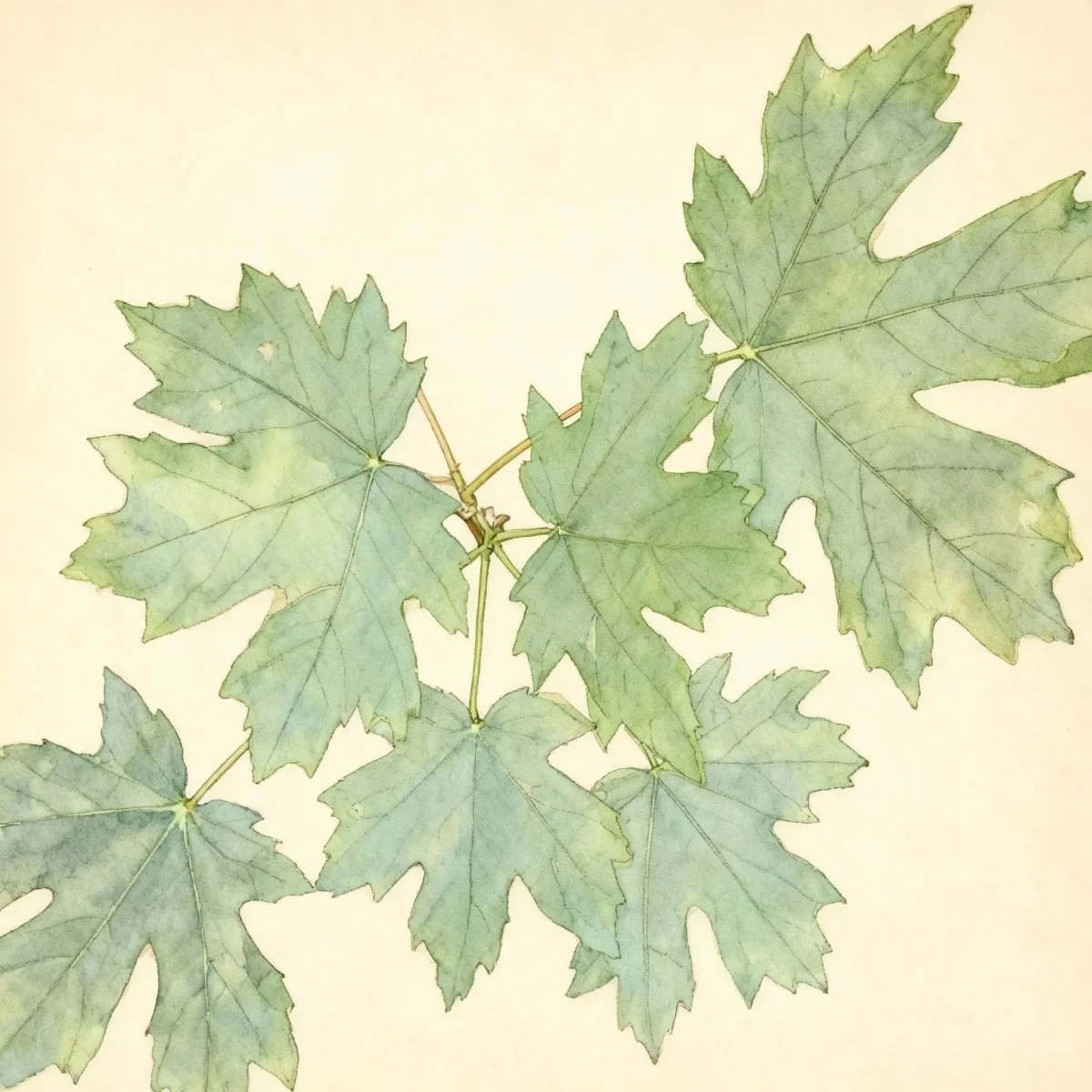
The Acer saccharum subsp. Grandidentatum is distinct because it is often considered the western iteration of the sugar maple, typically remaining shorter, sometimes even shrub-like depending on the climate and moisture availability. Its dark green leaves, up to 4 inches wide, possess 3 to 5 distinctive blunt lobes, contrasting with the sharply pointed lobes of the eastern species, and they produce fantastic fall color ranging from red to orange. This species retains the valuable characteristic of its relatives: the sap can be successfully tapped to produce high-quality maple syrup.
Tolerances
- No serious insect or disease problems.
Potential Problems
While generally robust, the Bigtooth maple can encounter common maple issues. Potential disease problems include verticillium wilt, anthracnose, root rot, and cankers, all of which are often aggravated by poor drainage or planting stress. Keep an eye out for common pests like aphids and borers, though they rarely cause severe, permanent damage to healthy specimens. Successful cultural management, ensuring well-drained soil and appropriate watering, is the best defense against most potential problems.
Frequently Asked Questions
What hardiness zones is Bigtooth maple suitable for?
The recommended hardiness zones for the Bigtooth maple are USDA Zones 5 through 8, offering good flexibility across the temperate regions of the nation.
How large does Bigtooth maple grow?
When grown in cultivation typical for landscape use, the Bigtooth maple usually reaches a height between 20 to 30 feet, with a similar spread of 20 to 30 feet.
What sun exposure does Bigtooth maple need?
This maple requires full sun to part shade; however, it performs best when given medium moisture soils in a sunny location.
When does Bigtooth maple bloom?
The Acer saccharum subsp. grandidentatum typically blooms in the spring, generally between April and May, producing inconspicuous yellow-green flowers.
Conclusion
The Bigtooth maple (Acer saccharum subsp. grandidentatum) provides a handsome, resilient option for areas needing reliable vertical interest and spectacular autumn hues with minimal upkeep. Its ability to tolerate drier, hotter conditions sets it apart from many other maples and enhances its value in contemporary landscapes. Before planting, always confirm that your local climate falls within USDA Zones 5-8 and plan for a site with well-draining soil to ensure this western gem thrives.
Companion Planting
When selecting companions for Acer saccharum subsp. grandidentatum, focus on plants that share similar medium water needs and thrive in dappled light beneath a tree canopy. Native shrubs that thrive in Western slopes, such as certain varieties of Serviceberry (Amelanchier) or Mahonia species, pair beautifully, maintaining an ecologically appropriate look. Avoid planting shallow-rooted lawn grasses directly beneath the canopy, as they compete aggressively for precious surface moisture.
For textural contrast in a mixed planting scheme, consider pairing the maple’s rugged bark and defined leaf margins with fine-textured ferns, like Western Sword Fern (Polystichum munitum), especially in shadier spots. Groundcovers that tolerate dry shade, such as wild ginger (Asarum), can help suppress weeds and retain valuable soil moisture around the base of the young Bigtooth maple establishment area.
Wildlife Benefits
While the flowers are noted as insignificant, they do appear in early spring—April to May—offering essential early nectar for emerging pollinators before more showy perennials bloom. Although not a primary pollinator plant, the fruit, which matures in the fall as pairs of samaras, provides a food source for various birds and small mammals.
More significantly, the dense branching structure of a mature Bigtooth maple offers excellent nesting and shelter opportunities within Western North American ecosystems. Its native status means local wildlife have co-evolved to utilize its structure for cover against predators and winter elements. Planting this species supports local biodiversity even without dramatic floral displays.