Amur maple (Acer tataricum subsp. ginnala 'Flame')
Acer tataricum subsp. ginnala 'Flame', known as Amur maple, offers brilliant fiery fall color, low maintenance, and handles drought.
Scroll down to discover growing tips, care requirements, companion plants, and more
Complete Plant Information
Overview
The Acer tataricum subsp. ginnala ‘Flame’ is a highly valued, adaptable landscape specimen celebrated for its exceptional hardiness and vibrant autumn display. Commonly referred to as Amur maple, this cultivar develops into a dense, broad, rounded crown, offering excellent structure throughout the year. Gardeners appreciate Acer tataricum subsp. Ginnala ‘Flame’ for its low maintenance needs and tolerance for challenging soil conditions, making it a reliable choice for diverse sites. Beyond its stunning foliage, its small, fragrant blooms and showy red summer fruits add layered seasonal interest to any garden space.
Fast Facts
- Plant Family: Sapindaceae
- Plant Type: Tree
- Hardiness Zones: USDA Zones 2-8
- Size at Maturity:
- Height: 15-20 ft
- Spread: 15-20 ft
- Bloom Time: April to May
- Bloom Description: Yellowish white
- Sun Exposure: Full sun to part shade
- Water Needs: Medium
- Maintenance Level: Low
How to Grow
Plant Acer tataricum subsp. ginnala ‘Flame’ in spring or fall when conditions are cooler, ensuring it receives full sun or bright, sun-dappled shade. This tree performs best in moist, organically rich, and well-drained soils, though it exhibits good tolerance for clay soils once established. Proper initial soil preparation aids in establishing the root system quickly.
Water regularly to maintain consistent moisture, especially during the first few growing seasons. Once mature, the Amur maple shows some drought tolerance, but supplemental water during extended dry periods is recommended, particularly during hot summers. Fertilization is rarely necessary due to its adaptable nature, but a slow-release fertilizer in early spring can boost vigor if growth seems slow.
Maintenance for this cultivar is minimal. Pruning should be primarily corrective, removing any crossing or dead branches during the dormant season. Due to its natural dense, upright spreading habit, heavy shaping is usually not required. Enjoy the natural form of your Acer tataricum subsp. Ginnala ‘Flame’.
Landscape Uses
The versatility of Amur maple makes it an ideal choice for various landscape roles. Use it as an interesting specimen tree where its structure and fall color can be the focal point, or plant several together to form a natural screen. It adapts well to transitional zones between full sun borders and slightly shadier areas, softening edges where other maples might struggle.
Consider using this tough tree in sites needing a reliable performer against environmental stresses. Although it provides a substantial presence, its manageable 15 to 20-foot stature prevents it from overwhelming smaller properties. Look for companions that appreciate similar soil moisture levels but offer contrasting leaf textures or bloom times for continuous interest.
Gardeners must note that while Acer tataricum subsp. ginnala ‘Flame’ is highly favored, the species may be listed as invasive in certain regions. Always check local regulations before mass planting, especially near wild areas, even when utilizing named cultivars.
Standout Features
Flower Qualities
- Fragrant
Fruit Qualities
- Showy
Noteworthy Characteristics
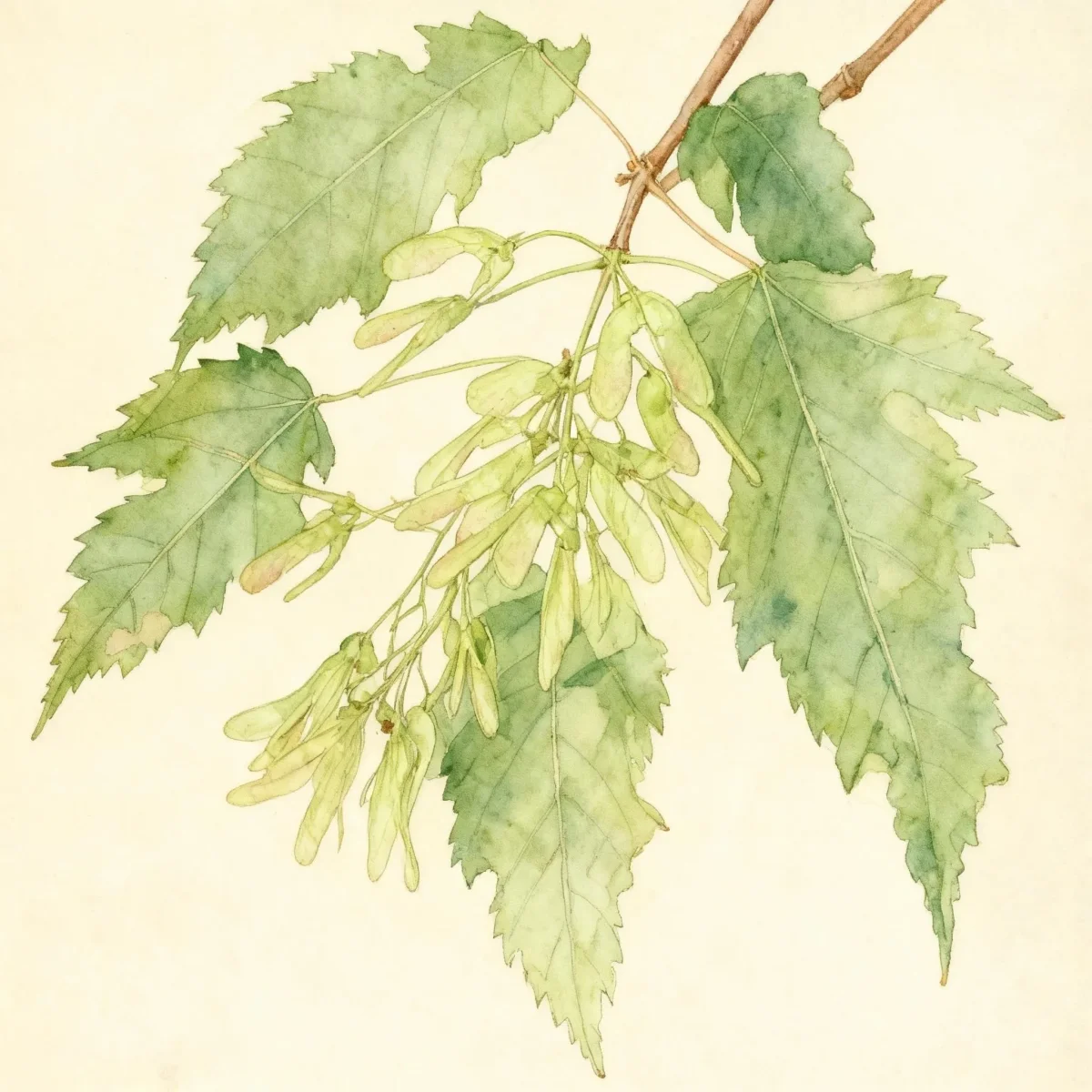
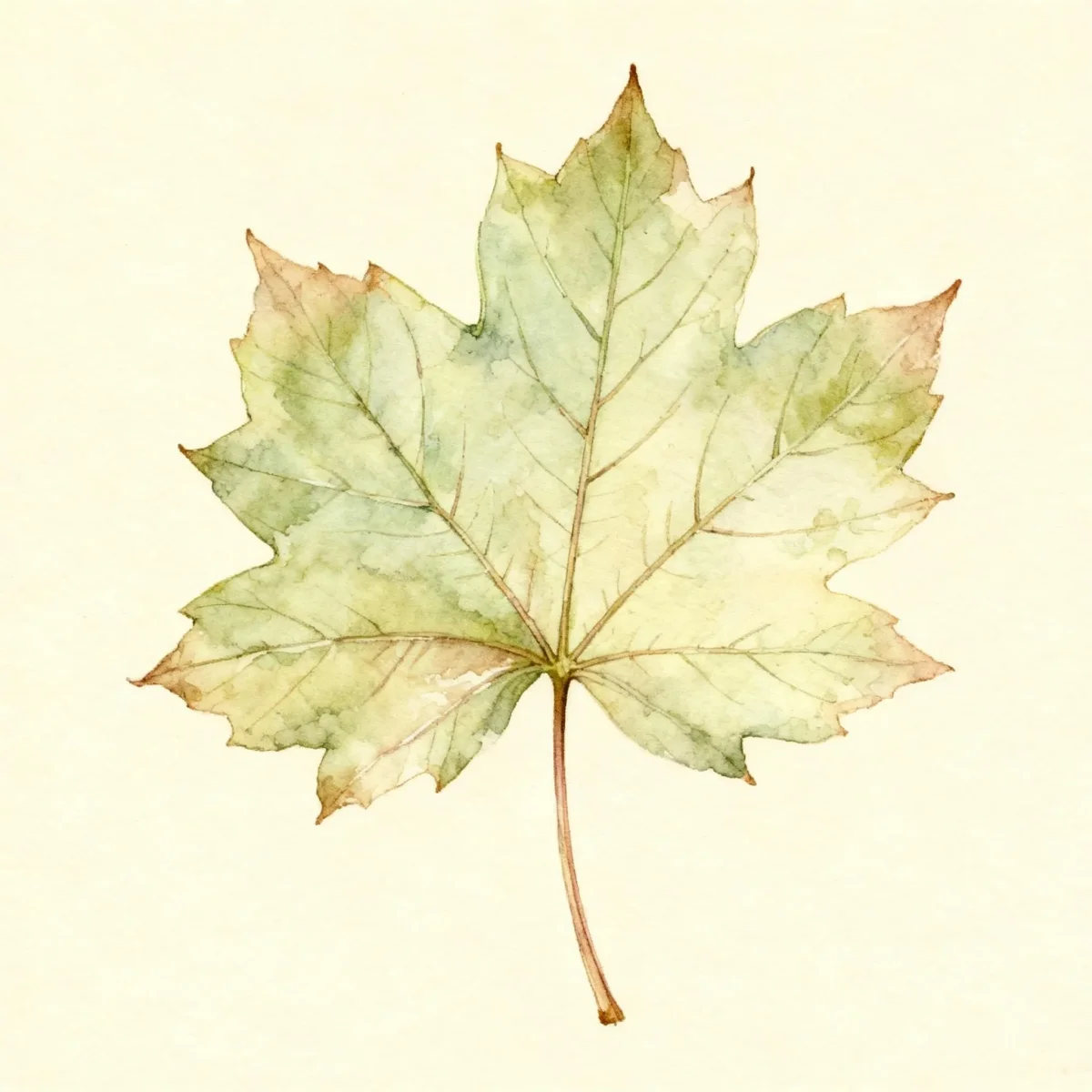
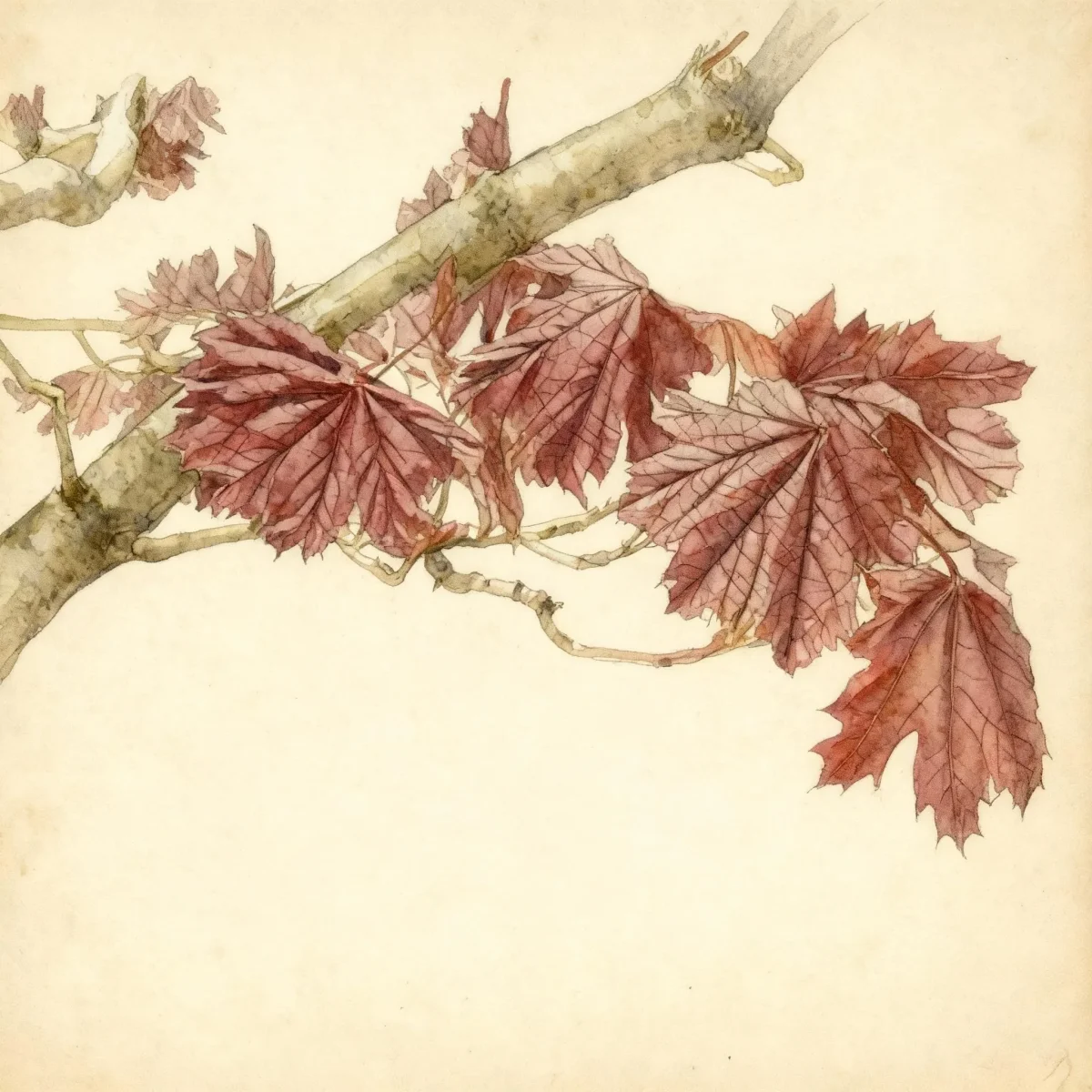
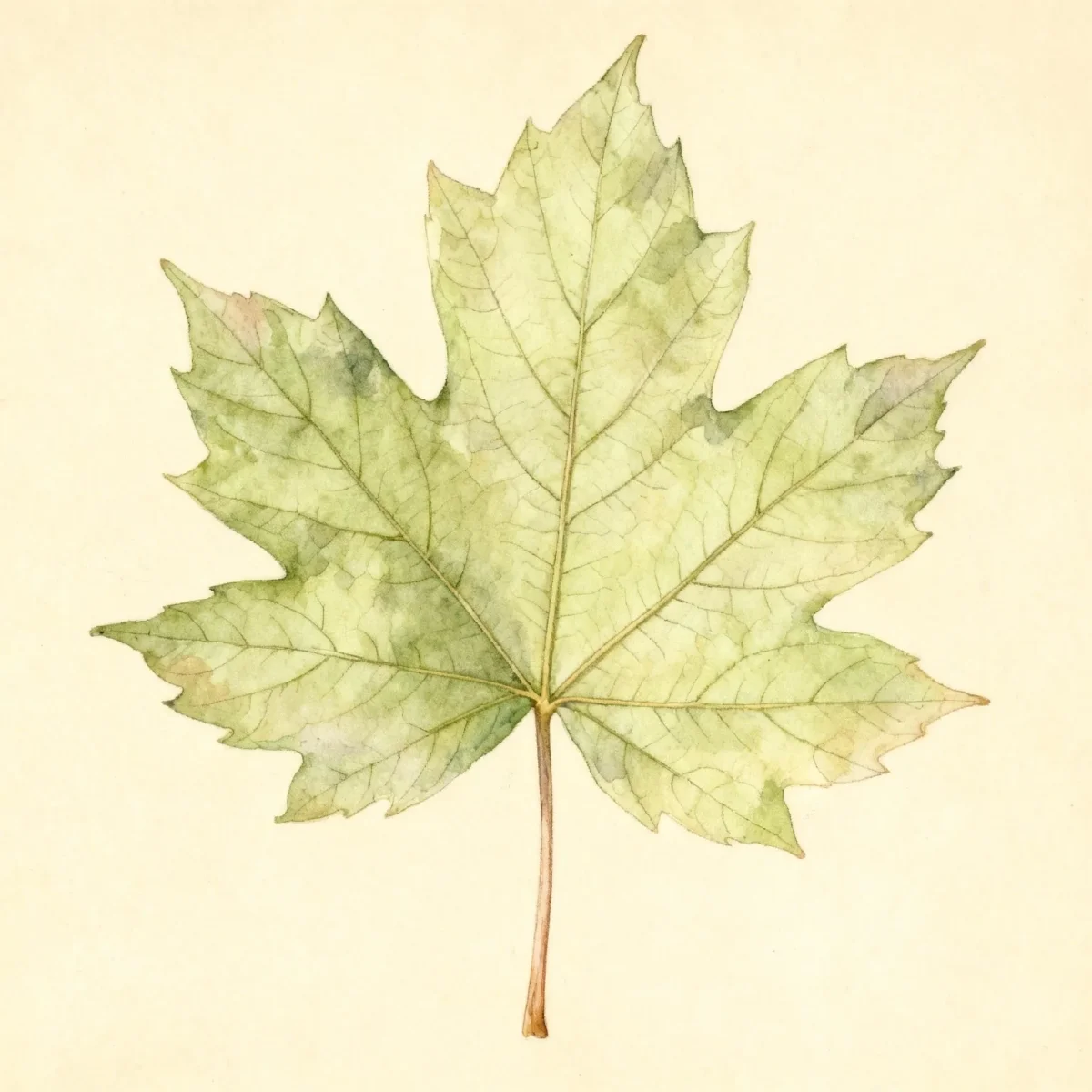
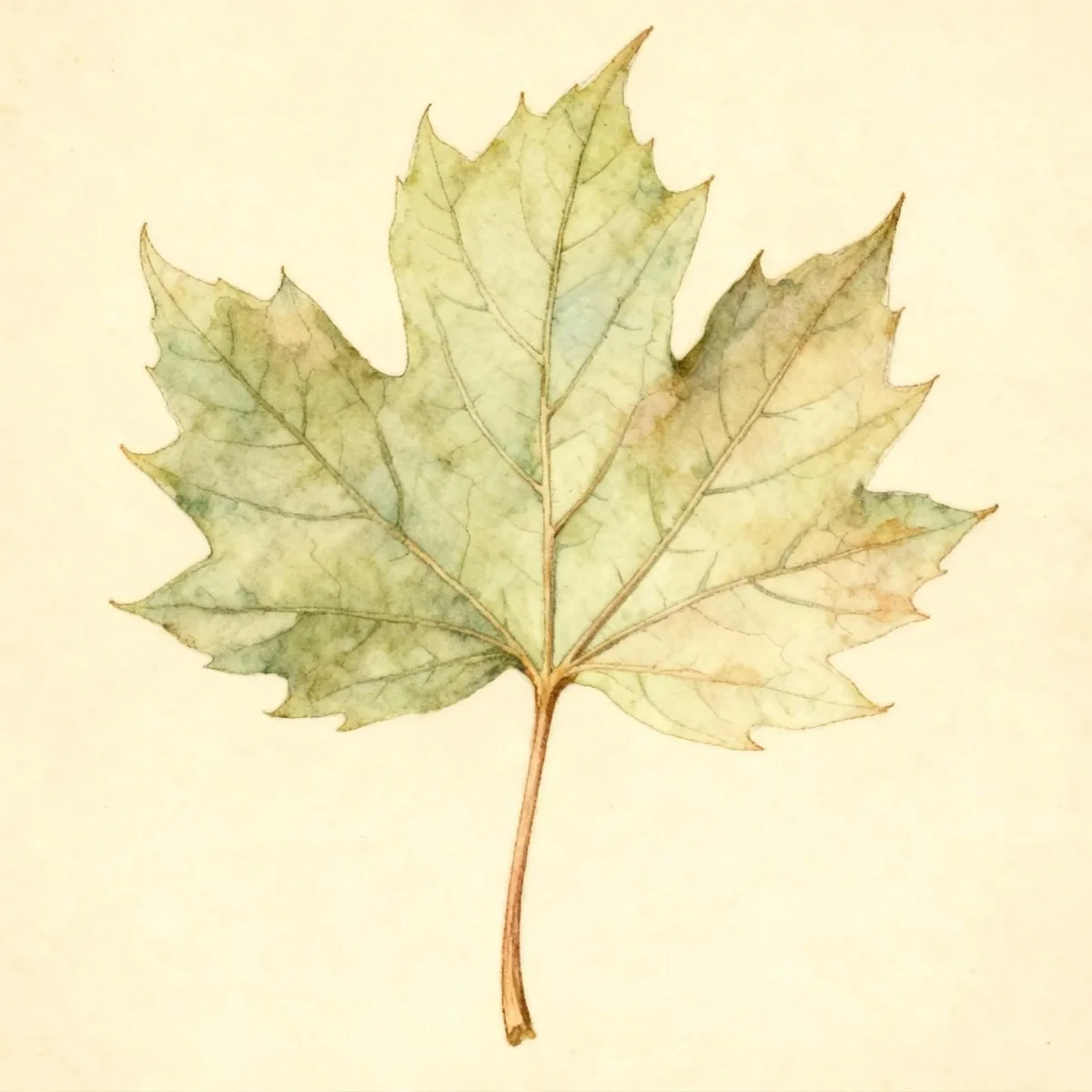
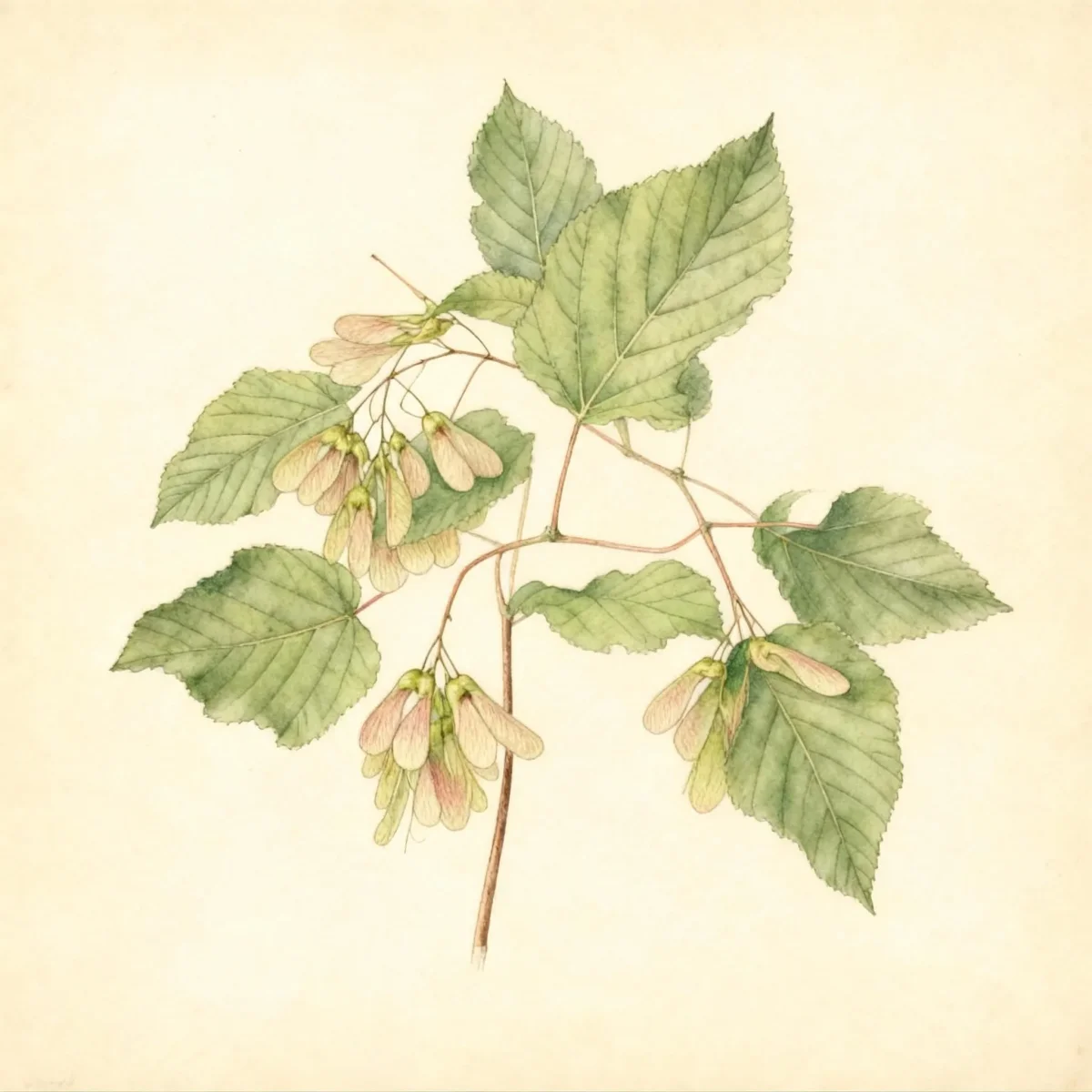
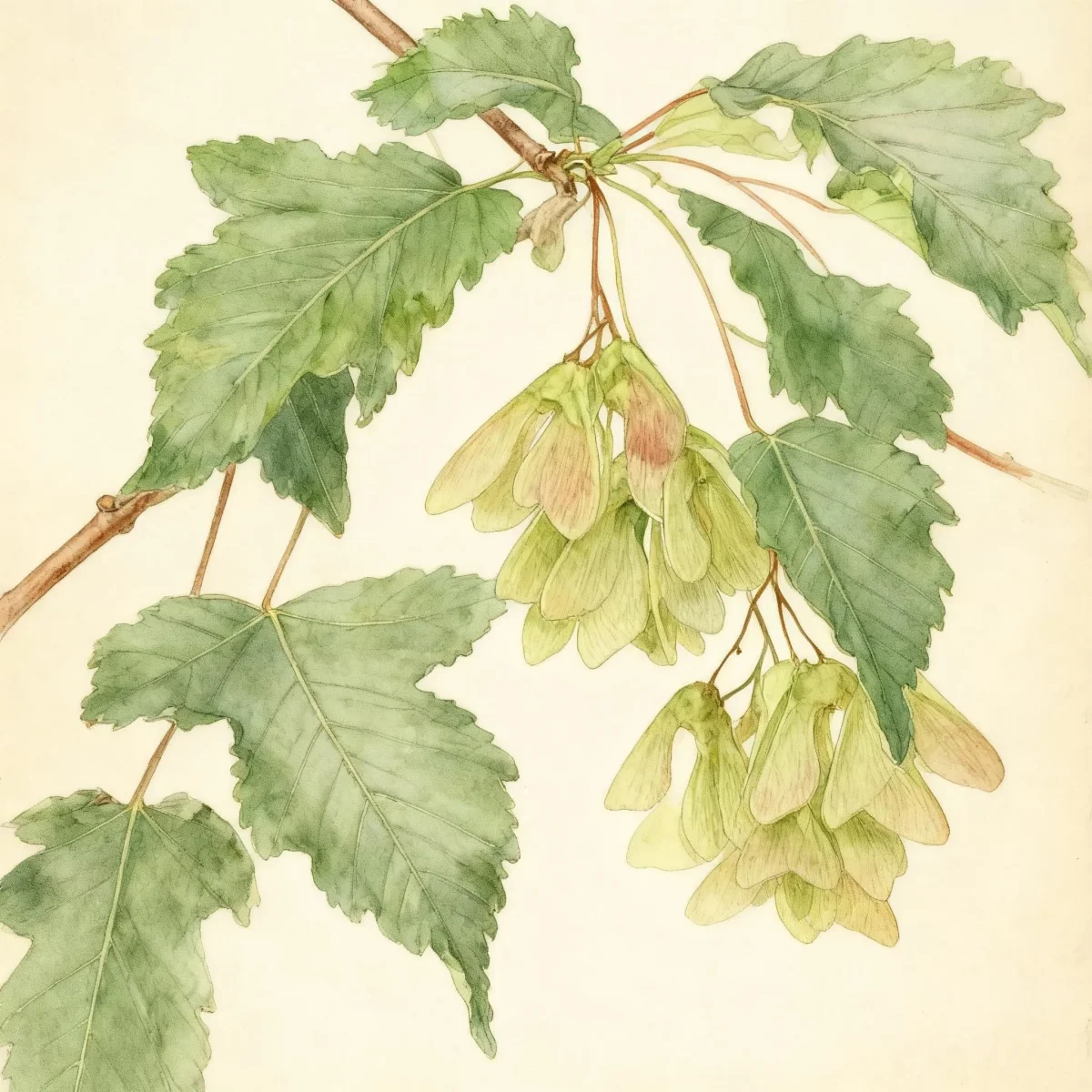
Acer tataricum, commonly called Tatarian maple, typically grows as a small, upright spreading tree with a dense, rounded crown or as a large multi-stemmed shrub, maturing to 15-20’ tall. The Amur maple, or Subsp. Ginnala, is distinguished by its more lustrous, characteristically three-lobed leaves and superior red fall coloration compared to the standard species. The bright, greenish-yellow flowers offer a subtle fragrance, followed by red-winged samaras (to 1” long) that mature to a showy red, culminating in the brilliant, fiery red autumn display of the ‘Flame’ cultivar.
Tolerances
- Drought
- Clay Soil
Potential Problems
Generally, Acer tataricum subsp. ginnala ‘Flame’ is noted for having no serious insect or disease problems, contributing significantly to its low maintenance rating. However, in stressed conditions or humid environments, watch for fungal issues such as leaf spots, tar spot, and anthracnose. It is also susceptible to Verticillium wilt and stem canker. Horticultural pests like aphids, borers, scale, leafhoppers, and mites may occasionally colonize the tree; diligent scouting early in the season allows for prompt intervention using appropriate controls.
Frequently Asked Questions
What hardiness zones is Amur maple suitable for?
The Amur maple, Acer tataricum subsp. ginnala ‘Flame’, is exceptionally cold-hardy and suitable for USDA Zones 2 through 8.
How large does Acer tataricum subsp. ginnala ‘Flame’ grow?
This cultivar typically reaches a mature size of 15 to 20 feet in height with an equal spread, maintaining a dense, rounded habit.
What sun exposure does Amur maple need?
For best performance, plant Acer tataricum subsp. ginnala ‘Flame’ where it will receive full sun or bright, sun-dappled partial shade.
When does Acer tataricum subsp. ginnala ‘Flame’ bloom?
This tree produces yellowish white, fragrant flowers relatively early in the season, blooming from April into May.
Conclusion
The Acer tataricum subsp. ginnala ‘Flame’ offers unparalleled hardiness, reliable structure, and magnificent fiery red fall color, making the Amur maple a superb low-maintenance addition to challenging landscapes. Before purchasing, confirm that USDA Zones 2-8 match your climate requirements, and plan for spring planting to ensure a strong establishment year for your new tree.
Companion Planting
When designing a landscape around the Amur maple, select companions that thrive in similar average moisture soils and tolerate full sun to partial shade. Consider low-growing, flowering perennials like Peonies or Siberian Iris, which provide vibrant color beneath the tree structure during late spring and early summer. For evergreen contrast that masks the base, Dwarf Mugo Pines or various low-growing Junipers work well, especially since the Amur maple’s foliage is relatively fine-textured.
Seasonal Care Calendar
Spring is the primary maintenance window; ensure the Acer tataricum subsp. ginnala ‘Flame’ receives adequate water as new growth emerges, and apply dormant oil treatments if you observed heavy scale or mite pressure the previous year. Summer care focuses solely on monitoring for drought stress, although the tree is fairly resilient, especially once the root system is mature. In autumn, maximize enjoyment of the signature red foliage, but do not apply heavy fertilization, as this encourages late growth susceptible to winter burn. During winter dormancy, inspect trunks for signs of pest entry or winter cracking.