Fern-leaf yarrow (Achillea filipendulina 'Gold Plate')
Achillea filipendulina 'Gold Plate' offers spectacular, long-lasting golden yarrow blooms. This fern-leaf yarrow thrives in full sun and tolerates drought.
Scroll down to discover growing tips, care requirements, companion plants, and more
Complete Plant Information
Overview
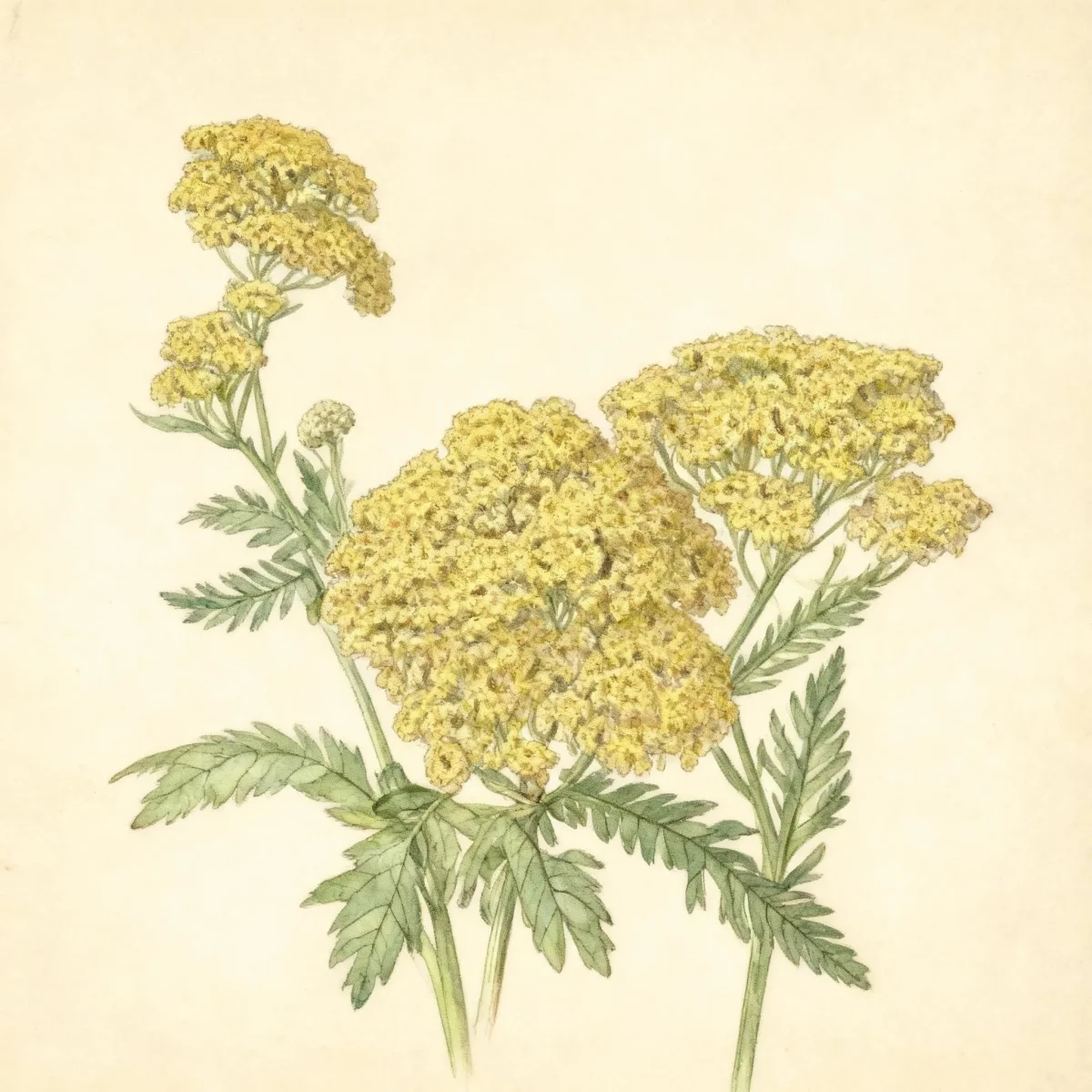
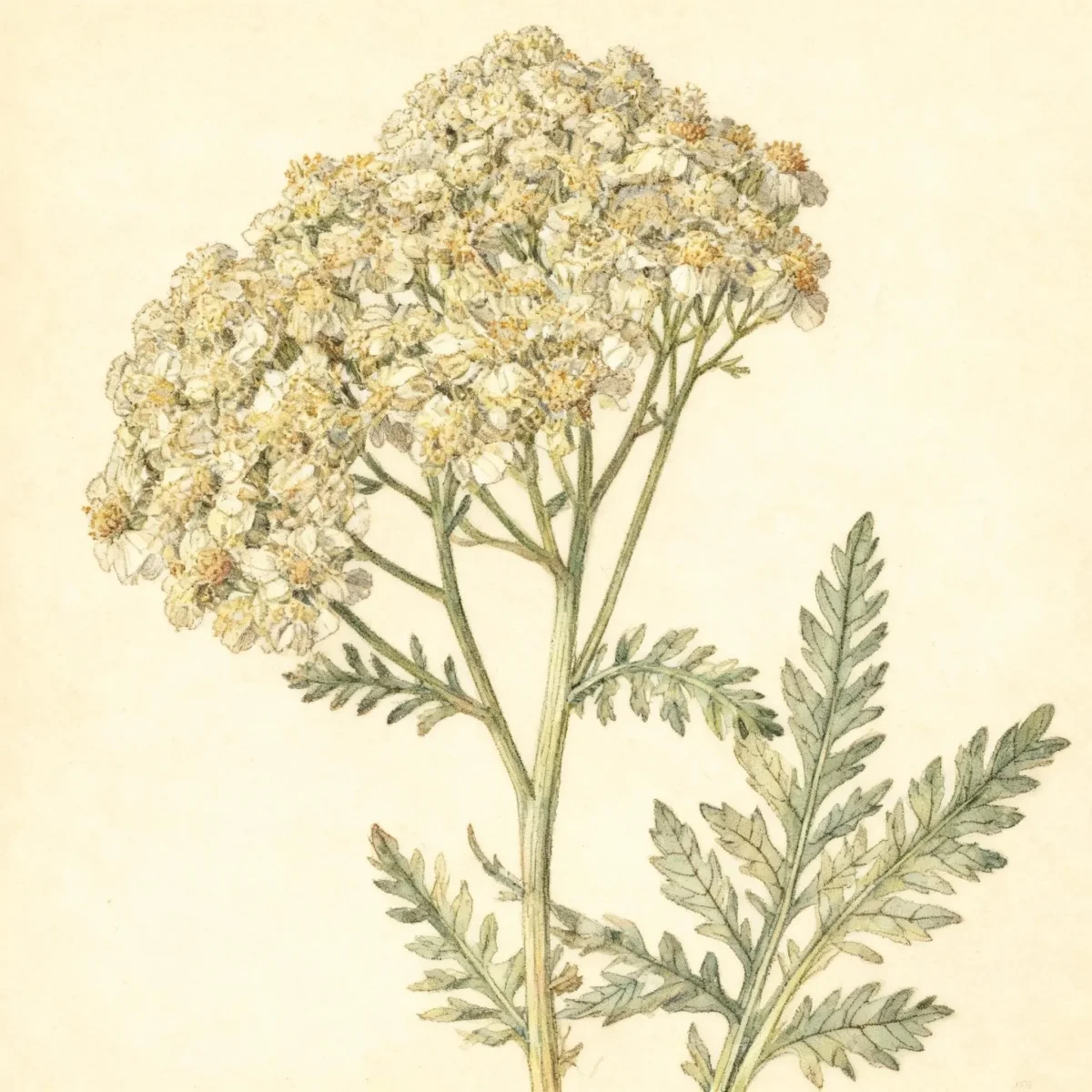
Achillea filipendulina ‘Gold Plate’, known commonly as fern-leaf yarrow, is prized by gardeners for its towering, stiff stems topped with magnificent, dense clusters of bright golden flowers. This upright, clump-forming perennial commands attention in the summer border, peaking from June through September. It provides substantial vertical interest, often reaching heights up to five feet, making it an excellent structural plant.
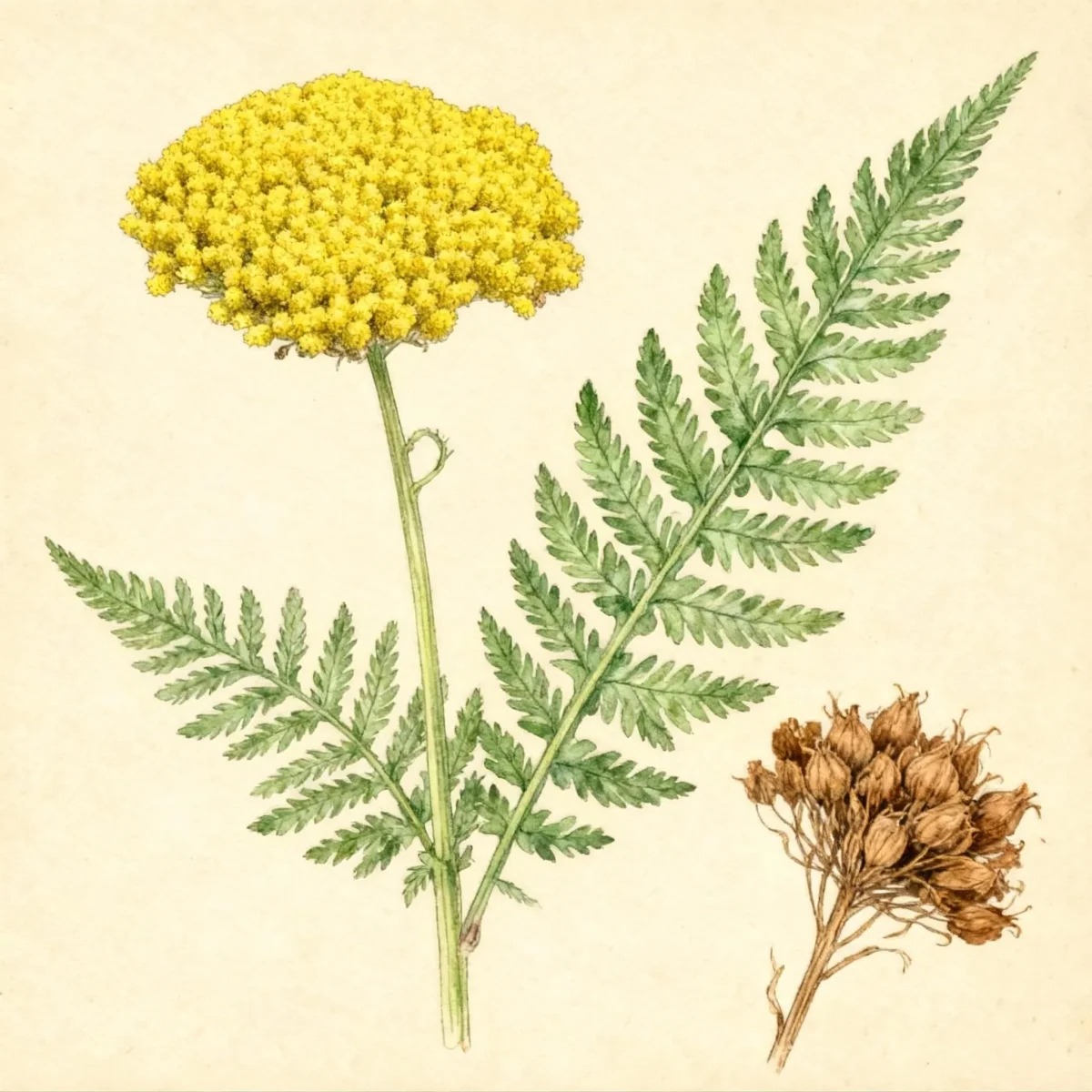
The foliage of this cultivar is as attractive as its blooms; it features deeply-dissected, aromatic, fern-like leaves that form an appealing basal clump. The golden corymbs of Achillea filipendulina ‘Gold Plate’ are perfect for use both fresh in arrangements and dried for winter décor. Gardeners appreciate the resilience of fern-leaf yarrow, especially in hot, dry conditions once established.
To maintain the robust presence of Achillea filipendulina ‘Gold Plate’, site it where it receives uncompromising full sun. While statuesque, its sturdy nature means it generally resists flopping when sited correctly, though protection from severe winds is beneficial. Its cultural preference for lean, well-drained soil ensures healthy root development and superior summer performance.
Fast Facts
- Plant Family: Asteraceae
- Plant Type: Herbaceous perennial
- Hardiness Zones: USDA Zones 3-8
- Size at Maturity:
- Height: 4-5 ft
- Spread: 2.5-3 ft
- Bloom Time: June to September
- Bloom Description: Yellow
- Sun Exposure: Full sun
- Water Needs: Dry to medium
- Maintenance Level: Medium
How to Grow
For optimal results with your Achillea filipendulina ‘Gold Plate’, plant it in the spring or fall in a location ensured maximum sun exposure. The critical factor for success is ensuring outstanding drainage; this plant strongly prefers lean, dry to medium, well-drained sandy loams. Avoid overly rich, moist, or heavy clay soils, as these conditions encourage disease and weak stems.
Routine maintenance involves encouraging repeat flowering. Deadhead spent flower heads promptly by cutting back to lateral buds during the season. Once the main flush concludes, cut the stems back to the basal leaves to maintain a tidy appearance and potentially spur some light fall rebloom.
Division of overcrowded clumps should occur every three to four years to maintain vigor. Achillea filipendulina ‘Gold Plate’ is quite drought-tolerant once established, thriving even through hot, humid summers. If staking becomes necessary, especially in richer soils, use thin supports placed discreetly near the stems early in the growing season.
Landscape Uses
The height and bold coloring of this fern-leaf yarrow make it highly effective as a specimen plant where its structure can be appreciated up close. It excels in larger borders, providing a dramatic middle-to-back-of-the-border accent. Consider grouping Achillea filipendulina ‘Gold Plate’ with shorter, later-blooming perennials that can offer contrasting texture once the yarrow finishes its peak display.
This cultivar also performs wonderfully in cottage gardens, where its slightly wild, airy texture softens hard lines. While a substantial perennial, it adapts well to very large containers, especially when paired with trailing edibles or shorter, mounding salvias for contrast. Its heat and drought tolerance make it a reliable choice for sunny, low-water garden sections.
Standout Features
Flower Qualities
- Showy
- Good Cut
- Good Dried
Noteworthy Characteristics
Achillea filipendulina, commonly known as fern-leaf yarrow, is an upright, clump-forming yarrow that is native to the Caucasus, Iran and Afghanistan. Deeply-dissected, 1-2 pinnatifid, hairy, fern-like, aromatic (spicy) green leaves (each leaf to 10” long and divided into as many as 15 pairs of linear-lanceolate toothed segments) form an attractive basal clump of foliage. Tiny, long-lasting, bright golden flowers (yellow rays and yellow discs) appear in dense flattened plate-like compound corymbs (to 4” across) throughout summer on stiff, erect stems rising above the foliage to 3-4’ tall.The genus name Achillea refers to Achilles, hero of the Trojan Wars in Greek mythology, who used the plant to stop bleeding and to heal the wounds of his soldiers.‘Gold Plate’ may be the tallest of the yarrows, growing up to 5’ tall. A stiff, erect plant which features very large, mustard-yellow, plate-like, dense, terminal flower clusters (corymbs) up to 6” across and elegant, deeply-cut, fern-like, gray-green leaves. Foliage has a spicy odor when crushed. Long summer bloom period may be extended by prompt removal of faded flower heads.
Tolerances
- Deer
- Drought
- Dry Soil
Potential Problems
The primary disease concerns for this robust perennial involve fungal issues if humidity is high or air circulation is poor. Stem rot, powdery mildew, and rust can occasionally affect Achillea filipendulina ‘Gold Plate’. Ensure proper spacing and site selection, favoring areas protected from strong winds and excessive humidity, to minimize these risks.
The major structural issue often encountered is lodging; strong summer rain storms coupled with high winds can flatten exposed plantings of this tall cultivar. To prevent this weakening, avoid overly fertile soil, which produces lush, floppy growth. If necessary, provide subtle staking early in the season before the stems reach their full height.
Frequently Asked Questions
What hardiness zones is Fern-leaf yarrow suitable for?
Achillea filipendulina ‘Gold Plate’ flourishes in USDA Hardiness Zones 3 through 8, providing reliable color across a wide climatic range.
How large does Achillea filipendulina ‘Gold Plate’ grow?
This cultivar is one of the taller yarrows, typically reaching heights between 4 and 5 feet, with a spread of 2.5 to 3 feet once mature.
When does Fern-leaf yarrow bloom?
Achillea filipendulina ‘Gold Plate’ provides a long season of bright yellow flowers, generally blooming consistently from June well into September.
What sun exposure does Fern-leaf yarrow need?
This plant requires full sun exposure to maintain its stiff habit and produce the largest flower heads, performing best with at least six hours of direct sunlight daily.
Conclusion
The spectacular golden blooms and sturdy, upright habit solidify Achillea filipendulina ‘Gold Plate’ as a cornerstone summer perennial for sunny, dry gardens. Its drought tolerance and excellent suitability as a cut flower add significant practical value. Ensure your location offers full sun and sharp drainage, and you will enjoy seasons of vibrant color from your fern-leaf yarrow.
Propagation Tips
Propagating this plant is straightforward, allowing gardeners to increase their stock effectively. Achillea filipendulina ‘Gold Plate’ can successfully be propagated by seed, although cultivar characteristics may not be perfectly true to type. For precise results, professional growers and keen gardeners rely on division of the clumps or taking cuttings.
Division is best undertaken every 3 to 4 years when the center of the clump begins to thin out. Gently lift the entire plant and separate healthy outer sections, ensuring each new division has established roots and a healthy crown. Replant these divisions immediately into prepared, well-draining soil to minimize transplant shock.
Taking cuttings is another viable method, usually performed during the growing season. Cuttings taken from softwood growth root reasonably well, providing new plants that retain the excellent characteristics of the parent Achillea filipendulina ‘Gold Plate’.
Companion Planting
When designing borders around fern-leaf yarrow, consider plants with contrasting textures and bloom times to enhance its golden display. Because both plants thrive in lean, dry soil and full sun, pair Achillea filipendulina ‘Gold Plate’ with other resilient perennials. Good companions include Russian Sage (Perovskia atriplicifolia) for wispy blue contrast, or sturdy coneflowers (Echinacea), which share similar cultural needs.
Avoid planting this tall yarrow near moisture-loving species, as they will compete poorly or necessitate overwatering the yarrow. If using it as a specimen, surround its base with lower-growing, mounding plants like creeping thyme or ornamental grasses that appreciate sharp drainage and intense heat exposure, providing a textural foil to the coarse foliage of the fern-leaf yarrow.