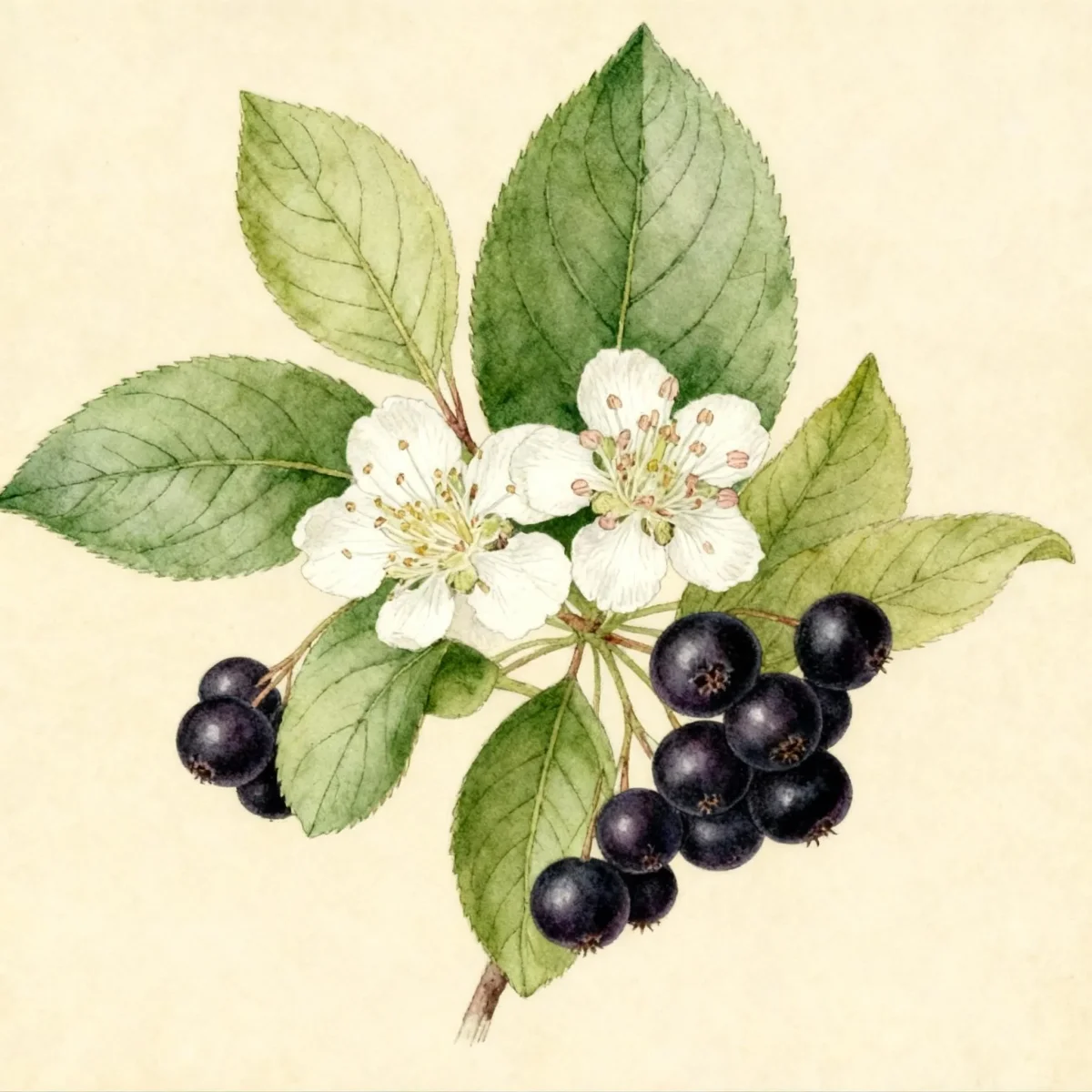
Black chokeberry (Aronia melanocarpa 'Estland')
Aronia melanocarpa 'Estland' (Black chokeberry) is a low-maintenance shrub offering white spring flowers and edible, tart berries.
Scroll down to discover growing tips, care requirements, companion plants, and more

Complete Plant Information
Overview
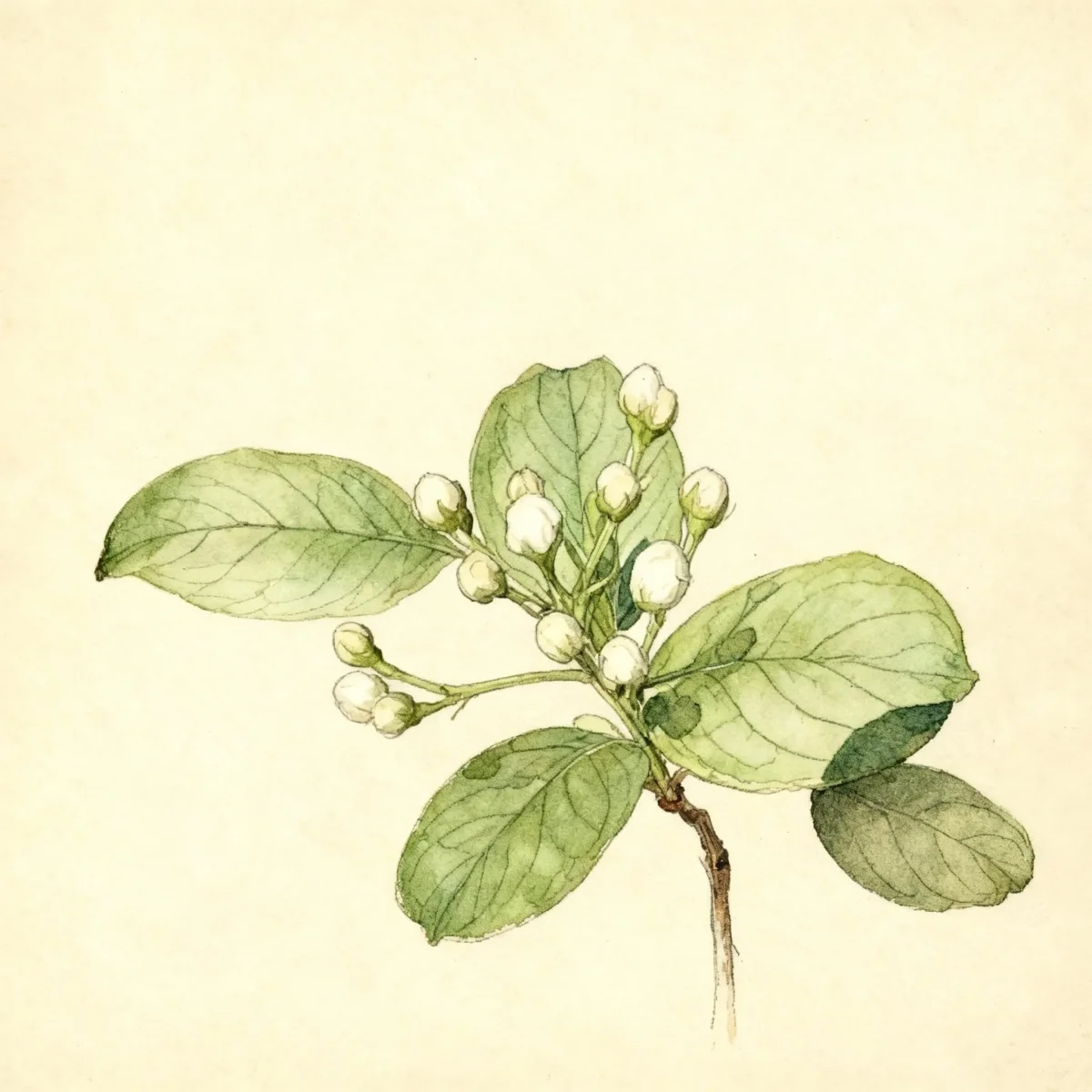
The Aronia melanocarpa ‘Estland’, commonly known as Black chokeberry, is a highly adaptable and robust deciduous shrub prized by gardeners for its four-season interest. This cultivar typically maintains an upright, spreading habit, offering visual appeal from its spring blossoms through its late-season fruit display. Aronia melanocarpa ‘Estland’ is recognized for its resilience, easily thriving across wide soil types and offering significant landscape impact with minimal effort.
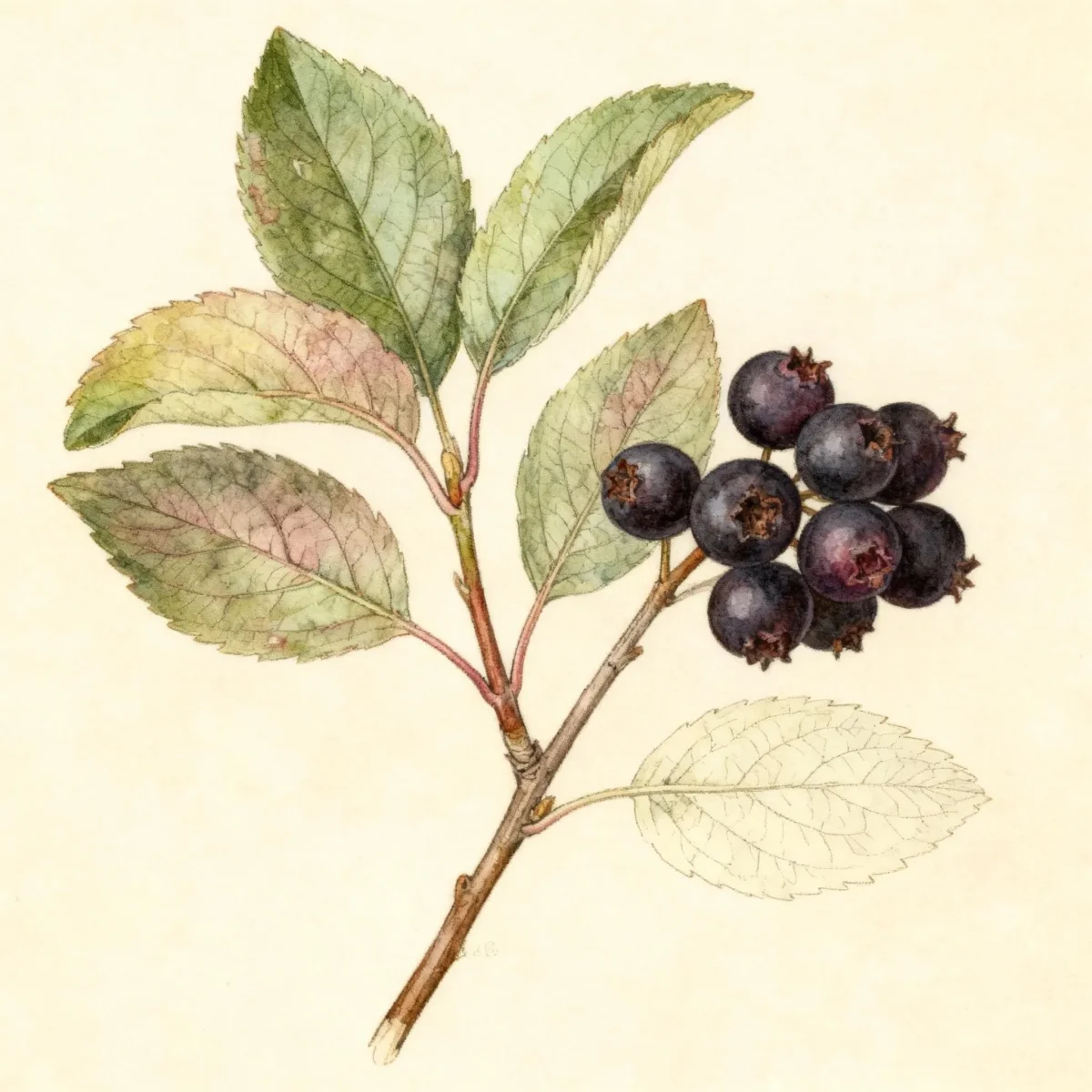
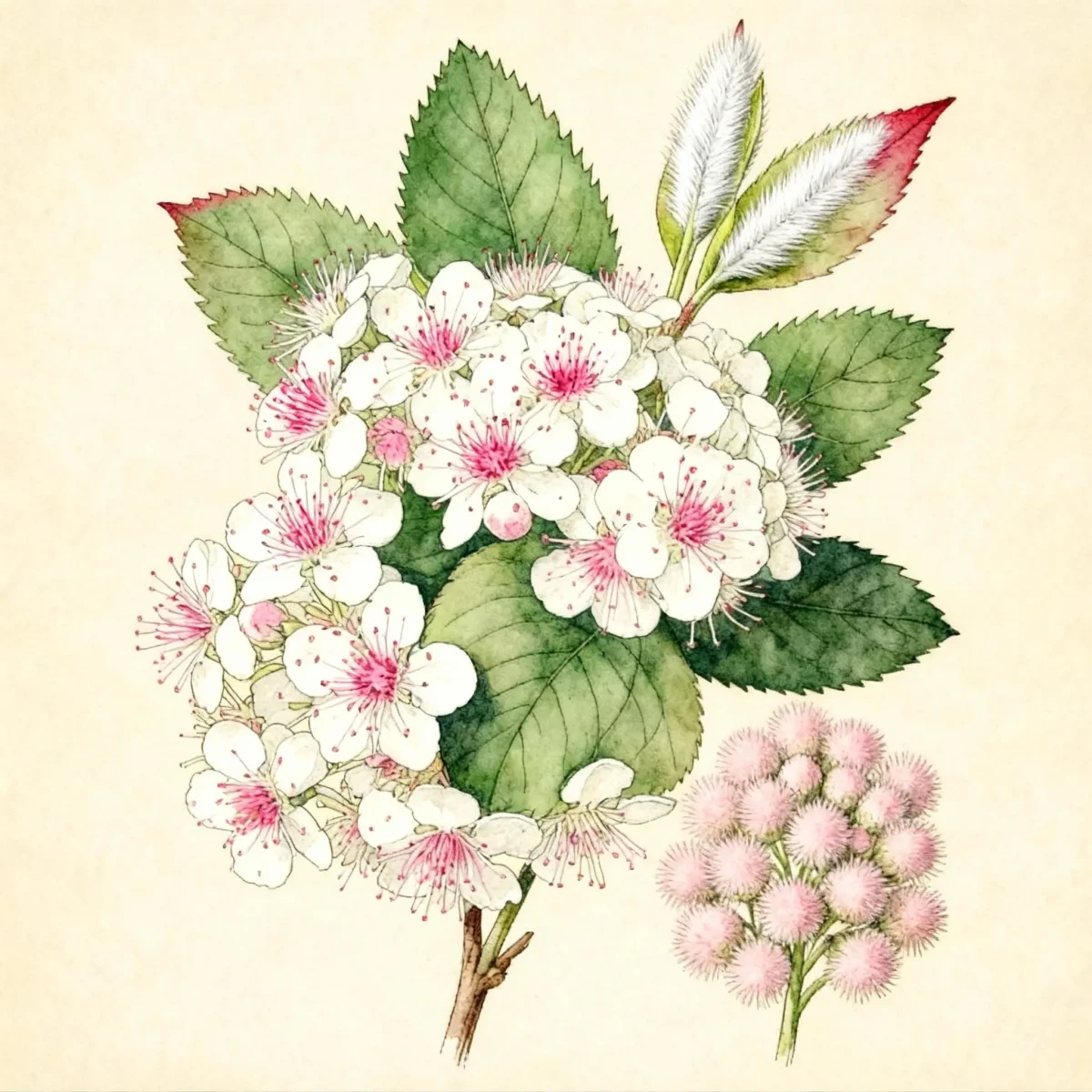
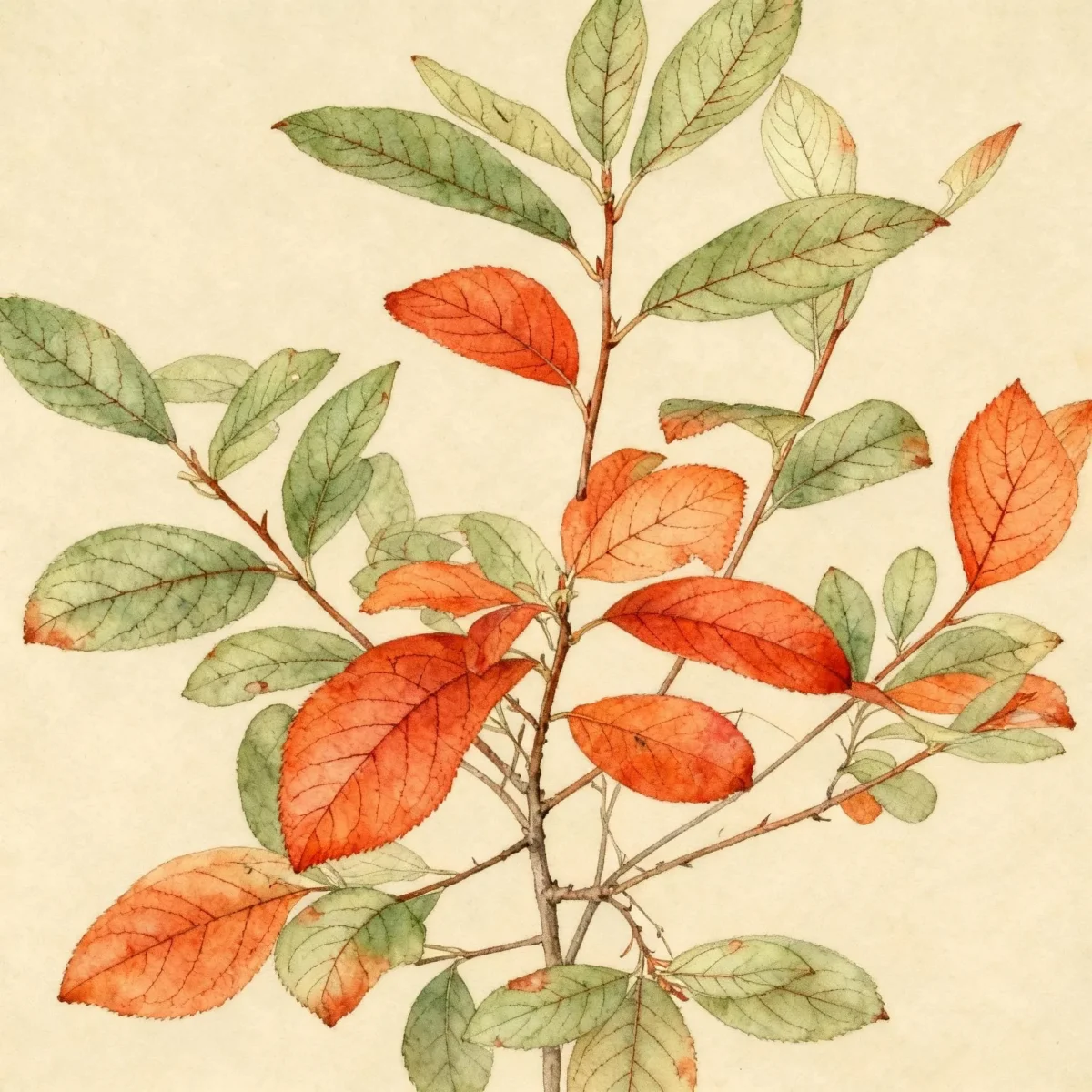
Its primary value lies in its reliability and adaptability; it performs well as a structural element in borders or allowed to spread naturally in woodland settings. Gardeners benefit from the white, showy flowers in May, followed by clusters of dark, edible berries that persist into autumn, often accompanied by rich purple-red fall foliage. Growing Black chokeberry ensures you receive a versatile plant that handles near-boggy conditions as readily as average garden soil.
This specific cultivar, Aronia melanocarpa ‘Estland’, reaches a manageable 4 to 6 feet in height, perfectly suited for hedging or mass planting where a dense screen is required. Its low maintenance profile makes it an excellent choice for native plantings or areas where chemical intervention is discouraged, reinforcing its standing as a practical and beautiful landscape staple.
Fast Facts
- Plant Family: Rosaceae
- Plant Type: Deciduous shrub
- Hardiness Zones: USDA Zones 3-8
- Size at Maturity:
- Height: 4-6 ft
- Spread: 6-8 ft
- Bloom Time: May
- Bloom Description: White
- Sun Exposure: Full sun to part shade
- Water Needs: Medium
- Maintenance Level: Low
How to Grow
Planting Aronia melanocarpa ‘Estland’ is best achieved in spring or fall, allowing the roots to establish before temperature extremes arrive. It demonstrates wide soil tolerance, succeeding in average, medium-moisture, well-drained soils, but it is particularly noted for handling boggy conditions well. Optimal fruit production for your Black chokeberry is generally achieved when sited in full sun exposure.
Routine care for Aronia melanocarpa ‘Estland’ requires medium water until established; established shrubs handle normal conditions well. Fertilization is rarely necessary unless the soil is severely deficient. Pruning focus should be on managing its natural suckering habit; actively remove root suckers if you wish to maintain a defined shrub or hedge line, as this prevents undesirable colonial spread.
Seasonal maintenance is minimal. In early spring, inspect for any winter damage before new growth commences. While highly resilient, ensure adequate airflow, especially in humid climates, to minimize the slight chance of leaf spot or twig blight. This tough nature lends itself well to naturalized areas where restraint is not needed.
Landscape Uses
The dependable structure and seasonal interest of Black chokeberry make it highly suitable for use in shrub borders or for mass plantings in larger garden spaces. Its ability to handle wet feet means Aronia melanocarpa ‘Estland’ is an excellent candidate for stabilizing stream banks or bordering ponds where other shrubs might struggle. For formal aesthetics, use it as a low hedge, capitalizing on its density and uniform growth pattern.
When designing an open woodland or naturalized area, allow the Aronia melanocarpa ‘Estland’ to spread gently, creating colonies that mimic its native habitat. These tough shrubs serve beautifully as background plantings against smaller, flowering perennials. Since the fruits are attractive to birds later in the season, place them where you can observe wildlife activity.
For small garden applications, regular pruning of root suckers will keep the Aronia melanocarpa ‘Estland’ to a manageable size, ensuring it functions as a strong structural foundation without overwhelming nearby plantings. Its suitability for varied sites means it pairs well with resilient native grasses or moisture-loving perennials.
Standout Features
Flower Qualities
- Showy
- Fragrant
Fruit Qualities
- Showy
- Edible
Noteworthy Characteristics
Aronia melanocarpa, commonly called black chokeberry, is an open, upright, spreading, somewhat rounded but leggy, suckering, deciduous shrub that typically grows 3-6’ tall. It is noted for its clusters of white spring flowers, glossy dark green leaves, blueberry-sized black autumn berries, and valuable purple/red fall color. The common name chokeberry refers to the tart astringency of the fruits, which, while edible, are often used in processed forms like jams and jellies. The ‘Estland’ cultivar matures similarly, offering consistent landscape performance year after year.
Tolerances
- Erosion
Potential Problems
Black chokeberry generally boasts very few serious insect or disease issues, which is a major benefit of growing Aronia melanocarpa ‘Estland’. However, gardeners should remain aware of potential susceptibility to minor fungal issues such as leaf spots or occasional twig/fruit blight. Management typically involves ensuring good air circulation during planting and maintaining proper soil drainage to discourage fungal development. Serious infestations requiring chemical intervention are rare with this robust native.
Frequently Asked Questions
What hardiness zones is Black chokeberry suitable for?
Aronia melanocarpa ‘Estland’ is hardy and adaptable, thriving in USDA Zones 3 through 8.
How large does Black chokeberry grow?
This specific low-maintenance cultivar typically matures to a height between 4 to 6 feet, with a spread ranging from 6 to 8 feet wide.
What sun exposure does Aronia melanocarpa ‘Estland’ need?
For the best all-around performance, including optimal fruit production, aim for Full sun to part shade conditions.
When does Aronia melanocarpa ‘Estland’ bloom?
The Black chokeberry produces lovely White flowers during the late spring month of May.
Conclusion
The Aronia melanocarpa ‘Estland’ stands out as an indispensable, low-maintenance shrub offering year-round garden appeal, from showy flowers to persistent dark fruit. Whether you require a resilient hedge or a naturalized planting, this Black chokeberry cultivar delivers remarkable performance across challenging site conditions. Before planting, confirm your location falls within USDA Zones 3-8 to ensure successful establishment of your robust new specimen.
Companion Planting Suggestions
Selecting companions for Aronia melanocarpa ‘Estland’ should focus on plants that share its preference for medium moisture and tolerance for sun to partial shade. Consider pairing it with native sedges (Carex species) that provide fine texture contrast beneath its denser canopy. In wetter areas where Black chokeberry thrives, look towards moisture-loving hydrangeas or dogwoods that also appreciate consistent soil moisture but offer different structural forms.
For vibrant fall color contrast, group the purple-red foliage of Aronia melanocarpa ‘Estland’ with golden-leaved shrubs or grasses that maintain their color well into the season. Since this shrub can sucker, be sure companion plants are robust enough to handle competition or that you are diligent in managing the chokeberry’s spread through targeted pruning.
Wildlife Benefits
The fruit of Aronia melanocarpa is a beneficial food source, offering texture and substance for many species of late-season migrating birds before they depart for the winter. While the fruits are edible for humans (after processing), they remain a persistent element that attracts wildlife interest later in the year than many softer berries. Furthermore, the clusters of white flowers in May provide nectar and pollen reliably early in the season, supporting the emergence of native bees and other crucial pollinators.