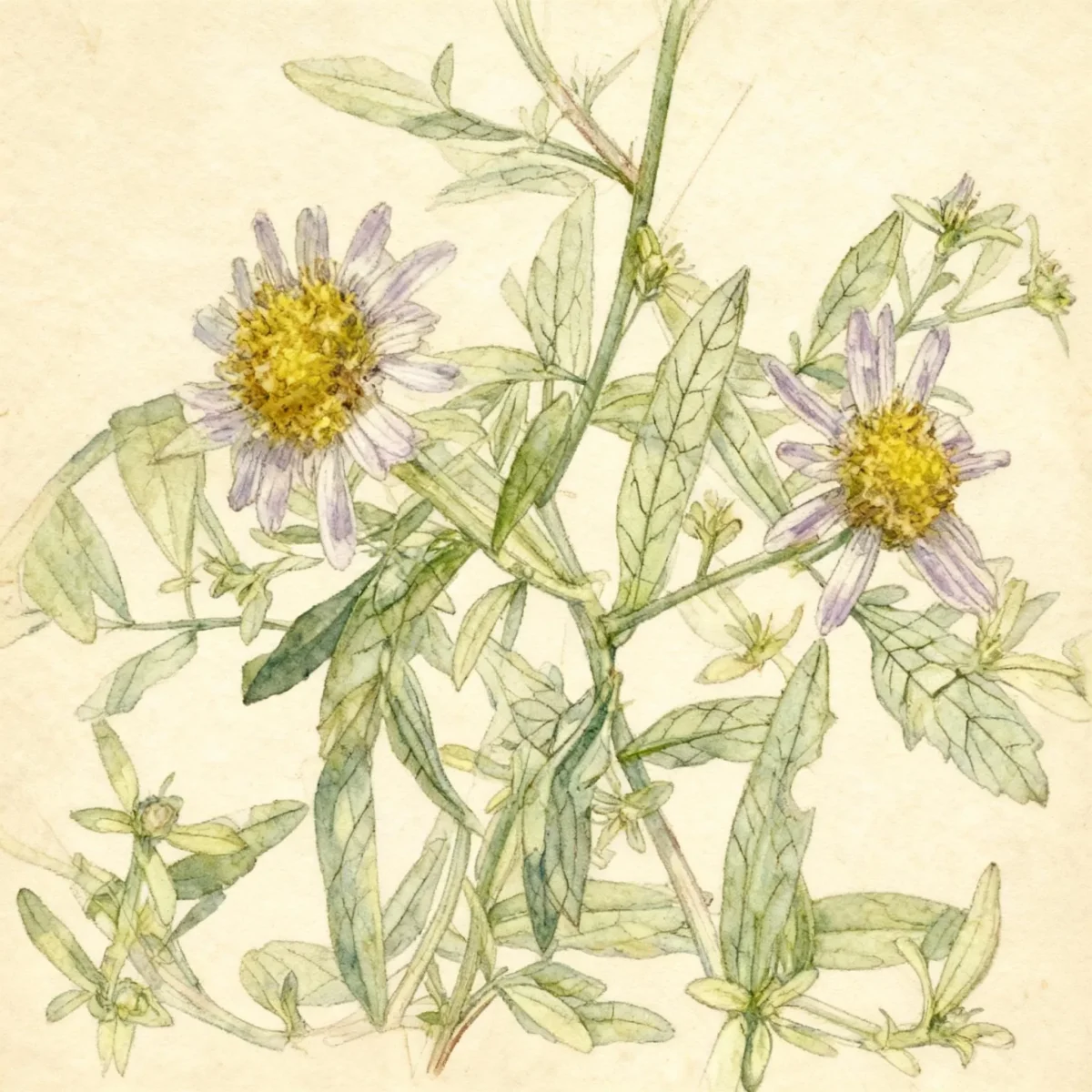
Aster (Aster × frikartii 'Monch')
Aster × frikartii 'Monch' offers striking lavender-blue flowers from summer to fall, perfect for borders.
Scroll down to discover growing tips, care requirements, companion plants, and more
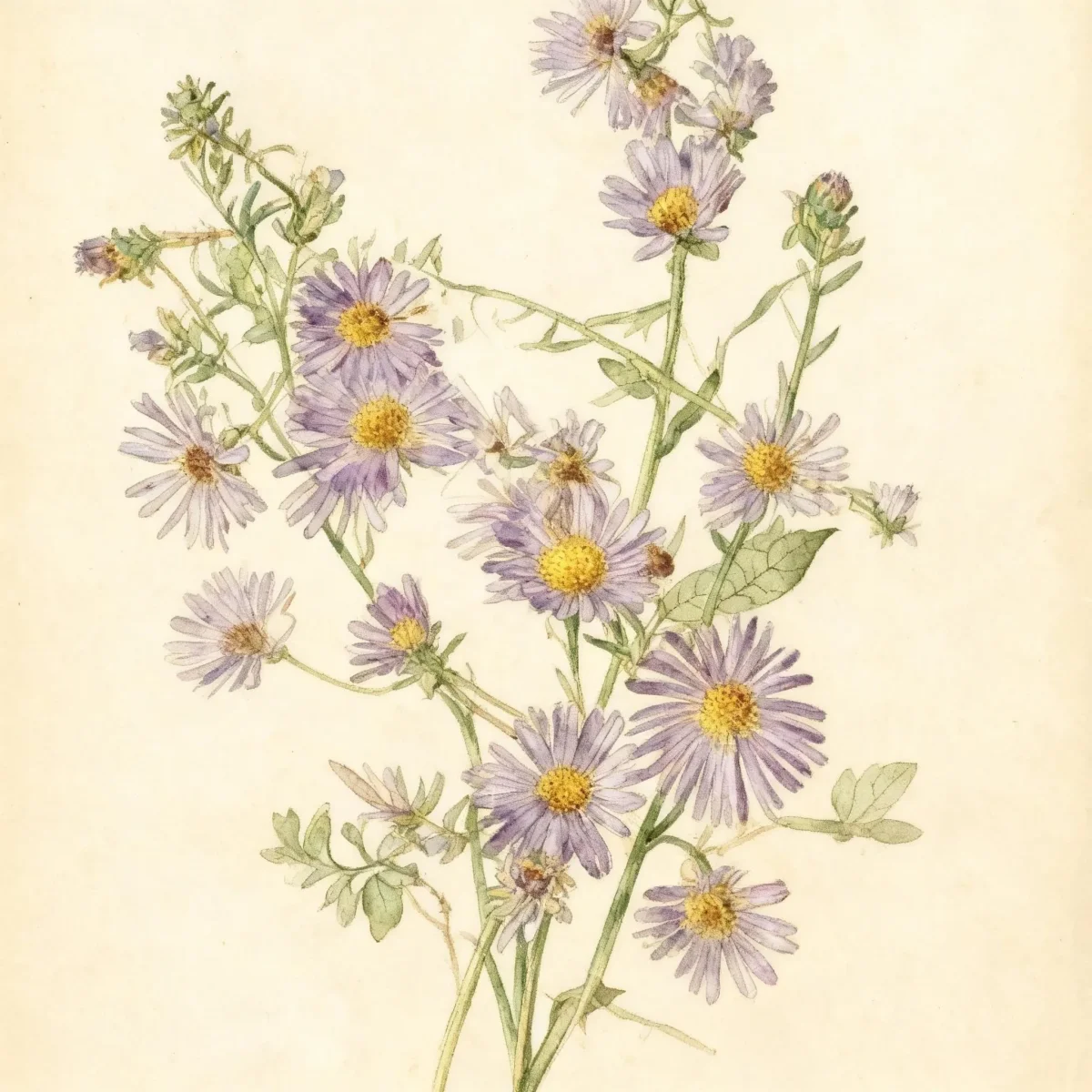
Complete Plant Information
Overview
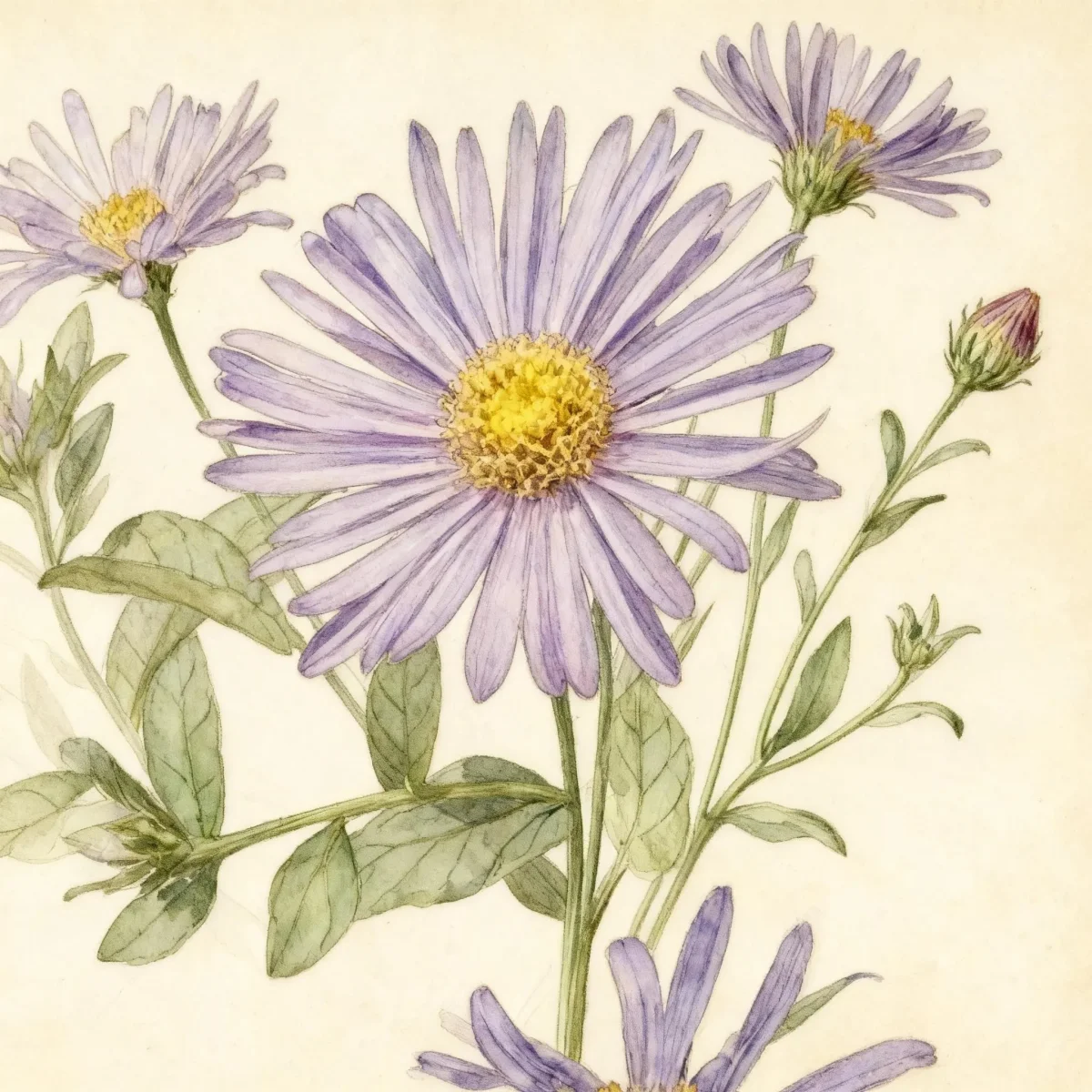
Aster × frikartii ‘Monch’ is a highly valued herbaceous perennial celebrated for its extended, vibrant blooming period. This hybrid Aster provides heaps of 2-inch, star-shaped flowers, displaying beautiful lavender blue rays around cheerful yellow centers from early summer right through autumn. Its compact, bushy habit makes Aster × frikartii ‘Monch’ significantly more manageable in garden settings than some of its relatives.
As a product of the cross between A. Amellus and A. Thomsonii, this Frikart’s aster offers gardeners reliable summer color when many other perennials are slowing down. It thrives in environments receiving full sun to a light afternoon reprieve, though ideal performance usually requires plenty of light. Gardeners appreciate the relatively low disease pressure on the dark green foliage of Aster × frikartii ‘Monch’.
This outstanding cultivar is excellent for adding mid-border height and persistent color that attracts pollinators late in the growing season. Ensuring well-drained conditions is key to successfully growing this popular hybrid Aster in USDA zones 5 through 10.
Fast Facts
- Plant Family: Asteraceae
- Plant Type: Herbaceous perennial
- Hardiness Zones: USDA Zones 5-10
- Size at Maturity:
- Height: 2-3 ft
- Spread: 1-1.5 ft
- Bloom Time: June to September
- Bloom Description: Lavender blue
- Sun Exposure: Full sun to part shade
- Water Needs: Medium
- Maintenance Level: Medium
How to Grow
Planting Aster × frikartii ‘Monch’ is best done in the spring, allowing the roots time to establish before winter. Cultivate the soil to ensure it is average, well-drained, and retains medium moisture. Provide a location where the plant receives full sun, though it tolerates light afternoon shade in the hottest climates.
Maintenance is moderate. Water consistently to keep the soil evenly moist, especially during dry spells, reflecting its medium water needs. To encourage a bushier habit and prevent flopping, gardeners can pinch back the stems in late spring. Be aware, however, that aggressive pinching will delay the onset of that wonderful June bloom period.
For winter care, attention to drainage is crucial, as wet soils, particularly in winter, can be fatal to the crowns. In colder areas within USDA Zone 5, consider placing plants in protected spots or applying a light layer of mulch over the crowns after the first hard frost. In early spring, before new growth significantly emerges, cut the spent flowering stems down to the ground.
Landscape Uses
This versatile Aster excels when used to define the middle or back layers of a mixed border where its height (2-3 feet) can be appreciated. Aster × frikartii ‘Monch’ also performs wonderfully as a specimen plant in foundation plantings, adding necessary late-season structure near structures or walls. Because the flowers are showy and excellent for cutting, place them near utility areas where stems can be easily harvested.
The color palette of lavender blue blends beautifully with whites, yellows, and deep purples found in late-summer bloomers like ornamental grasses or Sedum ‘Autumn Joy.’ Consider pairing the bushy form of Aster × frikartii ‘Monch’ with softer textures or shorter, mounding plants to create layered depth in your perennial beds.
Standout Features
Flower Qualities
- Showy
- Good Cut
Noteworthy Characteristics
Aster × frikartii, commonly called Frikart’s aster, is a hybrid of A. Amellus × A. Thomsonii developed by the Swiss hybridizer Frikart. ‘Monch’ is distinguished by its profusion of 2” daisy-like flowers featuring lavender blue rays and yellow centers, held on a compact, multi-stemmed plant typically reaching 2 feet tall with a loose, open habit. The genus name Aster derives from the Latin word for star, perfectly describing the flower shape.
Tolerances
(No tolerance data provided)
Potential Problems
While generally robust, the primary concern for Aster × frikartii ‘Monch’ relates to root health. Crown rot is a significant threat if the plant sits in wet, poorly drained soils, especially during winter dormancy. Good cultural practice—improving soil drainage—is the best preventative medicine.
Fortunately, this particular Aster cultivar exhibits good resistance to powdery mildew compared to other Aster varieties. Serious insect or disease problems are generally not reported. Gardeners in challenging climates, particularly USDA Zone 5, should remain aware that winter hardiness can be variable, sometimes requiring extra winter protection for the crowns.
Frequently Asked Questions
What hardiness zones is Aster suitable for?
Aster × frikartii ‘Monch’ is reliably hardy in USDA Zones 5 through 10.
How large does Aster × frikartii ‘Monch’ grow?
This perennial typically reaches a height between 2 and 3 feet, spreading out to cover an area between 1 and 1.5 feet wide.
What sun exposure does Aster × frikartii ‘Monch’ need?
For best flowering performance, aim for full sun, although it will tolerate a location receiving partial shade.
When does Aster × frikartii ‘Monch’ bloom?
This exceptional Aster variety flowers freely and abundantly from June all the way through September, presenting lavender blue blooms.
Conclusion
Aster × frikartii ‘Monch’ remains a staple in late-season perennial plantings due to its long bloom duration and vibrant lavender blue coloration. This hybrid Aster provides reliable structure and color, making it a high-impact, medium-maintenance addition to most gardens. Check your local hardiness rating and plan to plant this season to enjoy summer-to-fall beauty provided by Aster × frikartii ‘Monch’.
Companion Planting
Selecting compatible neighbors is crucial for maintaining the health and aesthetic appeal of your Aster planting. Because Aster × frikartii ‘Monch’ requires medium moisture but excellent drainage—especially avoiding waterlogged winter soil common to many spring-blooming bulbs—choose companions with similar requirements. Plants that thrive alongside this Frikart’s aster in full to partial sun include Coneflowers (Echinacea), Russian Sage (Perovskia atriplicifolia), and tall ornamental grasses like Switchgrass.
Avoid planting Aster too closely with aggressive spreaders or plants that require constantly wet feet throughout summer, as competition for resources or unfavorable humidity levels can increase fungal risk. The clean, upright habit of the Aster looks particularly striking when contrasted against lower-growing silvery foliage plants, which further help delineate the border area where the Aster × frikartii ‘Monch’ resides.
Design Ideas for Late Season Impact
Utilizing Aster × frikartii ‘Monch’ creates powerful focal points when summer color begins to wane. For structure in a sunny border, place groups of three or five plants interspersed with taller elements like Joe Pye Weed (Eutrochium) or upright Russian Sage. This layering ensures visual interest persists from mid-summer until frost arrives.
Since the bloom time extends through September, consider positioning this Aster where its lavender blue tones catch the low, warm evening sun. It works exceptionally well in cottage garden designs, where its slightly wild, star-like flowers integrate seamlessly among roses and other traditional perennials. Its noted value as a cut flower also suggests planting it near a kitchen garden path for easy access.