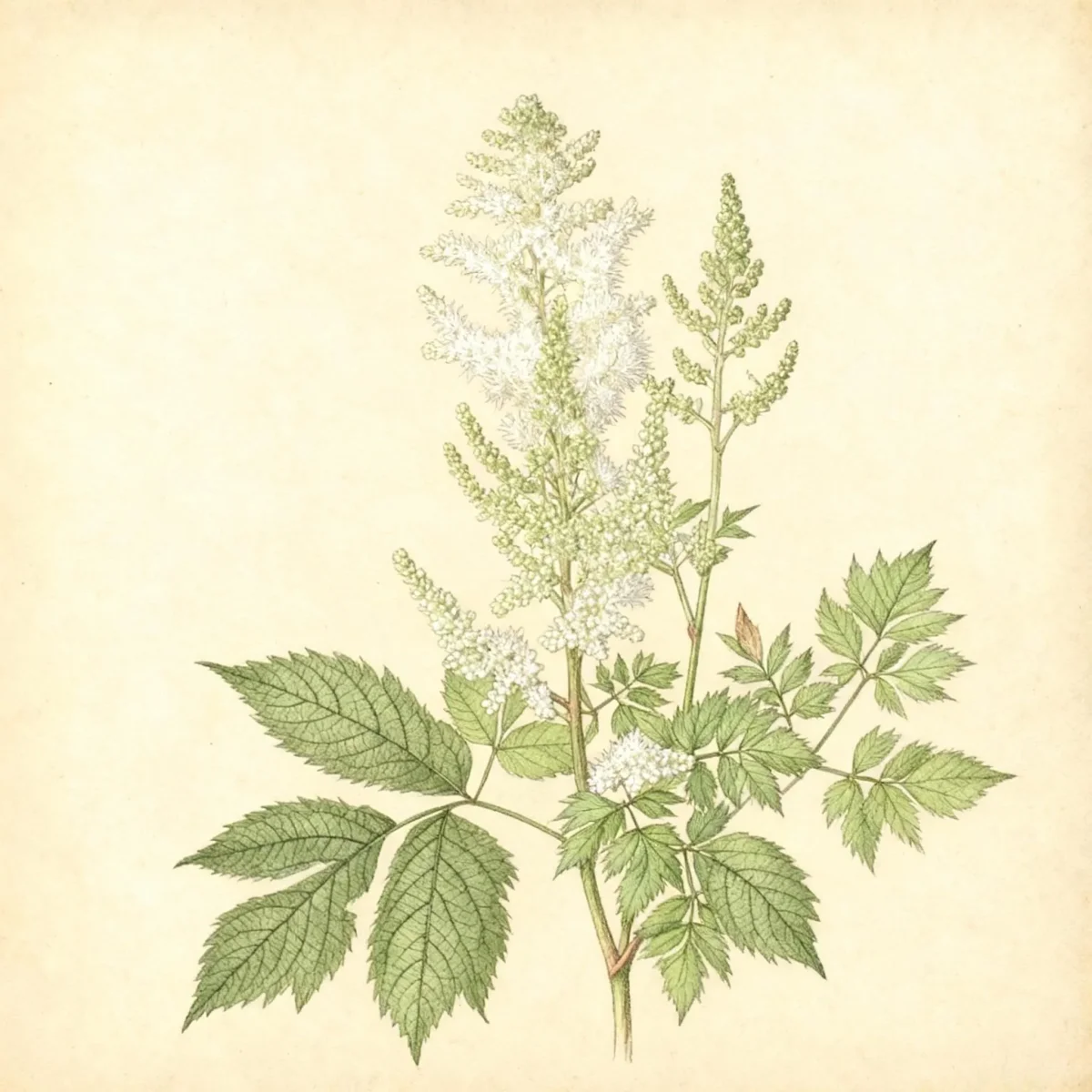
Chinese astilbe (Astilbe chinensis 'Darwin's Surprise')
Astilbe chinensis 'Darwin's Surprise' offers pink, showy plumes in mid-summer. This Chinese astilbe thrives in part shade and features dense, fern-like foliage.
Scroll down to discover growing tips, care requirements, companion plants, and more
Complete Plant Information
Overview
Astilbe chinensis ‘Darwin’s Surprise’ is a cherished herbaceous perennial prized for its vibrant, late-season color display in shaded landscapes. This specific cultivar of Chinese astilbe stands out by offering dense, erect plumes of pink flowers that mature later than many other Astilbe hybrids, extending textural interest through the summer months. Gardeners value this plant for its fern-like foliage and superior performance in deeper shade.
As a rhizomatous perennial, Astilbe chinensis ‘Darwin’s Surprise’ forms attractive, slowly spreading clumps that require consistent moisture to maintain their lush appearance. It brings movement and fine texture, balancing coarser foliage plants often found in woodland garden settings. This Chinese astilbe provides reliable structure and beauty where many flowering plants struggle.
The cultural benefits extend to its resilience; while shade-loving, Astilbe chinensis ‘Darwin’s Surprise’ demonstrates slightly better sun and drought tolerance than many relatives, making it a versatile choice for medium-moisture spots in the garden. Its ornamental plumes remain attractive even after flowering, offering seasonal diversity within the shaded border.
Fast Facts
- Plant Family: Saxifragaceae
- Plant Type: Herbaceous perennial
- Hardiness Zones: USDA Zones 4-8
- Size at Maturity:
- Height: 0.75-1 ft
- Spread: 0.75-1 ft
- Bloom Time: July to August
- Bloom Description: Pink
- Sun Exposure: Part shade to full shade
- Water Needs: Medium
- Maintenance Level: Medium
How to Grow
For optimal growth, plant Astilbe chinensis ‘Darwin’s Surprise’ in the spring or early fall when temperatures are mild. Select a location that receives part shade to full shade, ensuring the soil is well-drained. While this Chinese astilbe tolerates average soil, it thrives best in humus-rich, moist conditions. Amend heavy clay or lean soils generously with ample organic matter before planting.
Watering is crucial for keeping the foliage looking fresh throughout the growing season. Ensure soils do not dry out, especially during hot summer spells. Applying a summer compost mulch heavily will greatly aid in retaining soil moisture, which is key to success with Astilbe chinensis ‘Darwin’s Surprise’. Fertilization is usually unnecessary if the soil is rich and amended yearly with compost.
Maintenance is relatively simple. Deadheading faded flower stalks is optional; leaving them in place provides winter interest from the dried seed heads. If you prefer a cleaner look near the ground, lightly trim back the spent foliage in late autumn or early spring before new growth emerges. Clumps should be divided every three to four years when overcrowding starts to reduce flowering vigor.
Landscape Uses
The upright yet airy nature of Astilbe chinensis ‘Darwin’s Surprise’ makes it an excellent choice for mass plantings, effectively creating drifts of color and texture across shaded slopes or woodland edges. It functions perfectly as ground cover where lawn grass fears to tread, silencing competition with its dense foliage mound. Due to its love for moisture, this Chinese astilbe is highly effective when naturalized along the banks of streams or incorporated into rain gardens.
In structured settings, include Astilbe chinensis ‘Darwin’s Surprise’ at the front of shaded border fronts alongside hostas, ferns, and bleeding hearts, pairing its fine texture with broader leaf forms. It adds cottage garden charm to protected foundation plantings where morning sun or dappled light filters through trees. The resulting look emphasizes texture and reliable summer bloom.
Standout Features
Flower Qualities
- Showy
Noteworthy Characteristics
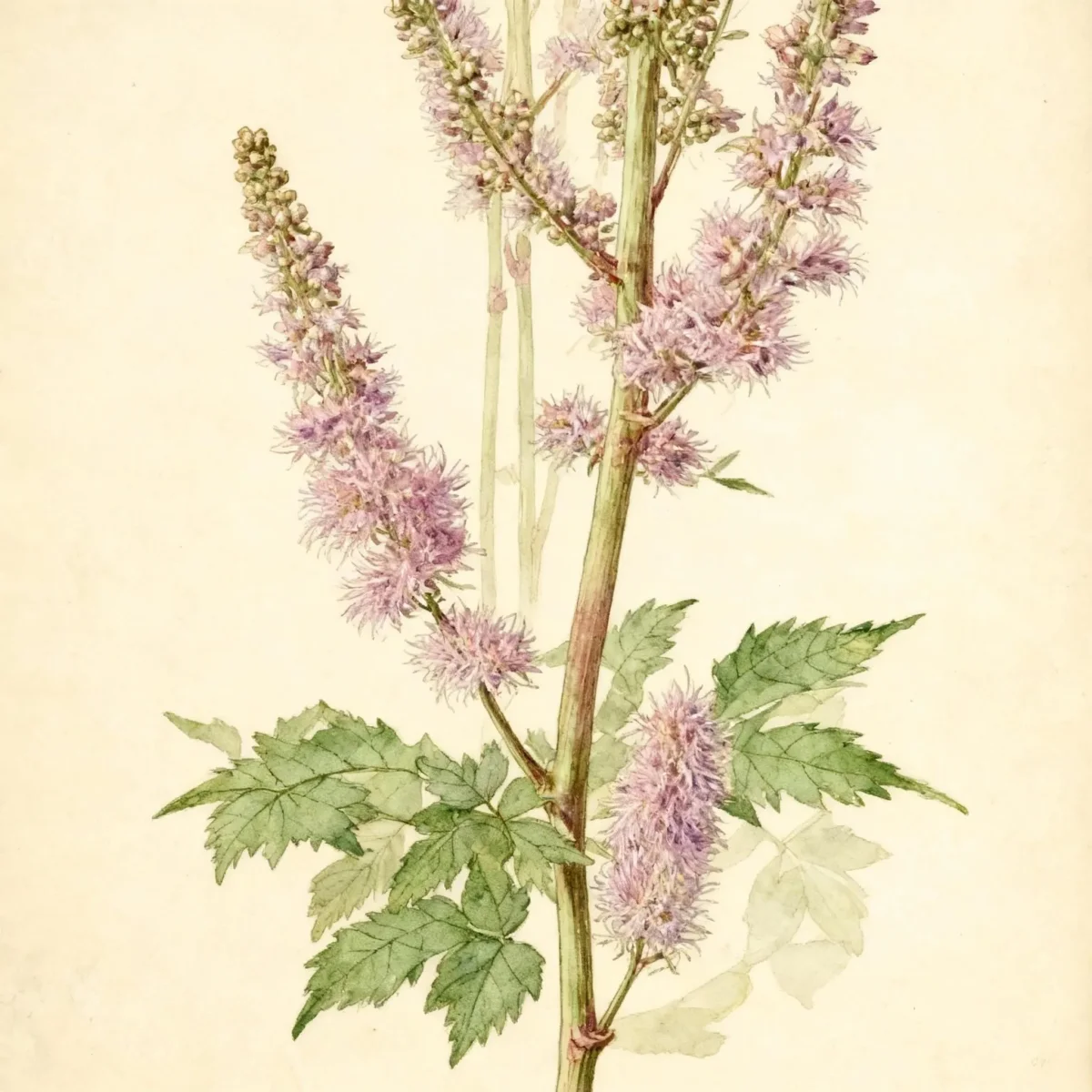
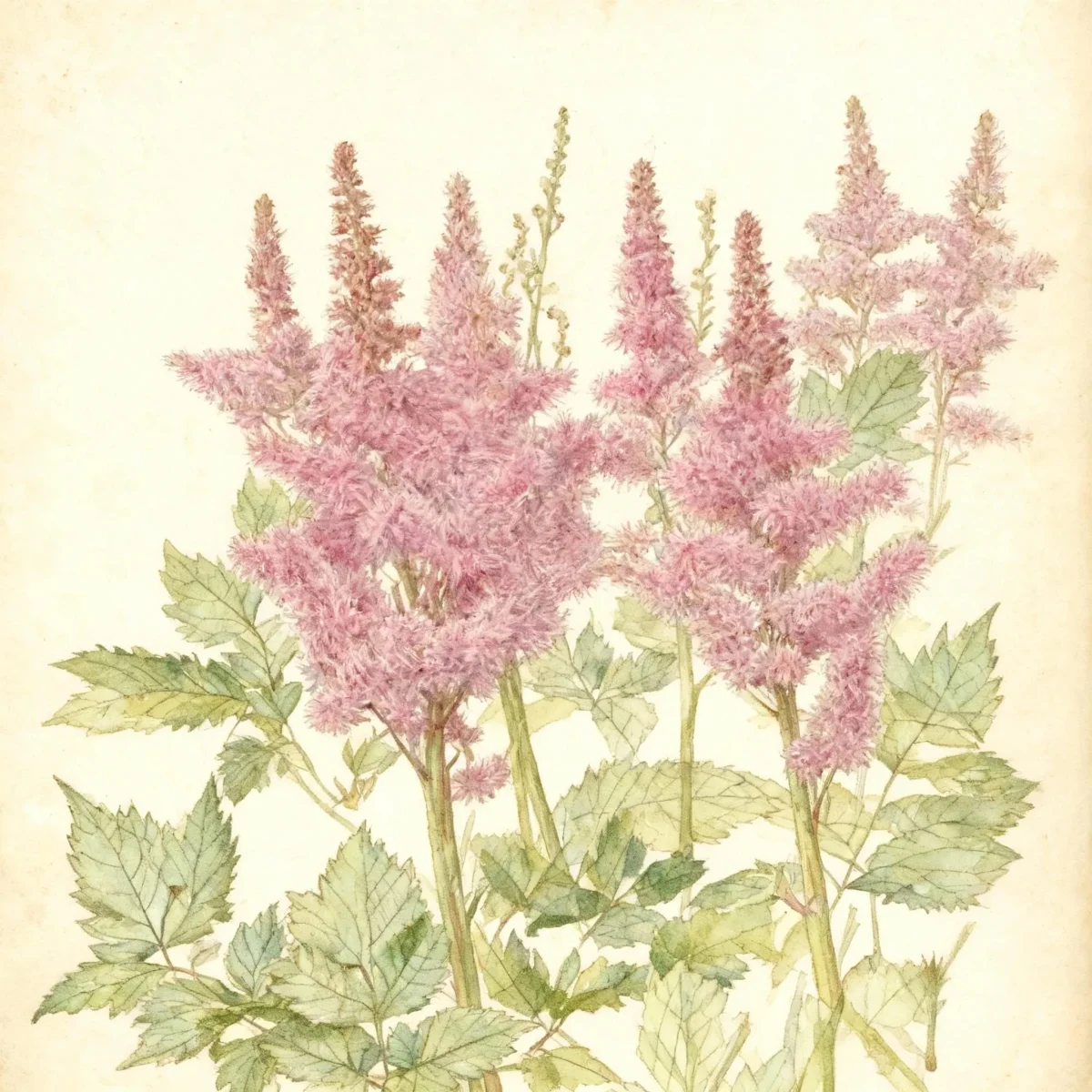
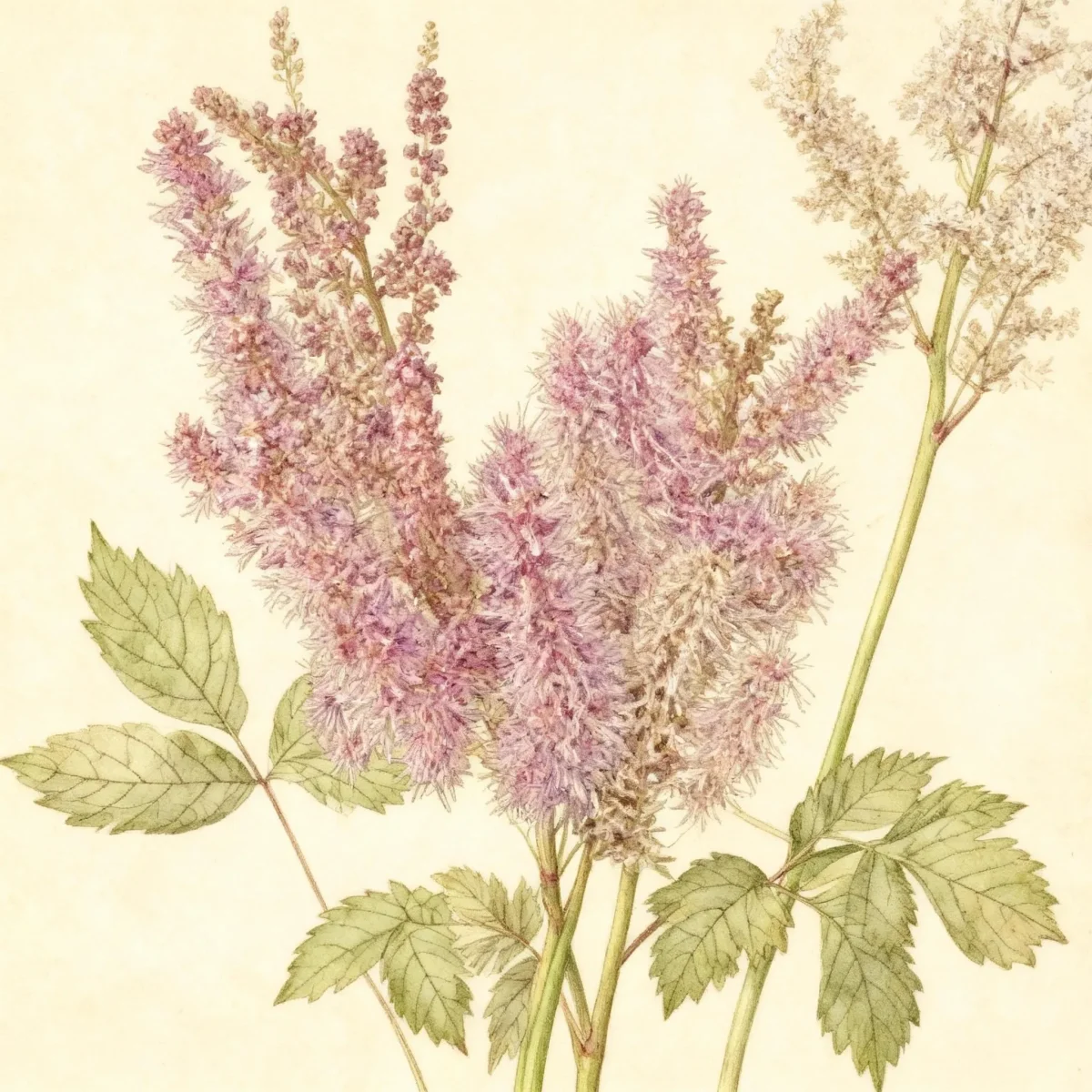
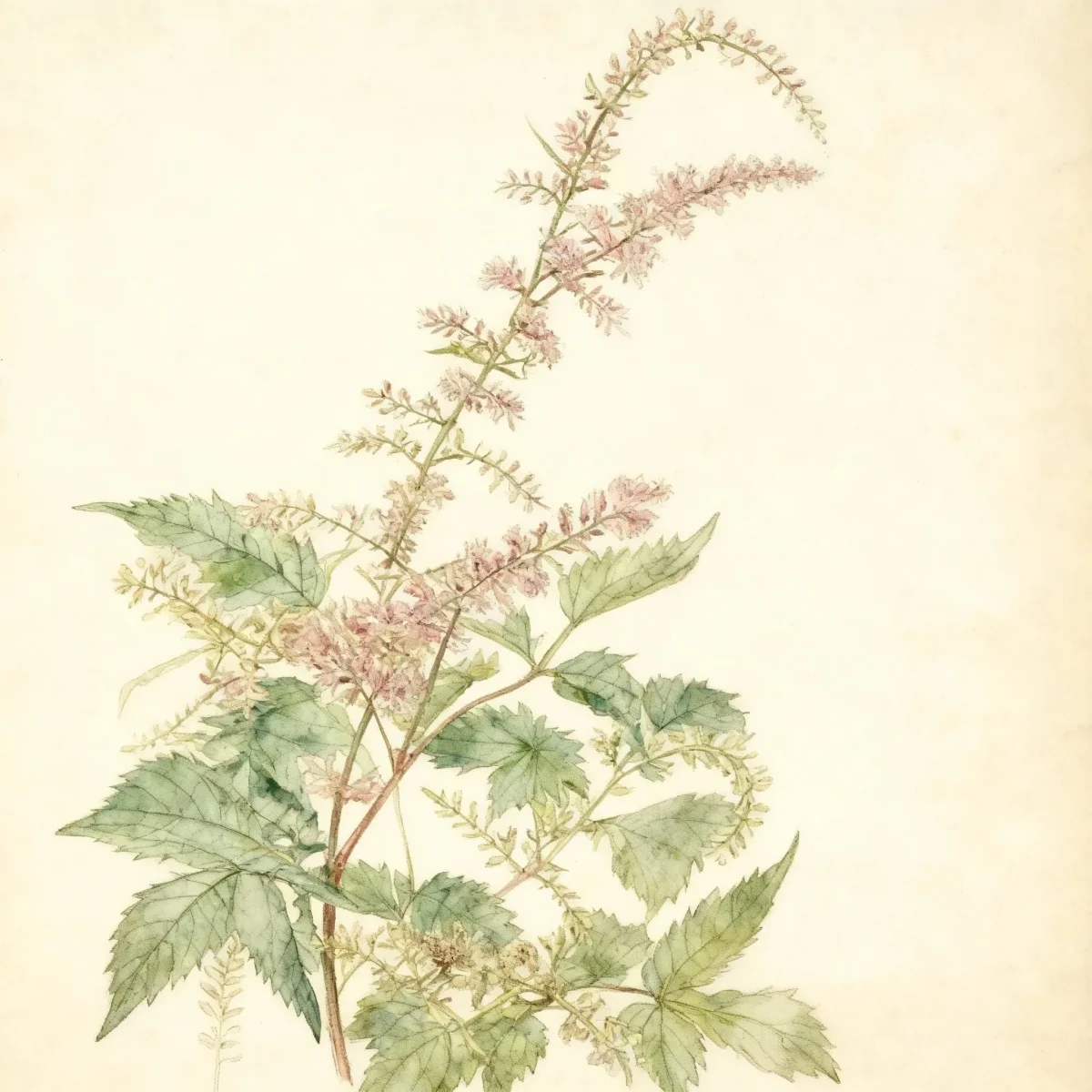
Astilbe chinensis, commonly called Chinese astilbe, is clump-forming perennials which feature graceful, fern-like mounds of mostly basal, 2-3 ternately compound leaves, usually with sharply-toothed leaflets, and tiny flowers densely packed into erect to arching, plume-like flower panicles rising above the foliage on slender, upright stems. The specific epithet means of China, and ‘Darwin’s Surprise’ has erect, narrow plumes of tiny, densely-clustered, pink flowers rising above the foliage mound to about 12 inches tall in late spring to early summer. Genus name comes from the Greek words a meaning without and stilbe meaning brightness due to the dull leaves of some species.
Tolerances
- Rabbit
- Deer
- Heavy Shade
- Black Walnut
Potential Problems
This plant generally avoids serious pest or disease issues, offering reliable performance. However, the most likely issue for Astilbe chinensis ‘Darwin’s Surprise’ is foliage decline, where leaves begin to brown near the tips or edges. This browning is a direct indicator of heat stress combined with insufficient soil moisture. Even though this Chinese astilbe possesses better drought tolerance than some relatives, consistent moisture is vital for keeping the foliage pristine through the hottest part of summer. Management involves ensuring adequate watering during dry spells and applying a thick layer of organic mulch to stabilize soil temperatures and conserve water.
Frequently Asked Questions
What hardiness zones is Chinese astilbe suitable for?
Astilbe chinensis ‘Darwin’s Surprise’ is reliably hardy in USDA Zones 4 through 8.
How large does Astilbe chinensis ‘Darwin’s Surprise’ grow?
It typically reaches a mature height between 0.75 and 1 foot tall, spreading to a similar width of 0.75 to 1 foot.
What sun exposure does Chinese astilbe need?
This variety performs best in part shade to full shade conditions within the garden.
When does Astilbe chinensis ‘Darwin’s Surprise’ bloom?
It produces its characteristic pink blooms across the peak summer period, typically from July into August.
Conclusion
Astilbe chinensis ‘Darwin’s Surprise’ is an indispensable perennial for adding reliable pink color and delicate texture to shady or partially shaded garden spaces. Its fern-like foliage remains appealing all season, complemented by its proven tolerance for heavier shade and even Black Walnut competition. Before planting this excellent Chinese astilbe, confirm your site meets its medium water needs and lies within USDA Zones 4-8.
Companion Planting
When placing Astilbe chinensis ‘Darwin’s Surprise’ in the garden, prioritize companions that share its preference for moist, well-drained soil and part shade. Ferns, such as Japanese Painted Ferns or Ostrich Ferns, offer contrasting, bold texture that beautifully showcases the fine plumes of the astilbe. Hosta varieties with gold or blue foliage also provide excellent contrast against the deep green leaves of this Chinese astilbe. For a cottage garden feel, plant alongside woodland phlox or hellebores, ensuring all selected plants are managed for consistent moisture levels.
Design Ideas for Shaded Borders
Utilizing this plant in layered shade borders capitalizes on its mid-summer height (under 1 foot). Place Astilbe chinensis ‘Darwin’s Surprise’ in the middle layer, slightly behind low-growing ground covers like creeping Jenny, but positioned in front of taller shade elements like tall Actaea or large shrubs. Because it tolerates heavy shade, it works wonderfully under mature deciduous trees where it can intercept the filtered light. The upright habit of Astilbe chinensis ‘Darwin’s Surprise’ prevents the garden layer from looking flat, adding necessary vertical accents to dark corners.