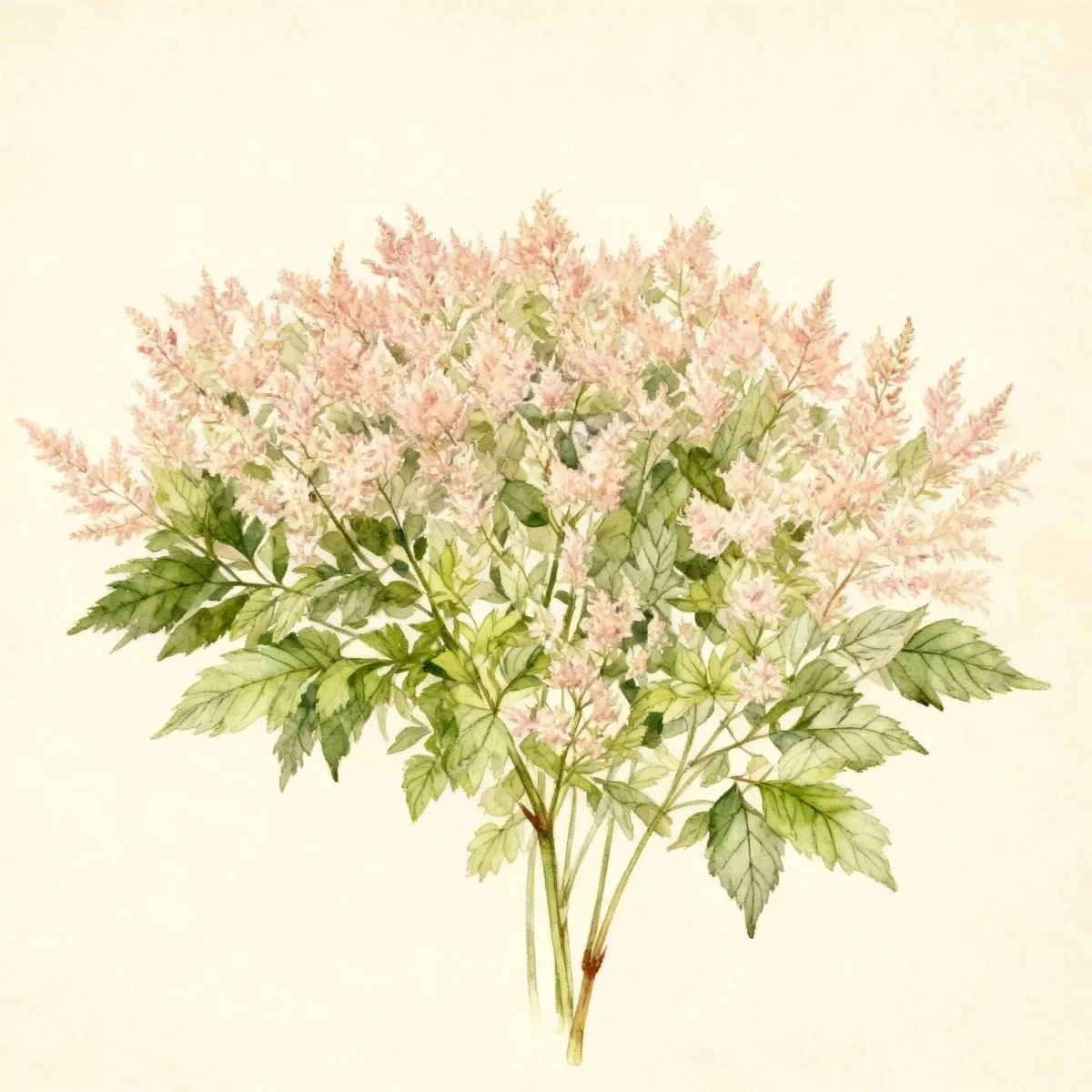
Astilbe (Astilbe × arendsii 'Fanal')
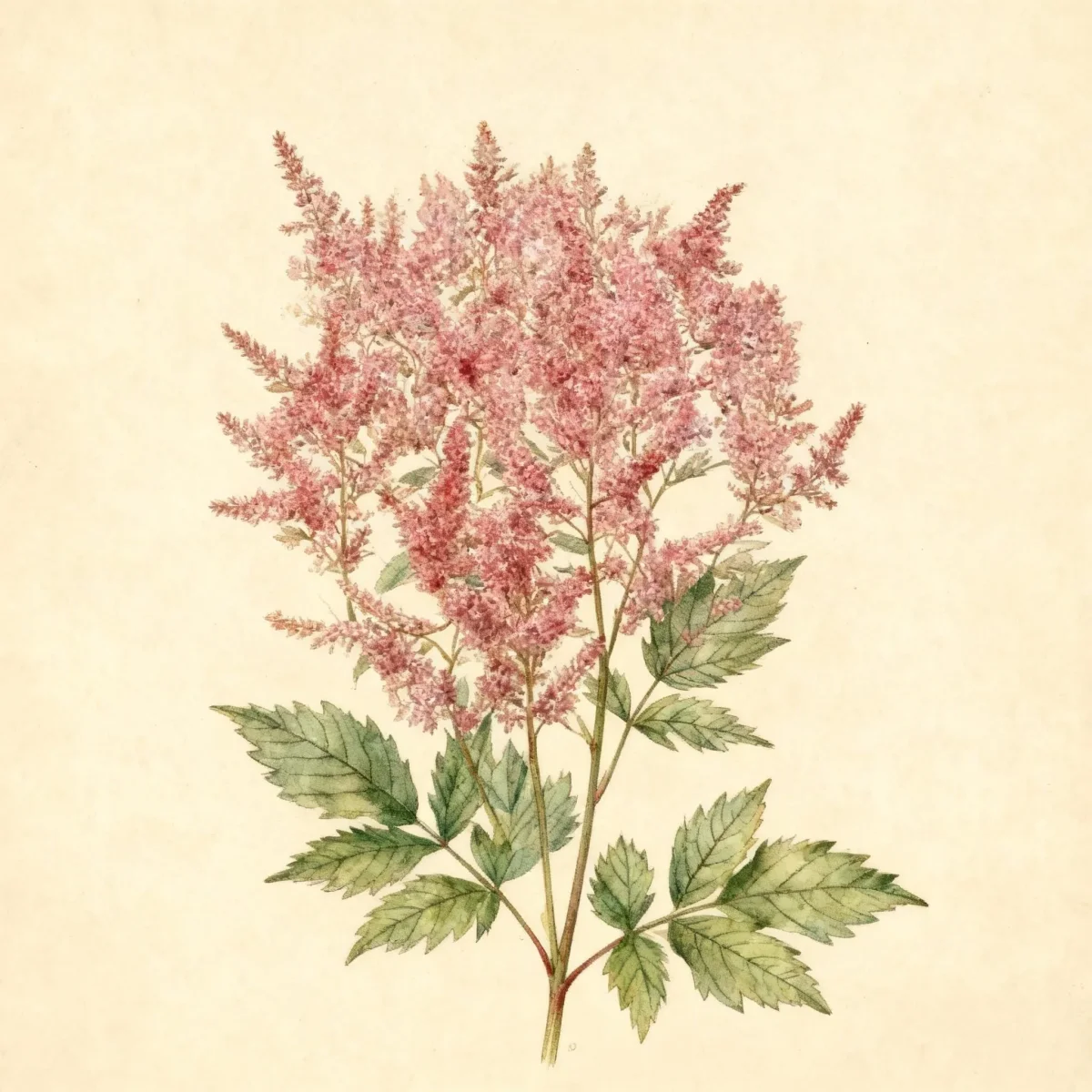
Astilbe × arendsii 'Fanal' offers deep red, showy plumes and bronze foliage in part shade. Low maintenance perennial for moist gardens.
Scroll down to discover growing tips, care requirements, companion plants, and more
Complete Plant Information
Overview
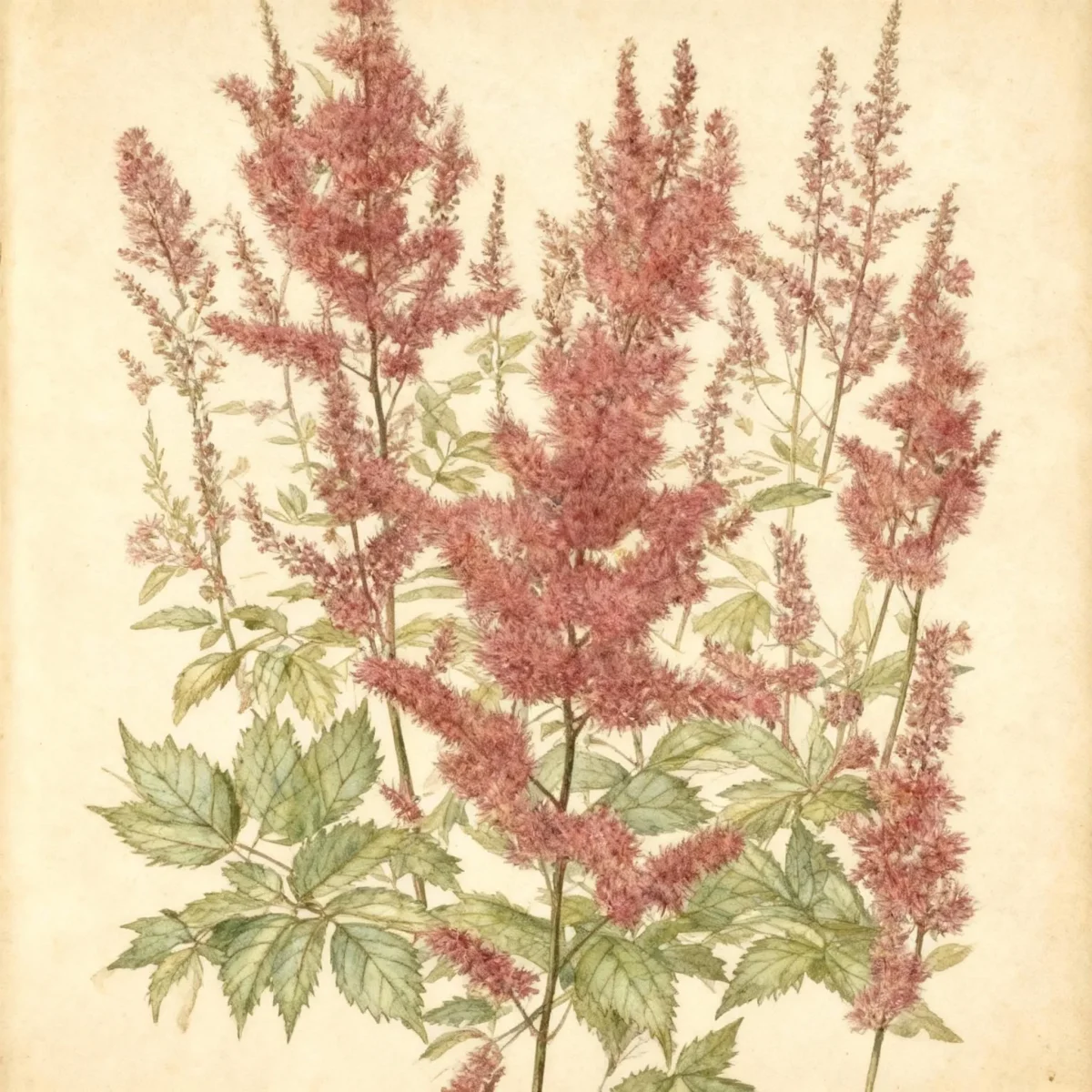
Astilbe × arendsii ‘Fanal’ is a highly valued herbaceous perennial prized for bringing vibrant color and texture to deeply shaded garden spaces. This specific cultivar, Astilbe × arendsii ‘Fanal’, is renowned for possessing perhaps the deepest red (crimson) flowers among the Astilbe range, beautifully contrasting its initial bronze foliage. As part of the large Astilbe genus, these clump-forming plants deliver structure via their graceful, fern-like leaves, making them essential for shaded borders and woodland settings.
Cultivating Astilbe is straightforward, provided its specific soil and moisture requirements are met. They thrive in rich, consistently moist ground, which ensures the foliage remains attractive throughout the summer growing season. The low maintenance level required, coupled with excellent hardiness in cool zones, makes Astilbe × arendsii ‘Fanal’ a reliable performer.
Beyond their aesthetic appeal, these dependable plants offer practical benefits, acting as excellent ground cover while tolerating heavy shade where many flowering plants fail. Their presence elevates woodland gardens, creating pockets of rich color right when the summer garden needs boosting.
Fast Facts
- Plant Family: Saxifragaceae
- Plant Type: Herbaceous perennial
- Hardiness Zones: USDA Zones 3-8
- Size at Maturity:
- Height: 1-1.5 ft
- Spread: 0.75-1 ft
- Bloom Time: July
- Bloom Description: Deep red
- Sun Exposure: Part shade to full shade
- Water Needs: Medium
- Maintenance Level: Low
How to Grow
The key to successfully growing Astilbe × arendsii ‘Fanal’ lies in achieving the right soil moisture and light balance. Plant these perennials in the spring or fall in well-drained soil that is rich in organic matter. While they tolerate average conditions, they perform best in humusy, moisture-retentive soil that mimics their woodland origins. Ensure they receive part shade to full shade; too much intense afternoon sun will scorch the leaves, especially in hotter climates.
Watering requires consistency, as the culture notes emphasize that soils must not be allowed to dry out at any point. A medium watering schedule is generally sufficient, but during hot or dry spells, supplemental watering is critical. Applying a summer compost mulch helps significantly by insulating the shallow roots and retaining much-needed soil moisture around the Astilbe clumps.
Maintenance is relatively low for Astilbe. Deadheading the faded flower stalks is optional; many gardeners choose to leave the dried seed heads in place for winter interest. If you choose to tidy the plant, remove the old stalks after blooming. Divide clumps every three to four years when overcrowding begins to impact plant vigor.
Landscape Uses
Astilbe × arendsii ‘Fanal’ excels in designed areas that offer respite from direct sun. They are perfect for mass plantings or groups within shade gardens, woodland settings, or along the shaded edges of borders and cottage gardens, providing reliable July color. Their dense, mounding foliage makes them excellent as an edging plant or effective ground cover beneath taller trees.
Consider using dark-leafed Astilbe varieties like ‘Fanal’ near water features, such as pond or stream banks, where the medium water needs align naturally with surrounding moisture-loving plants. They also offer architectural structure near home foundations where sun stress is minimal. Pair them with hostas, ferns, Tiarella (Foamflower), or bleeding hearts, which share similar cultural requirements for rich, damp soil and shade.
Standout Features
Flower Qualities
- Showy
- Good Cut
Noteworthy Characteristics
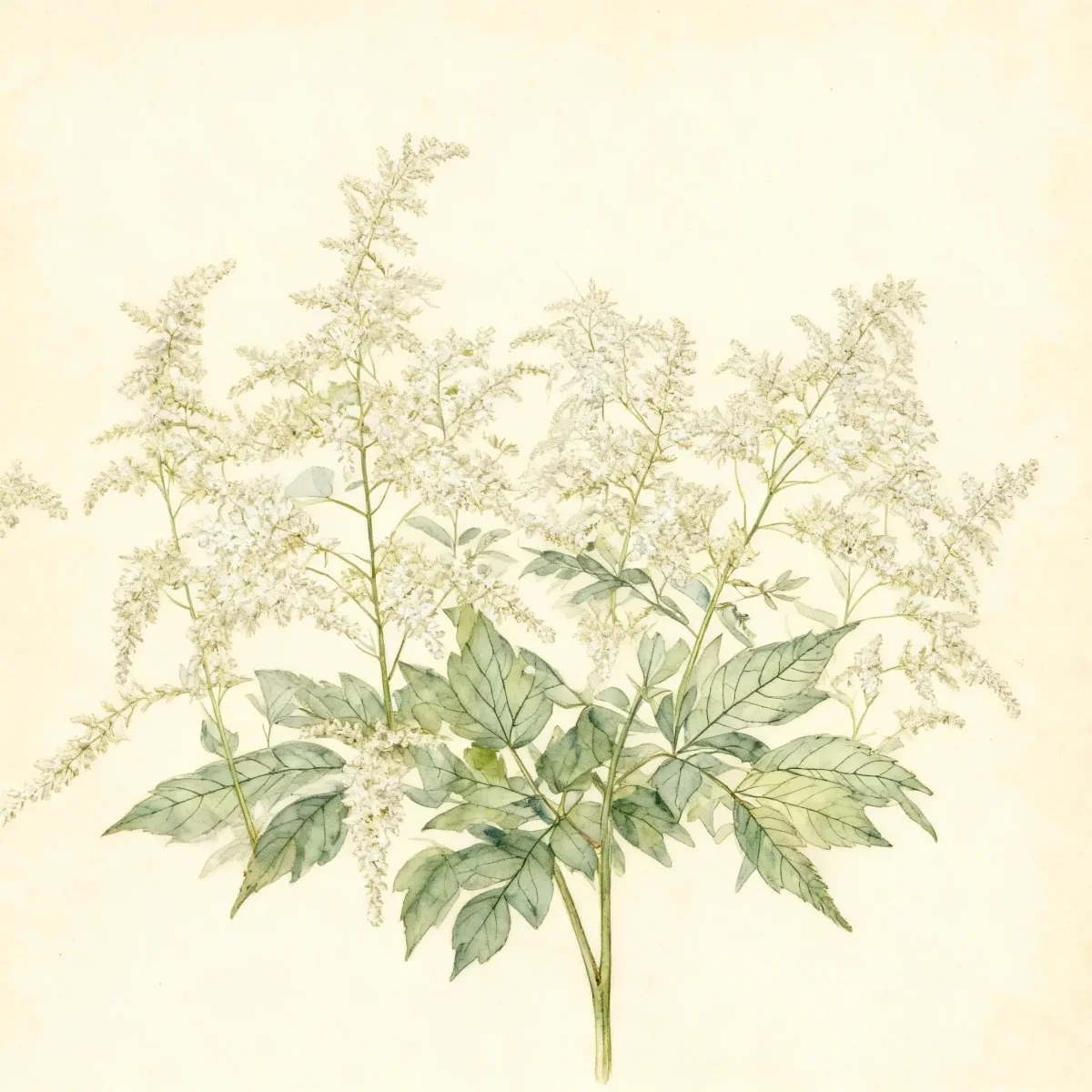
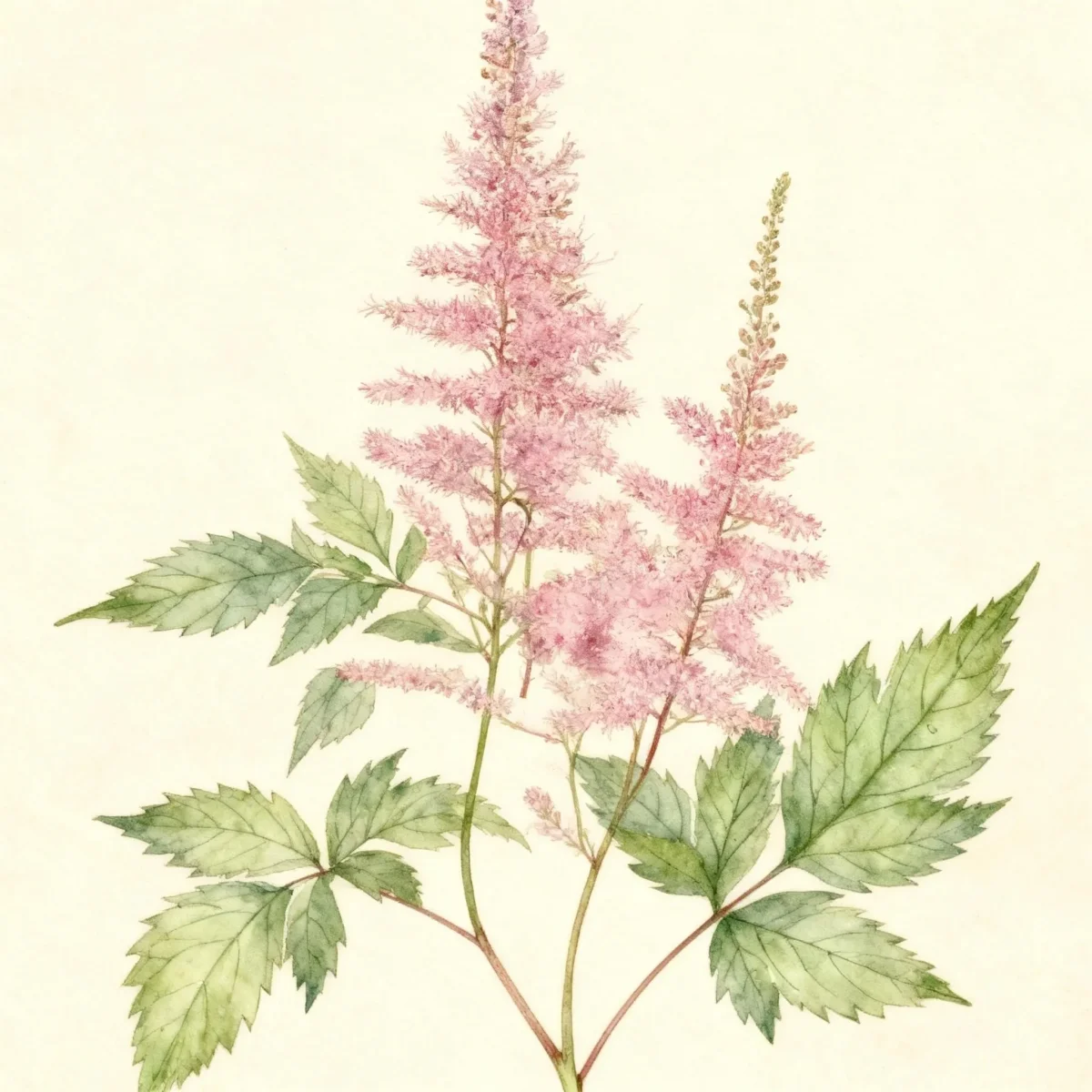
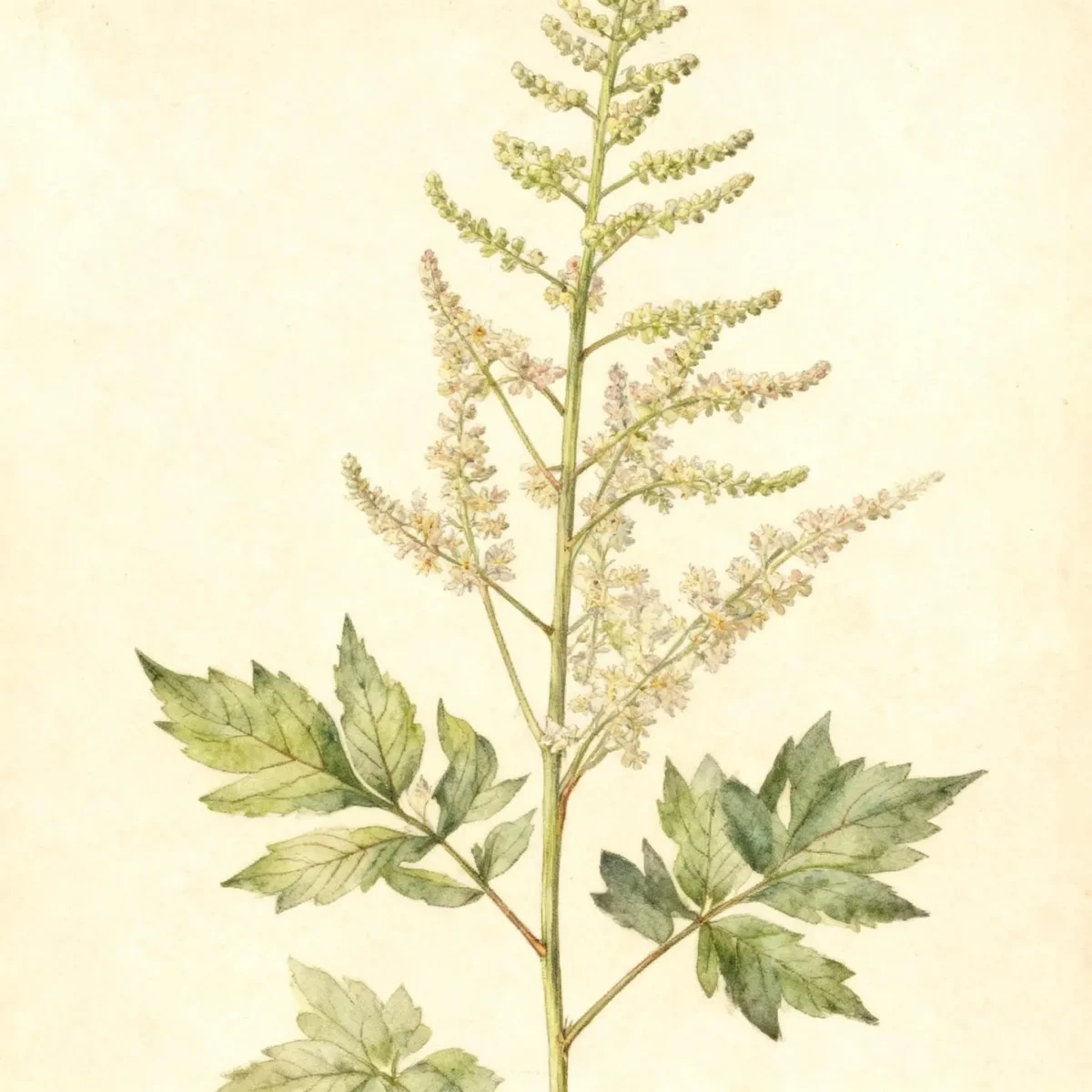
Astilbe × arendsii hybrids are a large group of hybrids involving crosses between numerous species, established by German nursery man George Arends. They are characterized by graceful, fern-like foliage mounds and tiny flowers packed densely into arching, plume-like panicles rising above the leaves. The cultivar ‘Fanal’ stands out for its intense, dark crimson red flowers and its foliage, which emerges bronze before settling into a dark green shade with a reddish hint.
Tolerances
- Rabbit
- Deer
- Heavy Shade
- Black Walnut
Potential Problems
Astilbe × arendsii ‘Fanal’ generally possesses few serious insect or disease issues, making it a robust choice for the dedicated gardener. The most common cultural problem involves foliage decline, where leaves brown at the edges or tips. This almost always signals that the plant experienced drought stress or high heat without adequate moisture retention, emphasizing the need to keep soils consistently moist.
While generally pest-resistant, watch for Japanese beetles, which occasionally chew on the attractive foliage. Powdery mildew or wilt may occasionally appear, especially if air circulation is poor or overhead watering keeps the foliage wet persistently. Proper spacing during planting and diligent moisture management in dry summers are your best defenses against these minor issues.
Frequently Asked Questions
What hardiness zones is Astilbe suitable for?
Astilbe × arendsii ‘Fanal’ is reliably hardy across USDA Zones 3 through 8, offering wide applicability in many regions.
How large does Astilbe × arendsii ‘Fanal’ grow?
This compact cultivar typically forms a foliage mound between 9 to 12 inches tall, with the dark red flower panicles rising slightly higher on upright stems reaching 15 to 18 inches tall.
What sun exposure does Astilbe need?
This Astilbe requires part shade to full shade conditions to thrive and maintain high-quality foliage throughout the season.
When does Astilbe bloom?
Astilbe × arendsii ‘Fanal’ provides its showy, deep red blooms during the month of July.
Conclusion
The Astilbe × arendsii ‘Fanal’ is an outstanding, low-maintenance choice, delivering dramatic deep red plumes against attractive ferny foliage suitable for the darkest corners of the garden. This perennial reliably proves that shade does not mean sacrificing significant impact or bloom time in July. Before planting, confirm that your garden site offers the consistently moist, organically rich soil necessary to keep your Astilbe happy all season long.
Companion Planting
When planning your shade garden around Astilbe × arendsii ‘Fanal’, select companions that share its preference for rich, moist soil and filtered light. Ferns, such as Japanese Painted Ferns or Autumn Ferns, offer contrasting textures that beautifully frame the airy plumes of the Astilbe. Consider groundcovers like Vinca minor or Epimedium (Barrenwort), which offer early spring interest before the midsummer color provided by your Astilbe. These pairings create a multi-layered, lush woodland tapestry.
Propagation Tips
The easiest way to increase your stock of Astilbe × arendsii ‘Fanal’ is through clump division, a necessary chore typically performed every three to four years as the clumps become overcrowded. Division should be executed in early spring just as new growth begins to emerge, or in very early fall. Dig up the entire mature clump and carefully separate the rhizomes using a sharp spade or knife, ensuring each division has adequate roots and several healthy growing crowns. Transplant the divisions immediately to their new, prepared locations.