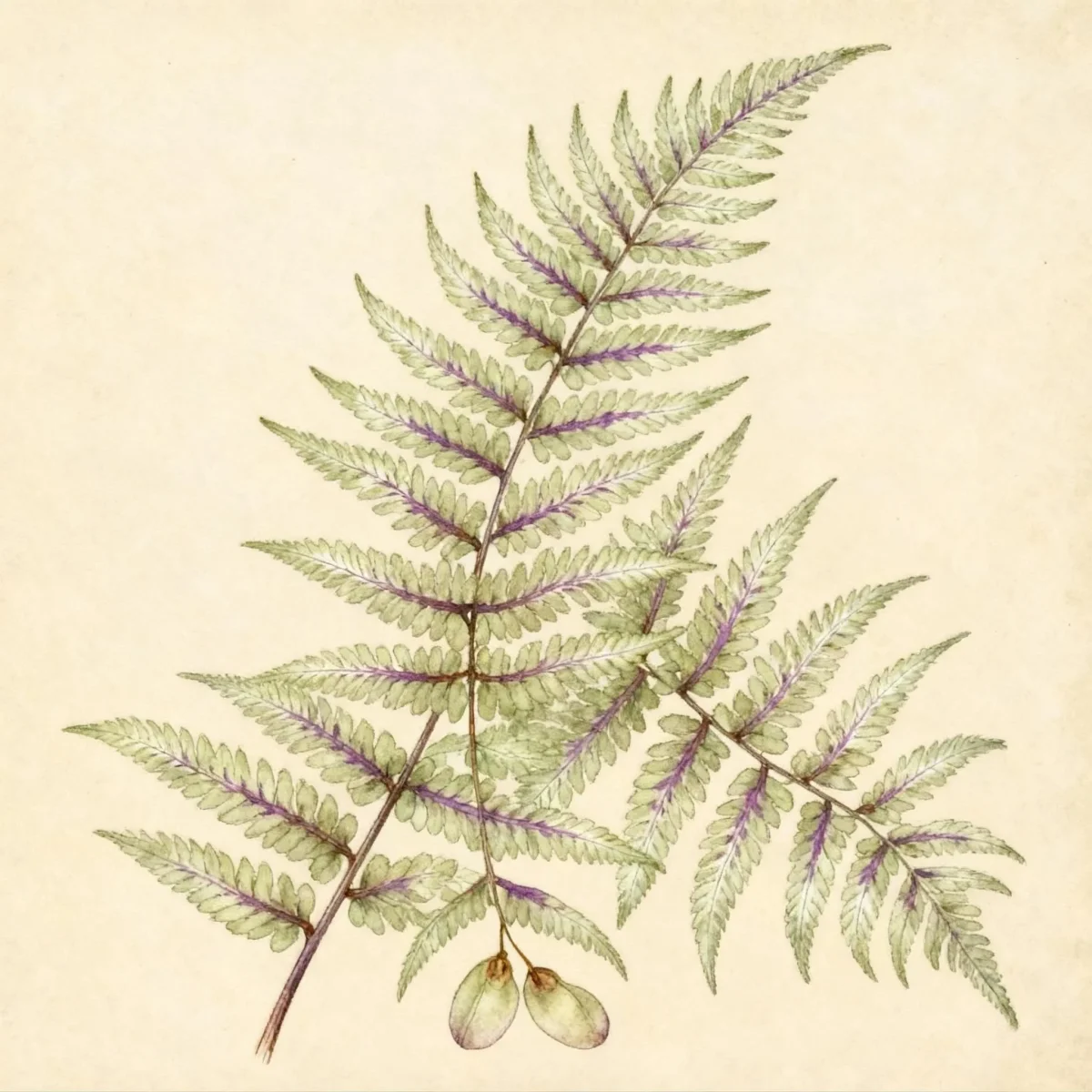
Japanese painted fern (Athyrium 'Branford Rambler')
Athyrium 'Branford Rambler' is a stunning, low-maintenance Japanese painted fern perfect for deep shade.
Scroll down to discover growing tips, care requirements, companion plants, and more
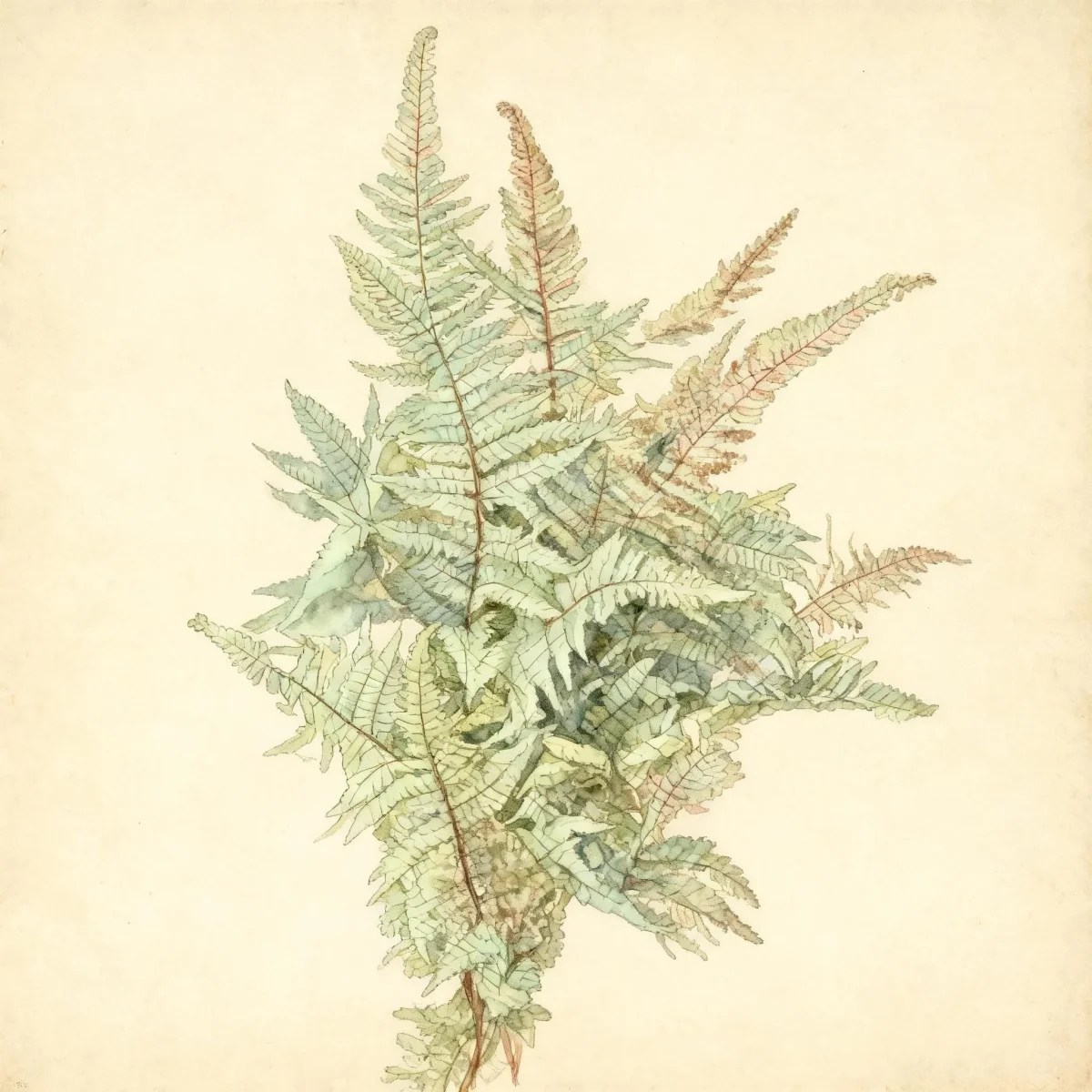
Complete Plant Information
Overview
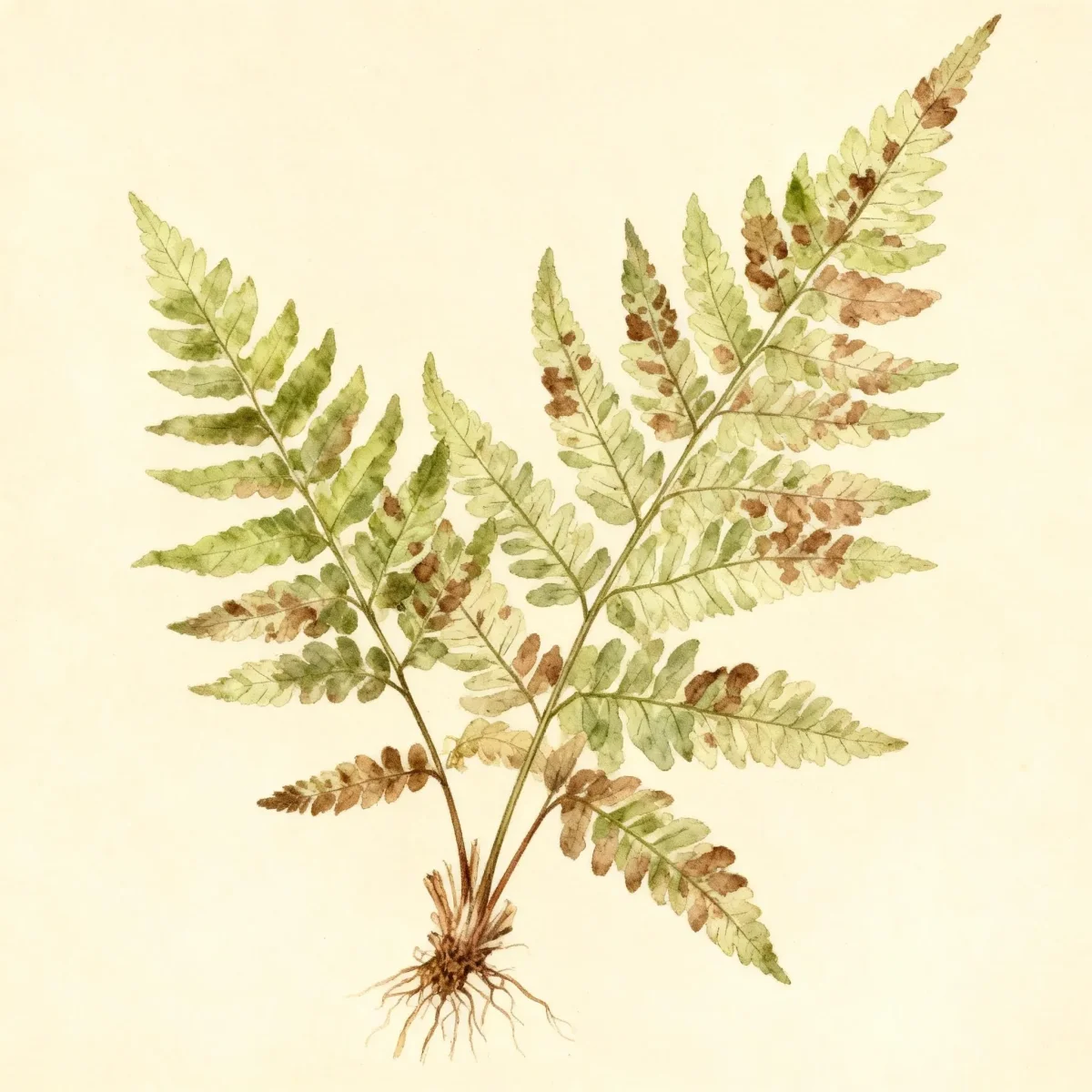
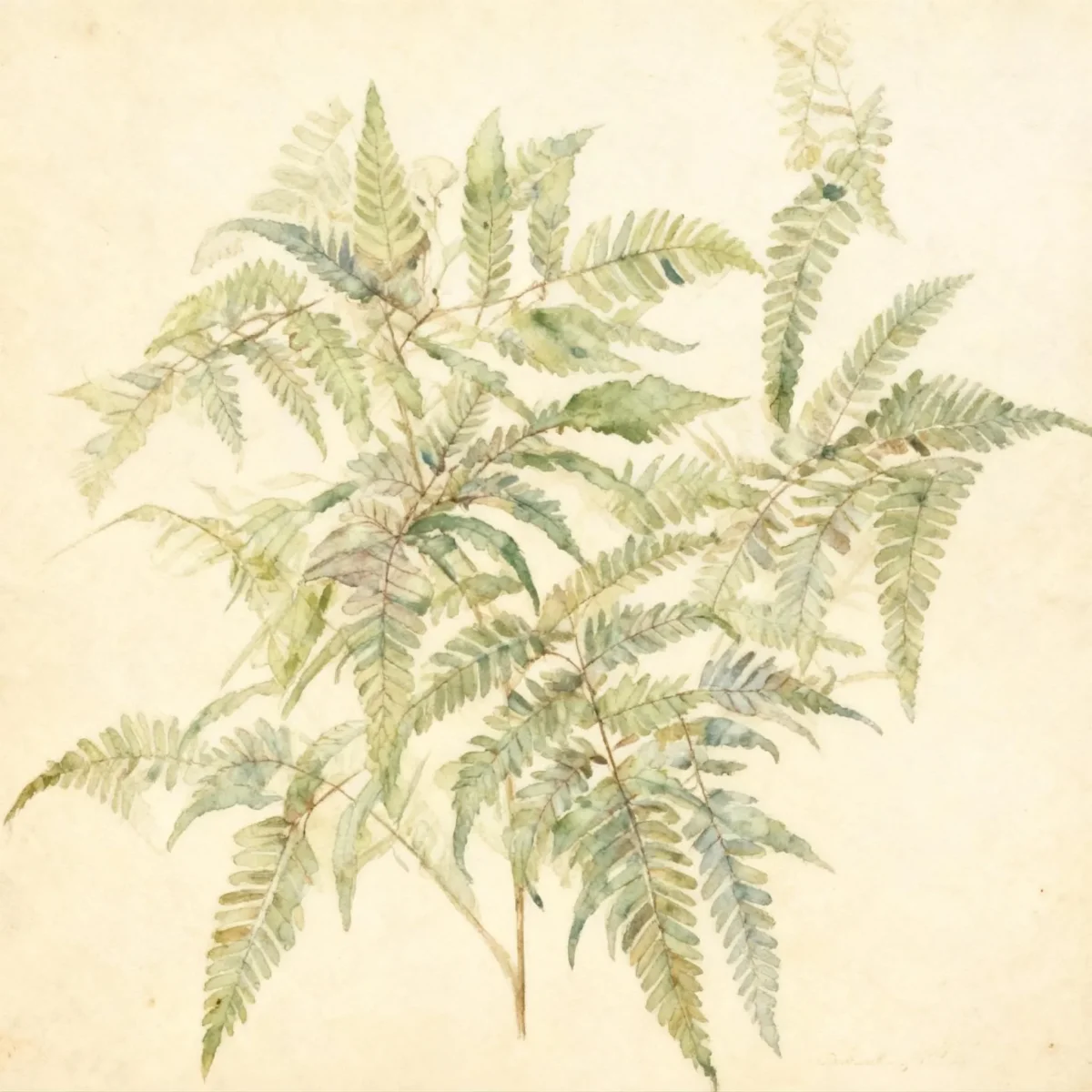
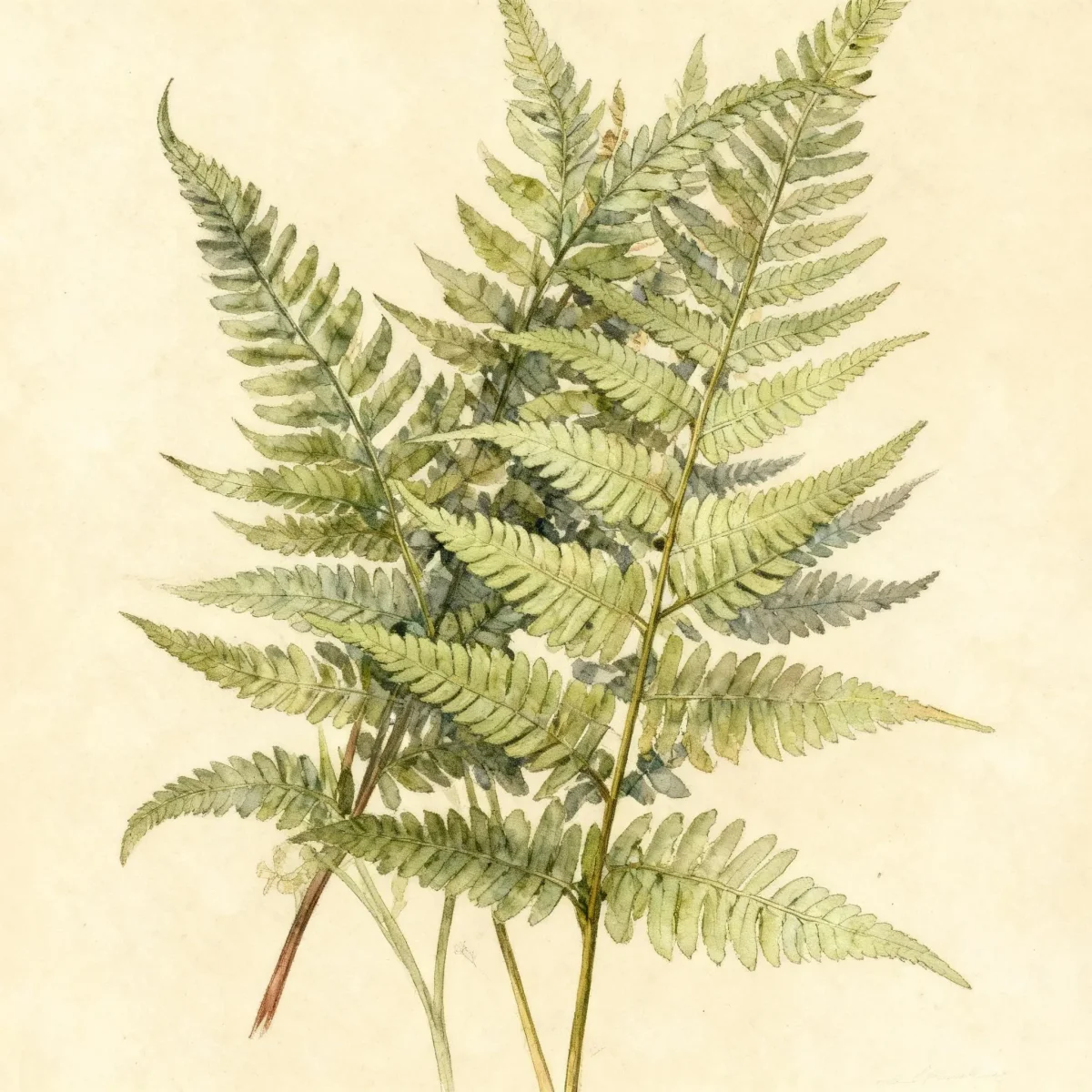
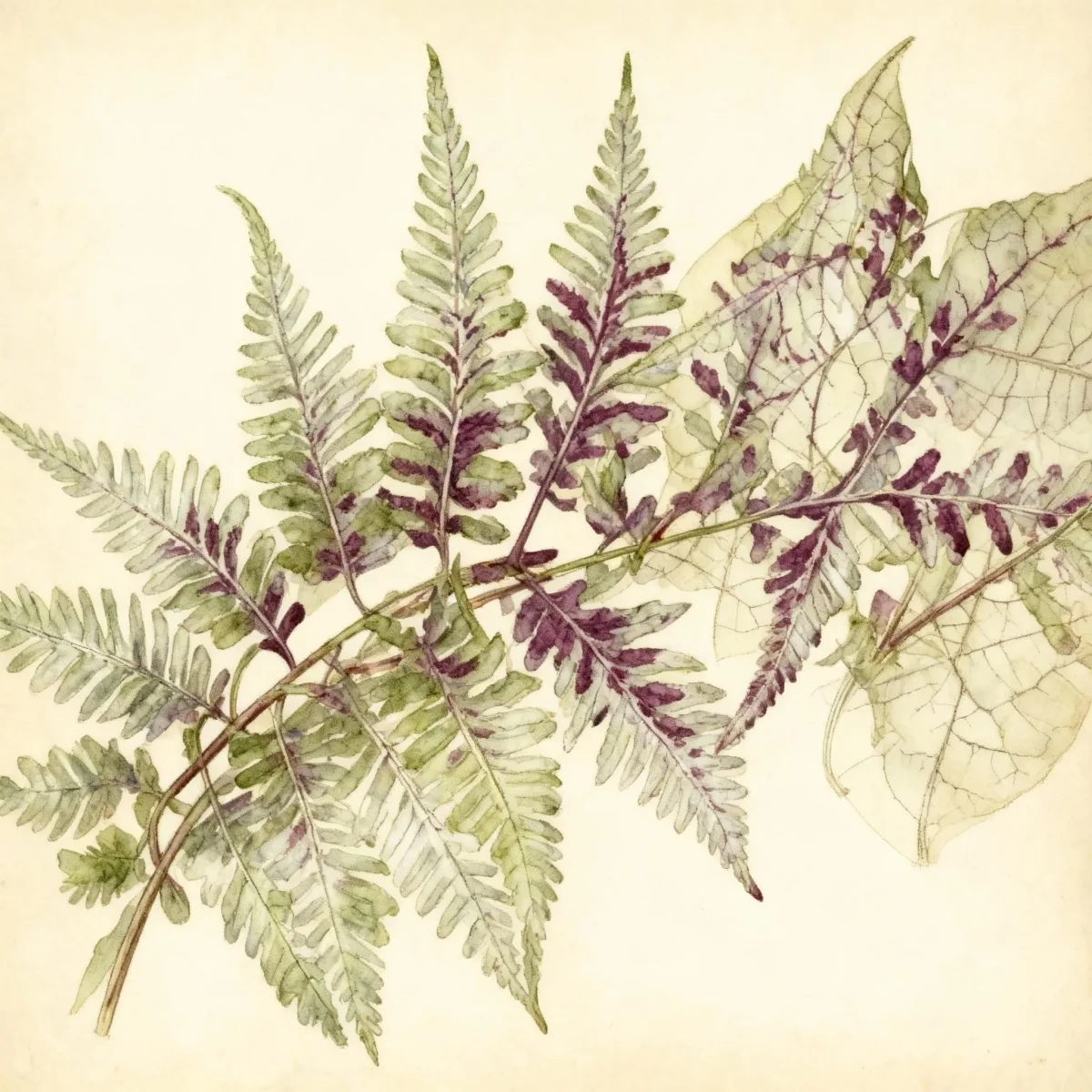
The Japanese painted fern, scientifically known as Athyrium ‘Branford Rambler’, offers spectacular, silvery foliage that brightens the darkest corners of the garden. This deciduous fern is highly valued for its striking coloration—a blend of greens contrasted with maroon striping along the central stipes. Athyrium ‘Branford Rambler’ forms dense, attractive clumps, making it an excellent choice for gardeners seeking low-maintenance texture and color beneath the canopy.
This cultivar is generally easy to manage, thriving in consistent moisture and shaded conditions typical of woodland settings. While it is reliably hardy across several zones, proper siting is key to maintaining the vibrant, silvery frond colors. The relatively compact size of Athyrium ‘Branford Rambler’ allows it to fit neatly into shaded borders without overwhelming neighboring plants.
Gardeners frequently choose this variety for its reliability and unique appearance, which contrasts beautifully with solid green shade lovers. Successful cultivation of the Japanese painted fern hinges on avoiding direct, harsh sun exposure, which can quickly bleach its prized traits. Enjoy the lush, clump-forming habit of Athyrium ‘Branford Rambler’ as it provides year-round structure in temperate landscapes.
Fast Facts
- Plant Family: Athyriaceae
- Plant Type: Fern
- Hardiness Zones: USDA Zones 4-8
- Size at Maturity:
- Height: 1-2 ft
- Spread: 1-2 ft
- Bloom Time: Non-flowering
- Bloom Description: Non-flowering
- Sun Exposure: Part shade to full shade
- Water Needs: Medium
- Maintenance Level: Low
How to Grow
Establish the Japanese painted fern during cooler periods, either spring or fall, to minimize transplant shock. Site Athyrium ‘Branford Rambler’ where it receives consistent part shade to full shade; dappled light is often ideal for the best silvery frond display. Soil preparation is crucial: ensure the growing medium is humusy, organically rich, and well-drained, mimicking its natural woodland habitat.
Regarding ongoing care, aim for a medium moisture level. While this species tolerates slightly drier conditions than some other ferns, avoid letting the soil dry out completely, especially during hot summers. Fertilization is usually unnecessary if soil organic matter levels are adequate. Protect Athyrium ‘Branford Rambler’ from harsh winds, as they prefer sheltered locations.
Mulching heavily with aged compost or shredded leaves helps maintain crucial soil moisture and regulates root temperature. As the deciduous fronds age and potentially tatter by mid-summer, you can cleanly cut them back near the base in late fall or early spring before new growth emerges. This simple cleanup keeps the planting area neat.
Landscape Uses
The texture and cool, silvery tones of the Japanese painted fern make it invaluable in designing shaded garden areas. Athyrium ‘Branford Rambler’ excels when massed together to form an effective, low-growing ground cover that suppresses weeds while providing dynamic contrast. They are perfectly suited for transforming dark woodland gardens or shady border fronts where flowering plants struggle.
Consider pairing Athyrium ‘Branford Rambler’ with plants that offer different textures or colors for visual pop. Hostas with deep green or blue foliage, bright green mosses, or fine-textured groundcovers like wild ginger create excellent companions. This fern also works well tucked under taller shrubs or naturalized areas where a low layer of interest is needed.
For smaller spaces or entryways, Athyrium ‘Branford Rambler’ performs well in containers, provided the potting mix stays rich and consistently moist. Integrating this fern into a shaded rock garden arrangement can soften hard edges while benefiting from the excellent drainage that rock gardens often provide.
Standout Features
Noteworthy Characteristics
Athyrium is a genus of ferns of about 180 species, typically found in moist forest and woodland settings. ‘Branford Rambler’ is a specific hybrid resulting from a cross involving A. Felix femina and A. Niponicum ‘Pictum’. It is recognized as a clump-forming, deciduous fern featuring upright, dark green fronds reaching up to 24 inches, highlighted by distinctive maroon to red central stipes.
Tolerances
- Rabbit
- Heavy Shade
Potential Problems
The Japanese painted fern generally exhibits excellent resistance to most common garden pests and diseases, making Athyrium ‘Branford Rambler’ a low-stress addition to the landscape. The primary aesthetic concern involves the natural decline of the foliage later in the season. Fronds frequently become somewhat tattered in appearance by mid-summer, especially if watering was inconsistent during high heat. This is normal senescence for a deciduous fern and not a sign of disease.
To manage the mid-summer tattering, ensure consistent, deep watering during dry spells, which may prolong the appearance of the fronds. If the cosmetic damage becomes too unsightly, simply wait until late fall or early spring before cutting back the old growth to allow the striking new spring fiddleheads to emerge cleanly.
Frequently Asked Questions
What hardiness zones is Japanese painted fern suitable for?
Athyrium ‘Branford Rambler’ is reliably hardy in USDA Zones 4 through 8.
How large does Japanese painted fern grow?
This variety typically reaches a mature height between 1 and 2 feet tall, with a similar spread of 1 to 2 feet, forming an attractive clump.
What sun exposure does Japanese painted fern need?
Athyrium ‘Branford Rambler’ requires part shade to full shade for optimal health and color retention.
When does Japanese painted fern bloom?
As a fern, the Japanese painted fern is non-flowering.
Conclusion
The stunning visual impact provided by the silvery and maroon accents of Athyrium ‘Branford Rambler’ makes it an essential textural element for shady gardens. Its low maintenance needs and reliable clumping habit ensure beauty year after year with minimal intervention. Before planting, confirm your site offers the rich, medium-moisture soil and protection from harsh sun that the Japanese painted fern requires.
Companion Planting
Selecting companions that share the moisture and shade requirements of Athyrium ‘Branford Rambler’ ensures a thriving shaded border. Consider pairing it with groundcovers that offer fine texture, such as Sweet Woodruff (Galium odoratum), which also appreciates rich, moist soil. For vertical contrast in the shade garden, taller woodland plants like Astilbe, which tolerate similar conditions, can be placed behind denser groupings of the Japanese painted fern.
Deeply colored foliage plants, such as Heuchera (Coral Bells) varieties with dark purple or almost black leaves, highlight the silvery banding on the fronds of Athyrium ‘Branford Rambler’. These pairings capitalize on differences in leaf shape and color, creating sophisticated, cool-toned garden vignettes.
Seasonal Care Calendar
Spring is the ideal time to apply a fresh layer of compost or organic matter around the base of your Athyrium ‘Branford Rambler’ as new fiddleheads begin to uncurl. This feeds the plant naturally and helps retain moisture as summer approaches. If you neglected Fall cleanup, prune out any brown, tattered foliage now.
Summer care focuses heavily on hydration; while this fern tolerates some dryness, supplemental watering during extended dry spells is mandatory to keep the foliage looking crisp and prevent mid-season collapse. Monitor for extreme heat and ensure the plant is not exposed to the intense afternoon sun, which will bleach the delicate coloration.
As autumn approaches, the foliage of Athyrium ‘Branford Rambler’ will begin to yellow and die back naturally. Allow the dead foliage to remain over winter if possible, as this offers some protection to the crown, though tidying it up in late fall or early spring before new growth starts is also acceptable.