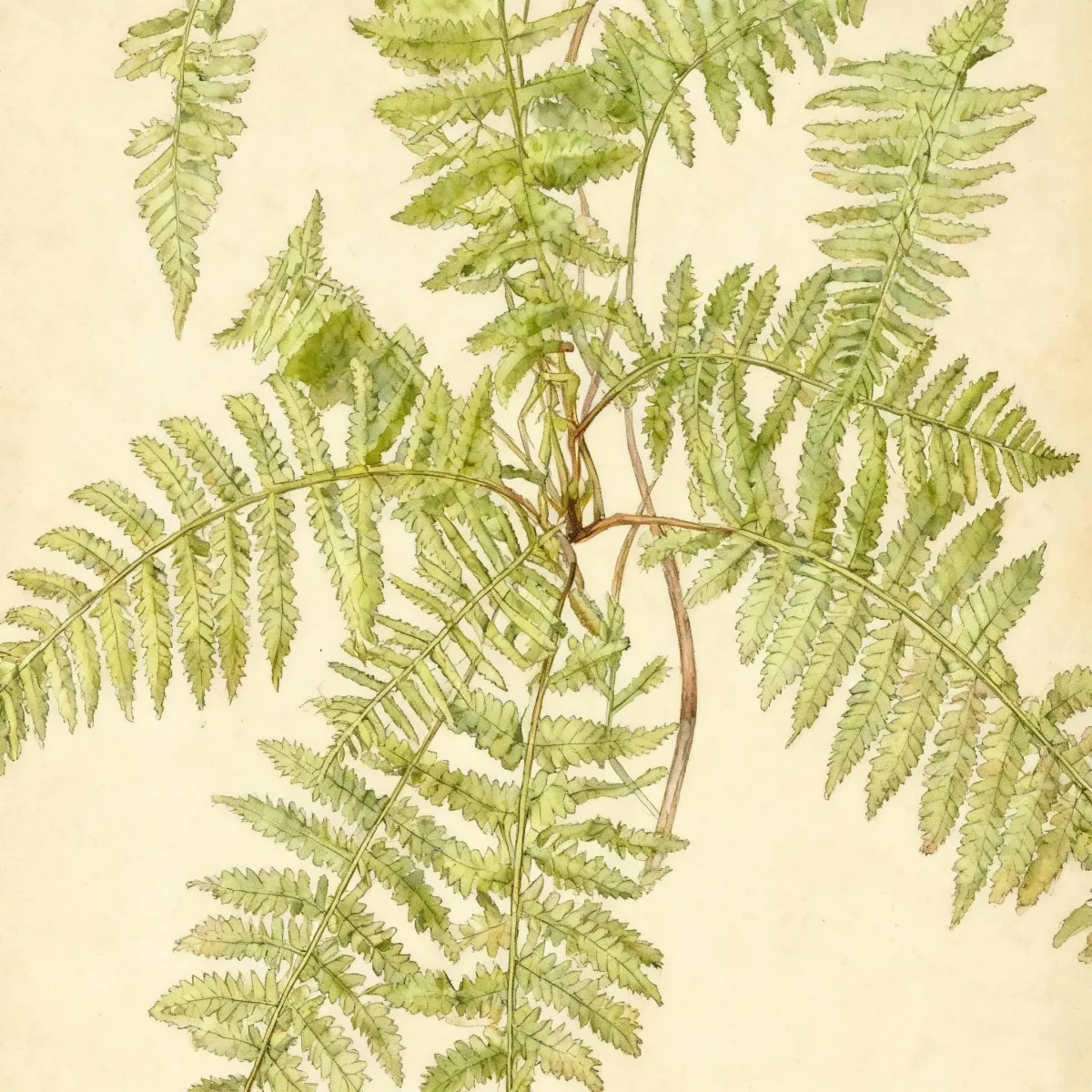
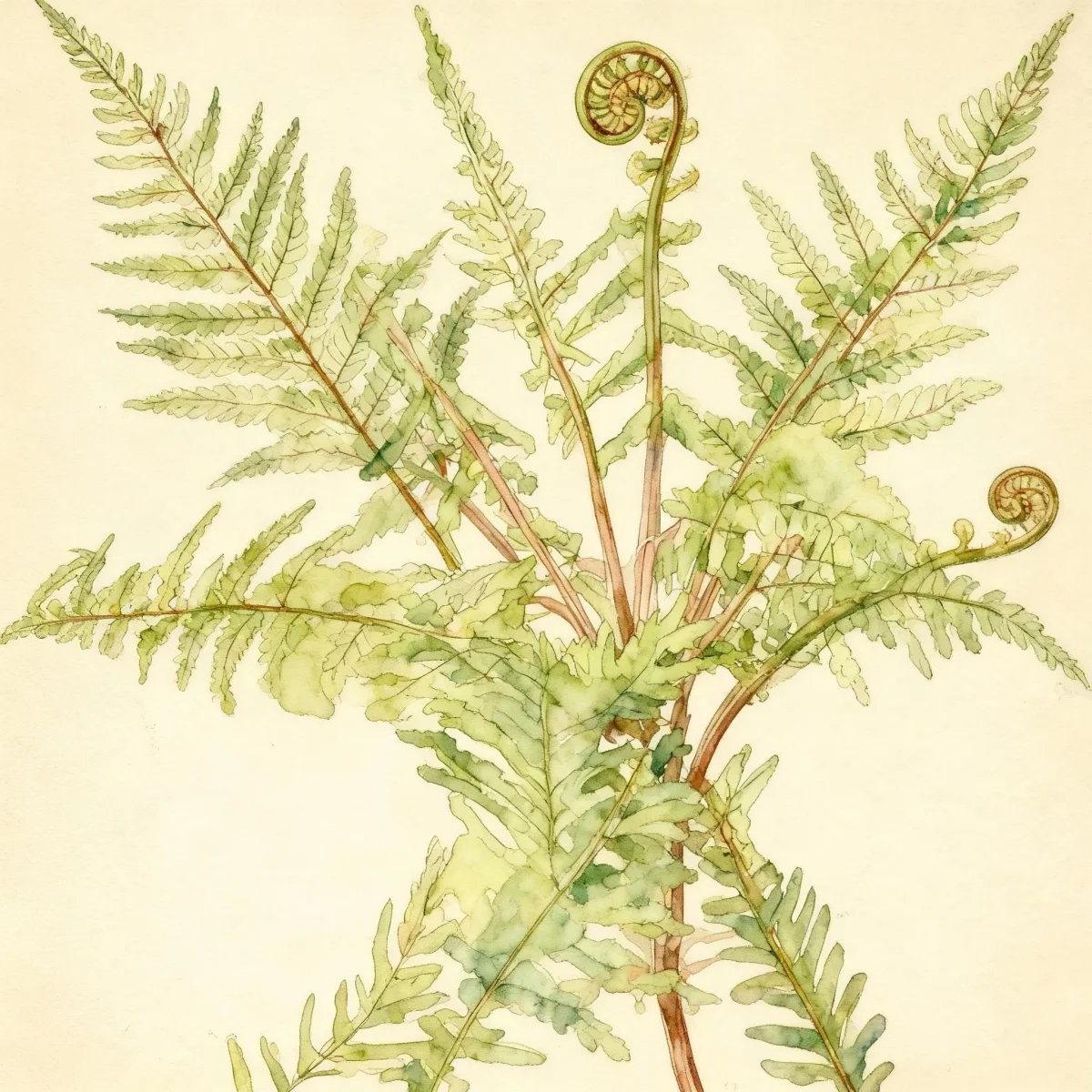
Lady fern (Athyrium filix-femina 'Victoriae')
Athyrium filix-femina 'Victoriae', the Lady fern, is a vigorous, deciduous fern notable for its lacy, finely-divided fronds, perfect for shade gardens.
Scroll down to discover growing tips, care requirements, companion plants, and more
Complete Plant Information
Overview
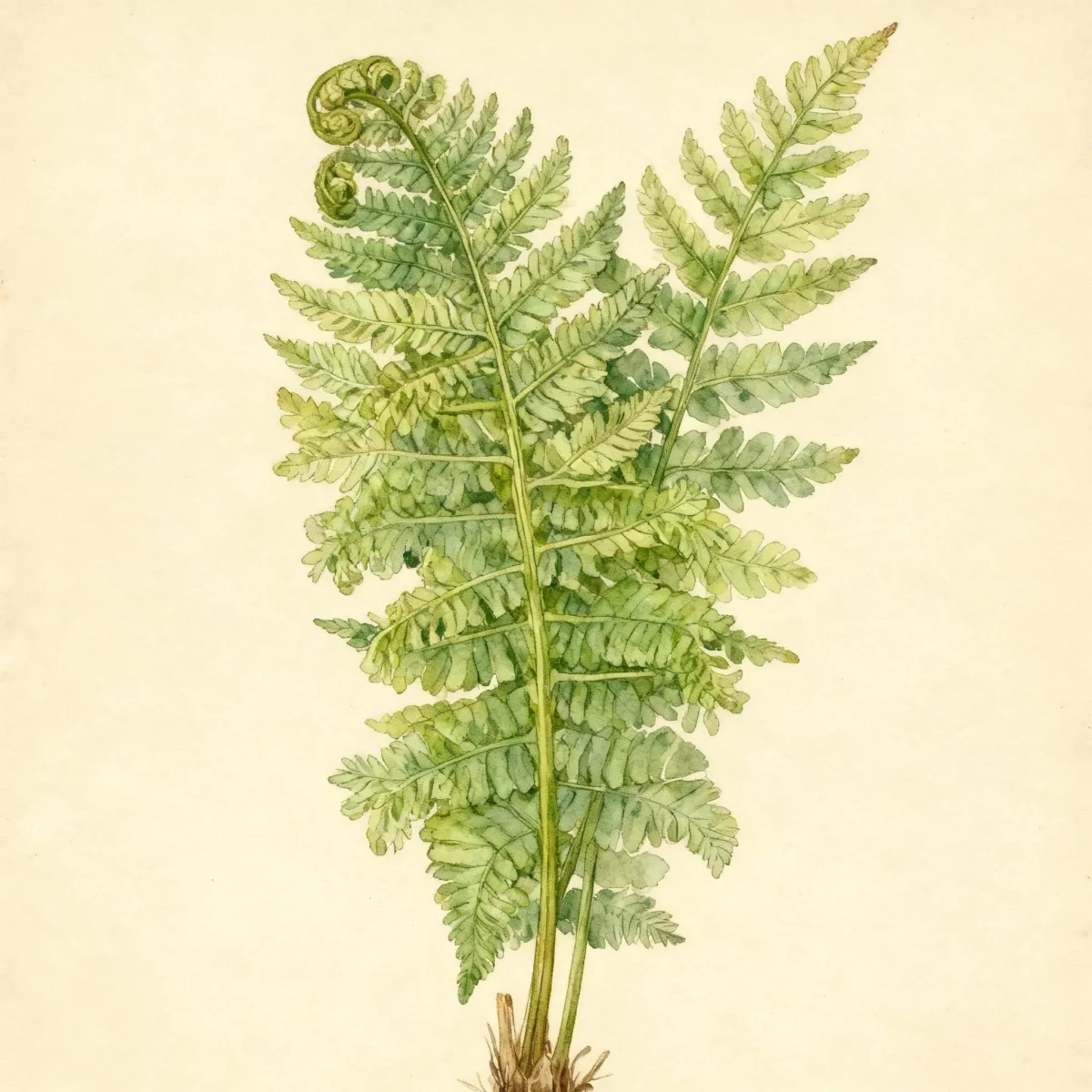
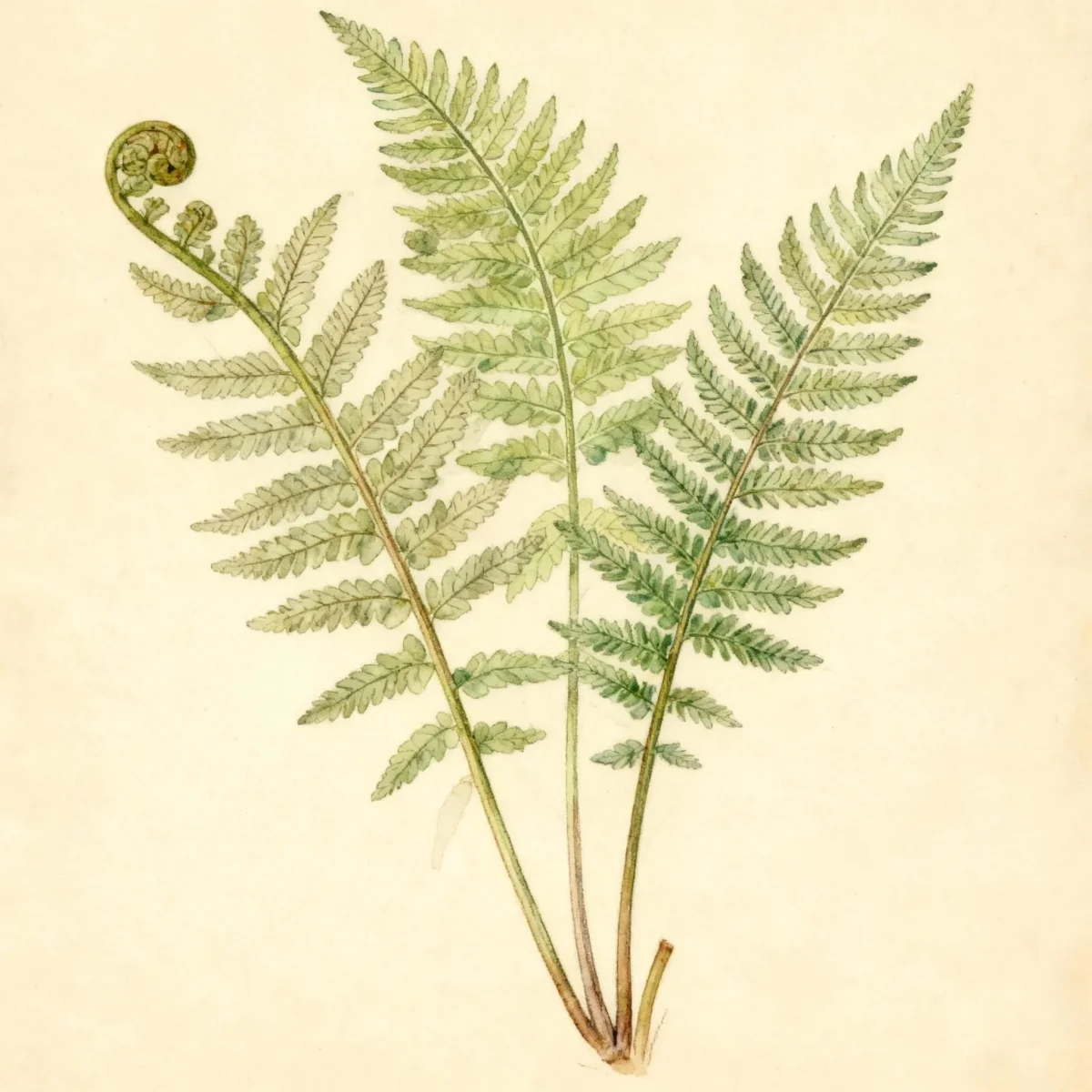
Athyrium filix-femina ‘Victoriae’, renowned as the Lady fern, is celebrated for its intricate foliage that creates a soft, airy texture perfect for woodland settings. This deciduous fern gracefully forms dense, circular clumps of light green, finely-divided fronds, offering exceptional elegance in shaded corners of the landscape. The specific cultivar ‘Victoriae’ is particularly vigorous, featuring pinnae shaped like narrow boomerangs, making this plant a highly popular choice dating back to the Victorian fern craze. While providing graceful, low-maintenance structure, the Lady fern thrives best when protected from harsh winds that can damage its delicate fronds.
Fast Facts
- Plant Family: Athyriaceae
- Plant Type: Fern
- Hardiness Zones: USDA Zones 4-8
- Size at Maturity:
- Height: 1.5-2 ft
- Spread: 1.5-2 ft
- Bloom Time: Non-flowering
- Bloom Description: Non-flowering
- Sun Exposure: Part shade to full shade
- Water Needs: Medium
- Maintenance Level: Low
How to Grow
Begin planting your Lady fern in spring or fall, ensuring a location that receives part shade to full shade. Athyrium filix-femina ‘Victoriae’ flourishes in rich soil that maintains medium moisture levels and must be well-drained to prevent root issues. While it tolerates somewhat drier conditions than many ferns, full sun exposure is only acceptable if the soil is kept consistently wet. Shelter the plant from strong winds, as the lacy fronds are susceptible to tearing and breaking, dulling their aesthetic appeal. Water when the top inch of soil feels slightly dry, providing consistent moisture during establishment. Division of established clumps is recommended every few years during the spring to refresh the plants and ensure crowns remain near soil level.
Landscape Uses
The upright, vase-shaped habit and delicate texture of Athyrium filix-femina ‘Victoriae’ make it an excellent selection for softening edges in shady areas. Use the Lady fern along shaded border fronts to create a lush, green foundation or group several together for a dramatic woodland effect. This fern is highly effective when planted near water features, along streams, or incorporated into rock gardens where moisture retention is easier to manage. Their moderate size (1.5 to 2 feet) also makes them suitable for shaded container arrangements, flanking shaded entryways, or pairing well with hostas and astilbes that share similar cultural preferences.
Standout Features
Flower Qualities
- Insignificant
Noteworthy Characteristics
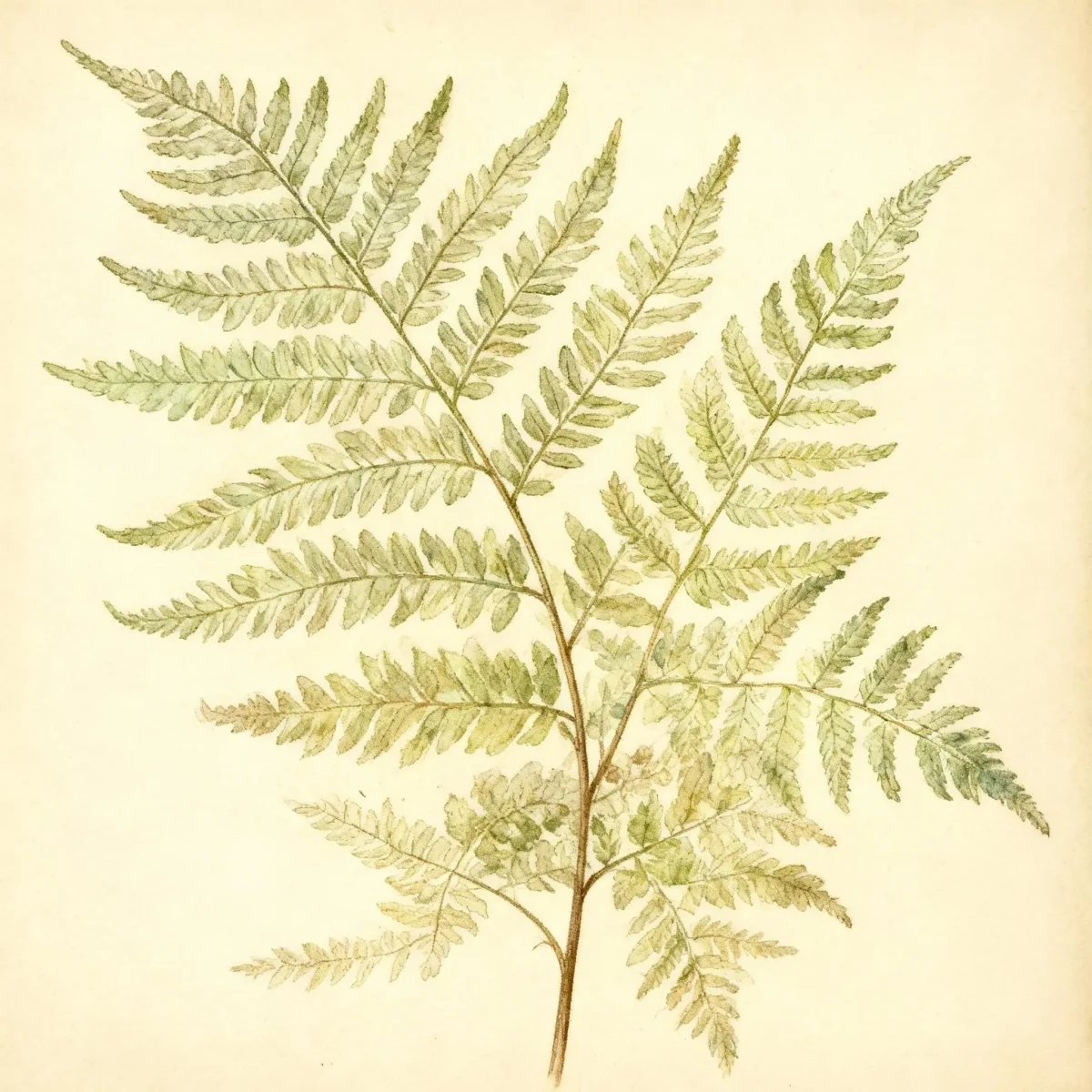
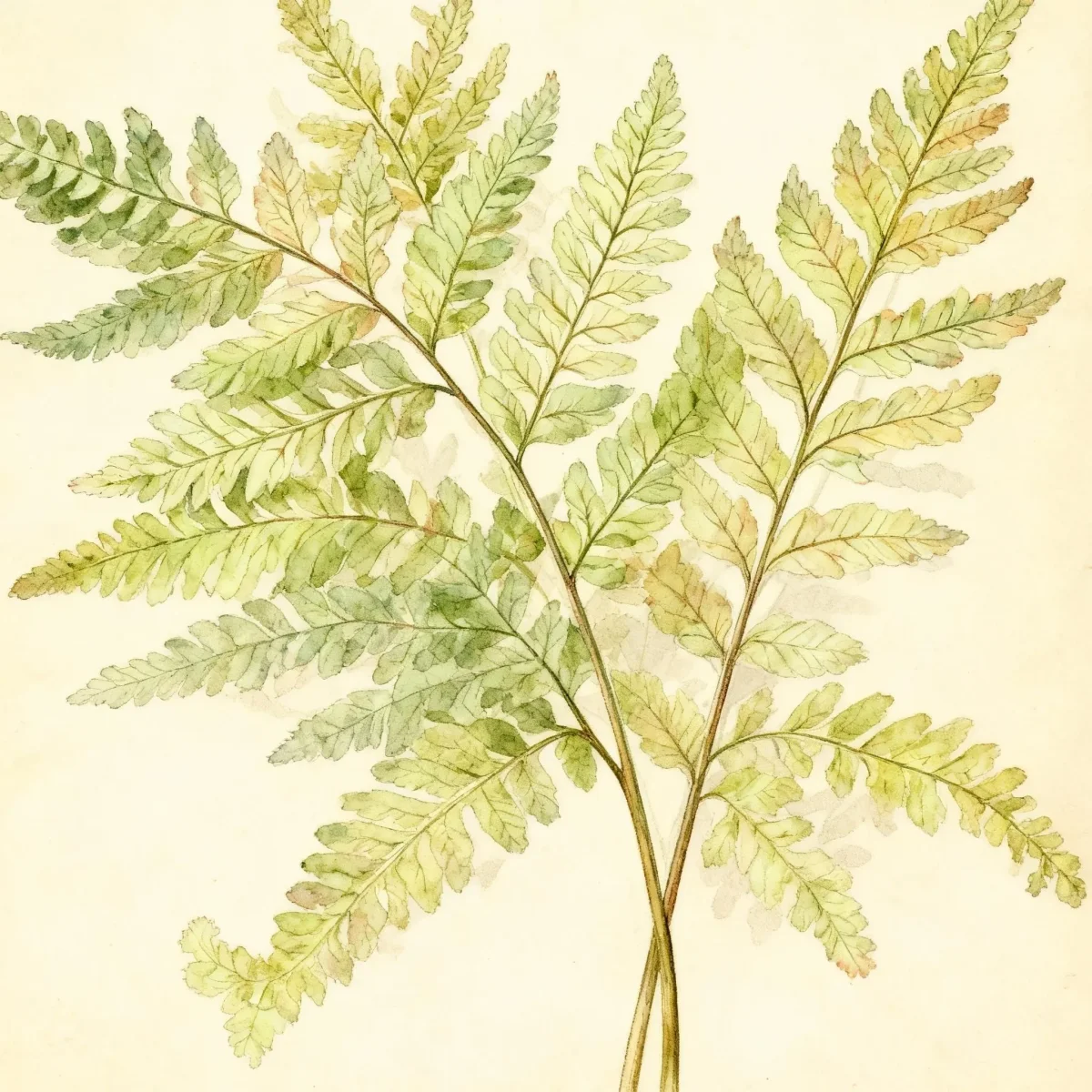
Athyrium filix-femina, commonly called lady fern, is a deciduous fern that features lacy-cut, erect or ascending, 2 to 3-pinnate or pinnatifid, finely-divided, lanceolate, light green fronds which grow in a dense circular shuttlecock-like clump to 2-3’ tall. The ‘Victoriae’ cultivar is noted because its finely divided fronds have narrow pinnae shaped like narrow boomerangs, contributing to its vigorous growth and popularity among fern enthusiasts. The genus name references the Greek word for “doorless,” pertaining to the spore covers found on the undersides of the foliage.
Tolerances
- Rabbit
- Heavy Shade
Potential Problems
This Lady fern variety exhibits excellent resilience, generally suffering from no serious insect or disease problems, contributing to its low maintenance rating. The primary aesthetic concern occurs mid to late summer when the fronds frequently begin to look somewhat tattered or ragged as the season progresses toward dormancy. To manage this appearance, gardeners can simply shear off the old, faded foliage close to the crown in late fall or very early spring before new growth emerges. Ensure adequate moisture levels, as drought stress can hasten browning and decline of the delicate fronds.
Frequently Asked Questions
What hardiness zones is Lady fern suitable for?
Athyrium filix-femina ‘Victoriae’ is reliably hardy in USDA Zones 4 through 8, providing good resilience across many temperate climates.
How large does Athyrium filix-femina ‘Victoriae’ grow?
This cultivar typically reaches a mature height between 1.5 and 2 feet tall, with a similar spread of 1.5 to 2 feet, forming a lovely, symmetrical clump.
What sun exposure does Lady fern need?
The ideal light requirement for this vigorous fern is part shade to full shade; deep shade is tolerated, but constant moisture is crucial in brighter spots.
When does Athyrium filix-femina ‘Victoriae’ bloom?
As a fern, this plant is non-flowering, as reproduction occurs via spores located on the underside of the specialized pinnules.
Conclusion
The Lady fern, Athyrium filix-femina ‘Victoriae’, offers unparalleled lacy texture and low-maintenance elegance, making it a staple for shaded garden areas. Its tolerance for heavy shade and relative ease of care ensure that almost any gardener can enjoy the dense, shuttlecock-like clumps of this distinct cultivar. Before planting, confirm that your local conditions fall within USDA Zones 4-8 and that you can accommodate its medium water demands.
Companion Planting
When designing a shade garden around your Lady fern, select companions that mirror its need for consistent moisture and protection from intense afternoon sun. Hostas with contrasting leaf textures—such as those with broad, corrugated leaves—create excellent visual foils for the fine texture of Athyrium filix-femina ‘Victoriae’. Other excellent partners include various woodland ephemerals or shade lovers like Astilbe, Tiarella (Foamflower), or groundcovers like Epimedium, all of which will thrive in the rich, moist soil preferred by the Lady fern.
Propagation Tips
The primary and easiest method for increasing your stock of Athyrium filix-femina ‘Victoriae’ is by division. As the clumps grow larger every few years, they become dense and may benefit from being separated in early spring just as growth is beginning. Carefully dig up the clump, ensuring you keep the fibrous root structure intact, and use a sharp spade or knife to divide the root mass into smaller sections, making sure each new piece has several healthy growing points. Immediately replant these divisions at the proper depth, watering thoroughly to help them re-establish quickly.