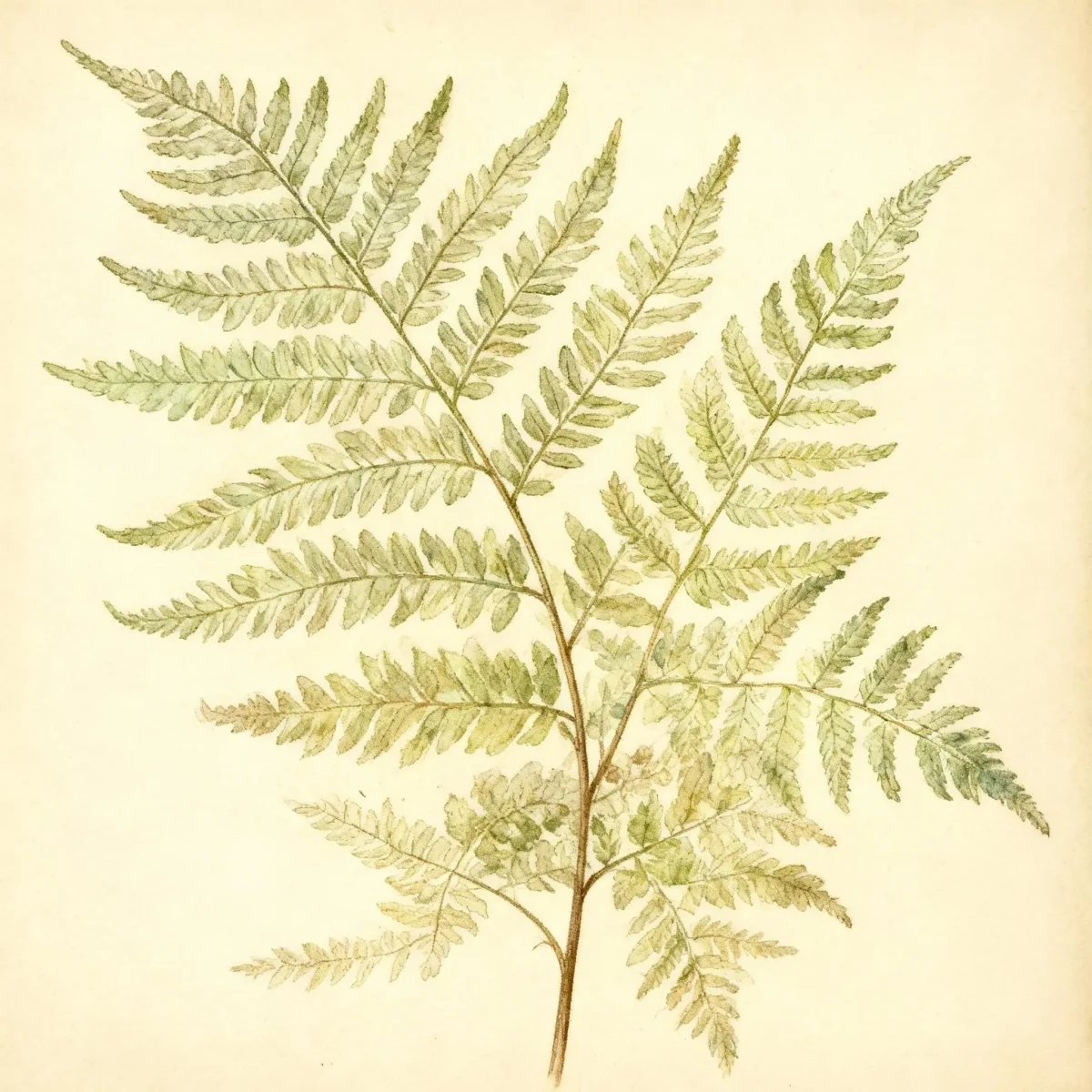
Japanese painted fern (Athyrium niponicum var. pictum 'Ursula's Red')
Athyrium niponicum var. pictum 'Ursula's Red' (Japanese painted fern) offers striking silver/red foliage. Low maintenance fern perfect for medium-moisture, shaded gardens.
Scroll down to discover growing tips, care requirements, companion plants, and more
Complete Plant Information
Overview
The striking foliage of Athyrium niponicum var. pictum ‘Ursula’s Red’ makes it a standout specimen for any shaded garden space. As a cultivar of the popular Japanese painted fern, ‘Ursula’s Red’ elevates the standard silver and green coloration with rich, reddish accents along the frond stems and bases. This rhizomatous, deciduous fern provides essential texture and cool color contrast where light struggles to penetrate.
This variety is prized for its arching habit and consistently attractive appearance throughout the growing season, provided its culture requirements—namely consistent moisture and proper light—are met. Gardeners appreciate the low maintenance level associated with this plant, allowing it to naturally colonize favorable spots via short rhizomes.
For gardeners seeking year-round visual interest in profound shade, the Japanese painted fern offers unmatched aesthetic appeal. Selecting Athyrium niponicum var. pictum ‘Ursula’s Red’ ensures reliable coloration and structure in woodland settings or shaded borders.
Fast Facts
- Plant Family: Athyriaceae
- Plant Type: Fern
- Hardiness Zones: USDA Zones 5-8
- Size at Maturity:
- Height: 1-1.5 ft
- Spread: 1-1.5 ft
- Bloom Time: Non-flowering
- Bloom Description: Non-flowering
- Sun Exposure: Part shade to full shade
- Water Needs: Medium
- Maintenance Level: Low
How to Grow
Planting Athyrium niponicum var. pictum ‘Ursula’s Red’ is best achieved in early spring or fall when temperatures are mild. This fern thrives in humusy, organically rich, and well-drained soil. It must be sited in sheltered locations, ideally receiving morning sun or dappled light, as best frond color displays in light shade.
Consistent moisture is key to maintaining the vigor and color of the Japanese painted fern. The soil must not be allowed to dry out, especially during hot summer periods. While generally low maintenance, supplemental fertilization is rarely needed if the soil is rich in organic matter.
Maintenance involves simple annual cleanup. Divide mature clumps in early spring before new growth begins if you wish to propagate or control spread. The plant naturalizes well by short, branching rhizomes, forming dense colonies in optimal conditions.
Landscape Uses
The primary role of the Japanese painted fern is providing year-round color and texture in low-light areas. The combination of silvery-green leaves accented by the ‘Ursula’s Red’ cultivar’s maroon stems makes it perfect for shaded border fronts where it can contrast against dark green foliage. It performs beautifully in woodland gardens, softening the transition between woodlands and lawns.
Athyrium niponicum var. pictum ‘Ursula’s Red’ is also effective lining shaded streams or the edges of shaded ponds, appreciating the higher ambient humidity these areas provide. Pair this fern with broad-leafed hostas that prefer similar shade for interesting textural variation. Avoid planting in exposed, wind-prone areas where fronds can scorch or break.
Standout Features
Flower Qualities
- Insignificant
Noteworthy Characteristics
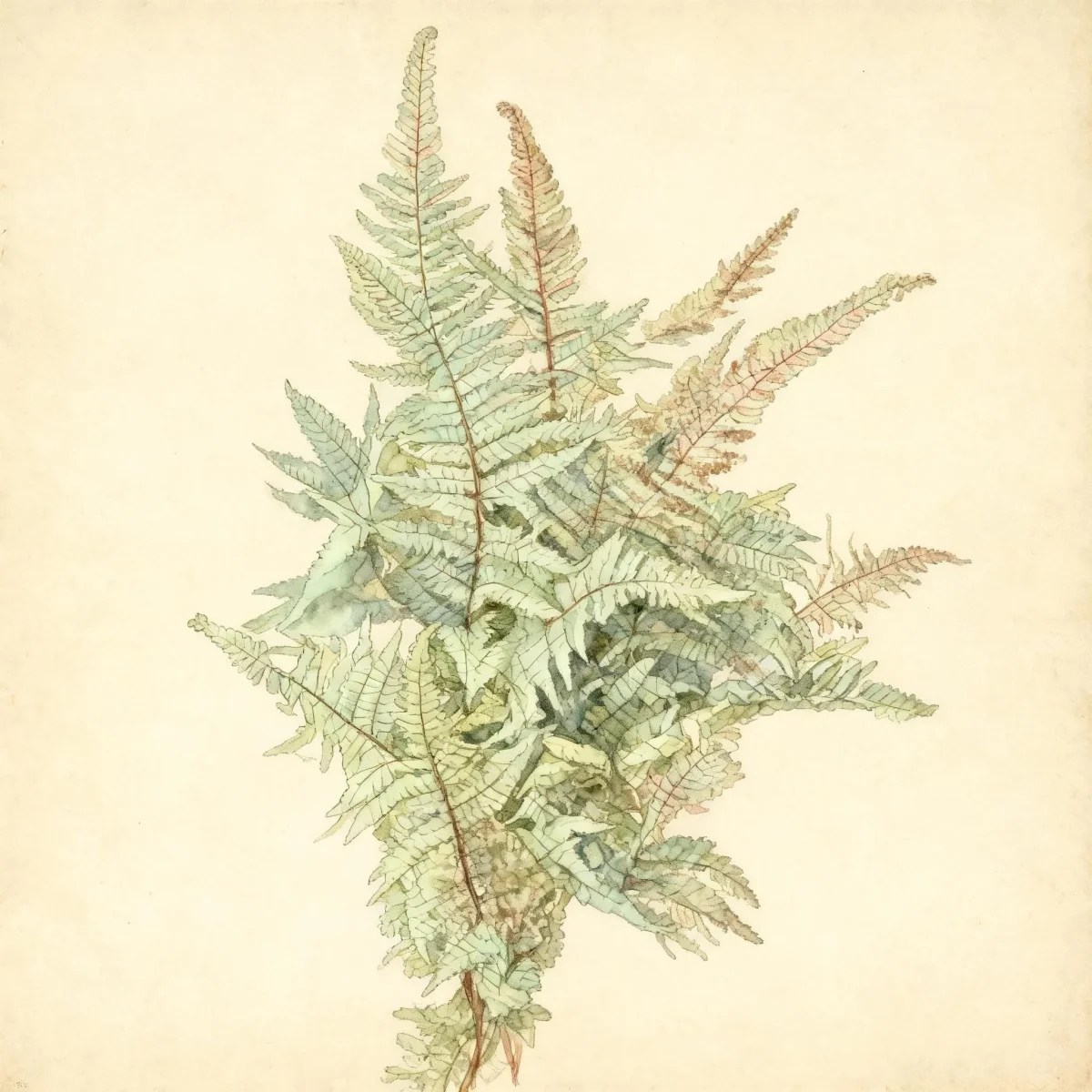
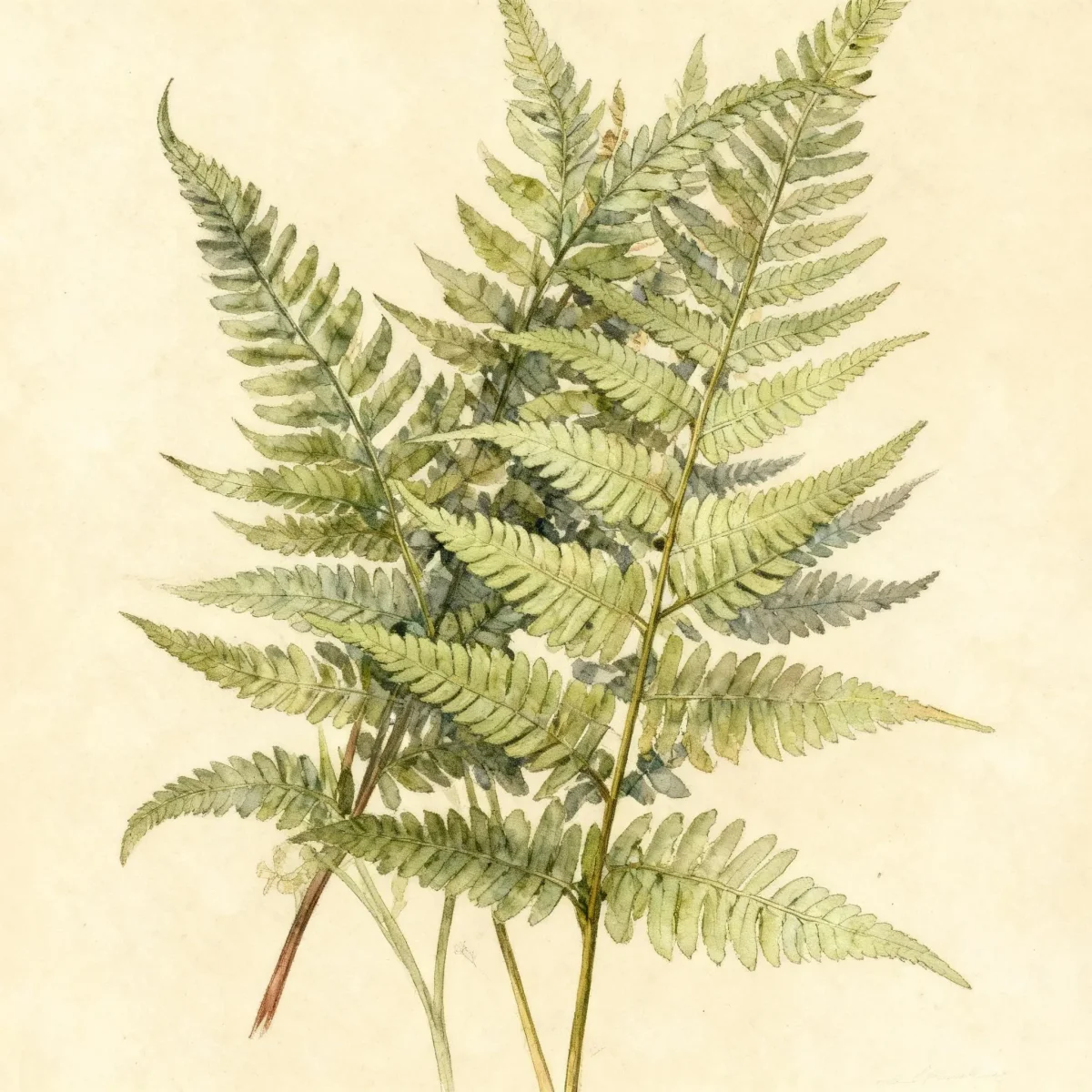
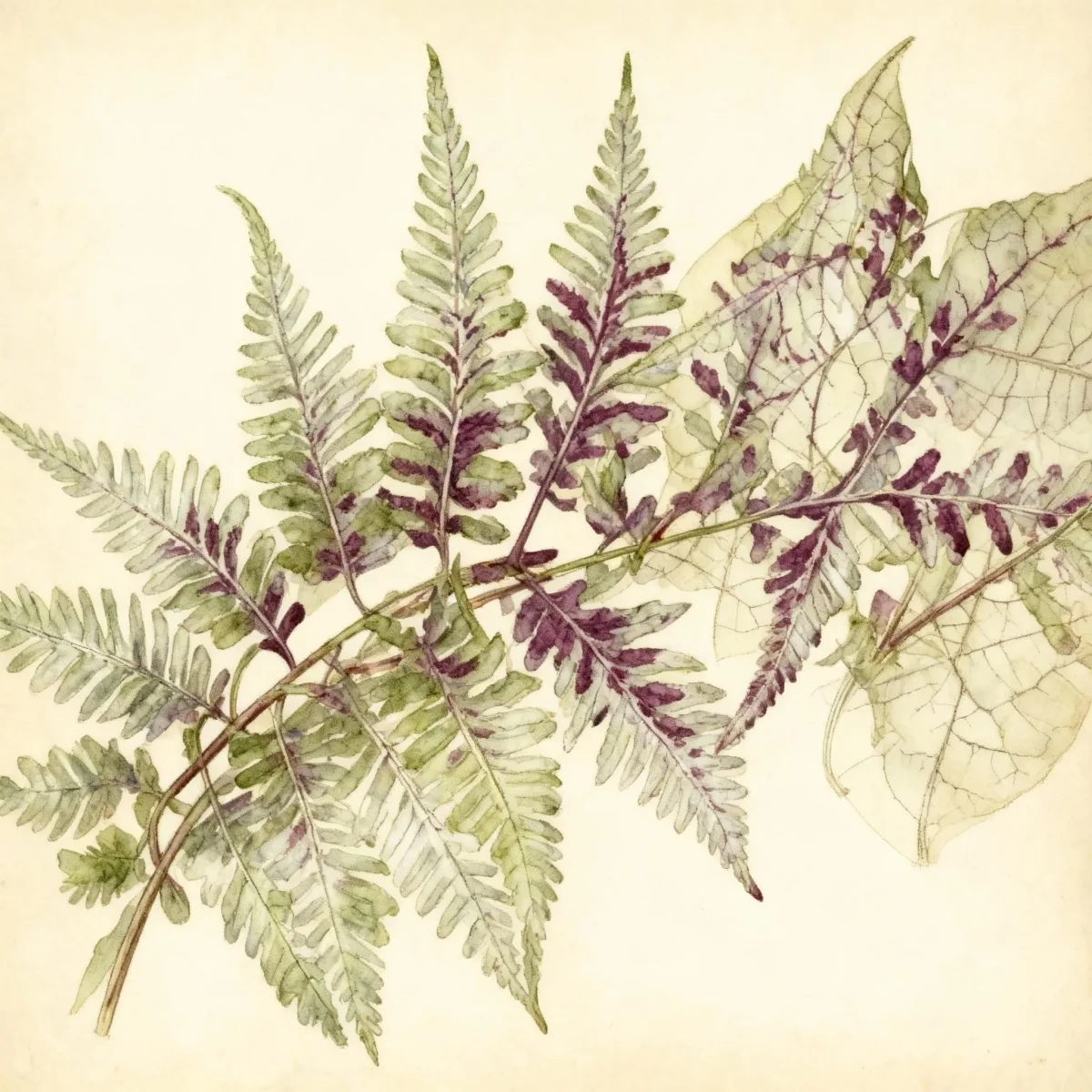
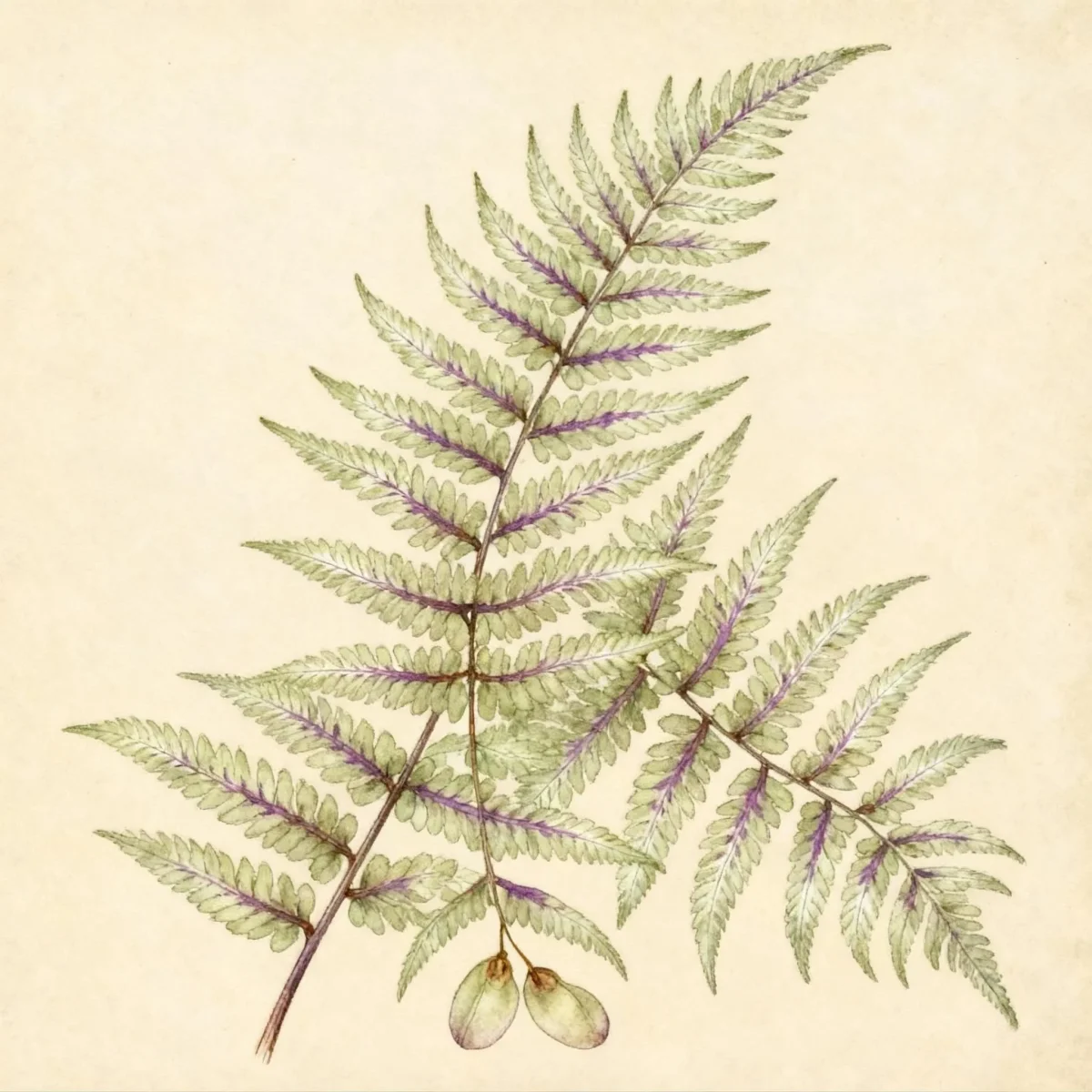
Athyrium niponicum var. Pictum, commonly known as Japanese painted fern, is a rhizomatous, deciduous fern with an arching habit that typically grows to 18” tall. It features a slowly spreading clump of triangular, variegated fronds to 20” long, colored in soft grayish-green with silvery hues accented by contrasting dark maroon midribs. The cultivar ‘Ursula’s Red’ is specifically noted for having central stipes which are reddish, particularly toward the tip, with a red flush appearing on the pinnae nearest the central stem. This cultivar offers gardeners absolute consistency and uniformity in its dramatic, painted foliage.
Tolerances
- Rabbit
- Heavy Shade
Potential Problems
This variety of Japanese painted fern is commendably pest-free and generally resists serious disease issues. The main cultural challenge revolves around moisture management; dry conditions will quickly stress the fronds, causing them to crisp and brown. Ensure consistent deep watering during dry spells, especially when newly established. As noted in its resistances, rabbits tend to avoid this plant, simplifying garden protection efforts.
Frequently Asked Questions
What hardiness zones is Japanese painted fern suitable for?
The Athyrium niponicum var. pictum ‘Ursula’s Red’ is hardy and thrives in USDA Zones 5 through 8.
How large does Japanese painted fern grow?
This fern typically reaches a height between 1 and 1.5 feet, with a comparable spread of 1 to 1.5 feet at maturity.
What sun exposure does Athyrium niponicum var. pictum ‘Ursula’s Red’ need?
This plant requires part shade to full shade conditions to maintain its best coloration and avoid sun scorch.
When does Japanese painted fern bloom?
Athyrium niponicum var. pictum ‘Ursula’s Red’ is a non-flowering plant, valued strictly for its spectacular foliage rather than floral display.
Conclusion
Athyrium niponicum var. pictum ‘Ursula’s Red’ is an exceptional choice for adding year-round, cool-toned architectural interest to dark corners of the landscape. Its low maintenance and tolerance for heavy shade make the Japanese painted fern a gardener’s delight. Before planting, confirm your site provides the medium moisture and rich soil this decorative fern demands to truly flourish.
Companion Planting
When designing a shaded border, consider pairing Athyrium niponicum var. pictum ‘Ursula’s Red’ with plants that offer complementary leaf shapes and textures. Hostas with deep blue or chartreuse foliage create dramatic contrast against the fern’s silvery-maroon fronds. Lungwort (Pulmonaria) also shares similar light, moisture, and soil requirements, often providing early-season blooms that contrast nicely with the fern’s foliage.
Propagation Tips
Propagation for cultivars like Athyrium niponicum var. pictum ‘Ursula’s Red’ is almost always achieved vegetatively to maintain the specific traits of the selected clone. The most practical method for home gardeners is division. Wait until early spring before active growth begins, carefully dig up the entire clump, and gently tease apart the masses of short rhizomes. Ensure each new section has adequate roots and developing fronds before replanting immediately in prepared, moist soil.