Hardy begonia (Begonia grandis)
Discover Begonia grandis, the hardy begonia, thriving in deep shade with attractive foliage and pink blooms from July to October.
Scroll down to discover growing tips, care requirements, companion plants, and more
Complete Plant Information
Overview
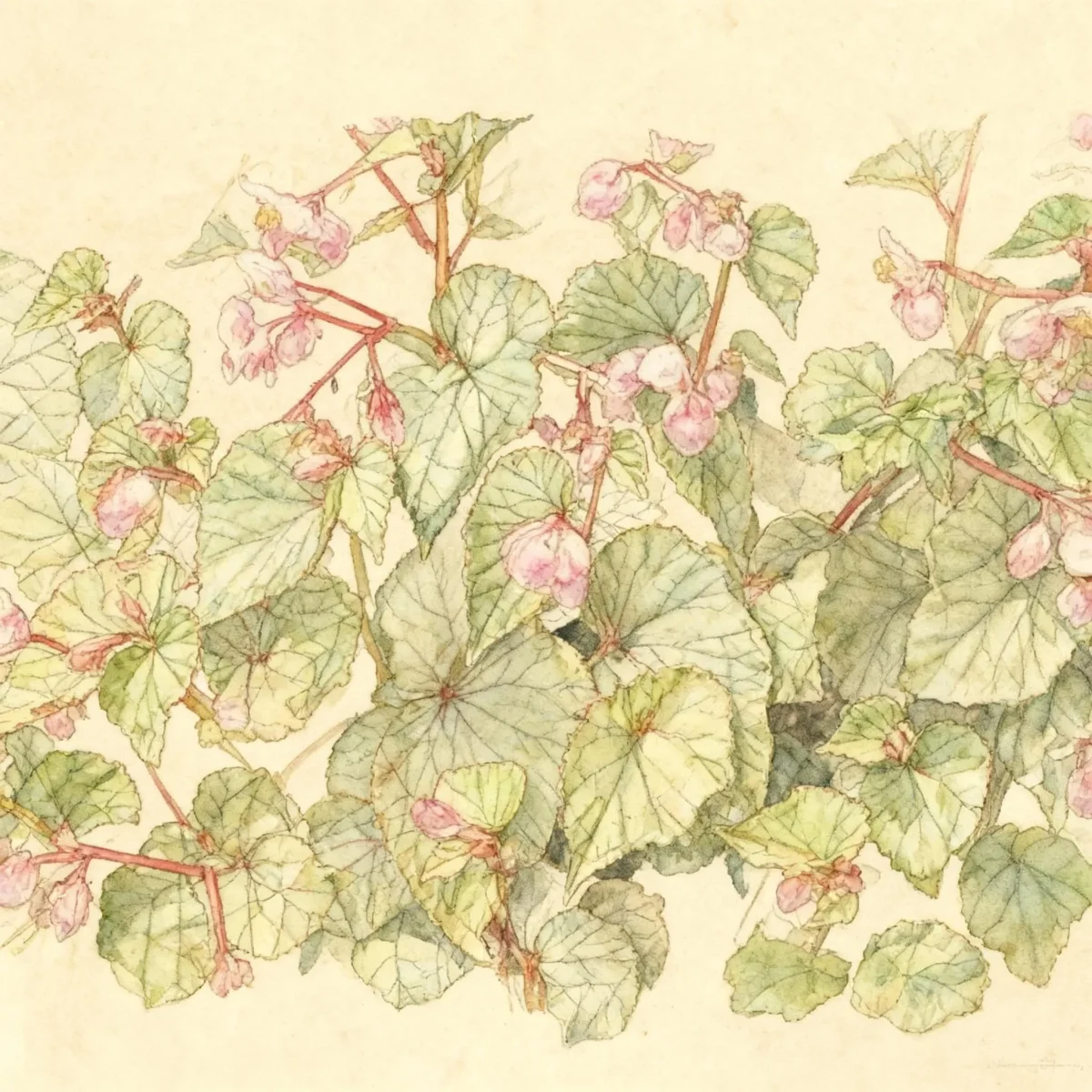
Begonia grandis, widely known as the hardy begonia, holds a unique place in the perennial border as one of the few tuberous begonias reliably surviving winter outdoors in cooler climates. This herbaceous perennial forms an attractive, bushy mound, providing much-needed texture to dark garden corners throughout the growing season. Its appeal lies not only in its tolerance for deep shade but also in the soft, pendant pink flowers that appear reliably late in the summer.
Valued for its ornamental foliage, which features large, heart-shaped leaves, the hardy begonia creates excellent contrast against finer-textured plants often found in shaded settings. It is a clump-forming plant that spreads gently, often self-propagating through tiny bulblets formed in autumn, ensuring its presence year after year when conditions are right.
Gardeners seeking reliable late-season color in challenging spots will find Begonia grandis indispensable. It offers dependable performance where many summer bloomers fail, transforming deep partial shade into a vibrant, lush escape until the first hard frost.
Fast Facts
- Plant Family: Begoniaceae
- Plant Type: Herbaceous perennial
- Native Range: Southern China
- Hardiness Zones: USDA Zones 6-7
- Size at Maturity:
- Height: 1.5-2 ft
- Spread: 1.5-2 ft
- Bloom Time: July to October
- Bloom Description: Pink
- Sun Exposure: Part shade to full shade
- Water Needs: Medium to wet
- Maintenance Level: Medium
How to Grow
The ideal location for Begonia grandis is one offering part shade to full shade, mimicking its native woodland habitat. Plant in spring after the danger of frost has passed into moist, organically rich, well-drained soils. Rich organic matter is crucial as these plants require consistently moist soil and should never be allowed to dry out completely, especially during peak summer heat.
Cultivation requires a medium level of attention, primarily focused on consistent moisture management. During the growing season, maintain even moisture levels, delivering water when the top inch of soil feels slightly dry. While heavy fertilization isn’t usually necessary if planted in rich soil, a spring application of compost helps ensure deep color.
In regions near the colder edge of its hardiness range, such as St. Louis, applying a heavy winter mulch after the foliage dies back is highly advisable to ensure winter survival. Be patient in spring; new season growth for the hardy begonia is usually late to appear. Deadheading spent flowers can help extend the active blooming period into early fall. One fascinating aspect of Begonia grandis is its natural propagation method: tiny bulblets form in the leaf axils in autumn, dropping readily to the ground to create new plants the following year.
Landscape Uses
The recommended uses for Begonia grandis revolve around leveraging its tolerance for deep shade and its excellent late-summer flowering display. This makes it a natural choice for naturalizing under large canopy trees or within the dappled light of a woodland garden setting. It serves as a superb structural anchor that fills in delightfully as other spring bloomers fade.
This plant mixes exceptionally well with other shade-loving mainstays like hostas and various native ferns, complementing their varied textures with its larger, softer leaves. Consider using the hardy begonia in shaded borders or edging woodland paths where their vibrant green and pink accents can be easily appreciated. The slightly cascading nature of the bloom clusters also works well near the edges of shaded water features.
Standout Features
Flower Qualities
- Showy
Noteworthy Characteristics
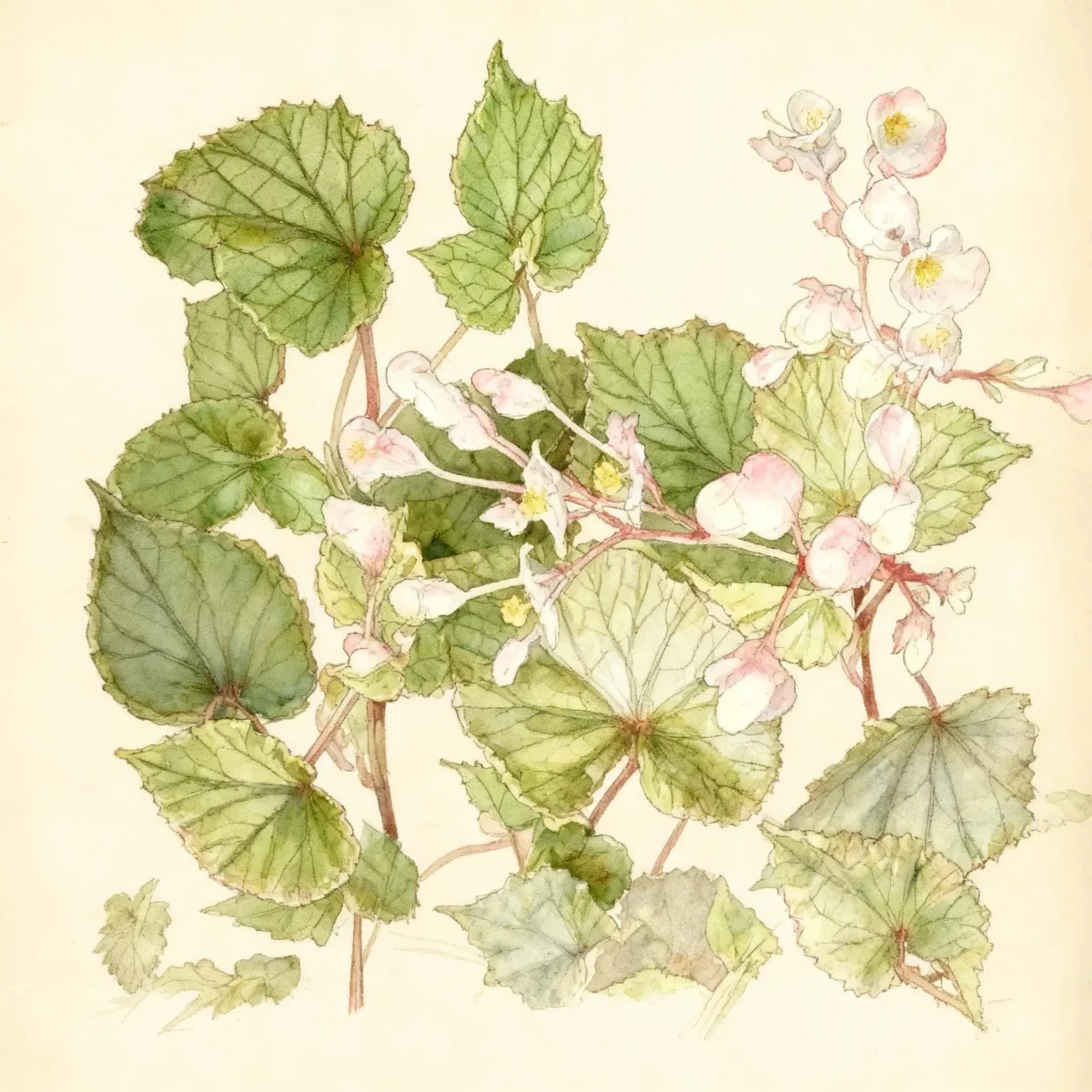
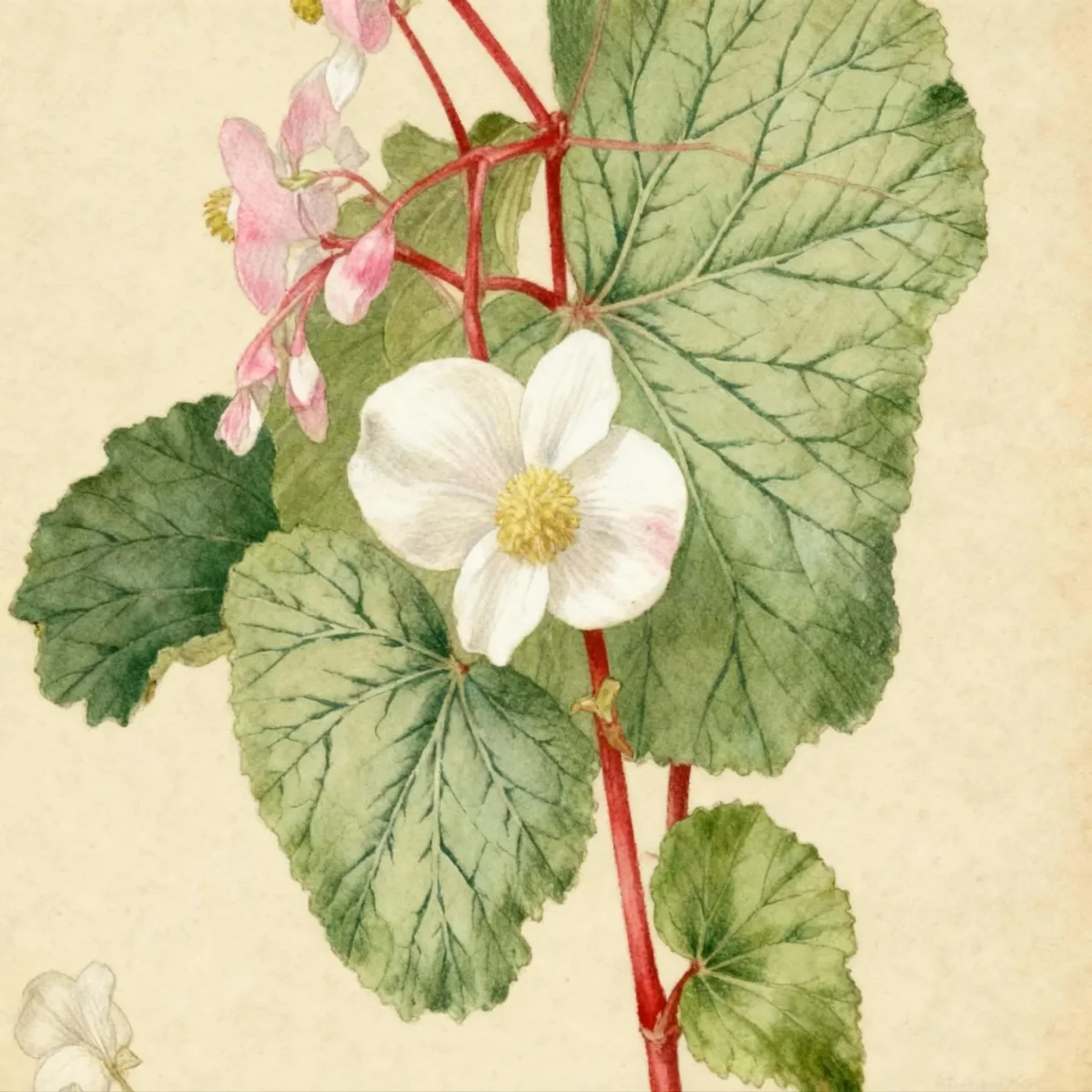
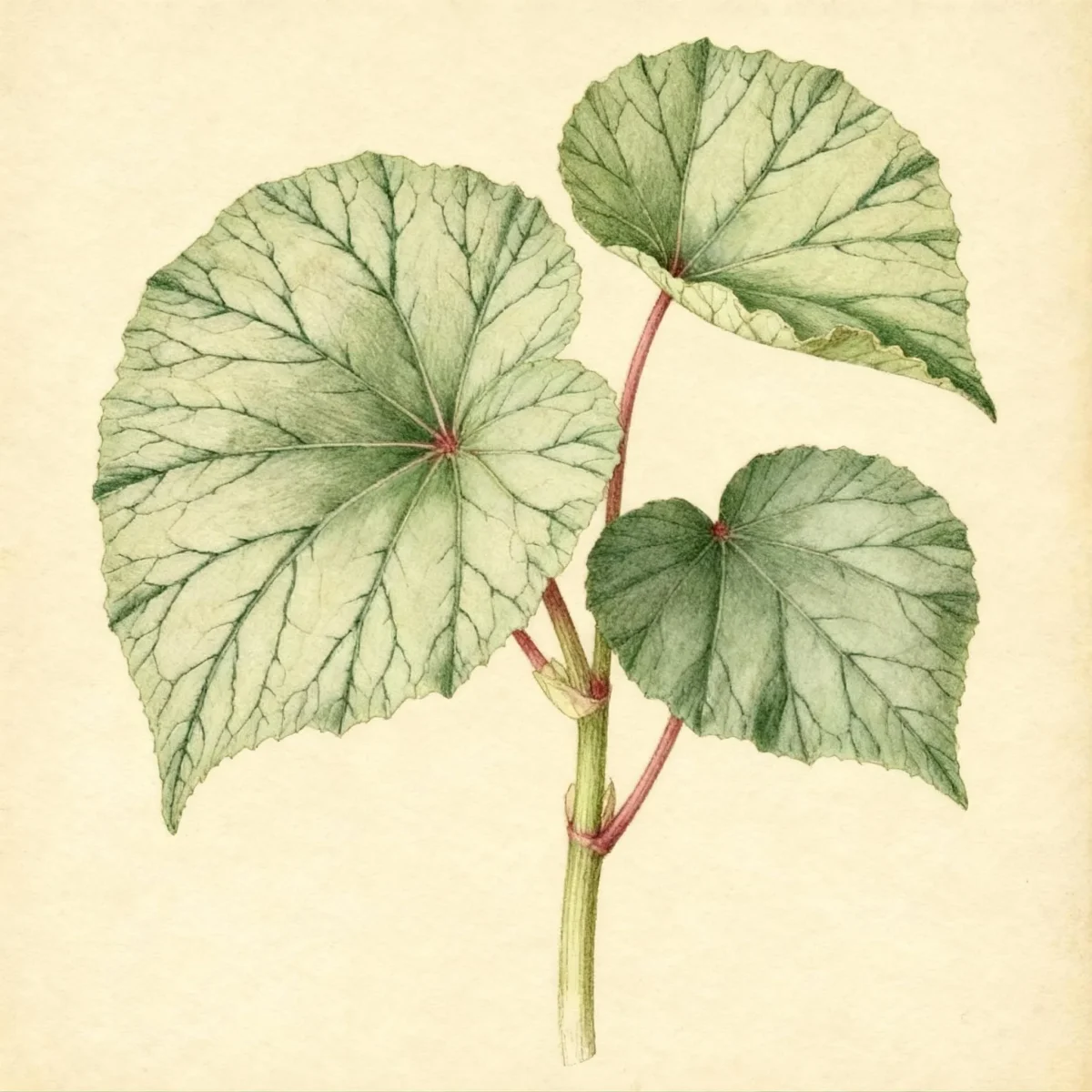
Begonia grandis, commonly called hardy begonia, is the only species of Begonia that is winter hardy to the St. Louis area. It is a monoecious, tuberous-rooted, clump-forming perennial that typically forms a bushy mound of foliage to 2’ tall on branching stems. Large, obliquely ovate leaves (to 4” long) with cordate bases are medium to olive green above and reddish green with red veining beneath. Male and female pale pink flowers (to 1” across) bloom in pendent clusters (dichotomous cymes) from July to early fall.
Tolerances
- Heavy Shade
- Black Walnut
Potential Problems
The hardy begonia exhibits a strong pest and disease resistance profile, meaning gardeners rarely face serious issues with insects or pathogens affecting Begonia grandis. The most significant documented concern is winter hardiness, particularly in marginal zones. Ensuring plants receive a heavy layer of insulation mulch after leaf drop in areas facing colder winters is the primary preventative measure against winter loss.
Frequently Asked Questions
What hardiness zones is Hardy begonia suitable for?
The hardy begonia is generally suited for USDA Zones 6 through 7, providing dependable perennial performance within this range.
How large does Begonia grandis grow?
This species typically establishes a bushy mound, reaching heights between 1.5 and 2 feet tall, with a comparable spread of 1.5 to 2 feet.
What sun exposure does Begonia grandis need?
This shade-loving perennial thrives best in locations receiving part shade to full shade, requiring protection from intense afternoon sun.
When does the hardy begonia bloom?
The long bloom period for Begonia grandis extends from July well into October, showcasing attractive pink flowers.
Conclusion
The Hardy begonia (Begonia grandis) offers an unparalleled combination of textural foliage and reliable late-season pink blooms, making it a cornerstone plant for any shaded garden area. Its ability to naturalize and self-propagate adds ongoing value with minimal effort once established. Before planting, confirm that your garden falls within USDA Zones 6-7 and be sure to prepare rich, consistently moist soil for this exceptional shade performer.
Companion Planting
When establishing a woodland or shade garden featuring Begonia grandis, selecting companions that share moisture and light requirements ensures a cohesive tapestry of texture. Hostas are ideal partners, offering broad, often variegated leaves that contrast beautifully with the heart-shaped foliage of the hardy begonia. Consider using Japanese forest grass (Hakonechloa macra) as a fine-textured groundcover beneath the taller clumps of Begonia grandis to further enhance the layering effect common in woodland designs.
Propagation Tips
While Begonia grandis naturally self-propagates by dropping small aerial bulblets in the fall, gardeners can actively increase their stock through several simple methods. The most straightforward method involves carefully harvesting these bulblets directly from the leaf axils in autumn before they drop, then pressing them lightly into moist potting mix and keeping them protected over winter for spring planting. Additionally, plants may self-seed, though germination from seed requires more attentive horticultural effort than utilizing the readily available bulblets.