Winter begonia (Bergenia ciliata)
Bergenia ciliata (Winter begonia) is a low-maintenance perennial valued for its large, hairy, evergreen foliage and early spring pink blooms.
Scroll down to discover growing tips, care requirements, companion plants, and more
Complete Plant Information
Overview
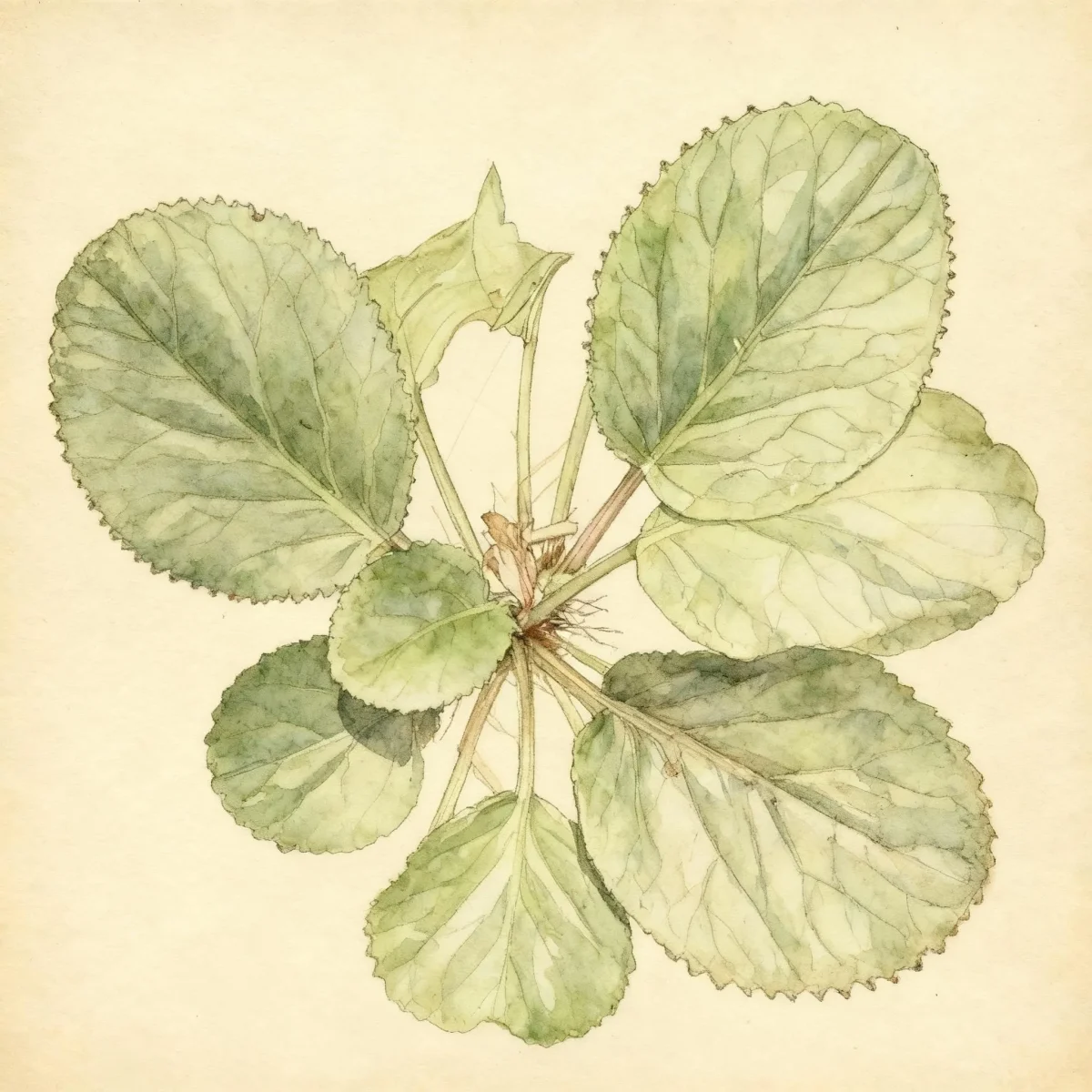
Bergenia ciliata, easily recognized as the Winter begonia, provides essential structure and texture in shady garden spaces. Unlike many shade-loving perennials, this species maintains a distinctive clump of large, leathery, oblong leaves, often developing attractive bronze winter color in colder zones. Its ability to thrive in low light conditions makes the Winter begonia a reliable backbone plant throughout the year.
The plant is characterized by its slow-spreading rhizomes, forming dense, slowly expanding mounds ideal for ground coverage. Early in the season (March to April), Bergenia ciliata offers a crucial burst of color when few other things are flowering, displaying clusters of pale pink blooms set against rose-pink calyces.
Gardeners appreciate Bergenia ciliata for its robust nature and minimal demands once established. It is a remarkably low-maintenance choice, offering visual interest through its impressive foliage as much as its spring flowers, securing its place as an outstanding perennial for difficult, shaded environments.
Fast Facts
- Plant Family: Saxifragaceae
- Plant Type: Herbaceous perennial
- Native Range: Southern Kashmir to southwestern Nepal
- Hardiness Zones: USDA Zones 5-8
- Size at Maturity:
- Height: 0.75-1 ft
- Spread: 1-2 ft
- Bloom Time: March to April
- Bloom Description: Pink flowers with rose-pink calyces
- Sun Exposure: Part shade to full shade
- Water Needs: Medium
- Maintenance Level: Low
How to Grow
For optimal growth, plant Bergenia ciliata in the spring or fall, allowing it time to establish before extreme weather hits. This perennial thrives in organically rich, consistently moist, well-drained soils. Ensure the site receives part shade; in cooler summer climates, it handles deep shade well, but hot climates benefit from more afternoon shade to prevent leaf scorch.
Watering requirements are medium; the soil should not be allowed to completely dry out, though established plants tolerate brief dry spells better than newly planted specimens. Fertilization is rarely necessary if the soil is rich to begin with, as this plant prefers consistent moisture over heavy feeding.
The maintenance level for Bergenia ciliata is low. Promptly remove spent flowering stems after blooming to tidy the appearance, though this is not strictly required for plant health. In colder regions (Zones 5-7), deciduous foliage emerges bronzed and battered after harsh freezes; a winter mulch can help protect roots where snow cover is unreliable. Propagation is easily achieved through division of the rhizomes in the spring or fall.
Landscape Uses
The deep green, substantial foliage of the Winter begonia makes it an outstanding large-leaved ground cover, perfectly suited for covering shady slopes or bridging gaps beneath tree canopies where turf struggles. Its dense habit makes it excellent for defining the front of borders or edging pathways, providing a neat, year-round visual anchor.
Because its blooms appear early, placing Bergenia ciliata where it receives early morning light allows gardeners to fully appreciate the pink flowers before heavy overhead leaf-out occurs. Consider pairing the coarse texture of the Bergenia leaves with finer-textured perennials like ferns or Hosta varieties that share similar shade requirements for dynamic contrast. The thick foliage is also durable enough to be utilized in floral arrangements.
Standout Features
Flower Qualities
- Showy
Noteworthy Characteristics
Bergenia ciliata, commonly called fringed bergenia, hairy leaf bergenia or winter begonia, is a large-leaved, slow-growing, clump-forming perennial that typically grows to 12” tall and spreads to 24” wide. It is native to woodland areas, shady rock ledges and alpine meadows in temperate areas of the Himalayas. Open rosettes of thick, leathery, finely-toothed, wavy-edged, broad obovate to rounded green leaves form dense clumps, with the leaf margins being toothed and fringed. Pale pink flowers with rose-pink calyces bloom in early to mid spring in clusters atop stout stalks rising slightly above the foliage. The common name “Pig squeak” results from the noise made when the foliage is rubbed between one’s fingers.
Tolerances
- Rabbit
Potential Problems
This plant generally avoids serious insect or disease problems, which contributes to its low maintenance rating. The most frequent cultivation issue noted is leaf spot, which is best managed by ensuring good air circulation and avoiding overhead watering during humid periods. Pests that might occasionally appear include slugs and snails, particularly when the foliage is young. Greenhouse thrips, aphids, mealybugs, and weevils are less common but can be treated symptomatically using horticultural soap or targeted controls if infestations become severe.
Frequently Asked Questions
What hardiness zones is Winter begonia suitable for?
Bergenia ciliata is hardy and easily grown in USDA Zones 5 through 8.
How large does Bergenia ciliata grow?
At maturity, this perennial typically reaches heights between 0.75 and 1 foot tall, spreading out to cover an area 1 to 2 feet wide slowly via rhizomes.
When does Winter begonia bloom?
The Winter begonia blooms fairly early, typically from March through April, providing pink flowers with rose-pink calyces.
What sun exposure does Bergenia ciliata need?
It prefers part shade to full shade. While it tolerates deep shade, the foliage displays best when it receives some dappled sunlight.
Conclusion
The Winter begonia (Bergenia ciliata) is an invaluable, low-effort perennial known for its substantial, hairy foliage and reliable early spring color. Its adaptability to shade and low water needs makes planning for Bergenia ciliata an easy win for adding year-round texture to shaded landscapes. Before planting, confirm your location falls within USDA Zones 5-8 and prepare rich, consistently moist soil for the best performance.
Companion Planting
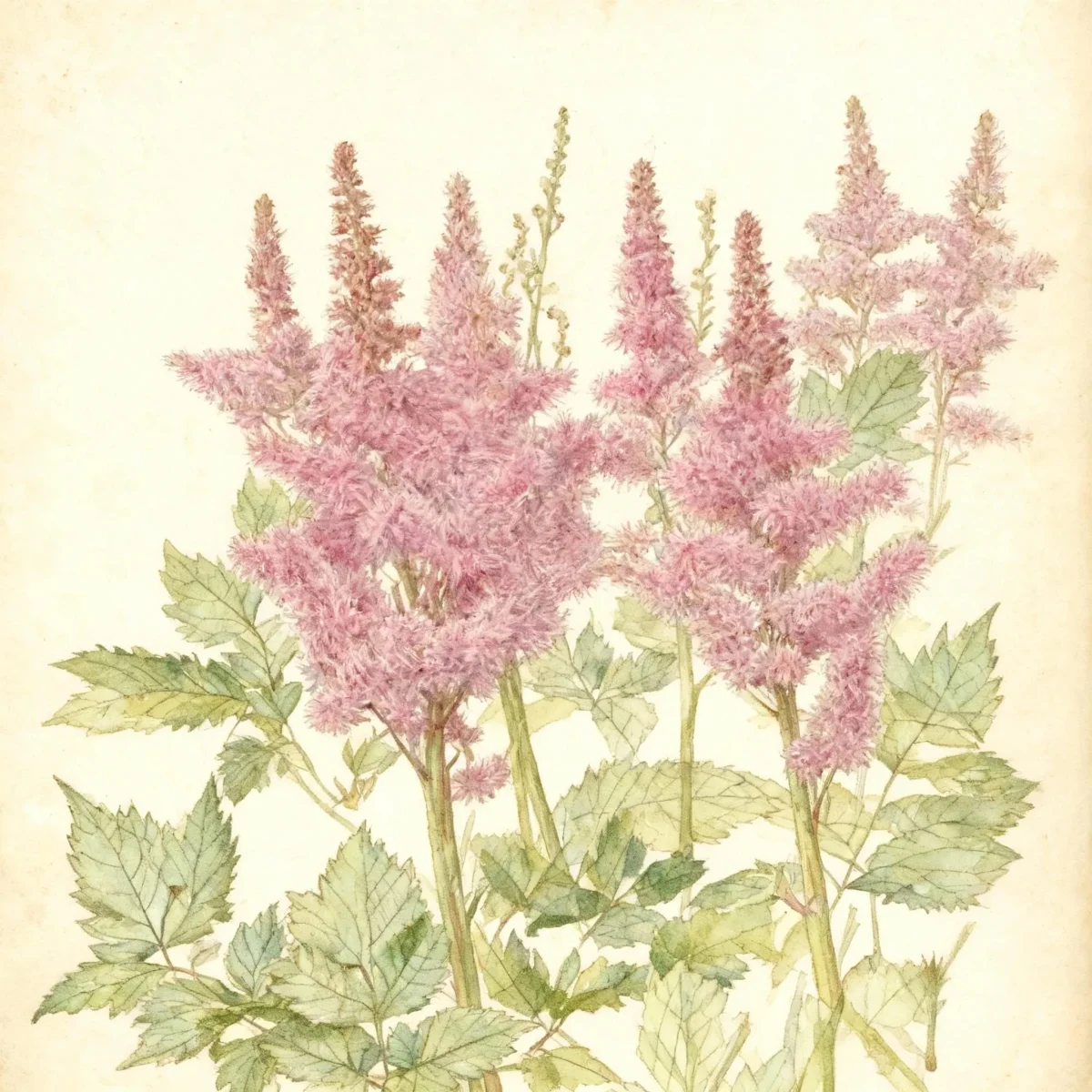
When designing shaded borders, select companions that complement the coarse texture of Bergenia ciliata. Hostas make excellent partners, as their varied leaf shapes and colors provide a pleasing contrast to the leathery leaves of the Winter begonia. Astilbes, which also thrive in moist, shady conditions, offer feathery summer plumes that contrast beautifully with the static structure provided by the Bergenia. For ground cover beneath the canopy provided by larger shrubs or smaller trees, the slow spread of Bergenia ciliata integrates well with creeping Jenny or spring bulbs that die back before the Bergenia fully dominates the space.
Seasonal Care Calendar
Spring cleanup involves promptly removing spent flower stalks after the March to April bloom period concludes to maintain a tidy appearance. This is also the ideal time to check on winter growth; if foliage appears battered from cold weather (especially in the northern range of Zone 5), trim away heavily damaged leaves. Summer care focuses on moisture consistency; while established plants tolerate drought, maintaining even moisture during hot spells prevents the leaves from looking limp or stressed. In fall, particularly for plants in Zone 5 or areas lacking consistent snow cover, applying a light layer of mulch around the crown can help insulate the roots against extreme temperature fluctuations typical of northern winters.