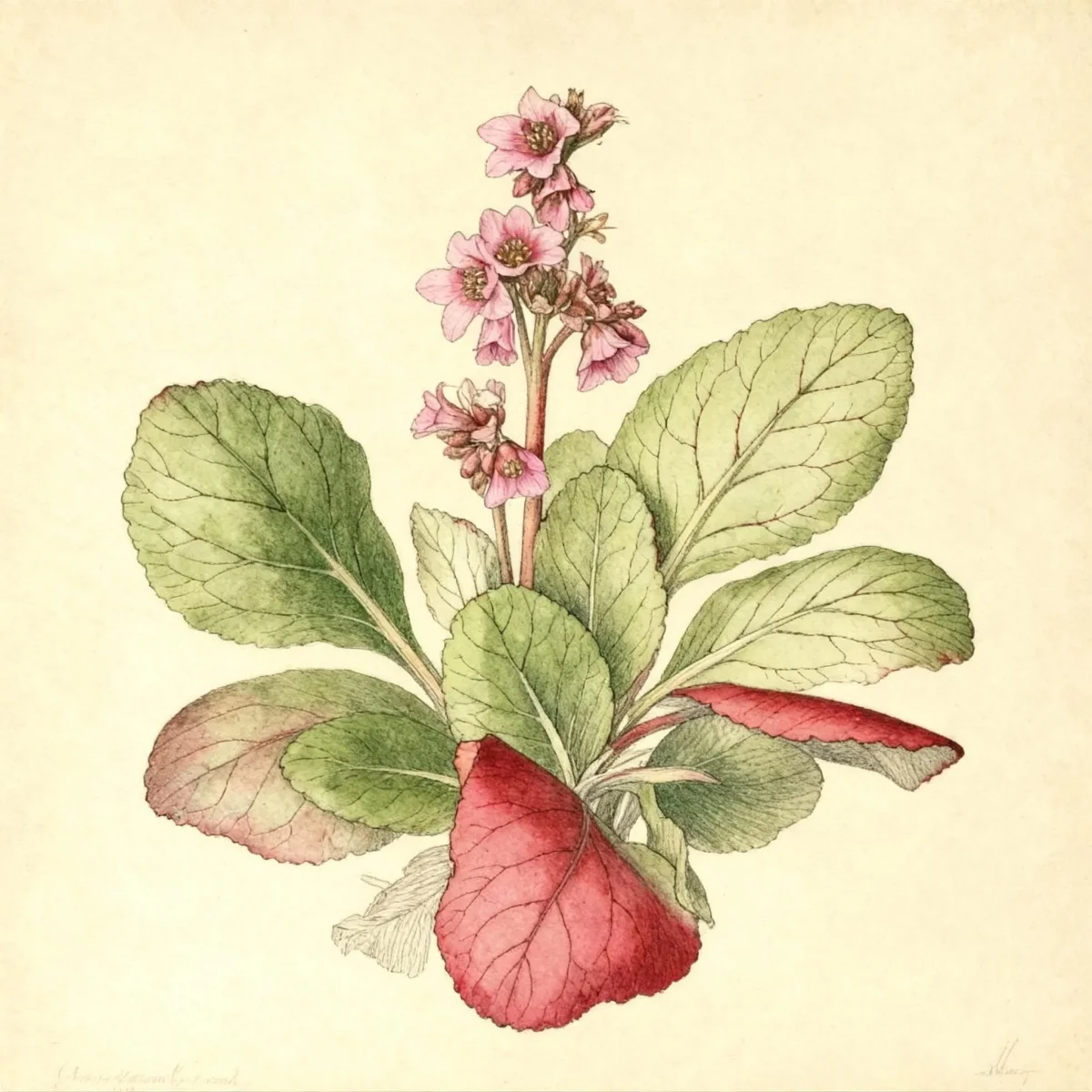
Pigsqueak (Bergenia cordifolia)
Bergenia cordifolia, or Pigsqueak, is a tough, low-maintenance perennial offering glossy winter foliage and showy deep pink blooms in spring.
Scroll down to discover growing tips, care requirements, companion plants, and more
Complete Plant Information
Overview
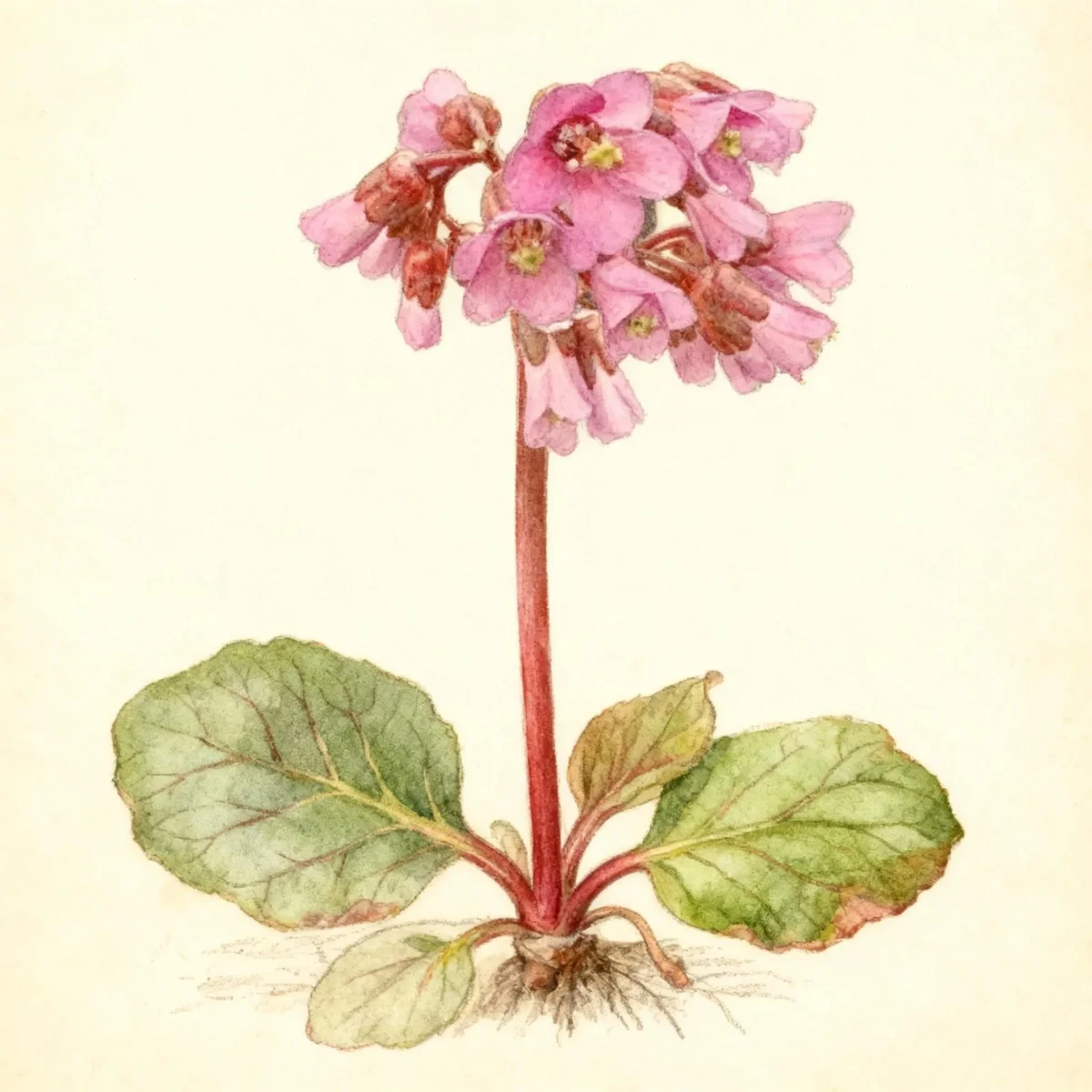
Bergenia cordifolia, widely known by its common name Pigsqueak, stands out in the garden for its robust, leathery foliage that offers year-round visual interest. This clump-forming perennial is prized for its evergreen basal rosettes, which often take on attractive purplish-bronze tones during cold weather. Its resilience makes Bergenia cordifolia a highly valued, low-effort addition to challenging garden spaces.
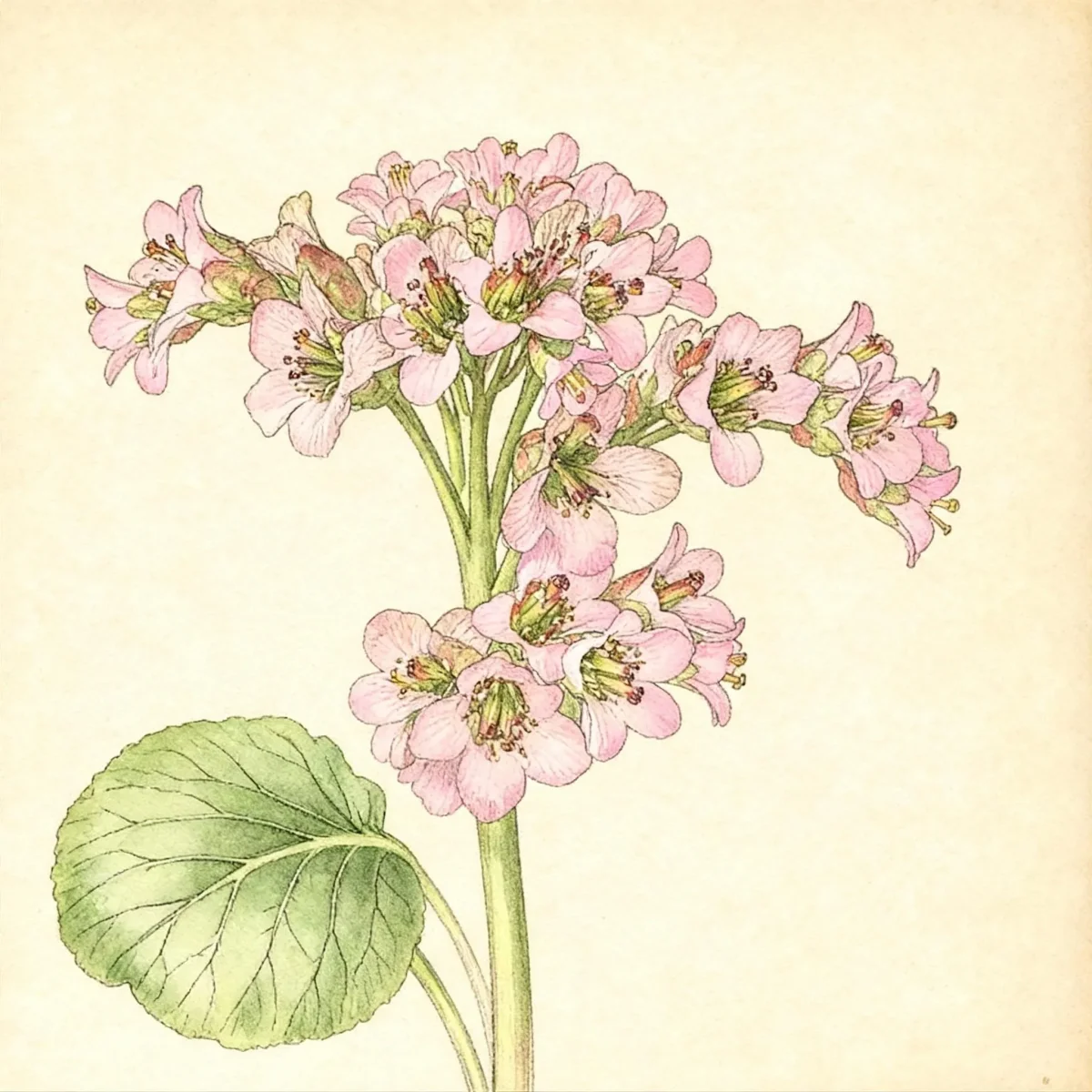
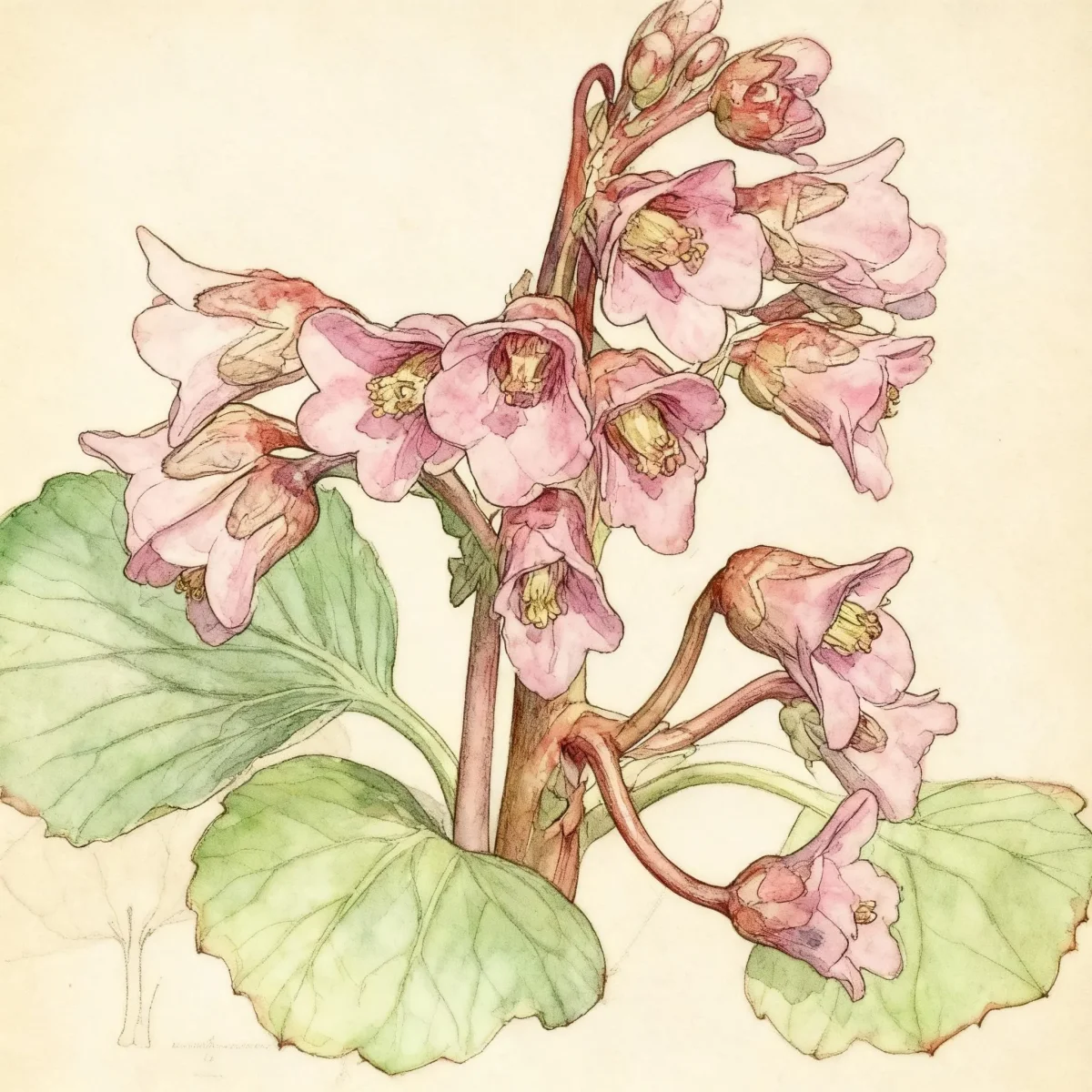
When spring arrives, this plant presents dense panicles of cheerful, deep pink flowers held above the foliage, creating a vibrant display typically occurring from April through May. Functionally, Pigsqueak excels as a dependable ground cover, slowly spreading via rhizomes to create a thick carpet that suppresses weeds. This Siberian saxifrage is an excellent choice for gardeners seeking structure and color without intense cultural demands.
The plant’s hardiness spans USDA Zones 3 to 8, allowing it to establish well across a wide climatic range. Whether used for its textural leaves or its early spring flowers, Bergenia cordifolia proves to be an exceptionally adaptable and attractive herbaceous perennial suitable for shady borders and naturalized areas.
Fast Facts
- Plant Family: Saxifragaceae
- Plant Type: Herbaceous perennial
- Native Range: Russia
- Hardiness Zones: USDA Zones 3-8
- Size at Maturity:
- Height: 1-1.5 ft
- Spread: 1-1.5 ft
- Bloom Time: April to May
- Bloom Description: Deep pink
- Sun Exposure: Part shade to full shade
- Water Needs: Medium
- Maintenance Level: Low
How to Grow
Plant Pigsqueak in average, medium, well-drained soil. While tolerant of a wide range of soil conditions, Bergenia cordifolia thrives best when situated in moist, humus-rich locations. The ideal setting is part shade to full shade, protecting the thicker foliage from intense summer sun which can cause scorch.
Water requirements are medium; maintain consistent moisture, especially when establishing new clumps. Fertilizing is rarely necessary due to the plant’s modest nutritional needs. A key maintenance task involves tidying in the late winter or early spring by removing any foliage that has been damaged or blackened by severe cold, particularly in northern climates where leaves may suffer winter burn.
Deadheading spent flowering stems promptly encourages a tidier appearance throughout the season. If desired, Bergenia cordifolia is easily propagated from seed, though it also spreads slowly via its underground rhizomes, helping it naturalize effectively over time.
Landscape Uses
Bergenia cordifolia offers superb utility in landscapes dominated by trees or structures that cast significant shadow. It works perfectly as a durable ground cover for woodland gardens where constant sunshine is unavailable. Its uniform height and texture make it ideal for edging paths and walkways, providing a crisp, green (or bronze in winter) border.
Place Pigsqueak along the fronts of shaded borders where its bold foliage can contrast nicely with finer-textured shade perennials. Because the leaves are substantial and hold up well, they are also suitable for use in contemporary rock gardens, adding year-round mass. Furthermore, cut stems of the deep pink blooms are frequently used in fresh floral arrangements.
Standout Features
Flower Qualities
- Showy
- Good Cut
Noteworthy Characteristics
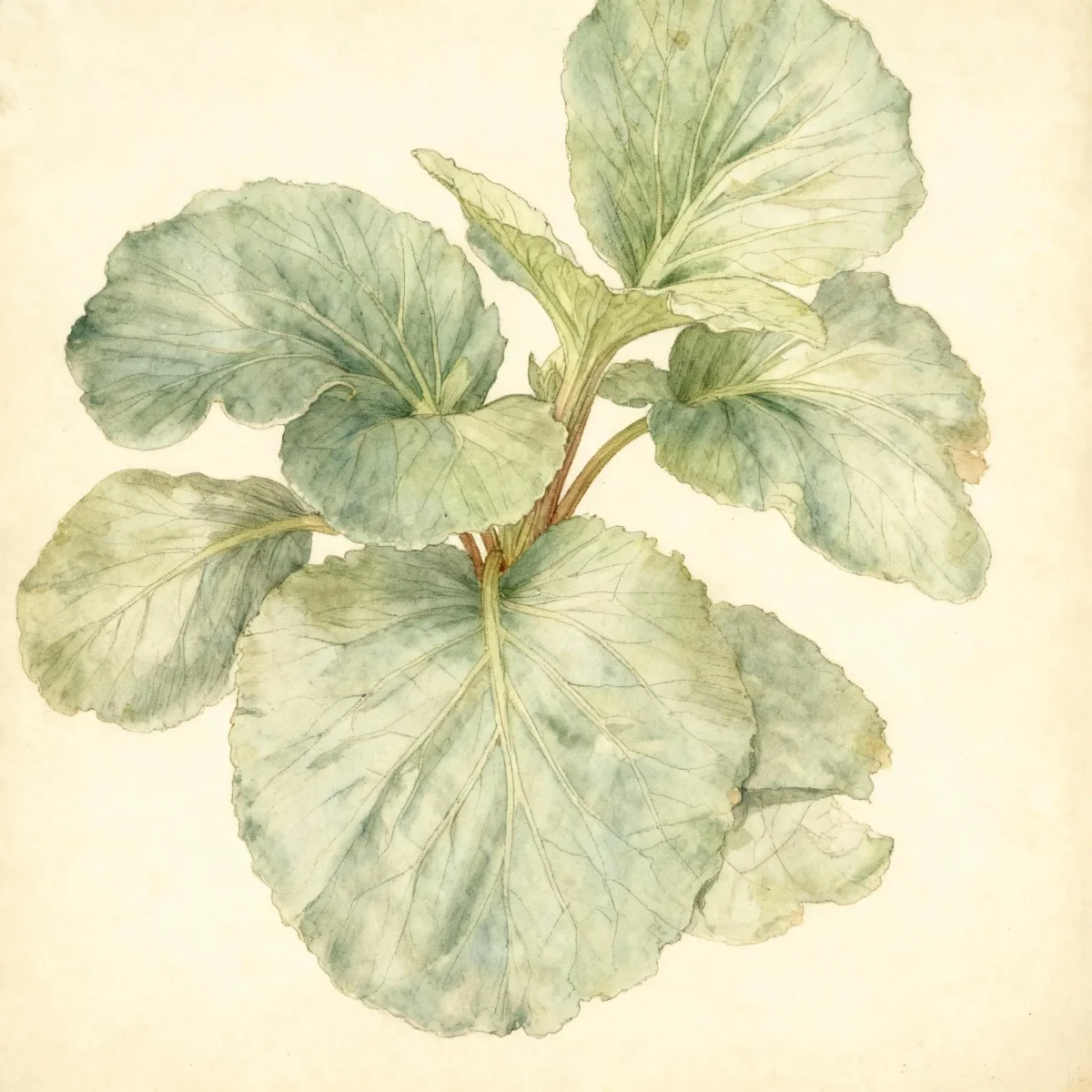
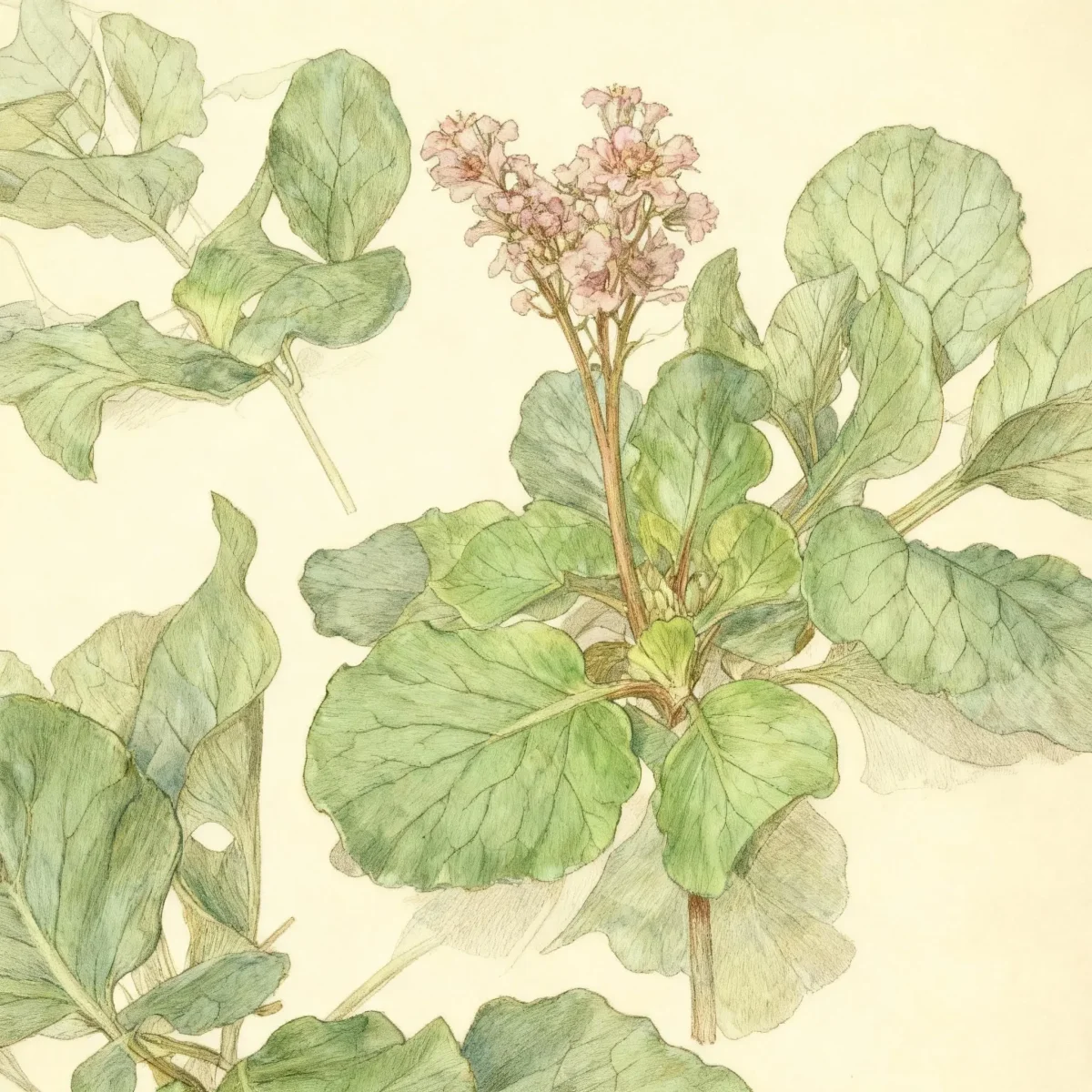
Bergenia cordifolia, commonly called pigsqueak, is a clump-forming perennial which is primarily grown as a ground cover. It features large rosettes of leathery, glossy, toothed, rounded, dark green leaves that are heart-shaped at the base. Small dark pink flowers appear in dense panicles in spring, and the foliage often turns a rich purplish-bronze for winter drama.
Tolerances
- Rabbit
- Deer
- Heavy Shade
- Erosion
Potential Problems
No serious insect or disease problems are typically associated with growing Bergenia cordifolia. Rabbits and deer tend to avoid this plant, making it a reliable choice for areas where browsing pressure is high. The primary issue encountered is winter damage to the foliage in colder regions; ensure old, damaged leaves are pruned away in early spring to promote fresh seasonal growth.
Frequently Asked Questions
What hardiness zones is Pigsqueak suitable for?
Bergenia cordifolia thrives in USDA Hardiness Zones 3 through 8, demonstrating excellent cold tolerance.
How large does Pigsqueak grow?
This plant typically reaches a mature height between 1 and 1.5 feet tall, with an equal spread of 1 to 1.5 feet, forming a dense clump.
When does Bergenia cordifolia bloom?
The showy blooms appear in the early season, generally blooming from April to May, presenting a deep pink coloration.
What sun exposure does Bergenia cordifolia need?
This perennial prefers part shade to full shade conditions, adapting well to areas where sun exposure is limited.
Conclusion
For reliable year-round texture and early spring color, few plants rival the dependability of Bergenia cordifolia. Its low maintenance needs and impressive tolerance for shade and erosion make Pigsqueak an essential component of the shade garden scheme. Assess your garden’s zones and light conditions, then integrate this tough perennial to enjoy its handsome foliage throughout four seasons.
Companion Planting
When selecting companions for Bergenia cordifolia, focus on other shade-loving plants that appreciate consistent moisture. Hostas planted nearby can offer contrasting leaf textures—fine vs. bold—while ferns provide an airy, delicate backdrop to the stiff leaves of Pigsqueak. Consider planting spring bulbs like snowdrops or early daffodils slightly above the Bergenia mounds; the bulbs will emerge and bloom before the Bergenia flowers fully open, providing sequential color in early spring.
Seasonal Care Calendar
During late winter or early spring, perform necessary clean-up by removing any unsightly foliage that has browned or damaged during the winter months. This pruning step is vital for allowing the flowering stalks of the Bergenia cordifolia to emerge cleanly. Once the deep pink flowers fade in late spring, promptly remove the spent flower heads (deadheading) to maintain the plant’s tidy appearance before the summer heat sets in. In autumn, no special winter preparation is required in zones 3-8, as the plant forms its protective bronze winter coloring naturally.