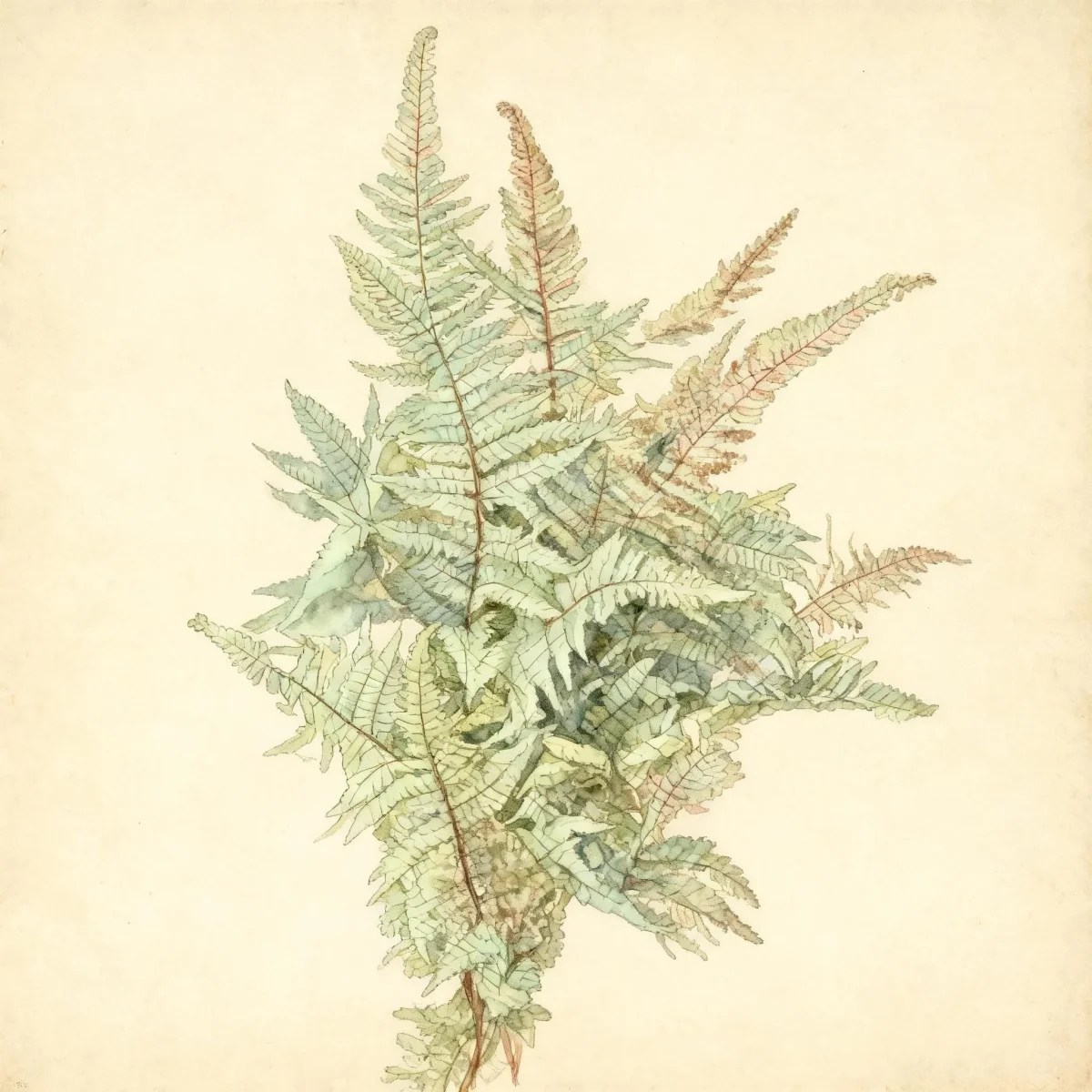
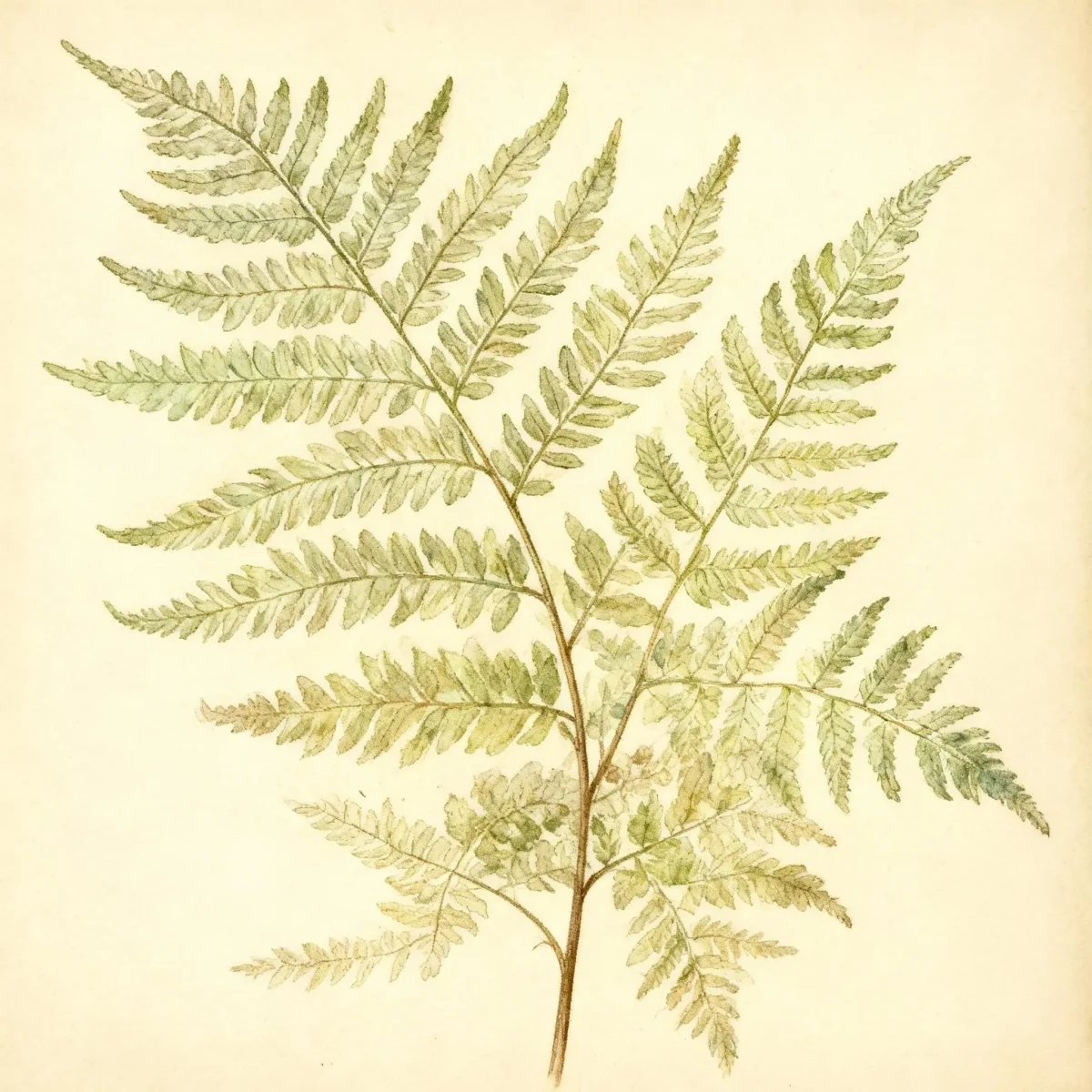
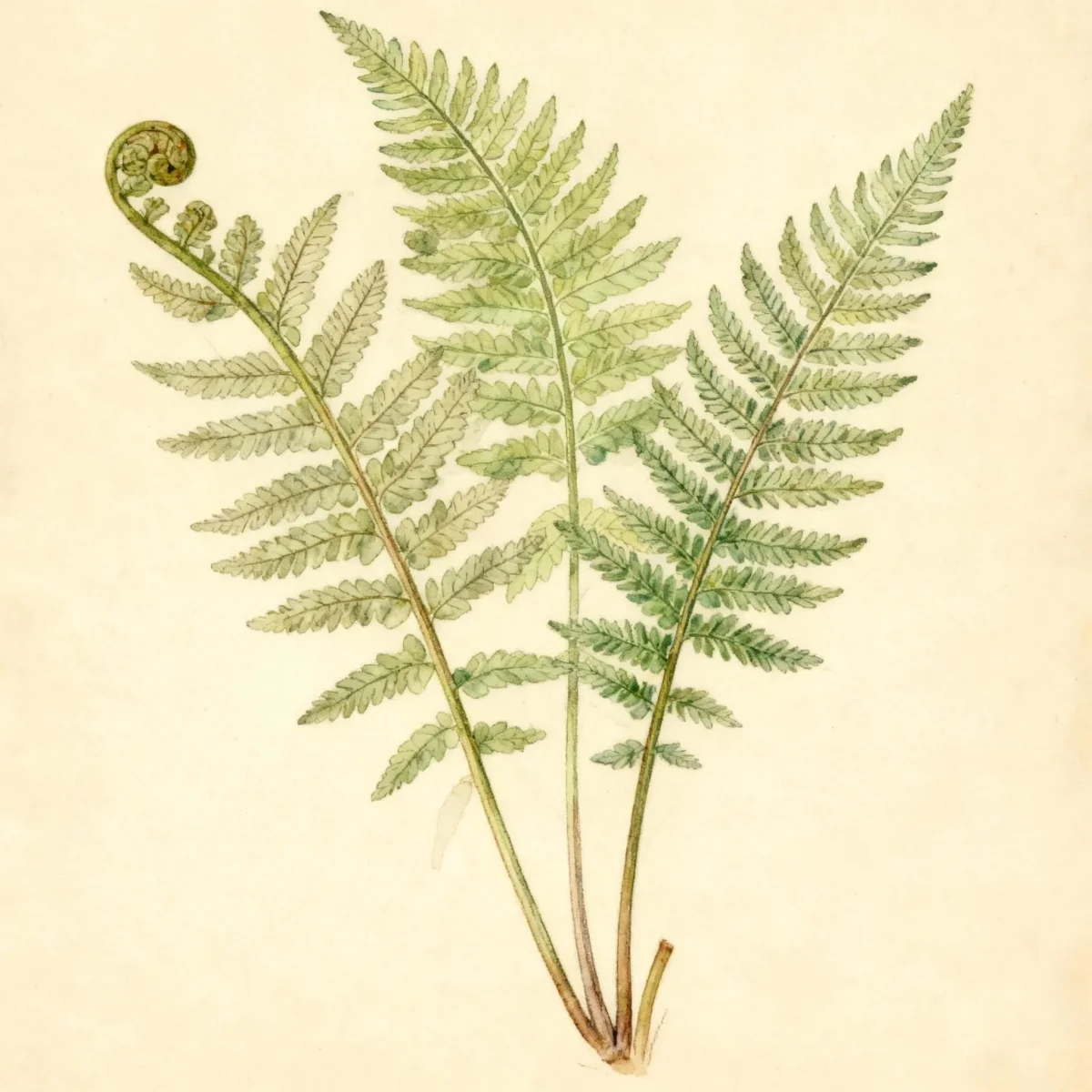
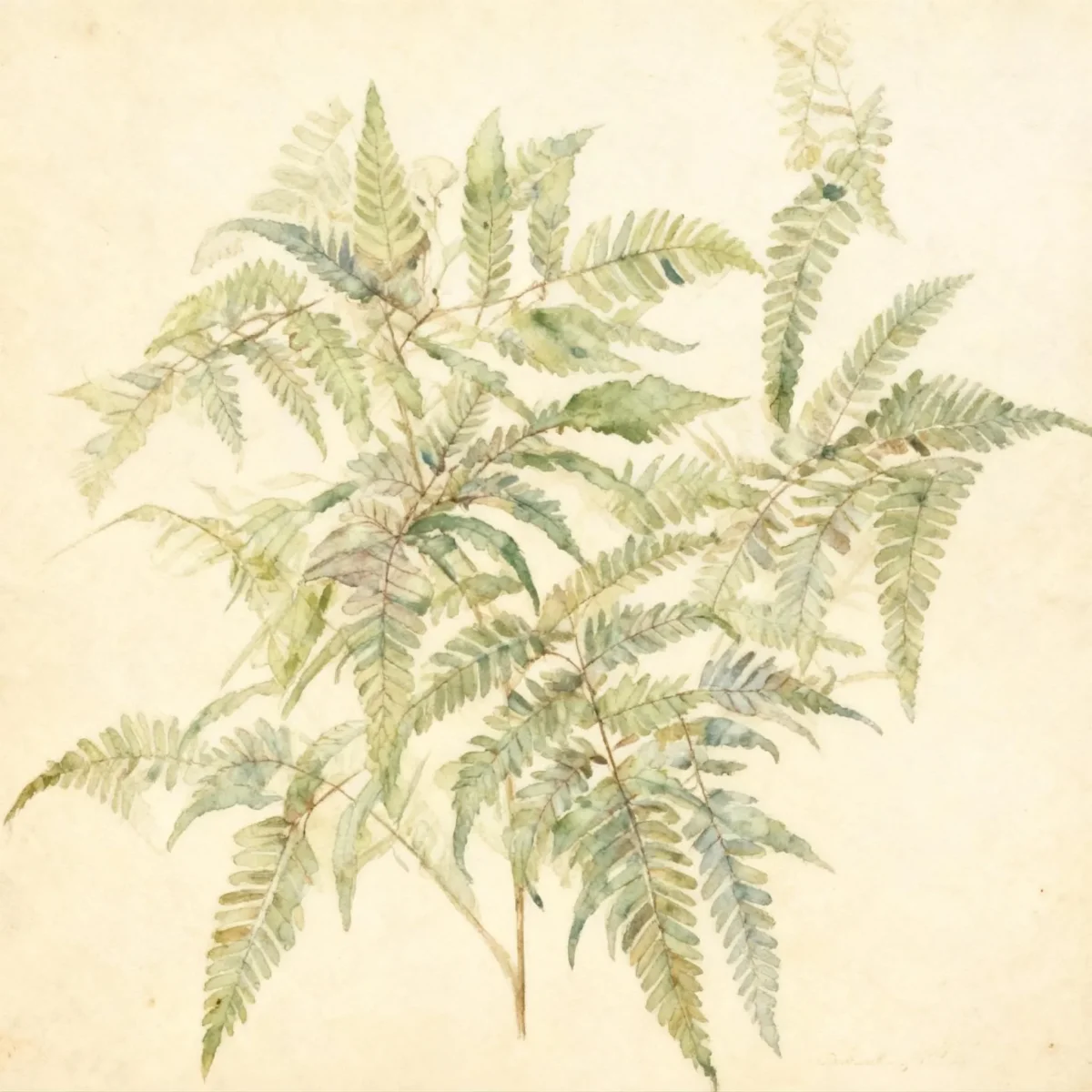
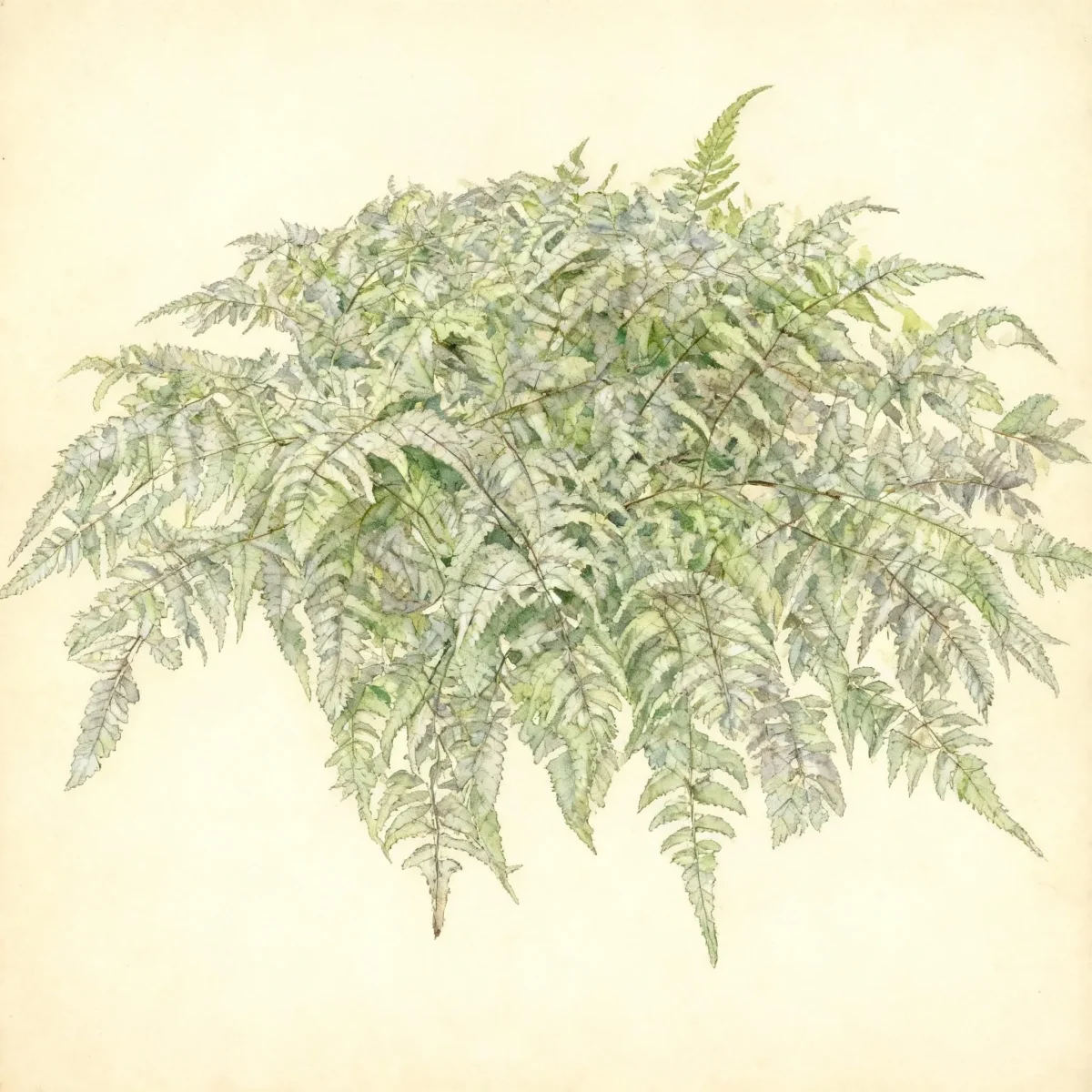
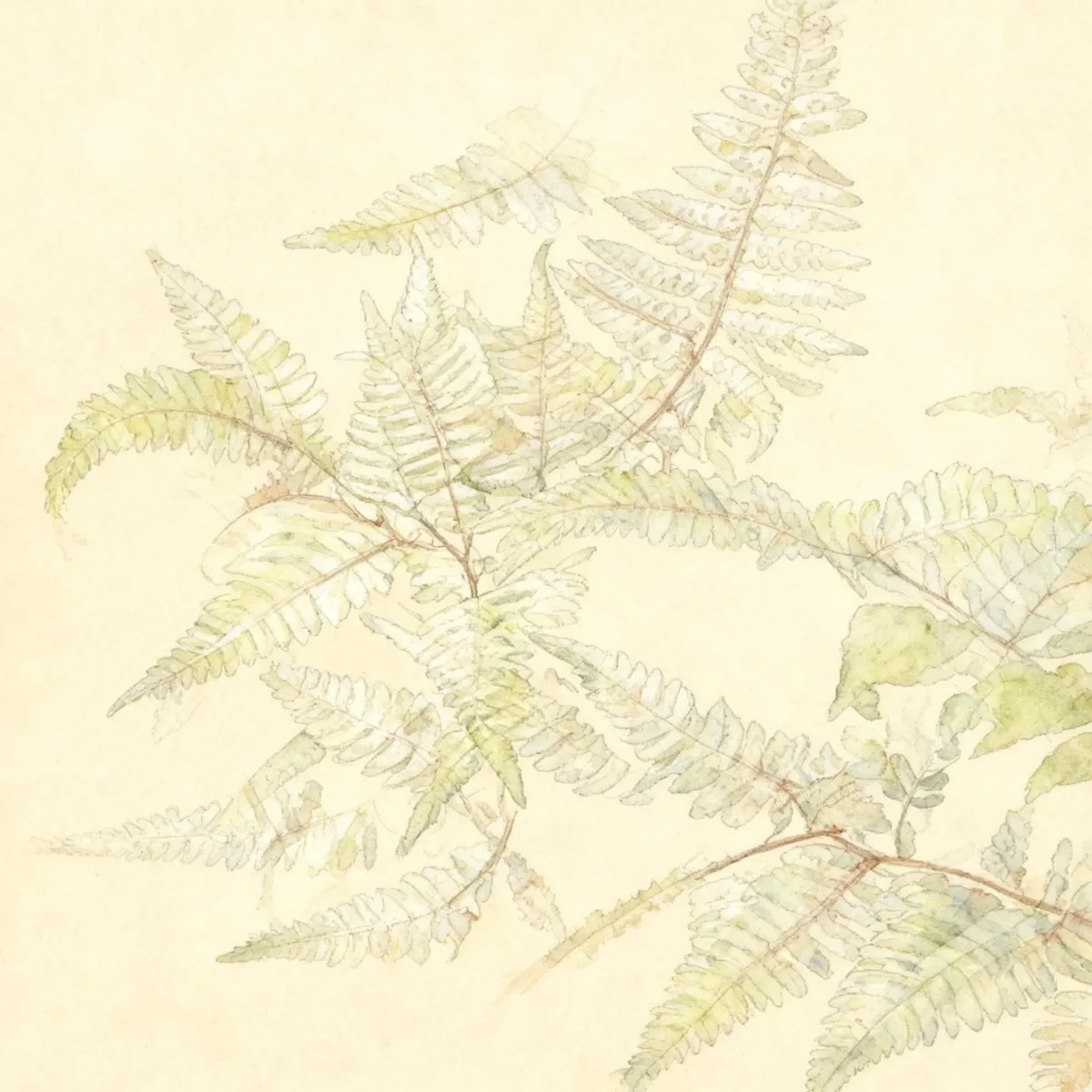
Deer fern (Blechnum spicant)
Discover the Deer fern (Blechnum spicant), a unique evergreen fern perfect for deep shade gardens needing low maintenance.
Scroll down to discover growing tips, care requirements, companion plants, and more
Complete Plant Information
Overview
The Deer fern (Blechnum spicant) is a highly valued evergreen native, known for its distinctive structural habit and tolerance for deep shade. Gardeners appreciate this plant, sometimes called Hard fern, for its resilience and year-round greenery in woodland settings. Its slow-spreading nature allows it to establish reliably without becoming aggressive.
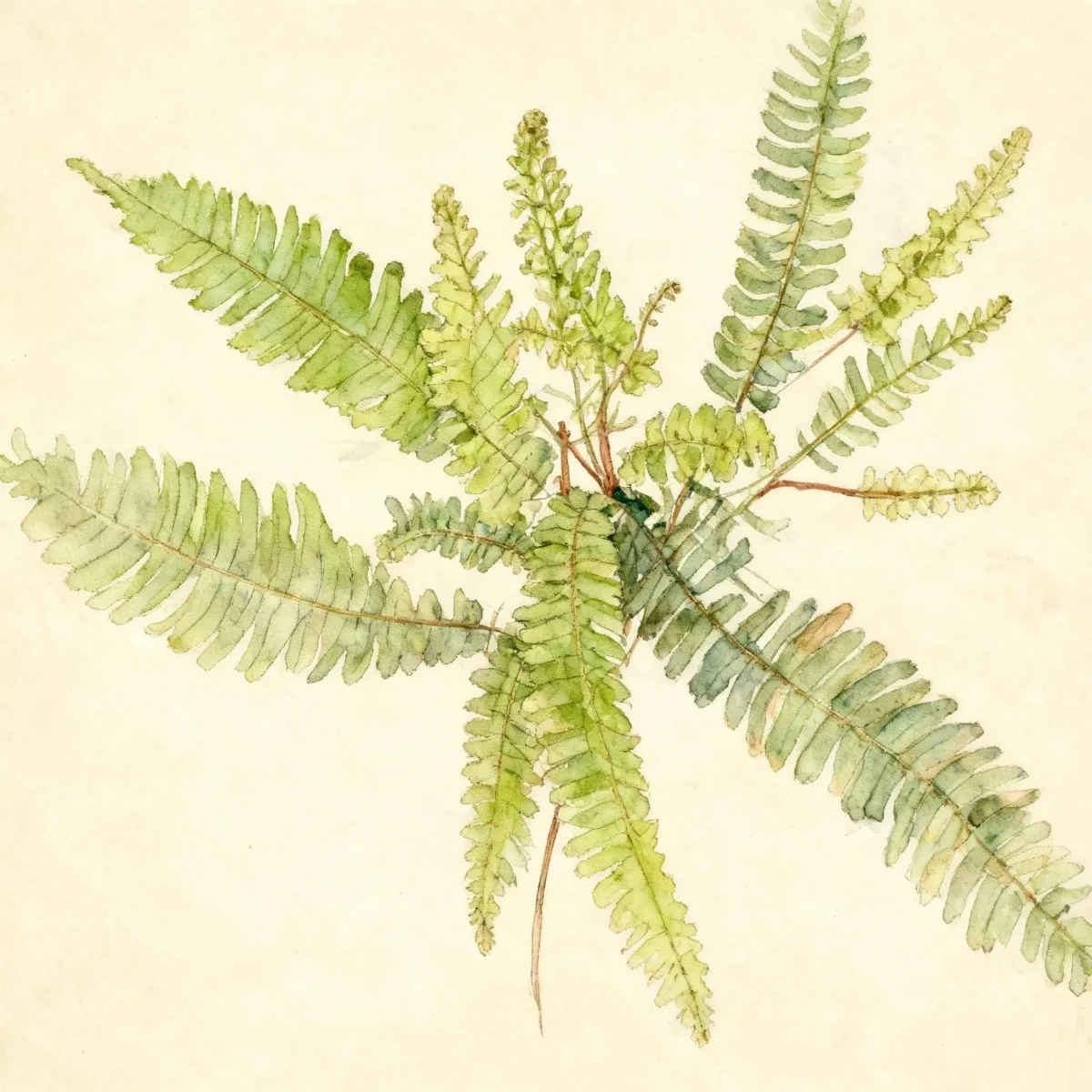
What sets this fern apart is its dimorphic fronds—it produces two distinct types. The evergreen sterile fronds lie flat, creating a dark green, leathery rosette low to the ground. Emerging from the center are taller, erect fertile fronds which produce spores before withering back later in the season.
Blechnum spicant thrives where many other landscape plants struggle, particularly thriving in the moist, acidic soils often found under dense coniferous canopies. Its low maintenance requirements and excellent winter hardiness make the Deer fern an indispensable fixture in shaded borders and naturalized areas across temperate regions.
Fast Facts
- Plant Family: Blechnaceae
- Plant Type: Fern
- Native Range: Temperate Northern Hemisphere
- Hardiness Zones: USDA Zones 5-8
- Size at Maturity:
- Height: 0.75-1.5 ft
- Spread: 1-2 ft
- Bloom Time: Non-flowering
- Bloom Description: Non-flowering
- Sun Exposure: Part shade to full shade
- Water Needs: Medium
- Maintenance Level: Low
How to Grow
Optimal planting for Blechnum spicant occurs in spring or early fall, ensuring the soil is humusy, acidic, and reliably moist but well-drained. Locate the Deer fern where it receives part shade or, ideally, deep, consistent shade, mimicking its native environment in coniferous forests or along stream banks. Once established, this plant requires medium water; aim to keep the soil consistently damp, especially during dry summer periods, though it establishes good winter hardiness in Zone 5.
Maintenance for this species is generally low. Do not rely on supplemental fertilizer; humus-rich soil usually provides sufficient nutrients. Pruning is minimal, typically involving removing any damaged fronds early in the spring before new growth appears.
This tough fern spreads slowly via short creeping rhizomes, which allows for good ground coverage over time without aggressive invasion. If desired, established clumps of Blechnum spicant can be carefully divided in the spring to propagate new plants or manage density.
Landscape Uses
The structural integrity of the Deer fern makes it an exceptional choice for defining spaces in shady gardens. Its low-growing, spreading rosette forms an excellent textural groundcover beneath larger trees or shrubs where turf grass won’t establish. Consider using the distinctive dark green foliage of Blechnum spicant in shaded borders to provide contrast against lighter-leafed hostas or ferns like the Japanese painted fern.
For a naturalistic planting scheme, group the Deer fern with moisture-loving woodland companions such as trilliums, bleeding hearts, or other evergreen woodland natives. Its ability to handle heavy shade ensures year-round structure, making it valuable for rock gardens or shaded paths where year-round visual interest is desired.
Standout Features
Noteworthy Characteristics
Blechnum spicant, called deer fern or hard fern, is a northern species with a somewhat circumpolar distribution but most ferns in the genus Blechnum are found in tropical areas. It is native to northwestern North America from Alaska to British Columbia, Washington, Oregon, a small corner of northern Idaho and California. This fern is particularly distinctive because of its stiff, leathery, evergreen sterile fronds that form a spreading rosette, contrasted by erect, taller fertile fronds emerging from the center.
Tolerances
- Rabbit
- Heavy Shade
Potential Problems
Blechnum spicant is remarkably resilient, suffering from few serious insect or disease issues. In specific conditions, gardeners may observe occasional leaf spot or rust, which are superficial fungal concerns. To mitigate these, ensure good air circulation and avoid overhead watering early in the morning or late in the evening, which keeps foliage damp for too long. Watch for minor pests such as caterpillars, mealybugs, or scale; routine monitoring and horticultural oil can manage small infestations effectively.
Frequently Asked Questions
What hardiness zones is Deer fern suitable for?
The Deer fern (Blechnum spicant) is generally hardy and suitable for USDA Zones 5 through 8.
How large does Deer fern grow?
This species typically reaches a height between 0.75 and 1.5 feet tall, spreading to a width of 1 to 2 feet.
What sun exposure does Blechnum spicant need?
Blechnum spicant prefers part shade to full shade conditions for optimal growth and performance in the garden.
When does Deer fern bloom?
The Deer fern is non-flowering, as is characteristic of true ferns.
Conclusion
The Deer fern (Blechnum spicant) offers reliable, low-maintenance evergreen texture, making it a superb choice for challenging shady corners. Its unique structure, featuring dimorphic fronds, provides year-round interest when paired correctly with other shade-loving plants. Before planting, confirm your site offers acidic, well-drained soil and check your local USDA hardiness zone affinity.
Companion Planting
Successful companion planting with Blechnum spicant relies on matching its needs for acidic, moist, and shaded environments. Pair this hardy fern with other moisture-loving woodland flora where humus builds up naturally. Consider grouping it near acid-loving shrubs like Rhododendrons or Azaleas, as they share similar soil preferences.
For ground-level texture, plants that offer a contrasting foliage color or form work beautifully alongside the dark green, leathery fronds of the Deer fern. Shade-tolerant perennials such as Hellebores or Lily of the Valley (Convallaria) can complement its form without competing heavily for moisture or nutrients near the slow-spreading rhizomes.
Seasonal Care Calendar
Spring is the active period for Blechnum spicant. This is the ideal time to divide any established clumps if propagation is desired, and to clear away any old, spent fertile fronds from the previous season. Ensure consistent medium moisture application as temperatures begin to rise, promoting lush, new sterile growth.
During the hot summer months, the focus shifts entirely to moisture management. Although Deer fern has good winter resilience, it requires evenly moist conditions during peak heat to prevent the leathery sterile fronds from stressing. Mulching heavily with organic material will help maintain soil temperature and conserve the necessary deep moisture levels.
Propagation Tips
The primary method for increasing your stock of Blechnum spicant is division. Perform this task in early spring just as new growth begins to emerge, ensuring the crowns are handled gently. Dig up the entire clump and carefully tease apart the creeping rhizomes, ensuring each new section has a healthy portion of roots and at least one established rosette of sterile fronds. Replant divisions immediately into appropriate humusy, acidic soil.
While Blechnum spicant reproduces via spores borne on its fertile fronds, growing new plants this way is much slower and more complex for the average gardener. Successful spore cultivation requires extreme sterility and specific temperature control to initiate germination, often taking years to reach a transplantable size. Focus instead on rhizome division for reliable results.
Container Growing
While best suited for in-ground planting where it can spread slowly, the Deer fern adapts surprisingly well to container culture, provided its needs are strictly met. Use a deep container to accommodate the root structure and ensure the potting medium is rich, coarse, and acidic—mixing peat moss or aged conifer needles into a standard shade mix works well.
Container-grown Blechnum spicant will require more vigilant watering than its garden counterparts, as pots dry out quickly. Never allow the soil to become truly dry, even in winter, as the evergreen fronds will desiccate. Place containers in deep shade and ensure excellent drainage to prevent root issues, rewarding you with beautiful, contained foliage.