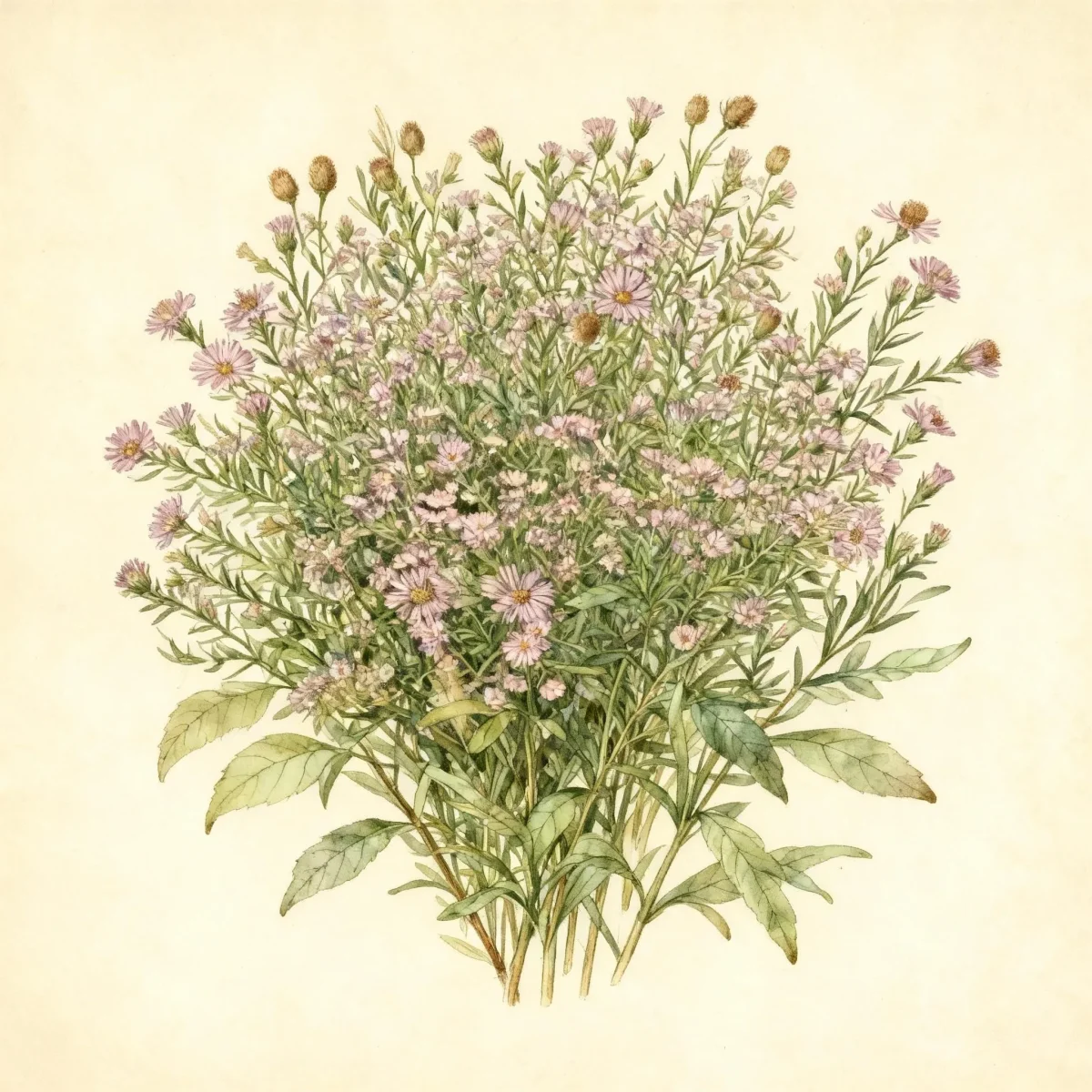
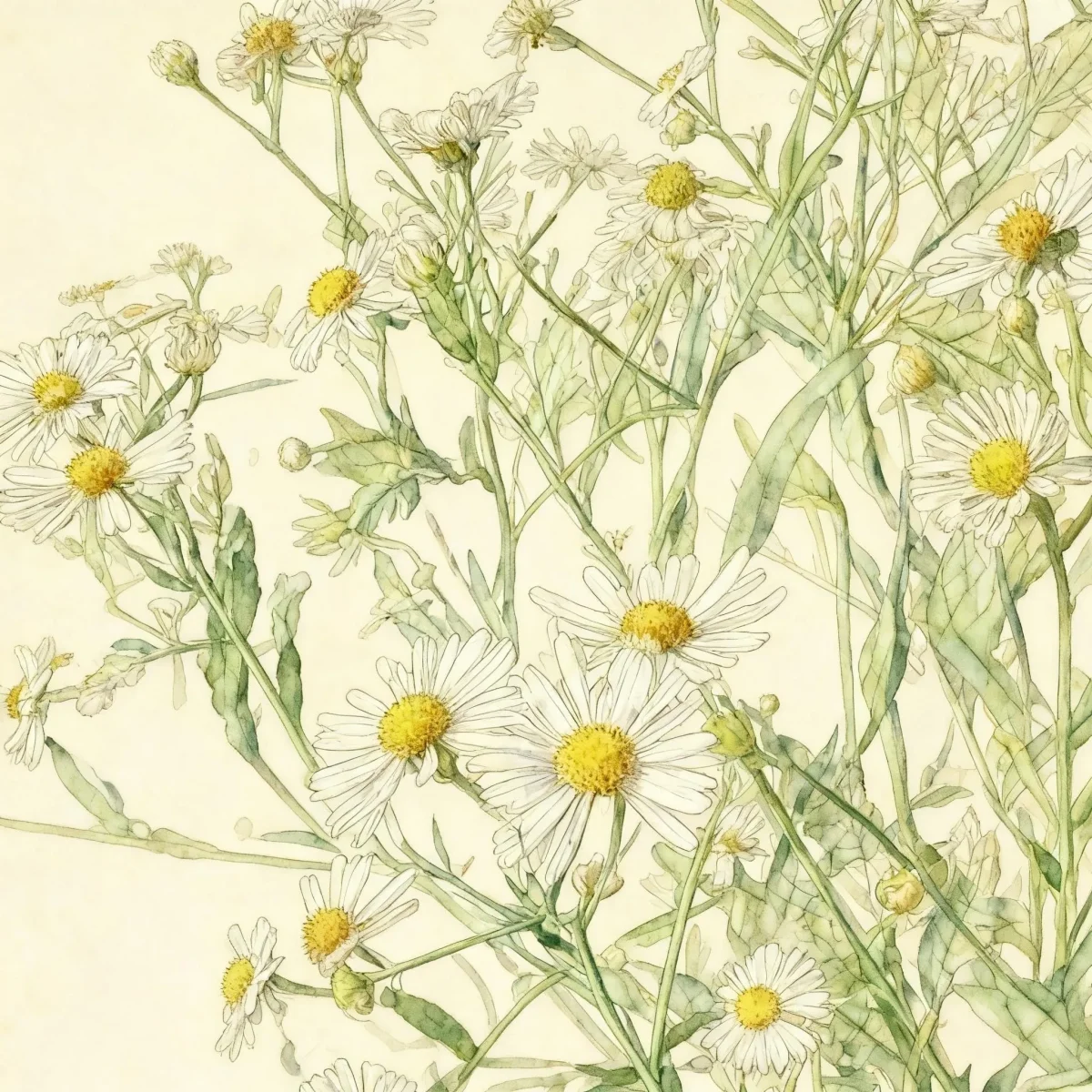
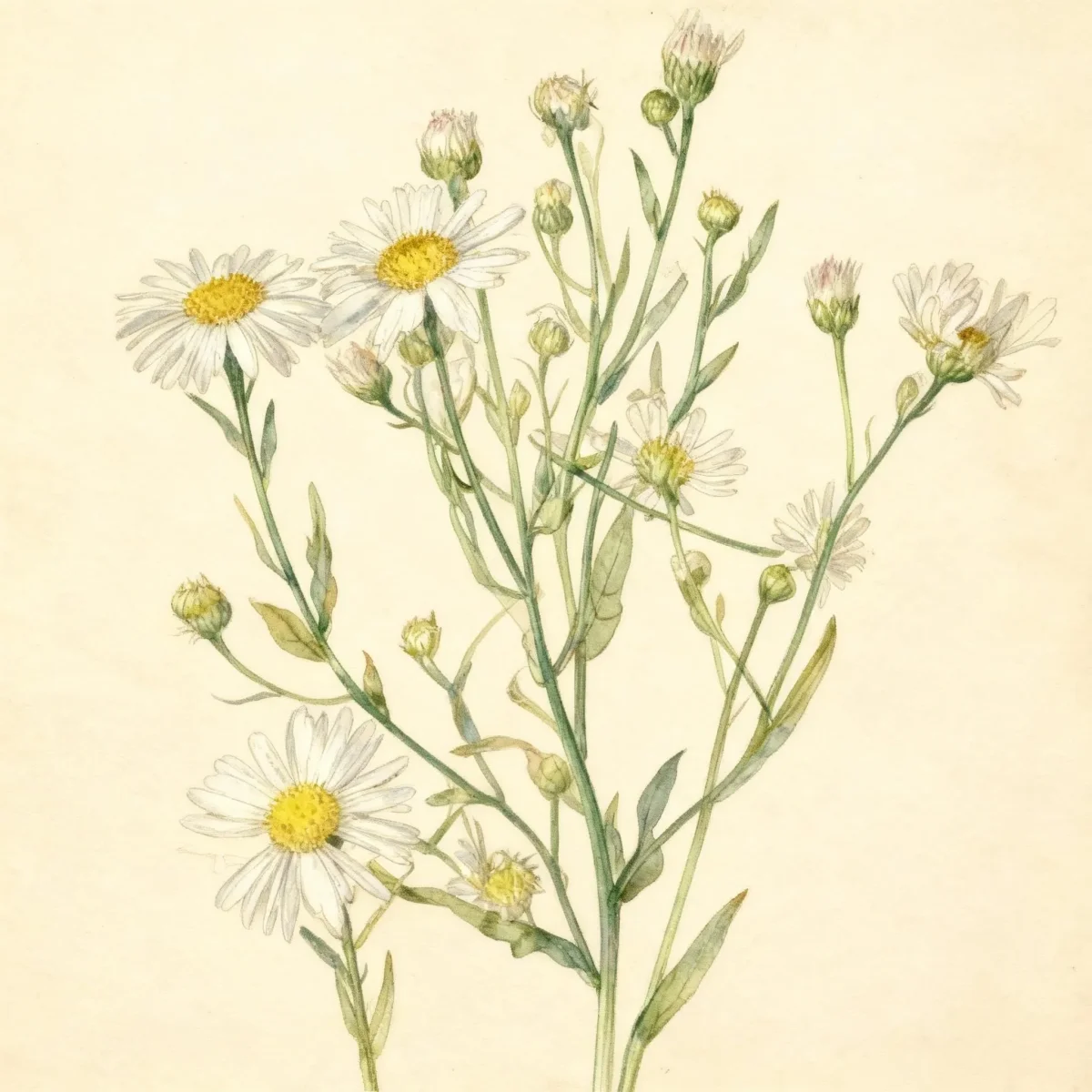
False aster (Boltonia asteroides var. latisquama 'Snowbank')
Boltonia asteroides var. latisquama 'Snowbank' (False aster) blooms white in late summer. Grown easily in full sun, zones 4-9.
Scroll down to discover growing tips, care requirements, companion plants, and more
Complete Plant Information
Overview
Boltonia asteroides var. latisquama ‘Snowbank’ offers exceptional late-season interest with its profusion of crisp white, daisy-like flowers, making it a reliable choice for autumn color. This cultivar of the False aster brings structure and brightness to the garden when many other plants begin to fade. It is valued for its relatively compact stature compared to the species, though it still requires sufficient sunlight to maintain a sturdy habit.
As an herbaceous perennial, Boltonia asteroides var. Latisquama ‘Snowbank’ establishes reliable structure, slowly spreading via creeping rhizomes. This plant is remarkably adaptable, thriving even in clay or wet soils where other perennials might falter. Its use in naturalized settings maximizes its visual impact as drifts of white bloom from late summer into early fall.
For optimal performance, gardeners must ensure Boltonia asteroides var. latisquama ‘Snowbank’ receives full sun. While it tolerates a wide range of conditions, lack of light or overly rich soil often results in weak, flopping stems. The resulting display from the False aster, covering the plant in small white blooms, easily earns its stripes as a showy feature in late-summer borders.
Fast Facts
- Plant Family: Asteraceae
- Plant Type: Herbaceous perennial
- Hardiness Zones: USDA Zones 4-9
- Size at Maturity:
- Height: 3-4 ft
- Spread: 3-4 ft
- Bloom Time: August to September
- Bloom Description: White
- Sun Exposure: Full sun
- Water Needs: Medium
- Maintenance Level: Medium
How to Grow
Planting Boltonia asteroides var. latisquama ‘Snowbank’ is best done in spring or fall, ensuring it is positioned in full sun. This plant is surprisingly adaptable regarding soil texture, growing well in average conditions, but it notably tolerates clay soil and wet soil, making it versatile. Good drainage is preferred, but its wet soil tolerance means it handles moisture better than many sun-loving counterparts.
Water needs are medium; established plants are reasonably drought-tolerant, but consistent moisture supports the best flowering. Fertilization is generally unnecessary, especially if the soil is rich, as excessive nutrients contribute to weak stems. To maintain its appealing semi-compact habit, pinch or cut back the stems by one-third in late spring or early summer. This technique reduces overall height and maximizes stem strength, preventing the need for staking.
The False aster spreads slowly via rhizomes. If propagation is desired, division in the spring is the recommended method, as the ‘Snowbank’ cultivar does not grow reliably true to seed. Gardeners should treat the plant similarly to other asters by providing mid-season management to ensure upright growth through its peak bloom in August and September.
Landscape Uses
The robust structure and late-season flowering make Boltonia asteroides var. latisquama ‘Snowbank’ an excellent backdrop plant where height is required. While the species can be somewhat weedy, the more managed cultivar is perfectly suited for cottage gardens where naturalized sweeps of color are desired. It blends effectively in native plant gardens, providing critical late-summer forage.
Consider using this cultivar where you need vertical accents. Plant drifts of Boltonia asteroides var. latisquama ‘Snowbank’ near shorter, mid-season bloomers that can fill the space left by the boltonia once its color fades in autumn. Containers are less ideal given its size and rhizomatous spread, but it shines in large naturalized areas or along meadow edges requiring minimal intervention.
Since it thrives in average to moist conditions, successful integration involves pairing the False aster with other perennials that share similar sun and water requirements. Its pure white flowers provide strong contrast against deep purple or blue summer bloomers, creating dynamic seasonal scenes.
Standout Features
Flower Qualities
- Showy
- Good Cut
Noteworthy Characteristics
Boltonia asteroides, commonly called false chamomile or false aster, is a rhizomatous perennial which typically grows to 5-6’ tall on erect, usually branching stems clad with alternate, linear, lance-shaped, stalkless, gray-green leaves (to 5” long). Tiny, daisy-like flowers (to 3/4” diameter) in loose panicles typically cover this aster-like plant with a profuse bloom from late summer to early fall (August-September). ‘Snowbank’ is noted for its compact habit (typically grows 3-4’ tall as opposed to the species which grows 5-6’ tall), featuring pure white, 3/4” daisies in profuse bloom.
Tolerances
- Clay Soil
- Wet Soil
Potential Problems
Boltonia asteroides var. latisquama ‘Snowbank’ is generally free of serious insect or disease issues, which adds to its low-maintenance appeal. The primary cultural challenge involves plant architecture: taller specimens may collapse under their own weight, especially if grown in too much shade or overly rich soil.
To proactively manage this, gardeners should utilize the late-spring pinching technique to encourage a shorter, sturdier plant structure for the False aster. Furthermore, while mildew is not a constant threat across all locations, ensuring good air circulation by providing the required full sun exposure will help prevent powdery mildew from developing on the foliage.
Frequently Asked Questions
What hardiness zones is Boltonia asteroides var. latisquama ‘Snowbank’ suitable for?
This adaptable perennial is suitable for USDA Hardiness Zones 4 through 9.
How large does False aster grow?
Boltonia asteroides var. latisquama ‘Snowbank’ typically matures to a height between 3 and 4 feet, with a spread ranging from 3 to 4 feet.
When does Boltonia asteroides var. latisquama ‘Snowbank’ bloom?
The prolific bloom period for this plant occurs from August through September, featuring masses of white, daisy-like flowers.
What sun exposure does False aster need?
This plant absolutely requires full sun exposure to produce its best flower display and maintain strong, upright stems.
Conclusion
For gardeners seeking reliable, late-season structure combined with masses of brilliant white flowers, Boltonia asteroides var. latisquama ‘Snowbank’ is an outstanding, adaptive perennial. This cultivar of the False aster excels in moisture-retentive or clay soils, offering vibrant color right up until fall frost. Ensure your site provides full sun, and check local zone compatibility before planting this superb addition to late-summer borders.
Companion Planting
When designing a late-season garden featuring Boltonia asteroides var. latisquama ‘Snowbank’, focus on companions that share its preference for full sun and medium moisture. Plants that bloom slightly earlier or later can ensure continuous interest. Consider pairing the white blooms of the False aster with the deep purples of Sedum ‘Autumn Joy’ or the yellow spires of late-blooming goldenrods (Solidago species).
Because this boltonia tolerates moist soil, it pairs well with marsh and meadow natives that enjoy similar conditions, such as Joe-Pye Weed (Eutrochium species) or Turtlehead (Chelone). Avoid placing it next to plants that demand perfect, dry drainage, as this contrast in needs will complicate watering management for both groups.
Propagation Tips
The primary method for increasing your stock of Boltonia asteroides var. latisquama ‘Snowbank’ is division. Since this cultivar is known not to grow true to type from seed, division ensures you retain the desirable compact habit and pure white flowers of the parent plant. Perform this task in early spring before new active growth begins.
To divide, carefully dig up the entire clump. Gently tease apart the root ball, ensuring each new section has a healthy cluster of roots and several viable growth buds attached. Replant these divisions immediately into prepared soil at the same depth they were previously growing. Ensure you check your climate zones; dividing in the fall is possible but spring divisions generally lead to quicker establishment.