Windflower (Anemone blanda 'Blue Shades')
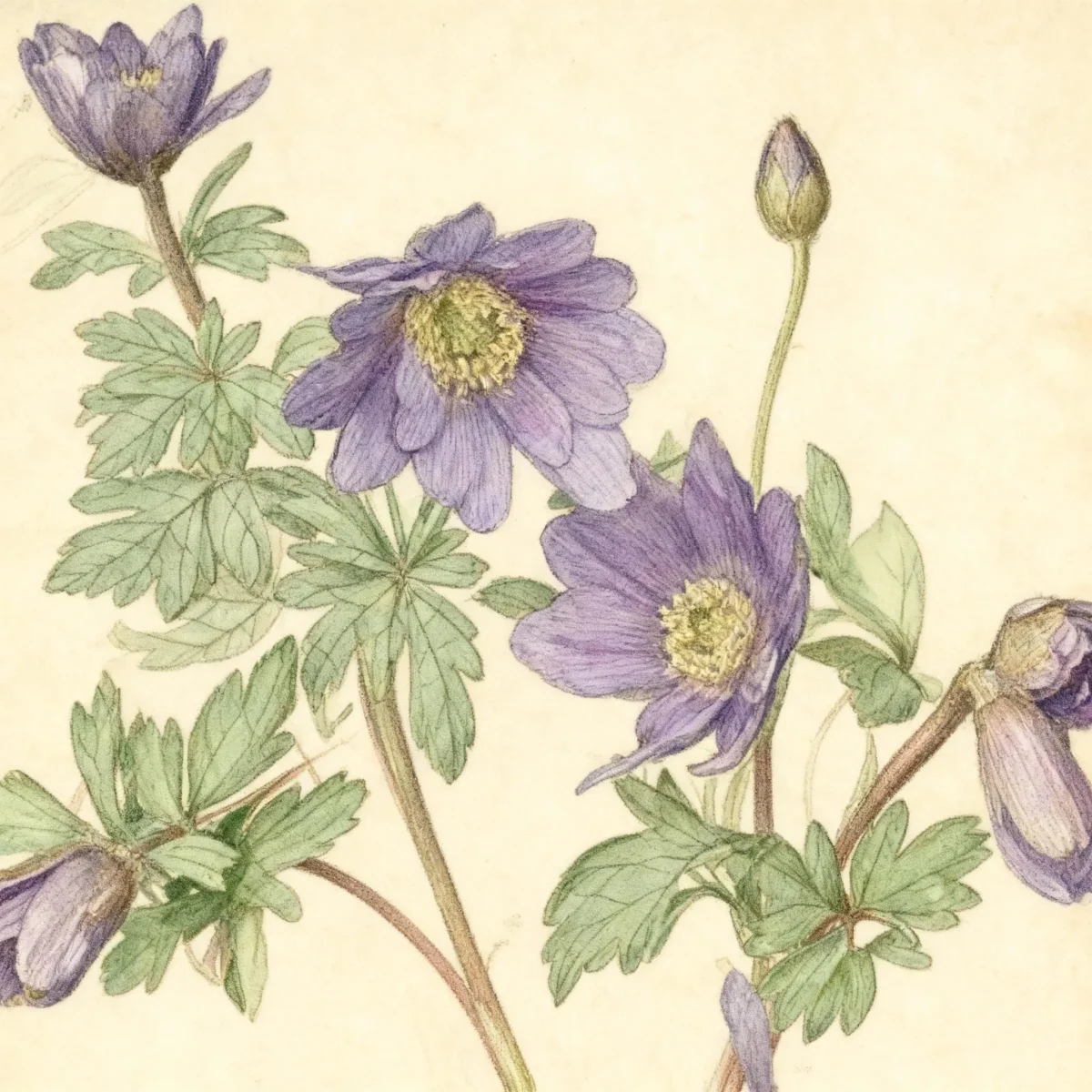
Anemone blanda 'Blue Shades' (Windflower) offers charming lilac-purple blooms early in spring. This low-maintenance bulb naturalizes beautifully.
Scroll down to discover growing tips, care requirements, companion plants, and more

Complete Plant Information
Overview
The Anemone blanda ‘Blue Shades’, commonly known as the Windflower, is a highly valued, charming perennial that emerges very early in the spring season. Its appeal lies in its vibrant, daisy-like flowers blooming when little else is active, carpeting the ground with delicate color. This tuberous-rooted plant requires low maintenance and naturally spreads, creating beautiful drifts over time.
Native to Southeastern Europe, Anemone blanda ‘Blue Shades’ offers lilac-purple flowers, each featuring a bright yellow center disk, topping fern-like foliage. They bring life back to the garden floor just as winter recedes, effectively serving as one of the earliest sources of nectar for emerging pollinators.
Gardeners appreciate the ease with which this Windflower can be incorporated, particularly in woodland settings or under deciduous trees. While low effort is required once established, ensuring sharp drainage during its dormant summer period is key to its longevity.
Fast Facts
- Plant Family: Ranunculaceae
- Plant Type: Bulb
- Hardiness Zones: USDA Zones 5-8
- Size at Maturity:
- Height: 0.25-0.5 ft
- Spread: 0.25-0.5 ft
- Bloom Time: April
- Bloom Description: Lilac-purple with yellow center
- Sun Exposure: Full sun to part shade
- Water Needs: Medium
- Maintenance Level: Low
How to Grow
Planting Anemone blanda ‘Blue Shades’ must occur in the fall to allow tubers to establish before winter cold sets in. Prepare the site by ensuring the soil is organically rich and well-drained, as soggy conditions lead to rot. Before planting, soak the knobby tubers in water overnight. Plant them 2–3 inches deep and space them 3–5 inches apart unless you desire a tighter ground cover mat, in which case plant closer.
Care throughout the growing season requires consistent moisture; aim for medium water needs. Although they are called windflowers, these early bloomers benefit from some shelter from harsh spring winds. Generally, the Windflower requires low maintenance. Do not fertilize heavily; focus instead on preparing rich soil at planting time.
Once the Anemone blanda ‘Blue Shades’ finishes flowering, the foliage will naturally yellow as the plant enters dormancy. Allow the foliage to brown completely before cutting it back; this supports the tuber storage for next year’s display. In hot summer climates, afternoon shade can prevent stress, though northern gardeners often see success with full sun.
Landscape Uses
The naturalizing tendency of Anemone blanda ‘Blue Shades’ makes it exceptionally practical for establishing large drifts of early color. They excel in wild gardens, open woodlands areas where they can spread beneath the canopy of spring-flowering trees, providing a perfect transition from bare soil to leaf-out. Use this variety in rock gardens or mix and mass it within the perennial border for an excellent early-season show.
Because of their small stature (under half a foot tall), they function perfectly as an edging element or as a ground cover substitute during their active growing phase. While excellent in the ground, they are also suitable for containers, but ensure you plant them in a permanent garden spot once they go dormant in summer. The resulting mat-like display signals the arrival of spring.
Standout Features
Flower Qualities
- Showy
Noteworthy Characteristics
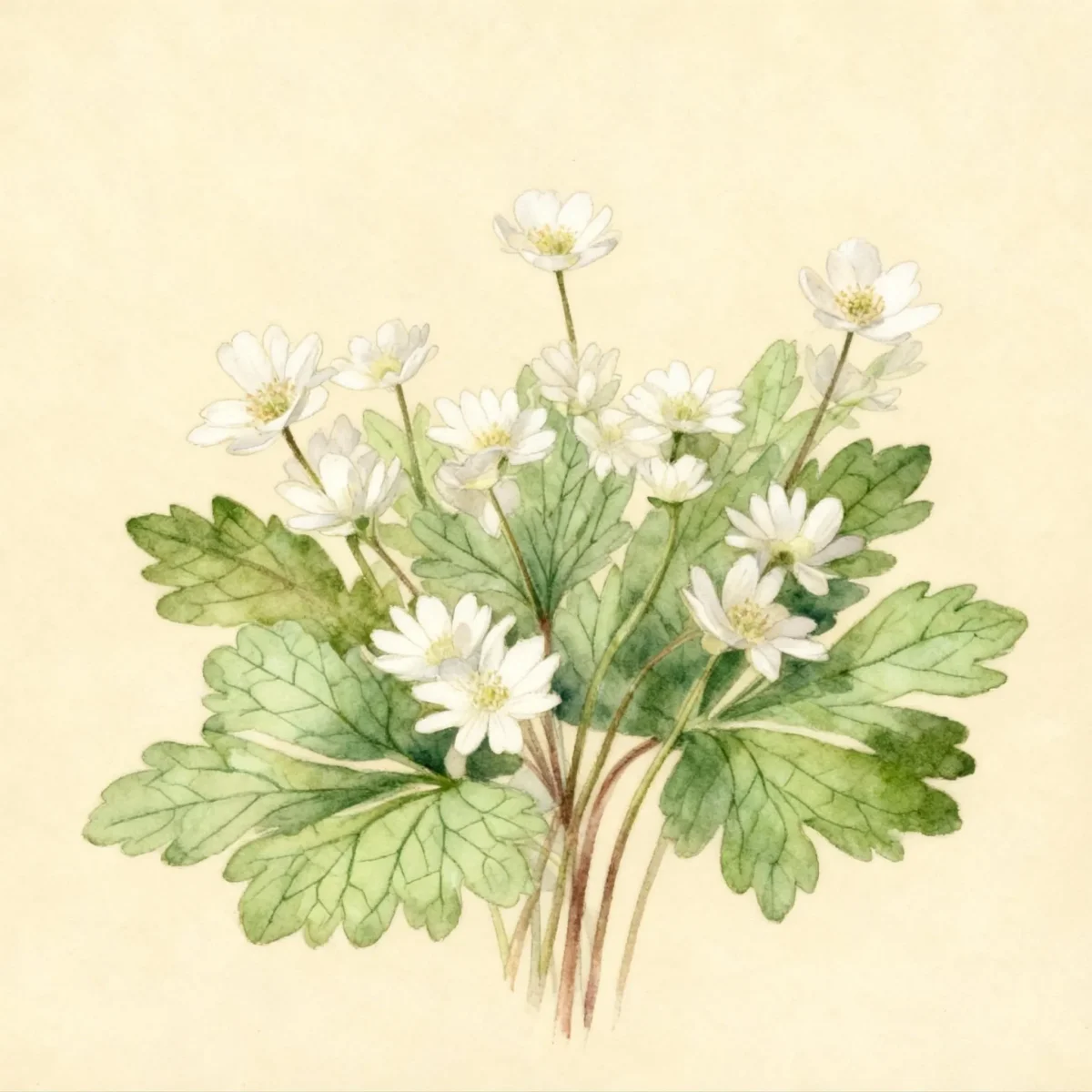
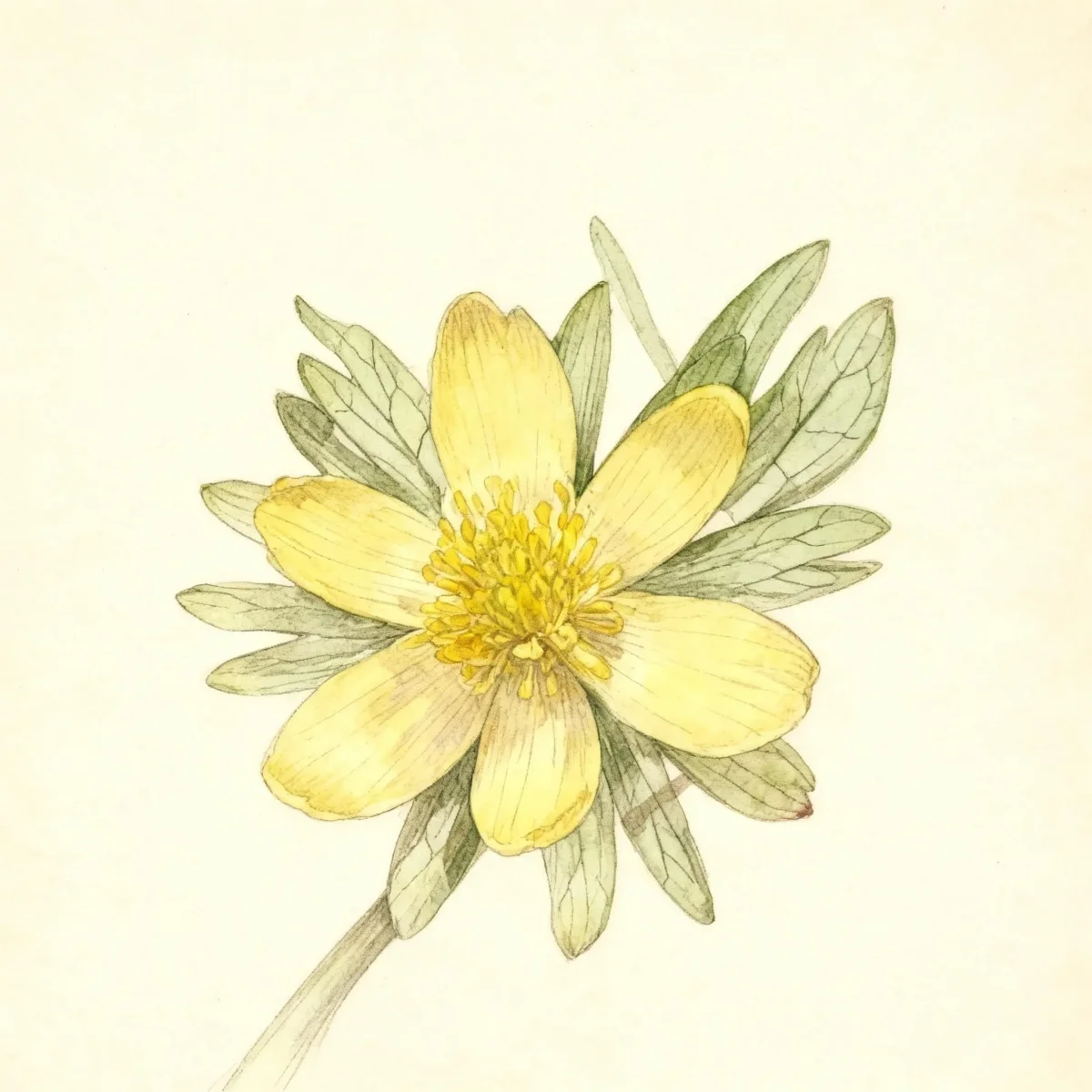
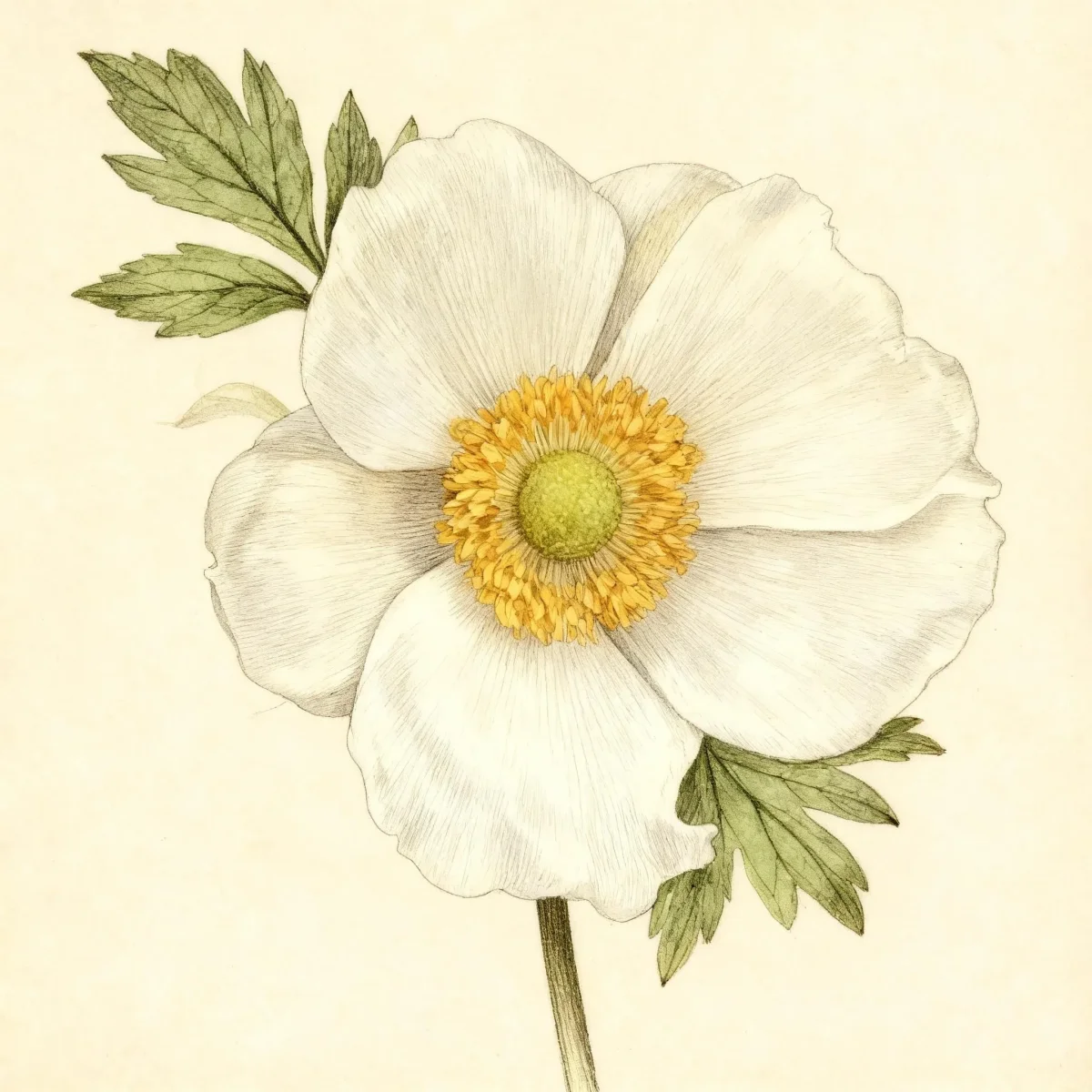
Anemone blanda, commonly called Grecian windflower, is a spreading, tuberous-rooted perennial native from southeastern Europe through Turkey. It bursts into bloom early, featuring attractive daisy-like flowers composed of 9–14 petal-like sepals encircling a central disk—true petals are absent. The foliage is deeply cut and fern-like, contrasting nicely with the flowers that spread to form a beautiful spring carpet.
Tolerances
- Deer
- Black Walnut
Potential Problems
Leaf spot and rhizome rot are the primary potential problems reported for this Windflower, though they occur infrequently. To prevent rot, ensure superior soil drainage, especially during summer dormancy when the plants need less water. Good air circulation, provided by planting in an open spot rather than a crowded mass, can help mitigate fungal leaf spot issues.
Frequently Asked Questions
What hardiness zones is Anemone blanda ‘Blue Shades’ suitable for?
Anemone blanda ‘Blue Shades’ is suitable for gardeners gardening in USDA Zones 5 through 8.
How large does Windflower grow?
This bulb typically reaches a height between 0.25 and 0.5 feet tall, with a similar spread of 0.25 to 0.5 feet at maturity.
What sun exposure does Anemone blanda ‘Blue Shades’ need?
This variety thrives in full sun to part shade conditions, benefiting from afternoon shade protection in very hot summers.
When does Windflower bloom?
The bloom time for this Windflower is April, displaying lovely lilac-purple flowers accented with a yellow center disk.
Conclusion
The low-maintenance nature and stunning early spring performance make Anemone blanda ‘Blue Shades’ a must-have for brightening the nascent garden season. Whether naturalized under trees or nestled in a rock garden, this Windflower adds essential texture and color. Before planting this fall, confirm your location sits within USDA Zones 5-8 and verify your soil drains exceptionally well for best results.
Propagation Tips
Propagating the Anemone blanda ‘Blue Shades’ is primarily achieved through natural division, as the plants spread gradually via tuberous rhizomes over time. Allowing the tubers to mature undisturbed is the best approach; they will slowly multiply underground. If you wish to speed up coverage, you can gently lift and divide the clump of tubers after they have gone dormant, typically in mid-summer, taking care not to damage the fleshy storage organs.
Companion Planting
Companion planting around the Windflower should focus on species that enjoy similar early spring moisture but can tolerate the dry shade that sets in once the Anemone foliage dies back. excellent companions include other spring ephemerals like Daffodils, Snowdrops (Galanthus), or early-blooming Scilla. Since Anemone blanda goes dormant early, pairing it with summer groundcovers that emerge later prevents an unsightly empty gap in the landscape.