Windflower (Anemone blanda 'White Splendour')
Anemone blanda 'White Splendour' (Windflower) offers charming white spring blooms. Ideal for naturalizing in zones 4-8 with low maintenance.
Scroll down to discover growing tips, care requirements, companion plants, and more
Complete Plant Information
Overview
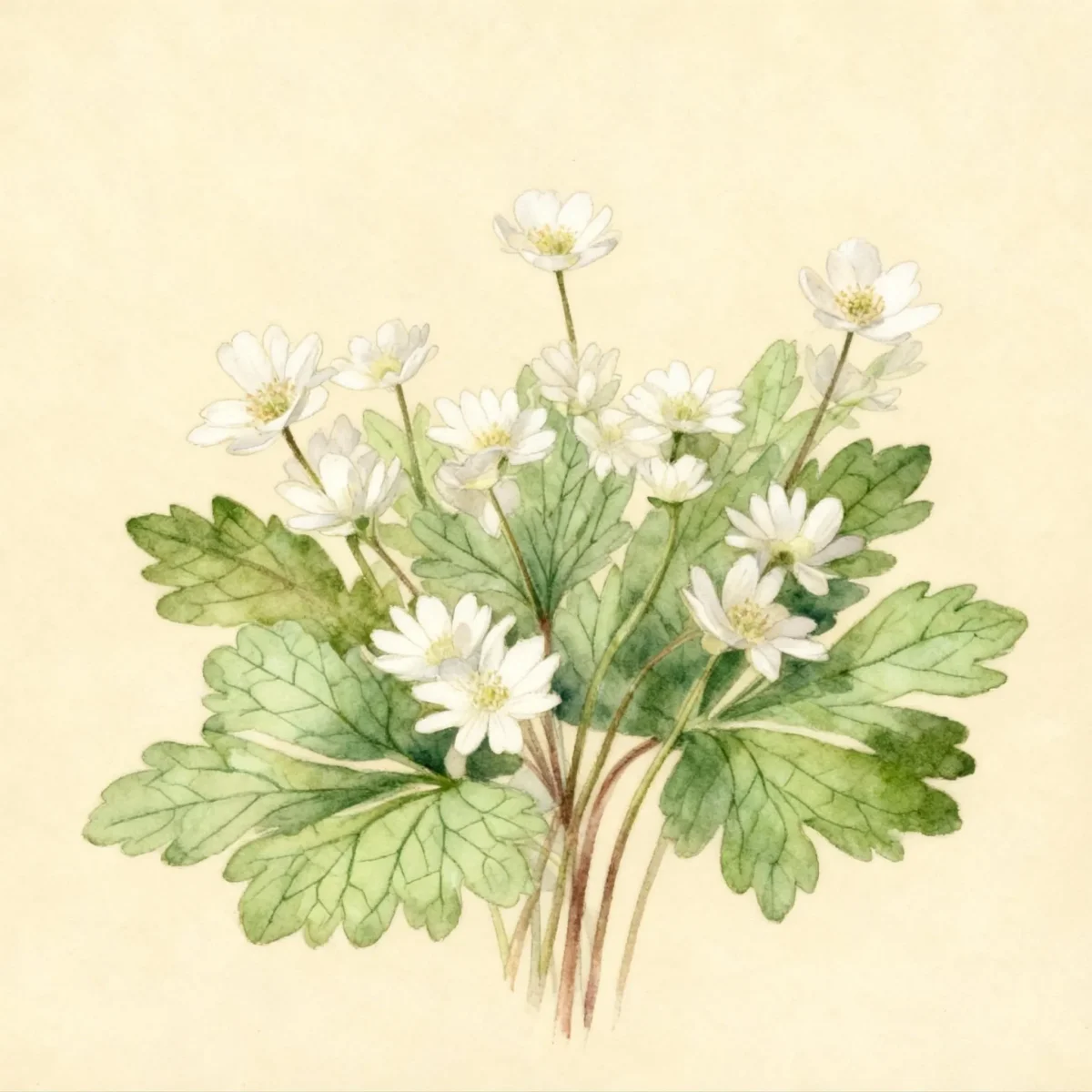
Anemone blanda ‘White Splendour’ is a stunning, low-growing perennial bulb that signals the arrival of spring in the garden. Commonly known as the Windflower, this variety blankets early spring landscapes with hundreds of daisy-like flowers featuring crisp white sepals and bright yellow centers. It is highly valued for its ability to spread gently, forming a charming carpet perfect for softening woodland edges or rock gardens before summer foliage takes over.
This tuberous-rooted perennial excels in well-drained, organically rich soils, thriving in locations offering full sun to light afternoon shade. Maintenance for Anemone blanda ‘White Splendour’ is generally low once established, making it an excellent choice for gardeners seeking maximum seasonal impact with minimal effort. The foliage gracefully supports the bloom period before the plant naturally enters dormancy as summer heat arrives.
The charm of these ‘White Splendour’ flowers is undeniable; they provide essential early color when few other plants are flowering. Growing best in USDA Zones 4 through 8, the Windflower naturalizes readily, ensuring an ever-improving display year after year. Plan for fall planting to enjoy its spectacular early performance.
Fast Facts
- Plant Family: Ranunculaceae
- Plant Type: Bulb
- Hardiness Zones: USDA Zones 4-8
- Size at Maturity:
- Height: 0.25-0.5 ft
- Spread: 0.25-0.5 ft
- Bloom Time: April
- Bloom Description: White with yellow center
- Sun Exposure: Full sun to part shade
- Water Needs: Medium
- Maintenance Level: Low
How to Grow
Planting should occur in the fall like other spring-blooming bulbs. Before planting the knobby tubers, soak them overnight in water to rehydrate them fully. Site Anemone blanda ‘White Splendour’ in organically rich, medium-moisture, well-drained soil. Ensure they receive full sun in cooler northern climates, but offer afternoon shade protection in hot summer regions.
Set the tubers 2 to 3 inches deep and space them 3 to 5 inches apart; plant closer together if you desire a quicker ground cover effect. Keep the soil consistently moist throughout the growing season while the plants are actively growing. Although they are tough plants, try to shelter the delicate Windflower from strong winds.
Do not be alarmed when the foliage yellows and dies back after flowering; the plants are going dormant for the summer. Once this happens, you can safely cut back the foliage. The plants spread via tuberous rhizomes and will also self-seed, though seedlings typically take a second year to bloom.
Landscape Uses
The primary function of Anemone blanda ‘White Splendour’ is naturalizing, allowing it to spread into drifts that mimic a spring wildflower meadow. This spreading habit makes them excellent companions under deciduous trees or large shrubs, where they receive sun before the canopy fully leafs out. They form a dense mat upon blooming, providing superior ground cover in early spring.
For borders and mass plantings, mix Anemone blanda ‘White Splendour’ with later-blooming perennials, ensuring the dying foliage of the Windflower is masked by emerging growth. They are also highly effective when planted in large sweeps within a wild garden setting or used to edge woodland paths. While they may be used in containers, it is best practice to transplant them into a permanent garden spot in the fall for long-term persistence.
Standout Features
Flower Qualities
- Showy
Noteworthy Characteristics
Anemone blanda, commonly called Grecian windflower, is a spreading, tuberous-rooted perennial that is native from southeastern Europe (including of course Greece) to the Caucausus and Turkey. It blooms in early spring. Plants typically grow to only 4-8” tall and feature attractive daisy-like, dark blue flowers, each of which contains 9-14 showy petal-like sepals, but no petals (apetalous). Tubers are knobby in appearance. Foliage is deeply cut and fern-like. Plants spread out to form a carpet of flowers in spring.Genus name is often said to be derived from the Greek word anemos meaning wind.Specific epithet means mild, pleasing or charming. The plants and flowers are very charming.‘White Splendour’ features white sepals with yellow centers on plants that grow 4-8” tall.
Tolerances
- Deer
- Black Walnut
Potential Problems
Leaf spot and rhizome rot are infrequently reported problems for established Anemone blanda ‘White Splendour’ plants. The primary cause of both issues is invariably excess soil moisture or poor drainage. To prevent these fungal issues, ensure you plant the tubers in soil that is well-drained, even though the plant requires medium moisture during its growing phase.
Frequently Asked Questions
What hardiness zones is Windflower suitable for?
Anemone blanda ‘White Splendour’ is reliably hardy when grown in USDA Zones 4 through 8.
How large does Windflower grow?
This ground cover remains quite small, typically reaching heights and spreads between 0.25 and 0.5 feet (4 to 8 inches tall).
When does Windflower bloom?
The bloom time for Anemone blanda ‘White Splendour’ is April, producing flowers described as white with a yellow center.
What sun exposure does Windflower need?
It thrives best in full sun to part shade conditions, adapting well to brighter light in cooler northern zones.
Conclusion
As a reliable source of brilliant, early spring color, the Windflower remains a garden favorite for its low maintenance and naturalizing capabilities. Planting Anemone blanda ‘White Splendour’ tubers deeply in the fall guarantees years of charming white and yellow displays beneath awakening trees. Check your local hardiness zone compatibility now and plan your required fall planting schedule.
Companion Planting
When selecting companions for Anemone blanda ‘White Splendour’, prioritize plants that emerge later in the season. This strategy ensures the Windflower has the necessary sun exposure in early spring while avoiding competition for water. Excellent companions include emerging hostas, late tulips, and early-blooming daffodils, as their foliage will later cover the dormant areas of the Anemone.
For a classic woodland garden aesthetic, pair the delicate foliage of the Windflower with contrasting textures like ferns or hardy geraniums that will flourish once the Anemone goes dormant. Since these bulbs require rich, well-drained soil, ensure companion choices have similar cultural needs to maintain a happy planting bed throughout the entire growing cycle.
Design Ideas for Early Spring Color
The low stature of Anemone blanda ‘White Splendour’ makes it perfectly suited for the front edge of borders, providing a vibrant, lacy edge of white. Use them liberally in drifts near pathways where their spring show can encourage you out into the garden on cooler days. Because they spread, they work beautifully when allowed to spill over low retaining walls or into rock crevices.
To maximize the impact of the white blooms, consider planting them near deep purple or blue cultivars of other spring bulbs, such as Muscari or grape hyacinths. This complementary color scheme enhances the brightness of the ‘White Splendour’ sepals. Remember that massing small bulbs creates a much stronger visual statement than scattering individual plants.