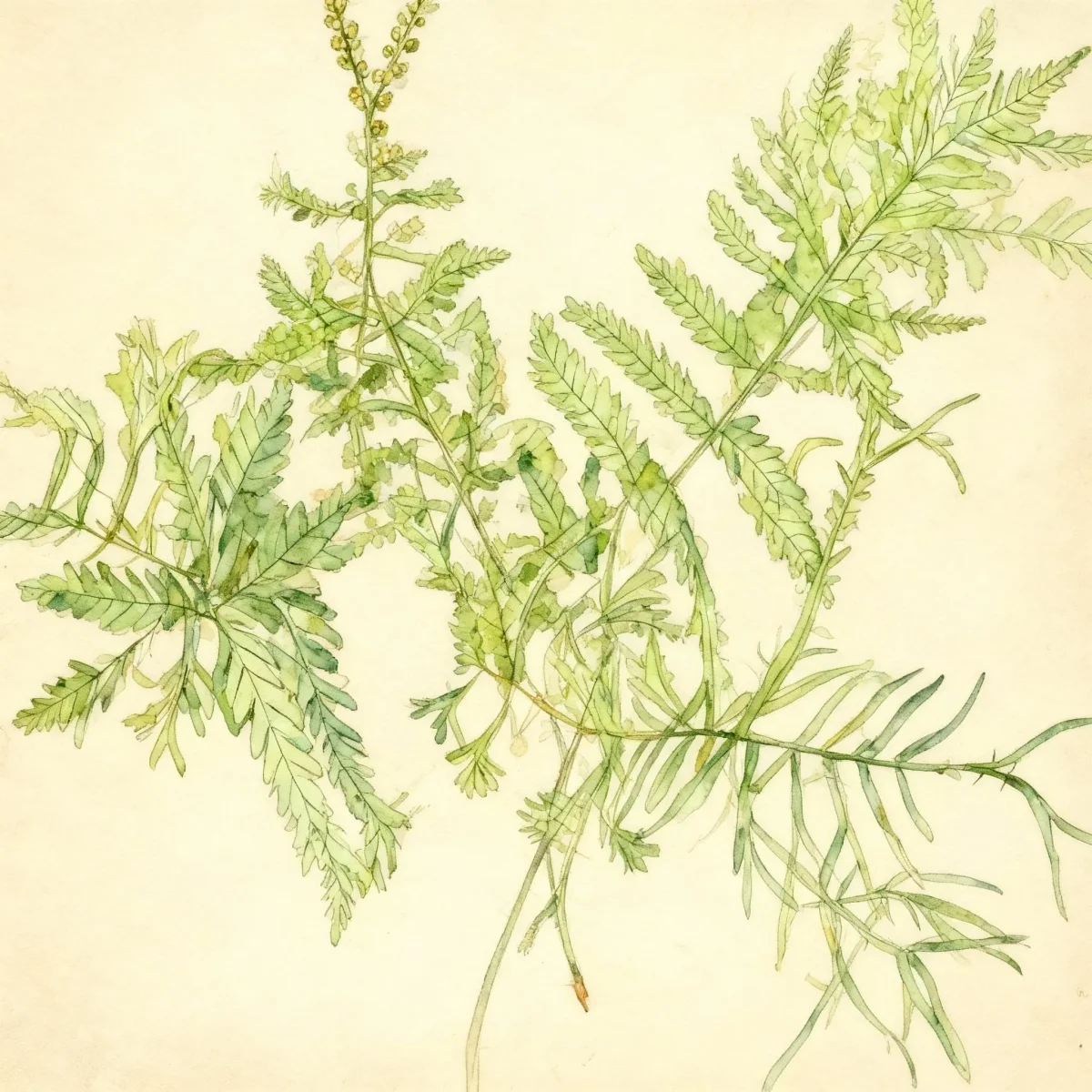
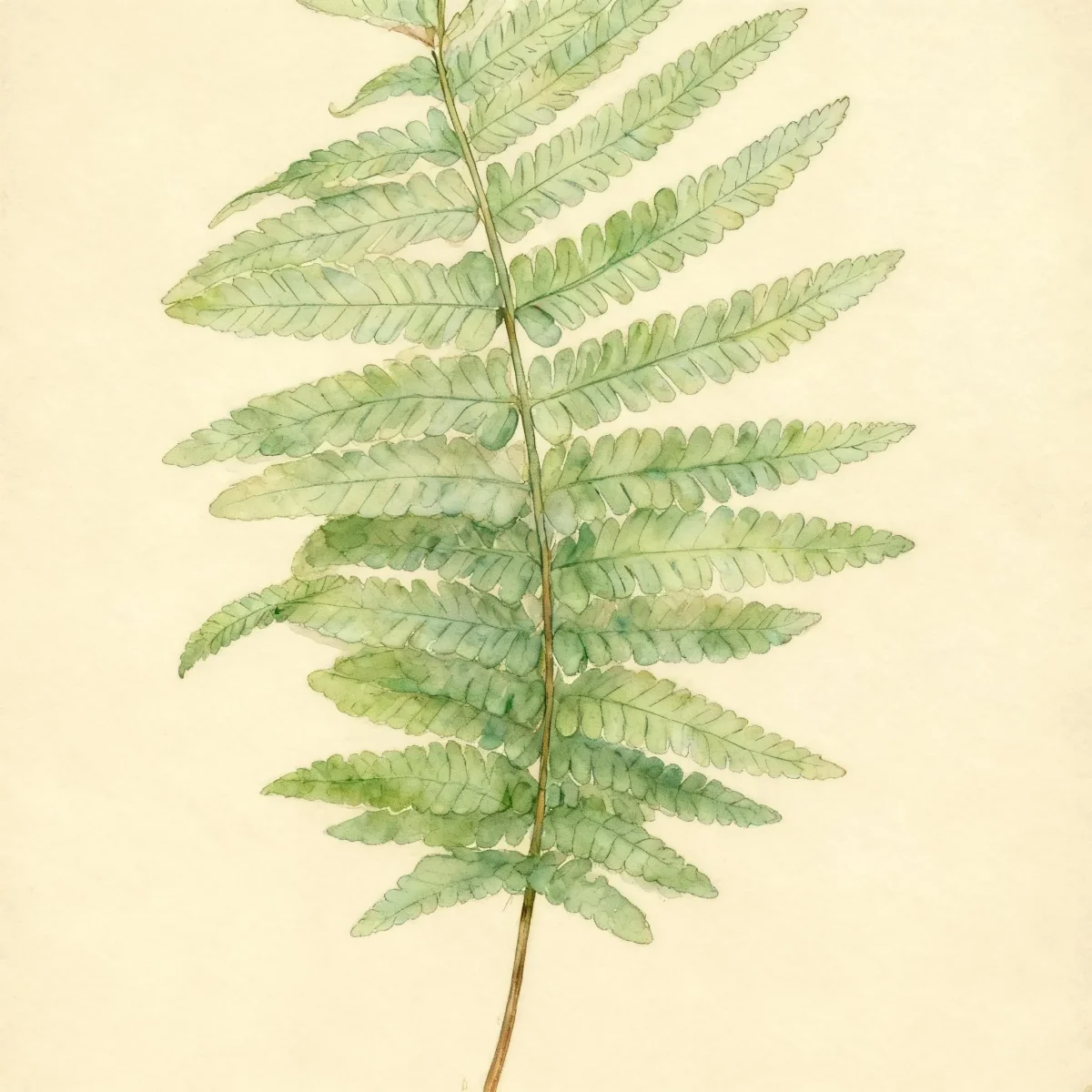
Arachnoides (Arachniodes simplicior 'Variegata')
Arachniodes simplicior 'Variegata' is a striking, variegated fern ideal for shade gardens, offering medium maintenance and evergreen interest.
Scroll down to discover growing tips, care requirements, companion plants, and more
Complete Plant Information
Overview
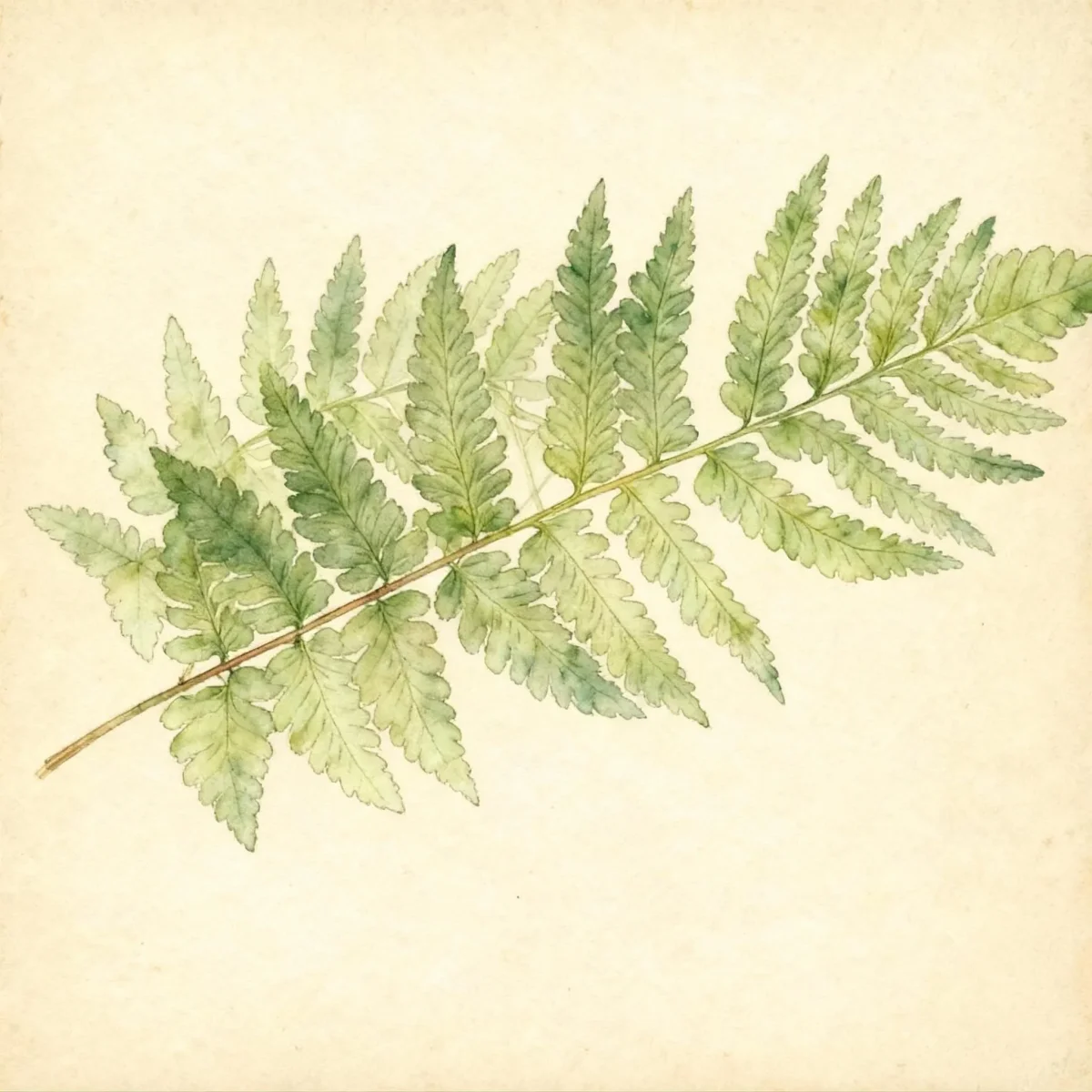
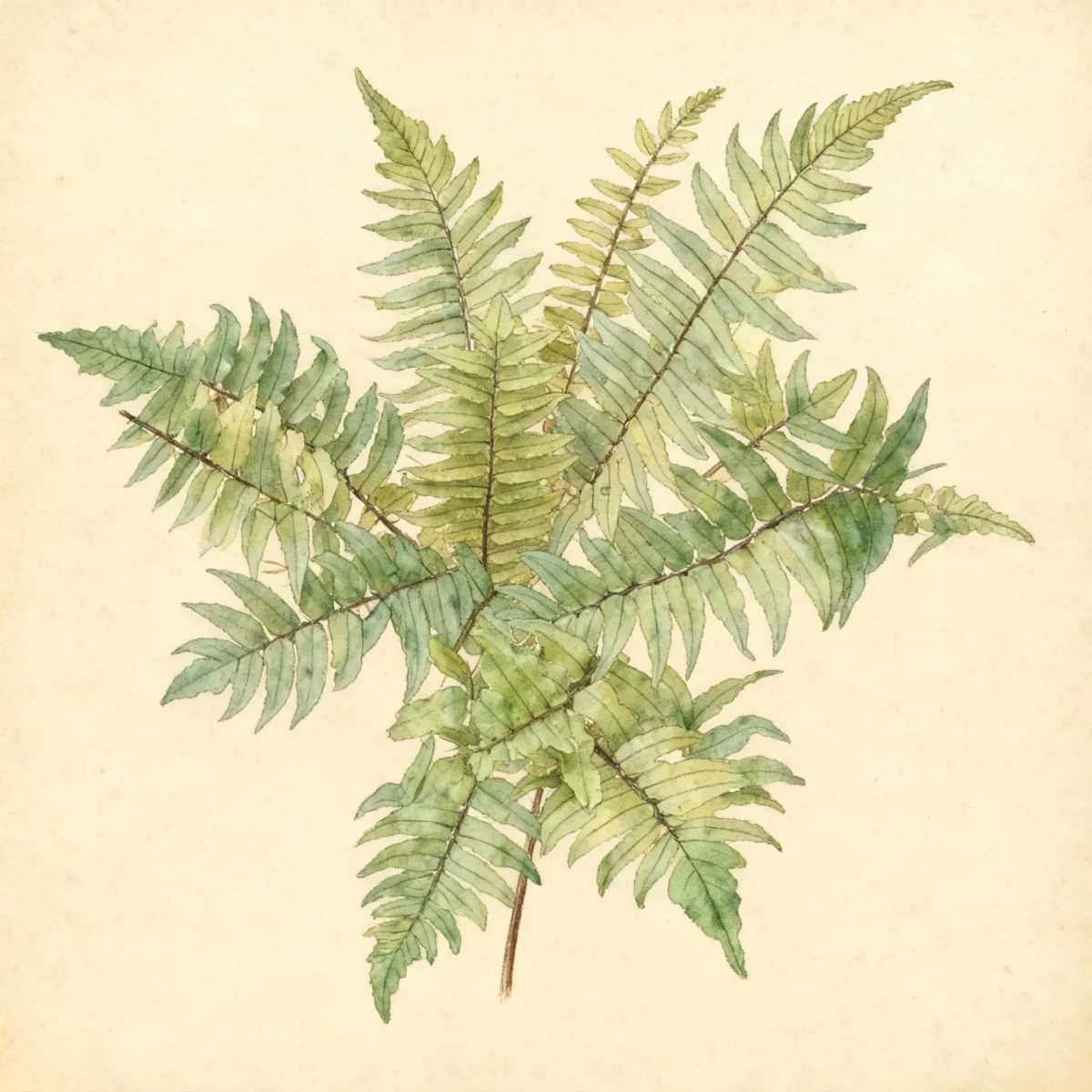
The Arachniodes simplicior ‘Variegata’ stands out in the shade landscape due to its visually engaging foliage. This rhizomatous fern features glossy, deeply divided fronds highlighted by a distinctive soft yellow stripe along the central midrib of each leaflet, making it highly valued as an evergreen accent. Commonly known as Arachnoides, it provides reliable texture and color interest where many other plants struggle to thrive—under dense tree canopy or deep shade.
As a rhizomatous spreader, Arachnoides forms attractive clumps over time, perfect for grounding woodland garden themes. While reliable in Zones 7-10, gardeners in Zone 6 must provide protection, as cold weather can leave the foliage somewhat weakened and faded. Its medium maintenance requirements mean consistent moisture is the primary key to success for this beautiful Arachniodes simplicior ‘Variegata’.
Fast Facts
- Plant Family: Dryopteridaceae
- Plant Type: Fern
- Hardiness Zones: USDA Zones 6-9
- Size at Maturity:
- Height: 1-2 ft
- Spread: 1.5-3 ft
- Bloom Time: Non-flowering
- Bloom Description: Non-flowering
- Sun Exposure: Part shade to full shade
- Water Needs: Medium to wet
- Maintenance Level: Medium
How to Grow
Planting this fern is best done when the soil is workable, ensuring it settles in before summer heat or deep winter cold. The Arachniodes simplicior ‘Variegata’ requires moist, acidic, humus-rich, and well-drained soils. Locate it where it receives protection from intense afternoon sun; morning sun is usually tolerated well, particularly in cooler climates.
Consistent moisture is crucial for the health of Arachnoides. Water regularly to keep the soil evenly moist, never allowing it to dry out completely. While this fern is relatively low maintenance, it thrives with the regular feeding provided by rich organic matter rather than synthetic fertilizers. Pruning is generally minimal, focusing only on removing any dead or damaged fronds as they appear.
For northern gardeners situated in Zone 6, protection is highly recommended to ensure the evergreen foliage retains its color and structure through winter. Site them in sheltered locations away from harsh winter winds. Arachnoides simplicior ‘Variegata’ spreads via creeping rhizomes, and propagation is straightforward; simply divide the root ball during the growing season when you wish to multiply your stock.
Landscape Uses
The variegated foliage of Arachniodes simplicior ‘Variegata’ makes it an excellent accent plant where bright spots are needed in dark corners. It excels when used as a showy ground cover to blanket woodland floor settings, creating an expansive, lush tapestry. Consider using masses of this fern beneath mature deciduous trees where seasonal light shifts naturally occur.
For smaller spaces or rock gardens, the texture and size of Arachnoides provide interesting contrast against coarser or bolder foliage plants. Furthermore, this fern adapts well to containers and hanging baskets, allowing its trailing habit and striking variegation to be enjoyed on patios or near entryways. It pairs beautifully with hostas, impatiens, and bleeding hearts that share its preference for moist, shaded environments.
Standout Features
Noteworthy Characteristics
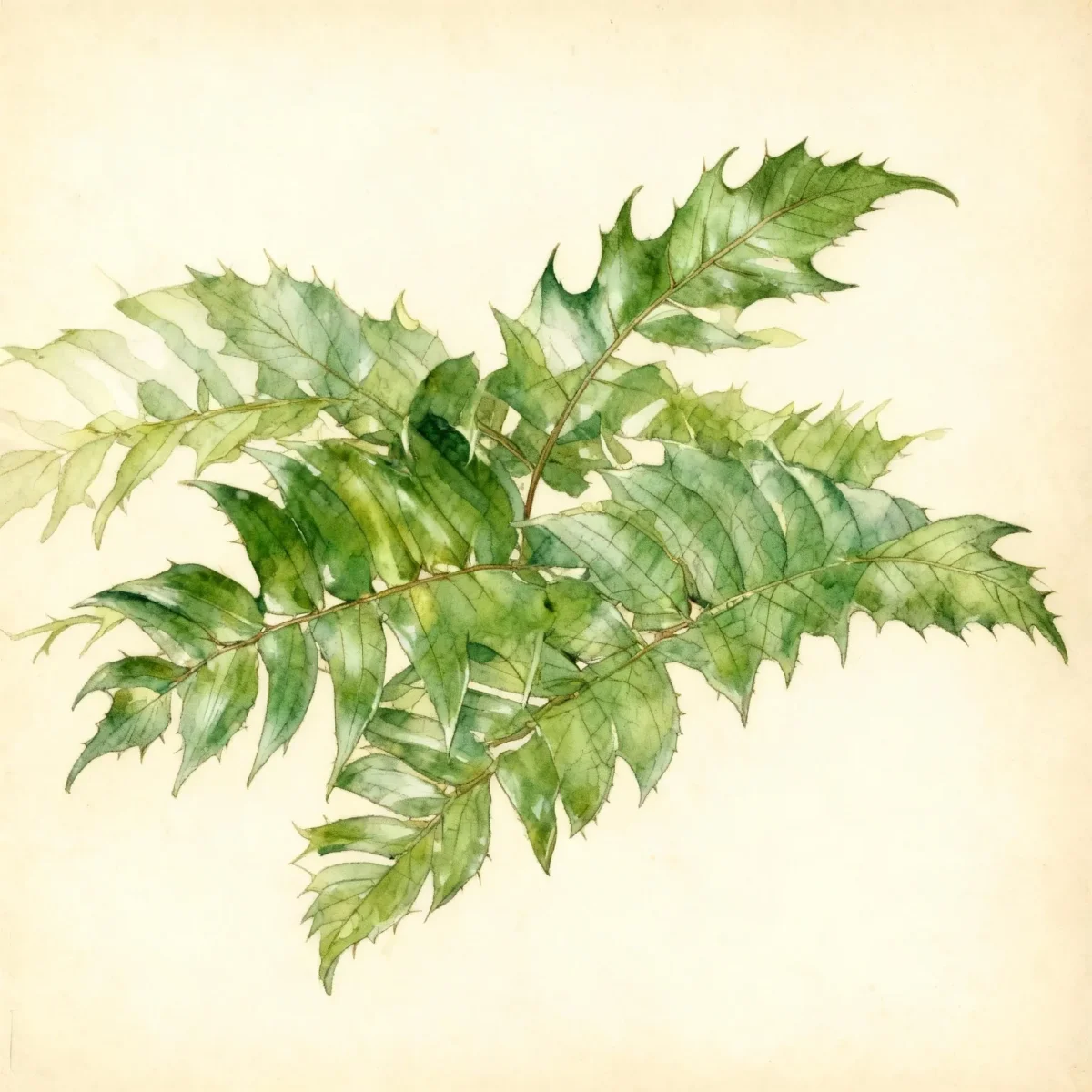
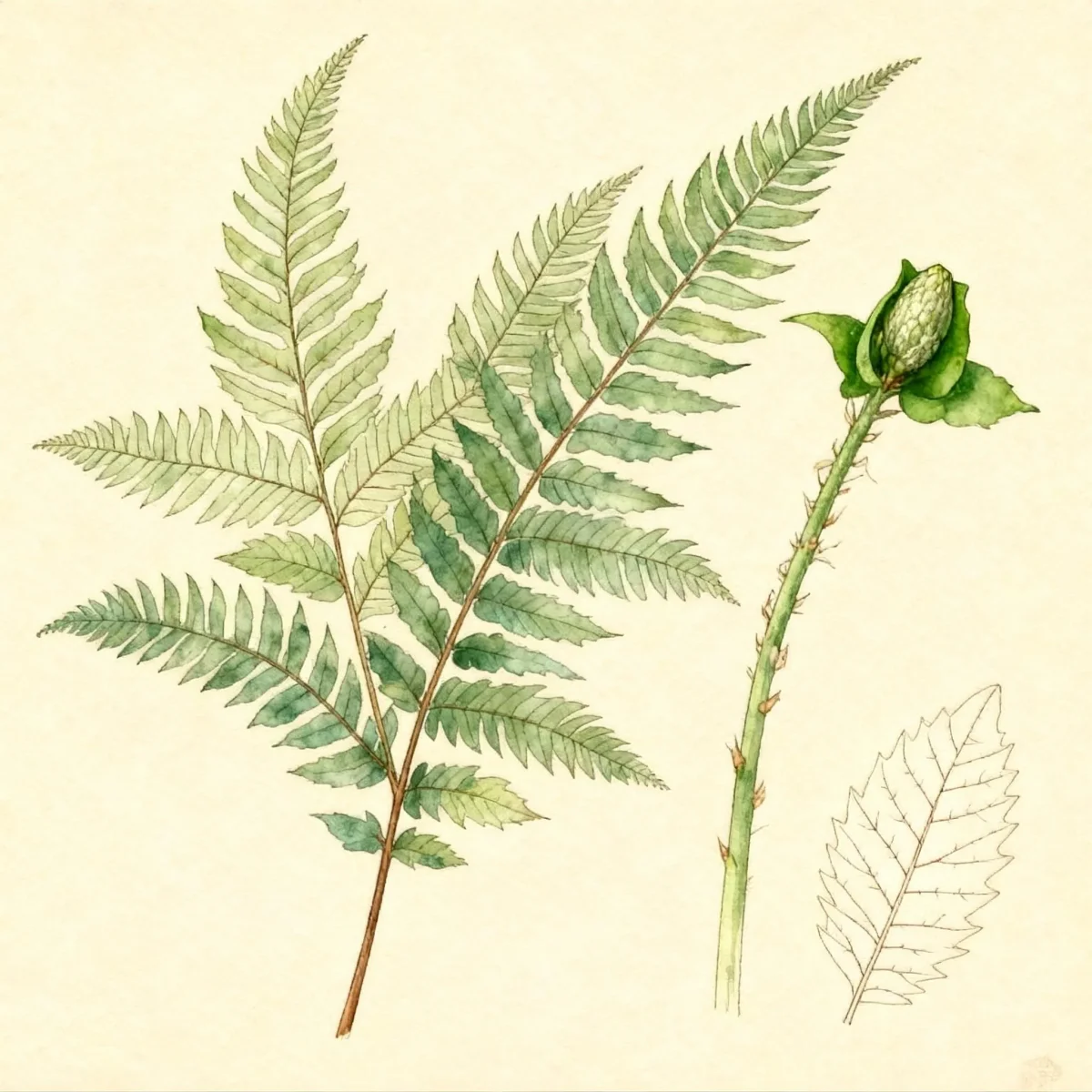
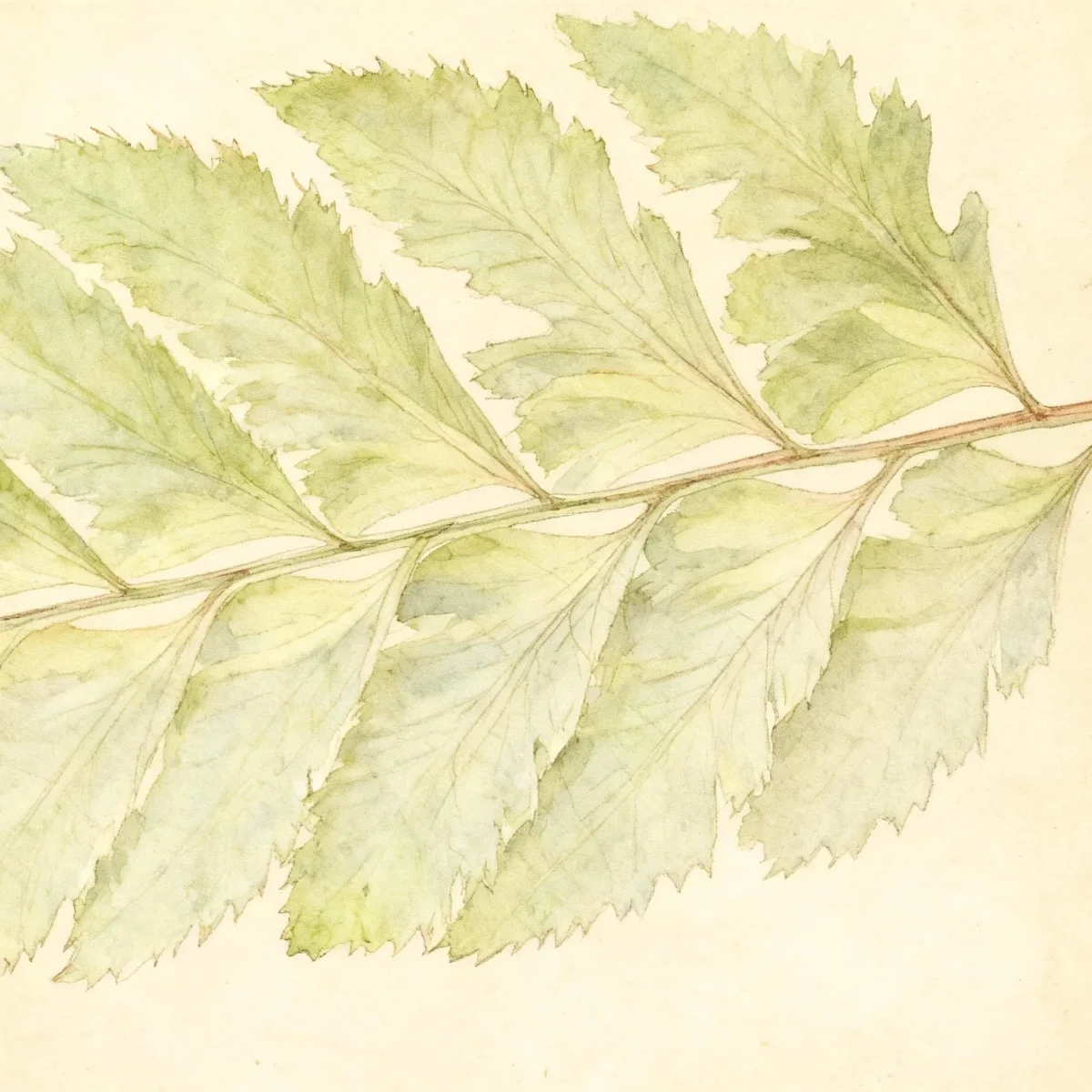
Arachniodes simplicior, commonly known as East Indian holly fern or shield fern, is a rhizomatous evergreen fern with bipinnate, ovate-triangular fronds. It typically grows to 1-2’ tall and to 1-3’ wide, native originally to woodland streambanks and cliffs in China and Japan. The specific cultivar, ‘Variegata’, showcases glossy, lime green fronds accented by a showy soft yellow stripe down the midrib of each pinnule, providing significant year-round appeal.
Tolerances
- Rabbit
Potential Problems
This fern is fortunate in that it rarely suffers from serious insect or disease problems. Good horticultural practices, particularly ensuring excellent drainage while maintaining consistent moisture, will prevent most issues. Avoid planting in heavy, poorly draining clay where standing water could cause rhizome rot.
If the plant appears suddenly dull or loses its vibrant green, check for insufficient water during hot periods or excessive direct sunlight exposure. Because it is evergreen, keeping the foliage healthy prevents winter dormancy look from leaching color.
Frequently Asked Questions
What hardiness zones is Arachnoides suitable for?
The Arachnoides simplicior ‘Variegata’ performs reliably across USDA Zones 7 through 10, though it can often survive in Zone 6 with appropriate winter protection.
How large does Arachnoides grow?
This fern typically reaches a mature size of 1 to 2 feet in height and spreads to a width between 1.5 and 3 feet via creeping rhizomes.
What sun exposure does Arachniodes simplicior ‘Variegata’ need?
It requires part shade to full shade conditions to maintain its best appearance; afternoon sun can scorch the delicate foliage, especially in hotter summer climates.
When does Arachnoides bloom?
This plant is a fern and is non-flowering.
Conclusion
The Arachnoides simplicior ‘Variegata’ is an essential choice for gardeners seeking reliable, variegated evergreen texture in dimly lit areas. Its unique lime-green and yellow striping ensures the shade garden remains bright even mid-season, making this Arachnoides a superstar performer. Before planting, confirm your location falls within USDA Zones 6-9 and commit to providing the medium water and rich, well-drained soil it needs to thrive.
Companion Planting
When selecting partners for your Arachniodes simplicior ‘Variegata’, prioritize plants that share similar moisture and shade needs, creating a unified woodland aesthetic. Consider pairing it with varieties of Hosta that offer deep blue or heavily textured leaves to contrast the finer divisions of the fern. Astilbes and Tiarella (Foamflower) are excellent companions, as they benefit from the same rich, humusy soil as the Arachnoides.
For an evergreen foundation, consider groundcovers like Pachysandra or low-growing Vinca minor planted near the edges of the Arachniodes clumps. These companions help stabilize the soil and maintain a cool, moist microclimate that is ideal for the evergreen rhizomes of this beautiful fern.
Propagation Tips
The most straightforward method for increasing the colony of Arachniodes simplicior ‘Variegata’ in your garden is through root division. Because this fern spreads by creeping rhizomes, digging up and dividing sections of the root ball is simple and highly successful. This process should ideally be carried out in early spring or early fall when temperatures are mild, allowing the divided sections time to establish before experiencing stress from extreme weather.
When dividing, gently tease apart sections of the rhizome, ensuring each new division has healthy roots and several growing crowns attached. Plant the divisions immediately back into well-amended soil at the same depth they were previously growing. Providing extra water to the newly planted divisions of the Arachnoides for the first few weeks will significantly aid in root establishment.