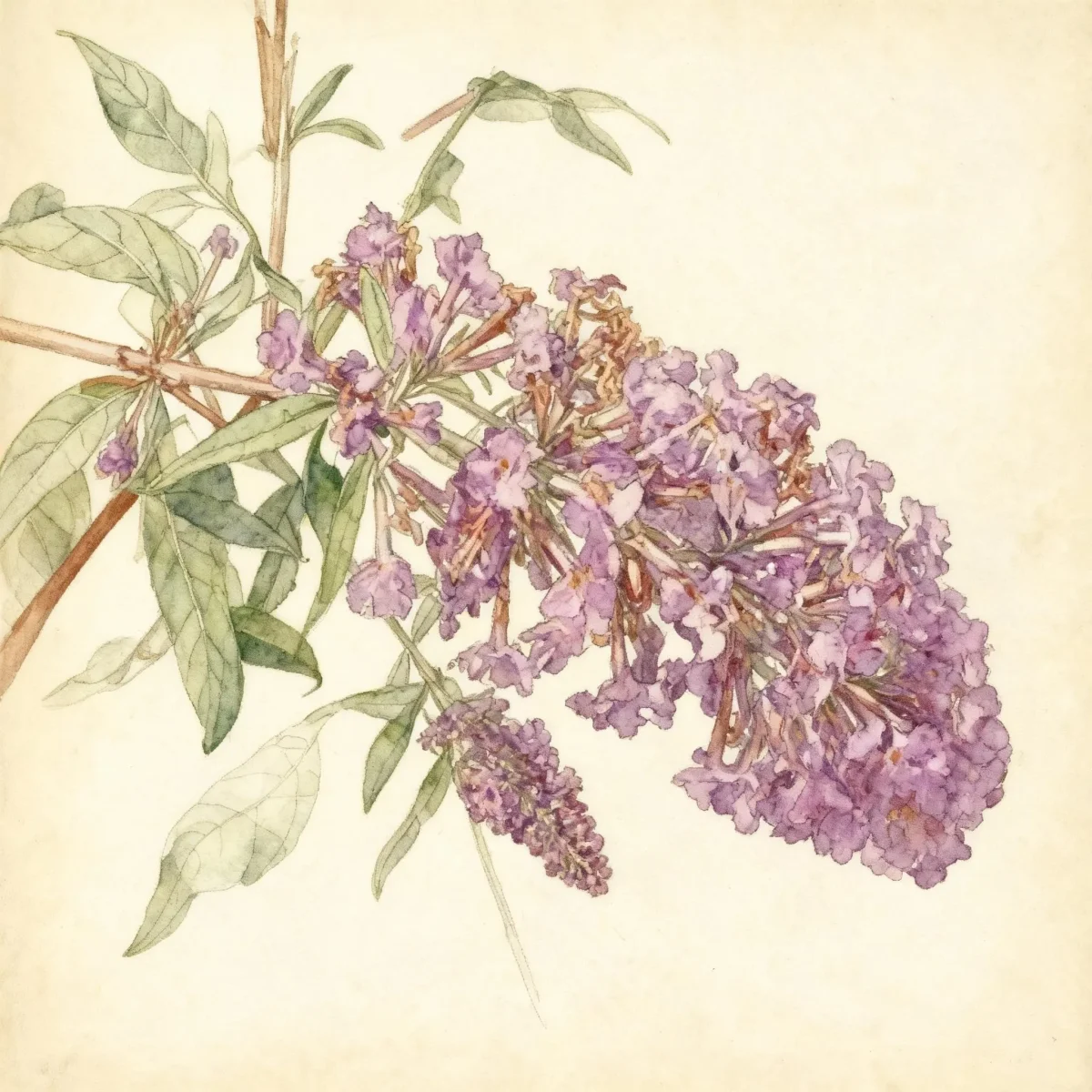
Butterfly bush (Buddleja × weyeriana 'Golden Glow')
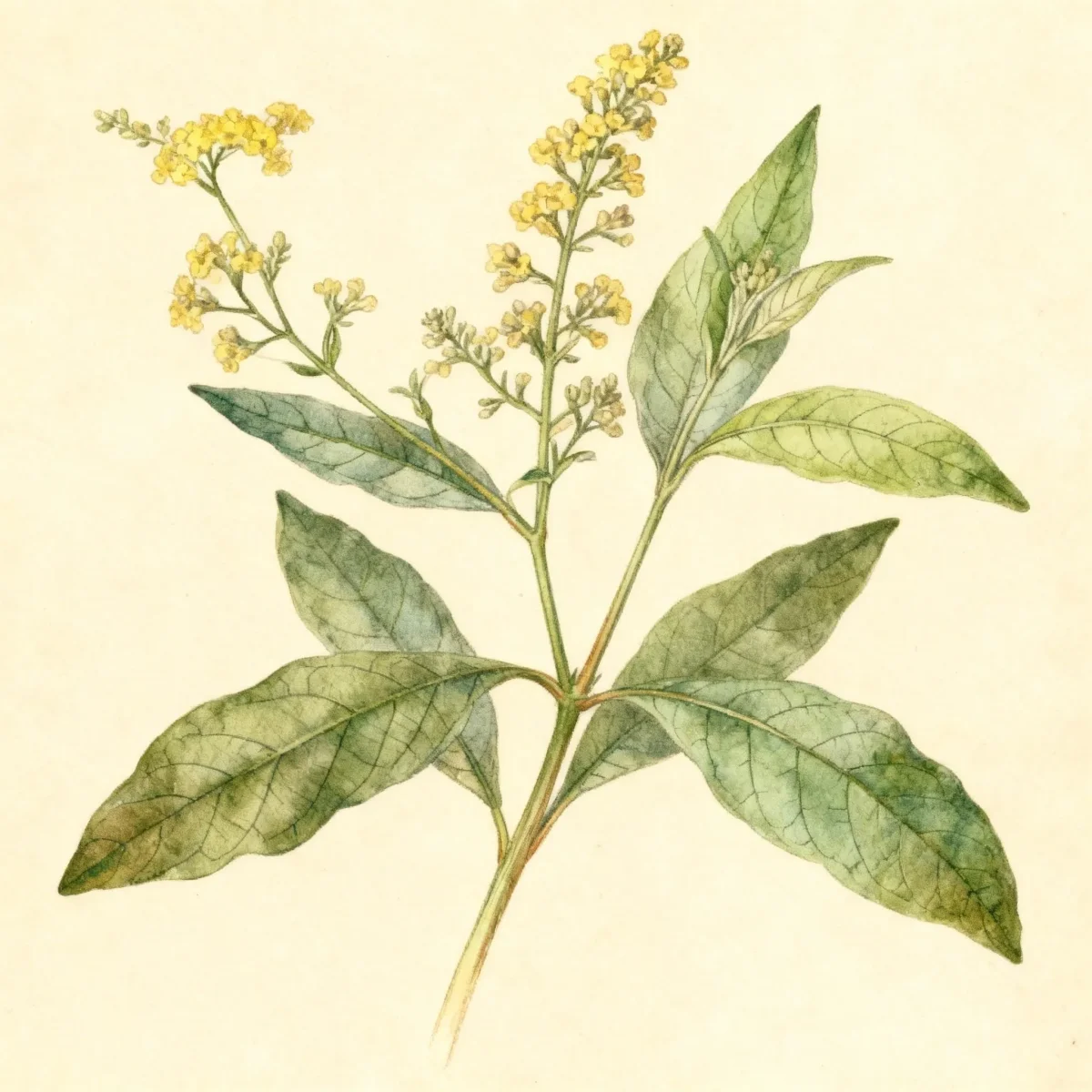
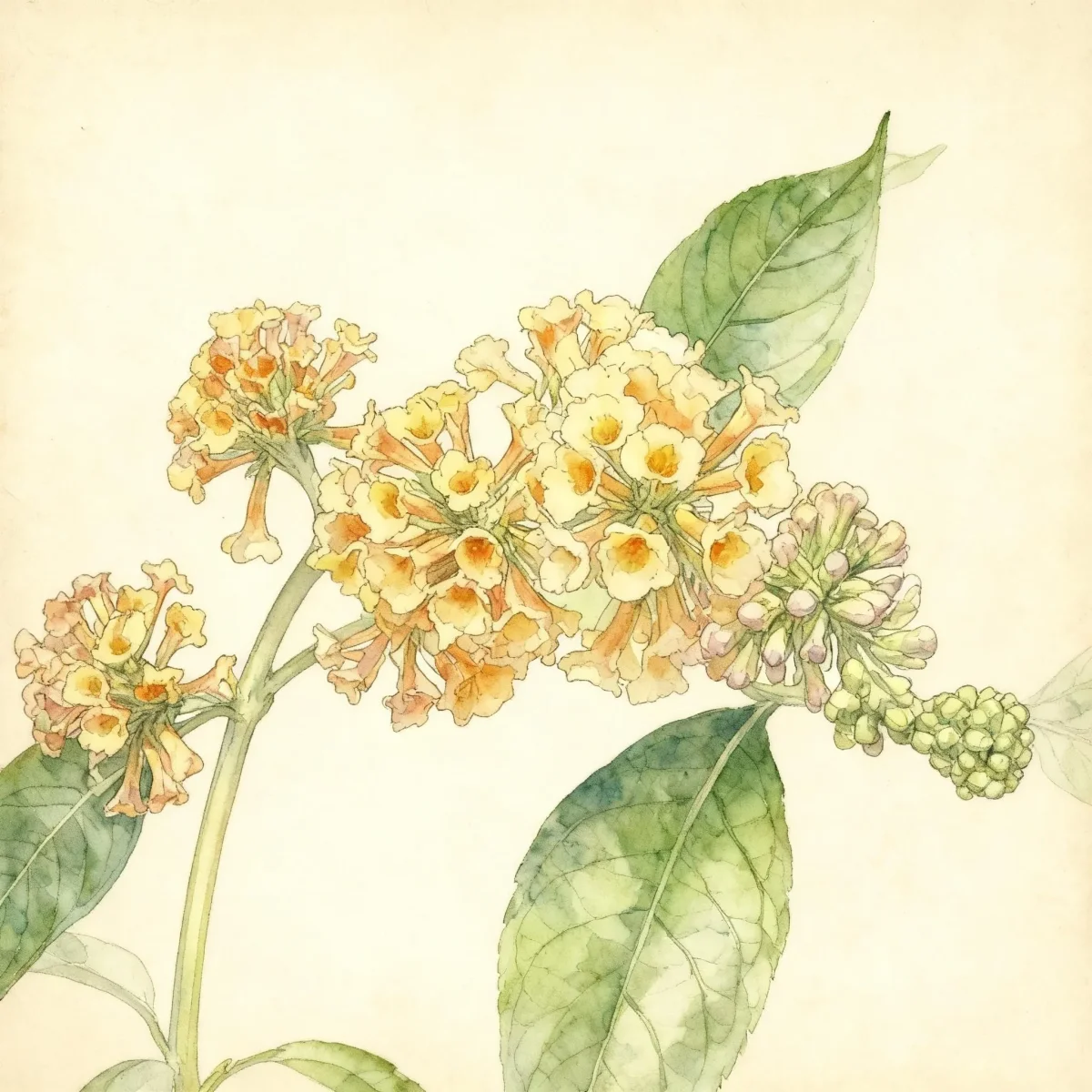
The Buddleja × weyeriana 'Golden Glow' Butterfly bush offers fragrant yellow-orange blooms in full sun, requiring high maintenance.
Scroll down to discover growing tips, care requirements, companion plants, and more
Complete Plant Information
Overview
The Buddleja × weyeriana ‘Golden Glow’ is a vigorous deciduous shrub celebrated for its abundant, fragrant flower panicles that attract numerous pollinators. This hybrid butterfly bush combines desirable traits from its parent species, resulting in a plant with an upright-arching habit well-suited for sunny garden spaces where wildlife attraction is desired. While it offers spectacular summer color, gardeners should note that this specific cultivar of butterfly bush is among the less winter-hardy options, necessitating thoughtful zone selection and winter care. Success with Buddleja × weyeriana ‘Golden Glow’ hinges on providing adequate sunlight and employing regular pruning to maintain shape and vigor.
Fast Facts
- Plant Family: Scrophulariaceae
- Plant Type: Deciduous shrub
- Hardiness Zones: USDA Zones 6-9
- Size at Maturity:
- Height: 5-15 ft
- Spread: 5-10 ft
- Bloom Time: May to July
- Bloom Description: Yellow-orange
- Sun Exposure: Full sun
- Water Needs: Medium
- Maintenance Level: High
How to Grow
Plant Buddleja × weyeriana ‘Golden Glow’ in average, medium-moisture soil that is well-drained. It must receive full sun; without it, this butterfly bush becomes sparse and flowering performance significantly decreases. Although it performs poorly in wet conditions, this hybrid will adapt to clay soil provided the soil structure is amended adequately before planting.
Maintenance for this high-interest shrub is critical, especially regarding pruning. The removal of spent flower spikes throughout the growing season is necessary to encourage continuous, successive blooming right through mid-summer or fall. Routinely cut back the shrub in late winter to a framework close to the ground, similar to pruning a crepe myrtle, to ensure vigorous growth and superior flower production, as it blooms on both new and old wood.
Because Buddleja × weyeriana ‘Golden Glow’ is one of the least winter-hardy buddlejas, those gardening near the lower limit of its range (Zone 6) must provide protection. Planting in a protected location and applying a heavy winter mulch is recommended. Even with insulation, top growth in Zone 6 may die back to the ground, though roots often survive to resprout vigorously in spring.
Landscape Uses
This striking butterfly bush excels in mixed borders, cottage garden settings, or when deliberately massed for impact. Its vibrant yellow-orange blooms make the Buddleja × weyeriana ‘Golden Glow’ an excellent specimen or grouping plant where color mass is needed during the summer months. While it can grow quite large in warmer climates (up to 15 feet), standard pruning keeps it manageable for smaller garden applications.
When planning companions, choose plants that share similar sun and water needs. Grouping it with summer-flowering perennials that have contrasting foliage or texture can enhance the visual appeal when the butterfly bush is blooming. The highly attractive nature of the flowers makes any location that hosts this Buddleja a prime destination for local butterflies.
Standout Features
Flower Qualities
- Showy
- Fragrant
Noteworthy Characteristics
The genus name Buddleja honors Reverend Adam Buddle, though the accepted spelling is often listed as Buddlei. ‘Golden Glow’ is a cross between B. davidii and B. globosa, featuring strong, upright branches less prone to sprawling than typical B. davidii types. It produces terminal panicles of yellow-orange flowers tinged with purple, which are highly fragrant and bloom from late spring into summer, being exceedingly attractive to butterflies.
Tolerances
- Clay Soil
Potential Problems
This cultivar generally suffers from no serious insect or disease problems, making it relatively robust when sited correctly. However, gardeners in the deep South should be aware that nematodes can sometimes prove troublesome, potentially stressing the root system. Proper cultural practices, especially ensuring excellent drainage, remain the best defense against any generalized stress that might invite pests or disease.
Frequently Asked Questions
What hardiness zones is Butterfly bush suitable for?
The suggested hardiness range for Buddleja × weyeriana ‘Golden Glow’ is USDA Zones 6 through 9.
How large does Buddleja × weyeriana ‘Golden Glow’ grow?
When mature, this cultivar typically reaches a height between 5 and 15 feet, with a comparable spread of 5 to 10 feet.
What sun exposure does Butterfly bush need?
This plant demands full sun exposure to achieve the best shape and maximum flower production.
When does Buddleja × weyeriana ‘Golden Glow’ bloom?
It produces its characteristic yellow-orange blooms reliably from May through July, sometimes continuing into the fall.
Conclusion
The Buddleja × weyeriana ‘Golden Glow’ is a high-impact, fragrant cultivar that provides reliable summer color and excellent support for local butterfly populations. While its high maintenance needs and moderate temperature sensitivity require attentive pruning and winter care, the reward is a spectacular display. Verify that your growing zone aligns with USDA 6-9 and plan for routine pruning to ensure years of beautiful flowering from your butterfly bush.
Companion Planting
Selecting companions that thrive in full sun and well-drained soil is key to integrating this Buddleja successfully. Consider pairing the upright structure of the Buddleja × weyeriana ‘Golden Glow’ with mounding groundcovers or perennials with strong vertical accents, like Russian sage (Perovskia atriplicifolia) or ornamental grasses, to vary garden height and texture. Due to its vigorous growth, avoid placing very delicate, shallow-rooted plants immediately adjacent where competition might prove too fierce.
Wildlife Benefits
The primary ecological contribution of this Butterfly bush lies in its exceptional ability to draw in pollinators. The fragrant, nectar-rich yellow-orange flowers are magnets for adult butterflies throughout their blooming cycle. While providing food for adult insects is crucial, gardeners should also incorporate larval host plants nearby to support the entire life cycle of these beneficial insects, maximizing the garden’s overall ecological contribution.