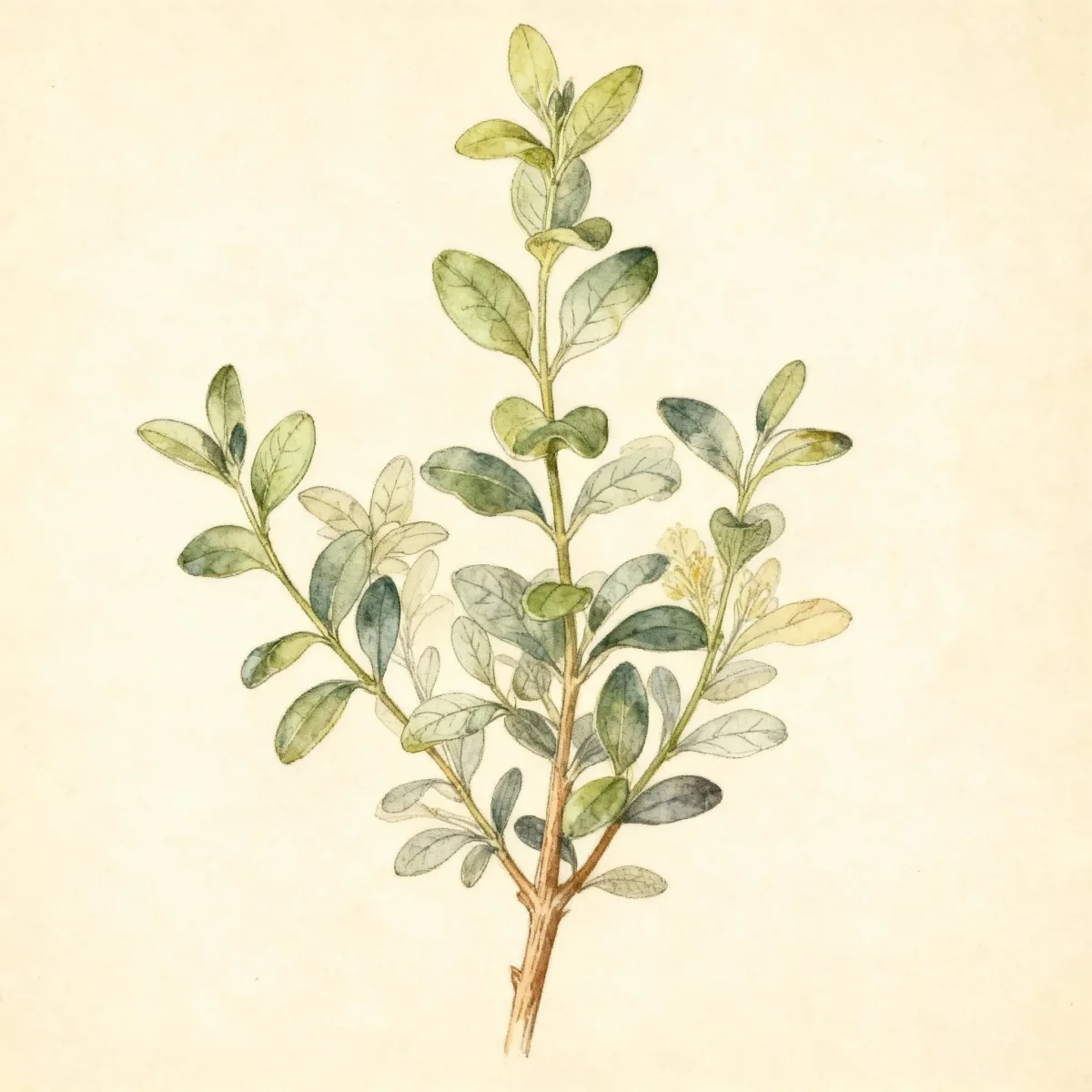
Japanese boxwood (Buxus microphylla 'Green Beauty')
Buxus microphylla var. japonica 'Green Beauty' is a dense, compact Japanese boxwood ideal for formal hedges and foundation plantings in Zones 6-9.
Scroll down to discover growing tips, care requirements, companion plants, and more
Complete Plant Information
Overview
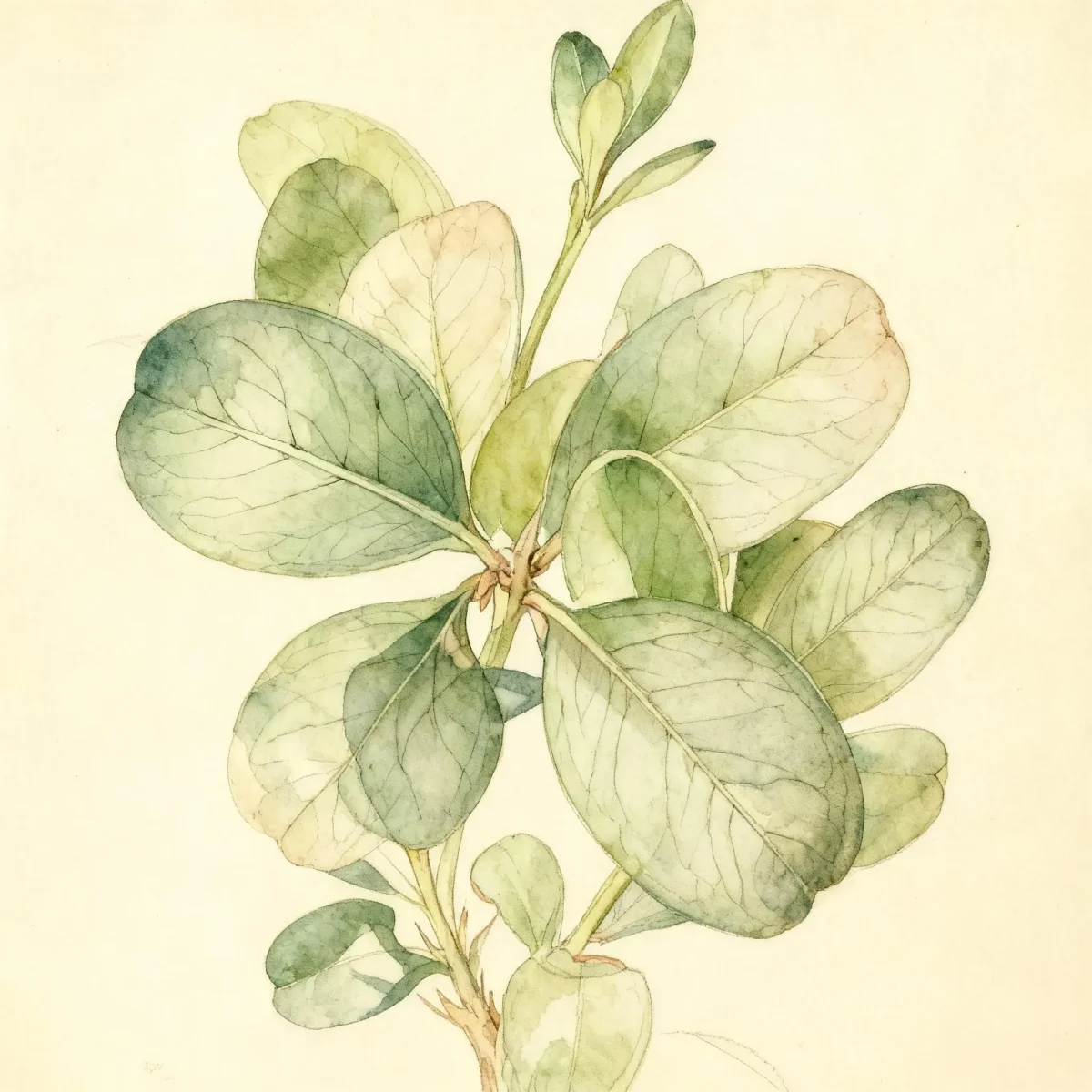
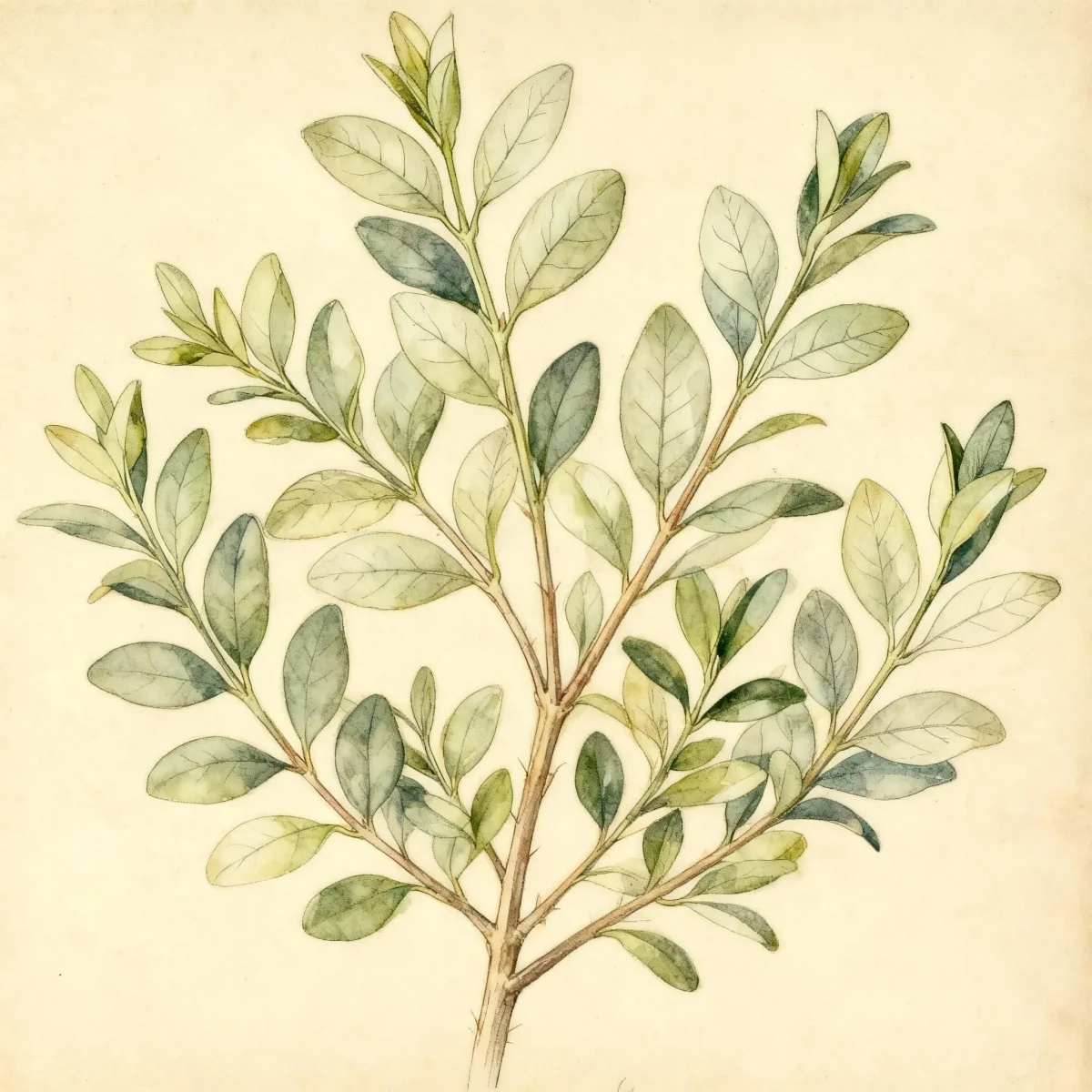
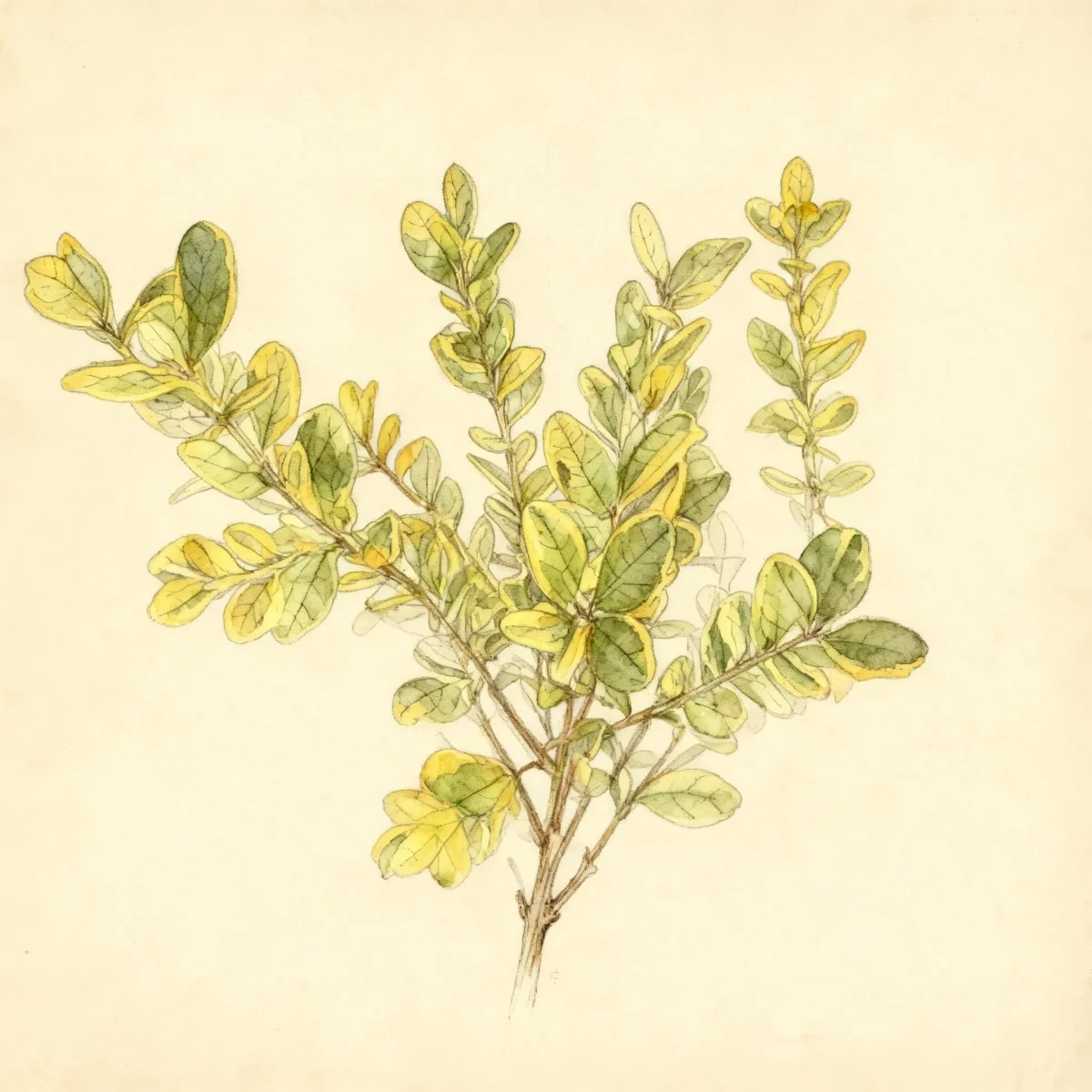
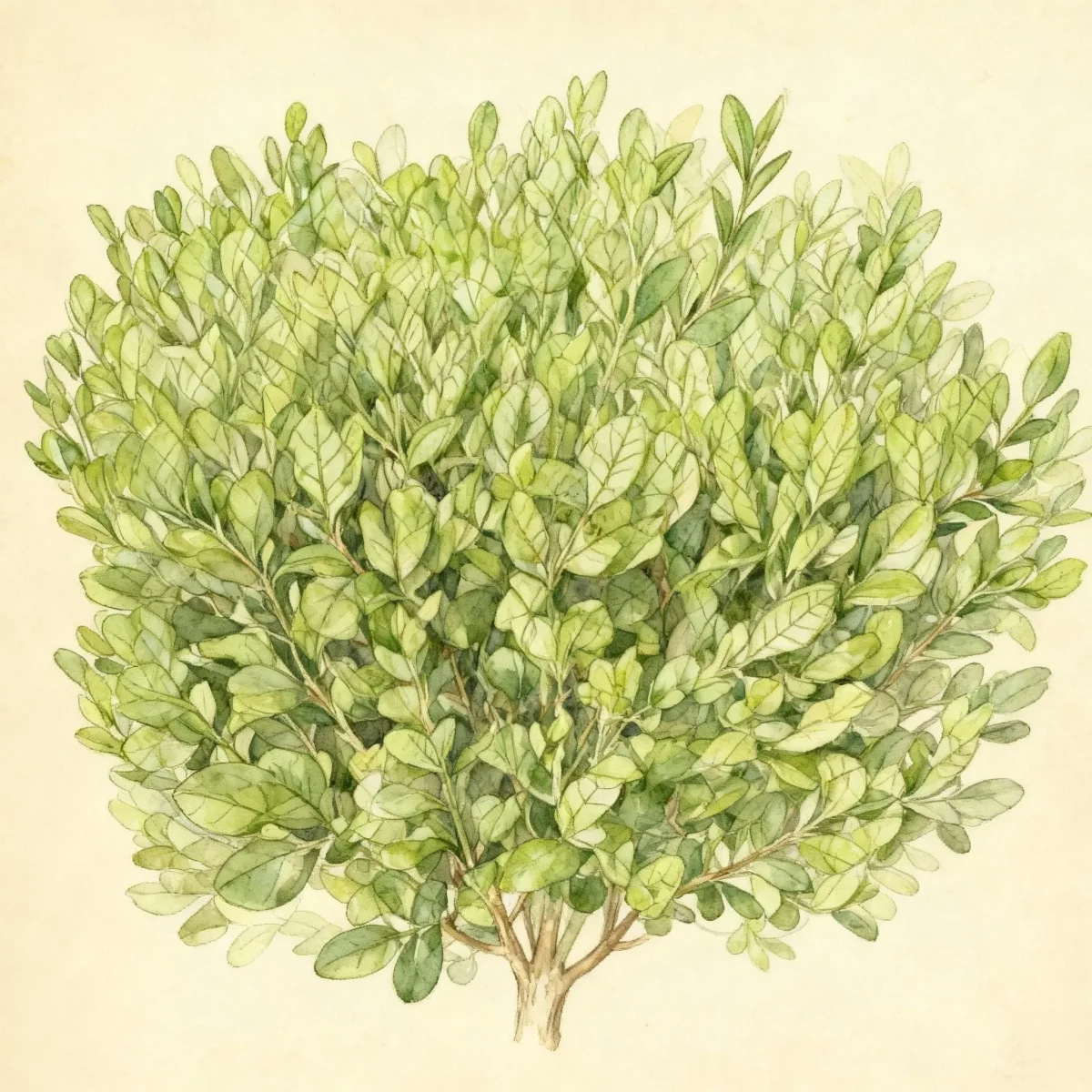
The Buxus microphylla var. japonica ‘Green Beauty’, commonly known as Japanese boxwood, is a treasured broadleaf evergreen prized for its dense, compact habit, making it a superior choice for formal evergreen structure. This cultivar of Japanese boxwood matures into a neat, rounded form, typically 3 to 5 feet tall and wide, perfect for defining garden spaces where size control is important. While the species itself hails from mountainous regions of Japan, the Buxus microphylla var. Japonica ‘Green Beauty’ cultivar offers gardeners reliable year-round green color and excellent tolerance to trimming. Its small, glossy evergreen leaves provide rich texture suitable for foundation plantings, low hedges, or as singular accent specimens across USDA Zones 6 through 9.
Fast Facts
- Plant Family: Buxaceae
- Plant Type: Broadleaf evergreen
- Hardiness Zones: USDA Zones 6-9
- Size at Maturity:
- Height: 3-5 ft
- Spread: 3-5 ft
- Bloom Time: March to April
- Bloom Description: Greenish-cream
- Sun Exposure: Full sun to part shade
- Water Needs: Medium
- Maintenance Level: Medium
How to Grow
Planting Buxus microphylla var. japonica ‘Green Beauty’ is best done in spring or early fall when temperatures are moderate. Select a site offering well-drained loam soil, ideally a mix of sand and clay, with a pH ranging from slightly acidic to slightly alkaline. This Japanese boxwood thrives in part shade, succeeding best with dappled light or a few hours of gentle morning or early afternoon sun. Avoid overly dense, full shade, as this leads to less vigorous growth and sparse foliage.
Care centers on consistent moisture management, as this plant requires medium water needs. Ensure the soil remains consistently moist but never waterlogged, which can lead to root rot. Because boxwood varieties possess shallow roots, avoid cultivating close to the base; instead, apply a 1-2 inch layer of organic mulch, such as compost or bark, to retain moisture and regulate soil temperature.
Pruning is generally well-tolerated by Buxus microphylla var. Japonica ‘Green Beauty’. However, severe shearing or pruning should always wait until after the danger of late spring frosts has passed to prevent new, tender growth from being damaged. For overall plant health, thin out dense areas annually to improve air circulation and remove any dead or damaged branches. Siting plants where they are sheltered from harsh winter winds is crucial, as desiccating winds can cause leaf bronzing, though foliage generally recovers well by mid-spring.
Landscape Uses
The excellent compact nature of Buxus microphylla var. japonica ‘Green Beauty’ makes it incredibly versatile in formal and informal settings alike. It excels when used as a classic, low-maintenance hedge along walkways or property lines, providing dependable green structure throughout the year. Its slow-to-moderate growth rate ensures that once a form is achieved, it retains its shape with minimal effort.
Beyond hedging, this Japanese boxwood functions beautifully as an understated foundation planting against homes or structures where space is limited, or as an accent specimen to anchor corners of garden beds. Consider planting it alongside contrasting textures, such as fine-textured grasses or broad-leaved hostas, while ensuring companion plants share similar light and moisture requirements—favoring dappled shade over blazing, hot afternoon sun.
Standout Features
Flower Qualities
- Fragrant
- Insignificant
Noteworthy Characteristics
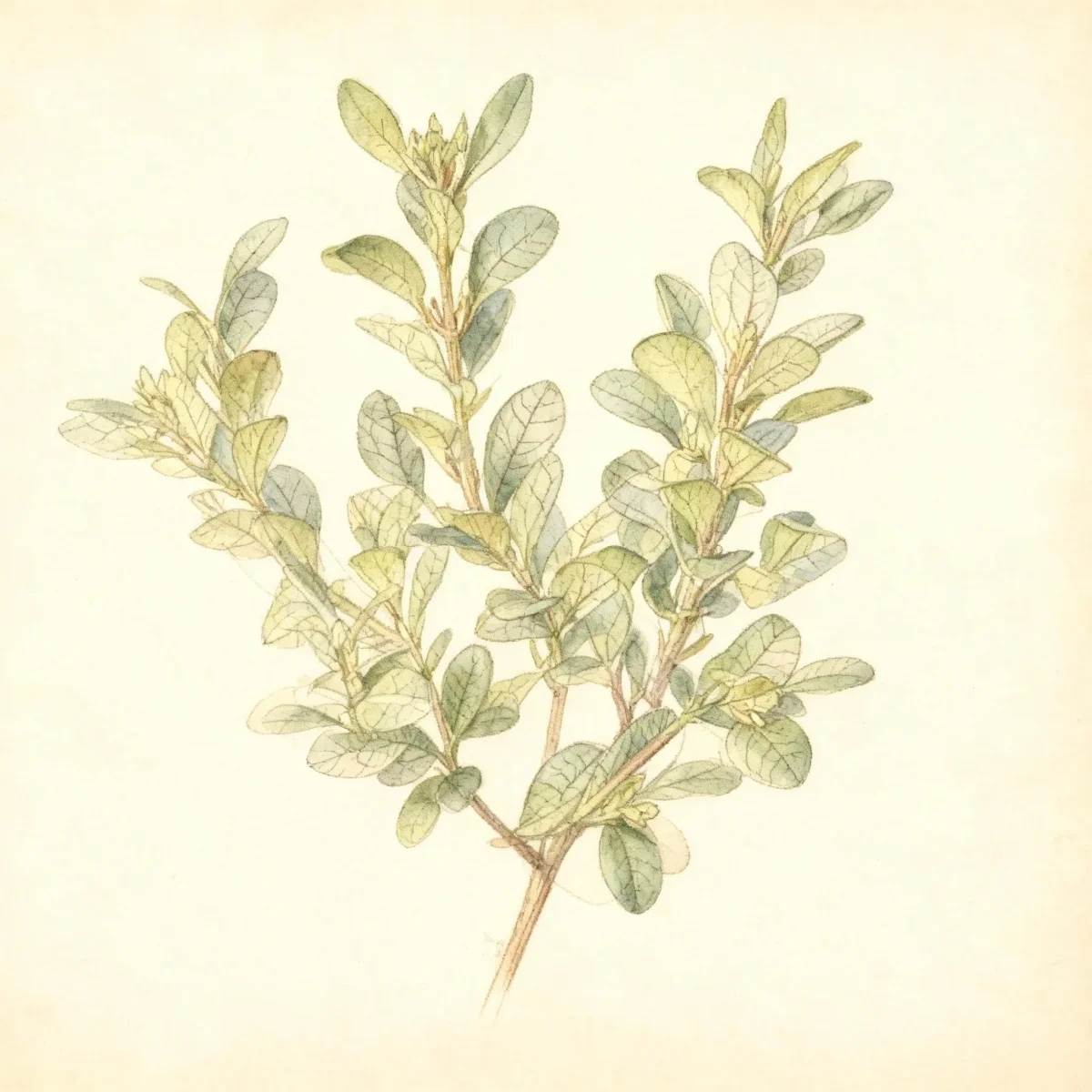
The species, Buxus microphylla (commonly called Japanese boxwood), is known for being relatively fast-growing compared to other boxwoods. However, the cultivar ‘Green Beauty’ settles into a dense, rounded, compact form reaching 3-5 feet tall and wide. Its small, glossy, lance-shaped leaves offer a deep green hue that holds well, though they may bronze slightly during cold, sunny winter exposure.
Tolerances
- Rabbit
- Deer
Potential Problems
The most common cosmetic issue for Buxus microphylla var. japonica ‘Green Beauty’ is foliage bronzing, which appears as an unattractive brownish-yellow tint during harsh winter weather. This primarily happens when plants are situated in open areas exposed to blazing winter sun combined with strong drying winds. To mitigate this, site plants in locations sheltered from prevailing winter winds where possible. While generally robust, this Japanese boxwood can suffer from blights and leaf spots; ensuring good air circulation through proper thinning helps reduce fungal pressure. Furthermore, because the roots are shallow, poor drainage is a major risk, leading to potential root rot; always ensure soil is well-drained. Various pests, including boxwood mites and leafminers, can attack the foliage, requiring appropriate integrated pest management if infestations become severe.
Frequently Asked Questions
What hardiness zones is Japanese boxwood suitable for?
Buxus microphylla var. japonica ‘Green Beauty’ is reliably hardy across USDA Zones 6 through 9.
How large does Buxus microphylla var. japonica ‘Green Beauty’ grow?
This compact cultivar typically matures to a modest 3 to 5 feet in both height and spread, making it excellent for smaller spaces.
What sun exposure does Japanese boxwood need?
This evergreen prefers full sun to part shade, thriving best in locations that receive light or dappled shade, especially avoiding intense, hot afternoon sun.
When does Buxus microphylla var. Japonica ‘Green Beauty’ bloom?
Bloom time generally occurs from March to April, producing small, greenish-cream flowers that are noted for being insignificant but fragrant.
Conclusion
The Buxus microphylla var. japonica ‘Green Beauty’ delivers refined, dark green texture with a manageable size, securing its place as a foundation evergreen staple. Its relatively compact structure and tolerance for moderate heat and humidity give it an edge over some other boxwood types in warmer regions. Before planting, ensure your site offers the well-drained soil this robust Japanese boxwood requires, and plan your planting schedule for early spring or fall for the best establishment.
Companion Planting
When integrating Buxus microphylla var. japonica ‘Green Beauty’ into layered evergreen designs, consider contrasting textures to highlight its dense foliage. Plants that appreciate similar partial shade conditions, such as Coral Bells (Heuchera) or certain ferns, offer striking visual foils at the base of the hedge. For low-growing seasonal color, annuals like pansies or violas can be tucked in during early spring, as they tolerate the cooler conditions associated with the boxwood’s bloom time in March and April.
Design Ideas for Evergreen Structure
Low hedges formed by Japanese boxwood are invaluable for creating formal garden rooms or defining pathways where a visual barrier is needed without completely obstructing views. Use multiple specimens rhythmically along a long wall as a structured foundation planting, ensuring at least 3 feet spacing to allow for mature spread. Because Buxus microphylla var. Japonica ‘Green Beauty’ handles pruning well, formal geometric shapes—globes, squares, or low cylinders—are easily maintained, adding crisp architectural definition to the landscape year-round.