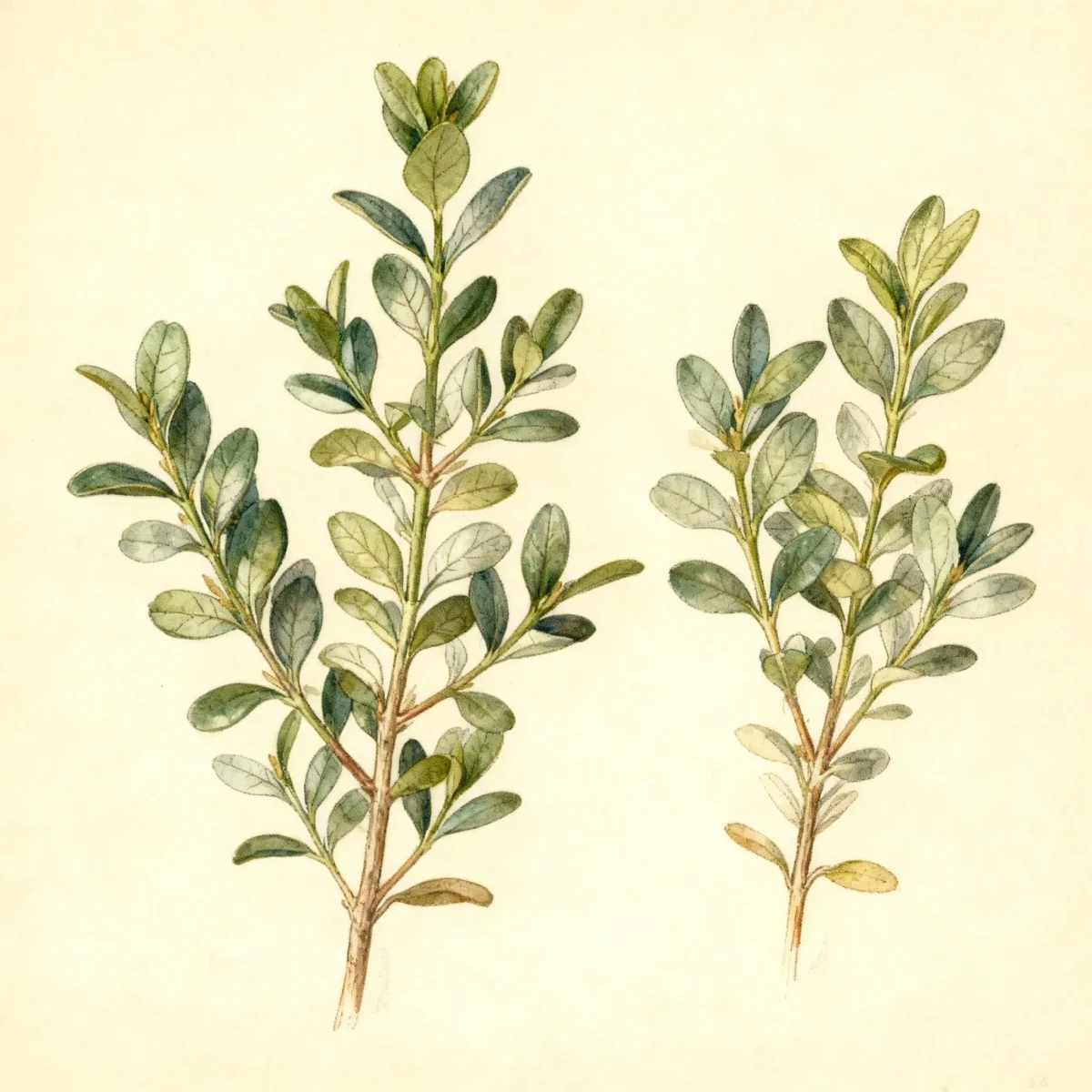
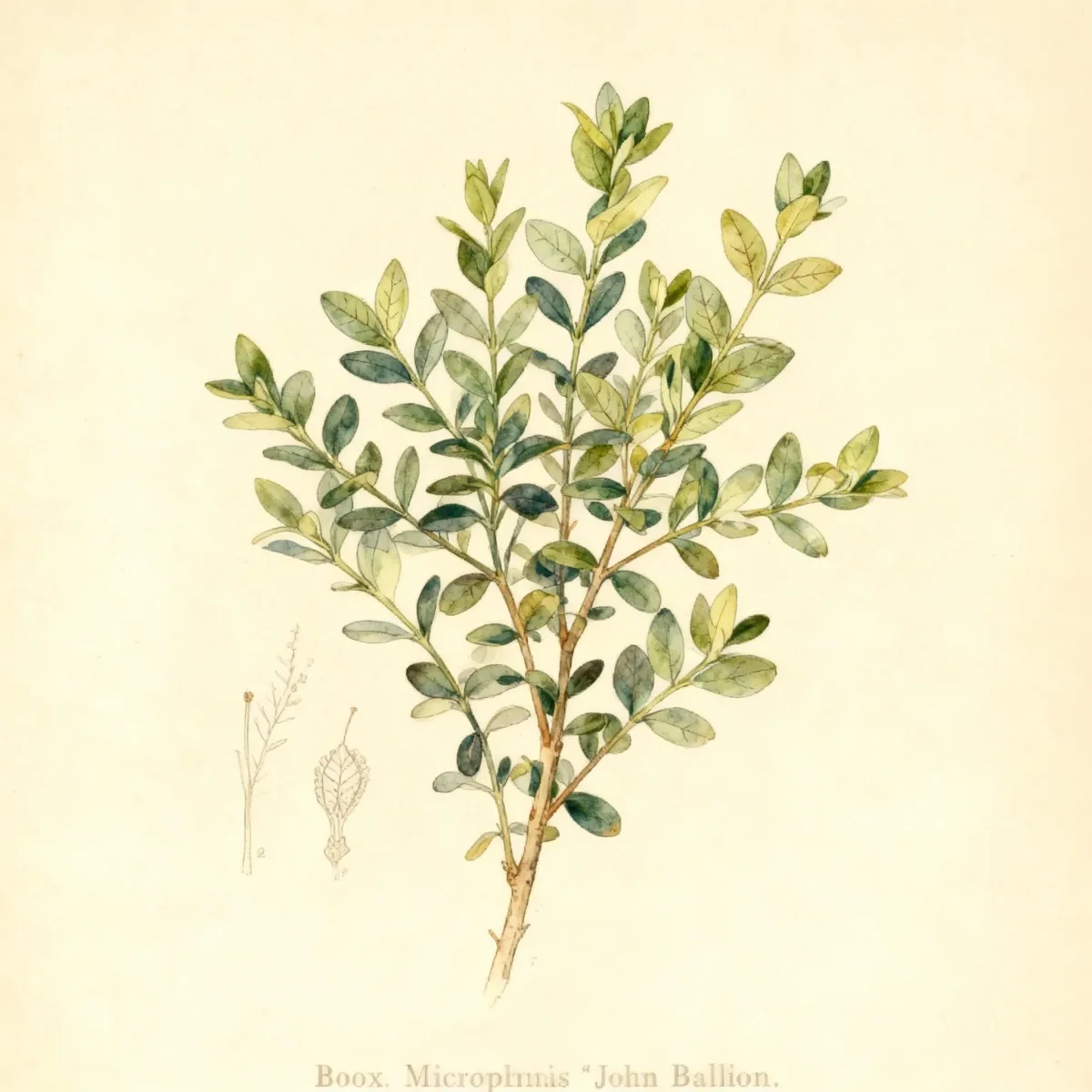
Common box (Buxus sempervirens)
Buxus sempervirens, the Common box, is a classic broadleaf evergreen prized for formal gardens, hedges, and structure.
Scroll down to discover growing tips, care requirements, companion plants, and more
Complete Plant Information
Overview
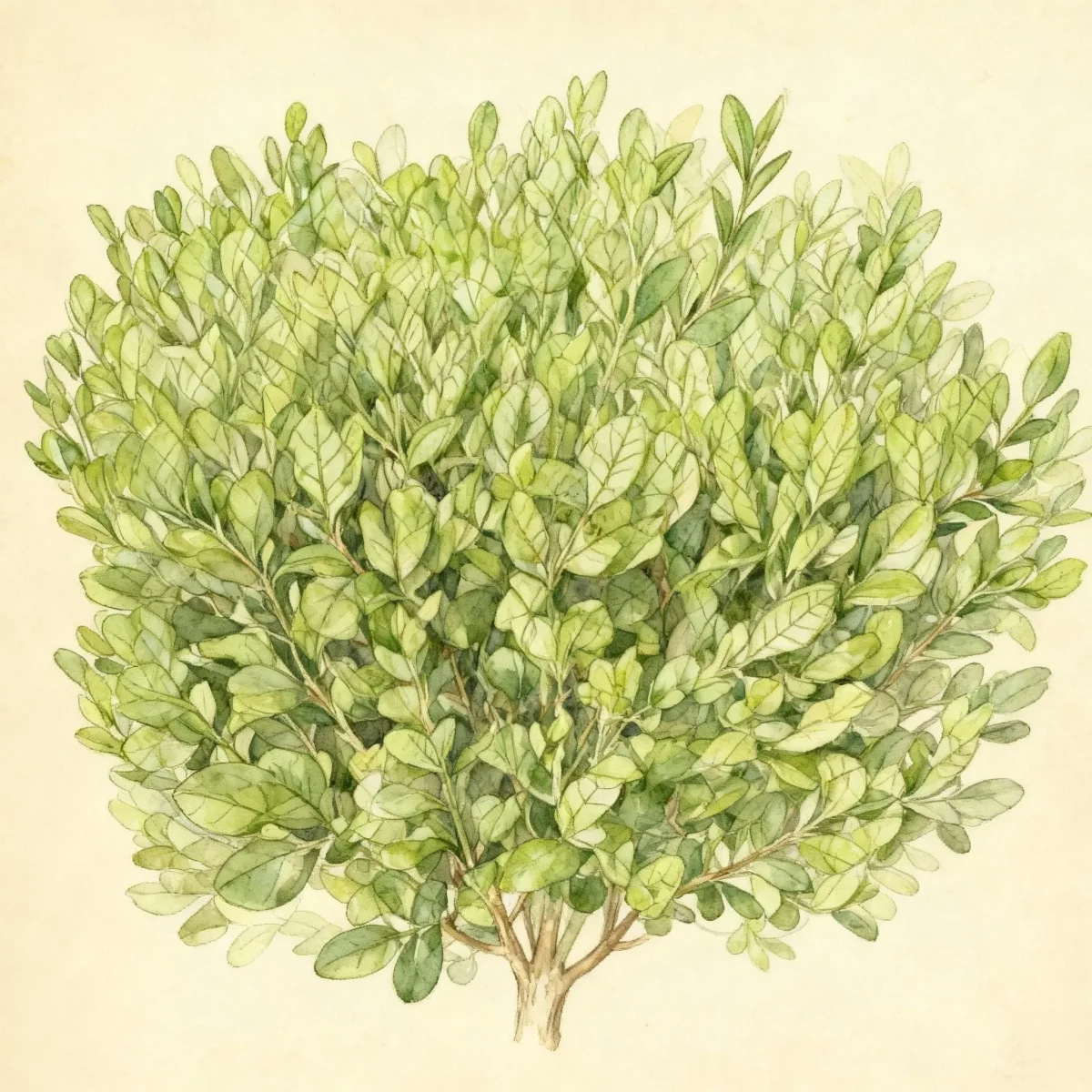
The Common box, scientifically known as Buxus sempervirens, is a cornerstone plant for formal and structured landscapes across temperate regions. As a dense, broadleaf evergreen, it provides year-round color and structure, making it invaluable for defining borders and shaping hedges. Its slow to moderate growth rate ensures that once styled, the Common box maintains its form reliably.
Native to Southern Europe, Western Asia, and Northern Africa, Buxus sempervirens thrives as a rounded shrub or small tree. Gardeners appreciate its small, glossy, dark green leaves which present an elegant backdrop for seasonal color changes elsewhere in the garden. Its reliability in hedging and topiary work cements its status as a classic foundation planting material.
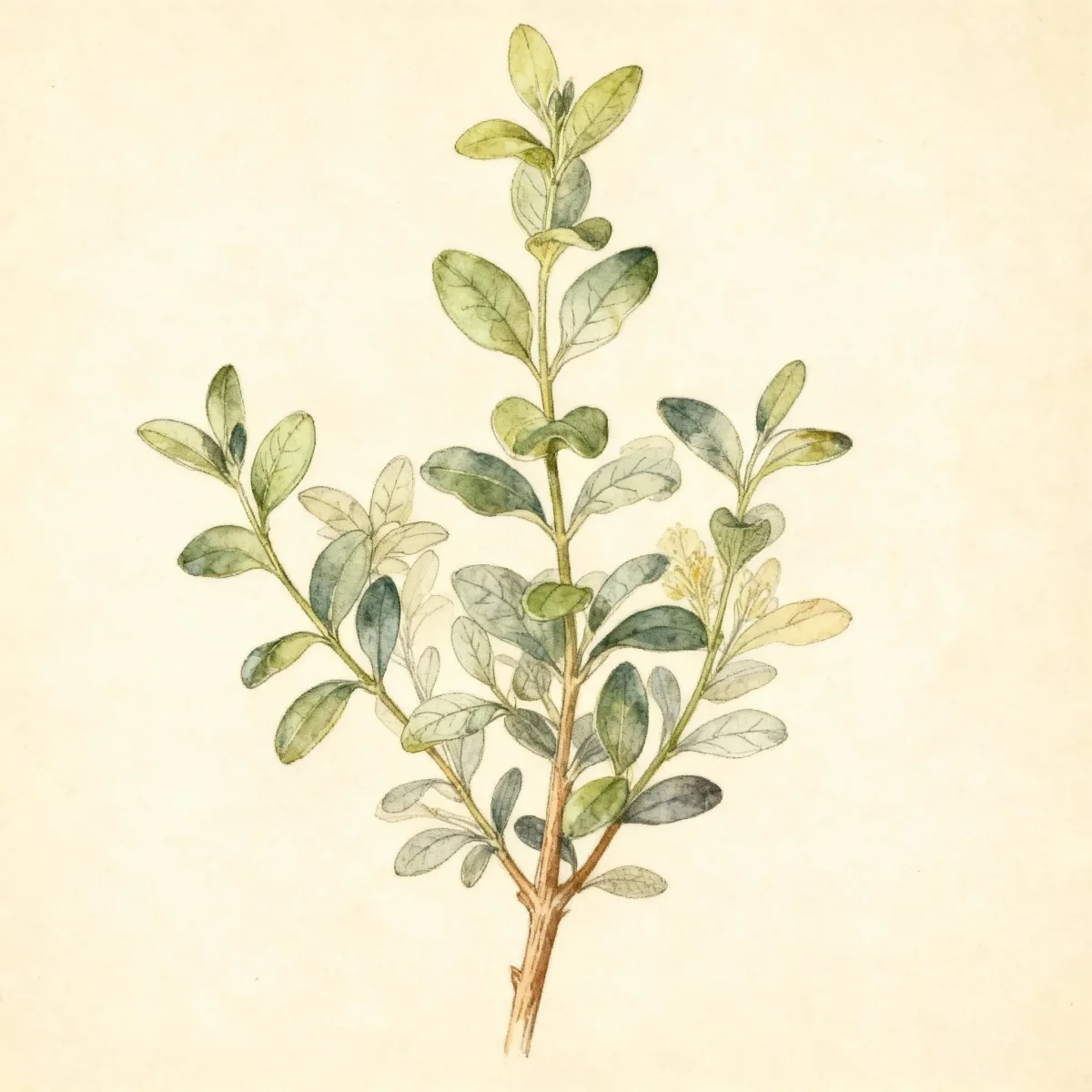
While its tiny, greenish-cream flowers in spring are noted as inconspicuous, the plant’s primary aesthetic value lies in its evergreen density and its superb response to shearing and shaping. Whether used as a formal edge, a specimen, or a mass planting, the European box offers unmatched texture and reliability in USDA Hardiness Zones 5 through 8.
Fast Facts
- Plant Family: Buxaceae
- Plant Type: Broadleaf evergreen
- Native Range: Southern Europe, western Asia, northern Africa
- Hardiness Zones: USDA Zones 5-8
- Size at Maturity:
- Height: 5-15 ft
- Spread: 5-15 ft
- Bloom Time: April to May
- Bloom Description: Greenish-cream
- Sun Exposure: Full sun to part shade
- Water Needs: Medium
- Maintenance Level: Medium
How to Grow
Planting Buxus sempervirens is best done in spring or early fall, allowing the shallow roots time to establish before temperature extremes. This excellent hedging plant prefers evenly moist, well-drained loams, such as a sand-clay mixture, and performs well in full sun to part shade. While it tolerates close to full shade, vigor and foliage density decrease significantly in deep shade conditions.
Maintenance of the Common box centers heavily on root care and pruning timing. Avoid cultivating directly around the base, as these plants have shallow roots sensitive to disturbance; instead, apply a 1-2 inch layer of organic mulch like bark or compost annually. Water needs are medium, requiring consistent moisture, especially during establishment and dry spells.
Pruning and shearing are critical for maintaining formal shapes. However, resist shearing too early; pruning should never occur prior to the last spring frost date to prevent new, tender growth from being killed by a sudden cold snap. Annually thin the interior of the shrub slightly to improve air circulation, which helps mitigate disease pressure.
For winter protection, site your boxwood where it receives shelter from strong winter winds. Exposure to direct winter sun and wind can dehydrate the dark foliage, leading to the undesirable bronzing effect. If bronzing occurs, it is often a sign of moisture loss, necessitating protection or supplemental watering during thaws.
Landscape Uses
The versatility of Buxus sempervirens makes it a keystone species in structured landscape design. It is highly recommended for use as a vertical specimen or accent, particularly effective in foundation plantings where year-round structure is needed. Due to its dense habit and tolerance for shearing, it is the definitive choice for creating narrow hedges or low, manicured borders in formal or Mediterranean garden settings.
When massed, the Common box readily forms a cohesive, narrow hedge that separates garden spaces or frames pathways. For gardeners seeking intricate shapes, its aptitude for topiary work is unmatched, allowing for everything from simple globes to complex sculpted forms. It integrates well into mixed beds and borders, offering dark, evergreen contrast to fine-textured perennials or deciduous shrubs.
Consider using large containers for portable topiary versions of the boxwood, relocating them as needed to enhance patio displays. When planning companions, select plants that share similar medium water and sun requirements, ensuring the overall planting area supports the needs of your Buxus sempervirens.
Standout Features
Flower Qualities
- Insignificant
Noteworthy Characteristics
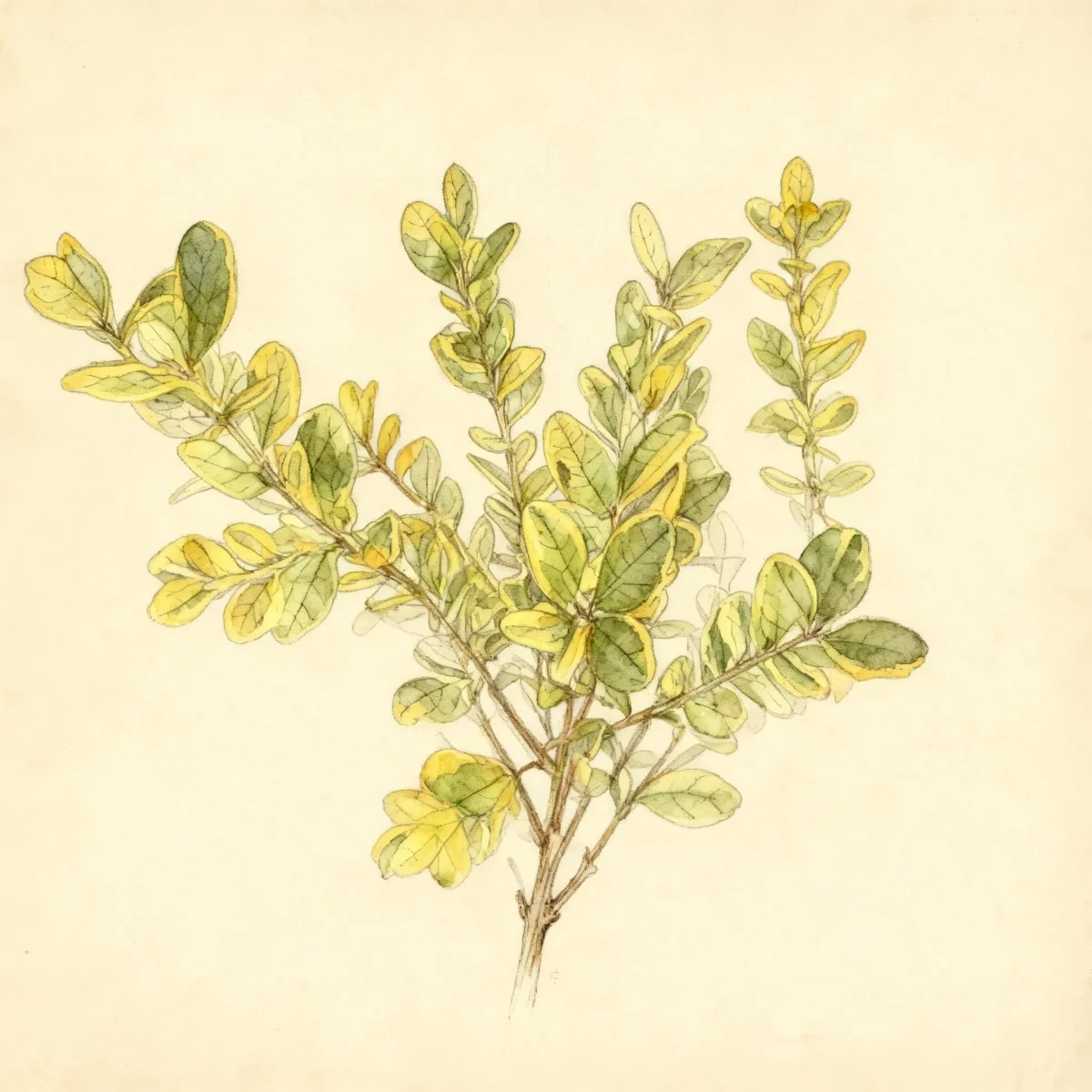
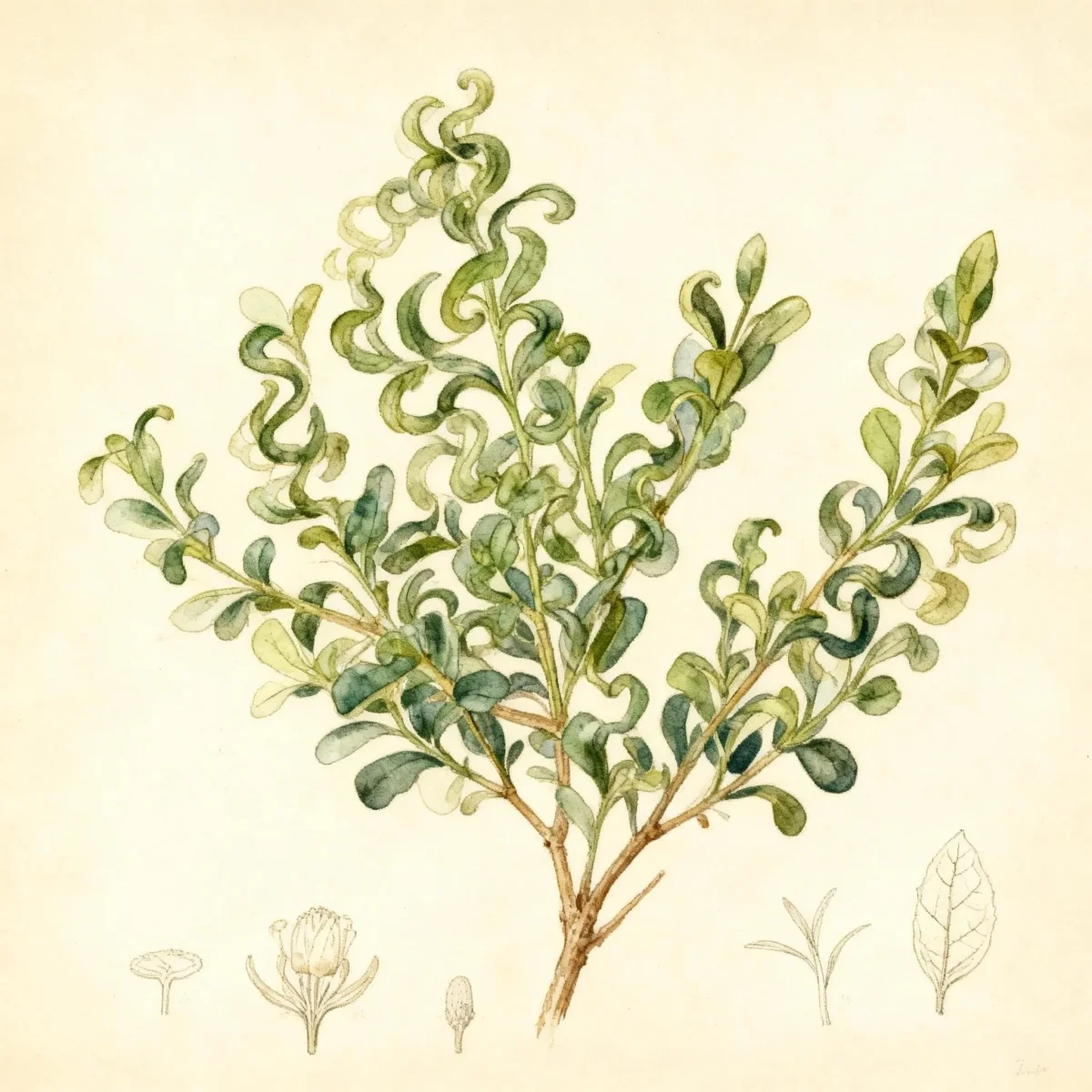
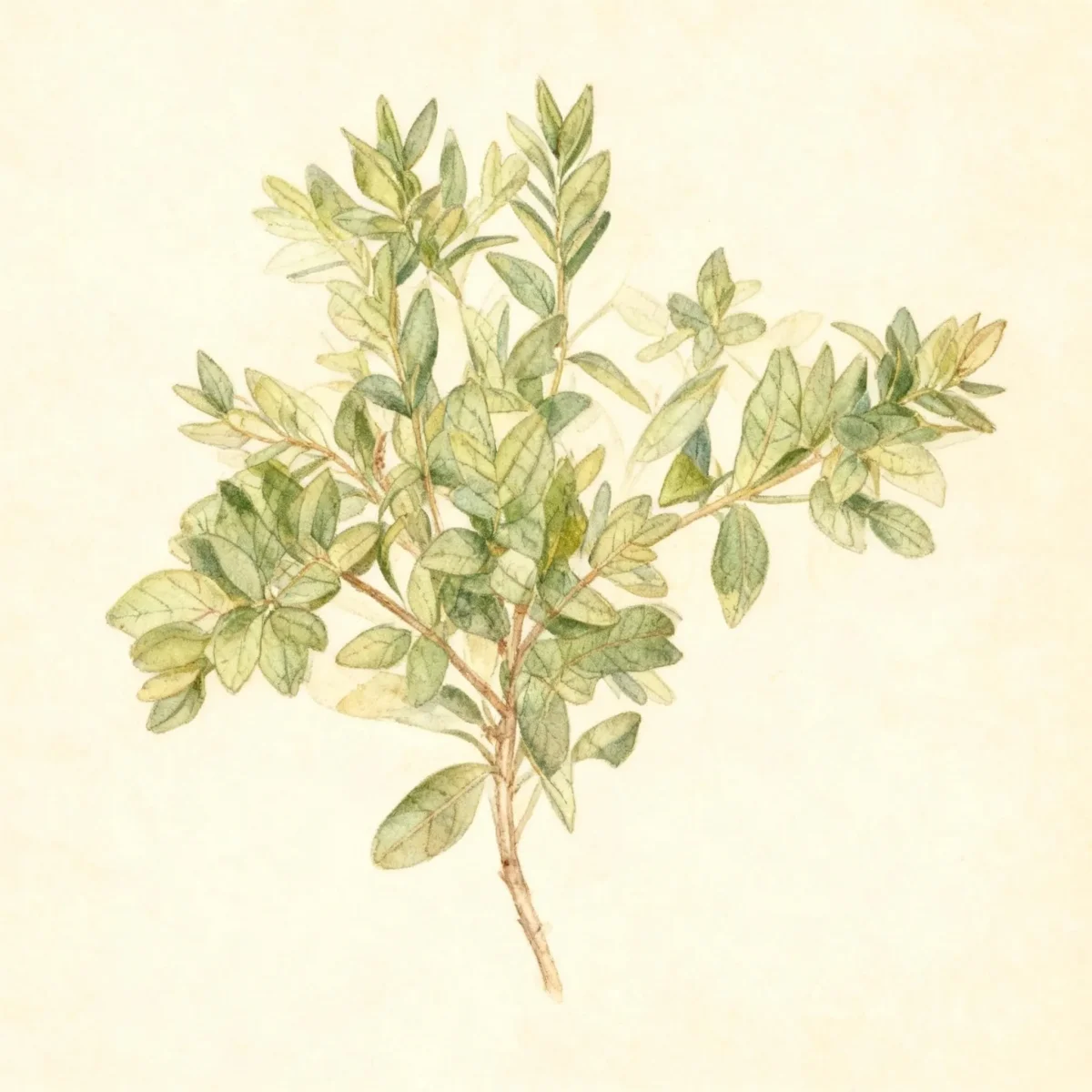
Buxus sempervirens presents as a rounded to broad-rounded shrub or small tree, frequently reaching 5 to 15 feet tall in shrub form, though it can reach heights up to 30 feet as a tree in ideal native settings. Its defining features are the small (1/2” to 1 1/2” long), opposite, smooth-margined evergreen leaves, which are dark glossy green above and yellowish-green beneath. The genus name reflects its Latin origin, while the specific epithet sempervirens aptly means “always green.”
Tolerances
- Rabbit
- Deer
Potential Problems
Boxwood foliage is susceptible to aesthetic damage, especially bronzing (turning unattractive brownish-yellow) in harsh winters, particularly when exposed to full day sun and drying winter winds. Culturally, poor drainage is a major threat; root rot is common if soils are heavy or waterlogged.
Disease management is crucial for Buxus sempervirens. Common issues include boxwood blight, volutella blight, and various leaf spot diseases; ensure good air circulation through annual thinning to manage these. Furthermore, insect pests like the boxwood leafminer, boxwood mite, and boxwood psyllid require vigilance, as do root-feeding nematodes. Inspect new growth closely, as it is the most susceptible tissue to winter damage.
Frequently Asked Questions
What hardiness zones is Common box suitable for?
Buxus sempervirens is hardy and reliably evergreen in USDA Zones 5 through 8.
How large does Common box grow?
When mature, expect the Common box to reach heights between 5 and 15 feet, with a similar spread of 5 to 15 feet. Some specimens can grow taller under ideal conditions.
What sun exposure does Common box need?
This shrub prefers dappled light conditions, thriving in a range from full sun to moderate part shade. Full, intense sun, especially combined with winter wind, increases the risk of foliage scorch.
When does Common box bloom?
The inconspicuous flowers of the Common box appear relatively early in the season, typically blooming from April to May, displaying a greenish-cream coloration.
Conclusion
The Common box (Buxus sempervirens) remains a superb choice for gardeners demanding reliable, formal evergreen structure that persists year-round. Its ability to be shaped into hedges and topiaries, combined with its deer and rabbit tolerance, secures its place in classic garden design. Before planting, confirm you are within USDA Zones 5-8 and plan for moderate, consistent moisture and well-drained soil.
Companion Planting
When selecting companions for your structured boxwood plantings, focus on materials that complement the dark green, dense texture without competing heavily for shallow resources. Consider using plants with contrasting foliage textures, such as fine-leaved ornamental grasses or perennials with bright, late-season color, to create visual dynamism against the steady backdrop of Buxus sempervirens. Areas shaded by taller plants or those receiving dappled light are ideal sites for pairing your boxwood with hostas or ferns that thrive in similar filtered sun conditions.
Seasonal Care Calendar
For optimal health of your Buxus sempervirens, adhere to a simple seasonal routine. In early spring, remove any dead or damaged branches to promote internal airflow, but delay any heavy pruning until after the danger of the last spring frost has completely passed. During the summer growing season, focus on monitoring moisture levels; while needs are medium, drought stress can lead to winter bronzing later on. In late fall, apply a fresh layer of mulch around the root zone and ensure plants are fully hydrated before the ground freezes, providing essential preparation for winter exposure.