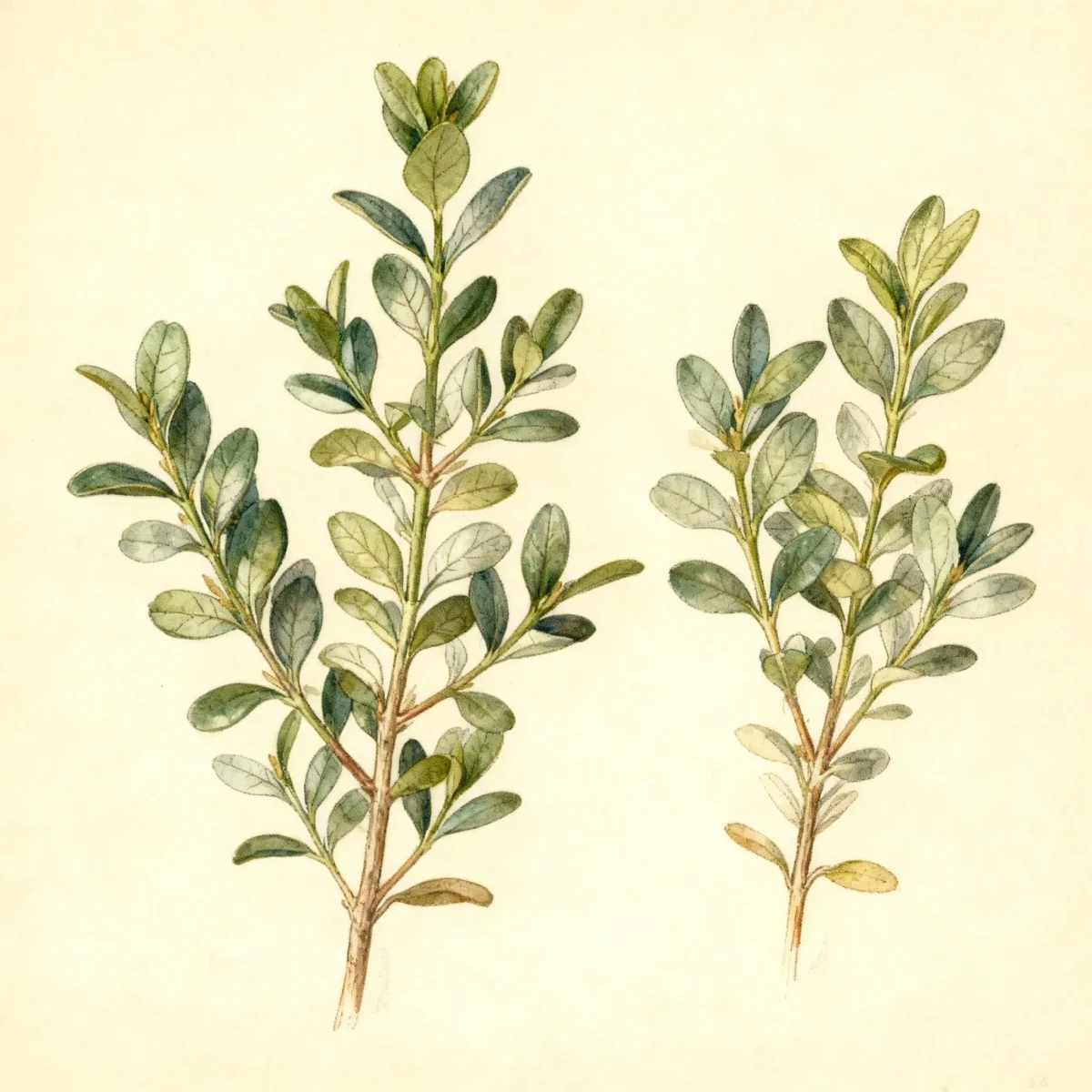
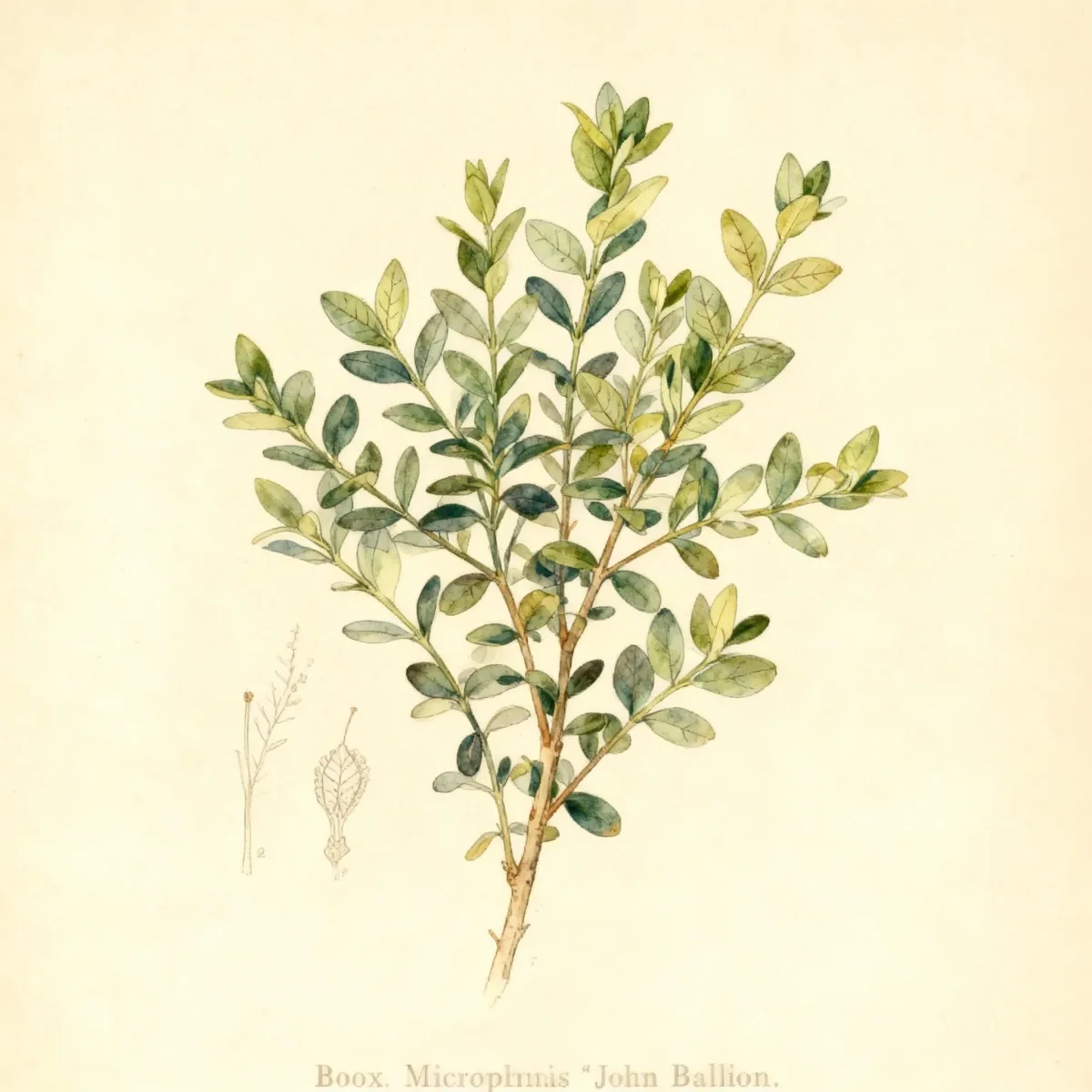
Boxwood (Buxus sempervirens 'Aurea Pendula')
Discover Buxus sempervirens 'Aurea Pendula', the weeping Boxwood, prized for its variegated yellow-green foliage and formal structure in USDA Zones 6-9.
Scroll down to discover growing tips, care requirements, companion plants, and more
Complete Plant Information
Overview
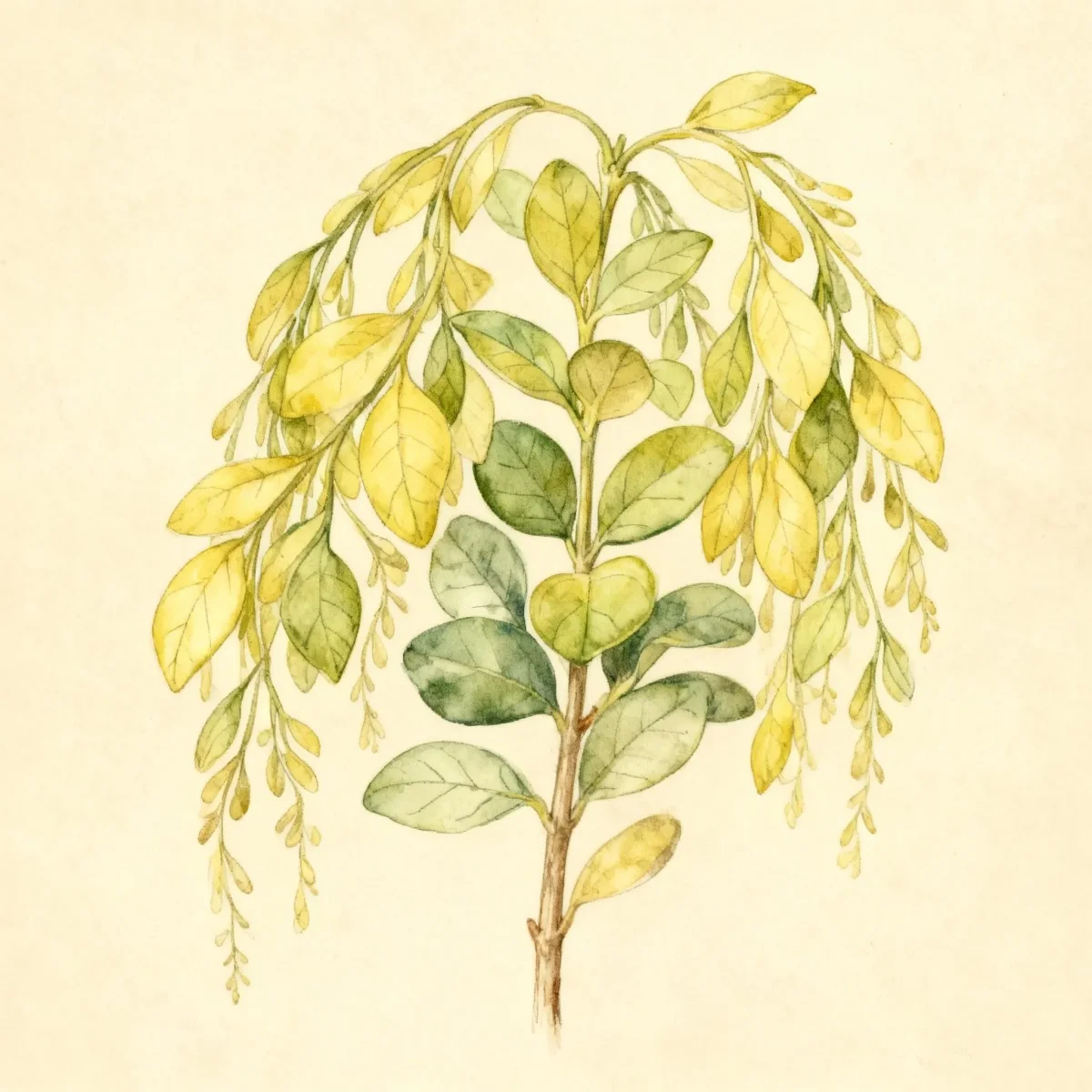
Buxus sempervirens ‘Aurea Pendula’, commonly known as Boxwood, offers a highly desirable weeping habit combined with striking yellow-green variegated foliage. This cultivar brings vertical interest and year-round structure to garden designs where gold accents are desired. Its slow, controlled growth makes it a reliable choice for creating defined borders or focal points in formal settings.
As a broadleaf evergreen, this Boxwood maintains its color through the winter, though bright exposure can cause slight winter bronzing. It matures to a manageable size, typically between four and six feet tall and wide, making it versatile for foundation plantings or large containers. Gardeners appreciate the Boxwood family for its tolerance to shearing, allowing for tight shaping when required.
This weeping form, Buxus sempervirens ‘Aurea Pendula’, specifically adds movement to structures where upright evergreens might appear too stiff. While its aesthetic value lies primarily in its foliage, its evergreen nature secures visual interest throughout the year, contrasting beautifully with deciduous plantings.
Fast Facts
- Plant Family: Buxaceae
- Plant Type: Broadleaf evergreen
- Hardiness Zones: USDA Zones 6-9
- Size at Maturity:
- Height: 4-6 ft
- Spread: 4-6 ft
- Bloom Time: April to May
- Bloom Description: Creamy white
- Sun Exposure: Full sun to part shade
- Water Needs: Medium
- Maintenance Level: Medium
How to Grow
Buxus sempervirens ‘Aurea Pendula’ thrives best when planted in locations that receive evenly moist, well-drained loams, such as a sand-clay mixture. Aim for a site offering full sun to light afternoon shade; while Boxwood tolerates deep shade, the variegated foliage may become less vigorous and the plant more open in deeper shadow. In high-sun locations, be vigilant for potential foliage scorch or winter bronzing.
Watering for this Boxwood should be consistent—maintain a medium water schedule, avoiding overly dry conditions, especially for new plantings. The shallow root system benefits greatly from a 1-2 inch layer of organic mulch, like bark or compost, which helps retain soil moisture and moderates temperature fluctuations. Avoid cultivating deeply near the base to protect these sensitive roots.
Pruning and shearing are key maintenance tasks, but timing is critical. Never prune prior to the last anticipated spring frost, as early cuts stimulate tender new growth susceptible to frost damage. Annually, thin out denser areas to improve air circulation within the canopy, which helps mitigate disease pressure. Siting your Boxwood out of harsh winter winds provides protection against dehydration and winter bronzing.
Landscape Uses
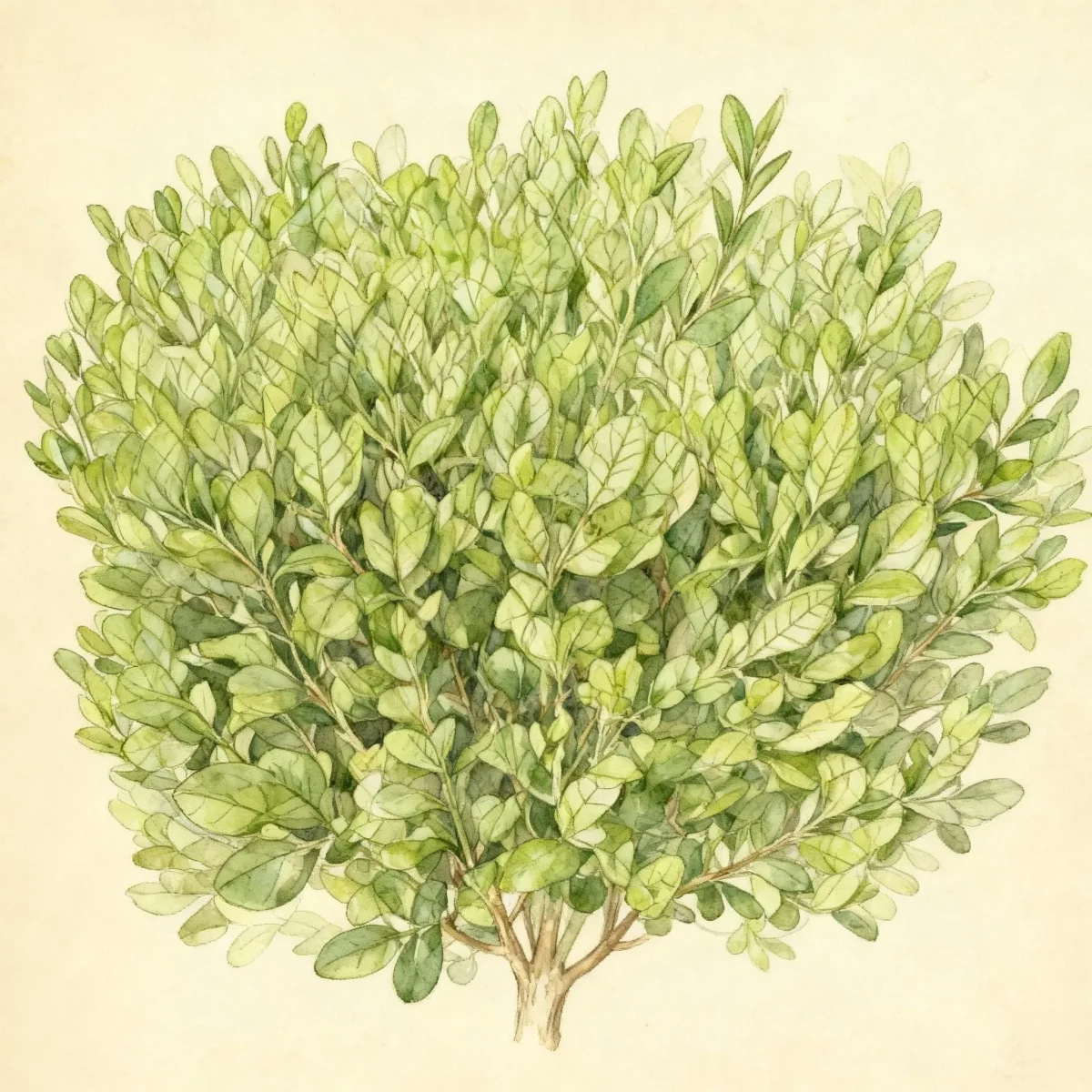
The striking features of Buxus sempervirens ‘Aurea Pendula’ make it an exceptional vertical specimen or accent, particularly effective in formal or Mediterranean garden designs. Mass planting this Boxwood allows you to create a defined, narrow hedge that showcases its naturally weeping silhouette and variegated leaves. The gold streaking ensures excellent visual accent value throughout the year.
This cultivar is ideally suited for foundation plantings, where its manageable 4-6 foot height provides a substantial, yet not overwhelming, evergreen base for architectural features. Furthermore, its structure lends itself perfectly to topiary work, allowing gardeners to train it into unique formal shapes beyond its natural weeping form.
Consider planting Buxus sempervirens ‘Aurea Pendula’ alongside deep green counterparts, like darker hollies or yews, to maximize the impact of its golden variegation. It serves well in mixed borders, providing structural contrast, or as a dazzling focal point within large containers flanking an entryway.
Standout Features
Flower Qualities
- Insignificant
Noteworthy Characteristics
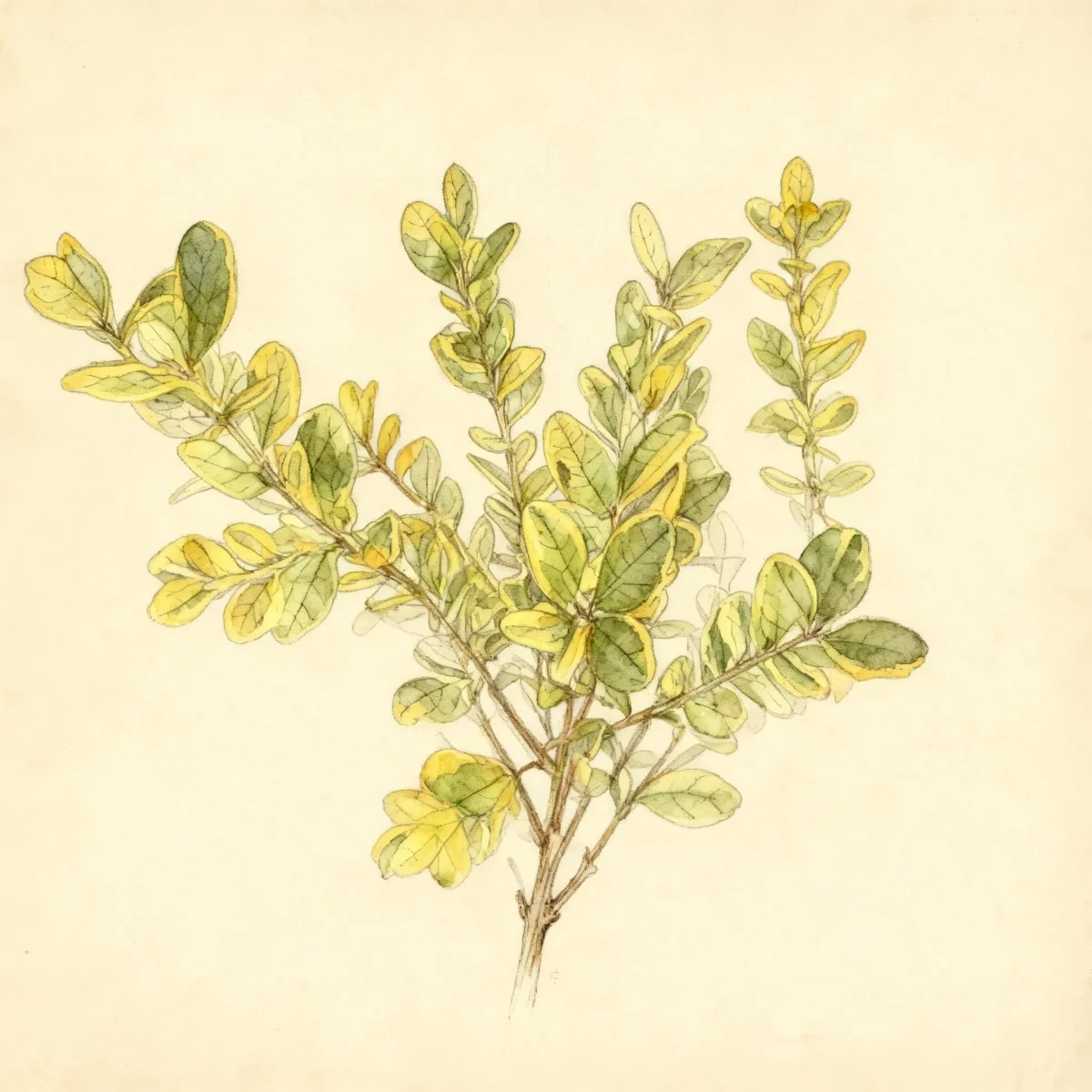
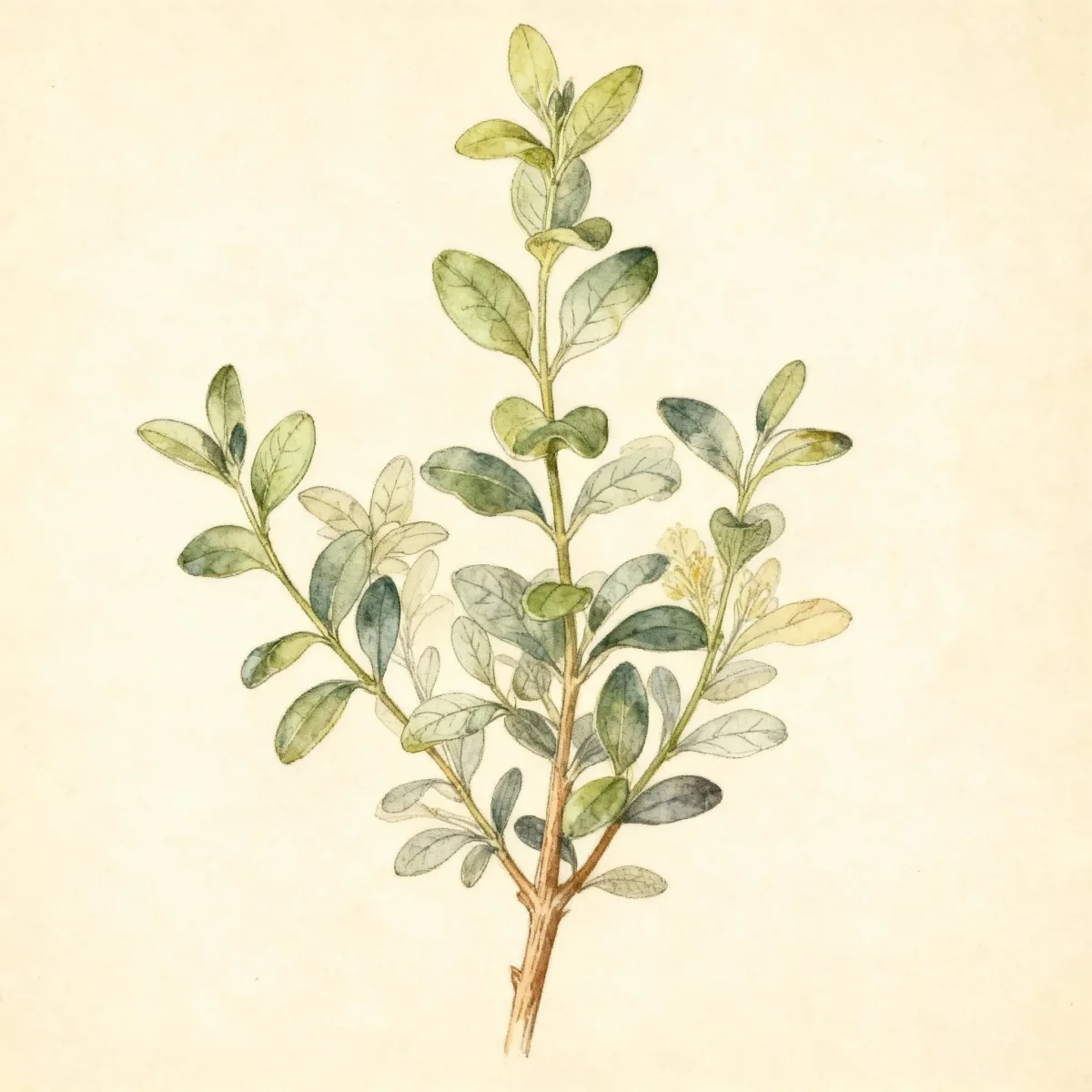
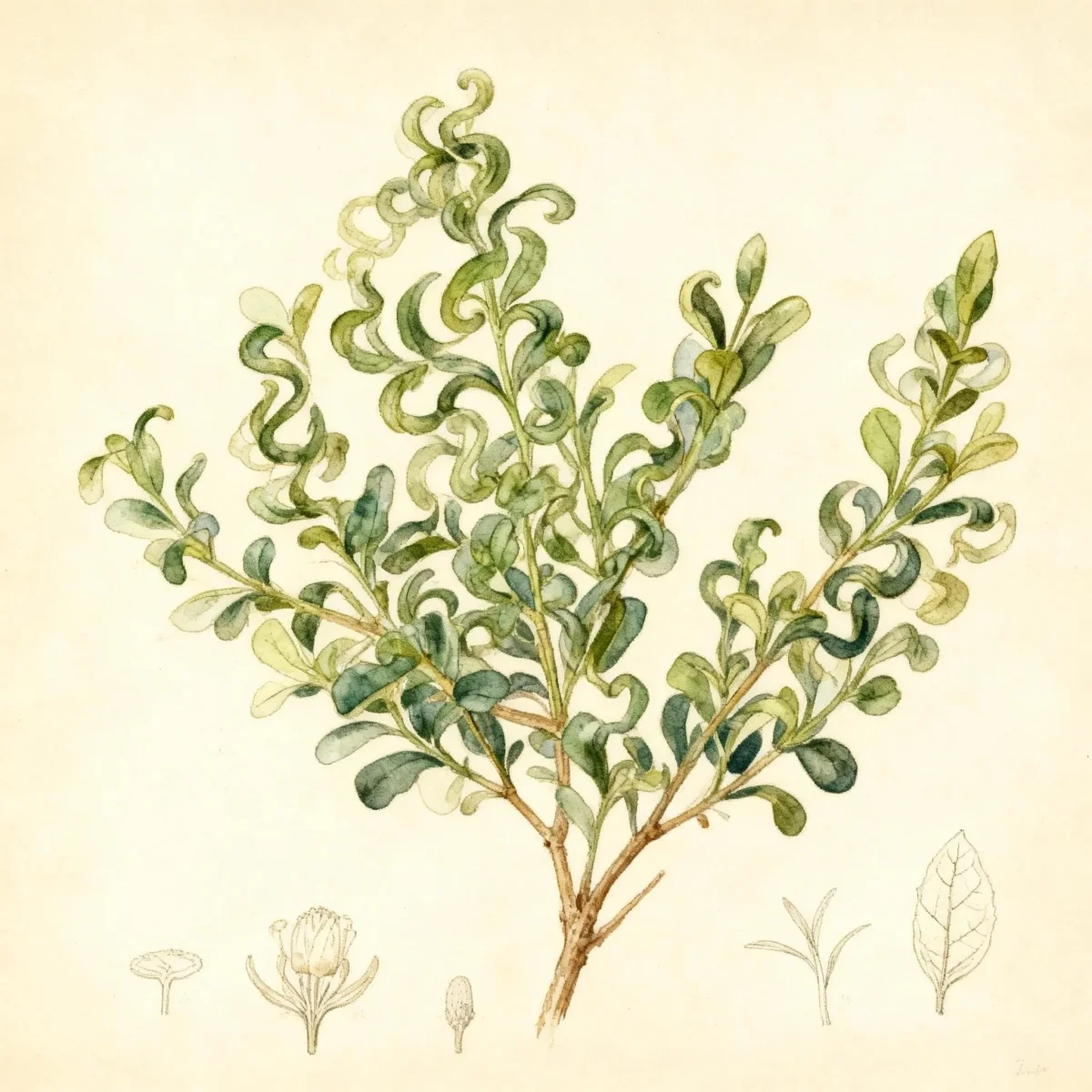
Buxus sempervirens ‘Aurea Pendula’ is an upright, weeping form of English boxwood which features yellow and green variegated foliage. It will typically grow 4-6’ tall with drooping side branches, displaying elliptic to oval, evergreen leaves variegated with yellow streaking. In Latin, aurea means gold and pendula means hanging, perfectly describing this elegant evergreen shrub.
Tolerances
- Rabbit
- Deer
Potential Problems
Boxwood foliage, including this variegated variety, tends to bronze (turn unattractive brownish-yellow) during harsh winters, especially when exposed to full winter sun and strong winds. Manage this by siting plants where they receive some protection from the fiercest winter elements. Disease susceptibility is a concern; watch closely for signs of boxwood blight, volutella blight, and leaf spot, ensuring good air circulation through annual thinning helps prevention.
Pest management requires attention, as insect threats like the boxwood leafminer, boxwood mite, and boxwood psyllid can plague Boxwood plantings. Root rot is a significant risk if drainage is poor, reinforcing the need for well-aerated loam. Remember that new spring growth is particularly tender and prone to damage from late frosts.
Frequently Asked Questions
What hardiness zones is Boxwood suitable for?
This Boxwood cultivar, Buxus sempervirens ‘Aurea Pendula’, is hardy and reliably evergreen across USDA Zones 6-9.
How large does Boxwood grow?
Buxus sempervirens ‘Aurea Pendula’ typically reaches a mature height and spread between 4 and 6 feet.
What sun exposure does Boxwood need?
This plant prefers a location receiving full sun to part shade; ensure adequate light to maintain the vibrant yellow variegation.
When does Boxwood bloom?
The inconspicuous flowers of this Boxwood appear relatively early, blooming from April to May with a creamy white color.
Conclusion
The weeping habit and bright yellow-green foliage make Buxus sempervirens ‘Aurea Pendula’ a stunning, structured addition to any garden seeking year-round definition. This Boxwood provides excellent formality and year-round color when properly sited away from extreme winter exposure. Before planting, verify your garden falls within USDA Zones 6-9 and prepare your soil for well-drained conditions to ensure success with this beautiful evergreen.
Companion Planting
Selecting companions for Buxus sempervirens ‘Aurea Pendula’ should focus on plants that share similar needs for medium water and partial shade, while offering strong textural or color contrast. Dark-leafed perennials or groundcovers, such as Heuchera varieties with deep purple or nearly black foliage, dramatically enhance the golden hue of the Boxwood leaves. Similarly, plants with fine, airy textures placed nearby will accentuate the density and structure of the evergreen shrub.
Consider integrating low-growing ferns or Hellebores as underplantings, especially in shadier borders where the Boxwood is protected from intense afternoon sun. These companions thrive in the slightly acidic to slightly alkaline soil pH that Buxus sempervirens prefers, ensuring that maintenance and fertilization requirements remain unified across the planting area. This integrated approach helps maintain the polished look expected in formal settings where this Boxwood excels.
Seasonal Care Calendar
Spring is the crucial time for Boxwood care, focusing on cleanup and initial pruning after the danger of late frosts has passed. Apply a fresh layer of organic mulch (1-2 inches) around the base, avoiding contact with the main stem, to help stabilize soil moisture as temperatures rise. Thin out any dead or damaged interior branches from the previous year to promote better air flow through the canopy.
During the summer, maintain the medium water schedule, particularly during dry spells, as the shallow roots of Boxwood cannot easily seek deep moisture. Monitor foliage closely for early signs of mite attacks or insect pests, as prompt treatment is always easier than managing a full infestation. Minimal fertilization is usually required, benefiting from just a light application of balanced slow-release food if growth appears stunted.
In the autumn, prepare your Buxus sempervirens ‘Aurea Pendula’ for winter by ensuring it is well-hydrated before the ground freezes—a deep summer watering can prevent dehydration damage later. If you must site your Boxwood in a spot exposed to strong winter sun or wind, consider erecting a temporary burlap screen on the exposed sides to shield the sensitive foliage from drying winds while the ground is frozen.