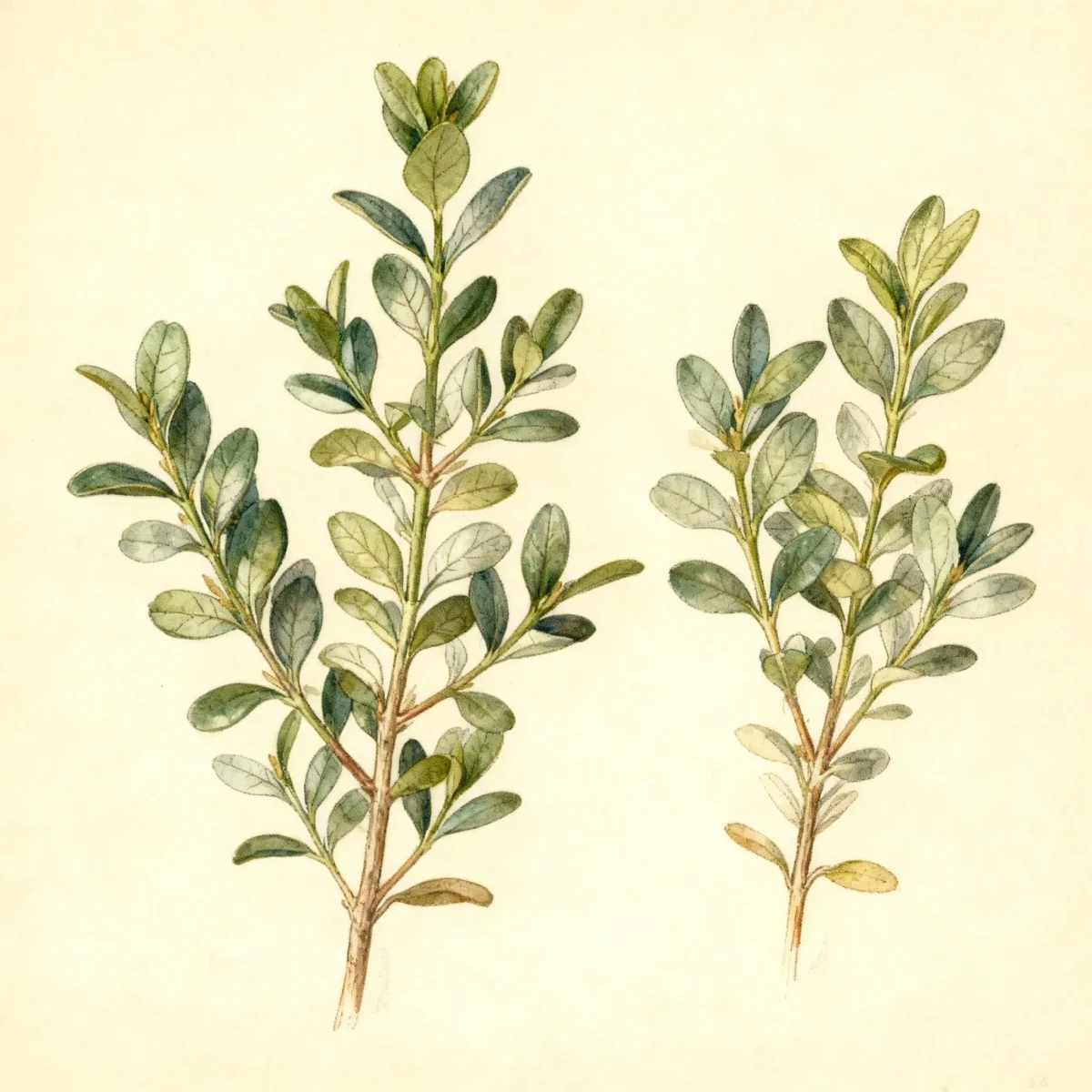
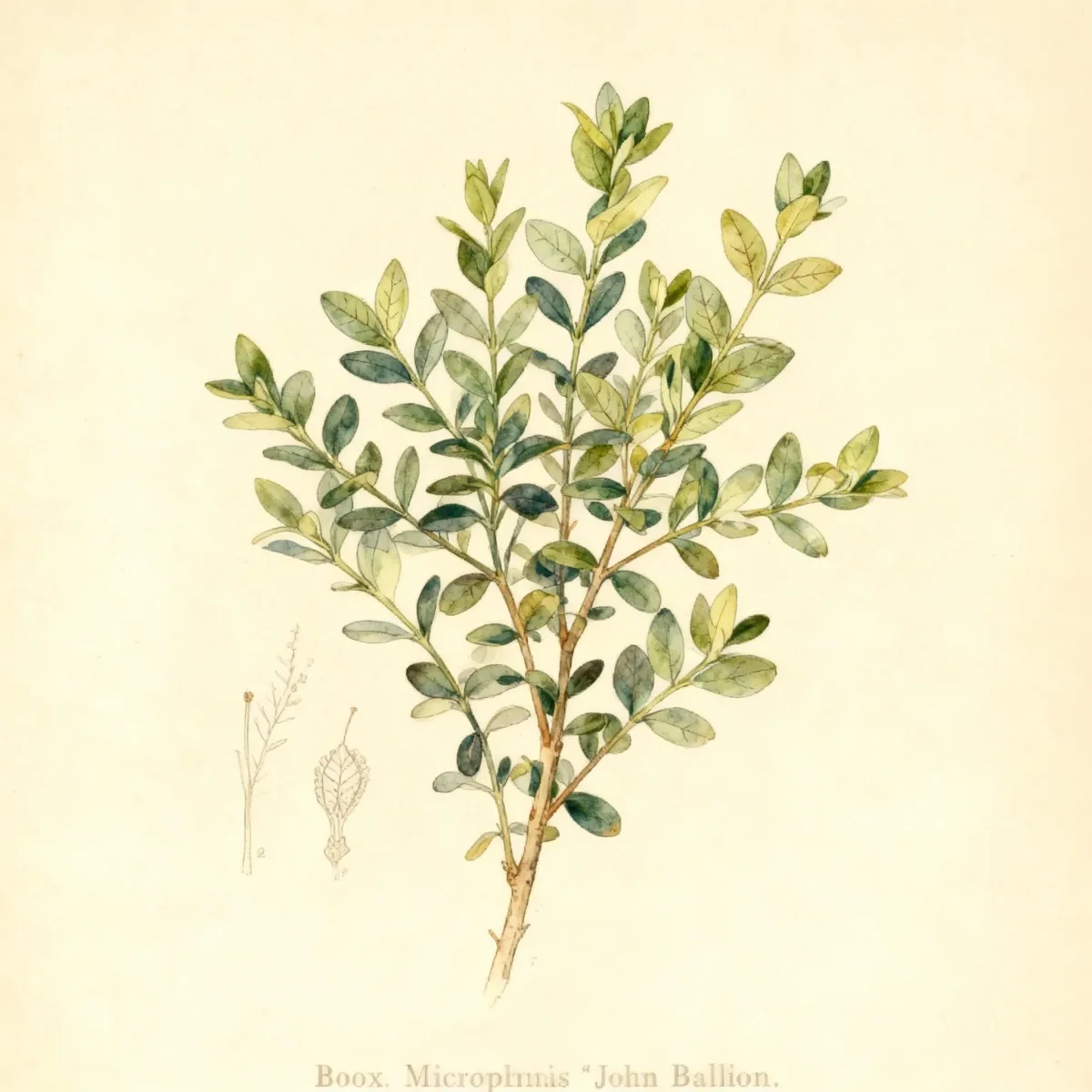
Boxwood (Buxus sempervirens 'Edgar Anderson')
Buxus sempervirens 'Edgar Anderson' Boxwood is a dense broadleaf evergreen perfect for formal hedges and topiaries in Zones 6-8.
Scroll down to discover growing tips, care requirements, companion plants, and more
Complete Plant Information
Overview
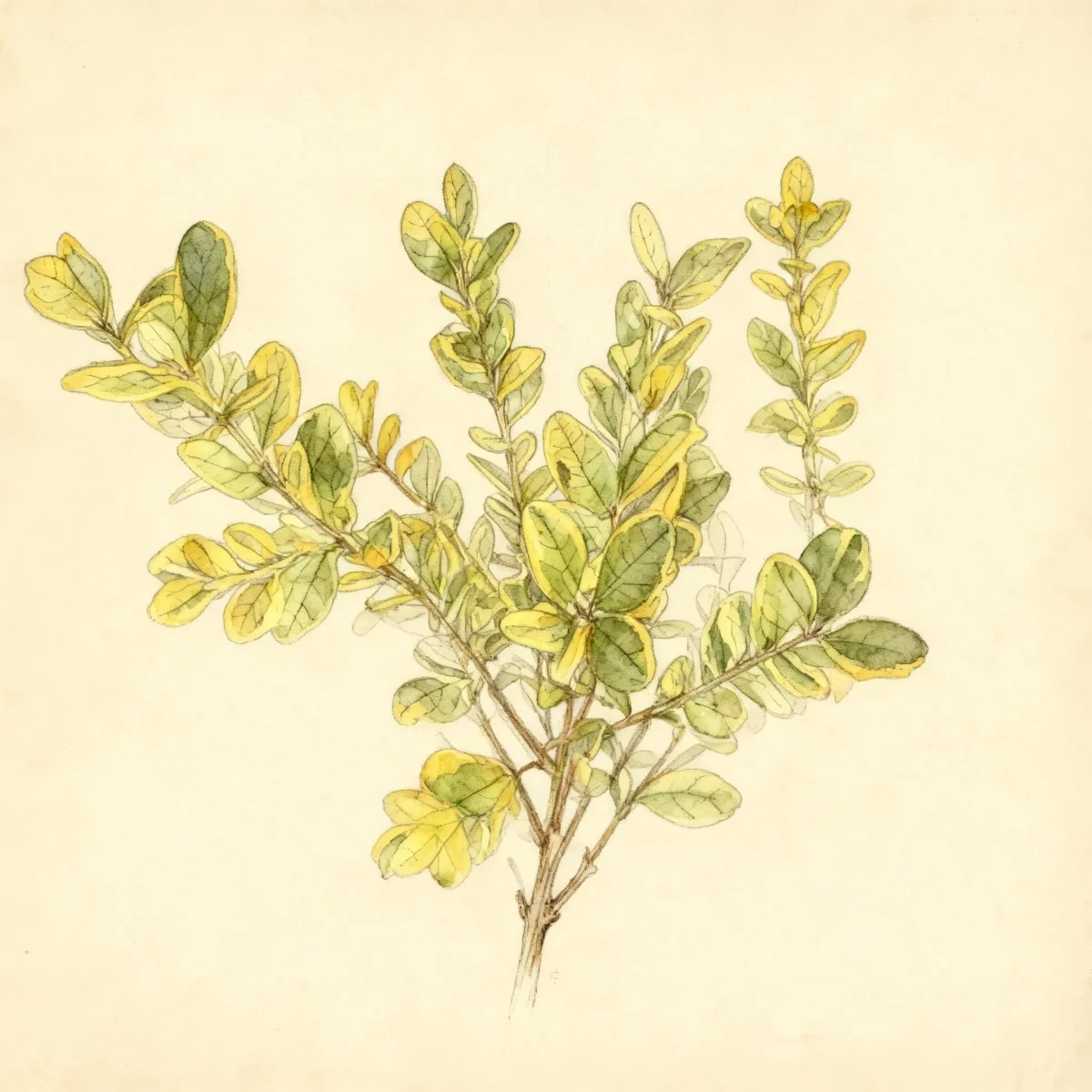
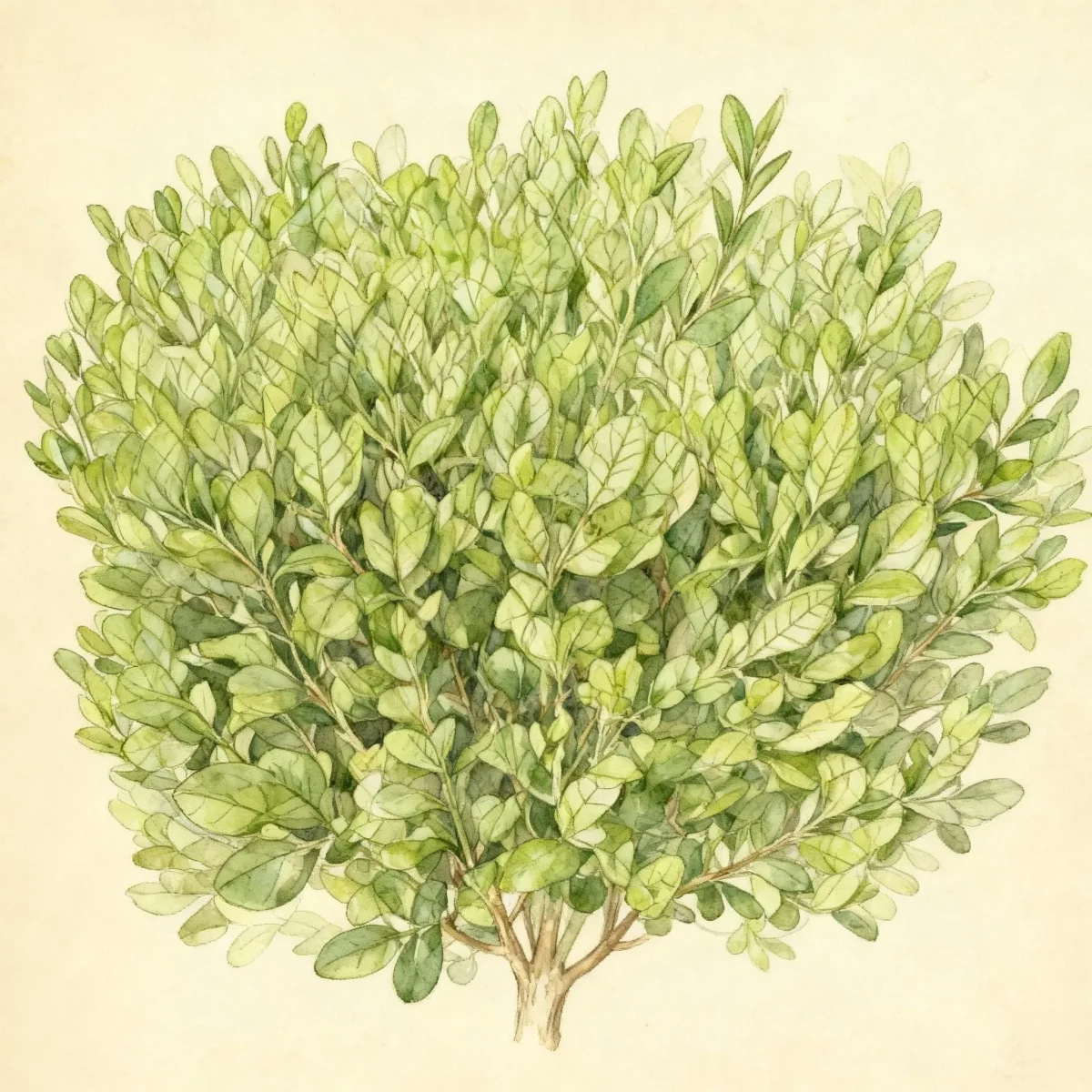
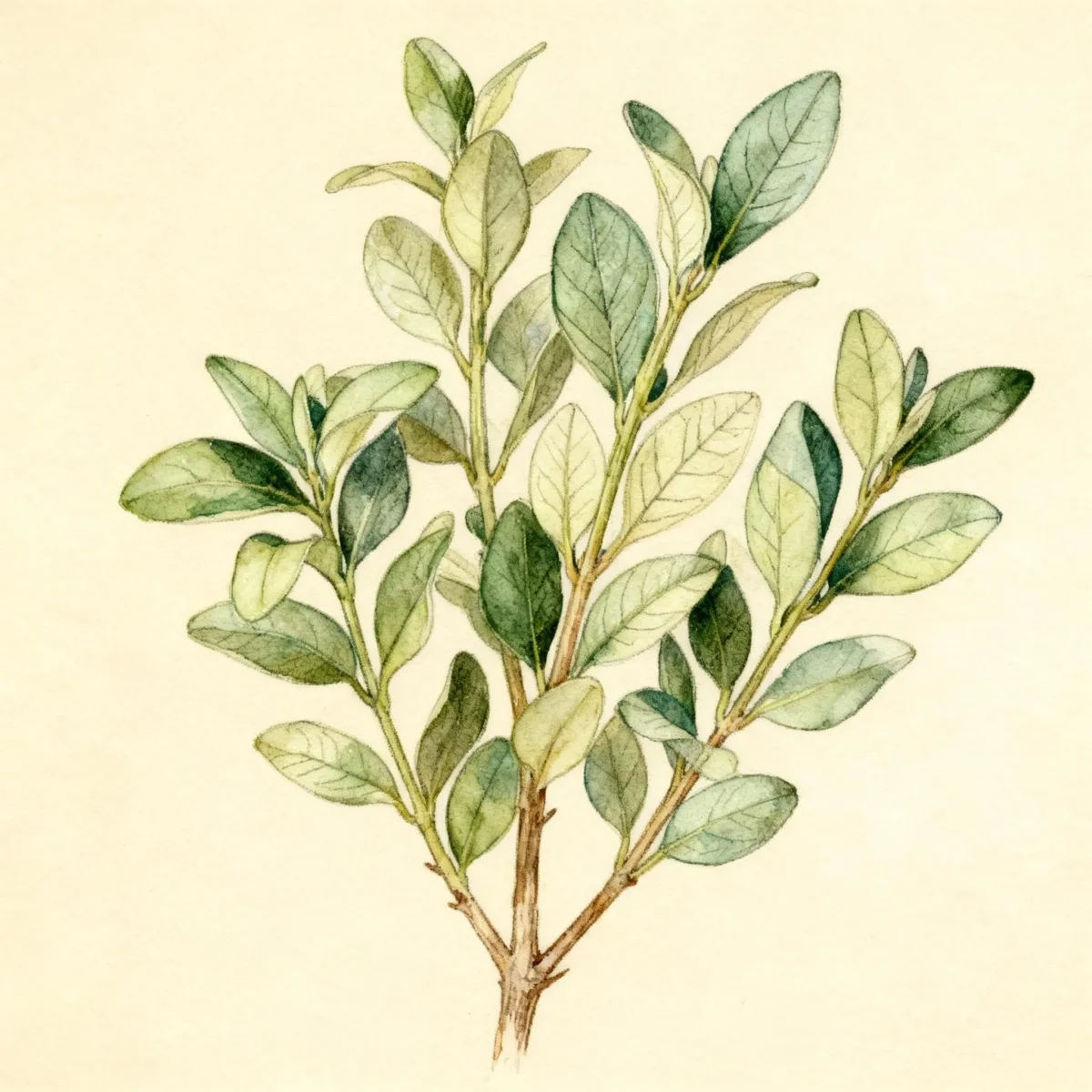
The Boxwood, specifically the Buxus sempervirens ‘Edgar Anderson’ cultivar, provides dense, dark, glossy green foliage year-round, making it an indispensable plant for structural landscaping. Belonging to the Buxaceae family, this broadleaf evergreen is valued for its dense growth habit, which makes it exceptionally well-suited for formal designs. While Buxus sempervirens ‘Edgar Anderson’ may not achieve the massive heights of its species parent, its manageable 5 to 6-foot stature is ideal for low hedges, foundation plantings, and classic topiary work. Gardeners rely on this variety for consistent evergreen texture and its ability to take annual shearing, ensuring clean lines throughout the landscape season after season.
Fast Facts
- Plant Family: Buxaceae
- Plant Type: Broadleaf evergreen
- Hardiness Zones: USDA Zones 6-8
- Size at Maturity:
- Height: 5-6 ft
- Spread: 4-5 ft
- Bloom Time: April to May
- Bloom Description: Greenish-cream
- Sun Exposure: Full sun to part shade
- Water Needs: Medium
- Maintenance Level: Medium
How to Grow
Planting Buxus sempervirens ‘Edgar Anderson’ thrives best when introduced to the garden in evenly moist, well-drained loams, such as a sand-clay mixture. While capable of tolerating significant shade, opting for full sun to part shade locations that receive morning or early afternoon light will encourage denser, more robust growth. Avoid cultivating too closely around the base of the plant, as Boxwood possesses shallow root systems that benefit greatly from protection.
Care requirements for this Boxwood variety center on consistent moisture management without saturation; provide medium water levels, ensuring the soil drains well to prevent root rot. Protect the shallow roots by applying a 1-2 inch layer of organic mulch, like bark or compost. Pruning and shearing are tolerated well, but timing is crucial: never prune before the last spring frost date to avoid stimulating tender new growth vulnerable to late-season freezes.
For optimal health, especially during winter, site your Buxus sempervirens ‘Edgar Anderson’ where it is sheltered from harsh winter winds and heavy direct afternoon sun. Exposure to freezing winds can rapidly wick moisture from the evergreen leaves, leading to unsightly winter bronzing or dehydration. Annual pruning should focus on thinning the canopy slightly to enhance air circulation within the structure of the plant.
Landscape Uses
The manageable stature and dense evergreen nature of the Boxwood make Buxus sempervirens ‘Edgar Anderson’ a cornerstone for formal and structured areas in the landscape. It is highly recommended for tightly clipped hedges, where mass planting creates dramatic, low green boundaries or defines walkways. Furthermore, this cultivar excels as a vertical specimen or accent when shaped into topiary, providing year-round architectural interest in Mediterranean gardens or mixed perennial borders. Its reliability in containers also means you can bring that classic evergreen structure to patios or entryways, pairing well with seasonal annuals or smaller ornamental grasses.
Standout Features
Flower Qualities
- Insignificant
Noteworthy Characteristics
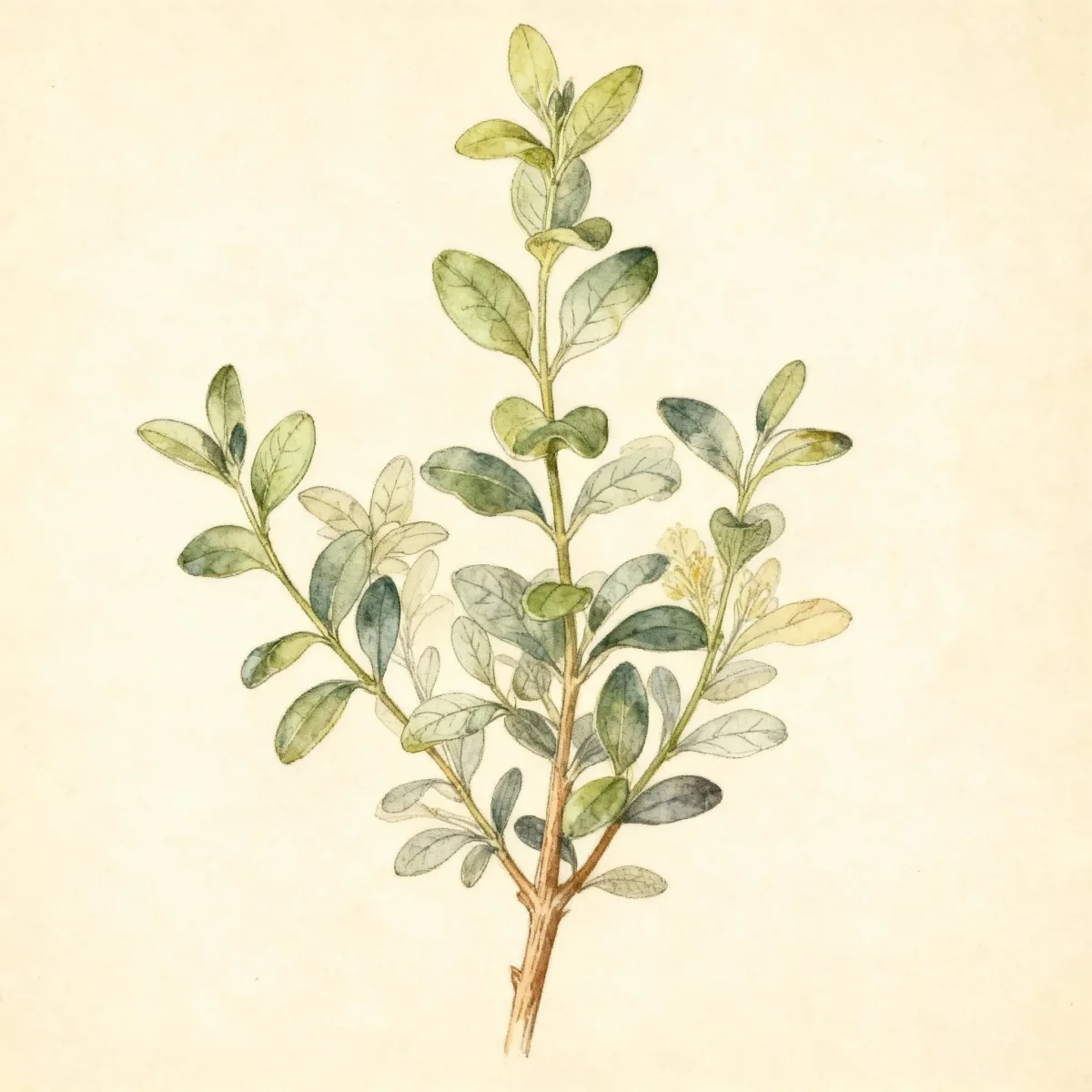
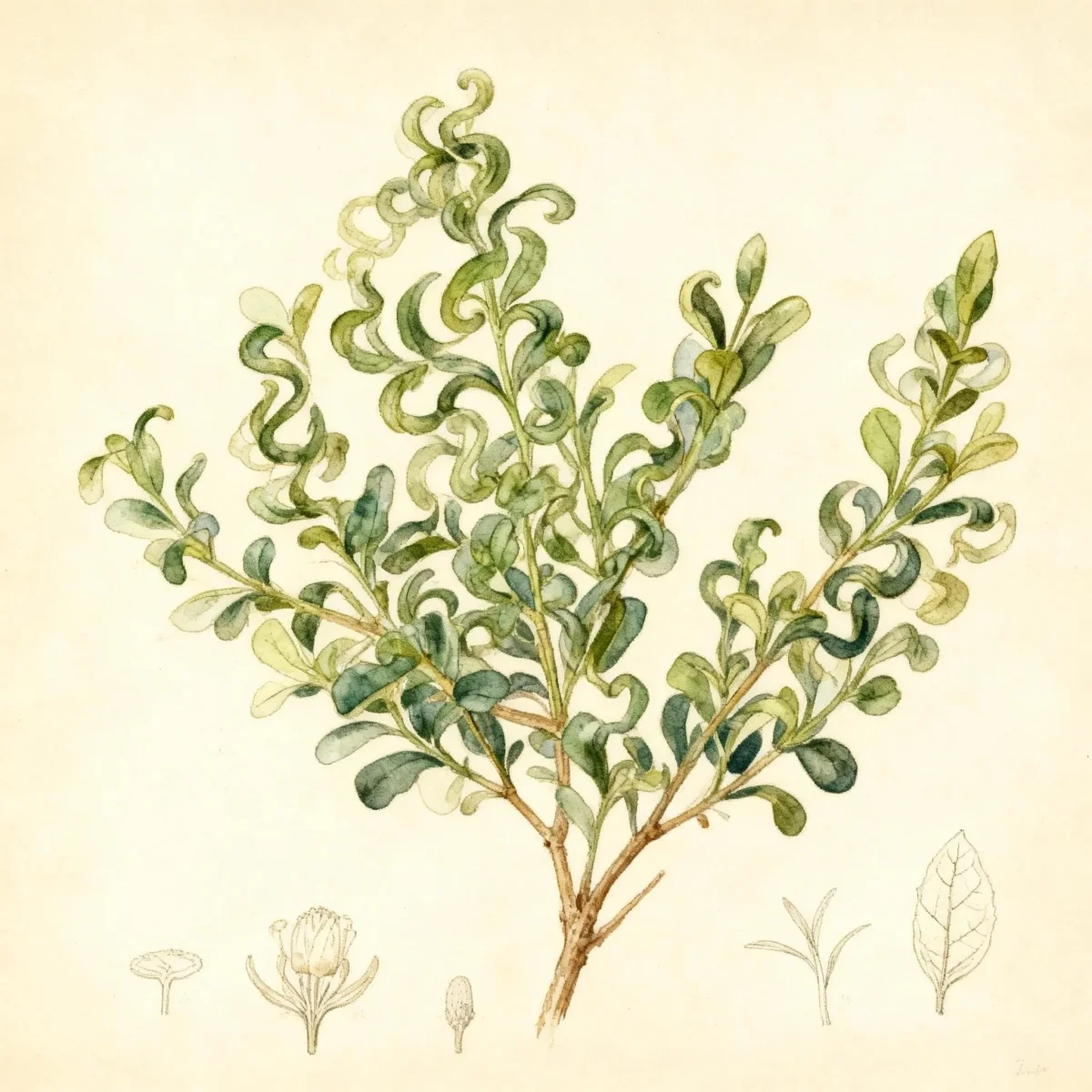
Buxus sempervirens is a rounded to broad-rounded shrub or small tree native primarily to open woodlands in southern Europe, northern Africa, and western Asia. Its small, elliptic leaves are dark glossy green above and remain evergreen throughout the year, which is characteristic of the genus mentioned in its specific epithet, meaning “always green.” The ‘Edgar Anderson’ cultivar honors Edgar Anderson, a notable figure in botany and director of the Missouri Botanical Garden.
Tolerances
- Rabbit
- Deer
Potential Problems
Boxwood foliage frequently develops an unattractive brownish-yellow hue, known as bronzing, particularly harsh winters where the plant is exposed to full sun and winter winds. To mitigate this, ensure the plant is well-watered going into winter and situate it in a location protected from prevailing winter gusts. Cultural stress, like poor drainage, can invite root rot, so confirm your soil drains rapidly—this is where sound cultivation practices are vital for long-term health.
This shrub is also susceptible to several specific diseases, including boxwood blight, volutella blight, and various leaf spot issues. Good air circulation, managed through annual thinning of dead or damaged branches, is the best cultural defense against fungal development. Furthermore, be aware of common insect pests such as the boxwood leafminer, mite, and psyllid; early detection is key to managing any potential infestation in your Buxus sempervirens ‘Edgar Anderson’ planting.
Frequently Asked Questions
What hardiness zones is Boxwood suitable for?
Buxus sempervirens ‘Edgar Anderson’ is reliably hardy in the ground across USDA Hardiness Zones 6 through 8.
How large does Buxus sempervirens ‘Edgar Anderson’ grow?
This cultivar typically matures to a height between 5 and 6 feet, with a spread ranging from 4 to 5 feet.
What sun exposure does Boxwood need?
Buxus sempervirens ‘Edgar Anderson’ performs well in conditions ranging from full sun to partial shade, though excessive midday or afternoon summer sun can increase the risk of scorch.
When does Boxwood bloom?
The inconspicuous flowers of this Boxwood appear between April and May, presenting a modest greenish-cream color.
Conclusion
The Buxus sempervirens ‘Edgar Anderson’ provides indispensable structure and reliable evergreen color, making it a top choice for formal hedging and disciplined garden structure. Its moderate size and tolerance for shearing make this Boxwood highly practical for defining architectural spaces in the garden. Plan your installation carefully, paying close attention to soil drainage and winter protection to ensure your Boxwood thrives for years to come.
Companion Planting
When designing beds around Buxus sempervirens ‘Edgar Anderson’, select companions that appreciate similar light and soil moisture, avoiding plants that require heavy seasonal disturbance around the Boxwood’s shallow roots. Consider pairing it with plants that offer seasonal contrast in texture or color, such as late-blooming perennials or wispy ornamental grasses that soften the formal lines of the hedge. Plants that thrive in slightly acidic to slightly alkaline, well-drained loams are ideal partners for this robust Boxwood.
Seasonal Care Calendar
Spring is the ideal time for cleanup; gently remove old mulch and apply a fresh, thin layer, remembering that pruning should wait until after the last expected frost. Summer care emphasizes deep, regular watering to support medium water needs during dry spells, but always ensure water drains away effectively. As autumn approaches, discontinue heavy fertilization and ensure the plant is thoroughly watered before the ground freezes to reduce the likelihood of winter desiccation and bronzing. Winter vigilance means monitoring for heavy snow or ice buildup that could break branches and protecting the plant from severe, desiccating winds.