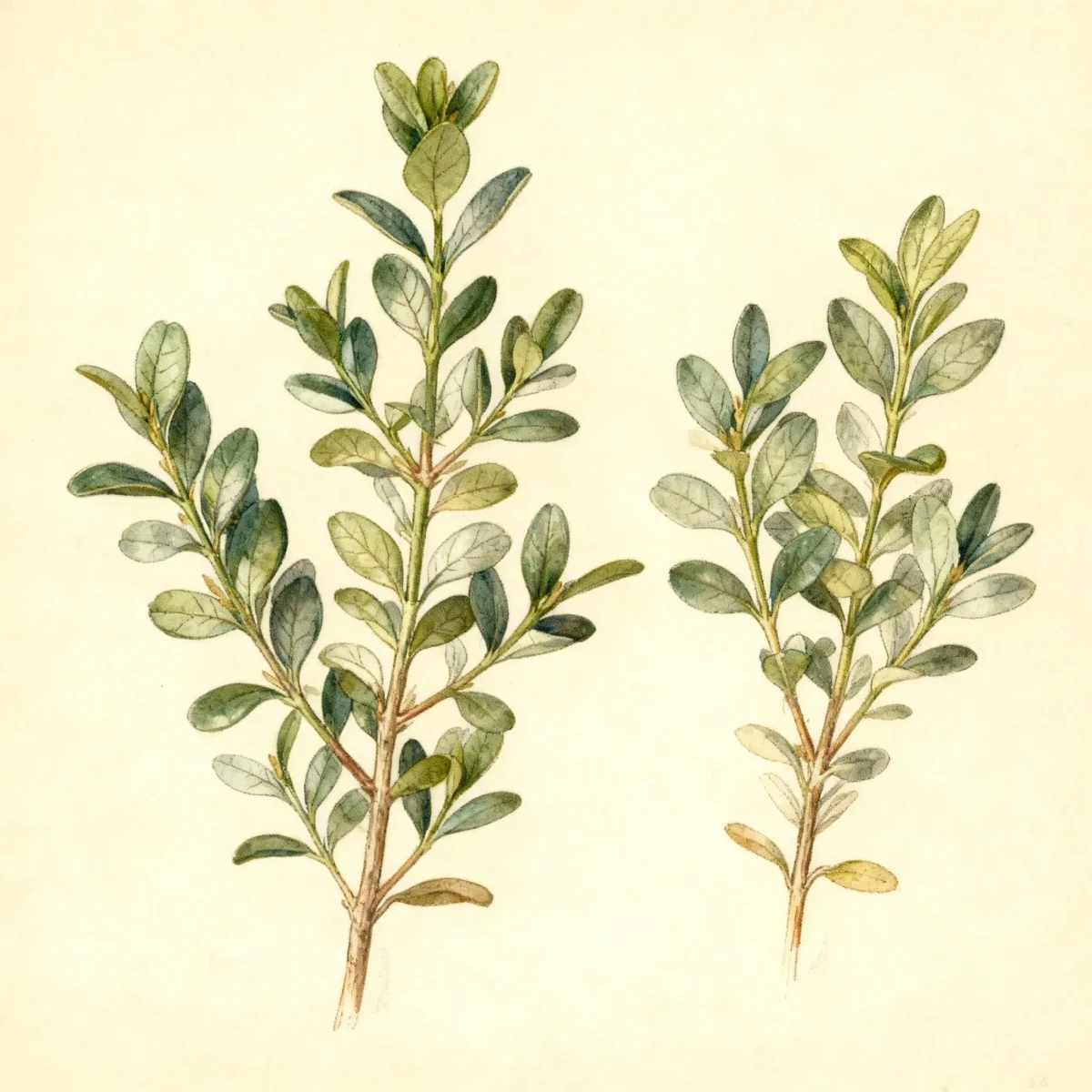
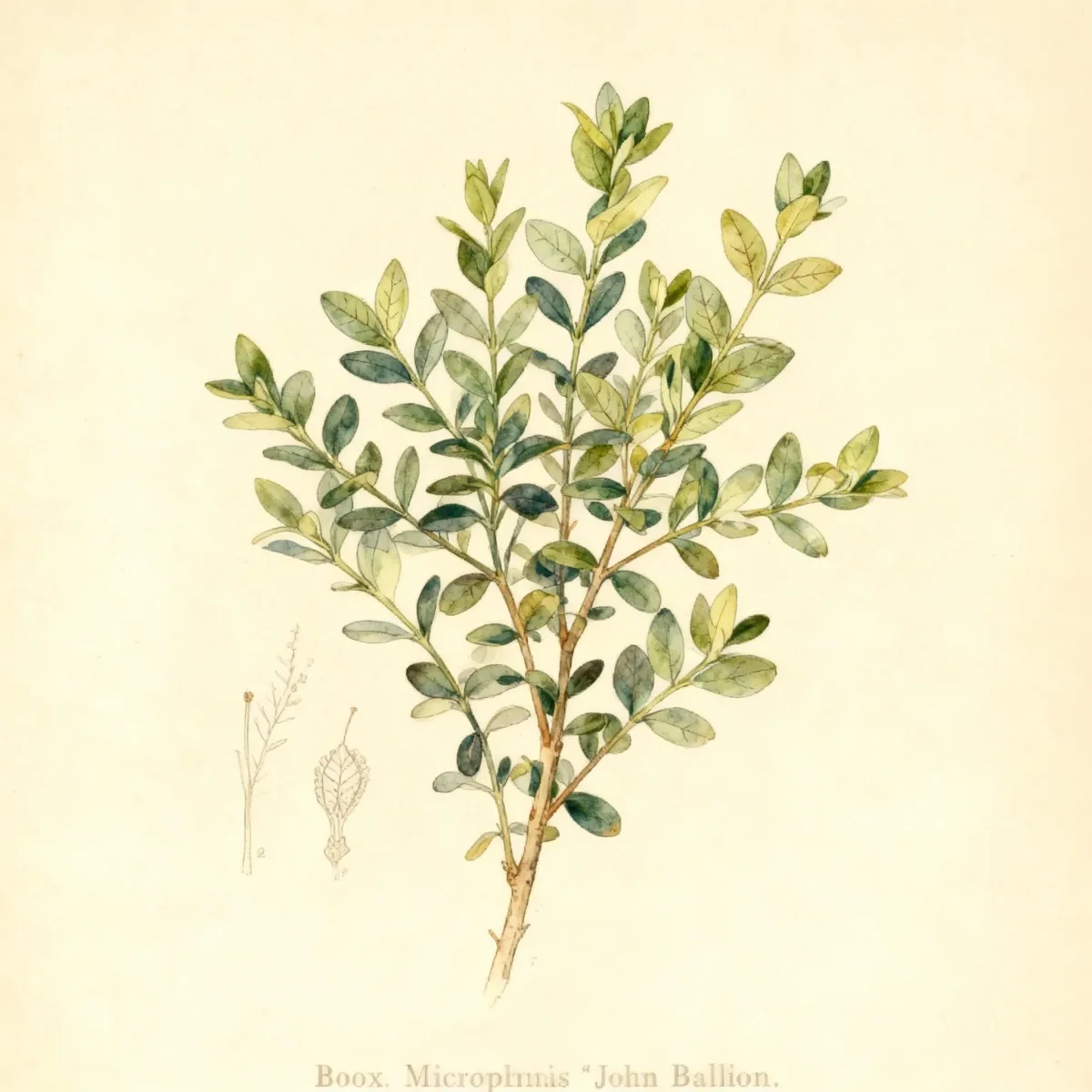
Boxwood (Buxus sempervirens 'Elegantissima')
Buxus sempervirens 'Elegantissima' Boxwood offers dense, mounded form with striking variegated foliage. Ideal for hedges and formal gardens in USDA Zones 6-8.
Scroll down to discover growing tips, care requirements, companion plants, and more
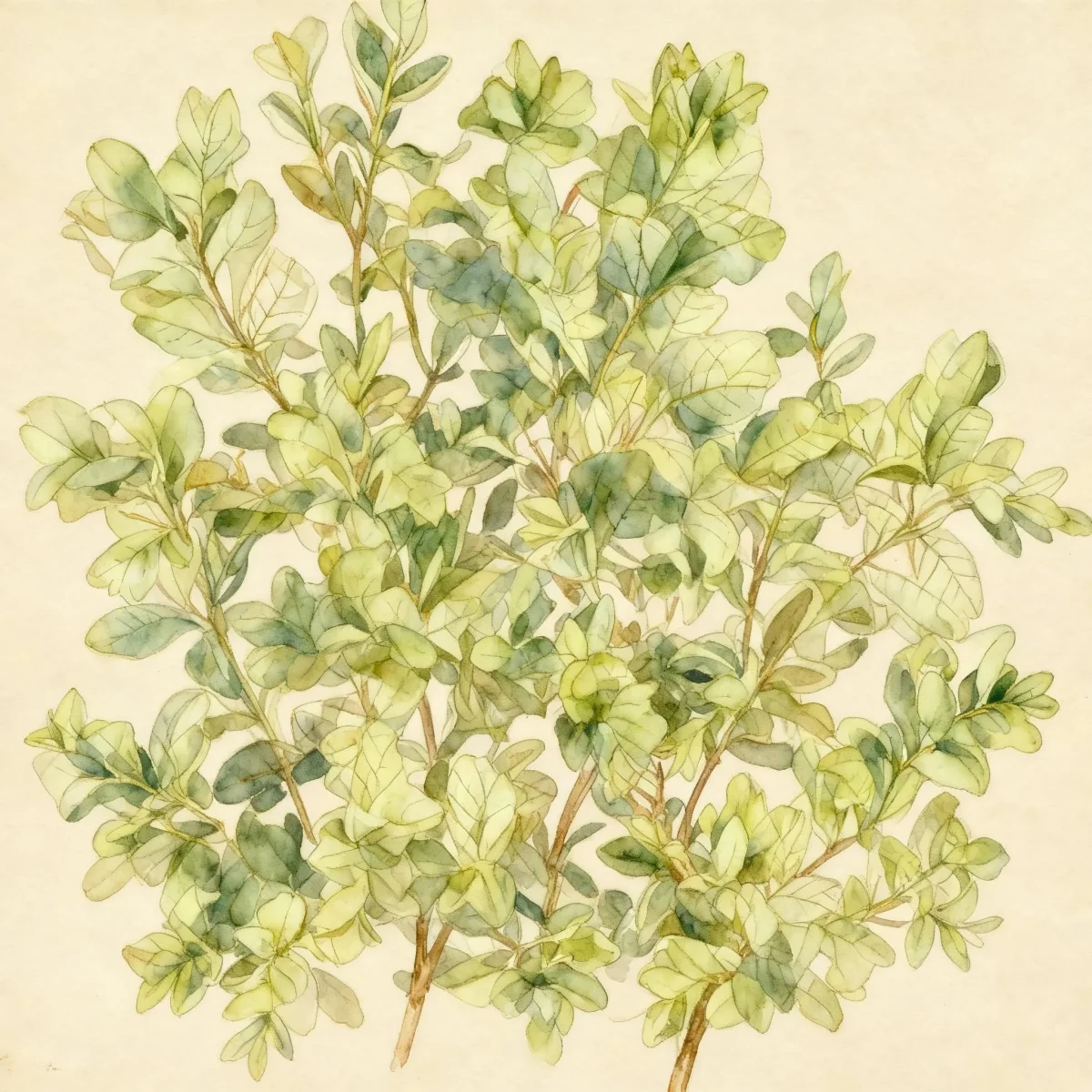
Complete Plant Information
Overview
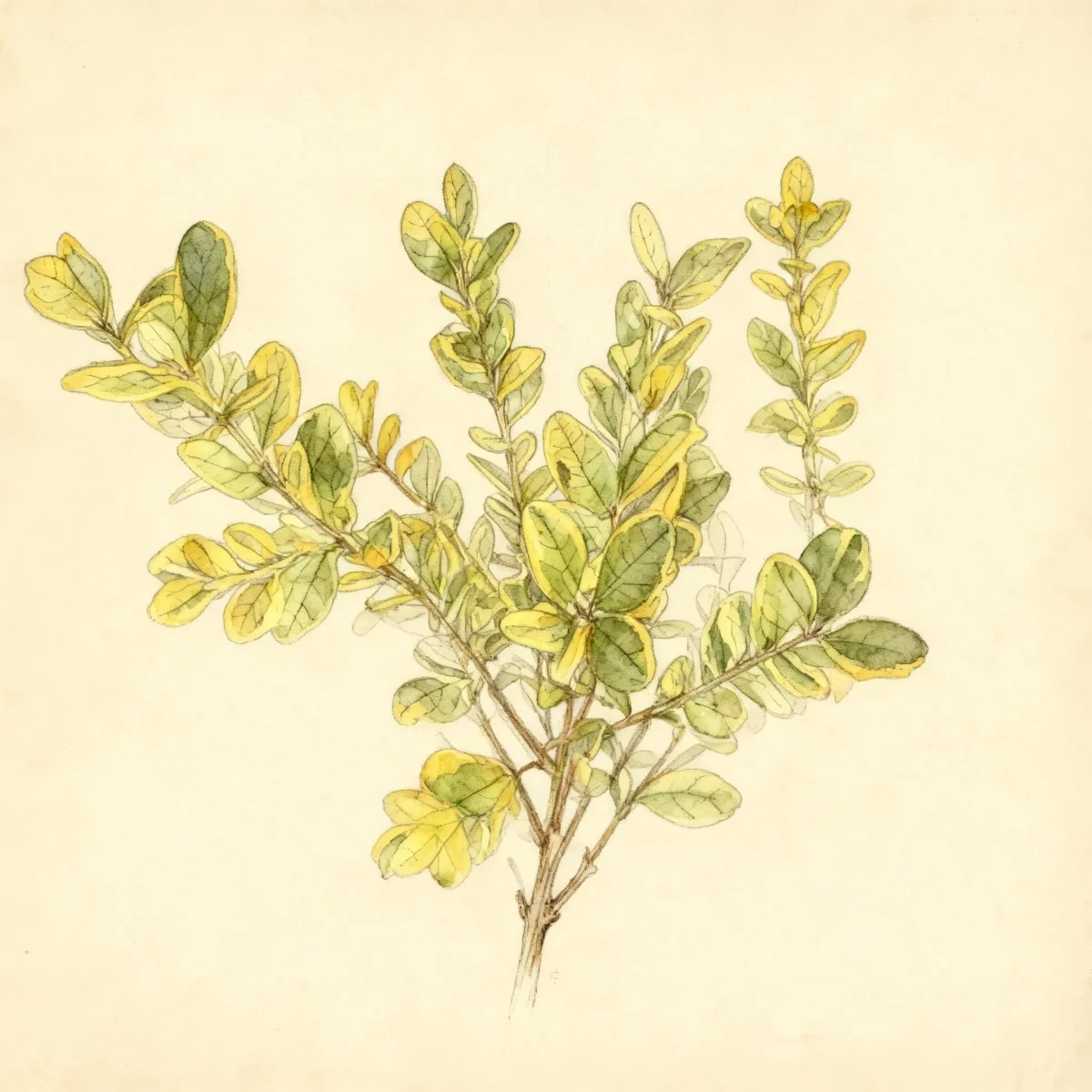
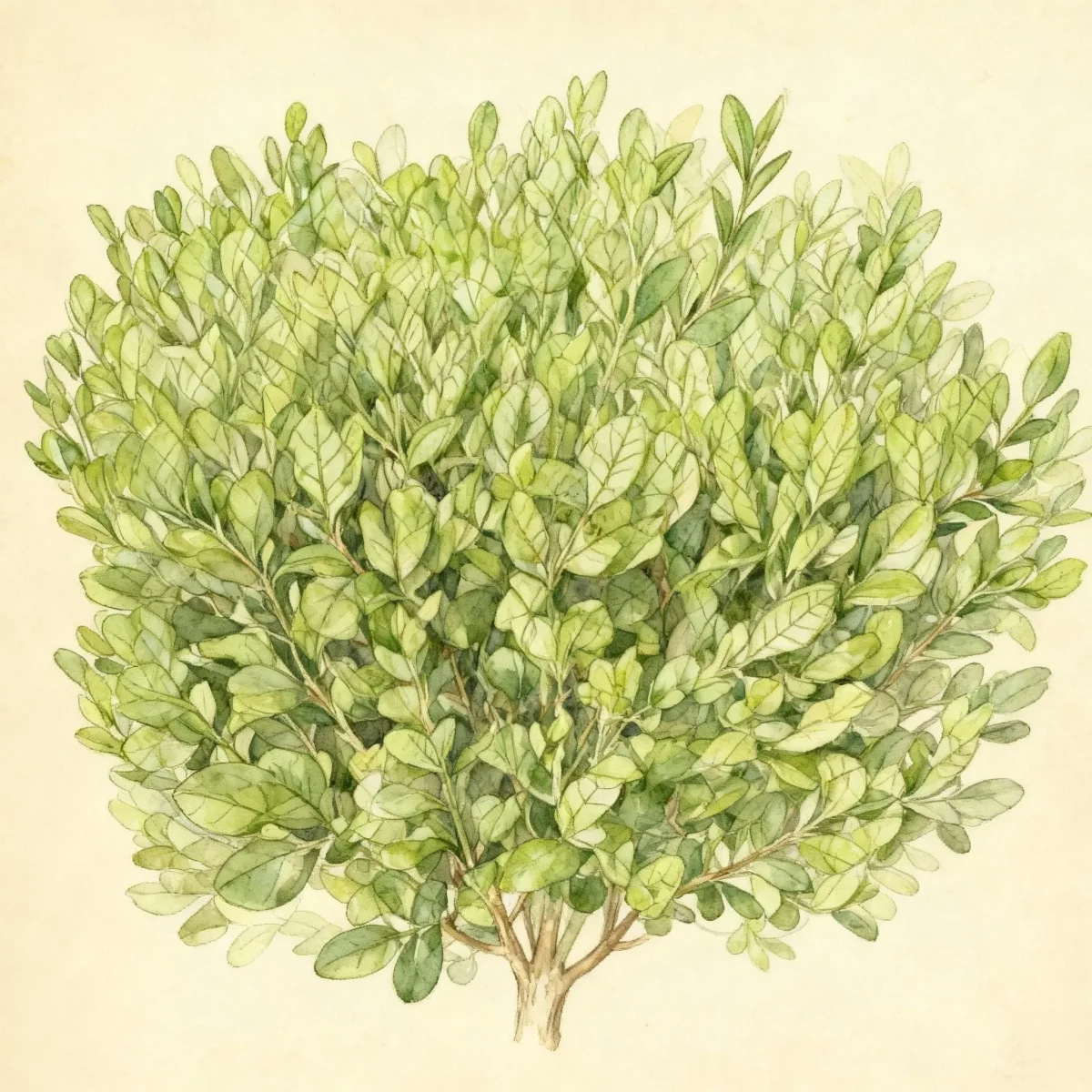
The Buxus sempervirens ‘Elegantissima’ is a highly valued cultivar of Boxwood, celebrated for its dense, mounded habit and beautiful variegated foliage. This broadleaf evergreen provides year-round structure and bright contrast in the garden thanks to its medium green leaves ringed with irregular white margins. It is an excellent choice for gardeners seeking reliable, low-growing formal elements.
As a slow-to-medium-growing shrub, Buxus sempervirens ‘Elegantissima’ typically reaches 3 to 5 feet in height and spreads between 3 to 4 feet over time, making it perfect for structured plantings or low hedging. It is notably tolerant of browsing animals, offering reliable privacy screening or accent without attracting rabbits or deer.
This specific Boxwood thrives when placed where it receives full sun or needs the brightness provided by part shade conditions. Its manageable size and density make it inherently practical, whether used as a vertical specimen, an accent in mixed borders, or shaped into traditional topiary forms.
Fast Facts
- Plant Family: Buxaceae
- Plant Type: Broadleaf evergreen
- Hardiness Zones: USDA Zones 6-8
- Size at Maturity:
- Height: 3-5 ft
- Spread: 3-4 ft
- Bloom Time: April to May
- Bloom Description: Pale greenish
- Sun Exposure: Full sun to part shade
- Water Needs: Medium
- Maintenance Level: Medium
How to Grow
Planting Buxus sempervirens ‘Elegantissima’ is best done in spring or fall, allowing the roots time to establish before extreme summer heat or winter cold arrives. The ideal site features evenly moist, well-drained loam soils, though it tolerates a range from slightly acidic to slightly alkaline pH levels. Ensure the location offers protection from harsh winter winds, as these can cause foliage bronzing and dehydration.
Consistent, medium watering is necessary, especially when establishing the Boxwood. Once mature, it requires regular moisture but hates sitting in soggy conditions, which can lead to root rot. Avoid cultivating close to the base of the shrub, as Buxus species have shallow roots; instead, apply a 1 to 2-inch layer of organic mulch, such as compost or bark, to conserve moisture.
Pruning should be approached cautiously. While this plant tolerates shearing, never prune significantly before the last expected spring frost. Early spring pruning encourages tender new growth vulnerable to frost damage. Annually thin out dead or damaged branches to improve air circulation within the dense framework of the Buxus sempervirens ‘Elegantissima’.
Landscape Uses
The versatility of Buxus sempervirens ‘Elegantissima’ allows it to anchor formal and Mediterranean-style gardens effectively. Its compact, mounded habit makes it exceptional when used en masse to create a crisp, narrow hedge that defines pathways or property lines. The bright variegation adds necessary light compared to solid green cultivars.
Consider using this Boxwood as a vertical accent in foundation plantings where its structure will complement architectural lines throughout the year. It performs wonderfully in large containers, acting as a permanent, architectural element, and serves as an outstanding subject for topiary training due to its dense growth habit.
For mixed beds and borders, plant Buxus sempervirens ‘Elegantissima’ near plants that require similar sun and moisture profiles. Its formal texture provides an excellent contrast to softer, looser perennials, ensuring visual interest even during winter months when many other plants are dormant.
Standout Features
Flower Qualities
- Insignificant
Noteworthy Characteristics
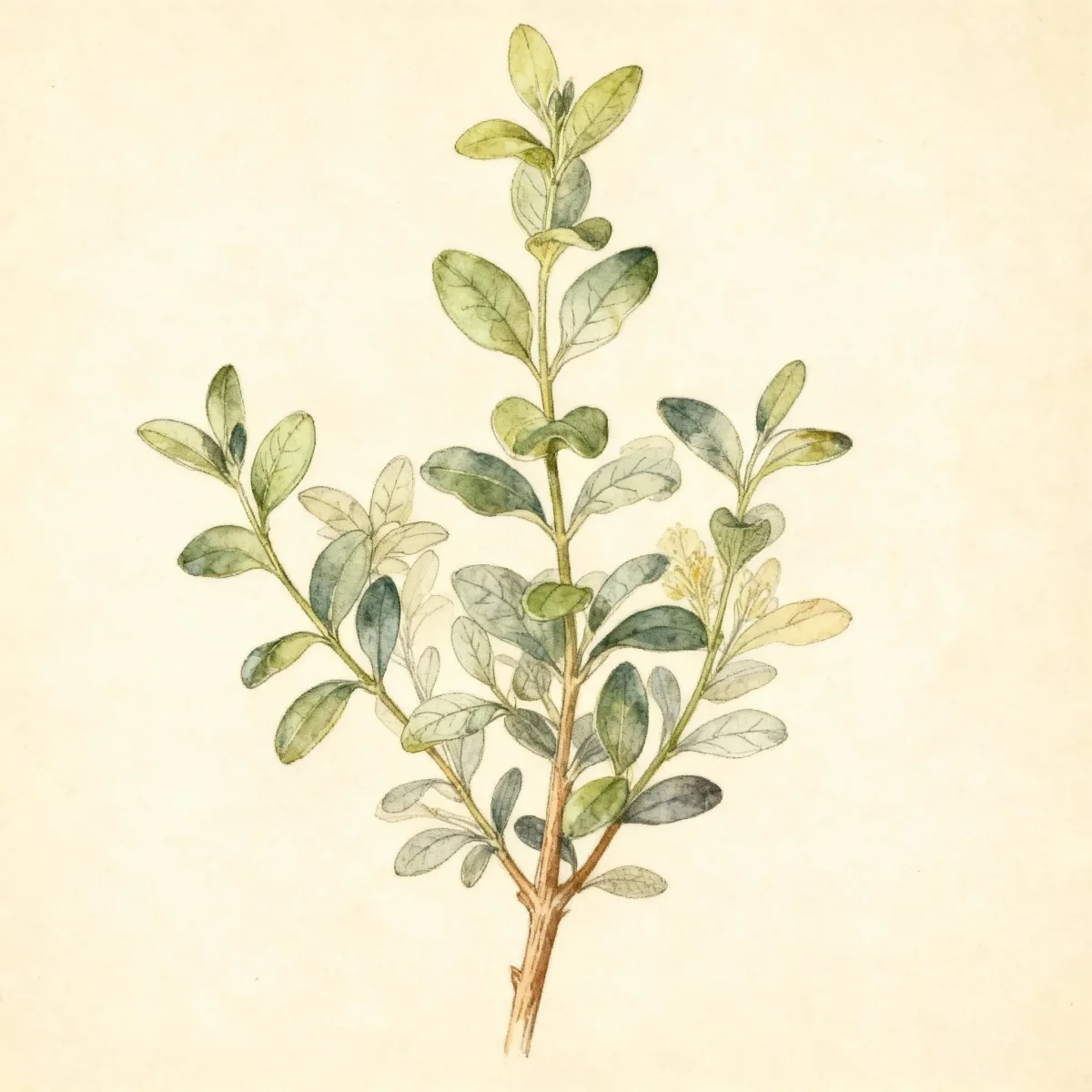
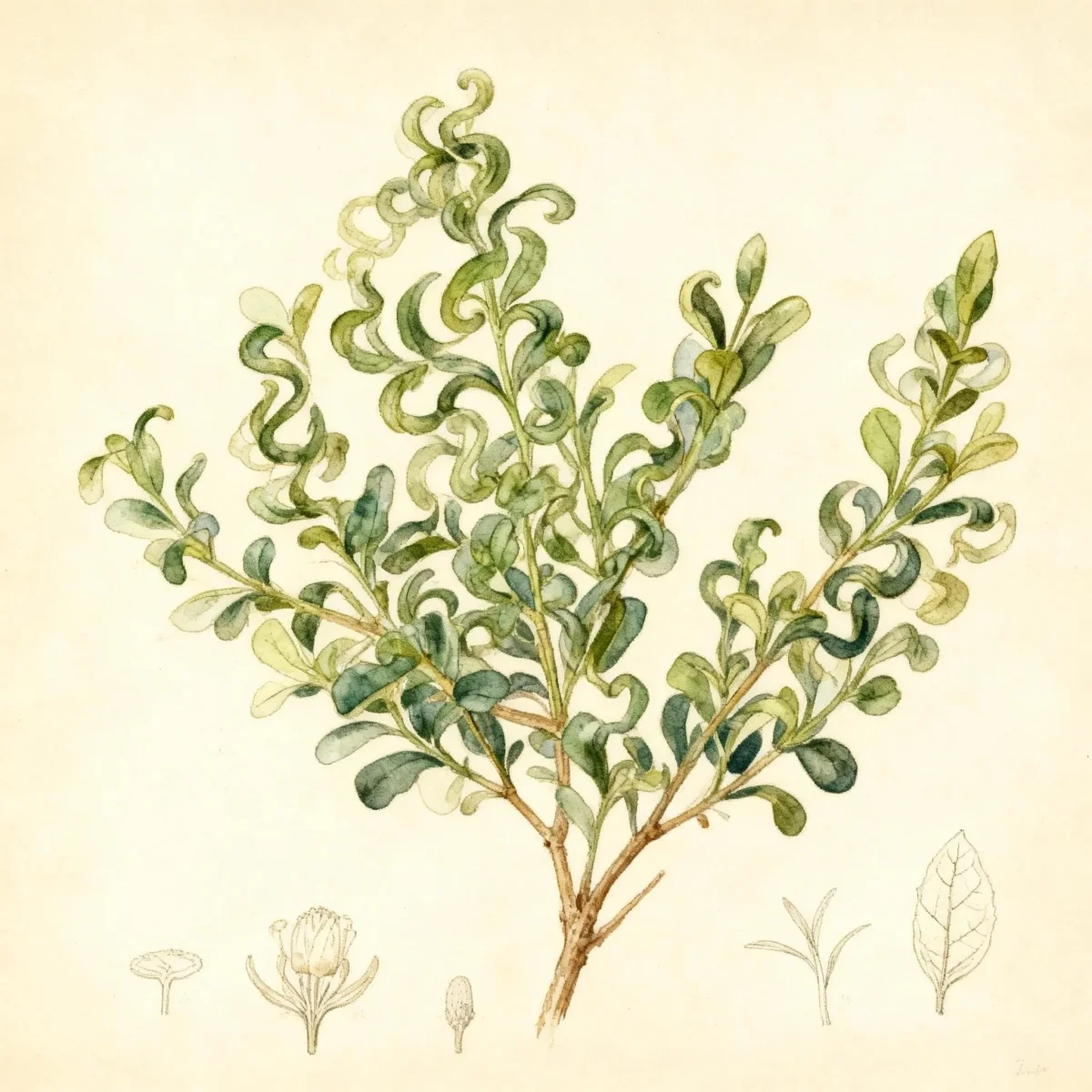
Buxus sempervirens is a rounded to broad-rounded shrub or small tree native to woodlands and rocky hillsides in Southern Europe and Western Asia. Its small, elliptic evergreen leaves are glossy dark green above and yellowish-green beneath. The cultivar ‘Elegantissima’ is characterized by its dense, mounded form and striking variegated foliage, featuring medium green leaves edged with broad, irregular white margins, maturing around 5 feet tall unless routinely pruned.
Tolerances
- Rabbit
- Deer
Potential Problems
Boxwood foliage can bronze, turning an unattractive brownish-yellow hue, particularly in harsh winters if the plant is exposed to intense midday sun and drying winter winds. To mitigate this, site your Buxus sempervirens ‘Elegantissima’ where it receives protection from the worst winter elements. Susceptibility exists for several diseases, including boxwood blight, volutella blight, and leaf spot; good air circulation, achieved by annual thinning, is crucial for prevention.
Poorly drained soils are a major concern as they invite root rot. Additionally, be vigilant for common insect pests such as the boxwood leafminer, boxwood mite, and boxwood psyllid. Monitoring new growth closely is important, as tender new shoots are highly susceptible to environmental damage or pest infestation early in the season.
Frequently Asked Questions
What hardiness zones is Boxwood suitable for?
Buxus sempervirens ‘Elegantissima’ is suitable for USDA Hardiness Zones 6 through 8.
How large does Boxwood grow?
This specific Boxwood typically matures to a height between 3 to 5 feet, with a spread ranging from 3 to 4 feet.
What sun exposure does Buxus sempervirens ‘Elegantissima’ need?
This plant performs best in conditions ranging from full sun to light part shade.
When does Boxwood bloom?
Flowering occurs predictably from April to May, producing small, pale greenish, inconspicuous flowers.
Conclusion
The Buxus sempervirens ‘Elegantissima’ offers unparalleled value as a consistent, structural evergreen, highlighted by its attractive variegated foliage that brightens any garden space year-round. Its moderate size and high tolerance for browsing animals make this Boxwood an indispensable element for formal design. Before planting, ensure your location falls within USDA Zones 6-8 and plan to provide adequate sun protection during severe winter weather.
Companion Planting
When choosing companions for this Boxwood, consider plants that share their preference for medium water needs and well-drained soils. In formal settings, pairing the structured shape of the Buxus with fine-textured perennials like Heuchera (especially those with dark foliage for contrast) or low-growing Sedum works very well. Avoid deep shade lovers, as the variegation of the ‘Elegantissima’ cultivar benefits significantly from bright indirect light or morning sun exposure.
Seasonal Care Calendar
Spring care focuses on cleanup and initial growth management. After the risk of hard frost has passed, remove old mulch and debris, inspect for winter damage, and prune any dead wood to encourage healthy new growth. Summer maintenance centers on consistent watering, especially during dry spells, ensuring the soil remains evenly moist but never saturated. In fall, apply a fresh layer of mulch—avoiding contact with the stem—to insulate the shallow roots before winter sets in.