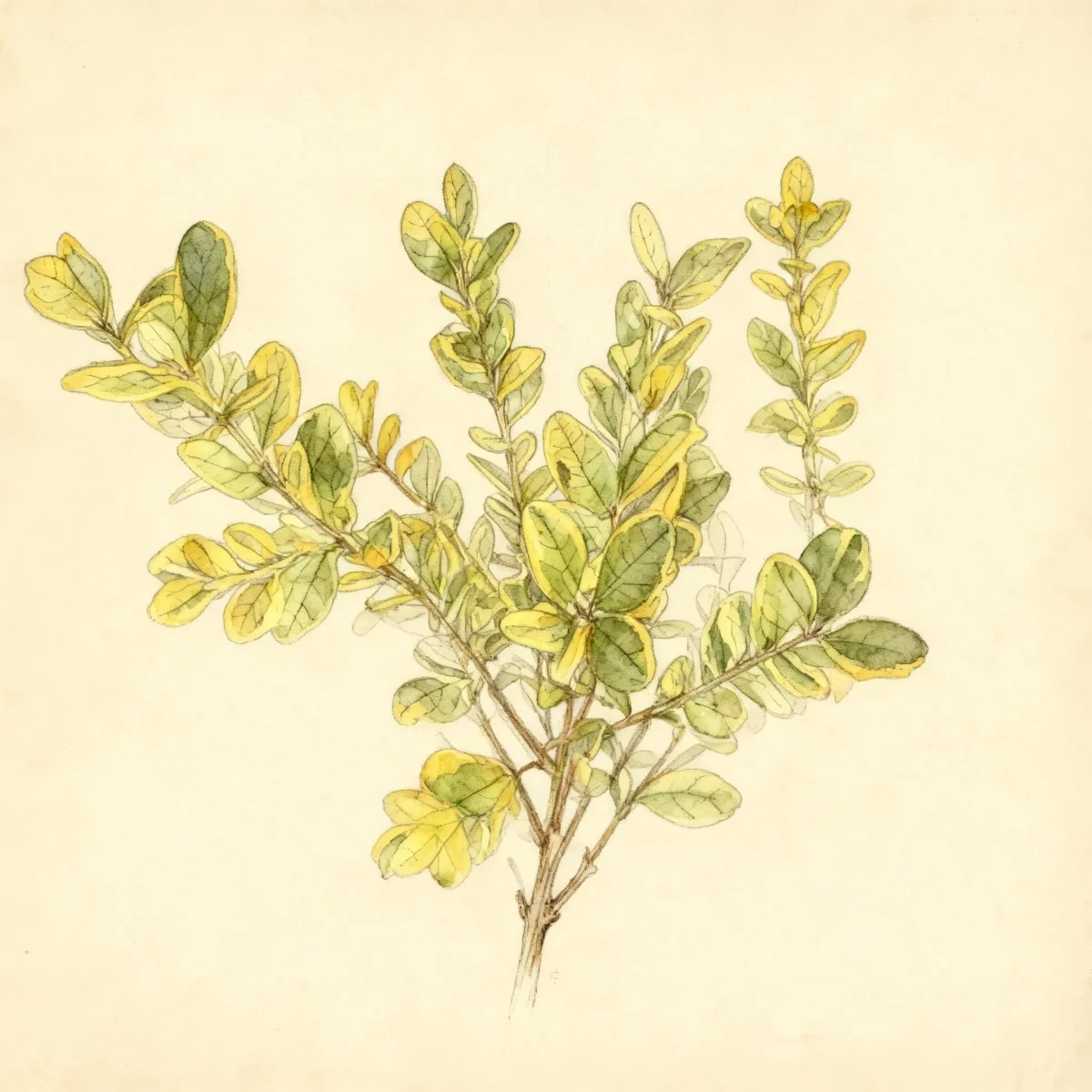
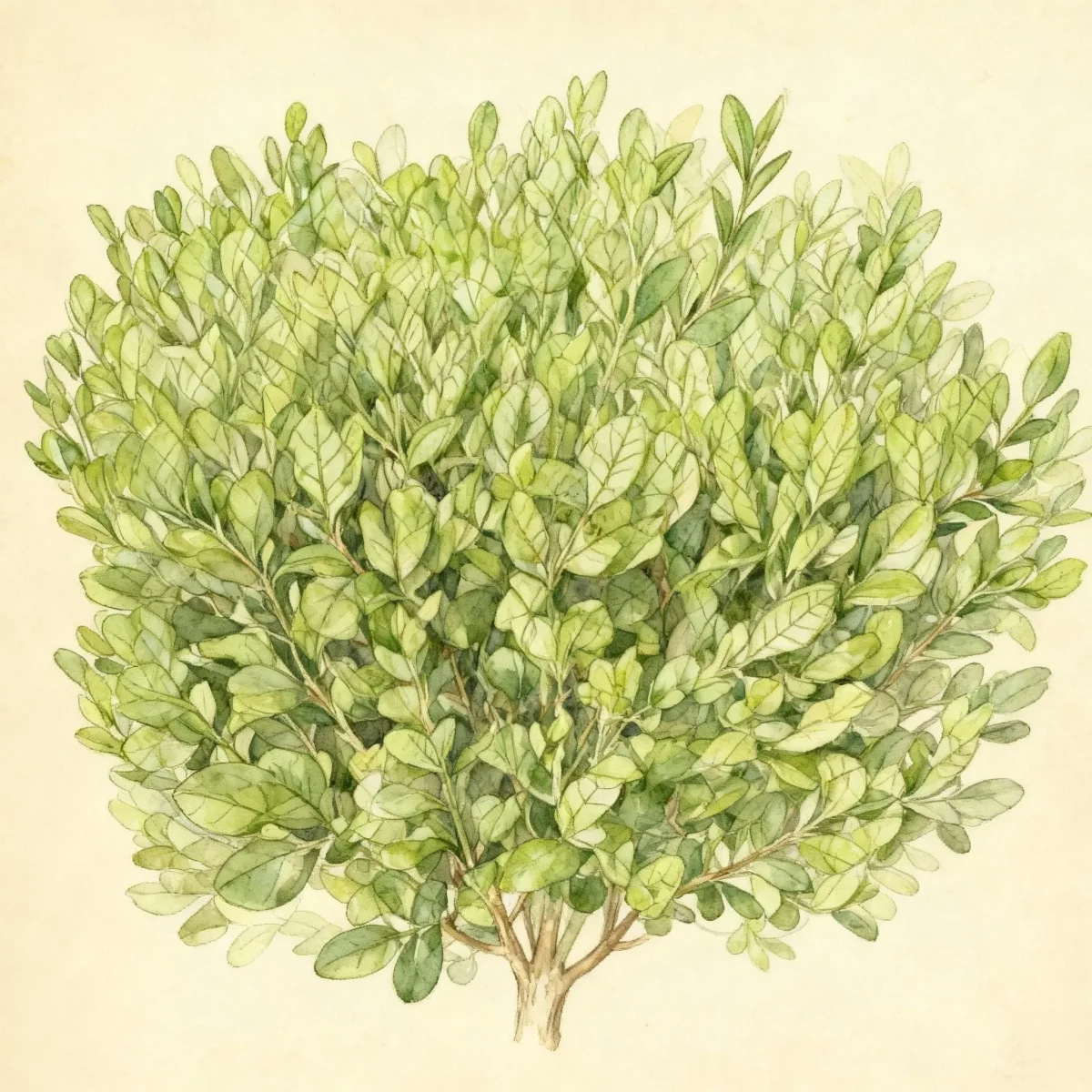
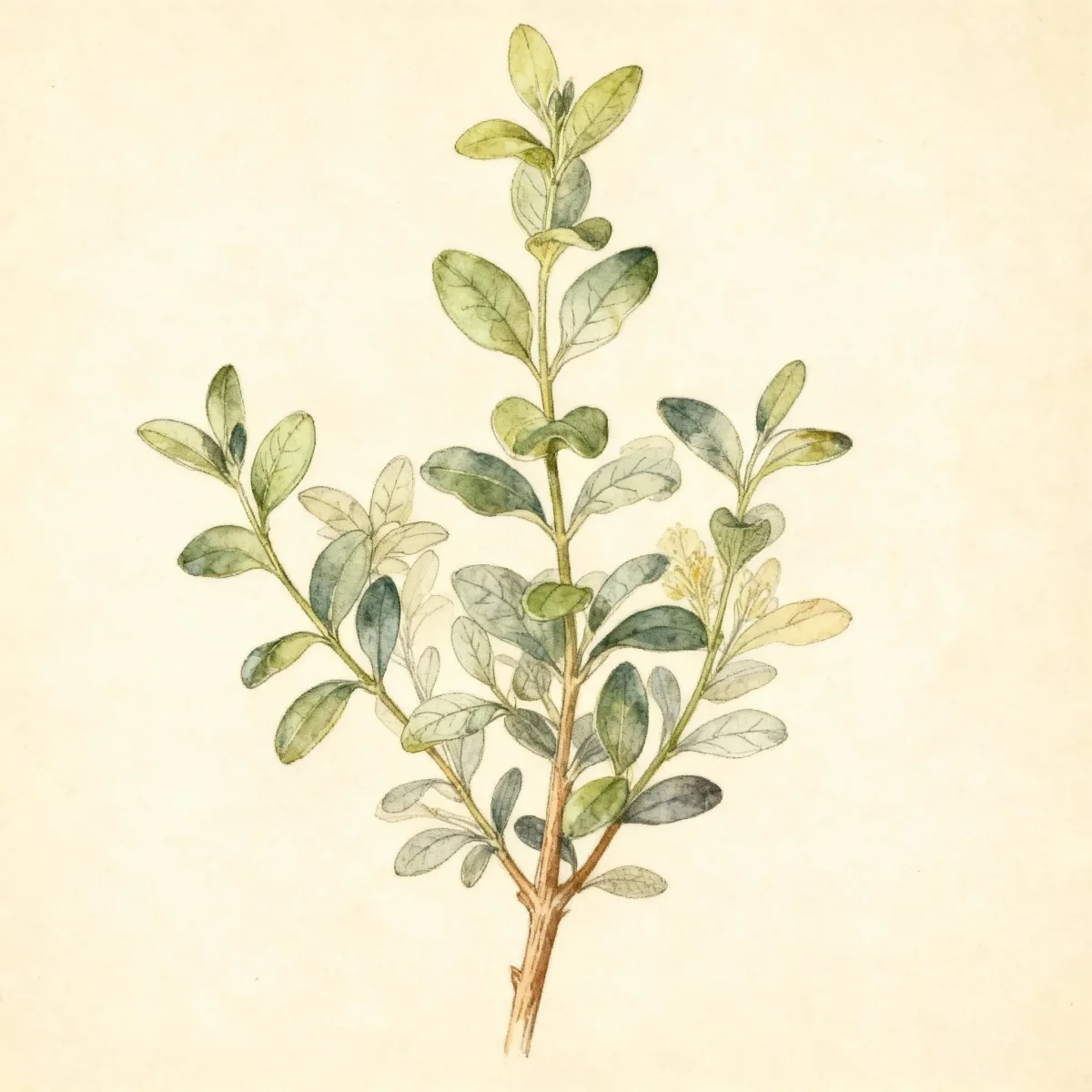
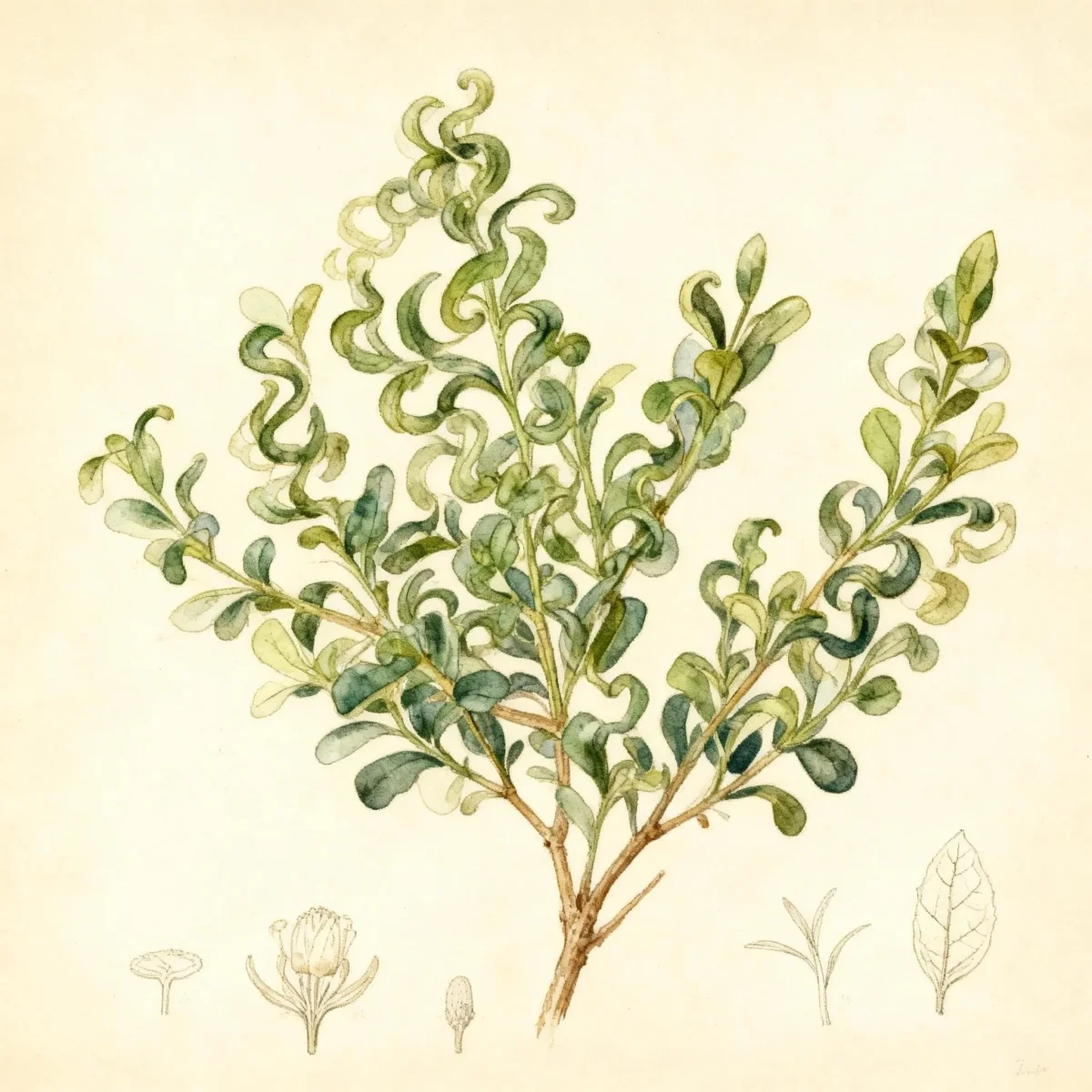
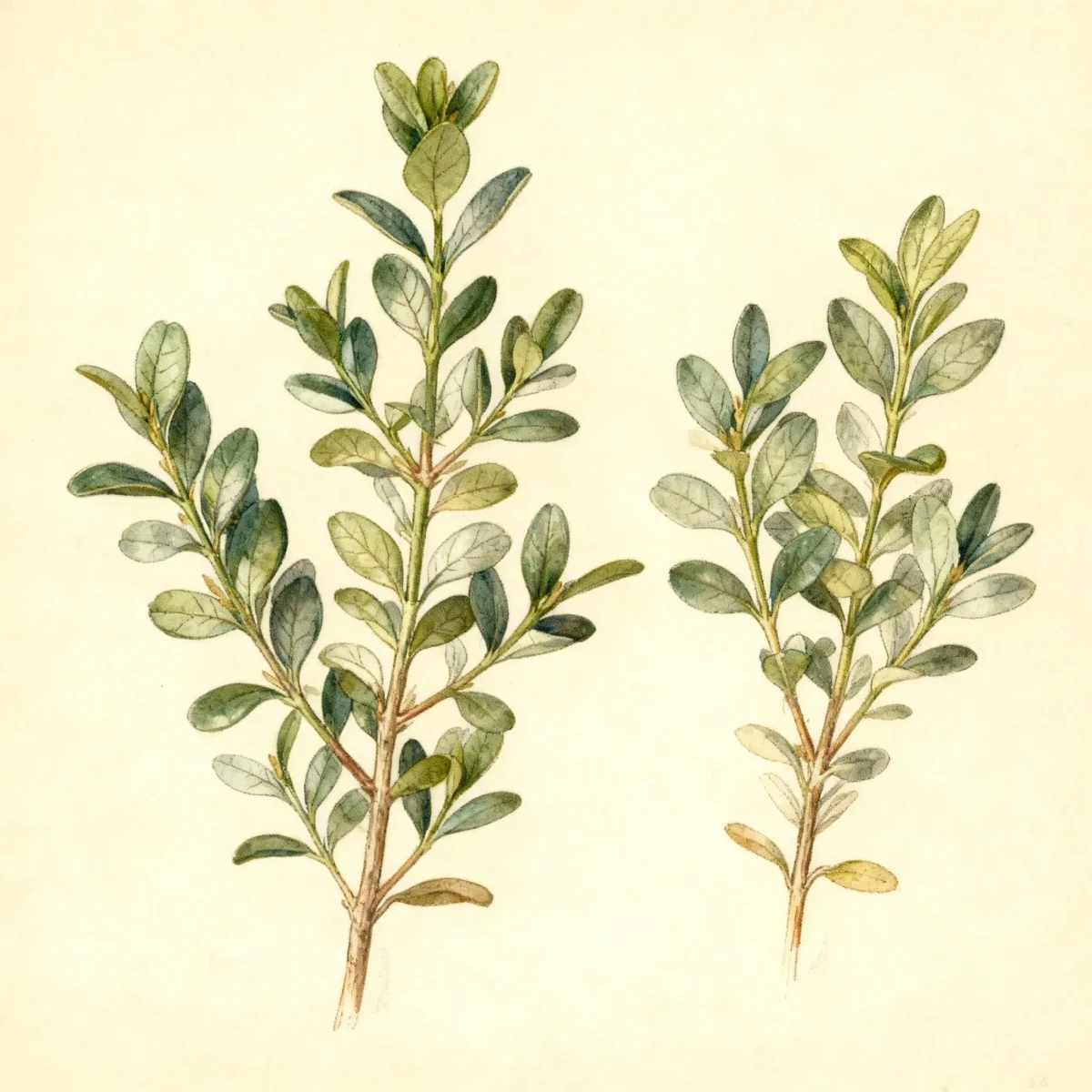
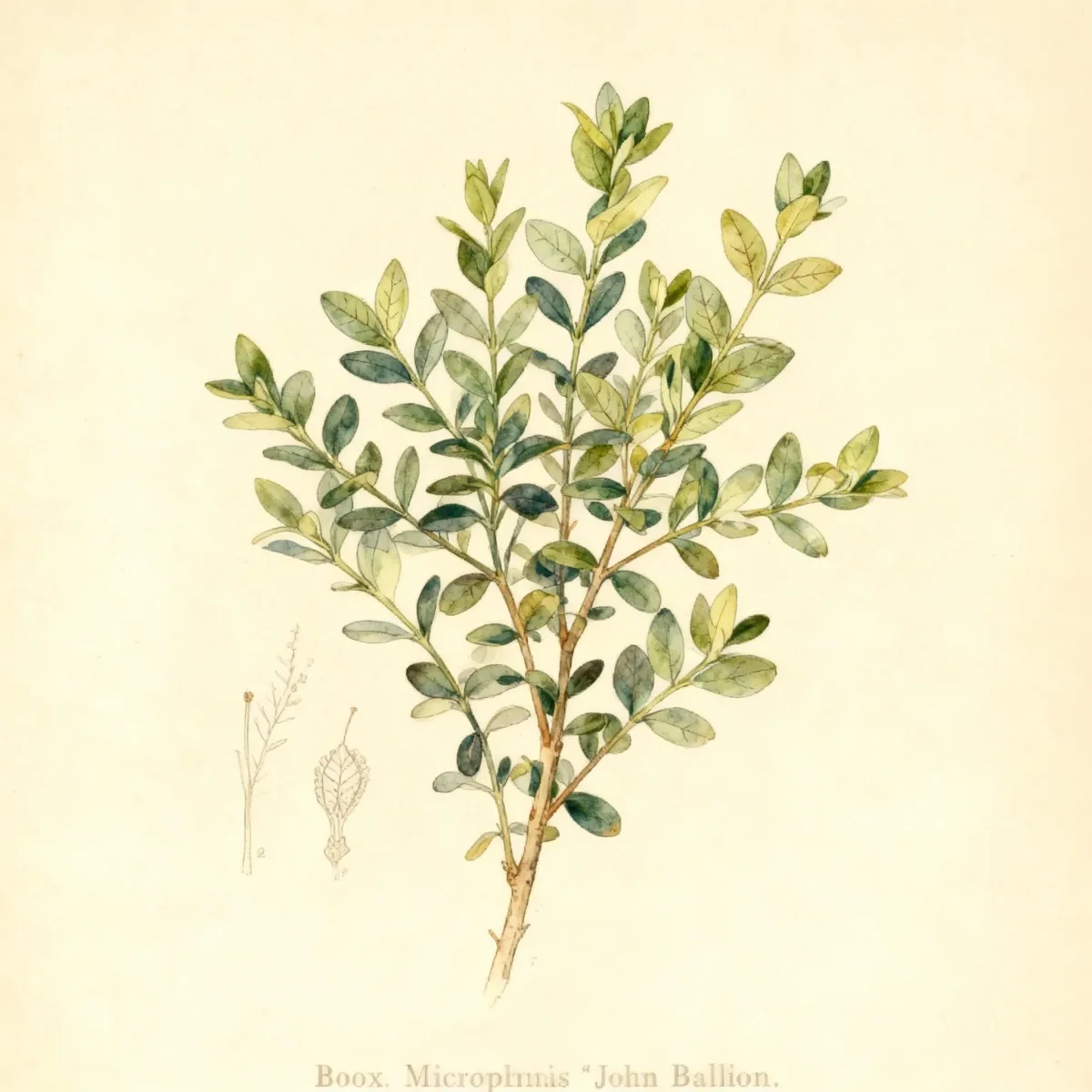
Boxwood (Buxus sempervirens 'Fastigiata')
Buxus sempervirens 'Fastigiata' is a narrow, upright Boxwood, perfect as a vertical accent in formal gardens. Evergreen structure suits Zones 6-8.
Scroll down to discover growing tips, care requirements, companion plants, and more
Complete Plant Information
Overview
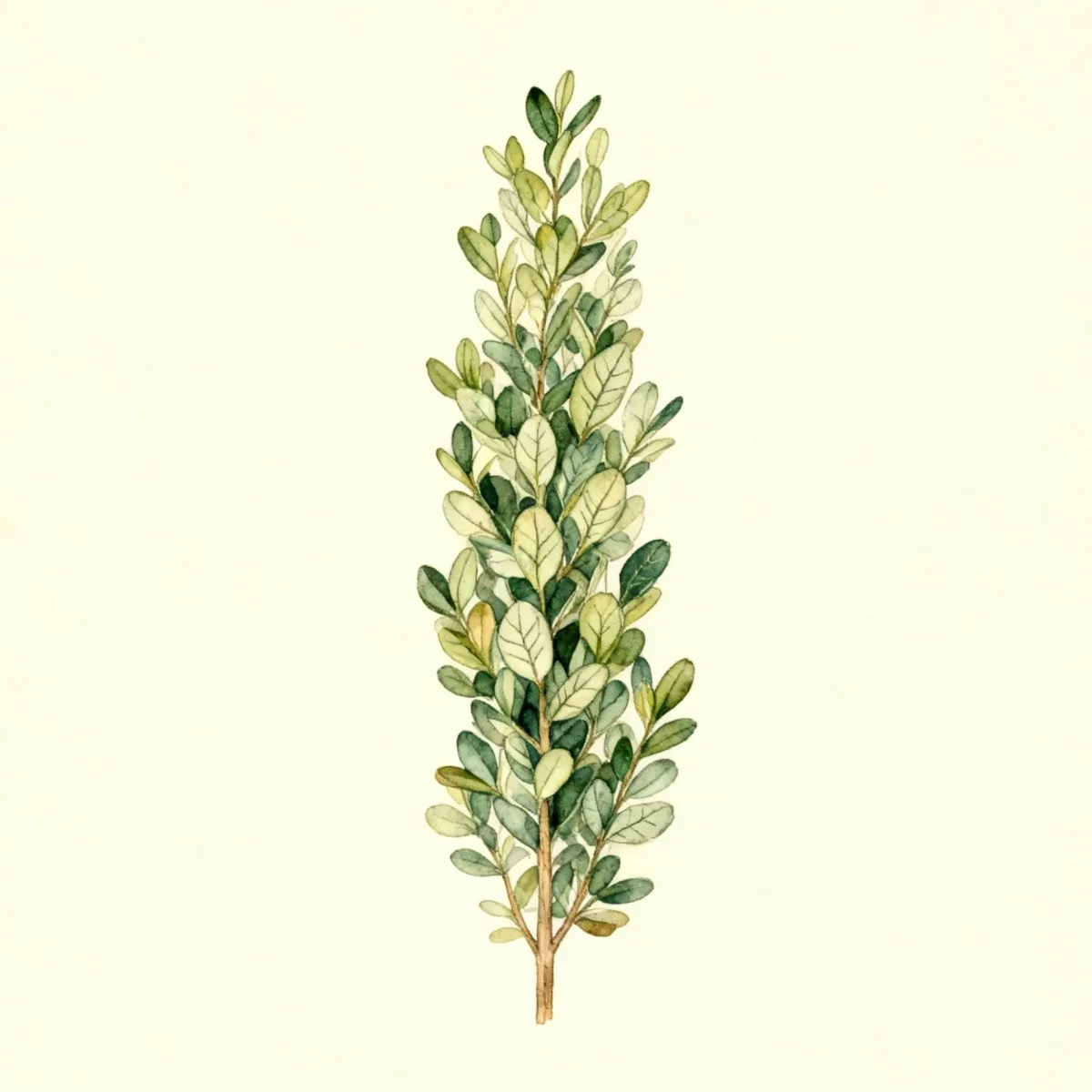
The Boxwood cultivar Buxus sempervirens ‘Fastigiata’ stands out due to its distinctly columnar, upright habit, making it an excellent architectural element in the landscape. Unlike the broad, rounded forms common to many Boxwoods, this selection offers strong vertical emphasis, growing to about 12 feet tall but remaining relatively narrow at 4 to 5 feet wide. Its dense, dark blue-green evergreen foliage ensures year-round visual structure.
This cultivar of Boxwood provides formality and year-round color, thriving best when situated where it receives protection from harsh winter elements. While adaptable to various light conditions, its ultimate vigor and density are best achieved in locations that balance sun and shade, as extreme exposure can cause seasonal bronzing. Proper siting is key to maximizing the appeal of Buxus sempervirens ‘Fastigiata’.
Gardeners value this specimen for its formal appeal, tight growth, and relatively moderate maintenance once established. Its evergreen nature makes it a powerful vertical accent in foundation plantings or formal garden designs where enduring structure is paramount.
Fast Facts
- Plant Family: Buxaceae
- Plant Type: Broadleaf evergreen
- Hardiness Zones: USDA Zones 6-8
- Size at Maturity:
- Height: 10-12 ft
- Spread: 4-5 ft
- Bloom Time: April to May
- Bloom Description: Creamy white
- Sun Exposure: Full sun to part shade
- Water Needs: Medium
- Maintenance Level: Medium
How to Grow
Buxus sempervirens ‘Fastigiata’ prefers evenly moist, well-drained loams, often doing well in a sand-clay mix. While they tolerate part shade—including dappled light or mornings with direct sun—planting in full winter sun can increase the risk of foliage scorching or winter bronzing. Aim for slightly acidic to slightly alkaline soil pH for optimal health.
Water needs are medium; ensure planting sites remain consistently moist but never waterlogged, as poor drainage leads quickly to root rot, a significant concern for Boxwood species. Because these shrubs have shallow roots, avoid cultivating the soil immediately around the base. Instead, apply a 1 to 2-inch layer of organic mulch, such as bark or compost, to conserve moisture and moderate soil temperature.
Pruning Buxus sempervirens ‘Fastigiata’ should be approached cautiously. If shearing is necessary, wait until after the last spring frost date has safely passed. Pruning too early encourages tender new growth highly susceptible to frost damage. For general health, thin the canopy annually to improve air circulation within the dense foliage of this Boxwood.
Site selection is crucial, especially for winter protection. Seek locations sheltered from strong winds and intense midday or afternoon winter sun. Exposure to icy winds rapidly desiccates the leaves, leading to unattractive winter dehydration and bronzing, affecting the appearance of your Buxus sempervirens ‘Fastigiata’.
Landscape Uses
The striking, narrow, conical habit of Buxus sempervirens ‘Fastigiata’ makes it an exceptional vertical specimen. It is ideal for punctuating corners in foundation plantings or lining pathways where a rigid, upright line is desired, lending immediate formality to the design. Its height potential (up to 12 feet) makes it a powerful accent in mixed beds, drawing the eye upward through contrasting textures and colors.
Because of its classic structure, this cultivar perfectly suits formal gardens, Mediterranean styles, or any space requiring strong geometric lines, including use as a narrow hedge when mass planted. Provided the container is sufficiently large due to its deep root requirements, the Buxus sempervirens ‘Fastigiata’ also performs well as a topiary accent flanking an entryway.
Standout Features
Flower Qualities
- Insignificant
Noteworthy Characteristics
Buxus sempervirens is a broad-rounded shrub or small tree native to open woodlands and rocky hillsides across Southern Europe, North Africa, and Western Asia. The species typically matures between 5 to 15 feet tall, with elliptic, dark glossy green evergreen leaves measuring 1/2” to 1 1/2” long. The cultivar ‘Fastigiata’ is specifically noted for its narrow, tree-like, conical habit, eventually reaching 12 feet high and 5 feet wide, defined by dense, dark blue-green elliptical leaves.
Tolerances
- Rabbit
- Deer
Potential Problems
Boxwood foliage frequently exhibits bronzing—an unattractive brownish-yellow cast—during harsh winters, especially when sited in open, windswept areas exposed to full sun. Prevent this by siting plants where winter sun and wind are minimized. Furthermore, this Boxwood is susceptible to several fungal issues, including boxwood blight, volutella blight, and leaf spot diseases; ensuring good air circulation through proper annual thinning helps mitigate these risks.
Poorly drained soil is a continuous threat, leading to root rot, so amending soil prior to planting is vital for long-term health. Monitor for common pests such as the boxwood leafminer, boxwood mite, boxwood psyllid, and the non-native box tree moth, as well as nematodes. Since new growth tips are most vulnerable to winter damage, follow careful spring pruning guidelines.
Frequently Asked Questions
What hardiness zones is Boxwood suitable for?
The Buxus sempervirens ‘Fastigiata’ is reliably hardy in USDA Zones 6 through 8. Ensure your location falls within this range for the best performance.
How large does Buxus sempervirens ‘Fastigiata’ grow?
This cultivar typically matures to a height between 10 and 12 feet, maintaining a relatively slender spread of 4 to 5 feet, making it significantly taller than it is wide.
What sun exposure does Boxwood need?
This plant thrives in full sun to part shade conditions. However, excessive, unmitigated winter sun exposure can cause the foliage to bronze or scorch.
When does Boxwood bloom?
The inconspicuous flowers of Buxus sempervirens ‘Fastigiata’ appear relatively early, typically from April to May, displaying a creamy white color.
Conclusion
The Boxwood cultivar Buxus sempervirens ‘Fastigiata’ offers an invaluable, narrow vertical presence, providing essential evergreen structure often missing in modern landscapes. Its formality and dense foliage make it indispensable for structured design. Before purchasing, confirm your site offers medium water access and protection from harsh winter winds, then plan your planting for late spring or early fall.
Companion Planting
When selecting partners for your Buxus sempervirens ‘Fastigiata’, prioritize plants that share similar soil and moisture requirements—evenly moist, well-drained loam. Consider pairing the rigid verticality of this Boxwood with softer, mounding perennials or finely textured grasses to enhance the visual difference. Low-growing Sedums or creeping Ajuga work well beneath the canopy to suppress weeds and provide groundcover interest without competing heavily with the shallow Boxwood roots.
For formal settings, match the dark green color with light flowering elements like white or pale blue Hydrangeas situated slightly further back, allowing the Fastigiata form room to stand out as an accent. Avoid aggressive spreaders, as they will challenge the Boxwood’s need for cultivation-free soil around its base.
Propagation Tips
While many shrubs are best grown from nursery stock, the species plant is easily propagated, and Buxus sempervirens ‘Fastigiata’ follows suit through cuttings. The best time to take cuttings is typically in mid-summer when the new growth has slightly hardened. Ensure cuttings are taken from healthy stems, usually 4 to 6 inches long, removing the lower leaves.
Dip the basal cut end in rooting hormone powder before planting them in a well-drained, sterile medium, such as a mix of peat and perlite. Place the cuttings in a protected cold frame or greenhouse setting with high humidity and bottom heat if possible, though bottom heat is not strictly necessary. With patience, these cuttings will develop roots, allowing you to multiply your vertical accents effectively.