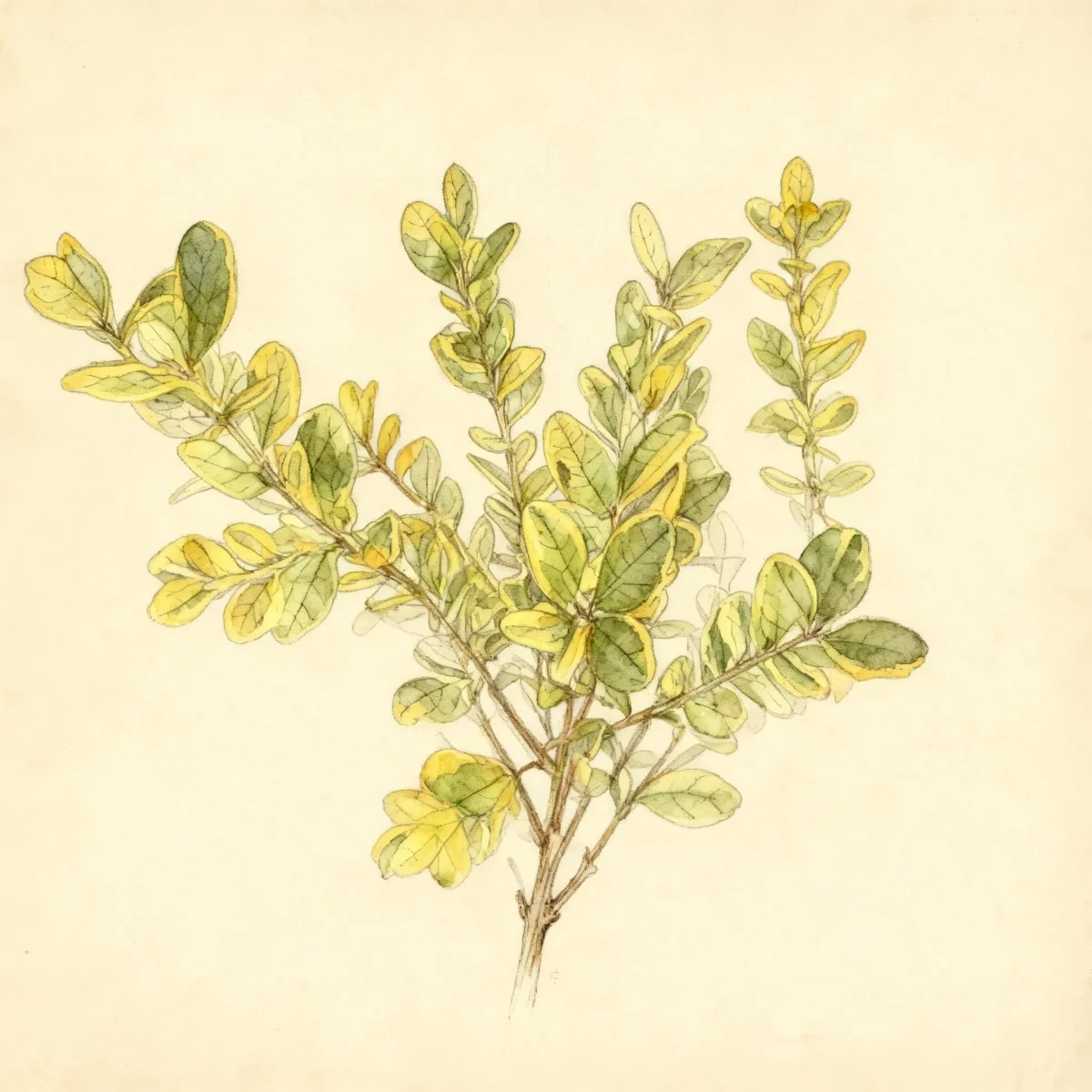
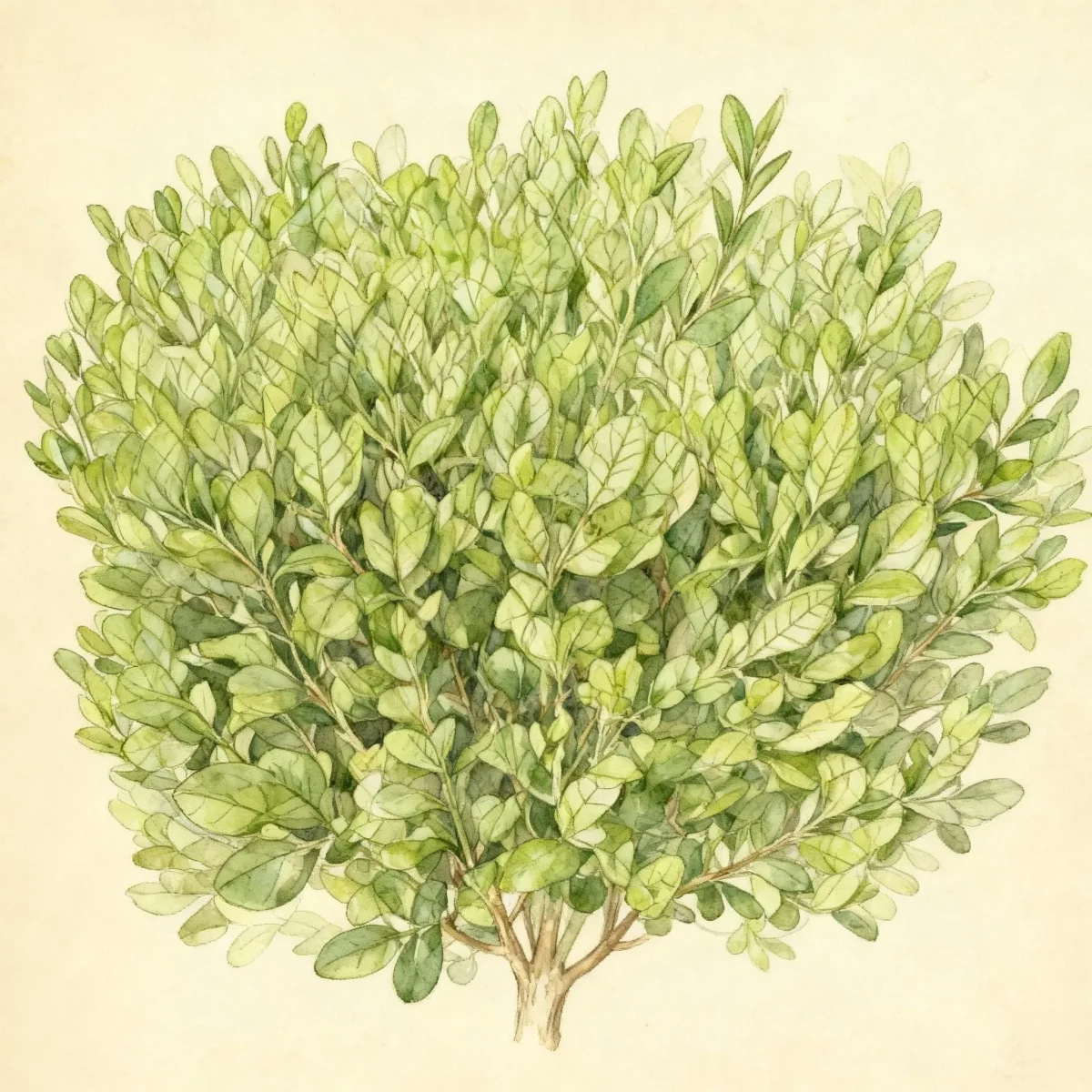
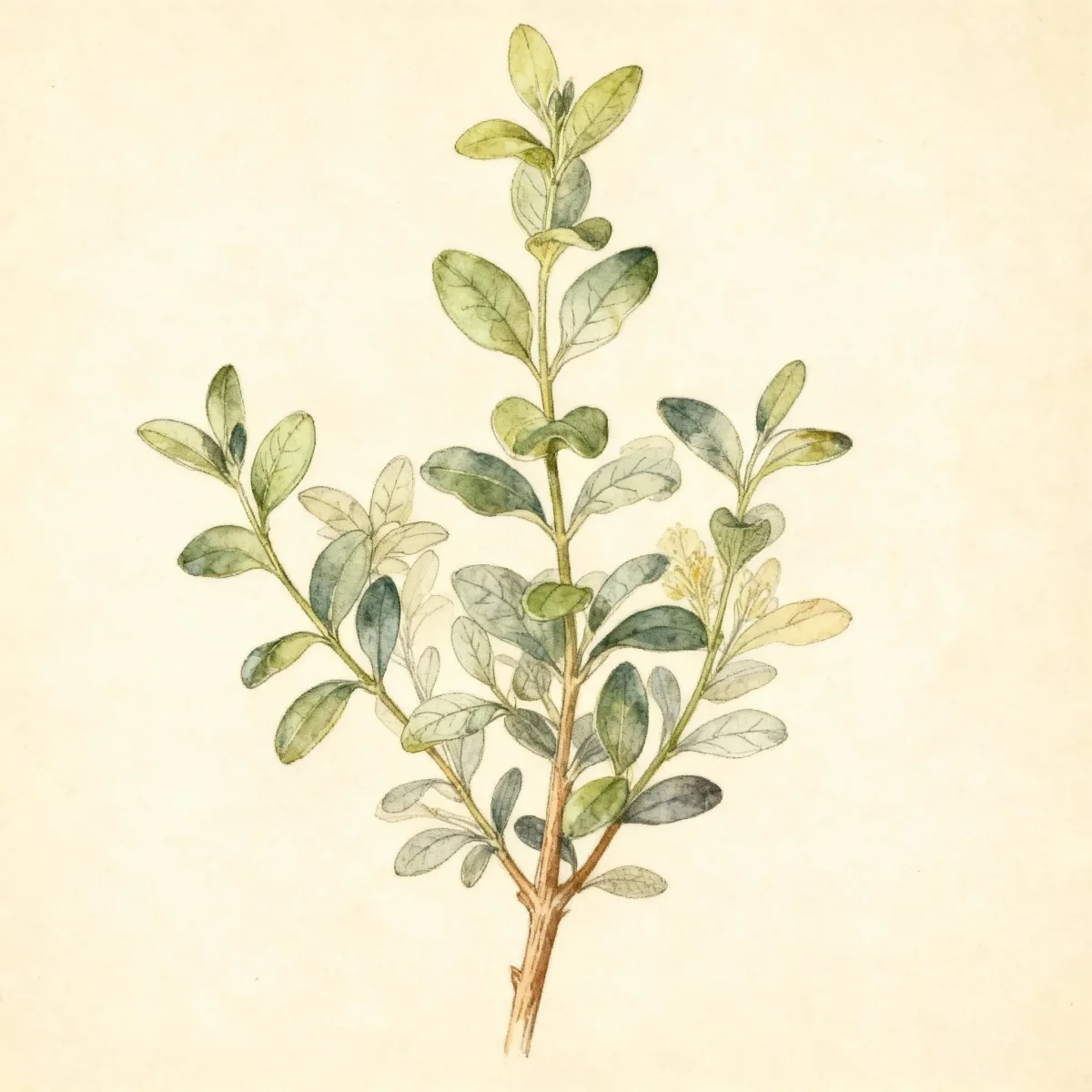
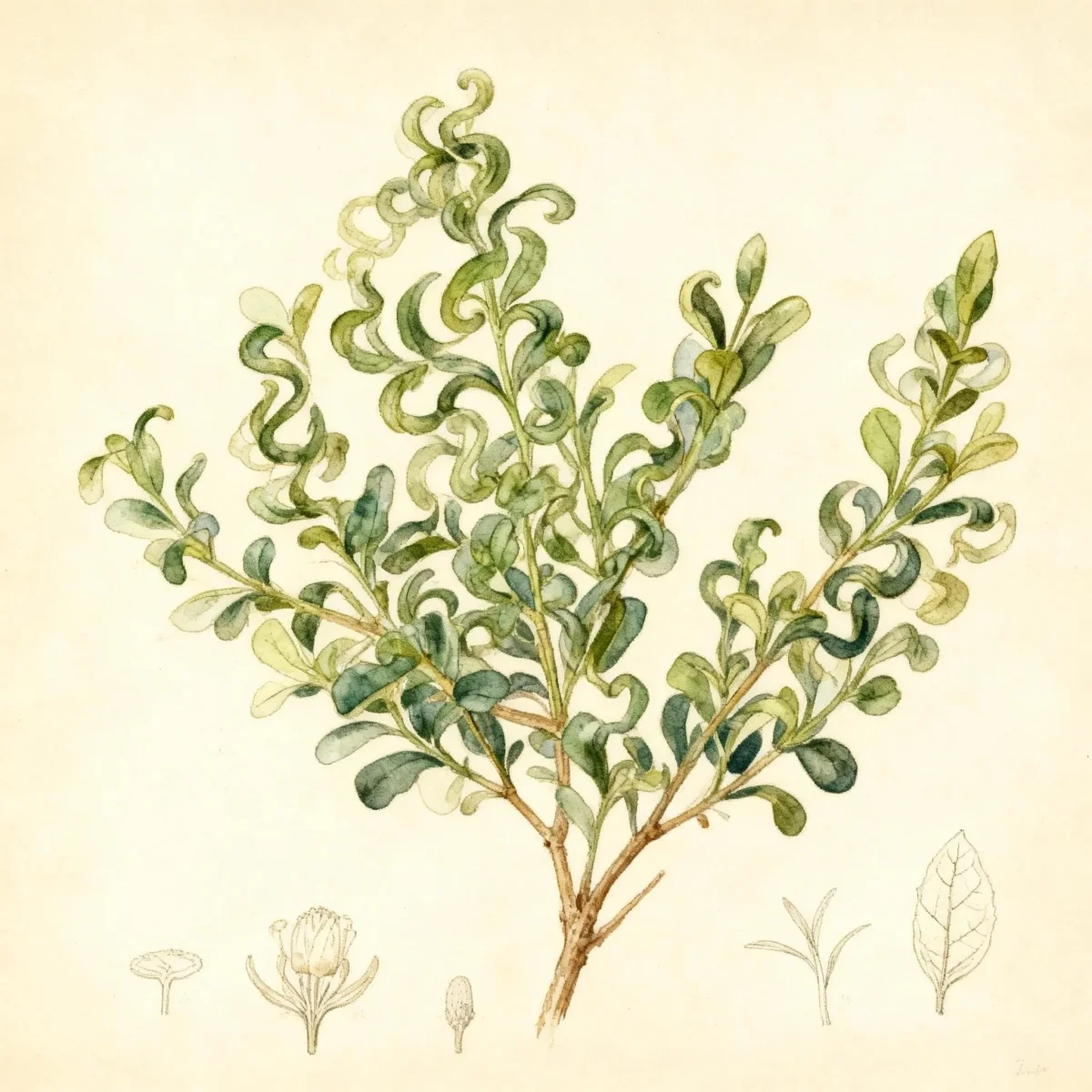
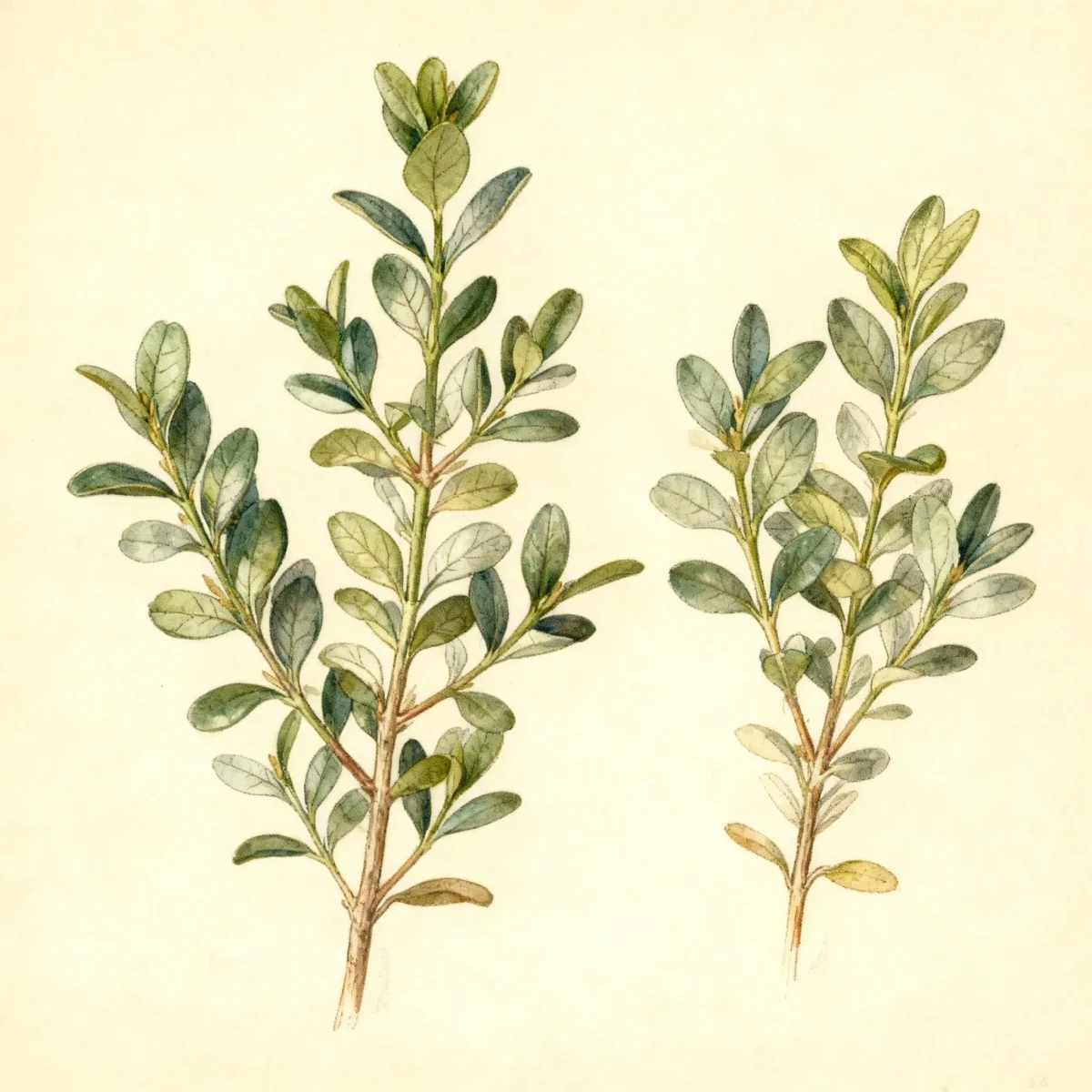
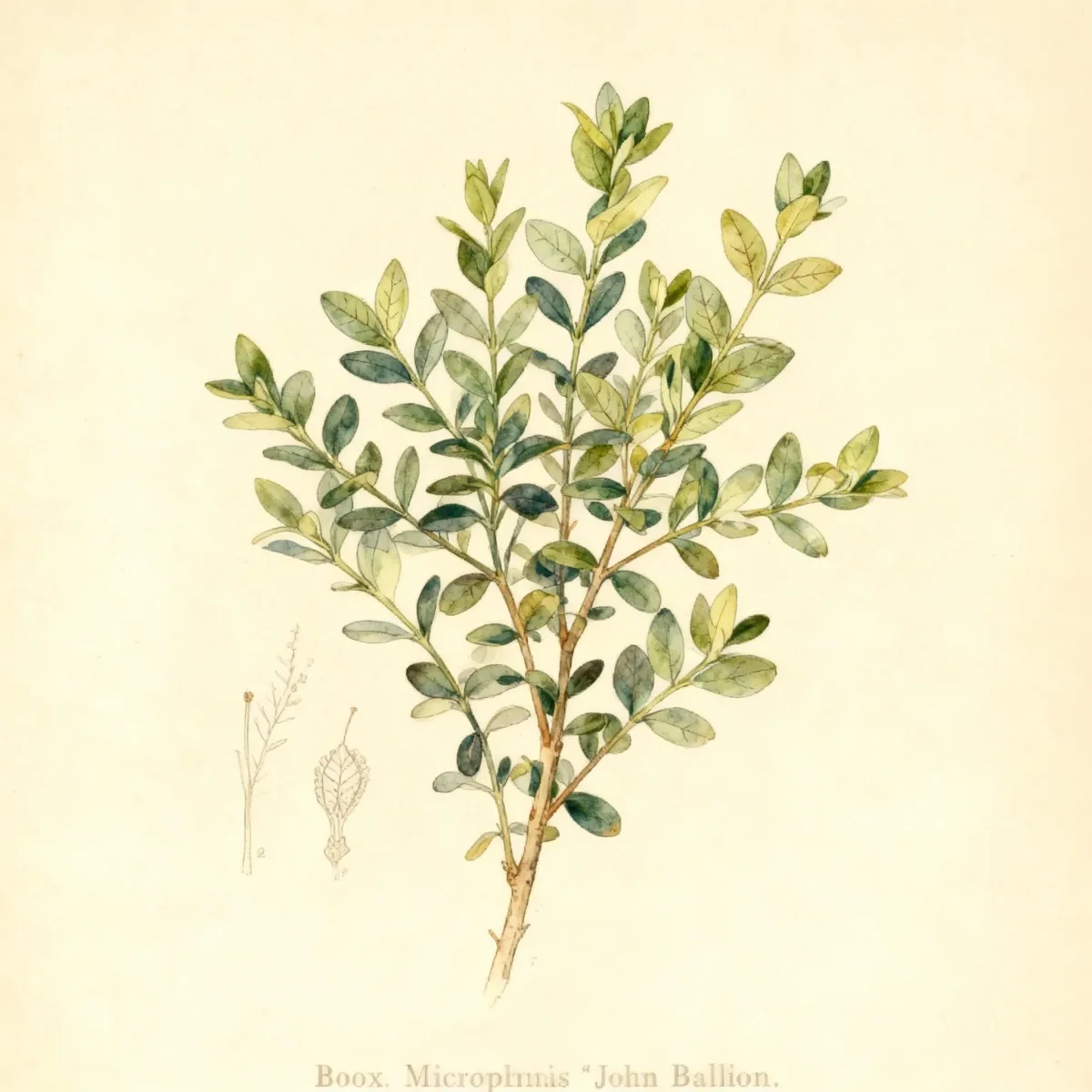
Boxwood (Buxus sempervirens 'Flora Place')
Buxus sempervirens 'Flora Place' is a dwarf Boxwood featuring dense, evergreen foliage perfect for formal foundation plantings and low hedges in Zones 5-8.
Scroll down to discover growing tips, care requirements, companion plants, and more
Complete Plant Information
Overview
The Buxus sempervirens ‘Flora Place’ is a prized cultivar of the common Boxwood, valued globally for its incredibly dense, upright, and slow-growing evergreen habit. This cultivar maintains an attractive structure reaching only 4 to 5 feet tall and wide, making it ideal where space is limited but formality is desired. As a broadleaf evergreen, it provides critical winter structure and deep, elliptic green foliage year-round.
Gardeners seek out Buxus sempervirens ‘Flora Place’ for its reliability in classic garden settings, serving admirably in low hedges or as structural accents. While its greenish-cream flowers in spring are inconspicuous, its primary appeal lies in its year-round texture and excellent tolerance for shaping, though it generally requires medium maintenance to maintain peak performance.
This Boxwood thrives in similar conditions to its species parent, preferring consistent moisture and well-drained soil. Its compact size ensures it remains manageable, offering foundational backbone to formal gardens, Mediterranean designs, or structured mixed borders.
Fast Facts
- Plant Family: Buxaceae
- Plant Type: Broadleaf evergreen
- Hardiness Zones: USDA Zones 5-8
- Size at Maturity:
- Height: 4-5 ft
- Spread: 4-5 ft
- Bloom Time: April to May
- Bloom Description: Greenish-cream
- Sun Exposure: Full sun to part shade
- Water Needs: Medium
- Maintenance Level: Medium
How to Grow
Planting your Buxus sempervirens ‘Flora Place’ during fall or early spring is recommended, ensuring the soil is an evenly moist, well-drained loam, such as a sand-clay mixture. This Boxwood performs best in full sun to part shade; however, areas with dappled light or morning sun are ideal, as full, intense afternoon sun can increase the risk of foliage scorch or winter bronzing. Soil pH tolerance is broad, stretching from slightly acidic to slightly alkaline conditions.
Consistent moisture is key, as Boxwood has shallow roots that do not appreciate drying out. While established plants need medium water, they benefit greatly from a 1-2 inch layer of organic mulch, like bark or compost, which helps conserve this moisture and regulates soil temperature. Avoid cultivating deeply around the base, as this can damage these sensitive surface roots.
Pruning and shearing are essential for maintaining sharp formal shapes. Always wait until after the last spring frost date passes before making any significant cuts, as pruning too early can encourage tender new growth that is vulnerable to subsequent frost damage. Annually thin the canopy by removing dead or damaged branches to maximize essential air circulation within the dense structure of the Buxus sempervirens ‘Flora Place’.
Landscape Uses
The Buxus sempervirens ‘Flora Place’ excels in applications requiring tight structure and formality. Its mature size—4 to 5 feet both high and wide—makes it perfect when used as a vertical specimen or accent in foundation plantings where taller shrubs might overwhelm the architecture. It is highly suitable for defining the edges of formal gardens or Mediterranean landscapes, where precision matters.
Mass planting this cultivar creates an impact, particularly when used to establish a neat, narrow hedge that offers year-round definition without requiring excessive trimming height. Furthermore, its dense structure lends itself well to topiary work, allowing creative gardeners to shape it into geometric forms or balls. For mixed beds and borders, place it strategically to contrast textures with broader-leafed or contrasting colored perennials.
Standout Features
Flower Qualities
- Insignificant
Noteworthy Characteristics
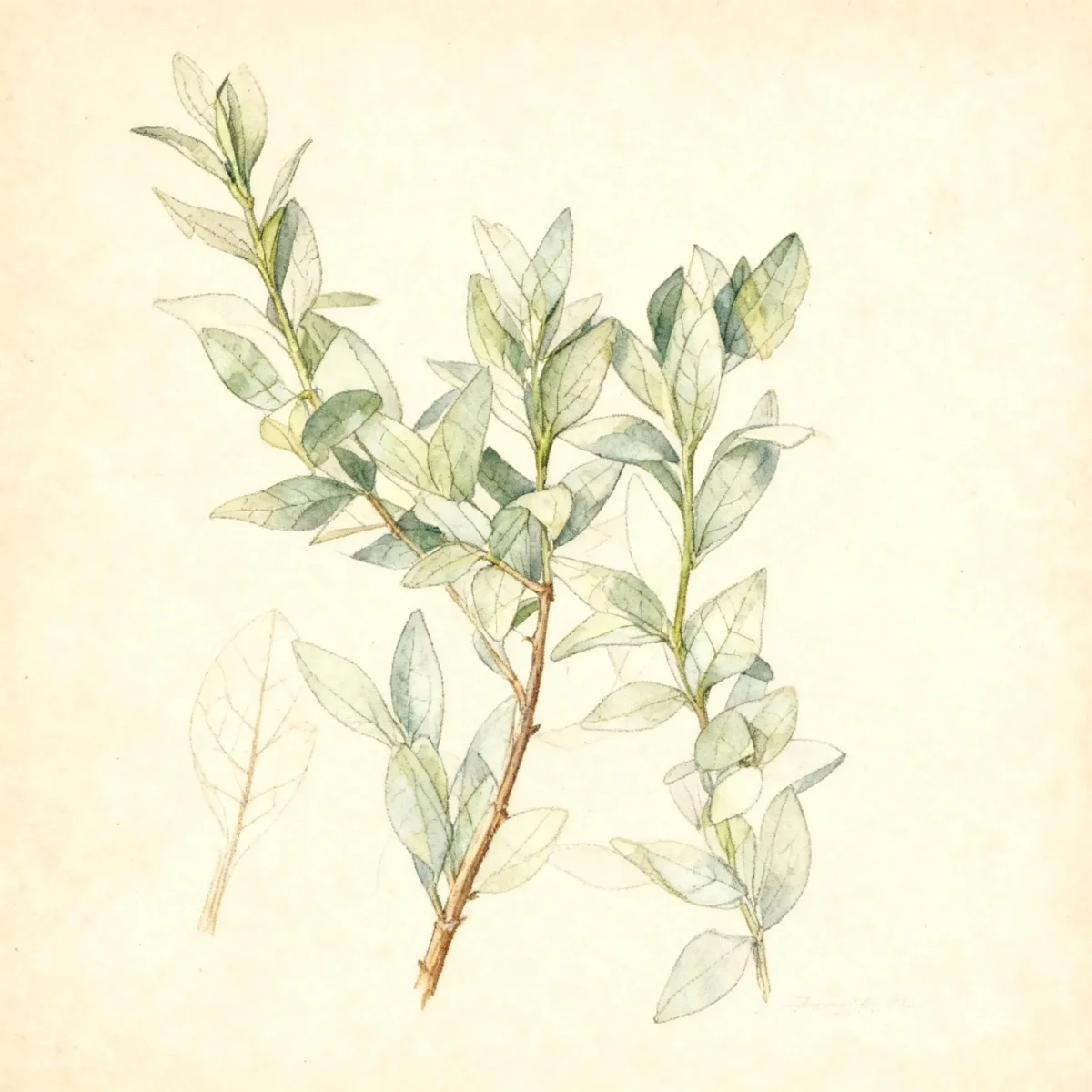
Buxus sempervirens is a rounded to broad-rounded shrub or small tree that is native primarily to open woodlands and rocky hillsides in southern Europe, northern Africa and western Asia. Small, elliptic to oval to oblong leaves are simple, opposite, smooth-margined and evergreen, appearing dark glossy green above. The specific epithet ‘sempervirens’ means always green, referencing its evergreen foliage, while ‘Flora Place’ is specifically known for its dwarf, slow-growing, upright habit excellent for smaller spaces.
Tolerances
- Rabbit
- Deer
Potential Problems
Boxwood foliage is susceptible to cosmetic damage known as bronzing, which turns leaves an unattractive yellowish-brown, especially in harsh winters when exposed to direct sun and drying winds. Address this by siting your Boxwood where it receives some protection from intense winter sun and strong winter gales. Culturally, poor drainage can quickly lead to root rot, so ensuring excellent soil aeration is crucial.
Pest and disease management requires vigilance. Watch for boxwood blight, volutella blight, and leaf spot diseases, which can be managed through good air circulation (achieved via annual thinning) and appropriate fungicide application if necessary. Common insect threats include the boxwood leafminer, mite, and psyllid; nematode issues can also arise. Immediate removal of damaged foliage helps slow disease spread.
Frequently Asked Questions
What hardiness zones is Boxwood suitable for?
This specific Boxwood cultivar, Buxus sempervirens ‘Flora Place’, is robustly suited for USDA Hardiness Zones 5 through 8.
How large does Buxus sempervirens ‘Flora Place’ grow?
At maturity, this dwarf variety typically maintains a height and spread between 4 and 5 feet tall and wide.
When does Boxwood bloom?
Buxus sempervirens ‘Flora Place’ produces its inconspicuous, greenish-cream blossoms during the mid to late spring, generally spanning from April to May.
What sun exposure does Boxwood need?
This plant prefers a location receiving full sun to part shade; however, planting in areas protected from intense afternoon sun prevents leaf burn and winter bronzing.
Conclusion
The Buxus sempervirens ‘Flora Place’ offers unmatched structure and year-round deep green appeal in a conveniently compact form, making it an excellent choice for precise landscape design elements like low hedges or foundation accents. Understanding its moderate water and cultural needs, particularly regarding winter protection, will ensure this Boxwood remains healthy for years to come. Check your USDA zone compatibility now and plan your installation during the cooler seasons for the best establishment results.
Companion Planting
When integrating Buxus sempervirens ‘Flora Place’ into formal borders, consider pairing it with plants that offer textural or color contrast without competing for the same shallow root space. Hosta varieties with chartreuse or variegated leaves provide excellent cool, shady contrast, especially if the Boxwood is sited in an area receiving afternoon shade. In sunnier locations, low-growing ornamental grasses or creeping thyme can soften the edges of the hedge while thriving in similar well-drained, slightly alkaline conditions.
For Mediterranean or gravel gardens employing the Boxwood, consider drought-tolerant companions that bloom later in the season, such as Lavender or certain low-growing Sedums. These pairings respect the fact that while established Boxwood needs medium water, it requires superb drainage, making them excellent partners against overly thirsty neighbors. Use these companions judiciously to frame the geometric perfection of the Boxwood.
Seasonal Care Calendar
Late Winter/Early Spring is time for site inspection; check for winter windburn or frost damage on the Buxus sempervirens ‘Flora Place’ foliage after the threat of hard frost has passed. This is the safe window for any necessary pruning to shape the plant, never before new, tender growth can emerge safely. Apply a fresh, thin layer of organic mulch around the root zone to retain spring moisture.
Summer maintenance centers on consistent watering, especially during dry spells, while minimizing disturbance to the shallow roots; avoid weeding or cultivating near the base. Watch closely for early signs of pest infestation, such as mite activity, which often flares up in hot, dry conditions when the plant is stressed by full sun exposure.
Autumn preparation is preventative, not promotional. Cease fertilization by mid-to-late summer to encourage hardening off of wood before winter. If the planting site is exposed to strong prevailing winter winds, consider installing temporary burlap screens to buffer the evergreen foliage from rapid moisture loss during freezing weather.